

Key Takeaways
- Essential needs remain a priority for customers, making recession-proof businesses more resilient even when overall spending slows.
- Strong opportunities often combine recurring demand, predictable revenue, lean operations, and cost-saving value.
- The blog explores ideas across healthcare, finance, home services, education, marketplaces, technology, and essential retail.
- Digital platforms can improve resilience through automation, subscriptions, efficient workflows, and scalable infrastructure.
A downturn can expose weak business models while making others more resilient. The difference often comes down to whether a business solves a problem people can delay or one they genuinely need. This is why recession-proof business ideas are worth exploring beyond the usual “safe” industries. The right opportunity can continue attracting customers because it helps people manage essential needs or reduce costs even when spending slows down.
Economic uncertainty often changes what customers are willing to spend on rather than eliminating demand altogether. We’ve worked on digital solutions across different industries and seen how technology can help businesses adapt to changing customer needs. In this guide, we’ll explore the top 50 recession-proof business ideas with a focus on opportunities that can remain relevant when markets slow down.
Why Demand Stability Matters More Than Market Size?
According to Metastat Insight, the global startup ecosystem platform market is estimated to reach $4,549 million by 2032 and grow at a 21.5% CAGR from 2025 to 2032. This growth reflects the continued demand for platforms that support businesses through changing economic conditions. During a recession, customers may reduce discretionary spending but essential services still hold their value.
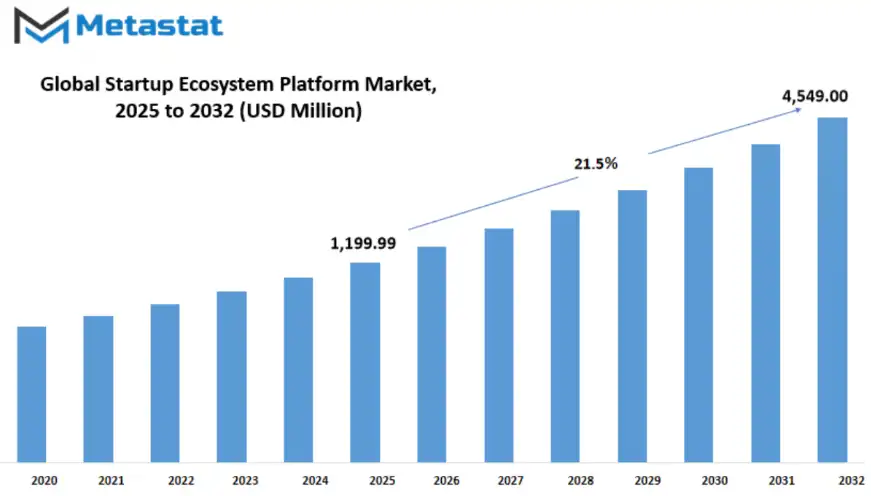
Source: Metastat Insight
Consider auto repair platforms. When consumer confidence drops, new car sales slump. Vehicle owners hold onto old cars longer, driving up the need for ongoing maintenance. The US automotive repair market generates over $180 billion annually because fixing a broken engine is not an optional expense. Platforms that connect vehicle owners with vetted mechanics trade on friction, not trends.
Recurring Demand Predicts Revenue
Predictable revenue models shield platforms against sudden market shifts. When end-users pay on a contract or automated subscription, cash flow stays steady. This predictability gives software platforms the buffer needed to survive prolonged down cycles.
- High customer retention limits the need for aggressive acquisition spending during downturns.
- Stable monthly recurring revenue simplifies debt financing and operational budgeting.
- Usage patterns remain flat or growing even when overall consumer sentiment declines.
Self-storage management software illustrates this dynamic well. The US self-storage industry generates more than $45 billion in annual revenue, driven by life transitions like downsizing or moving. Software platforms facilitating automated leasing, access control, and unit management for this asset class enjoy sticky revenue streams that resist broader market swings.
Cheaper Options Win in Downturns
Economic stress forces consumers and businesses down-market. Buyers do not stop purchasing altogether. Instead, they trade down to budget-friendly options that deliver core utility without premium pricing. Platforms positioned as cost-saving networks or value marketplaces experience elevated demand during downturns.
When primary retail channels get too expensive, buyers shift toward discount, secondary, or direct-to-consumer platforms. Capital allocation strategies that target these habits turn broader economic challenges into user acquisition tailwinds.

What Makes a Business Recession-Resistant?
Smart capital should not follow temporary trends or inflated market projections that can weaken during an economic downturn. Long-term returns are more likely to come from software platforms built for resilience. Businesses with essential demand and predictable subscription revenue can protect margins and maintain steady growth even when the wider market slows.
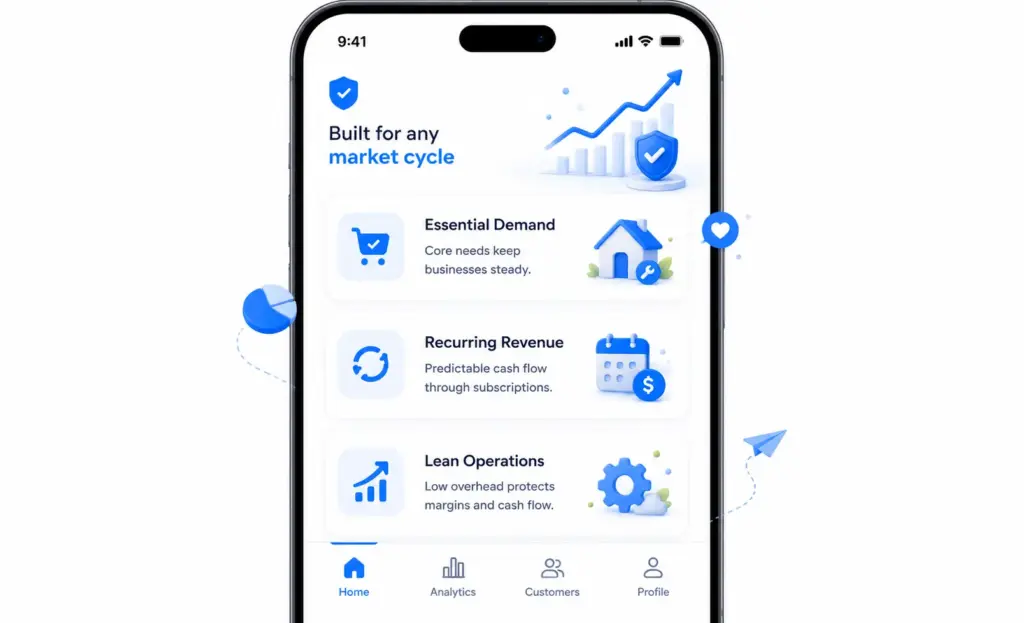
1. Essential Demand Retains Customers
Businesses tied to core needs operate with a safety net. When families and companies cut budgets, essential expenses stay untouched. Platforms supporting trade services, maintenance, and critical infrastructure keep steady traffic during down cycles. Consider ServiceTitan, a platform managing workflows for trade businesses like plumbing and electrical.
Heating failures and broken water lines cannot wait, making trade services remarkably recession-resistant. ServiceTitan surpassed $960 million in revenue, proving that backing essential utility networks yields high-margin stability across market cycles.
2. Recurring Revenue Predicts Cash Flow
Transaction-based models force companies to re-earn every dollar each month. That becomes dangerous during economic slowdowns. Recurring revenue models smooth out market shocks and give clear visibility into future capital needs.
| Revenue Type | Cash Flow Behavior | Capital Need in Downturns |
| Transactional | Fluctuates with consumer confidence | High (Requires active customer acquisition) |
| Subscription / SaaS | Smooth, predictable monthly baseline | Low (Focus shifts to user retention) |
| Usage-Based | Mimics core underlying activity | Medium (Scales automatically with usage) |
Platforms built on subscriptions or embedded fees weather down cycles without risking liquidity. Predictable cash flow allows founders to keep key talent, maintain product development, and acquire weaker competitors at discounted valuations.
3. Lean Operations Protect Margins
Businesses with flexible operating costs are better positioned to handle a downturn. Keeping fixed overhead low helps protect cash flow when demand slows. Digital platforms have an advantage here because infrastructure can scale with usage without creating large jumps in operating expenses.
Tractor Supply Company shows how an essential-focused model can stay resilient. With annual revenue exceeding $14 billion, its business serves ongoing needs such as livestock feed, maintenance supplies, and agricultural products. A similar focus on high asset utilization and automated service delivery can help businesses preserve capital and keep investing in growth during slower periods.
Top 50 Recession-Proof Business Ideas
We’ve researched businesses across multiple industries to identify 50 recession-proof business ideas that can remain resilient when the economy slows. These opportunities focus on essential needs and steady demand. Some can also be started with relatively low overhead, which makes them practical for entrepreneurs looking for long-term stability.
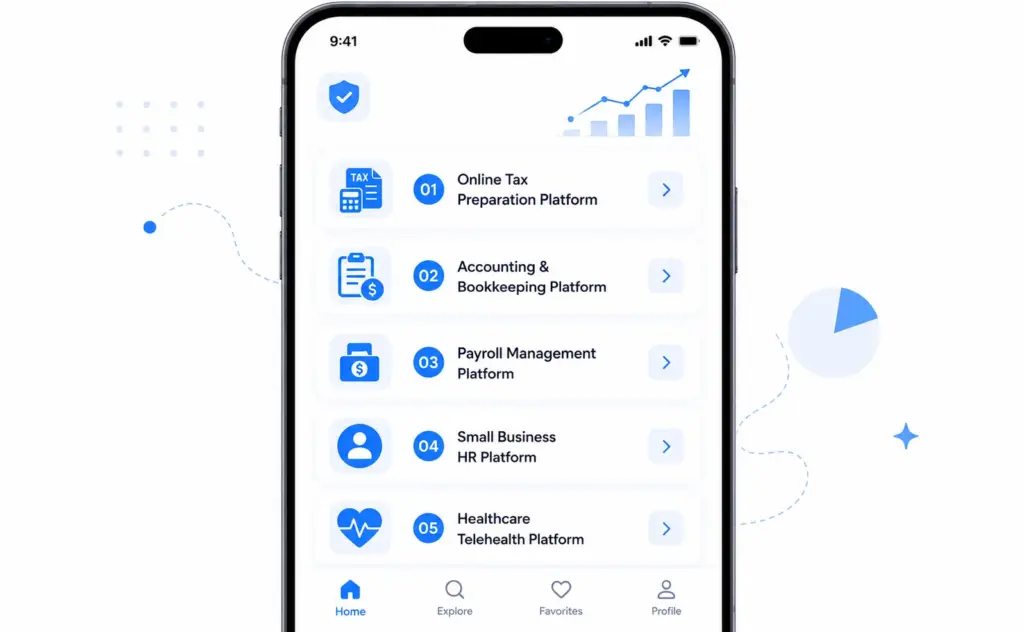
1. Online Tax Preparation Platform
An online tax preparation platform can connect individuals and small businesses with tax filing tools, professional assistance, document management, and year-round tax support. Demand remains comparatively resilient because filing obligations continue regardless of economic conditions.
Why it is recession-proof
- Mandatory demand: People still need to file taxes during downturns.
- Recurring usage: Customers return every tax year.
- Digital delivery: Software keeps service costs relatively low.
Example: H&R Block operates assisted and DIY tax preparation through physical and digital channels. It generated $3.76 billion in fiscal 2025 revenue, showing the scale possible in this category.
2. Accounting and Bookkeeping Platform
An accounting platform helps small businesses stay on top of their finances without relying on time-consuming manual work. It can simplify bookkeeping and invoicing while giving owners a clearer view of cash flow and business performance. This becomes even more valuable during a downturn when tighter financial control can help businesses reduce costs and make better decisions.
Why it is recession-proof
- Business necessity: Companies need financial records to operate.
- Recurring subscriptions: Accounting software naturally supports monthly plans.
- Cost efficiency: Automation can replace significant manual work.
Example: Intuit’s platform helps small businesses manage accounting and related financial operations through products such as QuickBooks. Its scale shows how essential these tools can become for businesses that need reliable financial management year after year. Intuit generated $18.83 billion in fiscal 2025 revenue, with $11.1 billion coming from its Global Business Solutions segment. .
3. Payroll Management Platform
A payroll platform helps businesses process employee salaries accurately while reducing the manual work involved in payroll administration. It also helps companies stay on top of changing compliance requirements and avoid costly errors. This makes payroll software valuable even during a downturn because paying employees and meeting legal obligations remain essential business functions.
Why it is recession-proof
- Essential operation: Employees still need to be paid.
- Compliance requirements: Payroll mistakes can create serious costs.
- Subscription revenue: Businesses typically pay every month.
Example: ADP’s platform helps businesses manage payroll and HR operations through tools for workforce management, benefits and employee administration. Because payroll is a core business function, companies continue to rely on these services even when the economy slows. ADP reported $20.56 billion in fiscal 2025 revenue, highlighting the scale of demand for essential HR and payroll technology.
4. Small Business HR Platform
An all-in-one HR platform can help small businesses manage their workforce without relying on multiple disconnected tools. Bringing core HR tasks into one system can reduce administrative work and give owners better visibility into employee data. This approach is especially useful for smaller companies that need affordable and scalable HR technology without the complexity of enterprise software.
Why it is recession-proof
- Core business function: Employers still have HR obligations.
- Recurring contracts: HR platforms typically operate through subscriptions.
- Automation reduces costs: Software can replace repetitive administrative work.
Example: Paychex’s platform helps businesses manage payroll, HR and employee benefits through integrated digital tools and advisory services. These are essential functions that companies continue to rely on even when economic conditions become difficult. Paychex generated $5.57 billion in fiscal 2025 revenue, showing the strong demand for technology that supports everyday workforce operations.
5. Healthcare Telehealth Platform
A telehealth platform makes healthcare easier to access by allowing patients to consult doctors remotely without always visiting a clinic. This model can stay resilient during economic downturns because medical needs continue even when consumers cut back on other expenses. Telemedicine also helps reduce travel and waiting time while extending specialist care to underserved areas.
Why it is recession-proof
- Essential demand: Healthcare remains necessary during downturns.
- Lower access costs: Virtual care can reduce travel and facility expenses.
- Recurring care: Chronic conditions create repeat consultations.
Example: Teladoc Health’s platform connects patients with virtual healthcare services while giving providers technology to deliver care remotely. Its model supports recurring access to primary care, mental health and chronic care services. Teladoc Health generated $2.53 billion in revenue in 2025 and completed 17.1 million telehealth visits during the year.
6. Prescription Savings Platform
A prescription savings platform helps consumers compare medication prices and find discounts before visiting a pharmacy. This can become especially valuable when household budgets are tight because users can look for lower-cost options instead of paying the first price they see. Platforms such as GoodRx show how price transparency can help consumers make more affordable choices.
Why it is recession-proof
- Essential purchases: Patients still need medications.
- Value proposition strengthens: Savings become more important during downturns.
- Transaction opportunities: Platforms can monetize referrals or transactions.
Example: GoodRx’s platform helps consumers compare prescription prices and find more affordable medication options. Its focus on lowering healthcare costs makes the model especially relevant when consumers become more price-conscious. GoodRx generated $796.9 million in 2025 revenue and served nearly 25 million unique consumers during the year.
7. Mental Health Services Platform
A mental health platform can make professional support easier to access through online therapy and digital behavioral-health services. Subscription plans can encourage ongoing care while giving users a more affordable alternative to traditional visits. The growing adoption of tele-mental health also shows that digital platforms are becoming an important part of behavioral healthcare delivery.
Why it is recession-proof
- Ongoing need: Demand for mental healthcare does not disappear during downturns.
- Remote access: Virtual delivery reduces operating overhead.
- Recurring sessions: Users may require ongoing support.
Example: Hims & Hers Health operates a digital healthcare platform that gives consumers convenient access to personalized care and treatment plans. Its subscription-based model encourages ongoing engagement and makes healthcare more accessible without relying entirely on traditional in-person visits. The company generated $2.35 billion in 2025 revenue, up 59% year over year, while its subscriber base grew to more than 2.5 million.
8. Senior Care Marketplace
A senior-care marketplace can make it easier for families to find trusted care and support for older adults. Demand for these services is likely to remain strong as the U.S. population ages and more families need professional help. AARP estimates that 59 million Americans provide care for adults, highlighting the scale of the caregiving need and the opportunity for platforms that make care easier to access
Why it is recession-proof
- Demographic demand: The aging population continues to require support.
- Recurring services: Care can be needed daily or weekly.
- Family necessity: Many care requirements cannot simply be eliminated.
Example: A Place for Mom operates a senior-care referral platform that helps families find suitable living and home-care options for aging loved ones. Its service is free for families because senior-care providers pay when a referred customer chooses their services. The company is privately held so exact revenue is not publicly disclosed. Third-party estimates place its annual revenue in the $100–500 million range, showing the scale of demand for senior-care referral services.
9. Childcare Marketplace
A childcare platform can make it easier for parents to find care that fits their budget and daily schedule. This can be especially valuable because many families struggle with limited availability and high costs. In 2025 the average annual childcare cost reached $13,184 in the U.S., while 48% of working parents with young children said finding care within their budget was difficult.
Why it is recession-proof
- Working-parent necessity: Childcare remains necessary for many households.
- Recurring bookings: Families need services repeatedly.
- Marketplace model: The platform can scale without operating every facility.
Example: Care.com operates a digital caregiving marketplace that helps families find suitable caregivers for children, seniors, pets, and household needs. Its subscription-based consumer model is supported by enterprise contracts with employers that offer caregiving benefits to their workers. Care.com generated $347.4 million in revenue in 2025, showing the scale of demand for digital care services.
10. Healthcare Appointment Platform
A healthcare appointment platform can help patients find suitable doctors and book visits online with less effort. It can show available time slots and send reminders to reduce missed appointments. Digital intake forms can also let patients complete paperwork before the visit which makes the overall experience smoother.
Why it is recession-proof
- Essential service: Medical appointments remain necessary.
- Repeat usage: Patients return for follow-ups.
- Provider subscriptions: Clinics can pay for scheduling and patient-management tools.
Example: Zocdoc’s platform helps patients find in-network doctors and book in-person or virtual appointments based on real-time availability. It now connects more than 200,000 providers and has helped over 20 million people access care. Zocdoc does not publicly disclose its current revenue but says its revenue grew at a 30% CAGR over the past three years and the company has remained profitable since 2023.
11. Home Repair Marketplace
A home repair platform can connect homeowners with plumbers, electricians, HVAC technicians, roofers, and handymen. Repair demand can actually become more attractive when homeowners delay expensive replacements. Current 2026 data shows that 79% of homeowners plan to repair or replace at least one home system this year, keeping demand for essential repair services strong.
Why it is recession-proof
- Urgent needs: Broken systems cannot always wait.
- Repair-over-replace behavior: Consumers may repair rather than purchase new.
- Repeat maintenance: Service contracts can create recurring revenue.
Example: Angi’s platform helps homeowners find trusted professionals for repairs, maintenance and other home services. Its marketplace supports more than 500 service categories and connected consumers with professionals for about 16 million projects in the 12 months ending March 2026. Angi generated $1.03 billion in 2025 revenue, showing the scale of demand for digital home-service marketplaces.
12. HVAC Maintenance Platform
Create a platform that helps customers book HVAC installation and repair services with ease. It can also make regular maintenance easier to manage and keep technicians organized. Recurring service plans can build stronger customer relationships while giving the business a more predictable revenue stream.
Why it is recession-proof
- Essential infrastructure: Heating and cooling are difficult to postpone.
- Maintenance revenue: Annual plans create predictable income.
- Local marketplace advantage: Customers need trusted providers nearby.
Example: ServiceTitan’s platform helps trade businesses manage daily operations and improve efficiency through purpose-built software. It supports essential industries such as plumbing, HVAC and electrical services which tend to remain active even during economic slowdowns. ServiceTitan generated $771.9 million in fiscal 2025 revenue with $739.5 million coming from its platform business.
13. Plumbing Services Platform
A plumbing marketplace can make it easier for homeowners and businesses to find reliable professionals when they need help. It can support urgent repairs as well as routine maintenance and installation work. A simple booking experience with verified plumbers can build trust and encourage customers to return whenever another plumbing issue comes up.
Why it is recession-proof
- Emergency demand: Major plumbing problems cannot be ignored.
- Recurring maintenance: Commercial properties need regular servicing.
- Marketplace scalability: Providers supply the labor while the platform handles discovery and transactions.
Example: ServiceTitan provides technology used by plumbing and other trade businesses. Its fiscal 2025 platform revenue reached $739.5 million.
14. Property Management Platform
A property management platform can help landlords handle rental operations from one place. It makes rent collection easier while keeping tenant communication and maintenance requests organized. Bringing these tasks together can reduce administrative work and give property owners better visibility into their properties.
Why it is recession-proof
- Housing remains essential: People still need places to live.
- Recurring revenue: Rent and property-management services are recurring.
- Operational efficiency: Automation reduces administrative workload.
Example: RealPage’s platform helps rental housing operators manage properties and improve day-to-day operations with property management software, AI tools, and real estate data. Its focus on improving efficiency can remain valuable when property owners face tighter budgets. RealPage is used across the rental housing industry and has operated for more than 25 years, supporting property managers with leasing, financial performance and resident services.
15. Rental Housing Marketplace
A rental platform can help tenants find suitable properties while giving landlords an easier way to manage listings and applications. It can simplify the rental journey by bringing property discovery and communication into one place. A well-designed platform can also improve trust by helping both sides connect with more relevant matches.
Why it is recession-proof
- Housing necessity: Renting remains a core household expense.
- Recurring listings: Landlords continuously need tenant acquisition.
- Multiple monetization options: Listings, subscriptions, screening, and advertising can generate revenue.
Example: Zillow Group’s platform helps people search for homes and rentals while giving real estate professionals tools to connect with buyers and renters. Its broad housing ecosystem creates value across different parts of the market. Zillow Group generated $2.6 billion in 2025 revenue, up 16% year over year, with its rental business also growing strongly.
16. Real Estate Information Platform
Build a platform that gives real estate professionals a clearer view of property and market conditions. Users can analyze valuations and neighborhood trends to make more informed investment decisions. A centralized data platform can also reduce the time spent gathering information from different sources.
Why it is recession-proof
- Information remains valuable: Professionals still need data when markets become uncertain.
- Subscription model: Data products can generate recurring revenue.
- B2B customers: Professional users often depend on information for decisions.
Example: CoStar Group’s platform provides real estate data, market analytics and online marketplaces that help property professionals make informed decisions. Its information remains valuable even when market conditions become uncertain because businesses still need reliable data to evaluate properties and manage investments. CoStar Group generated $3.2 billion in 2025 revenue, up 19% year over year.
17. Discount Grocery Marketplace
A digital grocery platform can make everyday shopping more convenient while helping customers find affordable products. It can highlight value deals and private-label options to help households manage their grocery budgets. By making essential purchases easier and more cost-effective, the platform can encourage customers to keep using it even when they become more price-conscious.
Why it is recession-proof
- Food is non-discretionary: Consumers still need groceries.
- Value becomes more important: Downturns can shift shoppers toward lower prices.
- High purchase frequency: Grocery purchases create frequent transactions.
Example: Walmart’s platform combines physical stores with digital commerce to help customers access everyday products at competitive prices. This value-focused model can remain resilient when consumers become more price-conscious and shift toward affordable options. Walmart reported $187.9 billion in revenue for Q2 FY2027, while U.S. e-commerce sales grew 24% during the quarter.
18. Grocery Delivery Platform
A grocery delivery marketplace can make everyday shopping easier by bringing local stores and customers onto one platform. Users can order essentials from nearby retailers and choose delivery options that fit their schedules. This model can encourage repeat purchases because groceries are a regular household need and convenience keeps customers coming back.
Why it is recession-proof
- Essential products: Groceries remain necessary.
- Convenience: Consumers continue to value time savings.
- Subscription potential: Memberships can create predictable recurring revenue.
Example: Instacart’s platform lets customers order groceries online and have them delivered from local retailers across the U.S. Its focus on everyday essentials gives the model resilience because grocery spending continues even when households cut back elsewhere. Instacart generated $992 million in revenue in 2025, up 12% year over year, while gross transaction value reached $37.2 billion.
19. Discount Shopping Platform
Create a platform that brings deals and coupons from different retailers into one place. Users can quickly find better prices without checking multiple websites. Timely offers and verified discounts can also encourage shoppers to return whenever they want to save money.
Why it is recession-proof
- Consumers become price-conscious: Savings become a stronger purchasing driver.
- Affiliate revenue: The platform can earn commissions without holding inventory.
- High repeat usage: Users can return whenever they need a better price.
Example: RetailMeNot’s platform helps shoppers find coupons and cash-back offers that make everyday purchases more affordable. This value-focused model can become even more useful when consumers tighten their budgets and actively look for savings. RetailMeNot reaches more than 15 million monthly users and drove $1.85 billion in last-click sales for advertisers in 2024.
20. Resale Marketplace
A resale platform can help people turn unwanted items into extra income while giving others access to products at lower prices. It can make secondhand shopping more convenient by bringing buyers and sellers together in one place. This model can be especially attractive during economic slowdowns because consumers often look for affordable alternatives to buying new.
Why it is recession-proof
- Affordable alternatives: Used products cost less than new ones.
- Seller motivation: Households can generate extra income.
- Asset utilization: Existing products gain a second market.
Example: eBay’s platform connects buyers and sellers through a large digital marketplace where users can find new and pre-owned products at different price points. Its resale model can become more attractive during downturns as shoppers look for better value and sellers seek extra income. eBay generated $11.1 billion in 2025 revenue and enabled $79.6 billion in gross merchandise volume during the year.
21. Used Auto Marketplace
A platform for used vehicles can make buying and selling cars easier by bringing both sides together in one place. It can simplify the process with trusted listings and support throughout the purchase journey. Adding services such as inspections and financing can also give buyers more confidence while helping sellers close deals faster.
Why it is recession-proof
- Lower-cost alternative: Buyers may shift away from new vehicles.
- Essential transportation: Cars remain necessary for many workers.
- Multiple revenue channels: Financing and ancillary services expand monetization.
Example: CarMax’s platform combines online vehicle shopping with a large used-car retail network. Customers can browse vehicles and complete much of the buying process digitally. The model benefits from demand for more affordable transportation options. CarMax generated $25.88 billion in fiscal 2026 revenue and sold 780,684 used vehicles during the year.
22. Auto Repair Marketplace
Build a platform that helps drivers find trusted repair shops and understand service costs before booking. It can make scheduling easier while keeping vehicle maintenance organized in one place. A simple comparison experience can also help drivers make confident repair decisions without calling multiple workshops.
Why it is recession-proof
- Repair replaces replacement: Consumers may keep older cars longer.
- Mandatory maintenance: Vehicles require regular servicing.
- Repeat transactions: Oil changes and repairs create recurring demand.
Example: RepairPal’s platform helps drivers estimate repair costs and find trusted auto repair facilities through its certified network. Its 4,300+ certified shops and dealerships give customers more confidence when dealing with necessary vehicle repairs. The platform is especially relevant during downturns because drivers may choose to maintain older vehicles instead of replacing them.
23. Auto Parts Marketplace
An auto-parts platform can help consumers and repair shops find the right parts without searching across multiple suppliers. It can bring new and used options into one marketplace while making price comparison easier. Verified sellers and clear vehicle compatibility can also give buyers more confidence when ordering parts.
Why it is recession-proof
- Older vehicles require parts: Vehicle maintenance continues.
- Lower-cost repairs: Used and aftermarket components can reduce expenses.
- B2C and B2B demand: Both drivers and repair shops can become customers.
Example: LKQ Corporation’s platform connects repair businesses with a broad supply of aftermarket and recycled vehicle parts. Its focus on affordable repair solutions makes the model well suited to periods when consumers choose to maintain older vehicles instead of buying new ones. LKQ generated $13.7 billion in revenue in 2025 and served customers through its parts and services business across North America and Europe.
24. Salvage Vehicle Marketplace
Create a digital marketplace that helps buyers find damaged and salvage vehicles at competitive prices. It can also connect sellers with recyclers and parts buyers who can give unwanted vehicles a second life. Online auctions make the process more transparent while helping sellers move inventory faster.
Why it is recession-proof
- Parts remain valuable: Damaged vehicles still contain usable components.
- Lower-cost supply: Buyers seek affordable vehicles and parts.
- Insurance-driven demand: Insurers continually dispose of total-loss vehicles.
Example: Copart’s platform runs online vehicle auctions that help insurers and other sellers remarket damaged and used vehicles to buyers around the world. Its digital auction model supports demand for affordable vehicles and parts while giving sellers an efficient way to move inventory. Copart generated $4.65 billion in fiscal 2025 revenue, highlighting the scale of the online vehicle auction market.
25. Fleet Maintenance Platform
A fleet-management platform can bring vehicle operations into one place and make it easier to track costs and maintenance. It can help businesses keep vehicles road-ready while reducing the risk of missed servicing or unexpected downtime. Better visibility also allows fleet managers to make smarter decisions about repairs and vehicle usage.
Why it is recession-proof
- Businesses depend on fleets: Vehicles generate revenue for many companies.
- Maintenance is unavoidable: Neglect creates larger expenses.
- Recurring SaaS revenue: Fleet operators can pay monthly per vehicle.
Example: Samsara’s platform helps businesses manage fleets and physical operations through connected devices, real-time data and AI-powered tools. It helps companies improve safety, reduce costs and keep essential operations running efficiently. Samsara ended fiscal 2026 with $1.9 billion in annual recurring revenue, up 30% year over year, showing the strength of its recurring-revenue model.
26. Waste Management Platform
A waste-management marketplace can make it easier for households and businesses to arrange waste collection and recycling services. It can connect users with trusted providers through a simple booking experience. Bringing collection and recycling into one platform can also improve efficiency and make responsible disposal more convenient.
Why it is recession-proof
- Waste is unavoidable: Businesses and households continuously produce waste.
- Recurring contracts: Commercial collection can create predictable revenue.
- Regulatory requirements: Disposal and recycling often involve compliance obligations.
Example: Waste Management’s platform supports waste collection and disposal services for businesses, households and communities. Waste removal remains an essential service because customers cannot simply stop generating waste during an economic slowdown. Waste Management generated $25.20 billion in 2025 revenue, up 14.2% from 2024, highlighting the resilience and scale of the waste-services market
27. Commercial Cleaning Platform
A commercial cleaning platform can help businesses find reliable providers for regular and one-time cleaning needs. It can simplify the process of comparing services and booking the right team. Verified providers can also give businesses more confidence when choosing a cleaning partner.
Why it is recession-proof
- Recurring contracts: Cleaning is often purchased weekly or monthly.
- Operational necessity: Businesses still need clean facilities.
- Marketplace structure: The platform does not need to employ every cleaner.
Example: ServiceMaster Brands operates a network of franchise platforms that provide cleaning and other essential home and business services. Its needs-based model can remain resilient because customers still require cleaning and restoration even when the economy slows. The company’s brands generate more than $3.6 billion in system-wide sales across 4,600+ locations and serve over 1 million homes and businesses each year.
28. Home Security Platform
A home-security platform can help homeowners monitor and protect their properties through connected security tools. It can bring alerts and monitoring into one simple experience while making it easier to respond when something goes wrong. Subscription plans can also support ongoing service and maintenance, which creates a more reliable customer relationship.
Why it is recession-proof
- Security is a priority: Households continue to protect property.
- Recurring subscriptions: Monitoring produces monthly revenue.
- Hardware plus software: Multiple revenue streams reduce reliance on one product.
Example: ADT’s platform provides home security and smart-home services through professional monitoring and connected solutions. Its recurring model creates predictable revenue because customers typically pay ongoing fees for monitoring rather than making a one-time purchase. ADT generated $5.1 billion in 2025 revenue, with $4.35 billion coming from monitoring and related services.
29. Cybersecurity Platform for SMBs
Build a cybersecurity platform that helps small businesses protect their systems without adding unnecessary complexity. It can bring threat monitoring and endpoint security into one place while making vulnerabilities easier to identify. Automated alerts and incident response can also help businesses act quickly when a security issue appears.
Why it is recession-proof
- Risk does not disappear: Cyber threats continue during downturns.
- Compliance pressure: Many businesses have security obligations.
- Recurring subscriptions: Protection naturally fits a SaaS model.
Example: CrowdStrike’s Falcon platform provides cloud-based cybersecurity through a SaaS model that helps businesses protect endpoints, cloud environments and other critical systems. Security remains a priority even during economic slowdowns because cyber threats do not disappear when budgets tighten. CrowdStrike generated $4.81 billion in fiscal 2026 revenue and reached $5.25 billion in annual recurring revenue.
30. IT Support Marketplace
An IT-support marketplace can help small businesses find reliable technicians without maintaining a full-time IT team. It can make remote troubleshooting and routine support easier to access while keeping costs more manageable. A flexible platform can also connect businesses with specialists when they need help with networks, cloud systems or cybersecurity.
Why it is recession-proof
- Technology remains essential: Businesses still depend on IT infrastructure.
- Remote delivery: Support can be provided without large physical facilities.
- Subscription plans: Managed IT creates predictable recurring revenue.
Example: Upwork’s platform connects businesses with independent professionals for digital work across areas such as development, marketing, finance and customer support. Its flexible hiring model can become more valuable when companies want specialized talent without adding permanent overhead. Upwork generated $787.8 million in 2025 revenue and facilitated $4.03 billion in gross services volume through its marketplace and workforce solutions.
31. Business Information Platform
A business-information platform can help companies make smarter decisions by bringing important company and credit data into one place. It can support better due diligence and help businesses assess potential risks before working with new customers or suppliers. Real-time insights can also make it easier to respond when a company’s financial position changes.
Why it is recession-proof
- Risk increases during downturns: Companies need better information when uncertainty rises.
- B2B subscriptions: Professional data supports recurring contracts.
- Decision-critical information: Businesses can justify spending when it protects revenue.
Example: Dun & Bradstreet’s platform provides business data and analytics that help companies assess credit risk and make better business decisions. Its information becomes especially valuable when economic uncertainty increases and businesses need greater visibility into customers and partners. Dun & Bradstreet generated about $2.4 billion in 2025 revenue before being acquired by Clearlake Capital in August 2025.
32. Procurement Marketplace
A procurement platform can make business purchasing faster and easier to manage. It can help teams find better suppliers while reducing manual work across the buying process. Automated approvals and clear spending visibility can also help businesses control costs and make smarter purchasing decisions.
Why it is recession-proof
- Cost savings become critical: Companies actively search for cheaper suppliers.
- Recurring transactions: Businesses purchase supplies continuously.
- Data advantage: Purchase history improves future recommendations.
Example: Amazon Business is a digital procurement platform that helps organizations purchase supplies and manage business spending more efficiently. Its focus on bulk buying and cost savings can become especially valuable when companies look for ways to control expenses during economic slowdowns. Amazon Business surpassed $60 billion in annualized gross sales in Q2 2026 and now serves more than 11 million organizations worldwide.
33. Inventory Management Platform
Build software that helps retailers and manufacturers keep better control of their inventory. It can make demand planning easier and help businesses avoid running out of important products. Better inventory visibility can also reduce excess stock and free up working capital for other priorities.
Why it is recession-proof
- Waste reduction matters: Businesses want to avoid excess inventory.
- Operational necessity: Inventory must remain controlled.
- Subscription model: SaaS provides recurring revenue.
Example: Oracle’s platform provides enterprise software that helps businesses manage inventory and supply-chain operations while improving efficiency across their workflows. These systems become especially valuable when companies need tighter control over costs and resources. Oracle generated $67.4 billion in fiscal 2026 revenue, with $34.0 billion coming from cloud revenue.
34. Workforce Scheduling Platform
A workforce platform can make employee scheduling easier for businesses with changing staffing needs. It can help managers create shifts and adjust schedules without relying on spreadsheets or manual processes. Better visibility into staff availability can also reduce scheduling conflicts and help control labor costs.
Why it is recession-proof
- Labor optimization: Businesses need to control staffing costs.
- Recurring usage: Scheduling happens every week.
- Automation: Software reduces manual administrative work.
Example: Workday’s platform helps organizations manage workforce and financial operations through cloud-based software. Its subscription model creates predictable recurring revenue while supporting essential business functions. Workday generated $9.55 billion in fiscal 2026 revenue, with $8.83 billion coming from subscription revenue, which grew 14.5% year over year.
35. Document Management Platform
A secure document platform can help businesses store and manage important files in one place. It can simplify sharing while keeping approvals and signatures within the same workflow. Strong access controls and audit trails also help teams protect sensitive information and stay organized.
Why it is recession-proof
- Every business uses documents: Contracts and records remain necessary.
- High switching costs: Businesses become dependent on organized workflows.
- Subscription revenue: Storage and workflow features support recurring plans.
Example: DocuSign’s platform helps businesses create, sign and manage agreements digitally. Its subscription model makes it a strong example of recurring software revenue because companies rely on digital agreements for everyday operations. DocuSign generated $3.2 billion in fiscal 2026 revenue, with $3.15 billion coming from subscription revenue.
36. Legal Document Platform
A legal-document platform can make routine paperwork easier for individuals and small businesses. Users can create common legal documents through guided templates without starting from scratch. A simple digital process can also save time and make basic legal paperwork more accessible when professional help is not always necessary.
Why it is recession-proof
- Legal needs persist: Businesses still form contracts and manage compliance.
- Lower-cost alternative: Customers may prefer self-service tools over expensive legal consultations.
- Digital scalability: One platform can serve large numbers of users.
Example: LegalZoom’s platform helps individuals and small businesses handle legal needs such as business formation and compliance through online tools and professional support. Its subscription model also creates recurring revenue from ongoing legal services. LegalZoom generated $756 million in 2025 revenue with $492.5 million coming from subscription revenue.
37. Online Legal Services Marketplace
A legal services marketplace can help consumers and businesses find attorneys for consultations and specialized legal needs. It can make it easier to compare professionals and book the right service without lengthy searches. Adding document review and contract support can also make the platform useful for ongoing legal requirements.
Why it is recession-proof
- Legal disputes continue: Economic pressure can create additional legal needs.
- Professional demand: Many situations require licensed expertise.
- Marketplace economics: The platform can monetize bookings or subscriptions.
Example: Avvo’s platform helps people find lawyers and understand their legal options through attorney profiles, ratings, reviews and free legal information. Its network now covers more than 97% of licensed U.S. attorneys and includes over 1.1 million lawyers. Avvo also reports 17 million+ legal questions and answers, showing the strong demand for accessible legal information and attorney discovery.
38. Online Education Platform
An education platform can make learning more accessible by offering affordable courses and career-focused programs online. It can help users build new skills without the cost of traditional education. Flexible learning also allows professionals to improve their employability or prepare for a career change while continuing to work.
Why it is recession-proof
- Career pressure: Workers may invest in new skills when jobs become uncertain.
- Digital scalability: Courses can serve many users simultaneously.
- Subscription opportunities: Memberships create recurring revenue.
Example: Coursera’s platform provides online courses and professional learning programs that help people build skills for education and career growth. Its mix of consumer subscriptions and enterprise learning gives it multiple revenue channels while keeping digital education accessible at scale. Coursera generated $757.5 million in 2025 revenue, up 9% year over year, and had around 197 million registered learners by the end of the year.
39. Language Learning Platform
A language-learning platform can make practice more engaging through AI tutoring and interactive lessons. It can adapt learning activities to each user’s pace while providing instant feedback during practice. A subscription model can also support ongoing access to personalized learning tools and encourage users to build a consistent study habit.
Why it is recession-proof
- Affordable learning: Digital lessons can cost less than traditional instruction.
- Recurring subscriptions: Learning naturally supports monthly plans.
- Global audience: The platform can serve users beyond the U.S.
Example: Duolingo’s platform makes language learning accessible through gamified lessons and a freemium subscription model. Its strong engagement helps create recurring demand while keeping learning affordable for users. Duolingo generated approximately $748 million in 2025 revenue, reflecting 14% year-over-year growth.
40. Professional Certification Platform
Build a career certification platform that helps professionals gain practical skills and earn recognized credentials. Users can choose learning paths that match their career goals and prepare for industry certifications. This model can support both career growth and reskilling as job requirements continue to change.
Why it is recession-proof
- Employability focus: Workers seek credentials that improve job prospects.
- Regulated professions: Some certifications must be renewed.
- Digital delivery: Courses can scale without physical classrooms.
Example: Udemy’s platform helps individuals and businesses build professional skills through online courses and AI-powered learning tools. Its subscription model also provides more predictable revenue while helping organizations reskill their workforce. Udemy generated $789.8 million in 2025 revenue, with $566 million coming from subscription revenue.
41. Job Marketplace for Essential Workers
An employment marketplace can help businesses find workers for essential roles without relying on lengthy hiring processes. It can make matching faster while giving employers access to verified talent when staffing needs change. Flexible hiring options can also help companies manage workforce costs without committing to permanent hires.
Why it is recession-proof
- Essential roles remain active: Businesses still need critical workers.
- Two-sided network: Employers and workers create recurring marketplace activity.
- Transaction monetization: Platforms can charge employers for hiring or subscriptions.
Example: Indeed’s platform helps job seekers discover opportunities while giving employers tools to find and hire talent. Its large network creates value even when hiring conditions change because businesses still need workers for essential roles. Indeed has 685 million job seeker profiles and more than 3.5 million employers using the platform, with about 31 hires made every minute as of March 2026.
42. Freelance Services Marketplace
A freelance marketplace can help businesses access skilled professionals without committing to full-time hires. It makes it easier to find the right expertise for specific projects and changing workloads. This flexible model can also help companies control overhead while getting work done faster.
Why it is recession-proof
- Flexible hiring: Businesses can use freelancers instead of adding full-time employees.
- Cost control: Companies can hire for specific projects.
- Global supply: A marketplace can scale its talent pool rapidly.
Example: Fiverr’s platform connects businesses with freelance professionals for digital services and specialized projects. Its flexible hiring model can help companies access talent without taking on the cost of full-time employees. Fiverr generated $430.9 million in 2025 revenue, up 10.1% year over year, while its marketplace supported 3.1 million active buyers.
43. Payment Processing Platform
A payment platform can help businesses accept money online and manage their billing from one place. It can simplify recurring payments and make invoicing easier for both businesses and customers. Payment links can also help businesses collect money without requiring a complex checkout system.
Why it is recession-proof
- Transactions continue: Businesses still need to accept payments.
- Usage-based revenue: Platforms can earn from transaction volume.
- Recurring billing: Subscription businesses create predictable payment flows.
Example: PayPal’s platform enables consumers and businesses to send payments and manage digital transactions through services such as PayPal and Venmo. Its transaction-based model benefits from continued payment activity because businesses still need reliable ways to accept money during economic slowdowns. PayPal generated $31.8 billion in 2024 revenue and processed $1.68 trillion in total payment volume that year.
44. Business Expense Management Platform
Build a platform that brings corporate spending and expense management into one place. It can help businesses track purchases while making approvals and reimbursements easier to manage. Clear spending controls can also give finance teams better visibility and reduce unnecessary expenses.
Why it is recession-proof
- Cost control: Expense visibility becomes more important during downturns.
- B2B subscriptions: Businesses can pay monthly for management tools.
- Transaction revenue: Payment activity can create additional monetization.
Example: Ramp’s platform helps businesses control spending and automate financial workflows through corporate cards, expense management and bill payments. Its focus on reducing unnecessary costs can make the model especially valuable when companies face tighter budgets. Ramp surpassed $1 billion in annualized revenue in 2025 and reached 45,000 customers by August 2025.
45. Debt Management Platform
A debt-management platform can help consumers understand their debt and choose a practical path toward repayment. It can bring different debts into one view while helping users build a manageable payment plan. Access to personalized guidance can also make it easier to stay on track and avoid costly financial decisions.
Why it is recession-proof
- Debt pressure increases: Economic stress can increase demand for financial assistance.
- Clear value proposition: Users come to the platform to save money.
- Multiple revenue models: Subscription, referral, or financial-service fees can be used.
Example: Credit Karma’s platform helps consumers monitor their credit and discover financial products that can support better money decisions. Its focus on financial visibility can become especially valuable when people are more careful with spending and borrowing. Credit Karma generated $2.3 billion in fiscal 2025 revenue, up 32% from the previous year as part of Intuit.
46. Credit Monitoring Platform
A credit platform can help users understand their financial standing and stay informed about changes to their credit profile. It can provide alerts when important activity appears and offer guidance on improving credit health. Personalized recommendations can also help users explore financial products that fit their needs.
Why it is recession-proof
- Financial uncertainty increases: Consumers pay more attention to credit.
- Recurring monitoring: Users can subscribe to premium protection.
- Lead-generation revenue: Financial-product referrals provide another income stream.
Example: Experian’s platform helps consumers monitor credit, protect their identity and discover financial products through digital tools and personalized insights. Its large member base gives the platform strong reach while recurring subscriptions and marketplace services support its business model. Experian generated $7.52 billion in FY2025 revenue and served more than 200 million free members globally.
47. Home Improvement Marketplace
A home improvement marketplace can help homeowners find contractors and suppliers for repair and renovation projects. It can make it easier to compare professionals and choose services that fit the project and budget. Bringing project discovery and supplier access into one platform can also make the entire process more convenient.
Why it is recession-proof
- Smaller projects remain viable: Consumers may postpone major renovations but continue necessary improvements.
- Repair demand persists: Homes require ongoing maintenance.
- Marketplace scalability: Contractors provide services while the platform handles discovery and payments.
Example: The Home Depot’s platform combines online and in-store shopping with tools for home improvement and maintenance. Its demand remains resilient because homeowners often continue with smaller repairs even when larger renovation projects are delayed. The Home Depot reported $47.86 billion in Q2 2026 revenue, up 5.7% year over year, while comparable sales increased 1.7%.
48. Equipment and Tool Rental Platform
Build a marketplace where businesses and consumers can rent tools and equipment without the high cost of ownership. Users can access the right equipment only when they need it for a specific project. This model can also reduce storage and maintenance burdens while helping customers preserve capital for other priorities.
Why it is recession-proof
- Lower upfront costs: Renting becomes attractive when capital is tight.
- Asset utilization: One asset can generate revenue repeatedly.
- B2B demand: Contractors can avoid purchasing equipment they use occasionally.
Example: United Rentals’ platform helps businesses access construction and industrial equipment without the high upfront cost of ownership. This rental model can remain attractive when companies want to preserve capital and avoid adding large fixed expenses. United Rentals generated $16.10 billion in 2025 revenue, with $13.8 billion coming from equipment rentals.
49. Travel Savings and Booking Platform
A value-focused travel booking platform can help users find affordable flights, hotels and holiday packages without spending hours comparing options. It can bring prices and deals into one place so travelers can make better choices within their budget. Flexible search tools and timely offers can also make budget travel more accessible.
Why it is recession-proof
- Value shifts: Consumers can trade down rather than stop traveling completely.
- Comparison creates savings: Price transparency becomes valuable.
- Transaction revenue: Platforms can earn commissions from bookings.
Example: Booking Holdings’ platform helps travelers search and reserve hotels, flights and other travel services through its global online marketplace. Its scale and broad booking ecosystem allow it to capture demand across different travel needs. Booking Holdings generated $26.9 billion in 2025 revenue, up 13% year over year, while processing more than 1.2 billion room nights.
50. Business Workflow Automation Platform
A workflow automation platform can help companies automate approvals, customer support, IT requests, employee workflows, compliance tasks, and internal processes. Its recession resilience comes from helping businesses reduce costs rather than simply increase spending.
Why it is recession-proof
- Cost-saving value: Automation becomes more attractive when companies are cutting expenses.
- High retention: Critical workflows are difficult to replace once embedded.
- Recurring SaaS revenue: Subscription pricing provides predictable cash flow.
Example: ServiceNow’s platform helps enterprises automate workflows and manage critical business operations through cloud-based software. Its subscription model creates predictable recurring revenue and makes the platform valuable even when companies focus on controlling costs. ServiceNow generated $13.28 billion in 2025 revenue, including $12.88 billion from subscriptions. Its 98% renewal rate also highlights the strength of its recurring enterprise software model.
Build a Platform For Your Recession-Proof Business with IdeaUsher
Transforming an economic strategy into a working digital product requires deep engineering expertise. IdeaUsher bridges the gap between vision and execution, building high-margin software assets that stand strong through market shifts. Backed by over 500,000 hours of elite coding experience and ex-MAANG and FAANG developers, our engineering team designs platforms optimized for resilience, high user retention, and long-term capital growth.
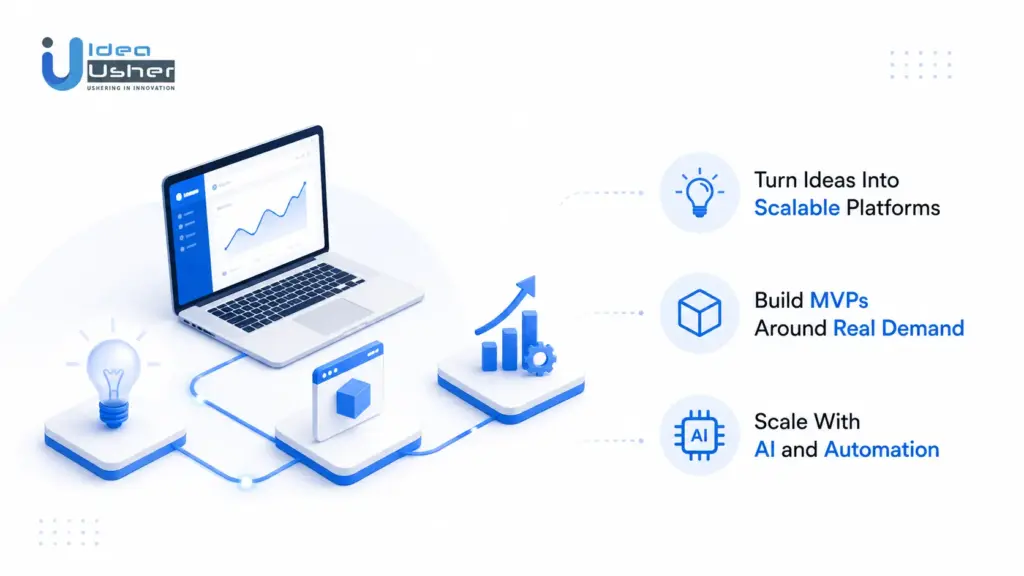
Turn Ideas Into Scalable Platforms
A resilient idea needs robust architecture to capture real market share. We convert proven business models into flexible software platforms built for multi-tenant efficiency, high uptime, and secure transaction handling.
- Architecture designed to support rapid scaling without rising infrastructure costs
- Custom enterprise engineering built specifically for your business logic
- Seamless cross-platform web and mobile deployment options
Build MVPs Around Real Demand
Launching a successful platform means focusing strictly on features that solve immediate problems for users. We build lean minimum viable products (MVPs) designed around non-discretionary user needs. This lean approach reduces initial launch capital while putting product-market fit to the test fast.
| Focus Area | Strategic Advantage | Platform Outcome |
| Core Workflows | Eliminates feature bloat and unnecessary dev costs | Fast time-to-market with immediate utility |
| User Onboarding | Minimizes user friction and drop-off rates | High early user acquisition and retention |
| Monetization Engine | Establishes steady revenue flows from day one | Fast path to predictable recurring cash flow |
By focusing early builds on core utility, your capital stays protected while the platform establishes real market traction.
Scale With AI and Automation
Long-term platform resilience depends on lean operations. Integrating artificial intelligence and automated workflows into your core product keeps fixed operating overhead exceptionally low as your active user base grows. Automating routine customer management, dispatching, billing, and support operations allows your platform to serve thousands of active users without proportional headcount growth. Smart third-party integrations handle processing, analytics, and security, letting your team focus entirely on strategic growth.
Conclusion
The right recession-proof business is not simply one that survives a downturn. It should solve a need people cannot easily postpone while keeping costs under control. The 50 platform ideas above show how essential services, cost-saving solutions and recurring revenue can create stronger foundations for long-term growth even when the economy slows. The strongest opportunity is often the one that delivers clear value when customers become more careful with every dollar.
Things to Know About Recession-Proof Businesses
A1: A recession-proof business is one that can keep attracting customers even when the economy slows down. It usually solves a problem people cannot easily put off. Healthcare, repairs, food, and accounting are good examples because the need for these services can continue during difficult periods. No business is completely protected from a recession. The real goal is to build around demand that is more stable when spending becomes cautious.
A2: No. Even businesses with steady demand can face lower sales or tighter margins during a downturn. Customers may look for cheaper options or reduce how often they buy. A better approach is to build a business that can adapt when conditions change. Keeping costs under control and maintaining strong customer relationships can give the business more room to handle a difficult period.
A3: The strongest businesses tend to provide something customers still need when budgets are under pressure. Recurring demand is another advantage because customers do not have to make a fresh buying decision every time. A lean cost structure can also help because the business has fewer expenses to cover when revenue slows. Together these factors can make a business more resilient than one that depends heavily on discretionary spending.
A4: Essential services tend to hold up better because customers still need them. Healthcare, repairs, accounting, childcare, cleaning, and essential retail are often considered resilient categories. The business model still matters though. Two companies in the same industry can perform very differently depending on their pricing, costs, customer base, and ability to retain customers.