

Key Takeaways
- Digital biomarker apps transform wearable and smartphone data into continuous, AI-powered clinical insights for proactive healthcare monitoring.
- Core capabilities include digital biomarker generation, predictive analytics, remote patient monitoring, wearable integration and clinical decision support.
- Continuous health monitoring enables earlier diagnosis, personalized treatment and better patient outcomes across multiple medical specialties.
- AI, healthcare interoperability, regulatory compliance and scalable cloud infrastructure are essential for building enterprise-grade digital biomarker platforms.
- How Idea Usher can help you build digital biomarker platform with AI-driven health analytics, wearable integrations, secure FHIR-enabled infrastructure.
Healthcare is generating more patient data than ever, yet the real competitive advantage lies in turning continuous signals into clinically actionable evidence. This shift is accelerating digital biomarker app development as healthcare organizations move beyond episodic health measurements toward platforms that continuously monitor disease progression, treatment response and patient wellbeing through real-world data.
Traditional healthcare relied on periodic clinical visits and isolated diagnostics that captured limited patient insights. Modern digital health platforms increasingly combine AI-powered digital biomarkers, wearable integration, continuous monitoring, predictive analytics, digital phenotyping, multimodal sensor fusion, remote patient monitoring, behavioral analytics, FHIR interoperability, HIPAA-compliant infrastructure, and clinical decision support to transform continuous health signals into proactive, personalized care.
In this blog, we explore digital biomarker app development, covering core technologies, key features, development costs, major healthcare use cases, and and how IdeaUsher can help build enterprise-grade digital biomarker platforms that transform smartphones, wearables, and connected devices into continuous sources of actionable clinical intelligence.
Why Healthcare Is Moving to Digital Biomarkers
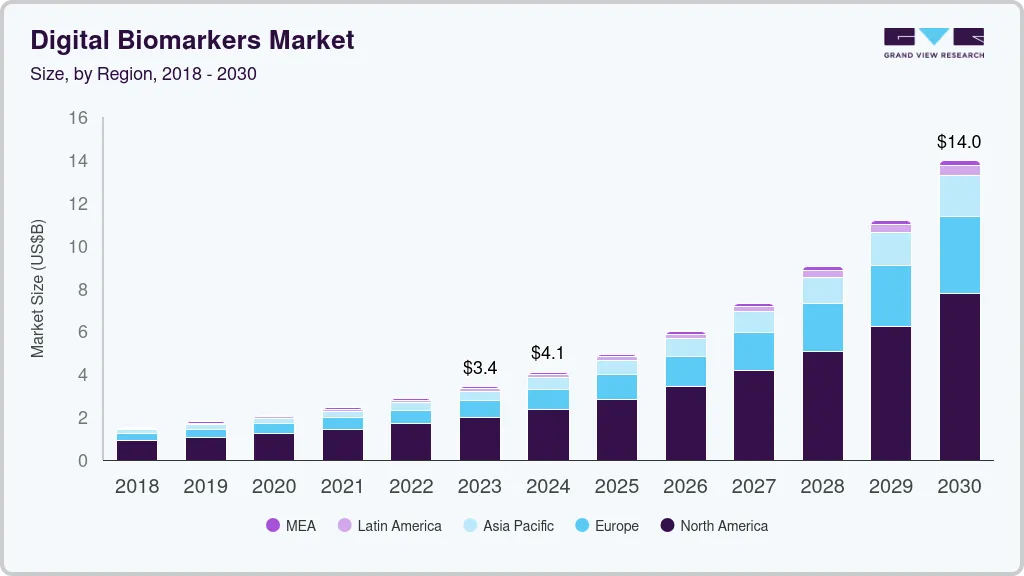
The global digital biomarkers market reflects this strategic pivot, valued at $5.9 billion to $7.4 billion and projected to surge past $15.7 billion to $36.9 billion at a compound annual growth rate (CAGR) of 19% to 26%. Driven by high enterprise demand across hospital networks, clinical trials, and payer systems, monitoring digital biomarkers and physiological data command over 50% of overall industry revenue.
A. The Limitations of Episodic Patient Monitoring
For decades, modern medicine has relied on snapshot evaluations brief, 15- to 30-minute clinical consultations scheduled months apart. This traditional care architecture presents severe diagnostic and operational flaws:
- The 99% Unobserved Timeline: Outpatient check-ins occurring 2 to 4 times a year capture less than 0.01% of a patient’s living timeline, leaving over 99% of their daily physiological activity completely unmonitored.
- “White-Coat” & Recall Bias: In-clinic evaluations frequently trigger transient anxiety or artificial patient effort, while retrospective patient memory logs suffer from up to 40% recall bias distortion.
- Missed Transient Events: Critical early-warning indicators such as nocturnal cardiac arrhythmias, subtle gait hesitations in Parkinson’s disease, or silent respiratory drops fluctuate dynamically and are routinely missed during brief office visits.
- Reactive Intervention Costs: Relying on retrospective patient reporting means therapeutic adjustments often occur long after functional decline has begun, driving avoidable emergency department visits that average $6,800+ per readmission.
B. Growth of Wearables and Connected Medical Devices
The movement toward digital biomarkers is supported by the rapid expansion of consumer wearables and medical-grade Internet of Medical Things (IoMT) hardware. The wearable medical devices market segment holds a dominant 51.0% share of the overall digital biomarker landscape, driven by hardware miniaturization and improved sensor accuracy.
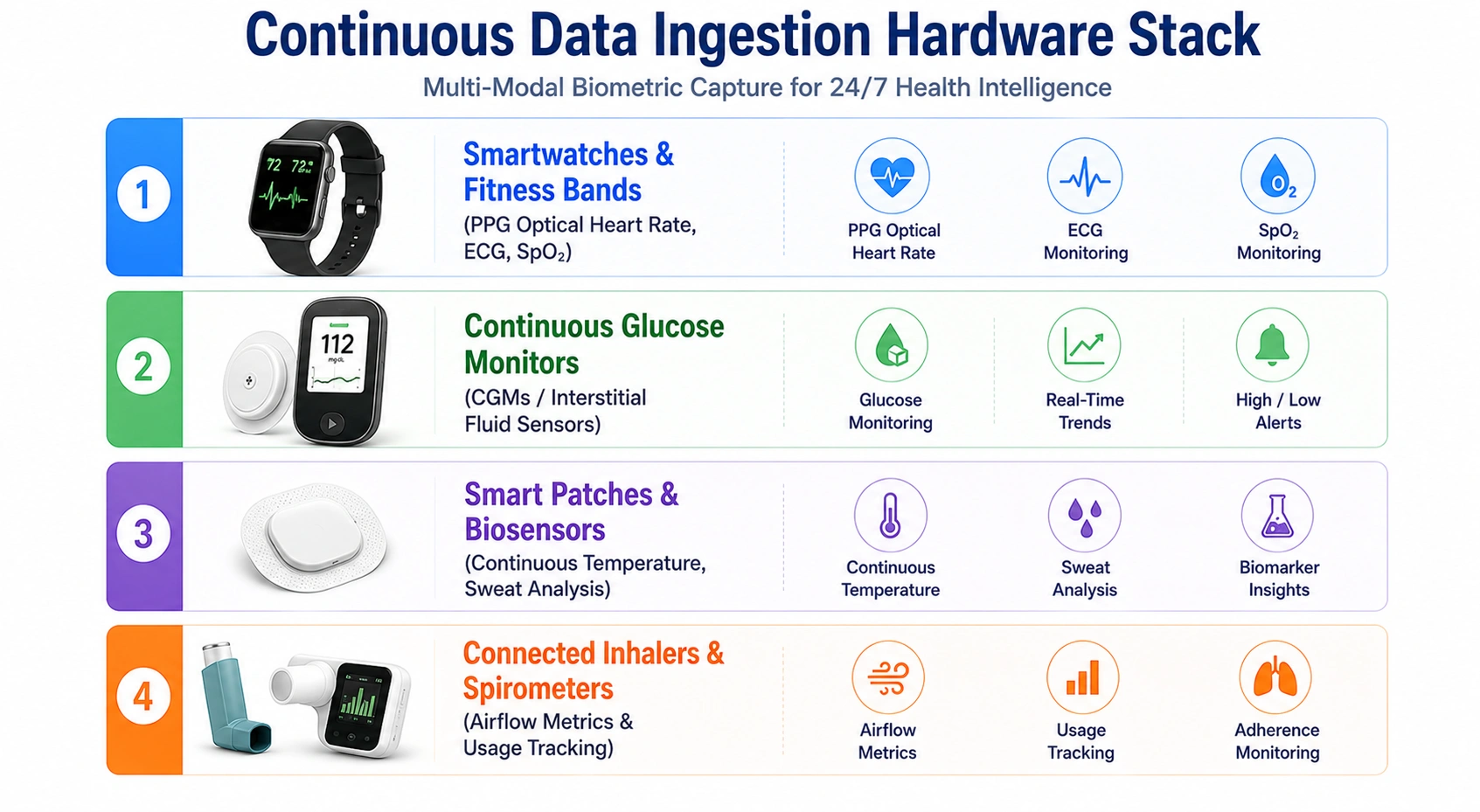
By streaming over 3,000 physiological telemetry points per minute, modern wearables capture continuous micro-trends such as nocturnal Heart Rate Variability (HRV) drops, subtle gait speed changes, and respiratory rate fluctuations that are impossible to measure during a 15-minute physical exam.
C. Rising Demand for Remote, Preventive Healthcare
Health systems, enterprise payers, and pharmaceutical sponsors are scaling digital biomarker platforms to manage escalating chronic disease rates and lower the overall cost of care:
| Health & Financial Metric | Traditional Episodic Care Model | Digital Biomarker App | Economic & Strategic Impact |
| Hospital Readmissions | Baseline historical readmission penalties | Up to 38%–85% reduction in readmission rates | Reduces hospitalization costs, minimizes readmission penalties, and improves long-term patient outcomes. |
| Emergency Room Visits | High acute utilization during health crises | 25%–51% reduction in emergency room visits | Lowers emergency care costs, optimizes healthcare resources, and enables proactive patient management. |
| Annual Per-Patient Cost | High spending driven by reactive acute interventions | Savings of up to $6,500 per patient annually | Improves ROI, reduces total care costs, and supports financial sustainability across healthcare systems. |
| Clinical Decision Speed | Delayed decisions with months between clinical appointments | Real-time monitoring with automated risk escalation | Accelerates clinical interventions, improves treatment outcomes, and enables continuous, data-driven care. |
What Is a Digital Biomarker App?
A Digital Biomarker App is an AI-powered healthcare application that collects real-time data from smartphones, wearables, and medical devices to generate objective, measurable health indicators. Unlike traditional clinic-captured biomarkers, digital biomarkers enable continuous, remote monitoring of physiological, behavioral, and cognitive health, supporting earlier diagnosis, personalized treatment, and proactive disease management.
As a continuous health intelligence ecosystem, the platform uses AI to analyze multi-device sensor data (from smartwatches, fitness trackers, CGMs, ECG patches, sleep trackers, and smartphones). It converts raw data into clinically actionable insights, allowing providers to remotely monitor disease progression, treatment response, adherence, and patient wellbeing between clinical visits.
A. How Digital Biomarkers Differ From Traditional Biomarkers
Traditional biomarkers rely on biological samples collected in controlled clinical environments such as blood panels, cerebrospinal fluid analysis, imaging scans, or tissue biopsies. While molecularly precise, traditional biomarkers represent static, point-in-time snapshots that are expensive, invasive, and logistically constrained.
Digital biomarkers continuously measure functional biology in real-world settings (“free-living environment”).
| Diagnostic Vector | Traditional Biomarkers | Digital Biomarkers |
| Data Ingestion Model | Episodic / In-clinic sampling (e.g., quarterly lab work) | Continuous / Passive telemetry (24/7 background tracking) |
| Primary Data Source | Biological fluids (blood, urine, tissue, serum) | Biometric sensors (PPG, ECG, accelerometers, voice, taps) |
| Patient Burden & Cost | High (Invasive needles, clinic visits, $100 to $2,000+ per panel) | Low (Non-invasive consumer or medical hardware) |
| Analytical Frequency | Discrete snapshots (1–4 datapoints per year) | Millions of data points ingested daily per user |
| Measurement Focus | Molecular & cellular state | Systemic physiological, motor, & behavioral function |
Digital biomarkers are classified into three distinct functional categories:
- Predictive & Diagnostic: Detecting sub-clinical disease states before symptomatic onset (e.g., using subtle vocal pitch variations to detect early major depressive disorder with ≥80% diagnostic accuracy).
- Prognostic & Monitoring: Tracking disease progression and therapy response over time (e.g., monitoring dyskinesia duration and R² ≥ 0.88 correlation with movement disorder rating scales in Parkinson’s disease).
- Response & Pharmacodynamic: Measuring real-time drug efficacy and adverse events during clinical trials or precision dosing regimens.
B. Why Continuous Health Data Matters More Than Clinic Visits
Conventional medical practice operates on an episodic model. The average chronic disease patient spends less than 3 hours per year inside a doctor’s office. This leaves over 8,757 hours of unmonitored daily life every year, a massive clinical blind spot known as the “0.03% problem” (where clinic visits represent less than 0.03% of a patient’s lived experience).
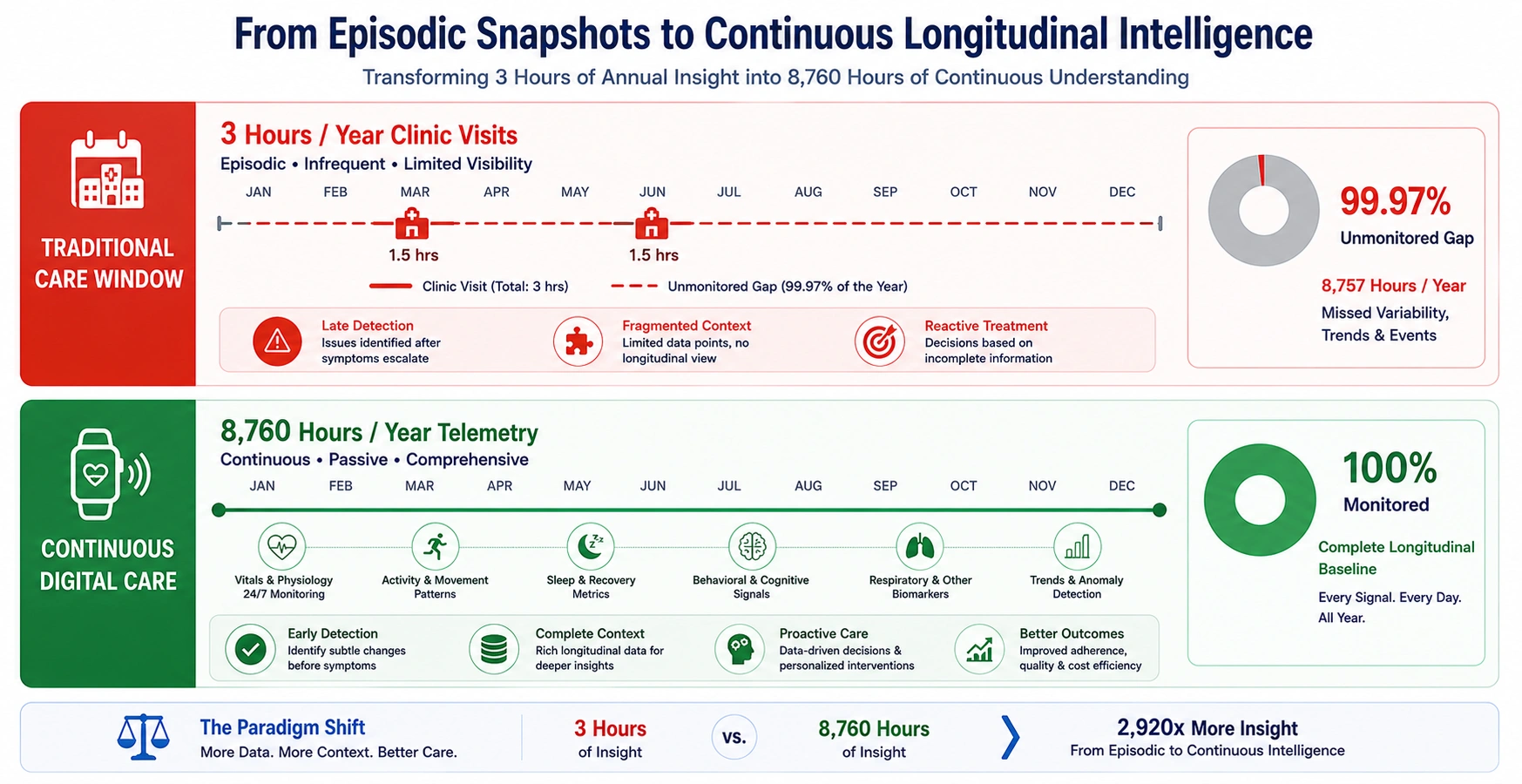
Continuous remote health tracking eliminates this blind spot, resolving major structural flaws in clinical medicine:
- Eliminating “White-Coat” Artifacts: Up to 30% of patients exhibit elevated blood pressure or performance changes during clinic visits, masking their true baseline health.
- Detecting Transient Clinical Events: Conditions such as silent Atrial Fibrillation (AFib), nocturnal hypoglycemia, and panic attacks often occur outside scheduled appointments. Continuous PPG and ECG monitoring increases AFib detection by 3×–5× over intermittent pulse checks.
- Pre-Emptive Intervention: By tracking subtle longitudinal changes, including a 0.5°C rise in nocturnal skin temperature and a 12% drop in Heart Rate Variability (HRV), digital biomarker platforms identify physiological deterioration 10–14 days before acute hospital admissions.
C. How AI Converts Sensor Data Into Clinical Insights
Raw biometric sensor data is dense, noisy, and uninterpretable in its base state. A wearable recording a 3-axis accelerometer and a photoplethysmography (PPG) signal at 100 Hz generates over 25 million raw data points per patient each day. Artificial intelligence serves as the essential translation engine that converts this raw data into actionable medical intelligence.
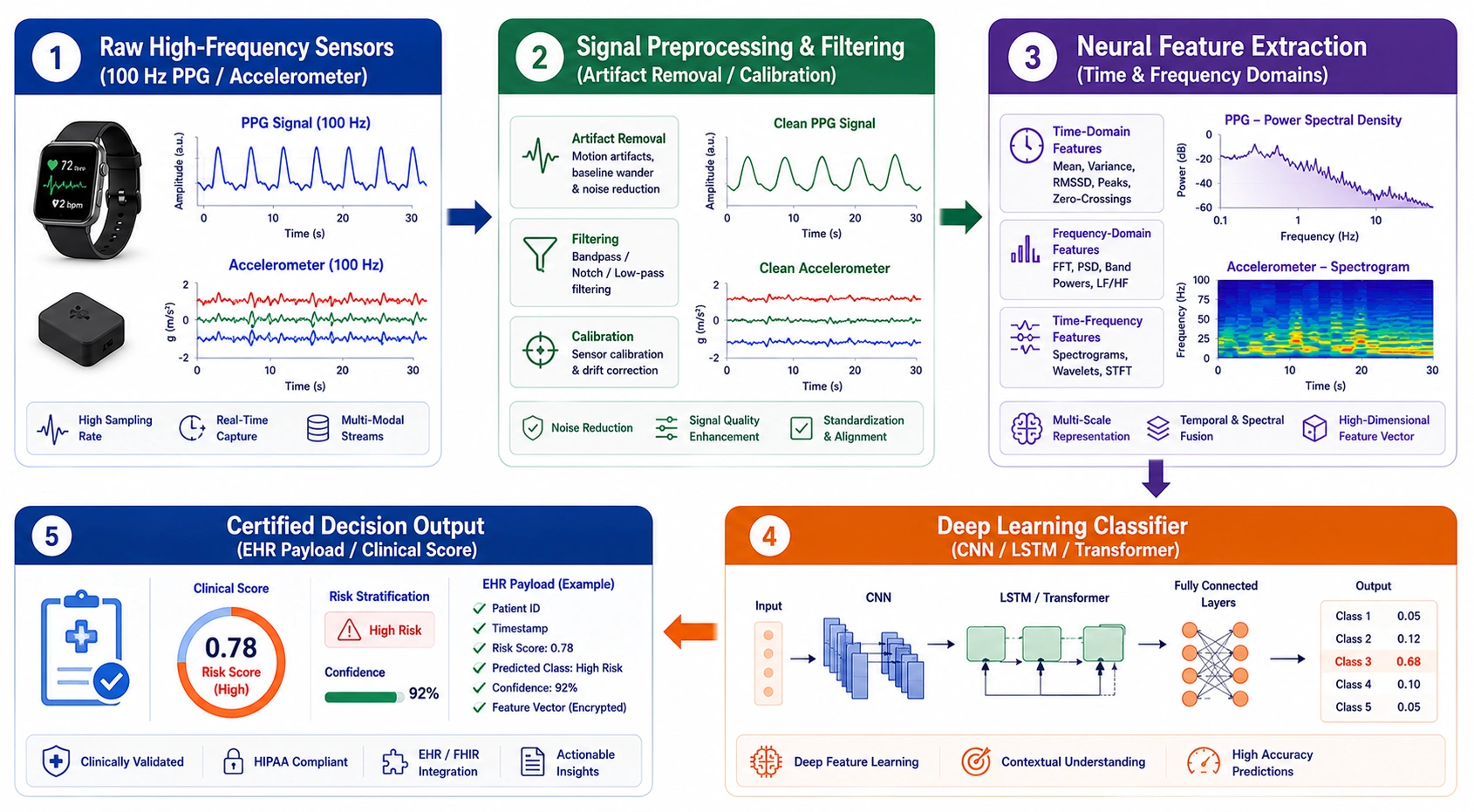
1. Signal Preprocessing & Artifact Removal
Algorithms filter out environmental noise, motion artifacts, and sensor disconnects using bandpass filters and spatial-temporal smoothing within 200 milliseconds of signal ingestion.
2. Feature Extraction
Machine learning frameworks isolate specific digital features across time and frequency domains:
- Time Domain: Peak-to-peak interval variability, pause-to-speech ratios, gait symmetry.
- Frequency Domain: Spectral power density distribution, Mel-Frequency Cepstral Coefficients (MFCCs), high-frequency vs. low-frequency HRV ratios.
3. Deep Learning & Pattern Recognition
Neural network architectures including Convolutional Neural Networks (CNNs) for image and spectrogram data, and Long Short-Term Memory (LSTM) networks or Transformers for time-series sequences evaluate multidimensional relationships across patient baselines.
4. Clinical Risk Scoring & EHR Payload
The AI calculates probabilistic risk scores, mapping them directly to validated clinical outcome measures (e.g., predicting an upcoming Heart Failure decompensation event with ≥85% sensitivity). The outputs are formatted into FHIR-compliant payloads for seamless integration into Electronic Health Record (EHR) dashboards.
Use Cases of Digital Biomarker App Across Different Medical Specialties
Digital biomarker platforms deliver the greatest value when tailored to specific medical specialties. By combining continuous sensing, AI-driven analytics, and longitudinal health monitoring, these platforms enable earlier diagnosis, personalized treatment, remote patient management, and evidence-based clinical decisions across diverse disease areas.
| Medical Specialty / Use Case | Primary Clinical Objectives | Key Clinical Metrics & Impact |
| Cardiology & Heart Disease Monitoring | Detect AFib, predict heart failure, and enable continuous remote monitoring. | → 95%+ AFib detection sensitivity/specificity → 25–30% fewer 30-day HF readmissions → Detects fluid overload 10–14 days before hospitalization |
| Neurology & Parkinson’s Disease Tracking | Track motor symptoms, assess medication response, and monitor disease progression. | → Processes 3,000+ motion data points/min → Reduces 40% diary reporting errors → R² ≥ 0.85 correlation with MDS-UPDRS |
| Diabetes & Metabolic Health Management | Improve glycemic control, personalize therapy, and predict metabolic risks early. | → 71% achieve HbA1c < 6.5% → 92% medication de-escalation/elimination → Average 27-lb weight loss |
| Mental Health & Behavioral Biomarkers | Screen mental health conditions, assess risk, and track behavioral changes continuously. | → 78–96% diagnostic accuracy from <30 seconds of speech → 50–70% less documentation time → 28% fewer psychiatric ED visits |
| Oncology Treatment Response Monitoring | Detect recurrence early, monitor toxicity, and support precision treatment decisions. | → Detects recurrence 3–6 months earlier → 92–94% chart extraction accuracy → 20–30% better long-term response tracking |
| Clinical Trials & Digital Endpoints | Improve trial efficiency, reduce dropout, and establish objective digital endpoints. | → 30–45% lower trial dropout → 50% fewer on-site visits → Saves $1.5M–$3.0M per trial phase |
Note: Modern digital biomarker platforms serve as cross-specialty infrastructures, enabling healthcare providers and life sciences organizations to generate standardized, clinically validated digital biomarkers from continuous real-world patient data across multiple medical specialties.
Core Features of a Digital Biomarker App
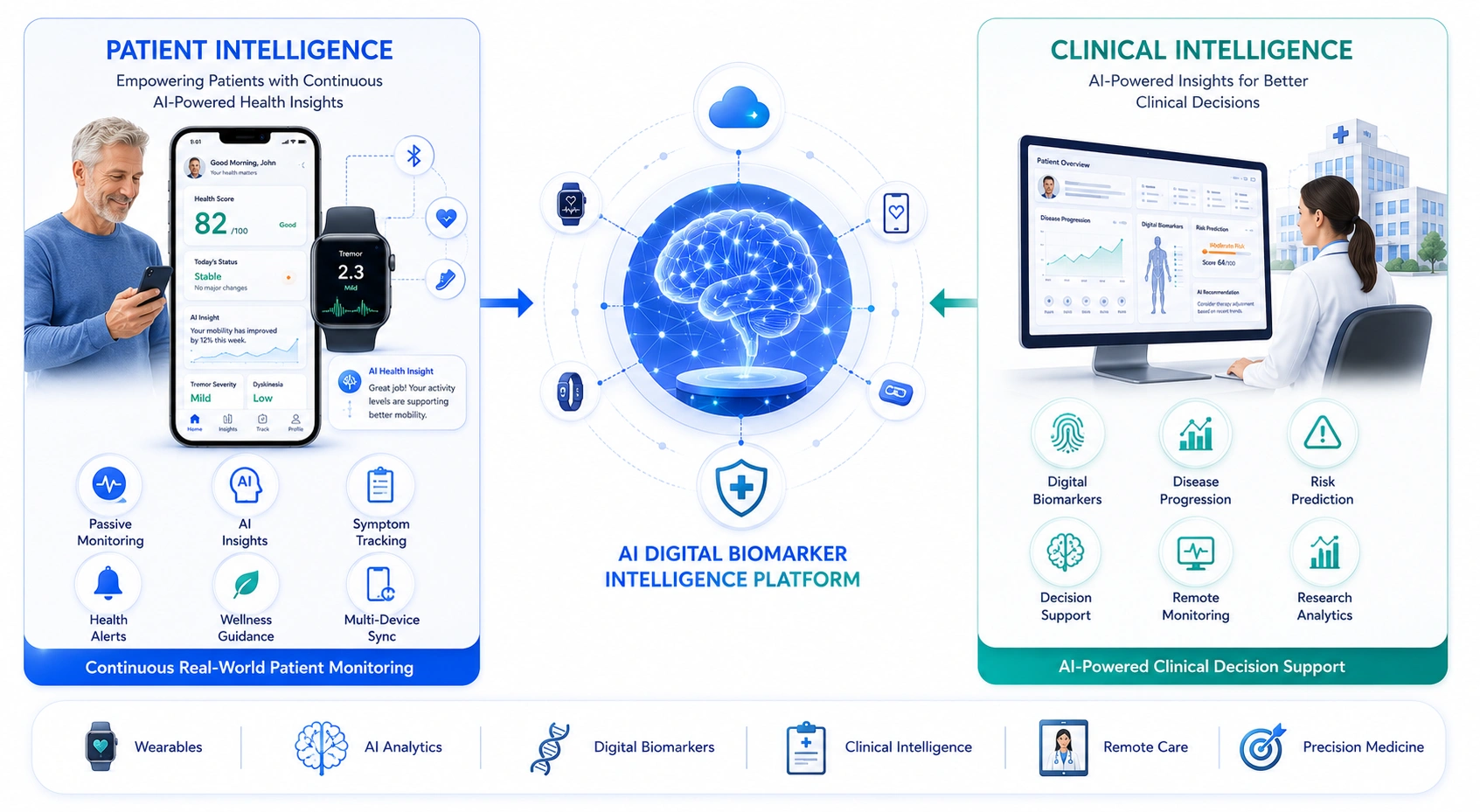
A digital biomarker app goes beyond basic data collection by converting continuous sensor inputs into clinically meaningful insights for patients and care teams. By combining intelligent patient engagement with AI-driven clinical decision support, it enables scalable remote monitoring, personalized interventions, and evidence-based care.
A. Patient Features
Patient-facing features are designed to capture high-quality real-world health data while keeping users actively engaged in their care journey. These capabilities improve adherence, generate reliable digital biomarkers, and support personalized health management with minimal manual effort.
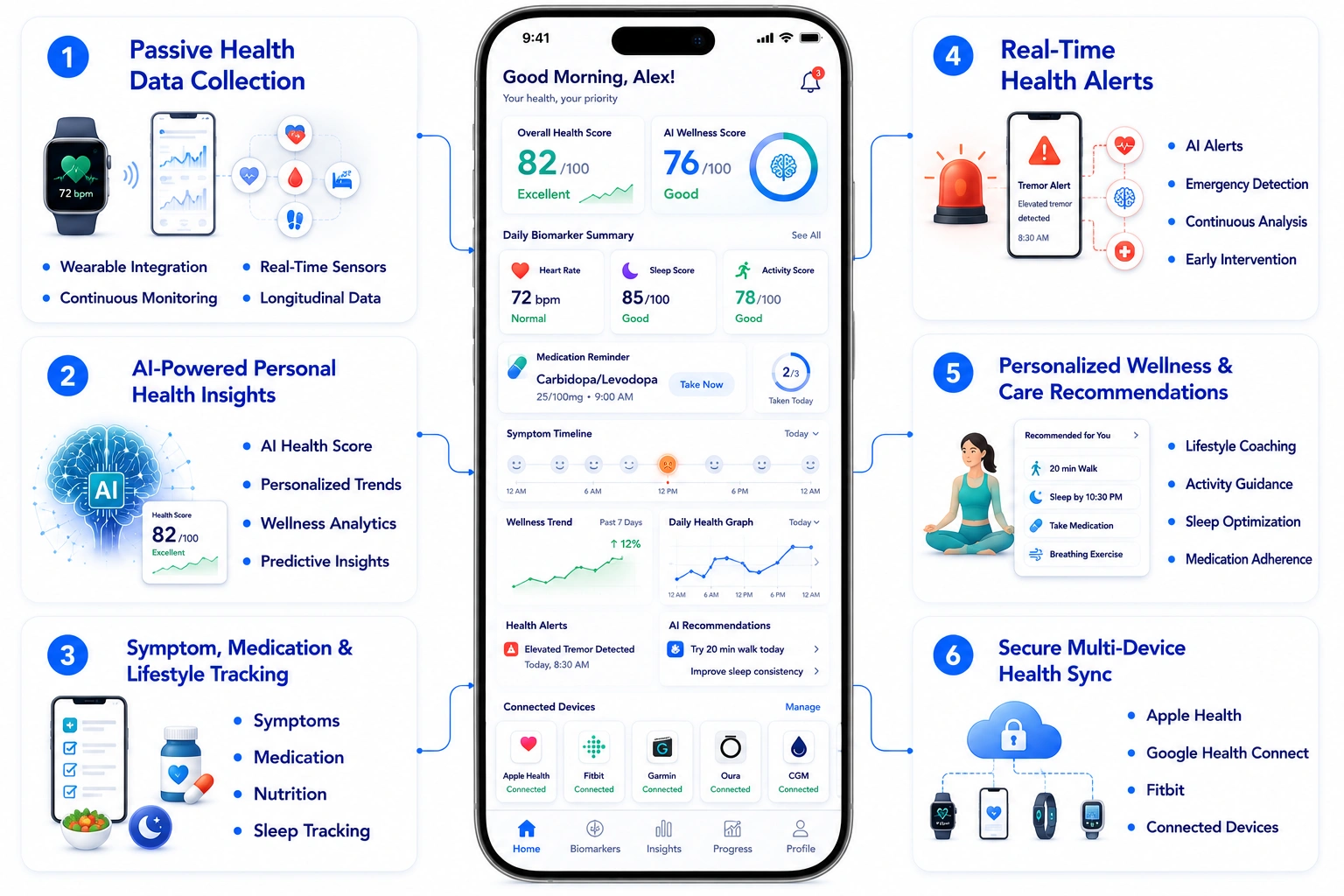
1. Passive Health Data Collection from Wearables
Automatically captures continuous physiological, behavioral, and environmental data from smartwatches, smartphones, CGMs, ECG patches, sleep trackers, and connected medical devices. This creates high-quality longitudinal datasets that power accurate digital biomarkers while reducing patient effort and improving real-world data reliability.
2. AI-Powered Personal Health Insights
Applies machine learning to transform raw sensor streams into meaningful health scores, personalized trends, and actionable digital biomarkers. Delivering easy-to-understand insights increases patient engagement, encourages proactive health management, and strengthens long-term adherence to treatment plans.
3. Symptom, Medication & Lifestyle Tracking
Combines passive sensor data with patient-reported symptoms, medication adherence, sleep quality, nutrition, exercise, and lifestyle behaviors. This multimodal dataset provides richer clinical context, enabling more accurate biomarker interpretation and personalized treatment recommendations.
4. Real-Time Health Alerts
Continuously analyzes incoming health data to detect abnormal physiological changes, medication non-adherence, or worsening symptoms. Instant notifications enable patients to seek timely medical attention, reducing preventable complications, emergency visits, and disease progression.
5. Personalized Wellness & Care Recommendations
Uses AI-driven analytics and longitudinal biomarker trends to deliver personalized recommendations for activity, sleep, medication adherence, rehabilitation, and lifestyle modifications. Tailored guidance improves patient outcomes while supporting preventive care and long-term disease management.
6. Secure Multi-Device Health Sync
Seamlessly integrates Apple Health, Google Health Connect, Fitbit, Garmin, Oura, continuous glucose monitors, and connected medical devices into a unified patient profile. Centralized health records improve interoperability, eliminate fragmented data, and support comprehensive digital biomarker generation.
B. Clinician Features
Clinician-facing capabilities convert continuous patient data into actionable clinical intelligence. These features enable providers to monitor disease progression remotely, prioritize high-risk patients, optimize treatment decisions, and improve healthcare delivery through AI-driven insights and real-time patient visibility.
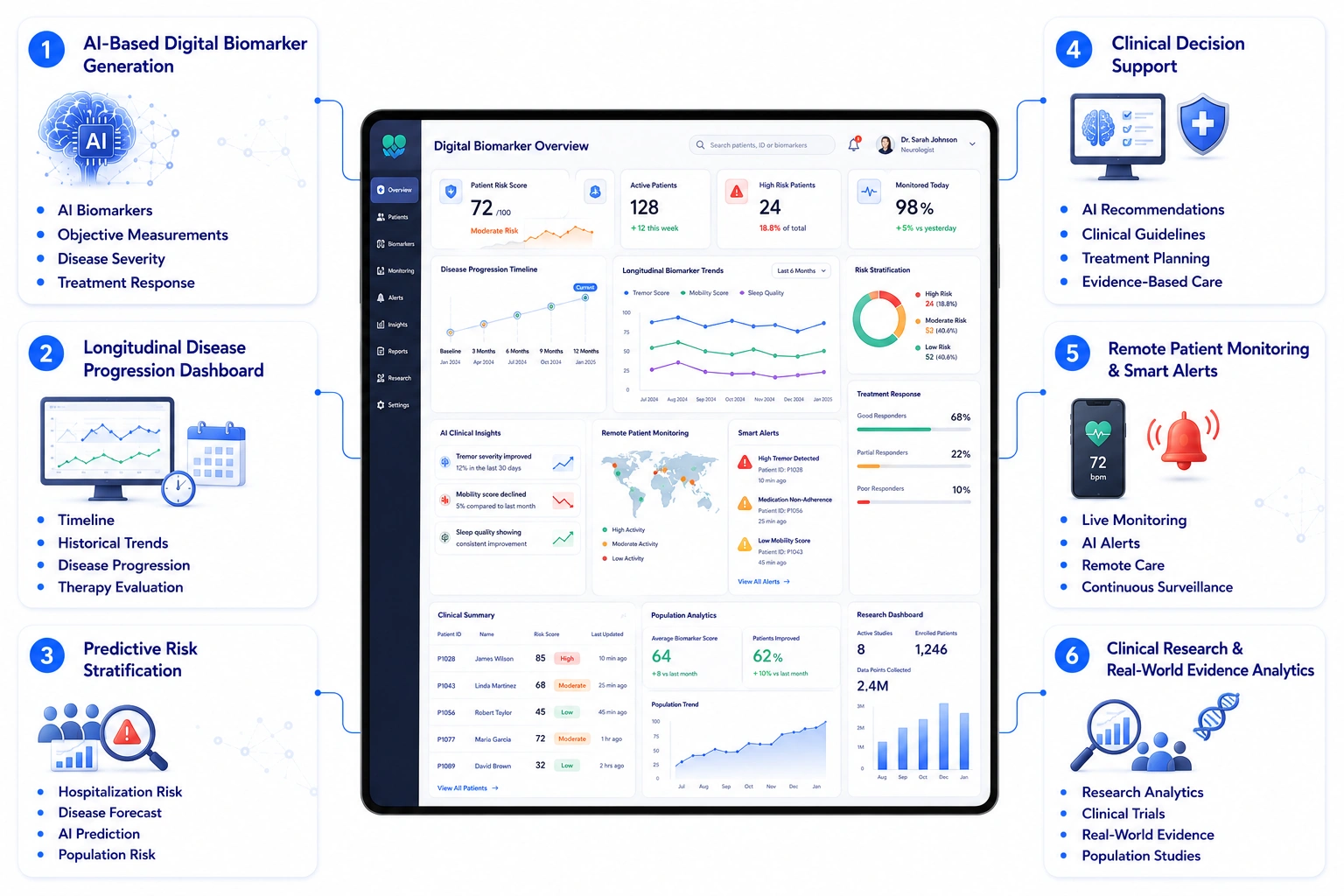
1. AI-Based Digital Biomarker Generation
Advanced AI models process multimodal sensor data to generate objective, clinically relevant digital biomarkers that quantify disease severity, functional status, and treatment response. These biomarkers enable consistent patient assessment beyond traditional episodic clinical evaluations.
2. Longitudinal Disease Progression Dashboard
Visualizes patient health trajectories through interactive timelines, biomarker trends, and treatment outcomes over weeks, months, or years. Longitudinal analysis helps clinicians evaluate therapeutic effectiveness, identify disease progression early, and make informed care decisions.
3. Predictive Risk Stratification
Leverages predictive analytics to identify patients at elevated risk of hospitalization, disease deterioration, falls, cardiovascular events, or other adverse outcomes. Early risk identification enables proactive interventions, optimized resource allocation, and improved population health management.
4. Clinical Decision Support
Combines digital biomarkers, historical patient records, evidence-based guidelines, and AI recommendations to support faster, more informed clinical decisions. Intelligent decision support reduces diagnostic uncertainty, standardizes care pathways, and enhances treatment planning across healthcare settings.
5. Remote Patient Monitoring & Smart Alerts
Continuously monitors patient biomarker data and automatically alerts healthcare teams when predefined thresholds or AI-detected anomalies occur. Intelligent notifications enable timely interventions, improve patient safety, and reduce unnecessary hospital admissions through proactive remote care.
6. Clinical Research & Real-World Evidence Analytics
Aggregates longitudinal real-world patient data to support decentralized clinical trials, digital endpoints, biomarker validation, and population health studies. Robust analytics accelerate medical research, strengthen regulatory submissions, and generate evidence for precision medicine initiatives.
Digital Biomarker App Development Cost
The cost of building a digital biomarker app depends on factors like AI sophistication, wearable integrations, clinical workflows, interoperability, regulatory compliance, and deployment scale. A phased development approach helps businesses validate faster, focus on high-impact features, and scale efficiently into a production-ready platform.
A. Development Cost by Project Phase
Understanding development phases helps estimate costs accurately, prioritize features, and allocate resources effectively while building a scalable, compliant, and AI-driven digital biomarker application.
The table below provides estimated digital biomarker app development costs for each major phase involved in building a secure, AI-powered digital biomarker platform.
| Development Phase | Estimated Cost (MVP → Enterprise) | What the Phase Covers |
| Clinical Discovery & Product Strategy | $5,000 – $15,000 | Define clinical objectives, product roadmap, target users, regulatory requirements, technical architecture, and business workflows. |
| Platform Architecture & Cloud Setup | $10,000 – $30,000 | Configure cloud infrastructure, databases, DevOps pipelines, authentication, APIs, and scalable backend architecture for continuous health data processing. |
| Patient & Clinician App Development | $35,000 – $90,000 | Develop patient mobile apps, clinician portals, backend services, dashboards, notifications, user management, and healthcare workflows. |
| Wearable & Medical Device Integration | $15,000 – $40,000 | Integrate Apple Health, Google Health Connect, Fitbit, Garmin, Oura, CGMs, ECG devices, Bluetooth medical devices, and healthcare APIs. |
| AI & Digital Biomarker Development | $30,000 – $80,000 | Build digital biomarker algorithms, predictive analytics, anomaly detection, digital phenotyping, multimodal sensor fusion, and clinical intelligence models. |
| FHIR/EHR Interoperability | $10,000 – $30,000 | Integrate FHIR APIs, EHR systems, laboratory data, healthcare providers, and standardized health information exchange. |
| Security & Regulatory Compliance | $10,000 – $30,000 | Implement HIPAA, GDPR, encryption, audit logging, role-based access control, security testing, and compliance documentation. |
| Testing, Validation & Deployment | $10,000 – $35,000 | Perform quality assurance, AI validation, performance optimization, cloud deployment, monitoring, and production readiness testing. |
| Total Estimated Cost | $120,000 – $800,000+ | End-to-end investment required to design, develop, validate, deploy, and scale a production-ready digital biomarker platform. |
Note: These estimates represent typical MVP and enterprise investment ranges of digital biomarker app development. Final development costs vary based on AI complexity, wearable ecosystem, interoperability requirements, regulatory scope, target medical specialties, and the level of platform customization.
B. Development Cost by Platform Level
The overall budget largely depends on the platform’s feature maturity, AI capabilities, clinical objectives, and integration requirements. Most organizations begin with an MVP before expanding into an enterprise-grade digital biomarker ecosystem.
| Platform Level | Estimated Cost | Features Included |
| MVP | $120,000 – $220,000 | Patient app, clinician dashboard, wearable integration, symptom tracking, digital health data collection, basic AI insights, secure authentication, cloud infrastructure, and reporting. |
| Advanced Platform | $220,000 – $450,000 | AI-powered digital biomarkers, predictive analytics, remote patient monitoring, FHIR/EHR integration, longitudinal health tracking, real-time alerts, and enhanced security. |
| Enterprise Ecosystem | $450,000 – $800,000+ | Multimodal sensor fusion, personalized health intelligence, clinical decision support, digital phenotyping, and multi-organization deployment. |
Important clarification: These figures are directional estimates intended for planning purposes. Actual investment depends on clinical validation needs, AI model sophistication, connected device ecosystem, deployment scale, compliance obligations, and the long-term product roadmap.
C. Factors That Influence Development Cost
Every digital biomarker platform has unique technical, clinical, and regulatory requirements. The following factors significantly impact overall digital biomarker app development cost, engineering effort, implementation timeline, and long-term scalability:
- AI & Digital Biomarkers: Digital biomarkers, predictive analytics, digital phenotyping, and continuous learning models typically cost $30,000–$80,000+, covering AI development, training datasets, model tuning, and clinical validation.
- Wearable & Device Integrations: Apple Health, Fitbit, Garmin, CGMs, ECG devices, and other wearable integrations typically add $15,000–$40,000+, driven by SDK integration, real-time synchronization, and compatibility testing.
- FHIR & EHR Integration: EHRs, hospitals, and laboratory systems connected via FHIR and secure data exchange protocols typically cost $10,000–$30,000+, depending on integration complexity.
- Regulatory Compliance: HIPAA, GDPR, SOC 2, encryption, audit trails, RBAC, and security controls typically add $10,000–$30,000+, based on compliance scope.
- Clinical Validation & Research: Clinical trials, provider partnerships, and real-world evidence studies typically require $20,000–$100,000+, ensuring biomarker accuracy, regulatory readiness, and clinical adoption.
Final Note: Every digital biomarker app development has distinct clinical goals, AI requirements, and regulatory considerations. While the estimates above provide a realistic investment range, the final budget depends on your product vision, target users, medical specialty, and technology roadmap. Working with an experienced healthcare development partner helps define the right scope before engineering begins.
Technology Stack for Digital Biomarker Platforms
Building a scalable digital biomarker platform requires a technology stack that securely captures continuous health data, processes it in real time, applies AI-driven analytics, and ensures seamless interoperability while meeting stringent healthcare compliance and security requirements.
The table below showcases the core technology layers of digital biomarker app development, their purpose, and the recommended technologies used to build enterprise-grade digital biomarker platforms.
| Technology Layer | Purpose | Recommended Technologies |
| Mobile Apps & Wearable SDKs | Collect continuous physiological and behavioral data from smartphones, wearables, and connected medical devices. | Flutter, Swift, Kotlin, Apple HealthKit, Google Health Connect, Fitbit SDK, Garmin Health SDK, Oura API, Dexcom API, |
| Cloud Infrastructure & Data Pipelines | Process, store, and stream high-volume health data securely with real-time scalability. | AWS HealthLake, Azure Health Data Services, Google Cloud Healthcare API, Kafka, Apache Spark, PostgreSQL, MongoDB, Redis |
| AI/ML Frameworks & Analytics Engines | Generate digital biomarkers, predictive risk models, anomaly detection, and clinical insights from multimodal sensor data. | Python, TensorFlow, PyTorch, Scikit-learn, XGBoost, MLflow, Apache Airflow, OpenCV, NVIDIA CUDA |
| Data Integration & Interoperability | Synchronize healthcare records and wearable data across providers while enabling standardized health data exchange. | HL7 FHIR, SMART on FHIR, Epic APIs, Cerner APIs, Apple HealthKit, Google Health Connect, Redox, Mirth Connect |
| Security, Compliance & Healthcare APIs | Protect sensitive patient data and meet global healthcare regulations while enabling secure third-party integrations. | HIPAA, GDPR, SOC 2, OAuth 2.0, OpenID Connect, TLS, AES-256 Encryption, AWS IAM, Auth0, Okta |
Note: While this technology stack provides the foundation for secure data collection, processing, and interoperability, the true value of a digital biomarker platform comes from AI technologies that transform continuous health data into predictive, clinically actionable insights.
AI Technologies Behind Digital Biomarker Apps
Artificial intelligence powers digital biomarker platforms by converting continuous physiological and behavioral data into actionable clinical insights. By integrating multiple AI technologies, these systems enable early disease detection, predictive monitoring, personalized treatment, and scalable, data-driven healthcare decision-making.
AI Technologies Used in Digital Biomarker Apps
The following table highlights key AI technologies of digital biomarker app development, outlining their roles and recommended models to enable accurate insights, predictive monitoring, and scalable, data-driven healthcare solutions.
| AI Technology | AI Recommendation | Primary Role |
| Machine Learning for Digital Biomarker Discovery | Random Forest, XGBoost, Deep Neural Networks (DNN) | Analyzes multimodal data patterns to detect biomarkers, predict disease onset, progression, and treatment response accurately. |
| Multimodal Sensor Fusion | Multimodal deep learning, Transformer-based fusion models | Integrates diverse sensor data from devices into unified profiles for accurate, comprehensive patient health insights. |
| Time-Series Health Analytics | LSTM, GRU, Transformer models | Tracks longitudinal health data to detect trends, anomalies, and disease progression over continuous monitoring periods. |
| Generative AI for Clinical Documentation | Large Language Models (LLMs), Retrieval-Augmented Generation (RAG) | Automates clinical summaries by converting patient data and biomarker insights into structured, actionable medical reports. |
| Explainable AI for Clinical Decision Support | SHAP, LIME | Explains AI predictions clearly by highlighting key factors influencing biomarker outputs and patient risk assessments. |
Each of these technologies plays a distinct yet interconnected role in digital biomarker app development. Let’s explore how they function individually and contribute to delivering accurate, scalable, and clinically valuable insights.
1. Machine Learning for Digital Biomarker Discovery
Machine learning analyzes multimodal physiological and behavioral data from wearables, smartphones, and medical devices to detect patterns, identify digital biomarkers, and predict disease onset and progression, enabling early diagnosis, personalized treatment, and continuous patient monitoring.
2. Multimodal Sensor Fusion
Multimodal sensor fusion integrates data from multiple devices such as smartwatches, ECG patches, glucose monitors, sleep trackers, and smartphones to create unified health profiles, improving signal accuracy, reducing false positives, and enabling reliable digital biomarkers for chronic disease management and remote patient monitoring.
3. Time-Series Health Analytics
Time-series health analytics continuously evaluates longitudinal patient data to detect trends, anomalies, and disease progression over time. AI models identify behavioral and physiological changes, enabling proactive interventions, personalized care pathways, predictive monitoring, and improved clinical decision-making.
4. Generative AI for Clinical Documentation
Generative AI converts complex patient data and digital biomarkers into structured clinical summaries using LLMs and RAG, reducing documentation burden, improving clinician productivity, and enabling faster decision-making, while allowing more time for direct patient care.
5. Explainable AI for Clinical Decision Support
Explainable AI uses techniques like SHAP and LIME to interpret AI predictions by highlighting key physiological signals, biomarker trends, and risk factors, improving transparency, clinician trust, regulatory compliance, and enabling responsible adoption of AI-driven digital biomarker platforms.
Practical Challenges in Building a Digital Biomarker App
Developing a digital biomarker app involves far more than integrating wearables and AI models. Engineering teams must overcome complex challenges related to healthcare data quality, interoperability, and regulatory compliance while ensuring the platform delivers accurate, scalable, and clinically reliable health intelligence.
1. Accurate Sensor Data Across Multiple Devices
Challenge: Wearable devices generate inconsistent, noisy, and incomplete sensor data due to motion artifacts, varying hardware capabilities, connectivity issues, and user behavior.
Solution: Our developers implement signal preprocessing, artifact filtering, sensor calibration, and multimodal data validation pipelines to improve data quality, ensuring AI models generate reliable digital biomarkers across diverse wearable ecosystems.
2. Missing and Irregular Time-Series Data
Challenge: Wearable data streams often contain gaps, irregular sampling rates, and dropped signals, making it difficult to build consistent and reliable time-series models.
Solution: We design robust data pipelines with interpolation, resampling, and imputation techniques, combined with time-aware modeling approaches to ensure continuity and accuracy in digital biomarker predictions.
3. Model Drift and Clinical Accuracy Maintenance
Challenge: AI models degrade over time due to changing user behavior, device updates, and population variability, leading to reduced prediction accuracy and unreliable biomarkers.
Solution: Our team implements continuous monitoring, model retraining pipelines, and performance validation frameworks to detect model drift early and maintain clinically reliable outputs across evolving real-world conditions.
Leading Digital Biomarker Apps In The Market
These digital biomarker platforms show how AI, wearables, voice analysis, and connected devices are transforming healthcare. Each solution turns real-world data into actionable insights for monitoring, diagnosis, treatment, and research across neurology and mental health.
1. Rune Labs (StrivePD)
Rune Labs is a precision neurology platform that generates digital biomarkers for Parkinson’s disease using Apple Watch, wearable sensors, and patient-reported data. Its AI analyzes continuous real-world data to monitor tremor, dyskinesia, medication response, and disease progression, enabling personalized care and clinical research.
2. Kintsugi

Kintsugi is an AI-powered digital biomarker platform that uses voice biomarkers to identify signs of depression and anxiety from short speech samples. By analyzing vocal patterns, it delivers objective mental health insights, supporting early detection, clinical screening, and improved behavioral healthcare accessibility.
3. Biofourmis

Biofourmis is a digital biomarker and remote patient monitoring platform that combines wearable sensor data with AI to predict clinical deterioration, monitor chronic diseases, and optimize treatment outcomes. It supports continuous care across cardiology, respiratory, oncology, and post-acute healthcare settings.
4. Empatica Health
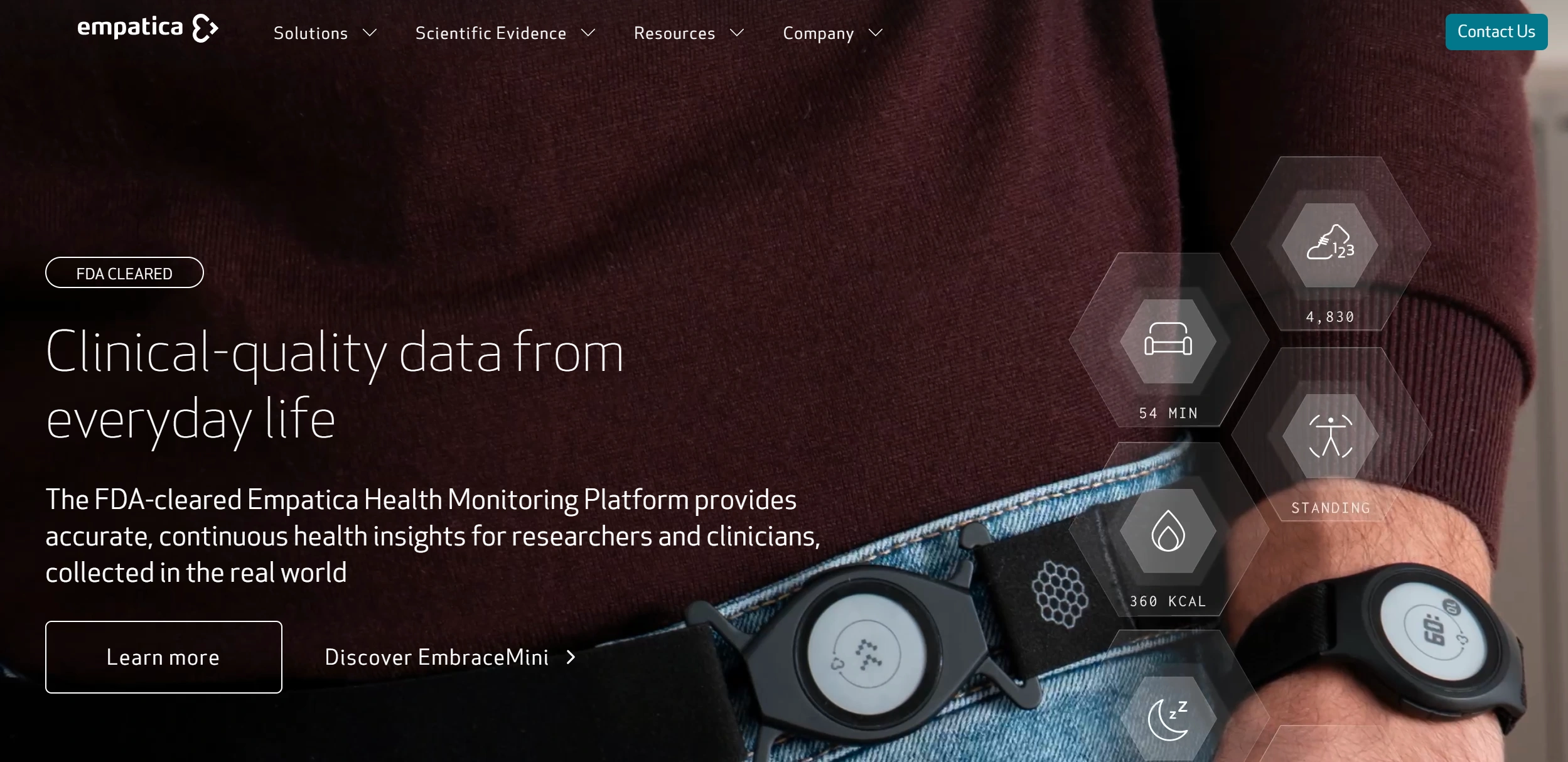
Empatica Health develops FDA-cleared wearables and digital biomarkers that continuously monitor physiological signals for epilepsy, Parkinson’s disease, sleep, and neurological disorders. Its AI-powered platform delivers clinically validated insights for remote patient monitoring, decentralized clinical trials, and precision medicine.
5. Koneksa
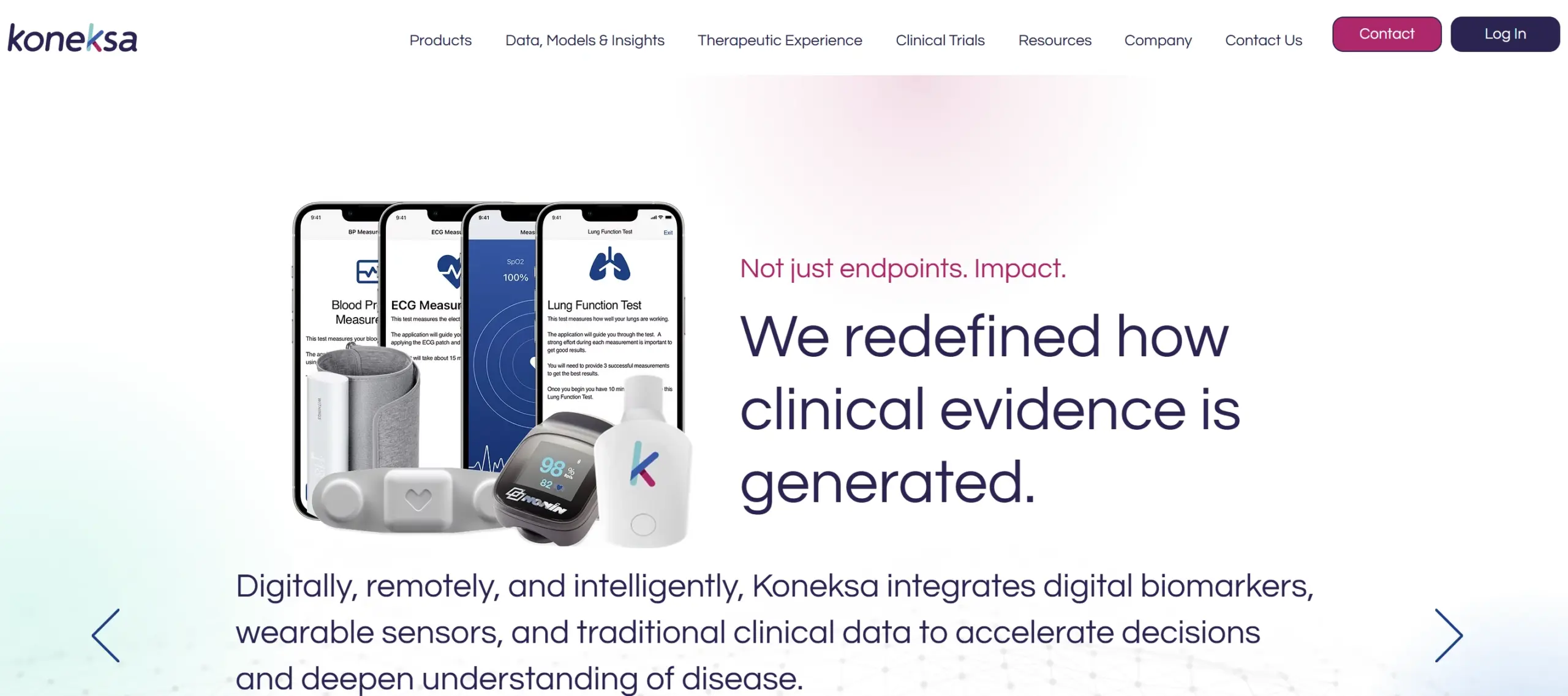
Koneksa is a digital biomarker platform that captures multimodal data from wearables, smartphones, and connected devices to create validated clinical endpoints. It helps pharmaceutical companies and researchers accelerate decentralized clinical trials, real-world evidence generation, and AI-driven drug development.
Why Build Your Digital Biomarker App With IdeaUsher
IdeaUsher is an elite digital health innovator and product engineering powerhouse that builds high-performing medical applications from scratch. We leverage 11+ years of industry mastery across 50+ countries, driven by a network of 250+ niche experts, over 1,000+ completed projects, and a top-tier 4.9/5 Clutch credential.
We avoid off-the-shelf templates to handcraft premium, HIPAA-compliant digital biomarker platforms optimized with continuous wearable signal processing, real-time telemetry pipelines, and predictive AI health models to ensure market dominance.
A. Healthcare AI and Wearable Engineering Expertise
We bridge the gap between high-frequency biometric hardware and intelligent software, turning raw body sensors into actionable medical insights.
- Continuous Biomarker Signal Ingestion: We build low-latency mobile SDKs and edge-processing layers to continuously capture PPG, HRV, accelerometer, and electrodermal activity data from wearables while minimizing battery use.
- Signal Filtering & Motion Artifact Removal: Our engineers apply advanced digital signal processing (DSP) and adaptive Kalman filtering to eliminate noise and motion artifacts, ensuring accurate biometric extraction.
- Predictive AI Diagnostic Analytics: We train custom machine learning models on longitudinal patient data to detect early physiological changes and predict clinical deterioration before symptoms appear.
B. End-to-End Product Development
We take your digital biomarker application from initial research and algorithm design through UI prototyping, cloud engineering, and store deployment.
- Discovery & Algorithmic Architecture Mapping: We align your clinical goals with custom software architecture, defining sensor sampling, data pipelines, and machine learning workflows before development begins.
- Patient-Centric UI/UX Design: Our designers create intuitive, accessible mobile experiences that encourage consistent patient engagement and seamless passive health tracking across diverse user groups.
- Full-Stack Cross-Platform Engineering: We build high-performance iOS, Android, and web applications, delivering scalable experiences for patients, healthcare providers, and clinical research teams.
C. Secure, Compliant, and Scalable Architecture
We protect sensitive patient data and simplify clinical adoption by building your platform on ironclad, interoperable infrastructure.
- Bi-Directional FHIR & EHR Interoperability: We build secure API bridges compliant with HL7 FHIR standards, enabling digital biomarker scores to seamlessly synchronize with hospital EHR systems.
- HIPAA, HITECH & GDPR Cloud Containerization: Our engineers deploy encrypted, isolated cloud microservices to protect PHI, ensuring secure processing with minimal data leakage risks and regulatory compliance.
- Immutable Audit Logging: We build continuous audit layers that record every biomarker ingestion event and algorithmic decision, maintaining complete, audit-ready traceability for regulatory compliance.
D. Faster MVP to Commercial Launch
We accelerate your time-to-market after digital biomarker app development using modular engineering practices while ensuring full compliance and enterprise-grade reliability.
- Modular Healthcare Software Frameworks: We use pre-audited, battle-tested software modules to accelerate development while maintaining security, scalability, and clinical accuracy.
- Agile Clinical Validation Cycles: Our team follows iterative sprint cycles with continuous live sensor testing to validate diagnostic accuracy early in development.
- Zero Vendor Lock-In Delivery: We deliver clean, well-documented, and compliant source code, giving your enterprise complete ownership and long-term deployment flexibility.
Ready to pioneer continuous health diagnostics with a scalable, AI-powered digital biomarker platform? Partner with Idea Usher’s principal healthcare tech and mobile software architects to map out your custom product build today.
Conclusion
Digital biomarker apps are transforming healthcare through continuous monitoring, AI-driven insights, and personalized care beyond traditional settings. As wearables, digital biomarkers, and predictive analytics advance, organizations can deliver proactive, data-driven solutions. Building a reliable platform requires healthcare expertise, strong AI capabilities, secure architecture, and regulatory compliance. With the right engineering team and a clear product strategy, businesses can invest in digital biomarker app development to deliver meaningful clinical outcomes and long-term commercial value.
FAQs
A.1. The digital biomarker app development cost typically ranges from $120,000 to $800,000+, depending on AI complexity, wearable integrations, healthcare interoperability, regulatory compliance, clinical validation, and the overall scope of the platform.
A.2. A production-ready digital biomarker app development requires mobile technologies, wearable SDKs, cloud infrastructure, AI and machine learning frameworks, FHIR interoperability, secure APIs, and healthcare compliance technologies for reliable performance.
A.3. Clinical reliability depends on high-quality sensor data, validated AI models, multimodal data analysis, healthcare interoperability, continuous model monitoring, and compliance with healthcare regulations and security standards.
A.4. Yes. A well-architected digital biomarker platform can support cardiology, neurology, diabetes, oncology, mental health, and clinical research by configuring disease-specific biomarkers, AI models, and clinical workflows.