

Key Takeaways
- AI voice biomarker platforms analyze natural speech to detect early signs of depression and anxiety without relying on questionnaires.
- Core capabilities include voice biomarker detection, real-time risk scoring, passive voice analysis, clinician decision support and EHR integration.
- Voice AI enables earlier mental health intervention, continuous monitoring and objective behavioral health screening across healthcare workflows.
- Clinical-grade AI, HIPAA compliance and healthcare interoperability are essential for building scalable voice AI screening platforms.
- How Idea Usher can help you build voice AI screening platform like Kintsugi with voice biomarker intelligence, secure healthcare integrations.
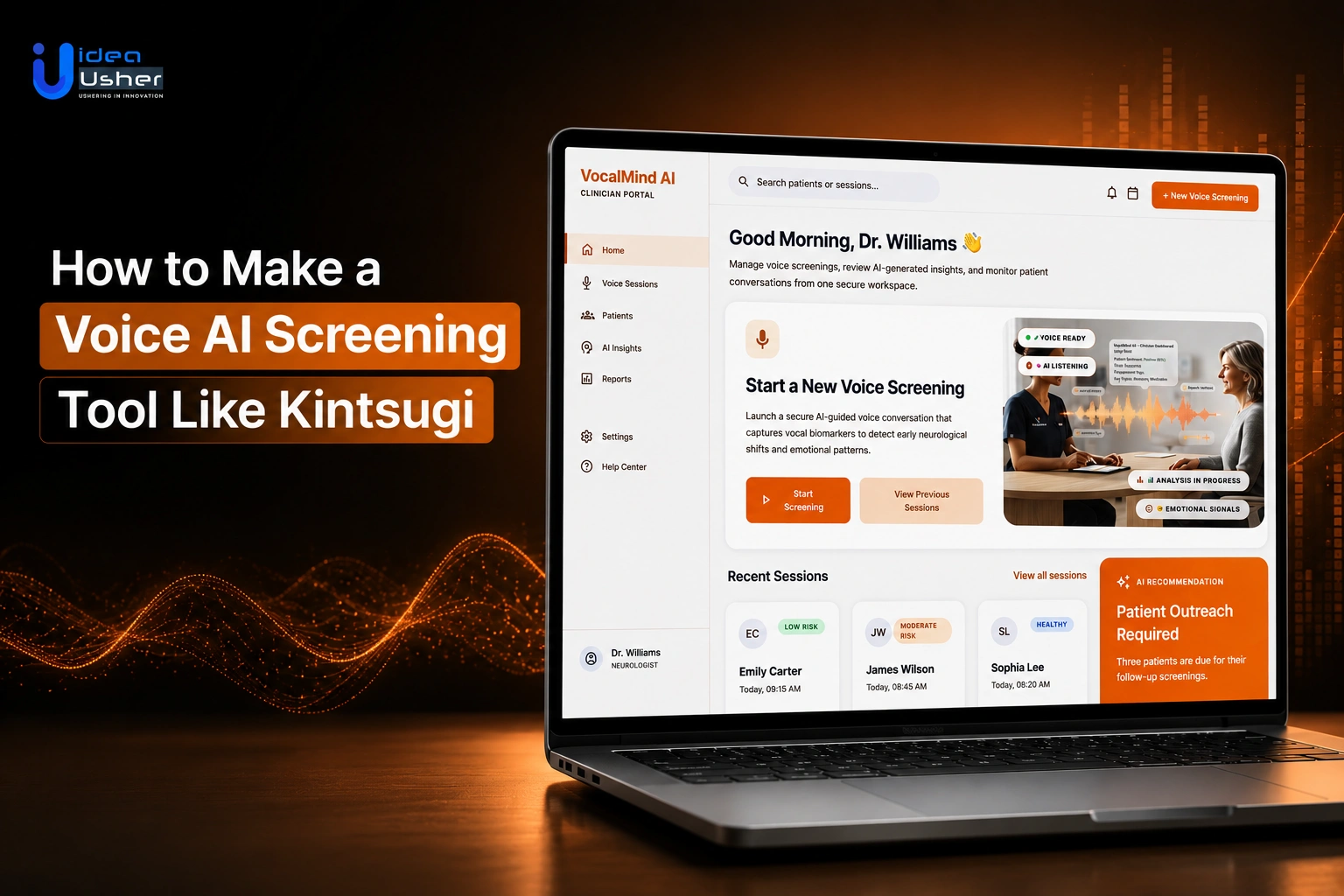
Mental health assessment is increasingly being shaped by signals people never intentionally report. This shift is accelerating demand for the voice AI screening tool like Kintsugi as healthcare organizations move beyond questionnaire-based evaluations toward platforms that identify clinically meaningful voice biomarkers during everyday conversations.
Traditional behavioral health screening relied on self-reported surveys, scheduled assessments, and clinician observation, often delaying intervention. Modern healthcare providers increasingly require voice biomarker AI, speech-based screening, real-time depression and anxiety detection, ambient voice analysis, telehealth integration, EHR interoperability, clinician decision support, remote monitoring, and workflow automation to deliver continuous, objective behavioral health insights within existing clinical workflows.
In this blog, we explore how to build a voice AI screening platform like Kintsugi, covering its core features, AI architecture, technology stack, development process, and how IdeaUsher can help build enterprise-grade AI voice biomarker solutions that transform natural speech into measurable clinical intelligence.
Why AI Voice Biomarkers Are Transforming Mental Healthcare
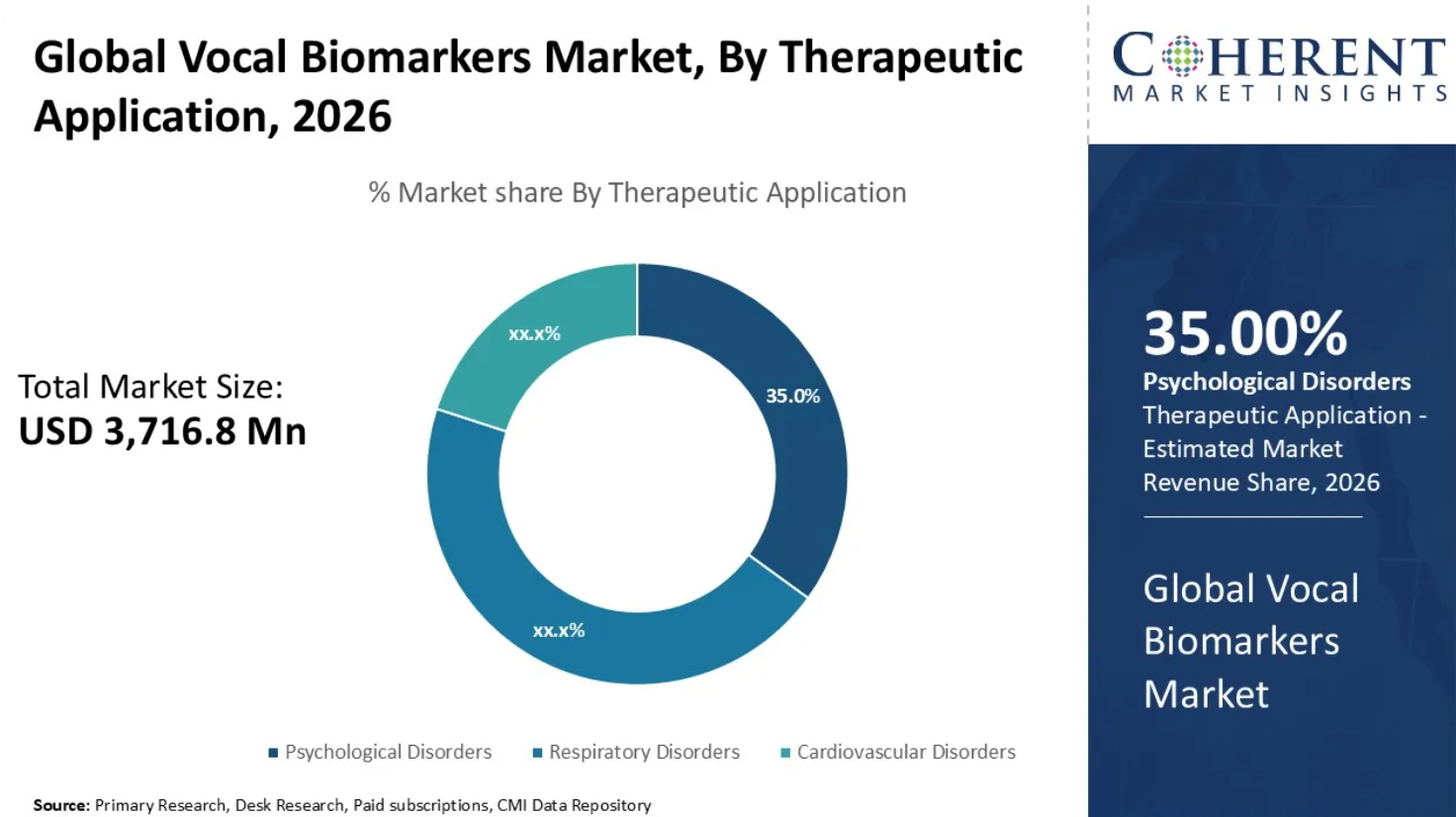
Mental healthcare is undergoing a structural paradigm shift, moving away from subjective, self-reported evaluations toward objective, physiological data tracking. Reflecting this need, the global vocal biomarkers market is projected to grow from $3.72 billion in 2026 to $10.17 billion by 2033 at a 15.5% CAGR, with psychological disorders accounting for 35% of investments.
AI voice biomarker platforms address these gaps by analyzing acoustic, prosodic, and linguistic speech patterns using machine learning. Advanced engines assess 1,000+ acoustic parameters per second, including pitch variability, fundamental frequency (F₀), and speech pause latency, to detect subtle neurological changes. This enables proactive, continuous monitoring with 85%+ diagnostic accuracy while reducing patient recall bias by up to 40%.
A. The Limitations of Questionnaire-Based Screening
Traditional mental health screening relies heavily on standardized self-assessment tools like the PHQ-9 (Patient Health Questionnaire for depression) and the GAD-7 (General Anxiety Disorder assessment). While these tools remain standard clinical practice, their reliance on subjective reporting creates significant operational challenges:
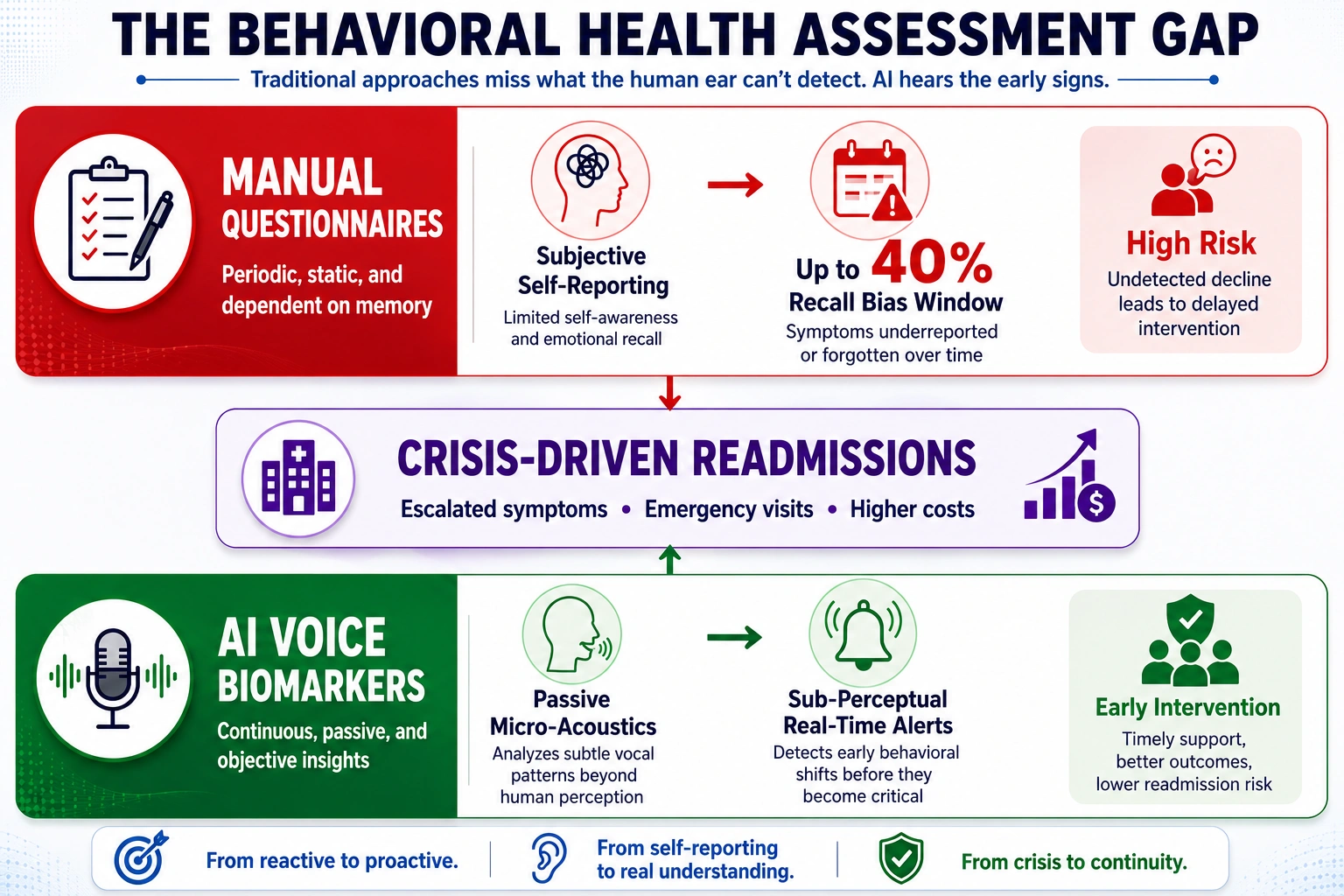
These limitations reduce screening reliability, delay intervention, and highlight the need for continuous, objective assessment methods that minimize patient-dependent reporting.
- Subjectivity & Recall Bias: Self-assessment surveys depend on a patient’s mood and memory at the time of completion. Studies show recall bias can distort reported symptoms by up to 40%, reducing assessment accuracy.
- The Masking Effect & Stigma Barriers: Fear of stigma, workplace consequences, or clinical judgment leads over 50% of people with depression to underreport symptoms or answer questionnaires in ways that appear healthier.
- Episode Latency & Assessment Gaps: Mental health assessments often occur months apart, creating long observational gaps that can delay detection of symptom escalation and emerging mental health crises.
B. Why Passive Voice Analysis Improves Early Detection
Speech generation is a complex neuro-motor activity and producing a single spoken word requires precise coordination between vocal cord tension, lung pressure, tongue positioning, and brain motor pathways. When a neuroendocrine or mental health disruption occurs, subtle micro-tremors and acoustic changes appear in the voice long before a patient reports feeling depressed or anxious.
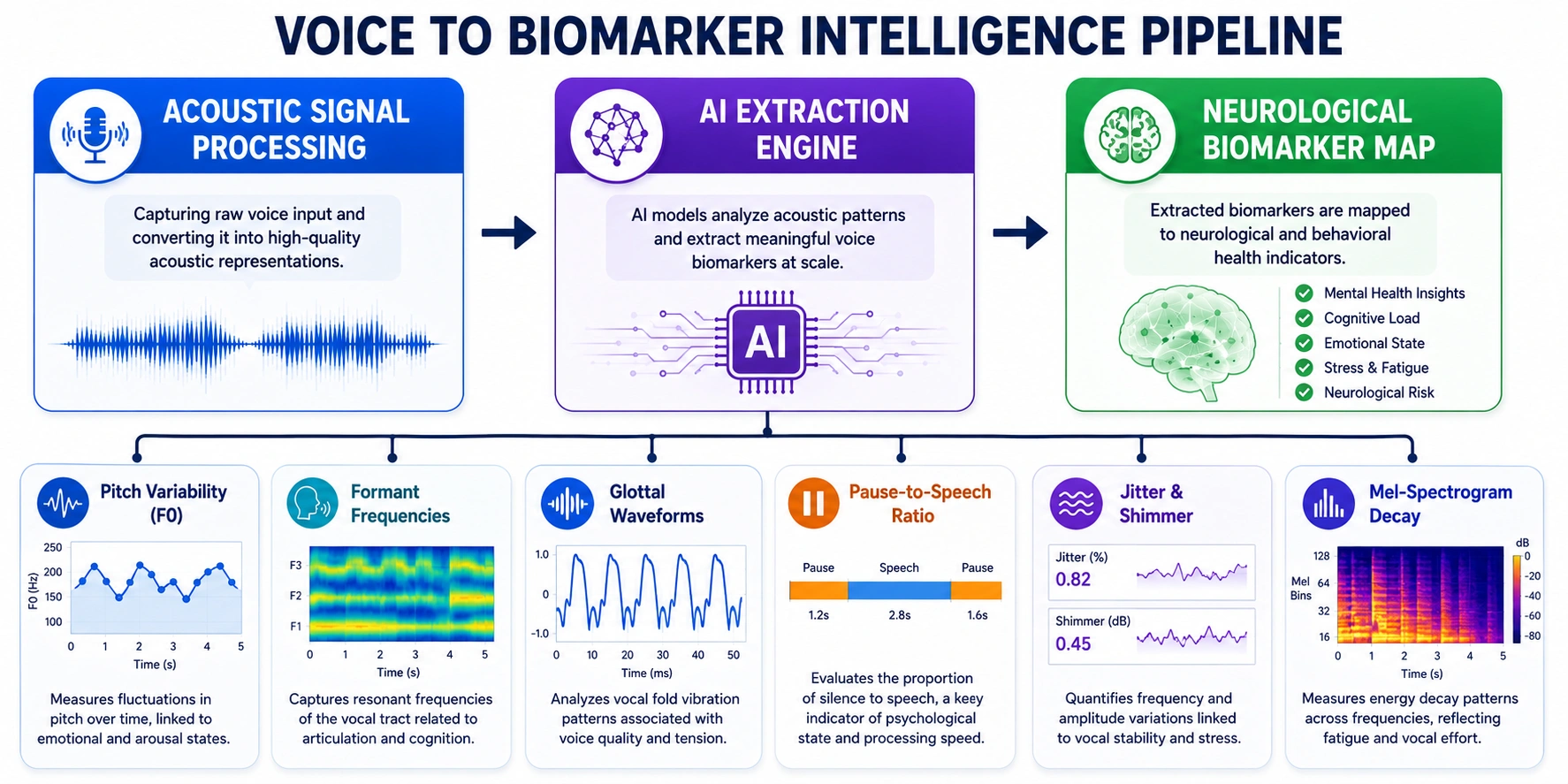
Unlike static surveys, AI platforms run in the background on standard smartphones or telehealth apps to process acoustic indicators passively and continuously:
- Prosodic & Timing Alterations: The system first analyzes speech timing, pause duration, and pitch variability. During depressive episodes, neuro-motor processing slows, increasing pause duration by 20–40% while reducing pitch variability and producing monotone vocal dynamics.
- Acoustic & Spectral Instability: It then evaluates jitter (pitch fluctuations) and shimmer (amplitude variations), detecting subtle vocal cord instability associated with heightened sympathetic nervous system activity and stress responses.
- High-Accuracy Triage: These voice biomarkers enable AI to detect moderate-to-severe depression within 25 seconds of natural speech, achieving 71.3% sensitivity and 73.5% specificity in peer-reviewed validation studies.
- Real-Time Biomarker Tracking: Finally, passive voice engines continuously monitor vocal biomarkers, giving care teams near real-time insight into antidepressant effectiveness within 10–14 days, compared with the 6–8 weeks typically required under standard clinical protocols.
Because these acoustic signals can be collected passively during routine telehealth intake calls, interactive voice response (IVR) check-ins, or ambient mobile app monitoring, they impose zero administrative burden on the patient while catching subtle mental health shifts early.
C. Market Shift Toward AI-Powered Behavioral Health Tools
Recognizing the immense potential of objective behavioral monitoring, health plans, enterprise health systems, and digital therapeutics platforms are rapidly adopting voice analytics tools.
Health systems using passive voice monitoring report an average 28% reduction in psychiatric emergency room visits.
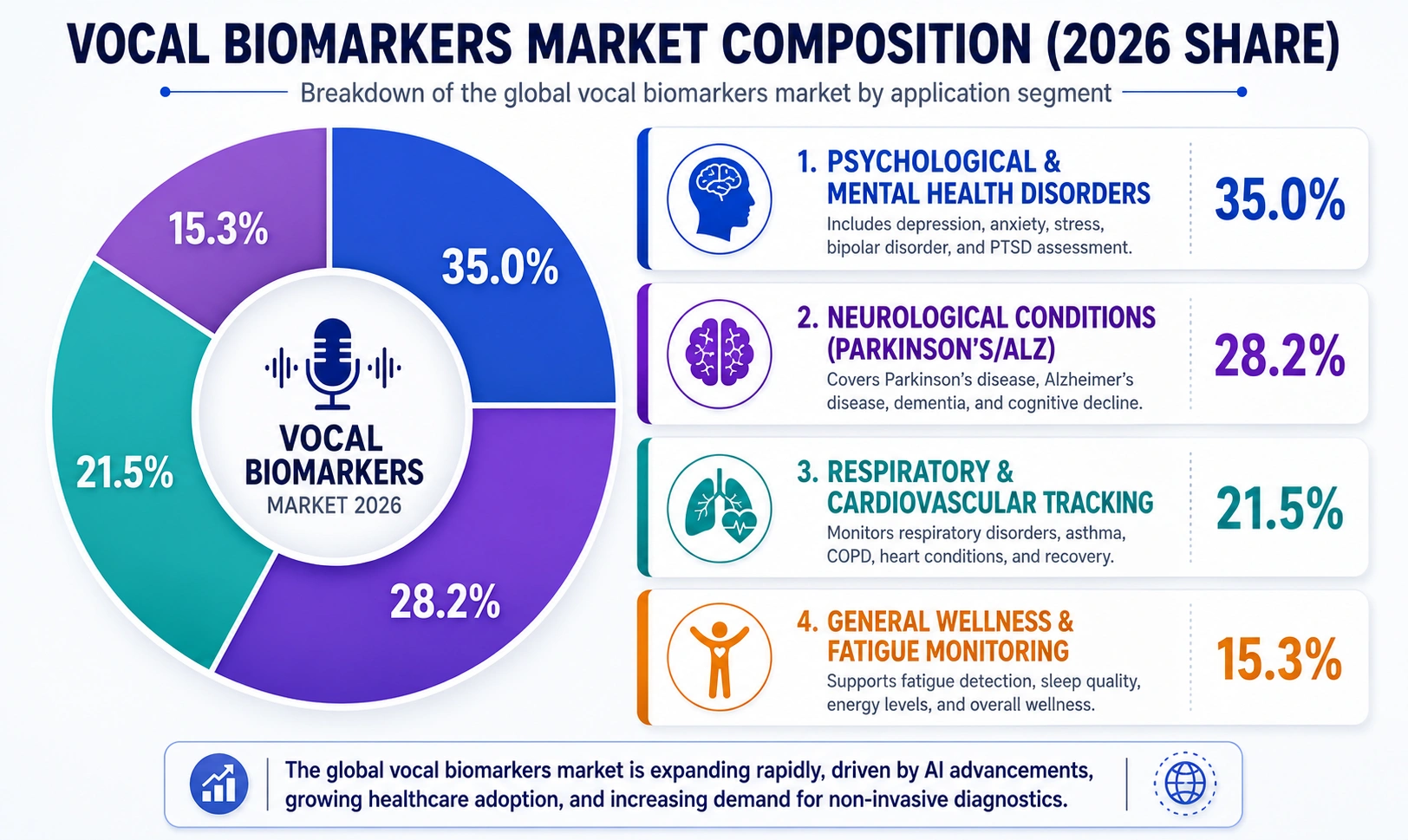
Within this market, psychiatric and psychological applications represent the dominant therapeutic sector, accounting for roughly 35% of overall market share.
| Market Driver | Traditional Behavioral Healthcare | AI Voice Biomarker Ecosystem | Enterprise & Strategic Impact |
| Diagnostic Accuracy | Subjective, survey-based screenings average ~60-70% sensitivity. | Multi-feature acoustic algorithms achieve 85%+ classification accuracy. | Reduces diagnostic errors and helps match patients to the right care levels faster. |
| Monitoring Frequency | Episodic check-ins spaced 30 to 90 days apart. | Continuous or weekly background processing via existing devices. | Enables early intervention, preventing costly emergency department visits. |
| Clinical Efficiency | Consumes 10–15 minutes of clinician time per manual assessment. | Runs automated, background analysis in under 30 seconds of speech. | Reduces provider burden and speeds up clinical intake workflows. |
| Telehealth Integration | Limited to standard video calls with manual post-session notes. | Native API integration into virtual care platforms. | Turns routine conversations into objective, measurable clinical data. |
The Enterprise Takeaway: AI voice biomarker engines replace subjective questionnaires with continuous, objective monitoring, enabling early risk detection, seamless EHR integration, improved patient engagement, and lower care costs for modern behavioral healthcare.
What is an AI Voice Biomarker Platform like Kintsugi?
Kintsugi (Named after the traditional Japanese art of repairing broken pottery with precious gold) is an AI-powered voice biomarker engine designed to detect early indicators of clinical depression and anxiety. The platform bridges the gap between patient experience and clinical care by converting the human voice into an objective, measurable health signal.
Operates as a voice AI screening tool, analyzing voice samples in real time for pitch, tone, prosody, pauses, and speech dynamics. Its API-first Voice AI architecture enables seamless integration with EHRs, telehealth platforms, call centers, remote patient monitoring systems, and digital health applications without disrupting existing clinical workflows.
A. AI Voice Biomarker Engine Explained
Kintsugi’s deep learning models process vocal mechanics rather than linguistic content. The platform works on clinical-grade Deep Acoustic Model (DAM) and operates independently of what the patient says. Instead, it isolates “how” the person speaks, focusing on the neurological and physiological effects of depression and anxiety on speech production.
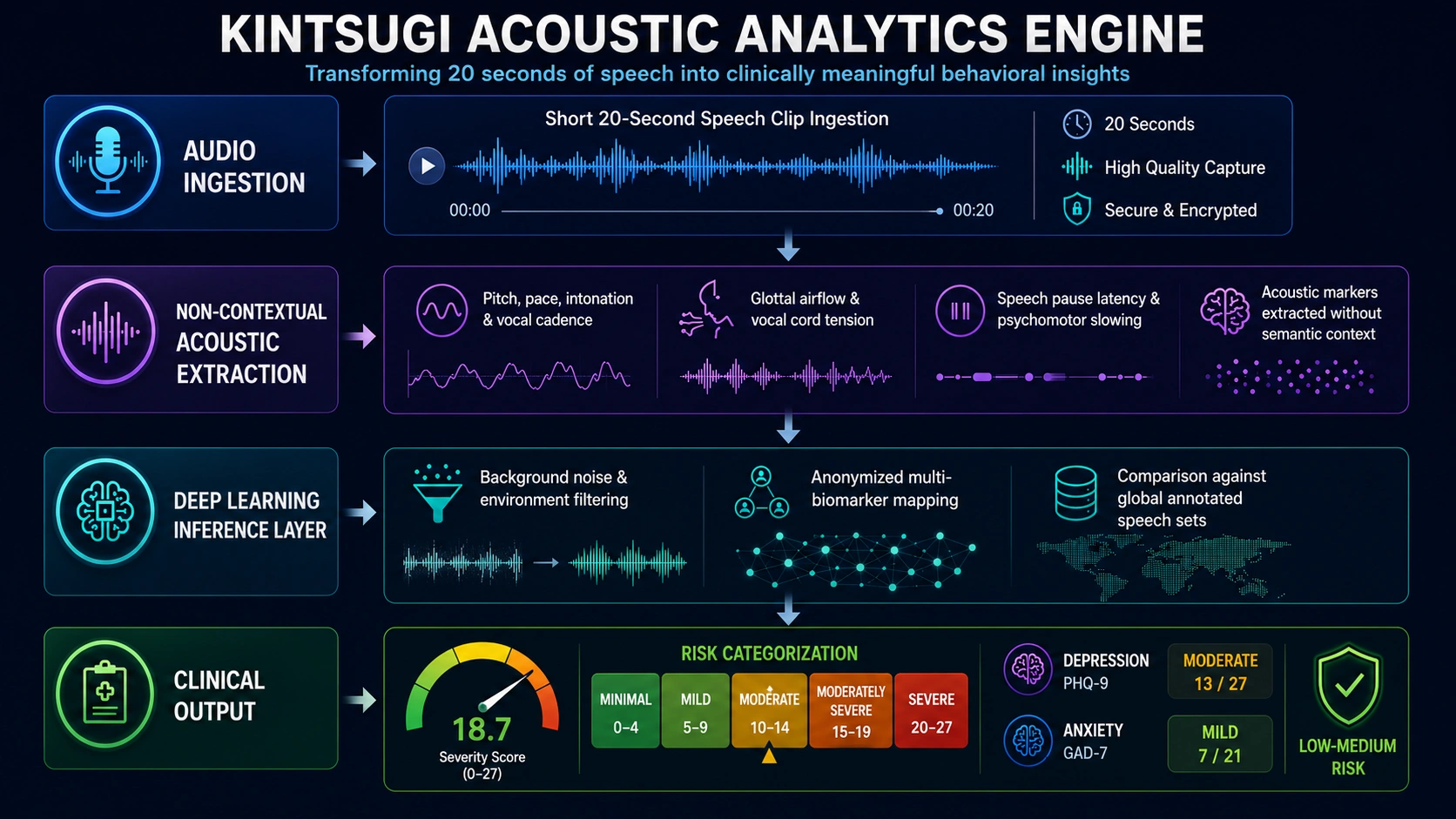
These capabilities enable the platform to convert subtle vocal patterns into clinically meaningful biomarkers, supporting accurate, scalable, and privacy-preserving mental health assessment.
- Content & Language Agnostic Architecture: The engine does not transcribe spoken words, perform sentiment analysis, or evaluate linguistic choices. Because it analyzes pure acoustic properties, it operates completely independent of the language spoken, dialect, or topic of conversation.
- Privacy-By-Design Processing: By decoupling the raw acoustic waveform from semantic meaning, the platform processes patient voice data without extracting or storing Protected Health Information (PHI) or personal narrative content.
- Acoustic Feature Extraction: The model processes deep paralinguistic and spectral features that correlate directly with central nervous system function, including:
- Fundamental Frequency (F0) & Pitch Variations: Measuring the flattening of vocal inflection associated with depressive psychomotor slowing.
- Formant Transitions & Glottal Waveforms: Tracking micro-shifts in vocal tract shaping caused by muscle tension or lethargy.
- Pause-to-Speech Dynamics: Calculating micro-pauses, response latencies, and breathing rhythms during natural conversation.
B. From Speech Sample to Clinical Insight
Kintsugi transforms unstructured voice recordings into clinically meaningful insights through a streamlined AI pipeline. Each stage processes raw speech, extracts acoustic biomarkers, and converts them into standardized mental health indicators that support faster, more informed clinical decision-making.
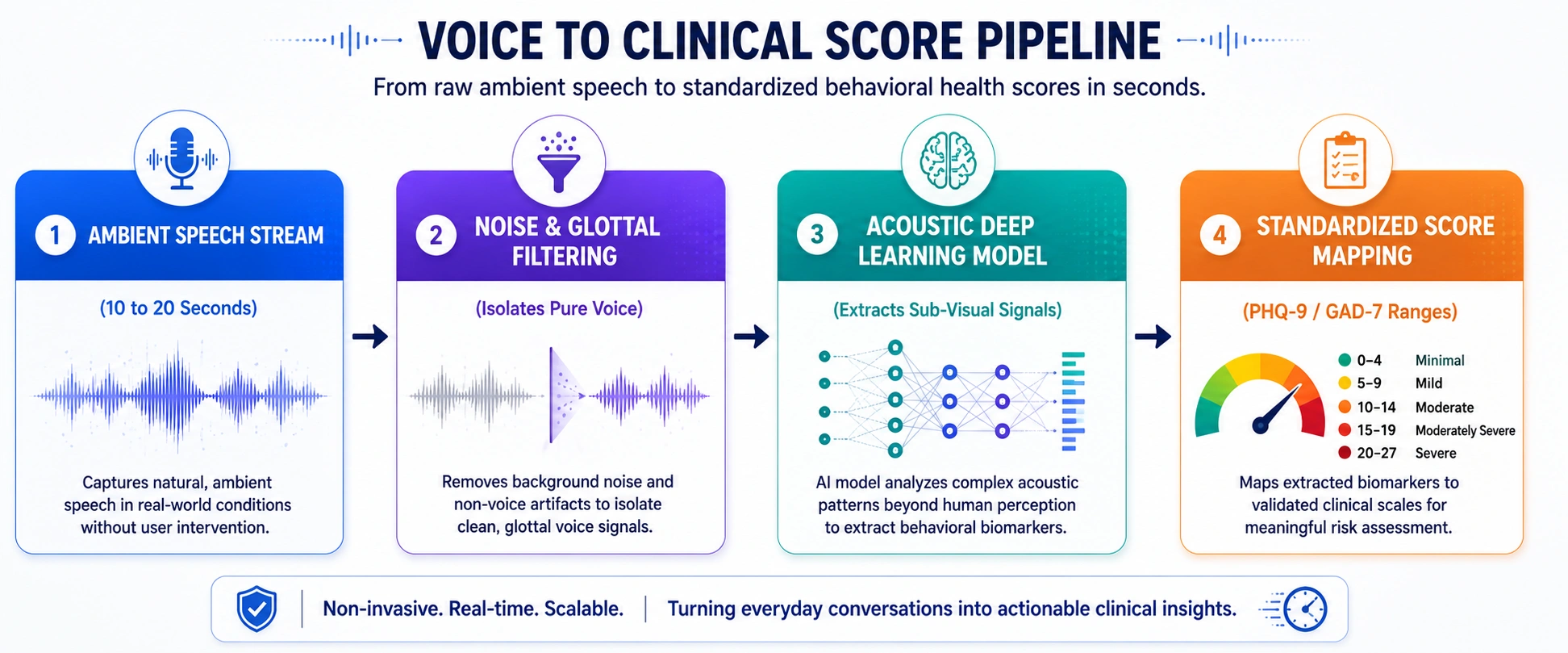
1. Real-Time Voice Data Capture
During a routine telehealth consultation, primary care visit, or care manager call, the platform securely captures a short voice sample. Typically, only 10 to 20 seconds of continuous speech are required to begin the AI-powered screening process.
2. Audio Preprocessing and Noise Reduction
Before analysis begins, the audio undergoes advanced preprocessing to improve signal quality. The engine removes background noise, call compression artifacts, room reverberation, and secondary speakers, isolating the primary voice for accurate acoustic feature extraction.
3. AI Voice Analysis and Biomarker Detection
The normalized audio waveform is analyzed using deep learning models trained on 800+ hours of clinically validated speech data from diverse populations. The AI identifies subtle neurological and physiological voice biomarkers associated with behavioral health conditions.
4. Clinical Scoring and Mental Health Insights
The extracted voice biomarkers are translated into clinically interpretable insights by mapping AI predictions against established psychiatric assessment frameworks, including the Patient Health Questionnaire-9 (PHQ-9) for depression and the Generalized Anxiety Disorder-7 (GAD-7) for anxiety.
C. How Providers Use AI-Generated Risk Scores
Kintsugi does not diagnose patients or replace psychiatric clinicians. Instead, it functions as an automated “sixth sense” behavioral health monitoring layer, helping providers identify potential mental health risks earlier and prioritize patients who may require additional clinical attention.
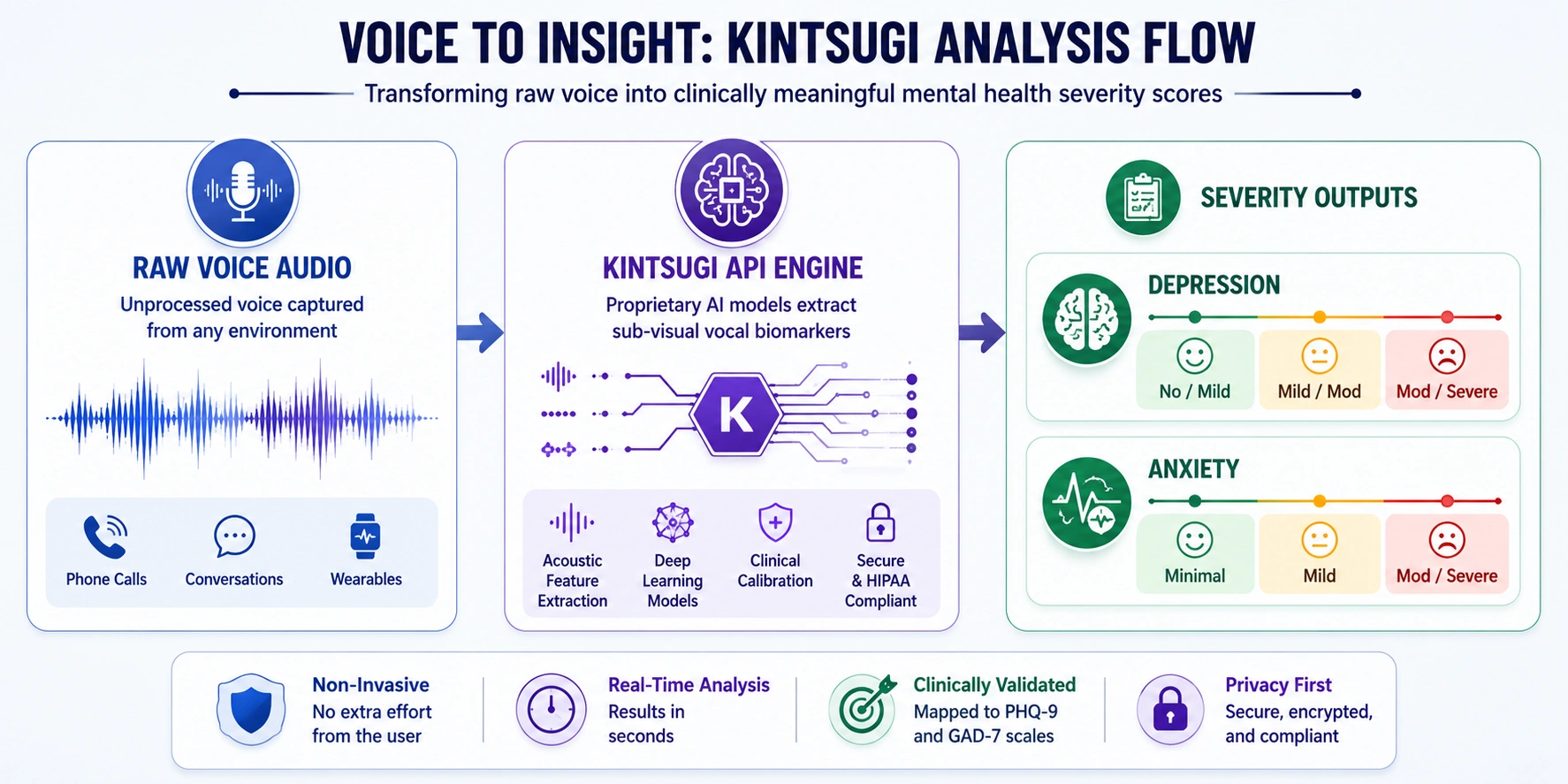
When integrated with an Electronic Health Record (EHR) or other clinical platform, the system presents AI-generated insights as clear, risk-based categories within the provider workflow, enabling faster assessment and informed clinical decision-making.
| Risk Stratification | Mapped Clinical Scale | Automated Clinical Workflow |
| Minimal / Low Risk | PHQ-9: 0–9 | GAD-7: 0–4 | Logged as a baseline assessment with routine primary care follow-up and periodic monitoring. |
| Mild to Moderate Risk | PHQ-9: 10–14 | GAD-7: 5–14 | Triggers an automated alert prompting the physician to perform a targeted mental health evaluation and determine appropriate next steps. |
| Severe / High Risk | PHQ-9: ≥15 | GAD-7: ≥15 | Immediately notifies the care team to initiate same-day behavioral health triage, crisis assessment, or specialist referral based on clinical protocols. |
Primary Operational Benefits
The following operational advantages demonstrate how AI-generated voice risk scores improve clinical efficiency while supporting earlier intervention and continuous behavioral health monitoring.
- Closing the Screening Gap: While fewer than 4% of primary care visits historically screen for depression, Kintsugi enables passive screening across 100% of encounters without adding paperwork or extending appointment times.
- Early Intervention: Identifies rising behavioral distress weeks before a patient voluntarily reports a crisis or requires an emergency department admission, enabling earlier clinical action.
- Objective Longitudinal Tracking: Provides care managers with continuous visibility into behavioral health trends, helping monitor patient response to therapy, counseling, or psychiatric medications over time.
The Platform Takeaway: Voice biomarker platforms transform routine speech into objective, real-time clinical insights, enabling early risk detection, seamless EHR integration, improved triage efficiency, and expanded access to behavioral healthcare.
Core Features of an AI Voice Biomarker Platform like Kintsugi
Building a voice AI screening tool like Kintsugi requires more than speech recognition. The following features form the foundation of a clinically valuable solution by combining voice biomarker intelligence, behavioral health screening, AI-driven risk assessment, and healthcare workflow support to enable earlier, scalable mental health detection.
1. Voice Biomarker Detection Engine
The voice biomarker detection engine is the platform’s core AI capability. It analyzes acoustic signals such as pitch, tone, prosody, speech rate, pauses, and vocal energy to identify clinically relevant biomarkers, enabling objective mental health assessment without relying on spoken words or questionnaires.
2. Real-Time Depression & Anxiety Detection
Real-time depression and anxiety detection converts voice biomarkers into instant risk scores during patient interactions. This capability helps healthcare providers identify early signs of emotional distress, prioritize timely interventions, and improve screening rates across telehealth, primary care, and behavioral health settings.
3. Speech-Based Mental Health Screening
Speech-based mental health screening enables fast, objective assessments using short voice samples instead of relying solely on self-reported questionnaires. This improves accessibility, minimizes reporting bias, increases screening consistency, and supports scalable behavioral health evaluations across diverse patient populations.
4. Behavioral Health Triage & Care Prioritization
Behavioral health triage uses AI-generated risk assessments to categorize patients based on symptom severity and urgency. This helps providers prioritize high-risk individuals, reduce care gaps, optimize clinical resources, and ensure patients receive the most appropriate level of behavioral health support.
5. Clinician Decision Support
Clinician decision support enhances healthcare decision-making by providing objective AI-generated voice insights alongside traditional assessments. Rather than replacing clinical expertise, it strengthens diagnosis, treatment planning, patient monitoring, and follow-up decisions through evidence-based behavioral health intelligence.
6. Longitudinal Voice Trend Monitoring
Longitudinal voice trend monitoring continuously evaluates voice biomarkers across multiple patient interactions. Tracking these changes helps clinicians measure treatment effectiveness, detect symptom progression or relapse, monitor recovery patterns, and support long-term mental healthcare management with objective data.
7. Passive Ambient Voice Analysis
Passive ambient voice analysis evaluates natural speech during telehealth visits, clinical conversations, or customer support interactions without requiring dedicated mental health assessments. This enables seamless behavioral health screening while preserving existing clinical workflows and minimizing patient burden.
8. Language-Agnostic Voice Intelligence
Language-agnostic voice intelligence focuses on how people speak rather than the language they use. By analyzing universal vocal characteristics instead of speech content, the platform delivers consistent voice biomarker analysis across different languages, accents, dialects, and diverse patient populations.
How to Build a Voice AI Screening Tool Like Kintsugi
Developing an AI voice biomarker platform requires a structured approach that combines clinical expertise, AI engineering, secure healthcare infrastructure, and regulatory compliance. The following development process outlines the key stages our team follows to build scalable, enterprise-grade voice intelligence solutions.
1. Define the Clinical Use Case
We begin by identifying the platform’s primary healthcare objective, whether it is mental health screening, behavioral health triage, telehealth support, or remote patient monitoring. This defines product requirements, AI capabilities, clinical workflows, and compliance needs from the start.
- Clinical Objective Alignment: Defines clear healthcare goals, target patient groups, and measurable outcomes to guide platform development decisions.
- Stakeholder Requirement Mapping: Identifies needs of providers, patients, and administrators to ensure solution relevance and usability.
- Regulatory Scope Identification: Determines applicable healthcare regulations and compliance standards early to avoid future development risks.
- Use Case Prioritization Strategy: Evaluates and prioritizes use cases based on impact, feasibility, and alignment with business objectives.
2. Build Secure Voice Data Infrastructure
Our developers design a secure infrastructure for voice capture, preprocessing, encrypted storage, consent management, and real-time data processing. This foundation ensures reliable AI performance while protecting sensitive healthcare information throughout the entire voice analysis pipeline.
- Data Security Framework Design: Establishes encryption, access controls, and secure storage practices to protect sensitive voice data assets.
- Scalable Data Pipeline Setup: Builds infrastructure capable of handling large volumes of voice data with consistent performance and reliability.
- Consent and Privacy Management: Implements systems to manage patient consent, data usage permissions, and compliance with privacy regulations.
- Data Quality Assurance Processes: Ensures accuracy, consistency, and integrity of voice data throughout ingestion and processing stages.
3. Develop Voice Biomarker AI Models
We build and train AI models that identify clinically relevant voice biomarkers from speech patterns. Our development process focuses on improving prediction accuracy, minimizing bias, optimizing inference speed, and generating reliable depression and anxiety risk assessments.
The following AI technologies form the foundation of a modern voice biomarker platform and work together to deliver accurate, real-time behavioral health assessments.
| AI Technology | Recommended AI Models | Role in the Platform |
| Speech Signal Processing Pipeline | Librosa, PyDub, WebRTC VAD, SoX | Cleans and preprocesses raw voice recordings, removing noise, segmenting speech, normalizing audio, extracting features. |
| Deep Learning Acoustic Feature Extraction | TensorFlow, PyTorch, OpenSMILE, wav2vec 2.0 | Uses neural networks to learn complex speech patterns, enabling detection of subtle voice biomarkers. |
| Voice Biomarker Machine Learning Models | Scikit-learn, XGBoost, PyTorch Lightning | Analyzes vocal biomarkers to predict mental health risks, generate scores, improve diagnostic accuracy. |
| Large Language Models (LLMs) for Care Insights | OpenAI GPT, Anthropic Claude, Azure OpenAI | Converts AI outputs into clinician-friendly insights, generates reports, supports documentation, enhances behavioral health interpretation. |
| Continuous AI Model Monitoring | Evidently AI, WhyLabs, MLflow, Arize AI | Tracks model performance, detects drift, evaluates fairness, supports retraining for consistent clinical predictions. |
Note: While multiple AI technologies power the platform, voice biomarker models remain the primary intelligence layer, with speech processing, deep learning, LLMs, and continuous monitoring working together to improve accuracy, scalability, and long-term clinical reliability.
4. Develop Clinical & Patient Applications
Our team develops intuitive provider dashboards and patient applications that simplify voice recording, AI result visualization, care management, and workflow automation. Every interface is designed to improve usability while fitting naturally into existing healthcare operations.
- User Experience Design Strategy: Focuses on intuitive interfaces that simplify interactions for both healthcare providers and patients.
- Workflow Integration Planning: Ensures applications align with existing clinical processes to reduce disruption and improve adoption rates.
- Feature Prioritization Framework: Identifies essential functionalities that deliver maximum value while maintaining simplicity and usability.
- Accessibility and Inclusivity Design: Ensures applications are usable by diverse patient populations, including those with varying abilities and needs.
5. Integrate Healthcare Systems
We integrate the platform with electronic health records (EHRs), telehealth platforms, remote patient monitoring systems, scheduling software, and healthcare APIs. These integrations enable secure data exchange while allowing providers to use AI insights within existing clinical workflows.
The following integrations highlight essential systems that enhance interoperability, streamline workflows, and enable effective deployment of AI-driven voice biomarker insights across healthcare environments.
| Integration | Why It Matters |
| Electronic Health Record (EHR) Systems | Synchronizes patient records, AI-generated voice biomarker scores, clinical notes, and behavioral health insights directly into provider workflows for a unified patient view. |
| Telehealth & Virtual Care Platforms | Enables real-time voice analysis during virtual consultations, allowing providers to screen patients for depression and anxiety without adding extra assessment steps. |
| Remote Patient Monitoring (RPM) Systems | Extends continuous mental health monitoring by combining voice biomarker analysis with remote care programs, helping clinicians identify changes between appointments. |
| Contact Center & Care Navigation Tools | Integrates AI voice screening into patient support calls, enabling early behavioral health triage, care prioritization, and faster referral to appropriate clinical services. |
| Healthcare CRM & Care Management Platforms | Connects AI insights with patient engagement, follow-up scheduling, care coordination, and population health programs to improve long-term behavioral health outcomes. |
Note: Prioritize integrations based on your target users, regulatory requirements, and deployment environment to ensure scalability, compliance, and seamless adoption across diverse healthcare systems and clinical workflows.
6. Validate Clinical Performance
Our developers and healthcare specialists validate AI performance through rigorous testing, measuring sensitivity, specificity, reliability, explainability, and model fairness. This process ensures clinically meaningful results while supporting regulatory readiness and long-term platform credibility.
- Clinical Validation Framework Design: Establishes testing protocols to measure accuracy, reliability, and effectiveness of AI-driven voice analysis.
- Performance Benchmarking Approach: Compares model outputs against clinical standards to ensure meaningful and actionable healthcare insights.
- Regulatory Compliance Testing: Ensures platform meets healthcare regulations and standards required for safe and approved clinical use.
- Real-World Testing and Feedback Loop: Incorporates real-world usage data and clinician feedback to continuously improve model performance.
7. Deploy HIPAA-Ready AI Infrastructure
We deploy the platform on secure cloud infrastructure with encryption, audit logging, continuous monitoring, AI governance, and scalable architecture. This ensures the solution remains HIPAA-compliant, highly available, and capable of supporting enterprise healthcare environments.
- Cloud Infrastructure Planning: Designs scalable and secure cloud environments to support high availability and performance requirements.
- Security and Compliance Implementation: Applies encryption, monitoring, and governance practices to maintain HIPAA compliance and data protection.
- Continuous Monitoring and Maintenance: Establishes systems for ongoing performance tracking, issue detection, and infrastructure optimization.
- Disaster Recovery and Backup Strategy: Implements backup systems and recovery plans to ensure data resilience and business continuity.
Cost to Build a Voice AI Screening Tool Like Kintsugi
The cost of building a voice AI screening platform depends on factors like AI sophistication, clinical validation, healthcare integrations, compliance requirements, and deployment scale. A phased approach helps estimate budgets more accurately while balancing functionality, scalability, and long-term goals.
Developing an enterprise-grade platform involves multiple engineering phases, each contributing to AI accuracy, security, interoperability, and user experience. The following breakdown provides estimated development costs aligned with MVP and enterprise-level implementations.
| Development Phase | Estimated Cost (MVP → Enterprise) | What the Phase Covers |
| Clinical Discovery & Product Planning | $8,000 – $25,000 | Defines clinical workflows, business objectives, user journeys, compliance scope, feature roadmap, and technical architecture for development. |
| Voice Data Infrastructure Development | $15,000 – $50,000 | Builds secure voice capture, preprocessing, encrypted storage, consent management, and scalable audio processing pipelines. |
| Voice Biomarker AI Model Development | $25,000 – $150,000 | Develops speech processing, acoustic feature extraction, machine learning models, AI training, testing, optimization, and inference pipelines. |
| Clinical & Patient Application Development | $20,000 – $100,000 | Creates provider dashboards, patient applications, AI reporting, workflow automation, notifications, and user-friendly healthcare interfaces. |
| Healthcare System Integrations | $10,000 – $80,000 | Integrates EHRs, telehealth platforms, remote monitoring, care management systems, APIs, authentication, and interoperability standards. |
| Clinical Validation & Compliance Testing | $10,000 – $120,000 | Performs AI validation, performance benchmarking, explainability assessments, security audits, HIPAA readiness, and quality assurance testing. |
| Cloud Deployment & DevOps | $8,000 – $75,000 | Deploys scalable cloud infrastructure with monitoring, logging, CI/CD pipelines, backup strategies, and infrastructure security controls. |
| Total Estimated Cost | $80,000 – $800,000+ | Combined estimated cost across all development phases aligned with platform levels. |
Note: These estimates are indicative and based on typical healthcare AI development benchmarks. Actual costs vary depending on AI complexity, clinical validation, regulatory compliance, third-party integrations, security requirements, and long-term scalability.
Development Cost by Platform Level
Different platform levels require varying degrees of AI sophistication, healthcare integrations, compliance readiness, and scalability. Selecting the appropriate AI voice biomarkers platform development scope depends on your target users, commercialization strategy, and long-term product vision.
While the table below provides realistic industry-aligned estimates, it is important to understand that these ranges are directional rather than fixed. Actual voice AI screening tool like Kintsugi development costs can vary significantly depending on AI depth, regulatory rigor, and integration complexity.
| Platform Level | Estimated Cost | Features Include |
| MVP | $80,000 – $180,000 | Voice recording, basic AI screening (often using pre-trained or third-party models), clinician dashboard, patient portal, secure authentication, limited integrations, essential compliance features. |
| Mid-Level | $180,000 – $350,000 | Refined AI models (partially custom), behavioral health triage, EHR integration, telehealth connectivity, workflow automation, enhanced security, and moderate compliance readiness. |
| Enterprise | $350,000 – $800,000+ | Fully custom voice biomarker AI, longitudinal monitoring, multilingual support, enterprise-grade integrations, population analytics, advanced compliance (HIPAA + potential FDA pathways), continuous AI optimization. |
Note: These ranges are indicative and not absolute. Costs can increase substantially if you require clinical-grade validation, FDA clearance, proprietary AI model development, or large-scale healthcare system integrations.
Factors That Influence Development Budget
Several technical and business factors directly affect the overall investment required to build a voice AI screening tool like Kintsugi. Understanding these cost drivers helps prioritize features, optimize resources, and plan a scalable product roadmap.
- Clinical Voice Dataset Acquisition: Diverse, consented, clinically labeled datasets account for 20–30% of costs ($50,000–$300,000+), driven by size, diversity, annotation, partnerships, and recruitment.
- Custom Voice Biomarker Model Development: Proprietary model development uses 25–35% of the budget ($100,000–$500,000), including data science talent, GPU costs ($5,000–$20,000/month), training, and optimization.
- Clinical Validation & Performance Studies: Validation represents 15–25% ($75,000–$250,000+), covering pilot studies, accuracy testing, bias checks, and regulatory readiness, with longer cycles adding 10–20% more.
- Healthcare Interoperability Implementation: EHR, telehealth, FHIR, and HL7 integration costs $50,000–$200,000 (10–20%), requiring specialized engineering and compliance work.
- Real-Time Speech Processing Infrastructure: Low-latency processing and cloud deployment need $50,000–$150,000 upfront plus $3,000–$15,000/month, typically rising 15–25% annually.
Compliance Requirements for Voice AI Platforms
Compliance is the foundation of healthcare voice AI screening tool like Kintsugi. Beyond meeting regulations, strong governance builds trust among providers, patients, and partners while ensuring systems remain secure, transparent, and clinically reliable at scale.
The following compliance requirements help reduce risk, protect sensitive data, and maintain confidence in AI-powered mental health screening solutions.
| Compliance Requirement | Regulatory Framework | Why It Matters |
| HIPAA and Healthcare Data Privacy | HIPAA | Ensures patient data protection, strengthens privacy controls, and maintains regulatory compliance across healthcare systems. |
| AI Governance and Model Transparency | AI Governance Frameworks | Promotes ethical AI use, improves model transparency, and builds clinician trust through accountable decision-making processes. |
| Consent Management for Voice Data | Informed Consent Regulations | Guarantees informed consent, supports data usage transparency, and protects patient rights throughout voice data lifecycle. |
| Clinical Validation and Audit Readiness | Clinical Compliance Standards | Validates clinical accuracy, ensures audit readiness, and supports quality assurance for reliable healthcare AI deployment. |
| Cybersecurity and Secure Data Storage | Cybersecurity Standards (e.g., NIST, ISO 27001) | Protects sensitive data, strengthens system security, and prevents cyber threats through robust infrastructure safeguards. |
Note: Compliance should be built into the development lifecycle, not added at deployment. Embedding privacy, security, governance, and validation early reduces risk and supports long-term scalability.
Practical Challenges in Building an AI Voice Biomarker Platform
Building a voice AI screening tool like Kintsugi may seem simple initially, but complexity arises when evolving from a prototype to a clinically reliable, scalable solution. Developers must address challenges in clinical validation, real-world variability, system scalability, and regulatory compliance.
1. Clinical-Grade Accuracy and Reliability
Challenge: Achieving consistent clinical accuracy across diverse populations, noisy environments, varying audio quality, and emotional states while maintaining reliable model performance.
Solution: Our developers implement rigorous clinical validation, continuous retraining with diverse datasets, advanced signal processing, and benchmarking against healthcare standards to ensure consistent, reliable, and clinically acceptable AI performance.
2. Real-World Data Variability and Edge Cases
Challenge: Managing unpredictable real-world voice data including noise, interruptions, multilingual speech, impairments, and inconsistent user behavior affecting model performance reliability.
Solution: Our developers build robust preprocessing pipelines, apply noise reduction, design adaptive models, and implement fallback mechanisms to effectively handle edge cases while maintaining stable performance across diverse real-world scenarios.
3. Data Collection and Annotation Pipelines
Challenge: Collecting diverse, high-quality voice datasets and ensuring accurate, consistent labeling while managing time, cost, and potential annotation inconsistencies.
Solution: Our developers create structured data pipelines, use semi-automated annotation tools, enforce strict labeling guidelines, and integrate human-in-the-loop validation to maintain high-quality, consistent datasets for reliable model training.
Why Choose IdeaUsher for AI Voice Biomarker Platform
IdeaUsher is an elite digital product engineering and healthtech powerhouse with 11+ years of mastery across 50+ countries. Driven by 250+ niche experts, a portfolio of 1,000+ completed projects, and a 4.9/5 Clutch credential, we build high-performing medical applications from scratch.
We skip off-the-shelf templates to handcraft premium, HIPAA-compliant acoustic AI platforms optimized with vocal biomarker processing engines, language-agnostic speech feature extraction, and real-time EHR triage pipelines to capture undisputed digital health market dominance.
Why Enterprises Partner With Us
Healthcare networks, health plans, and digital health providers choose us to deploy voice AI screening software because we transform unstructured, short speech clips into objective, real-time clinical biomarkers for mental health triage.
- Language-Agnostic Acoustic Processing: Our developers build advanced signal-processing models that analyze pitch, cadence, pauses, and intonation instead of spoken words, enabling objective depression and anxiety screening across languages without invasive questionnaires.
- Low-Latency Edge & API Streaming Pipelines: We design API-first microservices that process short audio samples in under 30 seconds, delivering real-time risk scores during telehealth consultations and call-center interactions.
- Bi-Directional FHIR & EHR Interoperability: Our team implements secure HL7 FHIR API integrations that automatically sync vocal biomarker scores with patient records and trigger behavioral health care workflows.
- HIPAA-Compliant Audio Isolation Architecture: We develop encrypted cloud containers that process acoustic vectors while discarding raw voice recordings, ensuring patient privacy and compliance with HIPAA and GDPR.
- Zero Vendor Lock-In Asset Delivery: Our developers provide clean, fully documented, and compliant source code of voice AI screening tool like Kintsugi development, giving you complete platform ownership, customization flexibility, and long-term deployment independence.
Ready to transform mental health detection with an automated, clinical-grade voice AI screening engine? Partner with IdeaUsher’s principal healthcare tech and AI architects to map out your infrastructure build today.
Conclusion
Voice AI is redefining how mental health screening is delivered by enabling faster, more objective, and scalable assessments across healthcare ecosystems. Bringing a voice AI screening tool like Kintsugi to market requires expertise in AI engineering, clinical workflows, healthcare compliance, and secure system integrations. At IdeaUsher, our team combines deep healthcare technology experience with end-to-end product development capabilities to help businesses launch enterprise-grade voice biomarker platforms that are accurate, compliant, and built for long-term growth.
FAQs
A.1. The core features of voice AI screening tool like Kintsugi typically include real-time voice capture and analysis, AI-powered detection of mental health biomarkers, secure data storage, HIPAA-compliant security controls, EHR and API integrations, clinician dashboards, reporting and analytics, and continuous model monitoring for accuracy and performance.
A.2. Healthcare providers, telehealth companies, insurance payers, digital health platforms, remote patient monitoring providers, behavioral health organizations, and care navigation companies can use AI voice biomarkers platform to improve mental healthcare delivery.
A.3. The voice AI screening tool like Kintsugi development costs vary by complexity, AI capabilities, integrations, and compliance. An MVP costs $80,000–$180,000, a mid-level platform $180,000–$350,000, and an enterprise solution $350,000–$800,000+, depending on customization and clinical requirements.
A.4. Yes. voice AI screening tool like Kintsugi handling patient voice recordings and health information should implement HIPAA-compliant security measures, including encryption, access controls, audit logs, and consent management to protect sensitive healthcare data.