Clinical-Grade VR Therapy Software

VR Therapy App Development Services

We build the full closed-loop VR therapy platform — patient sessions, clinician dashboards, biofeedback, and AI personalization — not just a standalone VR wellness app.

800+ Products Shipped 12+ Years in Healthcare Software HIPAA-Ready Architecture
VR CBT Program Live
Real-Time Biofeedback
Patient Headset — Session #248
In Session
Biometric Response
ProgramSocial Anxiety — Exposure Tier 3
Adherence92%
Clinician ActionAdjust Difficulty +1
Building Across The VR Therapy Category
VR CBT ProgramsExposure TherapyBiofeedback VRClinician DashboardsAt-Home VR CareAI PersonalizationTeletherapy + VR VR CBT ProgramsExposure TherapyBiofeedback VRClinician DashboardsAt-Home VR CareAI PersonalizationTeletherapy + VR
The Problem With Most "VR Wellness" Apps

A Meditation App In A Headset Isn't A Therapy Platform

No Clinician In The Loop

Most consumer VR wellness apps have no way for a licensed clinician to assign, monitor, or adjust a patient's program.

No Progress Data

Sessions happen and disappear — there's no structured record of adherence, symptom trends, or outcomes to act on.

Same Experience For Everyone

Static content with no personalization means a patient in week one gets the same session as a patient in week twelve.

Not Built For Compliance

Consumer app infrastructure rarely meets the HIPAA, consent, and audit requirements a clinical deployment actually needs.

Disconnected From Care

No bridge to teletherapy, EHR systems, or the rest of a patient's care team — VR becomes an isolated add-on, not part of treatment.

No Biometric Feedback

Without heart-rate or physiological data, the VR experience can't tell if a patient is actually regulating — or getting worse.

What Is A VR Therapy Platform?

Standalone VR App vs. Closed-Loop VR Therapy Platform

A Standalone VR Wellness App

  • Fixed meditation or relaxation content, same for every user
  • No clinician visibility into what's happening in-session
  • No structured record of progress or outcomes
  • Lives entirely on the device, disconnected from care
  • Hard to justify to a payer or health system

A Closed-Loop VR Therapy Platform

  • Clinician-assigned VR CBT and exposure therapy programs
  • Real-time biometric feedback shapes the session as it happens
  • Every session feeds a progress record clinicians can act on
  • Connected to teletherapy, EHR, and the care team
  • Built for insurance, VA, and health-system deployment
The Model We Build Toward

The Closed-Loop VR Therapy Model

The platforms that lead this category — XRHealth chief among them — aren't just delivering a VR session. They're closing the loop from device to clinician and back, so every session makes the next one more precise.

01

VR Headset At Home

Shipped directly to the patient, pre-loaded with their assigned program — no clinic visit required.

02

Therapeutic Exercise

A guided VR CBT, exposure, or breathing session runs the exact protocol a clinician assigned.

03

Patient Data Captured

Adherence, biometric response, and in-session behavior are logged automatically as the session runs.

04

Clinician Dashboard

The care team sees progress, adherence, and flags in one view — no manual reporting required.

05

Treatment Adjusted

The clinician tunes difficulty or content remotely, and the change applies to the patient's next session.

The adjustment feeds straight back into step one — the loop closes and starts again.
How The Full Platform Fits Together

Four Layers, One VR Therapy Platform

01

Patient App

  • VR Therapy Sessions
  • Guided Exercises
  • Exposure Scenarios
  • Meditation & Breathing
  • Progress Tracking
  • Personalized Plans
  • Gamified Exercises
02

AI / Personalization Layer

  • Patient Behavior Analysis
  • Session Adaptation
  • Risk & Engagement Signals
  • Personalized VR Environments
  • Recommendations
03

Therapist Dashboard

  • Patient List
  • Treatment Plans
  • Session History
  • Progress Graphs
  • VR Exercise Assignment
  • Patient Adherence
  • Remote Intervention
04

Healthcare Provider / Admin

  • Provider Management
  • Billing
  • Insurance
  • Compliance
  • Analytics
  • Outcomes Reporting
  • EMR/EHR Integration
Why Build A VR Therapy Platform Now

The Category Is Early — That's The Opportunity

Fast-Growing Market

VR therapy for mental health is projected to grow at a ~24.7% CAGR through 2032.

Reimbursement Pathways Opening

Medicare and VA coverage pathways for VR-based care are starting to take shape.

AI Made It Practical

Personalization and conversational AI have matured enough to power real session adaptation, not just scripted content.

Headset Costs Fell

Standalone headsets are now cheap enough to ship directly to patients at scale.

Evidence Base Is Building

Research support for self-guided VR interventions in anxiety and phobias is growing, even as it's still developing.

Teletherapy + VR Convergence

Telehealth platforms are actively looking for an immersive layer to add to remote care.

Corporate Wellness Budgets

Employers are allocating real budget to immersive stress and resilience programs.

Still Wide Open

A handful of players lead the category — there's real room for a well-built platform to compete.

Why Choose Idea Usher

Healthcare Software Experience, XR Engineering Depth

800+PRODUCTS SHIPPED
12+YEARS IN BUSINESS
4.9/5AVG CLIENT RATING
20+AI & XR ENGINEERS

VR/XR Engineering

Real Unity, Unreal, and WebXR experience across headsets, not a first-time VR project.

Healthcare Software Depth

HIPAA-aware architecture and clinical workflow experience from prior digital health builds.

AI & Personalization

Hands-on experience building recommendation engines, adaptive systems, and conversational AI.

Biometric Integration

Experience wiring wearable and sensor data into responsive, real-time product experiences.

Clinician-Facing UX

We design dashboards clinicians actually want to use, not an engineering afterthought.

EHR & Telehealth Integration

Practical experience connecting new platforms into existing healthcare infrastructure.

Ready to scope your VR therapy platform?

Get a free strategy call with our healthcare & XR engineering team.

Book Free Call
Market Opportunity

A Market Still Being Defined

$2.84B → $10.71BVR Mental Health Market

Projected growth for VR-based mental health treatment specifically, 2026 to 2032.

24.7%Projected CAGR

Compound annual growth rate for the category through 2032.

~40%North America Share

Share of the global VR therapy market, led by early clinical and VA adoption.

120K+Innerworld Users

On one peer-support VR platform alone, before its 2025 acquisition by XRHealth.

Sources: market research aggregators (2026 estimates); Innerworld/XRHealth public statements. Figures vary by research firm — treat as directional.

Benchmarked Against Industry Leaders

What The Category Leaders Are Proving Works

A handful of companies are defining what a real VR therapy platform looks like. We study what they've proven works — and build it into your platform.

XRHealth

Runs a full virtual-care platform: 1-on-1 therapy with licensed clinicians, VR CBT for anxiety and depression, headsets shipped to patients, clinician-controlled treatment plans, and Medicare/VA coverage pathways across 20+ therapeutic applications.

We build the closed-loop model — headset, patient data, and clinician dashboard as one connected system.

Innerworld

Approaches mental health through social VR — peer-led conversations, community spaces, and group experiences using its Cognitive Behavioral Immersion approach, with over 120,000 users. Now part of XRHealth's stepped-care ecosystem.

We build peer-support and community VR layers that route users toward professional care when needed.

Healium

Focuses on biofeedback-driven experiences — physiological data shapes the VR content in real time, helping users work on stress reduction, breathing, focus, sleep, and emotional regulation.

We integrate HRV, EEG, and wearable data so sessions respond to the patient, not just play a script.

BehaVR

Combines VR, mobile, cloud, and machine learning through its Dynamic eXperience Engine — personalizing VR sessions based on patient data and biometrics, and giving clinicians visibility into patient experience and progress.

We build the same kind of personalization engine — different patients, different sessions, same platform.

Idea Usher is not affiliated with XRHealth, Innerworld, Healium, or BehaVR. Descriptions are for reference and industry-benchmarking purposes only, based on publicly available information.

VR Therapy App Development Services

Everything We Build, End To End

VR CBT Program Development

Structured cognitive behavioral therapy programs delivered as guided VR sessions.

Exposure Therapy Scenario Engine

Configurable, gradual exposure environments clinicians can tune per patient.

Clinician / Therapist Dashboard

Patient lists, treatment plans, session history, and remote intervention tools.

Patient Progress Tracking & Analytics

Structured, longitudinal data on adherence, symptoms, and outcomes.

Biofeedback & Biometric Integration

HRV, EEG, and GSR sensor pipelines that feed real-time session adaptation.

AI Personalization Engine

Adapts pacing, content, and difficulty to each patient's response data.

Headset Provisioning & Device Management

Remote enrollment, updates, and monitoring for headsets shipped to patients.

Telehealth + VR Session Bridging

Lets a live therapist join or observe a patient's VR session remotely.

Patient Mobile Companion App

Between-session check-ins, reminders, and homework outside the headset.

EHR / EMR Integration

Connects patient records and outcomes into existing clinical systems.

Insurance & Billing Workflows

Claims-ready data structures built around reimbursement pathways.

HIPAA-Compliant Data Infrastructure

Encryption, access controls, and audit logging built in from day one.

Gamified Therapeutic Exercise Builder

Turns repetitive clinical exercises into engaging, trackable activities.

Embodied AI Avatar & LLM Therapy Module

Customizable 3D avatars with LLM-driven conversation for more engaging sessions.

Multi-Environment VR Content CMS

A content system for managing dozens of therapeutic environments at scale.

Core Features

Built Around The Same Architecture We Ship

Patient App
AI & Personalization
Therapist Dashboard
VR Therapy Sessions
Guided Exercises
Exposure Scenarios
Meditation & Breathing
Progress Tracking
Personalized Therapy Plans
Gamified Exercises
Symptom Check-Ins
Session Reminders
Patient Behavior Analysis
Session Adaptation
Risk & Engagement Signals
Personalized VR Environments
Content Recommendations
Biometric Response Modeling
Embodied AI Avatar Companion
LLM-Driven Conversational Support
Adaptive Difficulty Scaling
Patient List & Records
Treatment Plan Builder
Session History
Progress Graphs
VR Exercise Assignment
Patient Adherence Tracking
Remote Session Intervention
Secure Messaging
Outcome Reporting
Who We Build For

Built For Every Corner Of Behavioral Health

Digital Therapeutics Companies

Adding a VR delivery mechanism to an existing DTx product line.

Behavioral Health Clinics

Extending in-person CBT and exposure therapy into an at-home VR program.

Hospital Systems

Piloting VR therapy as part of a broader behavioral health service line.

Rehabilitation Centers

Pairing physical rehab protocols with immersive, trackable VR exercises.

VA & Government Health Programs

Standing up VR-based care aligned with emerging veteran health pathways.

Corporate Wellness Providers

Adding an immersive stress and resilience benefit to an existing platform.

Teletherapy Platforms

Bridging live remote sessions with an in-headset therapeutic layer.

Health Insurance Payers

Piloting a reimbursable VR benefit with outcome data built in from day one.

University Research Labs

Building a configurable VR platform for controlled clinical studies.

Mental Wellness Startups

Launching a first VR product without building the platform from scratch.

Sleep & Stress Clinics

Delivering biofeedback-driven relaxation and sleep programs in VR.

Health Plans & MCOs

Evaluating VR therapy as a covered benefit with measurable outcomes.

How It Works

From First Call To Launched Platform

1

Discovery

Clinical goals, audience, and compliance scope.

2

Design

Patient and clinician experience mapped out.

3

Build

VR sessions, dashboard, and AI layer developed.

4

Test

Clinical and technical QA across devices.

5

Launch

Headsets provisioned, platform goes live.

6

Support

Iteration on real usage and outcomes data.

Feature Opportunity Ranking

Where The Real Traction Is

Based on what's actually gaining adoption across the category right now — this is how we prioritize what to build first.

VR CBT / Exposure Therapy

The clinical core of the category — the reason platforms like XRHealth exist in the first place.

Clinician Dashboard

Without it, VR therapy is just a consumer app — this is what makes it a clinical tool.

At-Home VR Therapy

Shipping headsets directly to patients is what let XRHealth scale past clinic walls.

Patient Progress Tracking

The data that justifies a payer, VA, or health-system deployment in the first place.

Teletherapy + VR Combination

Existing telehealth platforms are actively looking for exactly this kind of immersive layer.

Biofeedback / Biometric VR

Healium's model — physiological data makes the session interactive instead of passive.

AI-Personalized Therapy

BehaVR's Dynamic eXperience Engine shows this is moving from novelty to expectation.

VR Peer-Support Communities

Innerworld proved a social, stepped-care on-ramp can work alongside clinical treatment.

Gamified Therapeutic Exercises

Turns repetitive clinical exercises into something patients actually want to finish.

Integrations

Connects Into The Tools You Already Use

A VR therapy platform doesn't replace your existing stack — it plugs into the hardware, health data, and care infrastructure you're already running.

VR/XR Hardware & SDKs

Meta QuestPicoHTC ViveOpenXR

Biofeedback & Wearables

HRV SensorsEEG HeadbandsApple WatchOura

Healthcare & EHR

EpicCernerFHIRHL7

Telehealth & Communication

TwilioZoom SDKWebRTC

In Production

VR CBT Engine — Unity
LIVE
Biometric Pipeline — HRV/EEG
MONITORING
Clinician Dashboard — Web
LIVE
EHR Sync — FHIR
MONITORING
Development Process

A 7-Step Path From Idea To Launch

Discovery & Clinical Scoping

1-2 Weeks

Define target conditions, clinical protocols, audience, and compliance requirements.

Product & Architecture Strategy

1-2 Weeks

Map the patient app, AI layer, dashboard, and admin layers to your specific use case.

UX/UI & VR Environment Design

2-3 Weeks

Design patient VR flows and clinician-facing dashboards side by side.

Core Development

8-14 Weeks

Build the VR sessions, dashboard, data pipelines, and integrations in parallel sprints.

AI & Personalization Layer

3-5 Weeks

Layer in behavioral analysis, adaptive sessions, and optional embodied AI avatars.

Clinical & Technical QA

2-3 Weeks

Device testing, data accuracy checks, and structured clinical review cycles.

Launch & Post-Launch Iteration

Ongoing

Headset provisioning, go-live support, and iteration on real usage data.

Tech Stack

Proven Technology, Chosen For Clinical Scale

VR/XR Engine

Runs the actual therapy sessions across headsets.

  • Unity
  • Unreal Engine
  • WebXR
  • OpenXR

AI & ML

Powers personalization and conversational avatars.

  • LLM Conversational Layer
  • Personalization Models
  • Computer Vision

Backend & Data

Handles clinical-grade storage and compliance.

  • Cloud Infrastructure
  • HIPAA-Ready Hosting
  • Biometric Data Pipelines

Dashboard & Frontend

What clinicians and patients actually see and use.

  • React
  • Mobile (iOS/Android)
  • Real-Time Data Views

Integrations

Connects the platform to existing care infrastructure.

  • FHIR / HL7
  • Telehealth SDKs
  • Wearable APIs
Why Choose Us

Freelancers vs. Agencies vs. Idea Usher

Capability
Freelancers
Generic Agencies
Idea Usher
Clinical VR UX Experience
Biofeedback Integration
HIPAA-Ready Architecture
Clinician Dashboard Depth
AI Personalization Engine
Post-Launch Clinical Iteration
Security, Compliance & Regulatory

Built To Handle Sensitive Clinical Data

Data Encryption

End-to-end encryption for patient data, in transit and at rest.

Secure Authentication

Role-aware login for patients, clinicians, and admins.

Role-Based Access

Granular permissions across care teams and organizations.

Consent Management

Structured, auditable capture of patient consent.

Audit Logs

Full activity trails across clinical and administrative actions.

Privacy Controls

Configurable data retention and access limits by role.

HIPAA Considerations

Architecture built with HIPAA safeguards in mind from day one.

Medicare/VA Pathway Readiness

Data structures built to support emerging coverage pathways.

Idea Usher is a software development partner, not a law firm, compliance authority, or covered entity. Pair us with qualified legal and regulatory counsel for certification and coverage decisions.

Business Models

Built To Match How You'll Sell It

B2B2C Clinic Licensing

License the platform to clinics who deliver it to their own patients.

Payer / Insurance Reimbursement

Built around billable, reimbursable session and outcome structures.

Subscription (Patient/Provider)

Recurring revenue from patients, providers, or both.

White-Label Platform Licensing

Rebrandable platform for health systems and wellness companies.

Emerging Direction

AI Avatars + LLM-Driven VR Therapy

A newer direction is emerging alongside VR CBT and biofeedback: customizable 3D avatars paired with LLM-driven conversation, designed to make VR therapy sessions feel more emotionally engaging. Research published as recently as August 2026 is exploring this direction — it's still experimental, not yet an established commercial category.

We build toward this as an optional module for platforms that want to be ahead of the category, not as an unproven core dependency.

"How are you feeling before we start today?"
Embodied avatar, LLM-driven, patient-customized
Experimental module — built alongside your core platform
Representative Engagements

What This Looks Like In Practice

Behavioral Health Clinic

Built a VR CBT program for anxiety and social phobia with a clinician dashboard for assigning and monitoring exposure tiers remotely.

92%PROGRAM ADHERENCE
6 WksTO FIRST PILOT
Corporate Wellness Provider

Delivered a biofeedback-driven stress and resilience VR program integrated with employee wearable data.

3.4xENGAGEMENT VS. APP-ONLY
10K+SESSIONS LOGGED
Teletherapy Platform

Added a VR exposure-therapy module that live therapists can join and observe during a session.

4 Mo.TO PRODUCTION
1UNIFIED CARE RECORD
What Partners Say

Built With Clinical And Product Teams In Mind

"They understood immediately that we needed a clinician dashboard first, not just a flashy VR demo. That's rare."

CD
Clinical DirectorBehavioral Health Clinic

"The biofeedback integration worked on the first real test with wearable data — that saved us months of back and forth."

PL
Product LeadDigital Health Company

"We came in wanting a VR app. We left with a platform our clinicians actually rely on every week."

EW
Engineering LeadWellness Technology Startup

Build Your VR Therapy Platform

From a first VR CBT program to a full closed-loop clinical platform — let's scope what's right for your patients and your business model.

No pressure, no commitment — just a straight conversation about what's realistic to build.

Frequently Asked Questions

Common Questions

What is a VR therapy app development company?+
A VR therapy app development company builds the full software stack behind virtual reality mental health treatment — the patient-facing VR sessions, the AI personalization layer, the clinician dashboard, and the provider/admin systems — rather than just a standalone VR wellness app.
How long does it take to build a VR therapy platform?+
A first clinical-ready version typically takes 4 to 7 months depending on scope — a single VR CBT program with a basic clinician dashboard moves faster than a full closed-loop platform with biofeedback, AI personalization, and EHR integration.
Do you build the therapy content and clinical protocols too?+
We build the software platform, not the clinical protocols themselves. We work closely with your clinical team or licensed partners to translate their CBT, exposure therapy, or biofeedback protocols into VR experiences, and can connect you with clinical advisors if needed.
Can you integrate biofeedback and wearable data into a VR therapy app?+
Yes. We build integrations with heart-rate variability sensors, EEG headbands, and consumer wearables so the VR experience can respond in real time to a user's physiological state, similar to the biofeedback-driven model used by platforms like Healium.
What VR headsets and platforms do you develop for?+
We build for Meta Quest, Pico, and HTC Vive using Unity, Unreal Engine, and WebXR, and design the platform so it can be extended to new headsets without a full rebuild.
How much does it cost to build a VR therapy app?+
Costs vary widely by scope. A focused VR CBT or exposure therapy app with a basic clinician view generally starts in the low-to-mid six figures, while a full closed-loop platform with biofeedback, AI personalization, and EHR integration runs higher. We scope exact numbers on a free strategy call.

Still have questions?

Get them answered on a free strategy call with our team.

Book Free Call

Our Portfolio

Witness the magic of our apps through captivating visuals and real success stories.

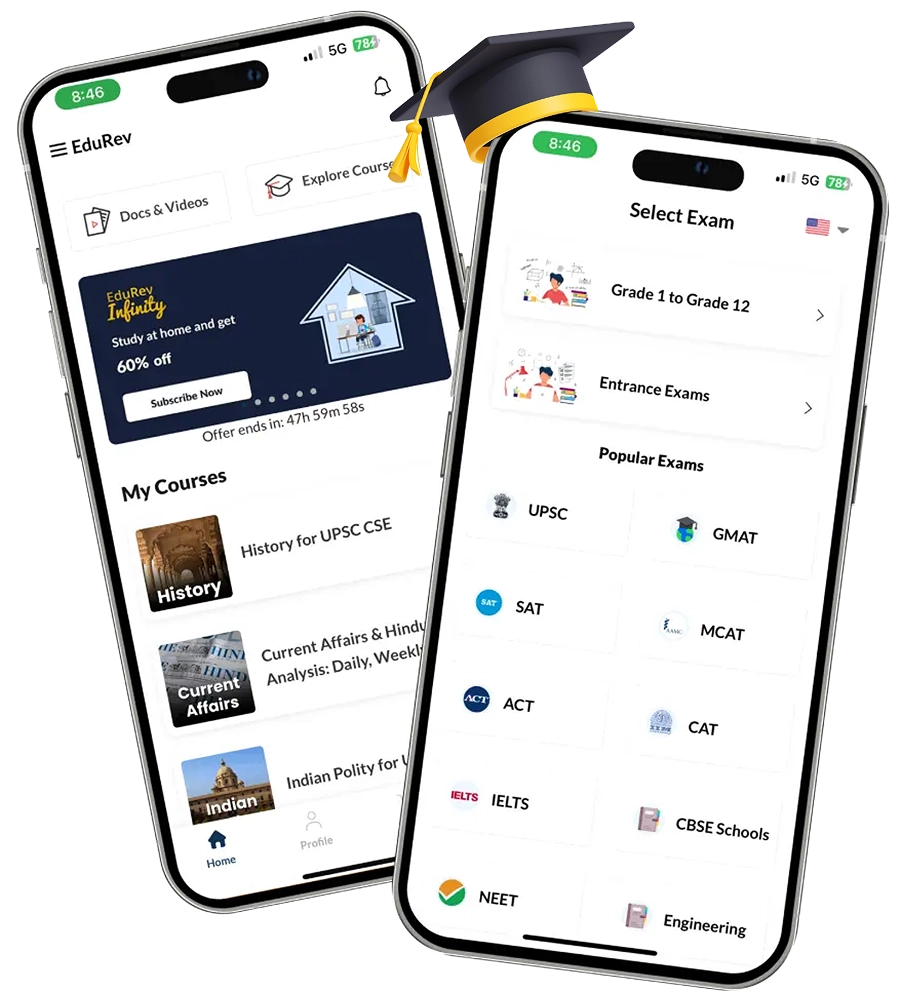
EduRev

Ed-Tech

We developed an innovative exam preparation app, equipped with features including a Content Management System (CMS) and robust user authentication. Our user-friendly design simplifies content search and filtering, enabling seamless progress tracking and interaction with interactive learning tools. With scalability and reliability at its core, the app ensures a secure learning environment through encryption and regular audits.

1 M+

Downloads

Available on

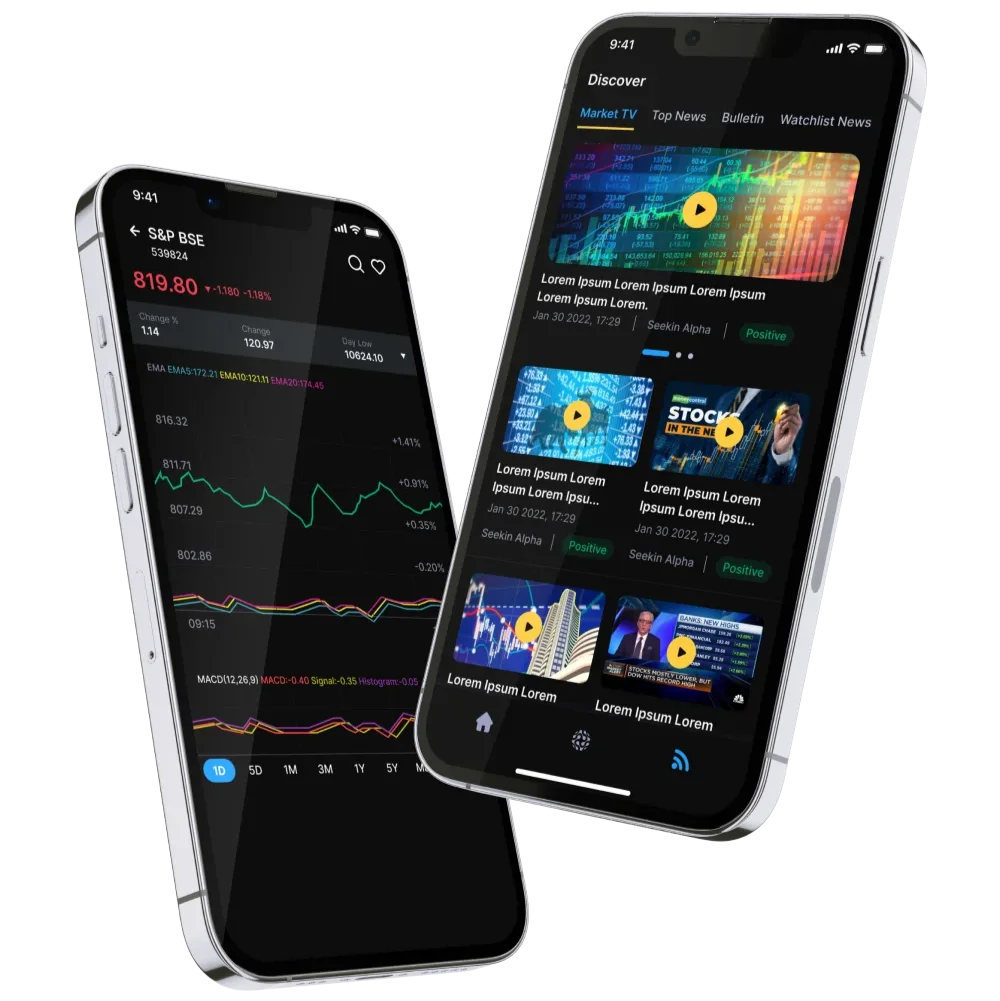
EQL

Blockchain Trading Platform

EQL is a modern stock trading app that leverages real-time social momentum and sentiment analysis to provide valuable insights on trending stocks. It offers convenient features like IPO tracking and investment scanning for traders, investors, and hobbyists.
1 k+

Downloads

Available on

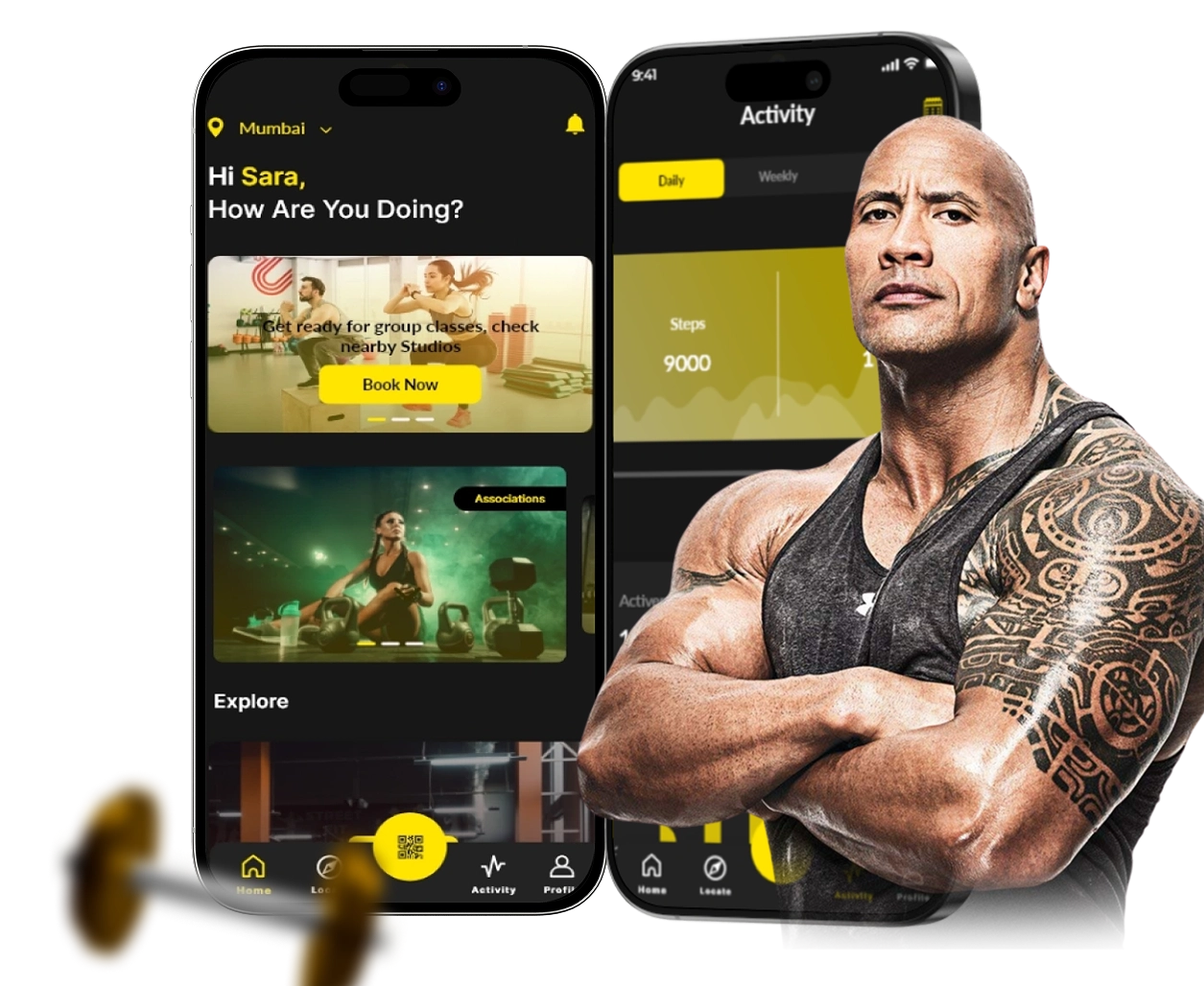
Gold's Gym

Gym Membership App

The app serves as a universal gym pass, removing any barriers for gym members to access Gold's Gym facilities across the entire nation, a testament to the team’s commitment to providing a seamless and hassle-free experience for users.

1 k+

Downloads

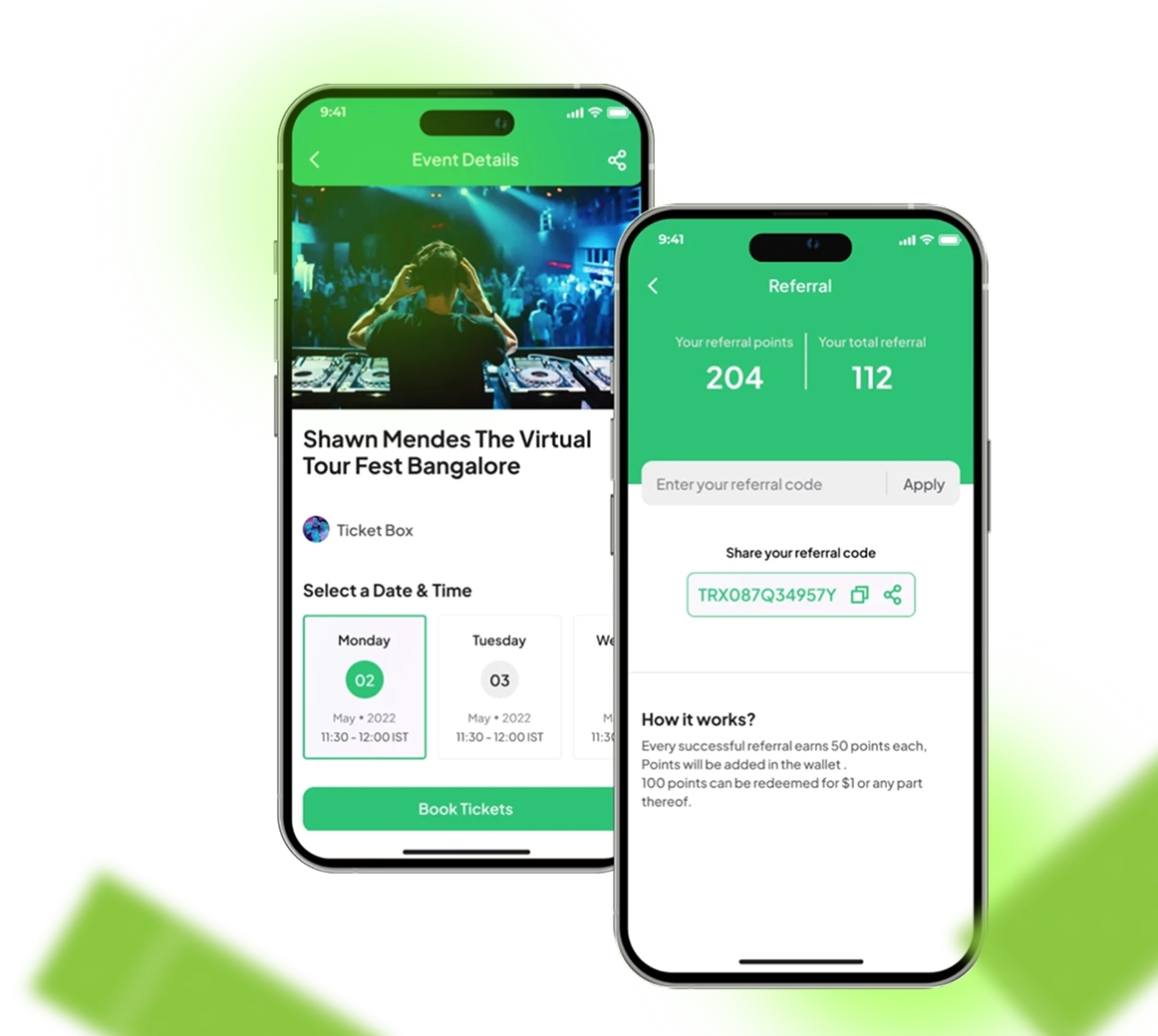
Ticketbox

Booking App

Ticketbox is developed with user convenience in mind, boasting an intuitive interface and seamless functionalities for effortless booking management, ticket viewing, and tracking of booking history. Our integration of secure payment gateways ensures peace of mind, while real-time updates keep users informed every step of the way.

Available on

Testimonials

Client Testimonials

Hear the stories of clients who found success with Idea Usher.

Idea Usher Reviews

5.0
5.0
“They are constantly willing to go beyond and above to address your issues or fulfill your requirements…”

Co-Founder, ShowsHappening

5.0

“The team was great to work with, stayed on track, and exceeded our expectations.”

CEO & Co-Founder, Greenpool Ltd

5.0

“They demonstrated a thorough understanding of our project requirements and provided innovativ…

Executive, Gruve

Hire The Best Developers Backed By Accolades

Clutch

Clutch Fall

Top Firms

Top App Firms

Clutch

Sortlist

Clutch Global

Clutch

GlassDoor

AppFutura

 Company

GoodFirms

Tech Reviewer

TopDevelopers

TechImply

iTRate

IT Firms

Superb Companies

Expertise.com

Software World

Right Firms

Mobile App Development

Selected Firm

Superbcompanies

Clutch

TECHIMPLY

Clutch

Clutch

Clutch

Clutch

Clutch

Most Trusted Software Development Company

Talk to our experts and get the best solutions

CTA

Get a Free demo And Consulation

Get in touch now