

Key Takeaways
- Virtual care platforms unify consultations, treatment plans and ongoing monitoring into a seamless digital healthcare experience.
- Core services include GLP-1 programs, hormone therapy, functional medicine and preventive wellness care.
- Success depends on telemedicine infrastructure, healthcare compliance, secure integrations and personalized care workflows.
- Virtual-first healthcare models improve patient engagement, scalability and long-term treatment adherence.
- How IdeaUsher can help you build virtual care platforms like Aspire Health with telehealth, healthcare integrations and HIPAA-compliant architecture.
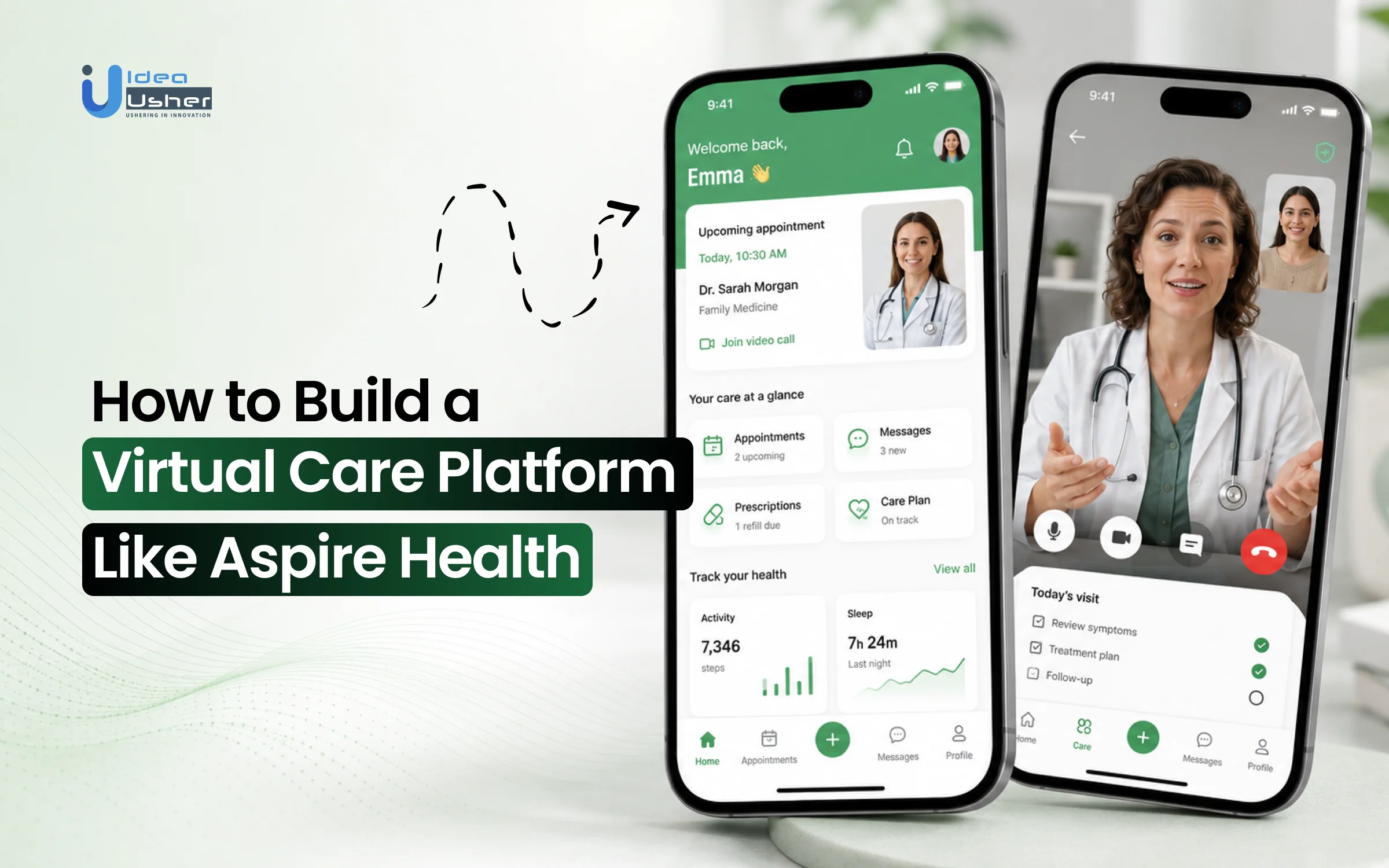
Healthcare is increasingly shifting from reactive treatment toward continuous, personalized care delivered wherever patients are. This evolution is driving interest in aspire health platform development as healthcare providers and entrepreneurs seek to build virtual care ecosystems that combine medical expertise, wellness services and ongoing patient engagement within a single digital experience.
Traditional healthcare models separated consultations, prescriptions, wellness programs and follow-up support across multiple systems. Modern patients increasingly expect virtual consultations, personalized treatment plans, GLP-1 weight management, hormone optimization, functional medicine services and continuous care support through a unified platform. The value is no longer just remote healthcare access. It is creating personalized care journeys that improve convenience, engagement and long-term outcomes.
In this blog, we will talk about core features, architecture, compliance requirements, development costs and how IdeaUsher can help with aspire health platform development and building a virtual care platform like Aspire Health, integrating virtual wellness ecosystems where preventive care, chronic condition management and lifestyle optimization converge.
Why Virtual Wellness Platforms Are Growing Rapidly
The landscape of modern healthcare is undergoing a massive digital migration. The global digital health and wellness market size is projected to grow from $607.06 billion in 2025 to $3568.11 billion by 2034, exhibiting an exponential compound annual growth rate (CAGR) of 21.92%.
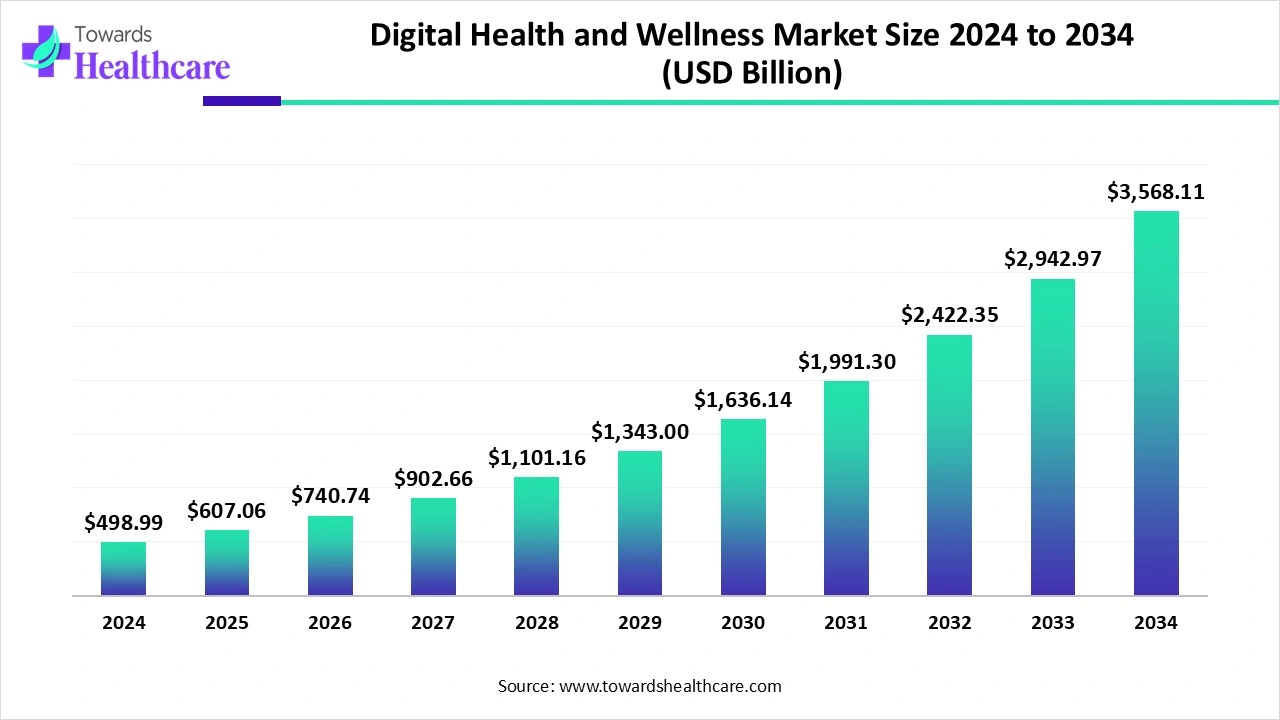
Driven by widespread smartphone adoption, shifting patient expectations, and systemic changes in clinical care, virtual wellness platforms have evolved from a pandemic-era alternative into an essential, permanent cornerstone of global healthcare infrastructure.
A. The Rise of Personalized Telehealth Care
Generic, one-size-fits-all healthcare models are rapidly losing ground to highly tailored, digital-first interventions. Software solutions now command nearly 60% of the digital health market share, fueled by an escalating demand for continuous health monitoring and data-driven wellness profiles.
- AI-Driven Personalization: AI-enabled digital health solutions represent nearly 40% of new product adoptions. These systems parse real-time vitals to deliver predictive, highly individualized wellness insights.
- Clinical Efficacy and Engagement: Rather than relying on sporadic, in-person annual checkups, patients are leveraging asynchronous messaging and remote specialist networks. This continuous touchpoint ecosystem has proven to lower patient drop-off rates while simultaneously cutting standard clinic waiting times down to a fraction of traditional averages.
B. Growing Demand for GLP-1 Weight Loss Programs
The meteoric rise of anti-obesity medications has become a primary catalyst for the expansion of virtual wellness platforms. With projections indicating that 47% of U.S. adults will suffer from obesity by 2035, digital health platforms have rapidly moved to capture the market by marrying prescription access with virtual care coordination.
- Market Scaling: The global market for GLP-1 treatments (such as Semaglutide and Tirzepatide) reached $79 billion in total sales and is on track to hit $190 billion by 2035.
- The Home-Delivery Boom: The specific GLP-1 obesity home-delivery injectables market is valued at $2.9 billion and is scaling at a 14.90% CAGR.
- The Compliance Challenge: Nearly 85% of non-diabetic patients stop GLP-1 therapy within two years. Telehealth platforms improve adherence through medication delivery, remote monitoring, dietary coaching, and side-effect management support.
C. Consumer Shift Toward Preventive Healthcare
Consumers are actively moving away from reactive, “sick-care” interventions and investing heavily in proactive health longevity. The global preventive healthcare technologies and services market reflects this, projected to reach $412.59 billion, progressing at a 12.45% CAGR.
The Cost-Benefit Reality: Managing chronic pre-diabetes through digital lifestyle coaching costs approximately $400 per member each year. Conversely, treating advanced, unmanaged diabetes with subsequent clinical complications skyrockets to an average of $9,600 annually per patient.
- The Wearable Revolution: Driven by an institutional push toward early disease detection, wearable-based wellness devices now record an average of 1.2 billion daily health data points globally. Continuous glucose monitors (CGMs) have transitioned into the mainstream wellness market, tracking real-time metabolic and heart rate variability (HRV) metrics for everyday health optimization.
- Corporate and Insurer Backing: Payers are directly subsidizing this shift. In fact, 68% of companies with more than 500 workers now include biometric screenings in their employee benefit menus to actively mitigate long-term medical expenditures.
D. Why Virtual-First Wellness Models Are Scalable
The economic engine behind the rapid growth of virtual wellness companies lies in the sheer scalability of the software-driven, virtual-first architecture.
| Metric Component | Traditional In-Person Care | Virtual-First Wellness Models |
| Primary Delivery Mode | Physical clinics, geographic constraints | Remote channels, mobile apps, asynchronous web portals |
| Projected Sector Growth | 7.56% CAGR | 14.89% CAGR |
| Overhead & Infrastructure | High real estate costs, fixed clinic capacities, localized staff | Cloud-hosted infrastructure, centralized medical networks |
| Patient Throughput | Restricted by physical room availability and hourly slots | Highly automated triage, automated reminders, AI-driven backend workflows |
By shifting from a resource-constrained physical footprint to a decentralized, cloud-hosted architecture, virtual wellness platforms can effortlessly onboard thousands of concurrent users. This transition significantly lowers the marginal cost per patient while maintaining continuous, high-touch medical oversight.

What Is Aspire Health?
Aspire Health is a telehealth-driven virtual care platform focused on personalized weight management, GLP-1 therapy, hormone optimization, functional medicine, and preventive wellness services. The platform combines virtual consultations, clinician-guided treatment plans, prescription management, and ongoing patient support to deliver convenient healthcare experiences remotely.
This platform operates as a virtual wellness platform where patients complete online assessments, consult licensed providers, receive personalized treatment plans, and access ongoing care through telemedicine. Its services include medically supervised weight loss, GLP-1 programs, hormone replacement therapy (HRT), peptide therapies, sexual health, hair loss treatments, and quick-care services.
A. How Aspire Health Creates a Connected Virtual Care Ecosystem
One of the biggest differentiators of Aspire Health is that it operates as a complete healthcare ecosystem rather than a simple telemedicine platform. Instead of limiting interactions to virtual doctor visits, the platform connects every stage of the patient journey into a single digital experience.
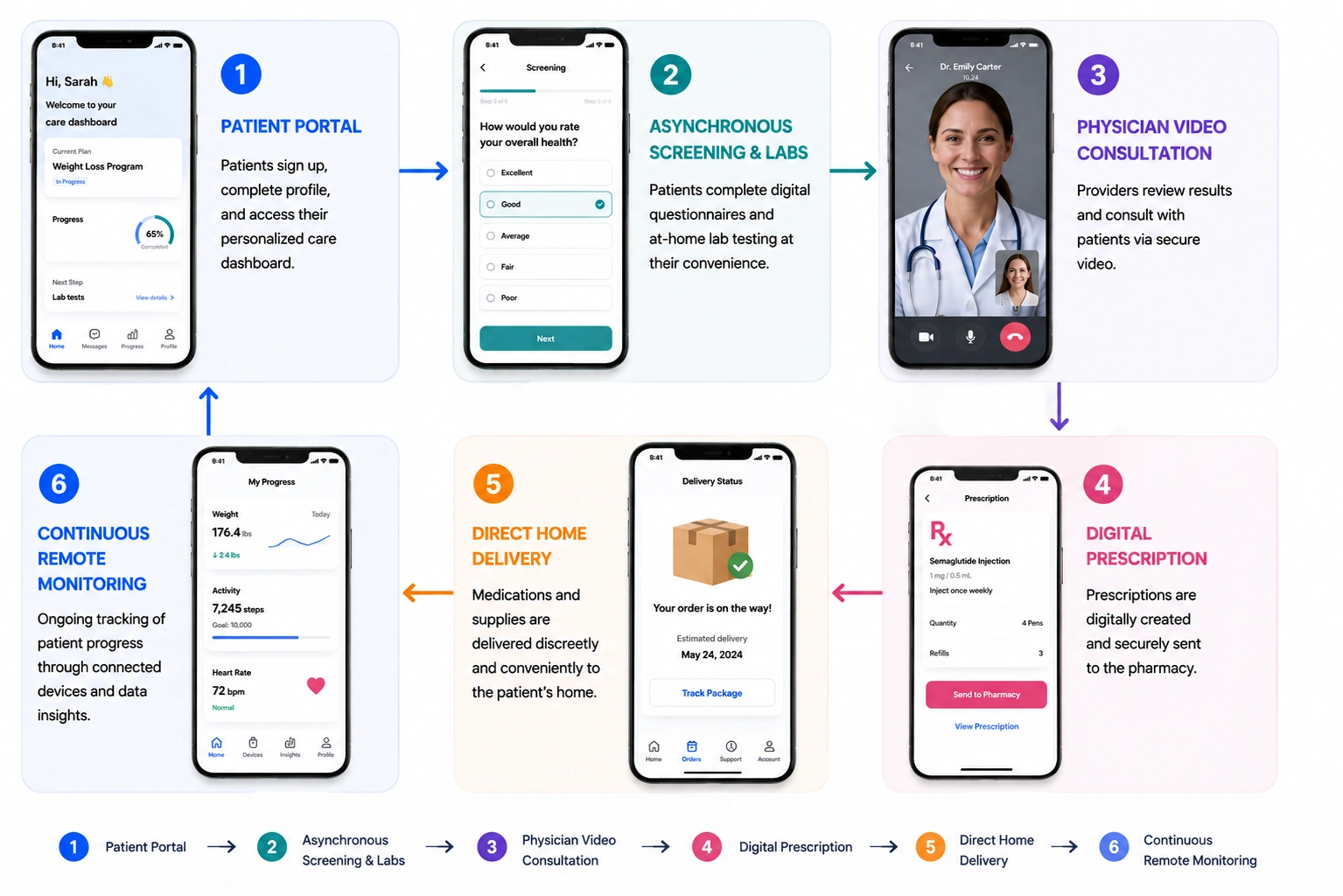
The patient journey across Aspire Health is explicitly engineered for clinical safety, data transparency, and digital convenience, mapping across six essential milestones:
- Digital Assessment & Screening: The patient begins by completing a rigorous, asynchronous digital health history intake, detailing symptoms, medical history, lifestyle baselines, and specific wellness objectives.
- Diagnostic Laboratory Diagnostics: The platform coordinates localized or in-home biomarker collection (including comprehensive hormone panels, metabolic profiles, and thyroid, kidney, and liver function testing) through partnered NABL-accredited or CLIA-certified labs.
- Clinical Physician Consultation: A licensed medical provider reviews the combined lab results and digital intake history during a deep-dive virtual telehealth appointment to establish medical eligibility.
- Customized Treatment Formulation: The physician designs an individualized care protocol, which may feature customized compound medications tailored precisely to the patient’s biological metrics.
- Direct Doorstep Dispensing: Medications, medical supplies, and step-by-step administration protocols are packed and shipped via verified cold-chain logistics to safeguard medication integrity.
- Continuous Monitoring & Titration: The patient enters a long-term monitoring loop featuring mandatory follow-up lab work, regular digital symptom tracking, and structured dosage titrations to optimize clinical outcomes and mitigate potential side effects.
B. Core Services Offered Through the Platform
Aspire Health has built a diversified healthcare portfolio that allows it to serve multiple patient segments while generating recurring revenue across several treatment categories. Major Service Categories:

1. Medical Weight Management: Combines GLP-1-based weight loss programs, personalized nutrition guidance, ongoing provider supervision, and progress tracking to help patients achieve sustainable, medically supervised weight-loss goals.
2. Hormone Optimization Therapy: Provides testosterone replacement therapy (TRT), women’s hormone replacement therapy (HRT), hormonal health assessments, and long-term treatment monitoring to support balanced hormone levels and overall wellness.
3. Functional Medicine Programs: Focuses on root-cause health evaluations, lifestyle and nutrition interventions, preventive wellness strategies, and personalized health optimization plans designed to improve long-term health outcomes.
4. Specialized Wellness Treatments: Offers peptide therapies, sexual health solutions, hair restoration programs, and metabolic health support to address specific health concerns through personalized virtual care.
5. Quick-Care & General Telehealth Services: Provides virtual consultations, prescription support, preventive healthcare guidance, and routine wellness management for convenient, ongoing healthcare access.
Aspire Health Service Portfolio Overview
Aspire Health’s diverse service portfolio reduces dependence on one treatment, encouraging patients to adopt multiple programs and increasing lifetime value.
The table below highlights Aspire Health’s primary service categories, their healthcare objectives, and the revenue opportunities they create within a scalable virtual care model.
| Service Category | Primary Goal | Revenue Potential |
| Weight Management | Sustainable weight loss | High recurring revenue |
| GLP-1 Programs | Obesity treatment | Subscription-driven growth |
| Hormone Therapy | Hormonal balance | Long-term patient retention |
| Functional Medicine | Preventive wellness | Premium care packages |
| Sexual Health & Hair Care | Lifestyle improvement | Cross-selling opportunities |
C. Aspire Health’s GLP-1 Weight Management Program
Aspire Health’s GLP-1 program combines medical assessments, prescription management, patient monitoring, and ongoing support to deliver structured virtual weight-loss care and improve long-term treatment outcomes.
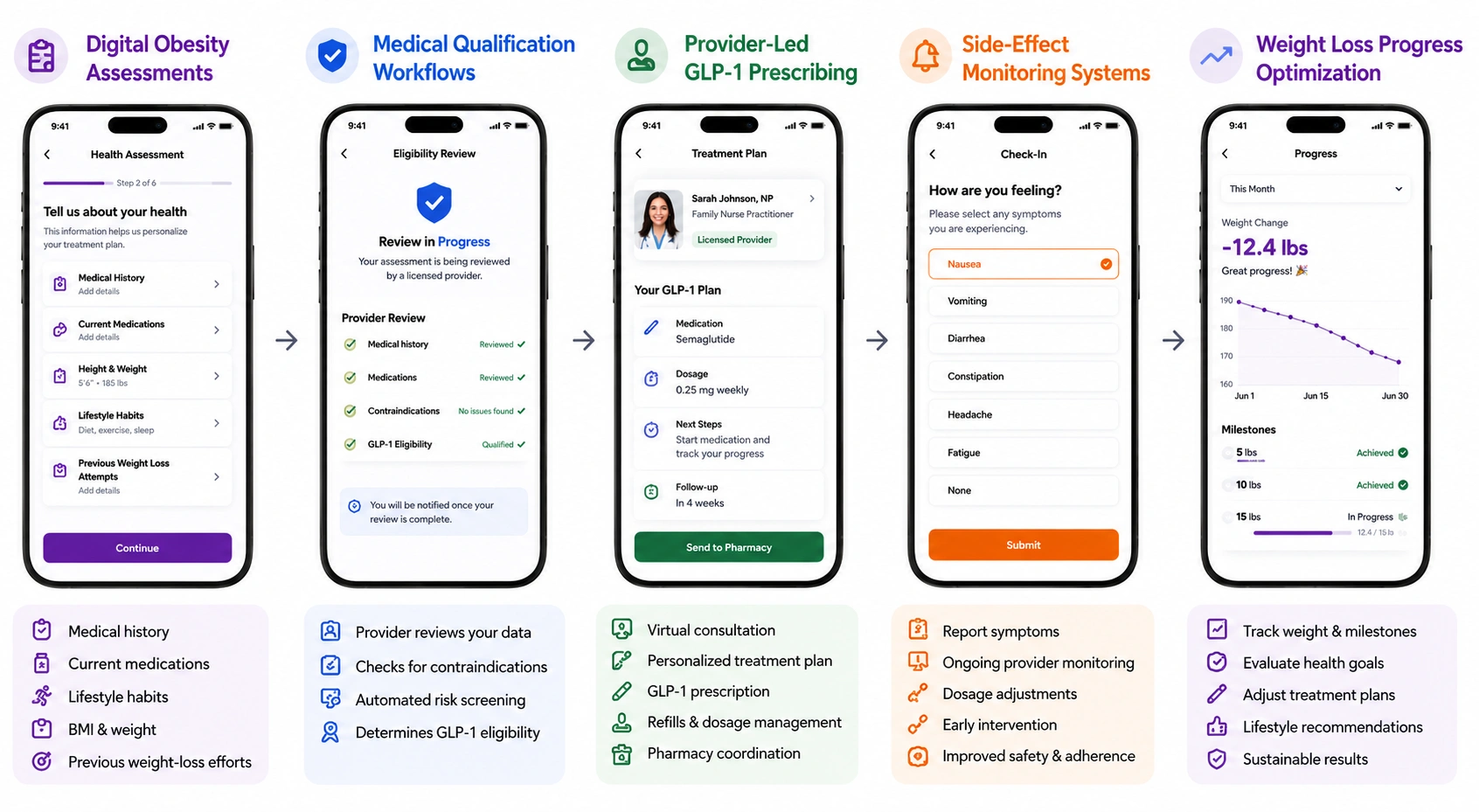
1. Digital Obesity Assessments
Patients complete digital assessments covering medical history, medications, lifestyle habits, BMI, weight, health conditions, and previous weight-loss efforts to determine eligibility and support personalized treatment planning.
2. Medical Qualification Workflows
Providers review assessment data, medical history, current medications, and contraindications to determine GLP-1 eligibility. Automated screening tools can flag risks and support clinical decision-making.
3. Provider-Led GLP-1 Prescribing
Qualified patients attend virtual consultations to discuss treatment goals and medication options. Providers prescribe GLP-1 medications and manage dosage adjustments, refills, documentation, and pharmacy coordination.
4. Side-Effect Monitoring Systems
Patients report symptoms and treatment experiences through the platform. Providers monitor side effects, adjust dosages when needed, and intervene early to improve patient safety and treatment adherence.
5. Weight Loss Progress Optimization
Providers track weight, milestones, and health goals to evaluate progress. Treatment plans, lifestyle recommendations, and medication strategies are adjusted based on patient outcomes to support sustainable weight-loss success.
D. Aspire Health’s Business Model Overview
Aspire Health’s business model combines recurring healthcare memberships, specialized treatment programs, and ongoing patient support services. The table below outlines its primary revenue streams, operational approach, and corresponding business value.
| Revenue Stream | How It Works | Business Value |
| Membership-Based Healthcare Services | Patients subscribe to memberships that provide provider access, treatment monitoring, follow-ups, and wellness support. | Generates predictable recurring revenue and strengthens patient retention. |
| GLP-1 and Weight Management Programs | Medically supervised weight-loss programs combine GLP-1 medications, personalized plans, coaching, and progress tracking. | Major revenue driver with strong long-term patient engagement. |
| Hormone Therapy Treatment Packages | Ongoing hormone optimization programs include consultations, lab reviews, prescriptions, and monitoring. | Creates recurring revenue through continuous treatment plans. |
| Functional Medicine Consultations | Personalized wellness plans focus on nutrition, lifestyle changes, and preventive care. | Broadens service offerings and attracts wellness-focused patients. |
| Long-Term Patient Retention Strategies | Ongoing monitoring, medication management, and virtual follow-ups keep patients engaged. | Increases lifetime value, improves adherence, and supports sustainable growth. |
Core Features of a Virtual Care Platform Like Aspire Health
A virtual care platform like Aspire Health centralizes clinical, operational, and patient engagement functions within a single ecosystem. By integrating consultations, treatment management, monitoring, and specialized care services, it streamlines healthcare delivery while improving patient outcomes, retention, and recurring revenue generation.

1. Patient Registration & Digital Health Assessments
The platform’s entry point must balance a smooth retail consumer experience with detailed medical intake protocols. This module operates as a high-conversion digital front door, gathering the deep clinical baseline information necessary to safely route patients into advanced therapeutic tracks.
- Frictionless Consumer Onboarding: Captures essential user demographics, identity verifications, and communication preferences through a mobile-optimized registration flow.
- Comprehensive Medical History Collection: Gathers structured patient data on active prescriptions, historical diagnoses, family medical backgrounds, and clinical contraindications.
- Tailored Lifestyle Questionnaires: Assesses dietary patterns, physical activity baselines, sleep quality, and individual wellness objectives.
- Automated Eligibility & Intake Screening: Uses dynamic branch-logic forms to identify clinical exclusions and generate a pre-stratified patient chart for provider review.
2. Appointment Scheduling & Telemedicine Consultations
The virtual consultation core manages the vital intersection of consumer demand and provider availability. This component simplifies care coordination by automating scheduling loops and facilitating secure, real-time medical evaluations.
- Intelligent Provider Matching: Connects patients with licensed, in-state providers based on their clinical needs, selected treatment track, and insurance coverage.
- Real-Time Calendar Management: Synchronizes clinician schedules across multiple time zones, supporting self-service booking, rescheduling, and automated cancellation management.
- High-Definition Video Consultations: Provides encrypted, low-latency video and audio consultations directly within the platform, eliminating reliance on third-party communication tools.
- Friction-Free Care Delivery: Combines digital waiting rooms, real-time appointment reminders, and immediate post-visit handoffs to streamline the virtual care experience.
3. Personalized Treatment Plan Management
Once a clinical evaluation is complete, the platform shifts from a transactional encounter into a structured, continuous therapeutic journey. This module translates a physician’s medical decisions into a highly interactive, digital care path that builds long-term patient accountability.
- Custom Care Plan Architecture: Enables clinicians to create personalized care plans with therapeutic milestones, wellness goals, and lifestyle modifications.
- Interactive Care Pathways: Delivers step-by-step digital roadmaps through the patient dashboard, replacing traditional paper-based instructions.
- Real-Time Treatment Adjustments: Allows providers to modify active treatment parameters based on incoming patient data and clinical progress.
- Dynamic Journey Adaptation: Automatically updates patient tasks and recommendations to reflect health progress and evolving care needs.
4. Provider Dashboard & Care Management
To combat physician burnout and protect patient safety, the platform features a powerful, multi-sided administrative terminal designed for high-volume clinical teams. This dashboard acts as a centralized mission control, surfacing critical patient insights by exception.
- Unified Electronic Patient Records: Consolidates historical charts, intake data, active medication regimens, and lab results into a unified patient timeline.
- Real-Time Treatment Monitoring: Tracks patient engagement and adherence, identifying individuals who miss check-ins or disengage from care plans.
- Structured Clinical Documentation: Provides customizable consultation note templates that enable faster charting and treatment authorization.
- Automated Workflow Management: Streamlines clinical operations by automating prescription renewals, laboratory orders, and follow-up care tasks.
5. E-Prescription & Medication Management
Bridging the clinical encounter with active pharmaceutical distribution is essential for maximizing therapeutic adherence. This module digitizes the entire prescription lifecycle, offering total transparency to both the medical team and the consumer.
- Direct e-Prescribing: Integrates with national e-prescription networks to securely transmit prescriptions to retail and mail-order pharmacies.
- Automated Refill Management: Tracks medication refill timelines and sends renewal notifications before supply depletion occurs.
- Medication History Tracking: Maintains a chronological record of active therapies, compound formulations, treatment adjustments, and past therapeutic outcomes.
- Medication Adherence Monitoring: Measures medication possession and adherence metrics, identifying patients who fall below established compliance thresholds for follow-up care.
6. Weight Management Program Module
Specialized metabolic care requires deep lifestyle coordination alongside clinical overwatch. This specialized module surrounds the obesity patient with a multi-disciplinary framework that turns medication adherence into long-term behavioral transformation.
- Adaptive Nutrition Planning: Delivers personalized nutrition plans that adjust based on the patient’s weight-loss progress and evolving needs.
- Clinical Habit-Building Tools: Provides interactive exercise pathways and behavioral tracking systems to support sustainable lifestyle changes.
- Integrated Coaching Workflows: Enables ongoing communication between patients, registered dietitians, and certified health coaches.
- Structured Milestone Tracking: Monitors behavioral and health progress, tracking body metrics and reinforcing long-term wellness habits.
7. GLP-1 Therapy Tracking & Monitoring
Advanced anti-obesity medications require tight clinical surveillance to manage complex step-up dosing and ensure patient safety. This dedicated tracker acts as a safety valve, monitoring treatment tolerability to prevent early abandonment.
- Automated Titration Schedules: Guides patients through step-up dosing pathways, from introductory to maintenance doses, with validation checkpoints before each adjustment.
- Side-Effect Monitoring: Collects regular patient feedback on gastrointestinal symptoms such as nausea, reflux, and other treatment-related effects.
- Clinician Review Triggers: Flags adverse events or worsening symptoms, escalating cases for provider review and potential dose adjustments.
- Longitudinal Outcome Tracking: Correlates dosage history with weight-loss progress to measure treatment effectiveness over time.
8. Hormone Therapy Management
Hormone Replacement Therapy (HRT) demands absolute diagnostic precision and rigorous medical oversight. This highly clinical feature set manages the detailed loops of lab reviews, blood work synchronization, and compound optimization required for safe long-term hormone balancing.
- Biomarker & Lab Integration: Automatically imports laboratory results including testosterone, estradiol, and thyroid panels into the clinician’s monitoring dashboard.
- Custom HRT Care Plans: Enables providers to configure compound-specific dosing schedules across multiple hormone delivery methods.
- Dosage Optimization Support: Combines symptom feedback with follow-up lab trends to generate treatment optimization insights during clinical reviews.
- Symptom Trajectory Tracking: Allows patients to log energy levels, sleep quality, mood changes, and recovery metrics over time.
9. Secure Messaging & Virtual Follow-Ups
The core infrastructure driving high platform retention is a highly responsive, encrypted communication engine. This layer replaces old-school telephone tags with immediate, asynchronous communication channels that build trusted patient-provider relationships.
- HIPAA-Compliant Communications: Secures chat, in-app messaging, and file sharing through end-to-end encryption and HIPAA-compliant data handling.
- Automated Patient Reminders: Sends context-aware push notifications and SMS reminders for lab appointments, follow-up consultations, and missing health-tracking data.
- Care Team Coordination: Supports seamless collaboration between physicians, health coaches, and case managers to maintain aligned patient care.
- Patient Engagement Campaigns: Delivers automated educational content, wellness reminders, and behavioral encouragement to improve adherence and long-term engagement.
10. Remote Patient Monitoring & Progress Tracking
The clinical and commercial value of a multi-specialty care app is built upon its ability to collect continuous, objective health data. By embedding native integrations with consumer electronics and medical-grade hardware, the platform turns raw biometric data streams into powerful tools for chronic disease management.
- Health Data Integrations: Connects with Apple HealthKit and Android Health Connect to aggregate health and wellness data from multiple sources.
- Multi-Device Data Synchronization: Ingests real-time biometric data from smartwatches, continuous glucose monitors (CGMs), Bluetooth scales, and connected blood pressure monitors.
- Passive Biometric Tracking: Automatically collects weight trends, biomarker readings, and other health metrics without manual data entry.
- Longitudinal Health Reporting: Transforms biometric data into health progress reports, trend visualizations, and outcome tracking for patients and providers.
How to Build a Virtual Care Platform Like Aspire Health
Building a multi-specialty digital clinic requires a scalable, compliant software architecture capable of managing complex clinical workflows. We systematically engineer high-conversion patient portals, secure telemedicine consultation loops, and specialized treatment modules to maximize clinical safety, operational efficiency, and recurring revenue.

1. Telehealth Business Model & Service Strategy
Our strategic product architects translate your clinical vision into hardcoded business logic. We establish clear system rules for diverse service lines including GLP-1 programs and hormone therapies mapping out cross-functional user roles, monetization funnels, and medication titration constraints before development begins.
- Multi-Specialty Platform Architecture: Structures the platform to support distinct care programs, including metabolic health, hormone replacement therapy (HRT), and general wellness services.
- Stakeholder Workflow Design: Defines communication and operational workflows between patients, providers, health coaches, and administrative teams.
- Subscription & Revenue Management: Supports recurring memberships, pay-per-consultation billing, automated billing cycles, and secure payment processing.
2. Research the Market & Telehealth Regulations
Our analysts and compliance experts blueprint your product’s legal and commercial foundations. We evaluate regional competitor density, outline explicit state-by-state telehealth regulations, and establish corporate guardrails around medical licensing, cash-pay structures, and commercial insurance reimbursement strategies.
- Competitive Analysis: Identifies feature gaps, user experience bottlenecks, and differentiation opportunities within existing direct-to-consumer health platforms.
- Multi-State Provider Matching: Uses licensing and geographic eligibility rules to connect patients with clinicians licensed in their state of residence.
- Reimbursement & Billing Strategy: Supports multiple payment models, including cash-pay subscriptions, insurance reimbursement workflows, and superbill generation.
3. Plan HIPAA Compliance & Regulatory Readiness
Our cybersecurity and legal engineers hardcode institutional guardrails into your digital architecture from day one. We map out strict end-to-end data pipelines that enforce absolute data privacy, automate multi-state provider verification, and secure electronic transmission networks to eliminate corporate liability risks.
- HIPAA & HITECH Compliance: Protects Protected Health Information (PHI) through advanced encryption, securing data at rest and in transit within a zero-trust environment.
- Licensing Compliance Guardrails: Automatically validates provider licensure against the patient’s location before virtual consultations are initiated.
- Consent & Audit Trails: Maintains time-stamped digital records of telehealth disclosures, medical consents, and privacy agreements for compliance tracking.
- Secure e-Prescribing (eRx): Uses compliant electronic prescription workflows and encrypted communication channels to connect with pharmacy networks.
4. Create Digital Patient Intake & Screening Workflows
Our UX/UI team wireframes high-converting, medically rigorous onboarding experiences. We design smart, branching health questionnaires, integrated identity verification checkpoints, and automated eligibility screenings to capture dense clinical baselines while minimizing day-one drop-off rates.
- Frictionless Registration Experience: Uses intuitive, responsive forms to collect medical history, lifestyle information, and clinical contraindications.
- Branching Assessment Logic: Delivers dynamic questionnaires that adapt in real time based on patient responses, improving intake efficiency.
- Automated Risk Stratification: Applies real-time screening rules to identify high-risk conditions and pre-sort patient profiles for clinical review.
5. Develop Telemedicine and Virtual Consultation Capabilities
Our software engineers code high-performance, low-latency communication channels from scratch. We build secure WebRTC video conferencing portals connected with EHR, intelligent provider availability calendars, automated digital waiting rooms, and asynchronous chat modules to connect patients and doctors seamlessly.
- Low-Latency Consultation Rooms: Provides encrypted video and audio consultations directly within the platform, eliminating the need for third-party communication apps.
- Dynamic Calendar Management: Uses time-zone-aware scheduling to support real-time bookings, self-service cancellations, and provider availability management.
- Queue & Triage Management: Operates virtual waiting rooms that prioritize patients based on appointment schedules, provider matching, and intake urgency.
6. Build Personalized Care Management Solutions
We develop an advanced, multi-sided workspace for clinicians and coaching staff. Our engineering team constructs speed-optimized charting tools, real-time population monitoring lists, automated clinical risk alerts, and customizable treatment builders to digitize the long-term care journey.
- Population Health Management: Provides dashboards that identify high-risk patients and care-plan deviations, enabling clinicians to manage large patient populations by exception.
- Custom Treatment Plan Builders: Allows providers to create and deploy personalized care plans with prescription schedules, nutrition parameters, and milestone timelines.
- Dynamic Care Plan Adjustments: Enables real-time updates to medications, dosing schedules, and lifestyle recommendations based on incoming patient data.
7. Integrate GLP-1, HRT & ePrescribing Systems
We transform your virtual clinic into a connected pharmacy ecosystem by deploying secure e-prescribing networks. Our developers integrate electronic prior authorization (ePA) modules, specialized mail-order pharmacy APIs, automated dosage titration trackers, and predictive refill management systems.
- Direct e-Prescribing (eRx): Integrates with networks such as Surescripts to securely transmit prescriptions to pharmacies and fulfillment partners.
- Automated Titration Management: Tracks step-up dosing schedules (e.g., GLP-1 dose escalations) and requires provider review before dosage adjustments.
- Pharmacy Inventory Integration: Connects with specialty pharmacies to monitor medication inventory, cold-chain logistics, and shipment status updates.
8. Implement Patient Engagement & Payment Systems
We code automated patient retention engines that turn transactional treatments into long-term behavioral habits. Our team implements secure messaging channels, automated push notifications, recurring subscription billing pipelines, and interactive, chronological patient progress charts.
- Encrypted Communication Frameworks: Secures provider-patient messaging, in-app communications, and file sharing through end-to-end encryption and protected data transmission.
- Automated Billing Management: Handles recurring subscriptions, payment retries, and one-time purchases such as laboratory orders through integrated payment gateways.
- Biometric Progress Visualization: Converts health and biometric data into progress dashboards and trend charts within the patient portal to support ongoing engagement.
9. Test, Launch, and Scale the Platform
Our QA department runs the ecosystem through intensive validation protocols to ensure zero-fault execution. We execute automated HL7/FHIR data simulation scripts, strict HIPAA security penetrations, usability benchmark testing, and phased cloud rollouts for seamless nationwide scaling.
- API Interoperability & Load Testing: Validates integrations and database performance under simulated high-traffic conditions to ensure platform stability and responsiveness at scale.
- Regulatory Compliance Auditing: Conducts system reviews and compliance checks to verify adherence to HIPAA, HITECH, and state-specific telehealth regulations.
- Phased Deployment Strategy: Rolls out the platform in controlled geographic phases, enabling user feedback collection, performance monitoring, and infrastructure optimization before broader expansion.
Cost to Build a Virtual Care Platform like Aspire Health
The cost of developing a virtual care platform like Aspire Health depends on the scope of healthcare services, telemedicine functionality, compliance requirements, third-party integrations, and patient engagement capabilities.
A virtual care platform requires investment across product strategy, healthcare compliance, telemedicine infrastructure, prescription management, patient engagement systems, and ongoing optimization. The table below outlines estimated development costs by project phase.
| Development Phase | Estimated Cost | What the Phase Covers |
| Discovery & Product Strategy | $3,000 – $15,000 | Business model validation, healthcare workflow planning, feature prioritization, technical architecture, and project roadmap creation. |
| UI/UX Design | $5,000 – $25,000 | Patient journeys, provider dashboards, assessment flows, telehealth interfaces, and responsive healthcare-focused user experiences. |
| Core Platform Development | $20,000 – $120,000 | Patient onboarding, appointments, provider management, telemedicine capabilities, treatment plans, and administrative functionality. |
| GLP-1 & Therapy Module Development | $5,000 – $40,000 | Weight management workflows, hormone therapy tracking, medication monitoring, and specialized treatment program features. |
| E-Prescription & Healthcare Integrations | $5,000 – $60,000 | Pharmacy connectivity, prescription management, lab integrations, EHR synchronization, and healthcare data exchange. |
| Subscription & Payment Systems | $2,000 – $20,000 | Membership plans, recurring billing, payment gateways, invoicing, and financial management workflows. |
| Compliance & Security Implementation | $5,000 – $35,000 | HIPAA safeguards, access controls, encryption, consent management, audit logs, and healthcare security measures. |
| Testing & Quality Assurance | $3,000 – $25,000 | Functional testing, performance validation, security assessments, usability testing, and deployment readiness checks. |
| Deployment & Post-Launch Support | $2,000 – $20,000 | Production deployment, monitoring setup, bug fixes, performance optimization, and ongoing maintenance support. |
| Total Estimated Cost | $50,000 – $400,000+ | Combined estimated investment across all development phases. |
Note: The estimated cost range in each phase represents the investment required for an MVP version at the lower end and an enterprise-grade platform at the higher end. Actual costs may vary based on healthcare workflows, integrations, compliance requirements, customization needs, and scalability objectives.
A. Development Cost According to Platform Level
The overall aspire health platform development budget largely depends on the level of sophistication required. Startups often begin with an MVP, while established healthcare providers typically invest in enterprise-grade ecosystems.
| Platform Level | Estimated Cost | Features Included |
| MVP | $50,000 – $90,000 | Patient registration, assessments, appointment booking, telemedicine consultations, treatment plans, messaging, and payment processing. |
| Mid-Level | $90,000 – $180,000 | Advanced care management, GLP-1 tracking, hormone therapy modules, e-prescriptions, analytics, and healthcare integrations. |
| Enterprise | $180,000 – $400,000+ | Multi-provider ecosystems, AI-powered insights, remote monitoring, EHR integrations, advanced compliance, and scalable infrastructure. |
Note: Enterprise-level aspire health platform development often require additional investments in cloud infrastructure, security frameworks, third-party healthcare integrations, AI capabilities, and ongoing compliance management.
B, Why Is the MVP Development Cost Significantly Lower?
Many healthcare startups assume they need a fully featured enterprise platform from day one. However, building every advanced feature before validating market demand often leads to unnecessary development costs and longer time-to-market.
An MVP focuses on core functionality to launch quickly, acquire early users, and validate the business model. By avoiding large upfront investments, companies can enter the market faster and use real-world feedback to guide future expansion.
1. What Features Are Typically Excluded From an MVP?
To keep development costs lower, MVP versions usually exclude advanced capabilities such as:
- Multi-provider and multi-location management systems
- AI-powered health recommendations and predictive analytics
- Advanced patient engagement automation
- Remote patient monitoring integrations
- Comprehensive EHR and healthcare ecosystem integrations
- Enterprise-grade reporting and business intelligence dashboards
- Complex workflow automation and care coordination tools
- Advanced scalability infrastructure designed for large patient volumes
These features are valuable, but they are often not essential for validating product-market fit during the early stages of a healthcare business.
2. How an MVP Helps Capture the Market Faster
Once the platform demonstrates traction, patient retention, and recurring revenue, the business can gradually invest in enterprise-level capabilities such as AI, advanced integrations, remote monitoring, and large-scale infrastructure. Launching an MVP allows healthcare startups to:
- Enter the market in months instead of waiting a year or longer for a full-scale platform
- Start generating revenue earlier through subscriptions and consultations
- Validate patient demand before making larger technology investments
- Identify which features patients and providers actually use
- Reduce financial risk by avoiding unnecessary development expenses
- Build a user base that can guide future product decisions
Successful virtual care startups often launch with an MVP to validate the market before reinvesting revenue into a complex healthcare ecosystem. This phased strategy maximizes ROI and minimizes the financial risks of high upfront development.
3. Factors That Influence Development Budget
Several technical, operational, and regulatory factors can significantly impact the total aspire health platform development investment required to build and scale a virtual care platform like Aspire Health.
- Scope of Healthcare Services: Expanding beyond telemedicine into GLP-1 programs, hormone therapy, and functional medicine can increase development complexity by 20%–40% compared to a basic virtual care platform.
- Regulatory Compliance Requirements: HIPAA compliance, audit trails, consent management, and healthcare security controls typically account for an additional $8,000–$25,000 in engineering, documentation, and testing efforts.
- Third-Party Healthcare Integrations: Integrating 5–10 external systems such as EHR platforms, pharmacies, laboratories, payment gateways, and telehealth APIs can add $12,000–$40,000 to implementation costs.
- Platform Scalability Goals: Supporting 10,000+ patients, hundreds of providers, and multiple concurrent consultations requires stronger infrastructure and architecture investments, often increasing backend costs by 25%–50%.
- Security and Data Protection Measures: Advanced encryption, role-based access controls, threat monitoring, and secure healthcare data storage can contribute 10%–20% of the overall development budget due to enhanced security requirements.
Compliance Requirements for Virtual Care Platforms
Compliance is not just a legal checkbox for virtual care platforms like Aspire Health—it is a business-critical foundation that directly impacts patient trust, provider credibility, scalability, and long-term growth.
Because these platforms manage sensitive health data, facilitate clinical consultations, and support prescription-based treatments, they must operate within a complex regulatory environment. A proactive compliance strategy helps organizations:
- Protect patient privacy and sensitive health information
- Reduce legal and financial risks
- Enable nationwide telehealth expansion
- Maintain provider and partner trust
- Ensure uninterrupted healthcare operations
Compliance Areas at a Glance
The following table provides a concise overview of the key compliance requirements virtual care platforms like aspire health platform development must address to ensure regulatory adherence, patient safety, and data protection.
| Compliance Area | Why It Matters | Key Requirements | Risk if Ignored |
| HIPAA Compliance | Protects patient health information and privacy | Encryption, access controls, audit logs | Data breaches, fines, reputational damage |
| Provider Licensing | Ensures legal delivery of care across jurisdictions | State-specific credential verification | Regulatory violations, restricted operations |
| E-Prescribing | Supports compliant medication management | Secure prescription transmission and recordkeeping | Prescription errors, compliance penalties |
| Patient Consent | Protects patient rights and provider liability | Digital consent capture and storage | Legal disputes, audit failures |
| Data Security | Prevents breaches and cyber threats | MFA, monitoring, backups, encryption | Cyberattacks, service disruptions |
1. HIPAA Compliance Standards
HIPAA (Health Insurance Portability and Accountability Act) is the cornerstone of healthcare compliance in the United States. Any virtual care platform that collects, stores, processes, or transmits Protected Health Information (PHI) must comply with HIPAA regulations. Failure to meet HIPAA requirements can result in:
- Significant financial penalties
- Regulatory investigations
- Loss of patient confidence
- Reputational damage
- Operational disruptions
Essential HIPAA Requirements
HIPAA compliance is a critical component of aspire health platform development, ensuring patient data remains protected while supporting secure communication, regulatory adherence, and trusted virtual care experiences across the platform.
- Data Encryption: Encrypt PHI both in transit and at rest to safeguard sensitive information and ensure secure communication between patients, providers, and systems.
- Access Controls: Implement role-based permissions, least-privilege access policies, and strong user authentication mechanisms to restrict unauthorized access to protected health information.
- Audit Trails: Track user activity, monitor access to patient records, and maintain detailed logs to support compliance reviews and security investigations.
- Secure Communication: Enable HIPAA-compliant messaging, secure video consultations, and protected file sharing to ensure confidential healthcare interactions across the platform.
- Business Associate Agreements (BAAs): Establish BAAs with third-party vendors handling PHI to define responsibilities and ensure accountability for healthcare data protection.
HIPAA Compliance Checklist
The following table outlines key HIPAA compliance requirements during aspire health platform development, helping virtual care platforms maintain patient privacy, security, and regulatory adherence.
| Requirement | Purpose | Example Implementation |
| Encryption | Protect patient data | AES-256 encryption for stored and transmitted PHI |
| Audit Logging | Track system activity | User access logs and activity monitoring |
| Access Controls | Restrict unauthorized access | RBAC and multi-factor authentication |
| Secure Messaging | Protect communications | HIPAA-compliant chat and video consultations |
| Vendor BAAs | Ensure third-party compliance | Signed agreements with cloud and software vendors |
2. Multi-State Provider Licensing and Regulations
One of the most complex compliance hurdles for virtual healthcare platforms is managing provider licensing across multiple states. In most situations, healthcare providers must be licensed in the state where the patient is physically located during the consultation.
For organizations scaling telehealth services nationally, this creates significant operational complexity. Key Compliance Considerations: Virtual care platforms should establish systems that:
- Verify provider licenses before onboarding to ensure every healthcare professional is legally authorized to practice and deliver virtual care services.
- Monitor license expiration dates and renewal requirements so providers remain compliant and uninterrupted in their ability to treat patients.
- Track disciplinary actions or restrictions that may affect a provider’s eligibility to offer care through the platform.
- Restrict appointments to authorized states by matching patient locations with providers who hold valid licenses in those jurisdictions.
- Maintain credentialing documentation, including licenses, certifications, and verification records, to support audits and regulatory compliance efforts.
State-Level Regulatory Differences
Healthcare regulations vary significantly across states. Implement automated credentialing and compliance monitoring tools during aspire health platform development to reduce administrative burden and minimize licensing-related risks as the platform expands. Areas commonly affected include:
| Regulatory Area | What Varies by State | Compliance Impact |
| Telemedicine Rules | Consultation and patient-provider relationship requirements | Determines eligibility for virtual visits |
| Prescribing Authority | Medication and prescribing restrictions | Affects treatment availability |
| Provider Credentialing | Verification and documentation standards | Influences onboarding processes |
| Reimbursement Policies | Insurance and payer coverage rules | Impacts revenue and billing workflows |
| Patient Consent Requirements | Consent forms and documentation obligations | Requires state-specific consent workflows |
3. E-Prescribing Regulations
Prescription fulfillment is a core component of many virtual care platforms, especially those offering:
- GLP-1 weight management treatments, where providers prescribe medications as part of structured weight loss programs and ongoing patient monitoring.
- Hormone replacement therapy (HRT), which often requires careful evaluation, prescription management, and follow-up care to ensure treatment effectiveness and patient safety.
- Chronic disease management programs that rely on consistent medication access and prescription renewals for conditions such as diabetes, hypertension, and cardiovascular diseases.
- Preventive healthcare services that may include prescriptions for wellness, risk reduction, or long-term health maintenance as part of a broader care plan.
Core E-Prescribing Requirements
To ensure patient safety and regulatory compliance, virtual care platforms must follow strict standards governing digital prescription workflows. A compliant e-prescribing workflow should include:
- Provider credential verification to ensure only authorized healthcare professionals can prescribe medications through the platform.
- Secure prescription transmission using encrypted channels to protect sensitive patient and prescription data.
- Accurate medication records that maintain a complete history of prescriptions, refills, and treatment changes.
- Pharmacy integration to streamline prescription fulfillment and improve coordination between providers and pharmacies.
- Prescription audit trails that track prescribing activities and support compliance reviews or investigations.
- Regulatory reporting capabilities to help meet federal and state requirements for prescription monitoring and documentation.
Compliance Benefits
The table below highlights the primary advantages of maintaining compliant e-prescribing processes and the positive outcomes they deliver for healthcare organizations.
| Benefit | Impact | Business Outcome |
| Faster Prescription Fulfillment | Improved patient experience | Higher patient satisfaction |
| Reduced Medication Errors | Better patient outcomes | Improved quality of care |
| Automated Documentation | Lower administrative workload | Increased operational efficiency |
| Regulatory Compliance | Reduced legal risk | Greater business stability |
4. Patient Consent Management
Patient consent is a fundamental legal and ethical requirement in virtual healthcare. It ensures that patients are fully informed about the services they are receiving and helps healthcare providers maintain compliance with telemedicine regulations. Before treatment begins, patients should clearly understand:
- The nature of telemedicine services, including how virtual consultations are conducted and what to expect during appointments.
- Treatment recommendations, such as the proposed care plan, medications, or therapies suggested by the provider.
- Potential risks and limitations, including situations where virtual care may not be suitable compared to in-person treatment.
- Data collection practices, explaining what health information is gathered and how it is used to support patient care.
- Privacy policies, outlining how personal and medical information is stored, protected, and shared when necessary.
- Their rights as patients, including access to medical records, the ability to ask questions, and the option to withdraw consent when permitted by law.
Essential Consent Components
Obtaining and documenting patient consent creates transparency, strengthens legal protection, supports regulatory compliance, and fosters trust throughout care. Virtual care platforms should support:
- Digital consent forms that allow patients to review and approve telehealth services, treatment plans, and privacy policies online.
- Electronic signature capabilities to securely capture patient authorization and streamline onboarding workflows.
- Timestamped consent records that document when consent was provided, creating a clear and verifiable audit trail.
- Version-controlled documentation to track updates to consent forms and ensure patients agree to the most current terms.
- Secure consent storage with encrypted systems that protect sensitive patient information and maintain compliance requirements.
- Audit-ready reporting tools that make it easy to retrieve consent records during regulatory reviews, audits, or legal inquiries.
Types of Consent Often Required
Understanding consent categories during aspire health platform development helps organizations implement appropriate documentation processes, meet regulatory obligations, and ensure transparent patient-provider interactions.
| Consent Type | Purpose | Typical Use Case |
| Telemedicine Consent | Approval for virtual consultations | Initial patient onboarding |
| Treatment Consent | Authorization for care plans | Clinical evaluations and treatment programs |
| Privacy Consent | Agreement to data handling practices | HIPAA and privacy compliance |
| Prescription Consent | Approval for medication management | E-prescribing workflows |
| Marketing Consent | Permission for communications | Promotional emails and patient outreach |
Best Practice: Automate consent collection during onboarding and maintain a secure, searchable archive for future audits and regulatory reviews.
5. Healthcare Data Protection Measures
HIPAA compliance alone is not enough to protect modern healthcare systems. Virtual care platforms are increasingly targeted by cybercriminals because they store valuable patient information, payment data, and clinical records.
A comprehensive cybersecurity strategy is essential for protecting both patients and the business. Critical Security Controls are:
- Data Encryption: Encrypt all sensitive healthcare information and protect patient data during storage and transmission across healthcare systems and networks.
- Multi-Factor Authentication (MFA): Add an extra verification layer to user accounts, reducing unauthorized access risks and strengthening overall platform security.
- Role-Based Access Control (RBAC): Limit system access according to job responsibilities, ensuring users only view information necessary for their assigned roles.
- Continuous Security Monitoring: Monitor systems continuously to detect suspicious activities, identify threats early, and support rapid incident response efforts.
- Vulnerability Assessments: Conduct regular security testing to uncover weaknesses, prioritize remediation efforts, and strengthen the platform’s security posture.
- Backup and Disaster Recovery: Maintain secure backups and recovery procedures to ensure business continuity and minimize disruptions during security incidents.
Recommended Security Framework
The table below highlights essential security measures and their business value needed during aspire health platform development, providing a quick overview of recommended healthcare data protection practices.
| Security Measure | Business Value | Example Outcome |
| End-to-End Encryption | Protects sensitive data | Reduced risk of data exposure |
| MFA | Prevents account compromise | Stronger user authentication |
| RBAC | Limits insider threats | Controlled access to PHI |
| Security Monitoring | Enables rapid threat detection | Faster incident response |
| Vulnerability Testing | Reduces attack surface | Improved security posture |
| Disaster Recovery Planning | Ensures operational resilience | Faster recovery after outages |
Key Takeaway: Top virtual care platforms prioritize compliance and security as strategic assets. By integrating HIPAA standards, licensing controls, e-prescribing, and robust cybersecurity, organizations create trustworthy, scalable healthcare ecosystems for long-term growth.
Challenges to Build a Virtual Care Platform Like Aspire Health
The virtual care platform like aspire health platform development involves far more than developing telemedicine features. Developers must navigate healthcare regulations, complex integrations, patient data security requirements, and specialized treatment workflows while ensuring a seamless experience for both patients and providers.

1. Healthcare Compliance Across Multiple Jurisdictions
Challenge: Managing HIPAA requirements, provider licensing rules, telehealth regulations, and healthcare compliance standards across multiple states and treatment programs.
Solution: Our developers implement compliance-first architectures with automated credential verification, consent management workflows, audit logging systems, and regulatory safeguards that help organizations maintain compliance while scaling healthcare services across jurisdictions.
2. Multiple Healthcare Systems Integration
Challenge: Connecting EHR systems, pharmacies, payment gateways, telemedicine tools, laboratory services, and prescription management platforms without disrupting workflows.
Solution: We use secure APIs, interoperability standards, and modular integration frameworks to connect healthcare systems efficiently while maintaining data consistency, operational reliability, and seamless patient-provider experiences.
3. Protecting Sensitive Patient Health Information
Challenge: Securing large volumes of protected health information against cyber threats, unauthorized access, data breaches, and evolving security risks.
Solution: Our team implements end-to-end encryption, role-based access controls, multi-factor authentication, continuous monitoring, and secure cloud infrastructure to protect healthcare data and strengthen platform security.
4. Building Personalized Care Workflows at Scale
Challenge: Delivering individualized treatment plans, GLP-1 programs, hormone therapies, and ongoing monitoring while supporting thousands of patients simultaneously.
Solution: We develop scalable care management systems, automated patient engagement workflows, progress-tracking tools, and provider dashboards that enable personalized healthcare delivery without increasing operational complexity.
Partner With IdeaUsher for Virtual Care Platform Development
IdeaUsher is a premier healthcare technology solution provider with 11+ years of experience launching highly compliant digital platforms across 50+ countries. Driven by a powerful team of 250+ niche experts and a portfolio of 1,000+ successful projects, we excel at building sophisticated telehealth software.
By combining user-centric design with advanced AI diagnostics, secure multi-device IoT syncing, and enterprise EHR integrations, we build feature-rich virtual care ecosystems optimized for clinical excellence and sustainable business growth.
Why Enterprises Partner With Us
Healthcare innovators and digital clinics choose IdeaUsher because we smoothly bridge institutional medical protocols with highly scalable, cloud-native software architecture.
- Full-Spectrum Medical Interoperability: We build modern HL7 FHIR API data bridges that securely link your custom platform with major ambulatory EHR software, nationwide specialty pharmacy lines, and diagnostic laboratories.
- Intelligent Clinical AI Capabilities: Our developers integrate next-generation logic engines, including predictive disease risk stratification systems, natural language processing for automated medical charting, and smart triage workflows.
- Passive Biometric Telemetry Capture: We create secure, background data-ingestion layers utilizing frameworks like Apple HealthKit and Android Health Connect to continuously aggregate data from continuous glucose monitors, smart scales, and wearables.
- Institutional-Grade Data Guardrails: We eliminate regulatory vulnerabilities by embedding strict HIPAA, HITECH, and GDPR controls directly into the code fabric, backed by advanced AES-256 data encryption and immutable chronological access logs.
Ready to launch a comprehensive digital clinic that sets a new industry benchmark? Reach out to our principal healthcare IT consultants at IdeaUsher to co-author your custom platform engineering roadmap today.
Conclusion
The virtual care platform like aspire health platform development involves much more than offering telemedicine services. It requires integrating personalized treatment plans, secure prescription management, regulatory compliance, patient engagement tools, and scalable healthcare delivery into one seamless system. Features such as GLP-1 weight management, hormone therapy, virtual consultations, and continuous monitoring must work together efficiently. Partnering with an experienced healthcare app development company, IdeaUsher can help businesses streamline development, maintain compliance, and launch a reliable, future-ready platform that supports long-term growth and patient satisfaction.
Things to Know
1. What features should a virtual care platform like Aspire Health include?
A.1. A virtual care platform should include telehealth consultations, patient onboarding, care coordination tools, remote monitoring, prescription management, secure messaging, appointment scheduling, and healthcare analytics to support effective patient care delivery.
2. How much does it cost to build a virtual care platform like Aspire Health?
A.2. The aspire health platform development costs depend on platform complexity, compliance requirements, integrations, and feature scope. A basic MVP may start around $50,000, while enterprise healthcare platforms with advanced capabilities can exceed $400,000.
3. What compliance requirements apply to virtual care platform development?
A.3. Virtual care platforms must comply with healthcare regulations such as HIPAA, data privacy standards, secure patient record management, consent tracking, audit logging, and encrypted communication requirements to protect sensitive health information.
4. How do virtual care platforms improve patient outcomes?
A.4. Virtual care platforms improve outcomes through continuous monitoring, timely interventions, easier access to healthcare professionals, personalized treatment plans, and enhanced communication between patients, caregivers, and clinical teams.