

Key Takeaways
- AI primary care platforms provide continuous, proactive healthcare through clinical AI, longitudinal health records and clinician oversight.
- Core capabilities include unified medical records, AI clinical reasoning, wearable integration and personalized care plans.
- Clinician-reviewed AI recommendations improve care quality while reducing administrative burden and supporting preventive healthcare.
- Secure healthcare integrations and regulatory compliance are essential for building trusted AI primary care platforms.
- How Idea Usher can help you build AI primary care platform like Clara with clinical AI, healthcare integrations and compliant cloud infrastructure.
Primary care is increasingly shifting from treating illness after symptoms appear to continuously managing health before problems escalate. This transition is accelerating AI primary care platform development as healthcare organizations build intelligent care systems that combine longitudinal patient data, clinical reasoning and licensed clinician oversight into a single care experience.
Traditional primary care relied on brief appointments, fragmented medical records, and reactive care. Modern AI health platforms unify clinical reasoning, unified medical record aggregation, adaptive care plans, wearable integration, biomarker analysis, clinician-reviewed prescriptions, personalized health insights, and continuous care management. Their value lies in turning lifelong health data into proactive, evidence-informed care for patients and clinicians.
In this blog, we will talk about how you can create an AI primary care platform like Clara, covering its core features, platform workflows, technology stack, compliance requirements, development costs, and how IdeaUsher builds scalable AI primary healthcare platform that enable AI-augmented primary care alongside medical professionals.
Why AI Primary Care Platforms Are Replacing Reactive Healthcare
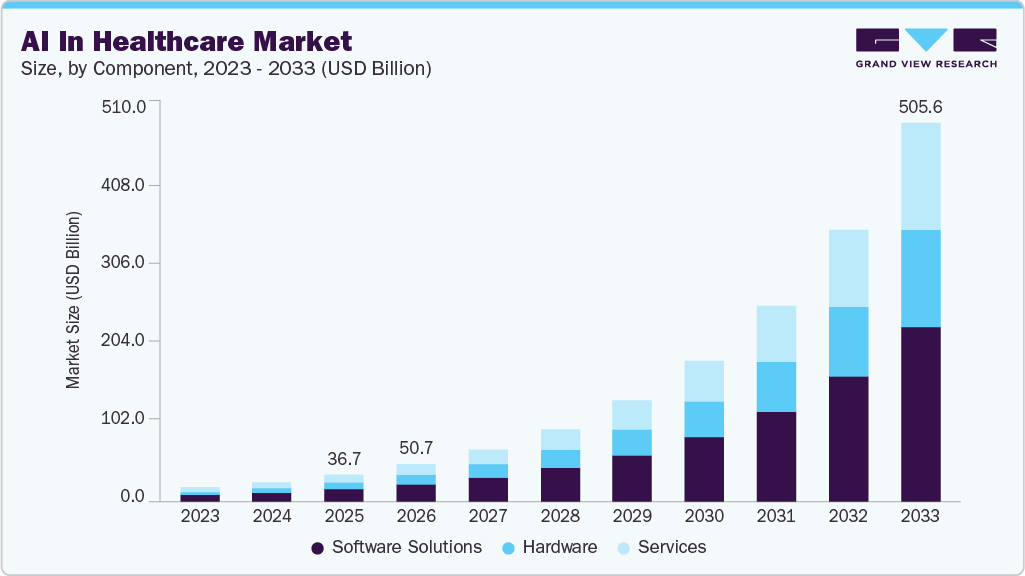
The healthcare industry is rapidly adopting AI-driven care. The global AI in healthcare market is projected to grow from $36.7 billion in 2025 to $50.7 billion in 2026, with a 38.9% CAGR through 2033. Hospitals and clinics generate 42.44% of AI healthcare revenue, while organizations report an average ROI of $3.20 per $1 invested, with implementation costs typically recovered within 14 months.
Traditional healthcare remains reactive, following a “sick-care” model where patients often seek treatment only after symptoms worsen. According to the Centers for Disease Control and Prevention (CDC), chronic illnesses and multiple chronic conditions drive the nation’s $5.3 trillion annual healthcare spending.
Today, 4 in 10 adults live with two or more chronic conditions, yet receive only 56% of recommended preventive care, allowing manageable conditions to progress into costly emergency care.
A. The Shift From One-Time Consultations to Continuous Care
Traditional primary care relies on episodic consultations, leaving daily health changes untracked between visits. During a typical appointment, patients discuss an average of six health concerns, leaving just 1.1 minutes per minor issue. AI health platforms bridge this gap through continuous monitoring and personalized insights.
- Continuous Remote Monitoring: AI platforms combine data from wearables and remote monitoring devices to track health between visits. AI-powered remote patient monitoring is projected to save the healthcare industry $200 billion annually by 2028.
- Preventive Scaling: Instead of reacting to illness, AI models continuously identify preventive care gaps, support routine screenings and medication management, and help clinicians intervene earlier. According to the American Medical Association (AMA), nearly 2 in 3 U.S. physicians now use health AI.
By moving care into the background of daily life, AI platforms successfully close the gaps where chronic illnesses traditionally quietly worsen.
B. Why Longitudinal Health Data Matters More Than Symptom Checkers
The primary care model relies on episodic, fragmented touchpoints, usually a hurried, 15-minute annual physical or an urgent care visit. AI platforms replace these visits with continuous, passive monitoring to capture a patient’s true health baseline.
According to The Lancet Digital Health, they correctly identify the primary diagnosis only 35.8% of the time, with accuracy dropping to 24.2% for uncommon diseases and 14.5% for atypical cases. AI primary care platforms instead use longitudinal health data to deliver more context-aware insights.
The Clinical Advantage: A single blood glucose reading is only a data point. Combining long-term trends, such as heart rate variability (HRV) and fasting blood sugar, allows AI to identify predictive health patterns before conditions worsen.
Clinical studies show that deep learning models trained on longitudinal electronic health records (EHRs) achieve higher diagnostic accuracy than traditional static clinical risk scores.
| Chronic Condition Modeled | Standard Clinical Method Accuracy | AI-Assisted Model Accuracy | Core Diagnostic Advantage |
| Diabetes Mellitus | 76% | 91% | Early detection of microscopic microvascular complications. |
| Cardiovascular Disease | 70% | 89% | Enhanced predictive diagnosis before acute cardiac events. |
| Hypertension | 72% | 88% | Real-time, continuous ambulatory risk stratification. |
| Neurodegenerative Illness | 68% | 85% | Early-stage detection up to 7 years before clinical diagnosis. |
C. How AI and Clinicians Are Working Together in Modern Care
AI is not replacing primary care physicians; it is reducing the administrative burden that contributes to clinician burnout. More than 60% of physicians experience severe burnout, while U.S. doctors spend an average of 13.3 hours per week on administrative “pajama time” outside regular working hours.
Modern primary care follows a collaborative care model, where ambient AI manages documentation and administrative tasks, allowing clinicians to focus on patient care. A large multicenter study published in JAMA Network Open evaluated ambient AI scribes across 263 clinicians in 6 health systems, demonstrating measurable improvements over a 30-day period.
- Plunging Burnout Rates: Self-reported clinician burnout dropped significantly from 51.9% down to 38.8% in just one month.
- Reduced Administrative Strain: Clinicians experienced a massive drop in note-related cognitive task loads, alongside substantial drops in after-hours documentation time.
- Restored Patient Focus: With the technology quietly handling documentation in the background, objective metrics measuring “focused attention on patients” increased drastically (improving from a baseline score of 6.51 to 8.56 out of 10).
When AI manages data synthesis and chart preparation, clinicians are no longer buried behind a computer screen. They can return to the human side of care, backed by the predictive power of a system that never stops looking out for the patient.
What Is an AI Primary Care Platform, Clara?
Clara is an AI-powered primary care platform designed to provide continuous, personalized healthcare through an intelligent AI doctor backed by licensed clinicians. Unlike traditional symptom checkers or telehealth apps, it combines longitudinal health data, AI-driven clinical reasoning, and human medical oversight to deliver proactive primary care, medication management, lab interpretation, and personalized health plans.
This platform securely combines medical records, lab results, and wearable data into a unified health profile. It analyzes a user’s complete medical history to generate personalized recommendations, prescriptions, and adaptive care plans, with all clinical decisions reviewed by board-certified clinicians.
The Care Paradox: While the average patient spends weeks waiting for an annual physical, their body’s biology changes every single day. Clara’s mission is to add 1 billion years of healthy lifespan to humanity by replacing slow, episodic doctor visits with a continuous, data-driven medical engine that works 24/7/365.
A. AI-Powered Primary Care Instead of Generic Health Chatbots
Standard generative AI models like ChatGPT or Claude are strictly prohibited from acting as medical providers; they evaluate user symptoms in a vacuum, offer generic disclaimers, and entirely lack the clinical context of your biology. Clara operates on a fundamentally distinct framework.
- Deep Clinical Grounding: Instead of relying on the open web, Clara uses retrieval-augmented generation (RAG) and semantic search to analyze a patient’s complete medical history and deliver context-aware recommendations.
- Actionable Interventions: Unlike traditional health chatbots, Clara can draft prescription refills, schedule diagnostic lab tests, and coordinate specialist referrals, with clinical actions reviewed by board-certified clinicians.
B. Unified Medical Records Across Hospitals, Labs, and Wearables
One of the greatest points of friction in modern medicine is fragmentation. A patient’s care history is typically scattered across isolated hospital portals, independent lab facilities, and commercial wearable applications, leaving doctors entirely blind to the complete picture.
Clara solves this systemic issue by serving as a unified health optimizer. In minutes, Clara securely aggregates and auto-syncs your health data across a massive footprint:
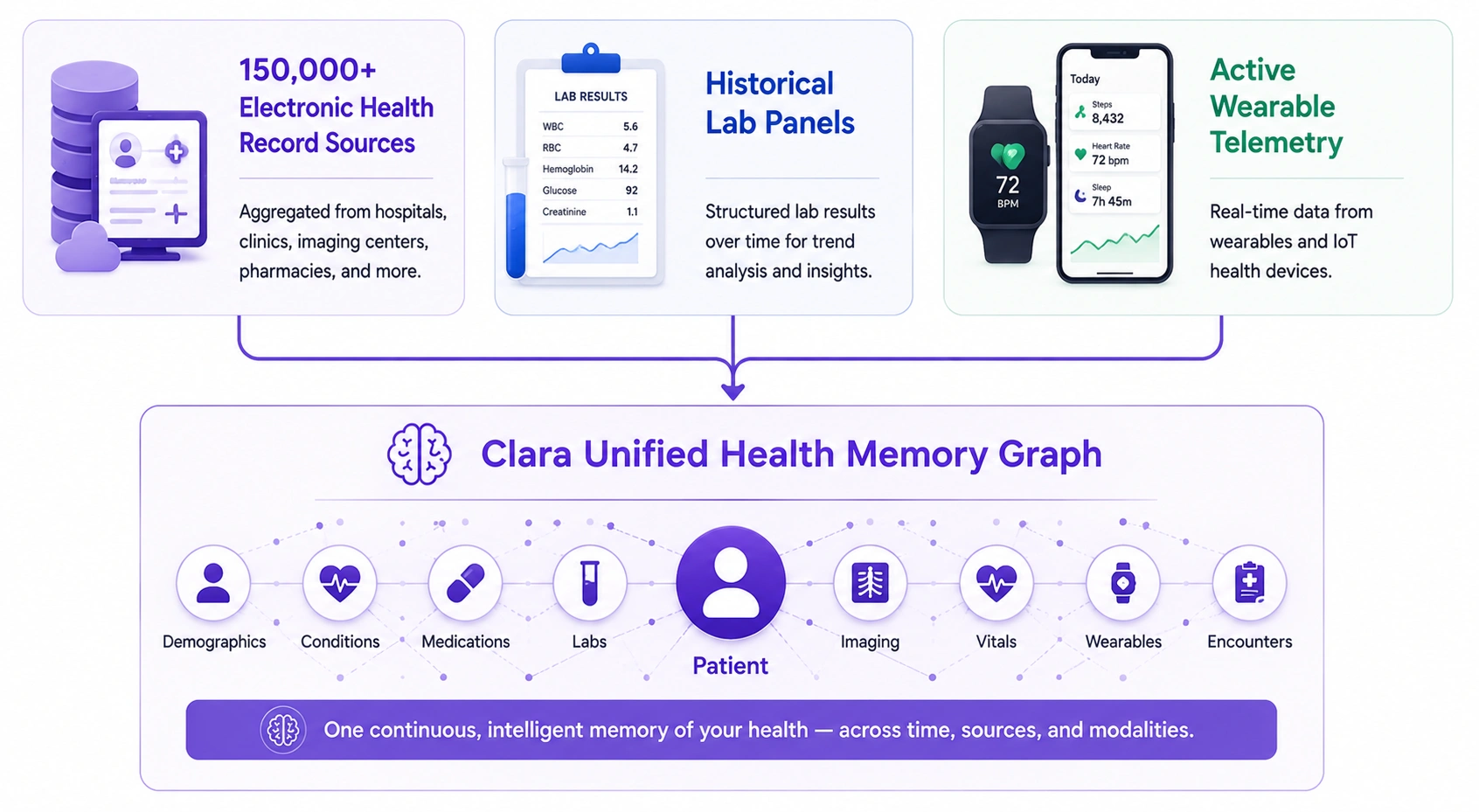
By processing your complete, unified history, the AI eliminates the information gaps where dangerous drug interactions or hidden disease progressions traditionally go completely unnoticed by independent specialists.
C. Clinician-Reviewed AI Recommendations for Safer Care
In a high-stakes environment like clinical medicine, unguided artificial intelligence introduces liability risks. Clara overcomes this hurdle by pioneering a strict “AI-proposes, clinician-disposes” collaborative care model.
The division of labor is precisely balanced to maximize clinical safety and efficiency:
| The AI Engine’s Workflow (Automated Overheads) | The Clinician’s Blueprint (Human Oversight) |
| Ingests & Normalizes Data: Aggregates messy, unstructured historical notes and wearable biometric trends. | Performs Final Approvals: Reviews every drafted prescription, treatment plan, and lab order before submission. |
| Identifies Hidden Anomalies: Scans longitudinal charts to surface missed diagnostic patterns from years prior. | Delivers Virtual Care: Conducts comprehensive secure messaging and face-to-face video consultations. |
| Drafts Clinical Documentation: Translates user symptoms into structured, audit-ready clinical notes. | Maintains Ultimate Guardrails: Ensures all AI outputs map perfectly to standard medical guidelines. |
This collaborative approach radically reduces administrative “pajama time” for medical staff, ensuring patients receive rapid responses without ever losing the essential safety net of board-certified human expertise.
How an AI Health Assistant Like Clara Works
To understand why Clara is replacing legacy, reactive primary care, you have to look beneath the user interface. Unlike simple health chatbots that merely regurgitate training data, or administrative scribes that record a single clinic visit, Clara operates as an active, AI-native health operating system.
The entire platform is built around a continuous processing engine that connects clinical data to real-time execution. Clara works by passing your biology through a highly structured, four-step operational loop.
A. How Clara Processes Your Primary Health Care
Every interaction with Clara follows a streamlined workflow that captures patient information, unifies data from multiple sources, interprets clinical context, and supports healthcare providers with accurate, AI-assisted decision-making.
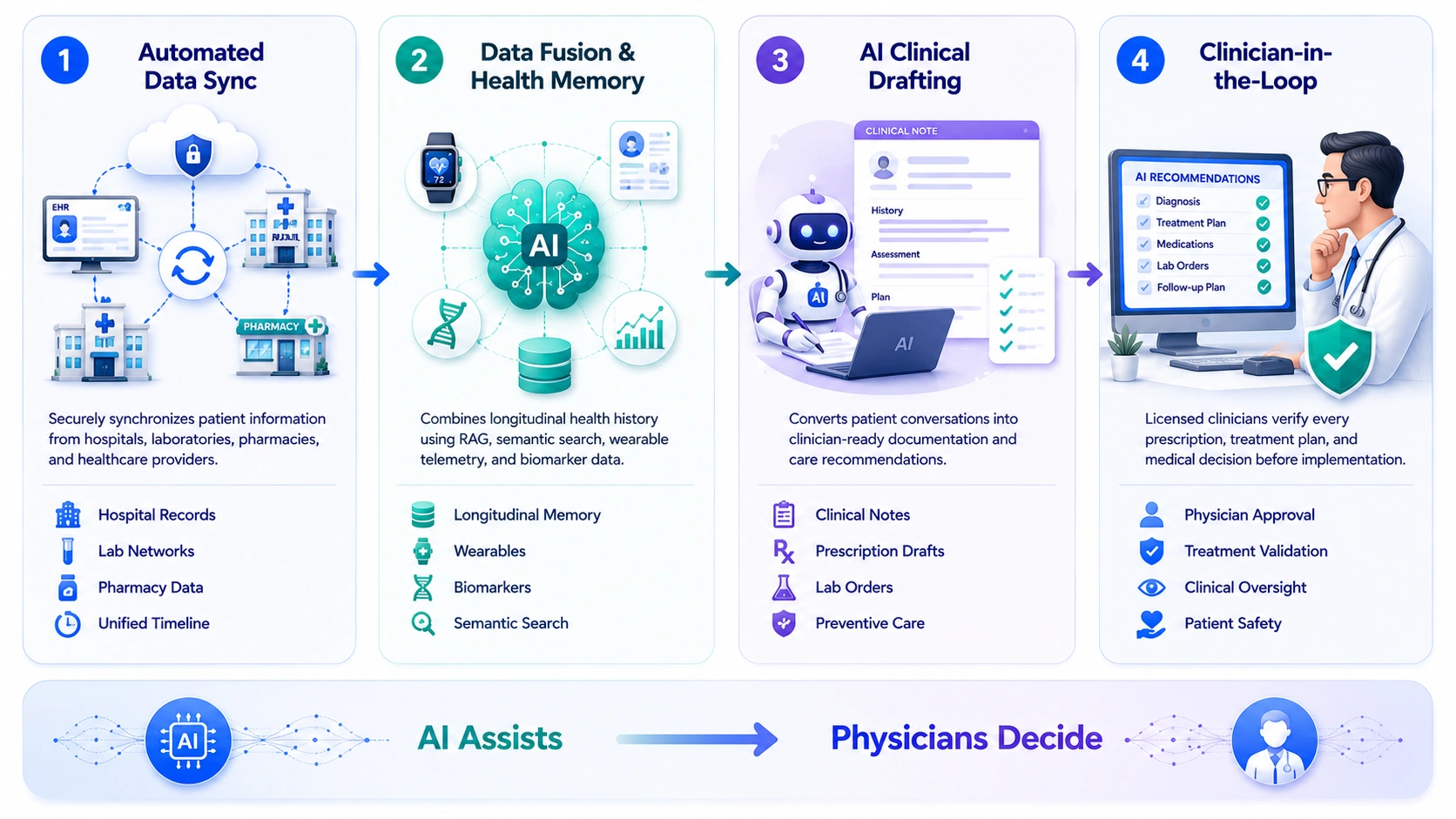
Step 1: Automated Multi-Source Data Syncing
Clara securely connects to 150,000+ Electronic Health Record (EHR) sources, including hospital systems, lab networks, and pharmacies. It automatically combines lab results, diagnoses, symptom history, and prescription history into a continuous health record.
Step 2: Longitudinal Parsing & Data Fusion
Using Retrieval-Augmented Generation (RAG) and semantic search, Clara performs longitudinal data fusion across a user’s medical history, wearable telemetry (including sleep architecture and resting heart rate), medication history, and long-term biomarkers such as ApoB, HbA1c, and thyroid panels.
Step 3: Automated Clinical Documentation & Drafting
When users report symptoms or request care, Clara maps the input to the health memory graph and automatically drafts clinical documentation, including prescription refill authorizations, lab orders, and preventive screening plans.
Step 4: Clinician-in-the-Loop Verification
Clara follows an “AI proposes, clinician disposes” collaborative model. The AI performs clinical intake, reasoning, and documentation, while every prescription, lab request, and treatment plan is reviewed and approved by a licensed clinician before implementation.
B. The Data Processing Engine
The true differentiator for Clara is its ability to handle data contextually. By continuously comparing live telemetry against historical baseline markers across multiple body systems, the system transforms unstructured human conversation into formal, mathematically modelable clinical insights.
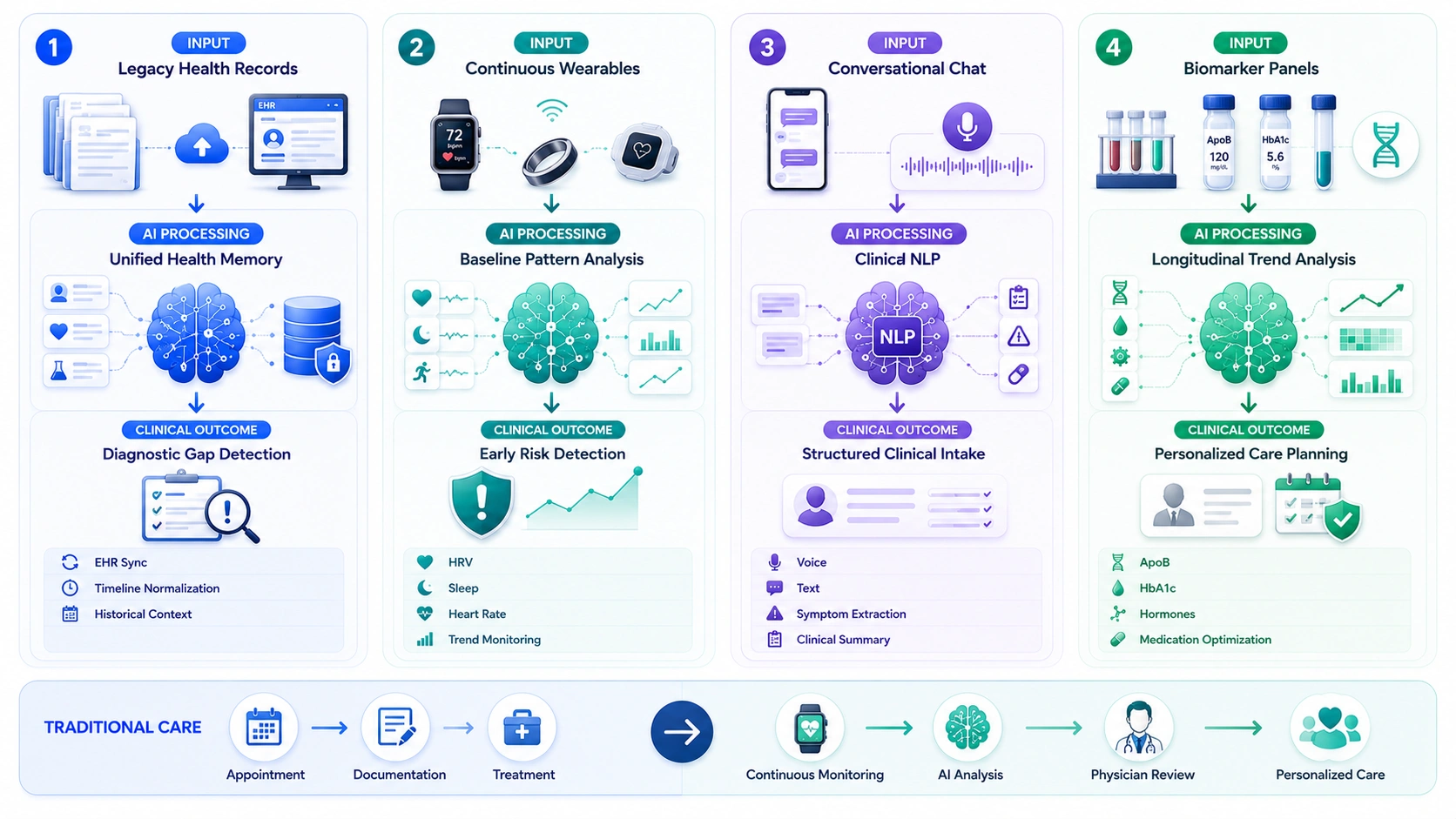
Here is exactly how Clara breaks down data streams to guide your clinical care team:
| Input Channel | Data Ingestion Mechanics | Automated AI Action | Final Physician-Gated Output |
| Legacy Health Records | Syncs records from 150,000+ clinics, pharmacies, and labs. | Normalizes records into a unified chronological health memory. | Identifies diagnostic gaps, such as missed MRIs or overdue screenings. |
| Continuous Wearables | Streams HRV, sleep, and heart rate data. | Detects baseline changes against medication and health history. | Alerts clinicians to potential autonomic or metabolic risks. |
| Conversational Chat | Processes natural language text and voice symptom logs. | Uses clinical NLP to extract structured health data. | Generates an audit-ready clinical intake summary. |
| Biomarker Panels | Analyzes ApoB, fasting insulin, hsCRP, hormones, and other lab results. | Tracks long-term biomarker trends beyond standard reference ranges. | Drafts personalized prescription updates and longevity care plans. |
The Structural Difference: By automating data collection and clinical documentation, Clara allows physicians to focus on patient care. The AI continuously monitors health data year-round, while licensed clinicians retain full control over every clinical decision.
Must-Have Features in an AI Health Assistant Like Clara
An AI health assistant like Clara succeeds by combining intelligent clinical reasoning, unified health data, continuous monitoring, and clinician oversight into one ecosystem. These core features enable personalized, proactive, and compliant healthcare while improving patient outcomes and operational efficiency.
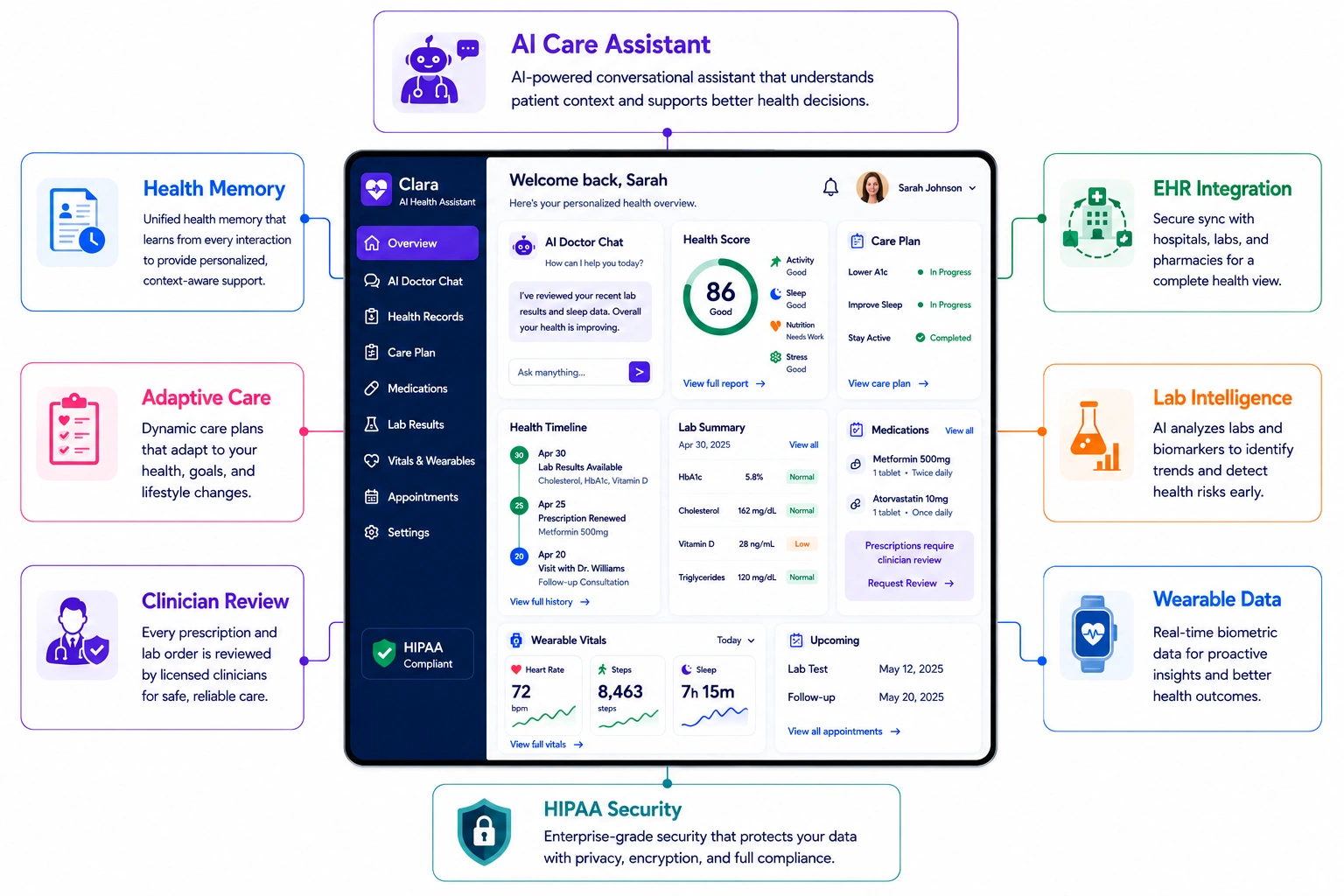
1. AI Primary Care Doctor With Clinical Reasoning
An AI primary care doctor serves as the platform’s intelligence layer by understanding complete patient histories, generating evidence-based recommendations, and supporting clinicians with contextual medical reasoning. This enables faster, personalized, and clinically informed healthcare beyond traditional symptom-checking tools.
- Clinical Context Understanding: Analyzes complete patient histories to generate personalized recommendations instead of relying on isolated symptoms.
- Evidence-Based Medical Reasoning: Uses clinical guidelines and historical health data to support consistent healthcare recommendations.
- Intelligent Health Conversations: Delivers context-aware responses that improve patient engagement and healthcare accessibility across interactions.
- Clinical Workflow Assistance: Drafts care recommendations for clinician review, reducing administrative workload while improving efficiency.
2. Unified Longitudinal Health Record Intelligence
Longitudinal health intelligence enables the platform to analyze years of patient data rather than isolated encounters. This comprehensive medical timeline improves diagnostic accuracy, identifies health trends, and supports highly personalized care recommendations throughout the patient’s healthcare journey.
- Complete Patient Timeline: Organizes historical diagnoses, medications, procedures, and clinical events into a unified health record.
- Health Trend Detection: Identifies long-term changes across medical records to support preventive healthcare decisions.
- Context-Aware Care Recommendations: Uses historical medical information to personalize every clinical interaction and treatment recommendation.
- Continuous Record Intelligence: Maintains an evolving patient profile as new medical information becomes available.
3. Medical Record Sync Across Hospitals, Labs, and Pharmacies
Medical record synchronization creates a unified patient profile by securely importing healthcare information from hospitals, laboratories, pharmacies, and electronic health record systems. This eliminates fragmented data while providing clinicians and AI with comprehensive medical context.
- Unified Healthcare Data: Consolidates medical information from multiple healthcare providers into one centralized patient profile.
- Automated Record Synchronization: Continuously updates health records as new laboratory reports and prescriptions become available.
- Standardized Medical Information: Converts fragmented healthcare data into structured formats for accurate AI analysis.
- Comprehensive Clinical Visibility: Provides complete patient information before generating recommendations or treatment plans.
4. AI-Powered Biomarker and Lab Analysis
AI-powered biomarker analysis transforms complex laboratory reports into understandable health insights by identifying abnormal values, monitoring long-term trends, and highlighting potential health risks. This helps patients and clinicians make proactive healthcare decisions earlier.
- Automated Lab Interpretation: Explains laboratory reports using patient-friendly language without requiring manual medical interpretation.
- Biomarker Trend Analysis: Tracks health indicators across multiple reports to identify meaningful clinical changes over time.
- Early Health Risk Detection: Identifies abnormal biomarkers that may indicate emerging medical conditions requiring attention.
- Personalized Health Insights: Connects laboratory findings with medical history for more meaningful clinical recommendations.
5. Personalized Care Plans That Continuously Adapt
Adaptive care planning enables healthcare recommendations to evolve as patient conditions, medications, laboratory results, lifestyle habits, and wearable data change. This creates personalized treatment strategies that remain relevant throughout the patient’s ongoing healthcare journey.
- Dynamic Treatment Recommendations: Continuously updates care plans using the latest patient health information and clinical data.
- Personalized Wellness Strategies: Tailors healthcare guidance according to individual medical history and lifestyle factors.
- Chronic Disease Management: Supports long-term care through continuously optimized treatment recommendations and monitoring.
- Outcome-Driven Care Planning: Adjusts healthcare strategies based on measurable patient progress and changing health conditions.
6. Clinician-Reviewed Prescriptions and Lab Orders
A clinician-in-the-loop workflow ensures every AI-generated prescription request, medication adjustment, and laboratory recommendation receives professional medical validation. This balances AI efficiency with clinical safety, regulatory compliance, and patient trust.
- Human Clinical Oversight: Licensed healthcare professionals review every AI-generated medical recommendation before implementation.
- Prescription Review Workflow: Validates medication requests and dosage changes through clinician approval processes.
- Laboratory Order Validation: Ensures diagnostic tests meet appropriate clinical requirements before patient submission.
- Regulatory Compliance Support: Maintains safe healthcare delivery by combining artificial intelligence with physician expertise.
7. Wearable Integration for Continuous Health Monitoring
Wearable integration enables continuous collection of real-time health metrics from connected devices, allowing AI to monitor patient wellness, identify emerging health patterns, and deliver proactive recommendations based on daily physiological changes.
- Real-Time Health Monitoring: Collects continuous physiological data from wearable devices for ongoing health assessment.
- Lifestyle Data Integration: Combines activity, sleep, and vital signs with existing medical records for richer analysis.
- Proactive Health Alerts: Detects unusual health patterns that may require early clinical intervention or monitoring.
- Continuous Patient Engagement: Encourages long-term health management through personalized feedback generated from wearable data.
8. HIPAA-Compliant AI Healthcare Infrastructure
Healthcare infrastructure must protect sensitive patient information while supporting secure AI operations, regulatory compliance, and trusted healthcare delivery. Strong security architecture ensures privacy, safeguards medical records, and enables scalable healthcare platform growth.
- End-to-End Data Protection: Encrypts sensitive healthcare information during storage, processing, and data transmission across systems.
- Role-Based Access Controls: Restricts medical record access according to authorized clinical responsibilities and user permissions.
- Comprehensive Audit Logging: Tracks healthcare data access and system activities for compliance and accountability purposes.
- Regulatory Security Framework: Supports HIPAA compliance through secure infrastructure, privacy controls, and patient consent management.
How We Develop an AI Health Assistant Like Clara
Building an AI health assistant like Clara requires far more than integrating AI into a healthcare app. Our development process combines AI engineering, healthcare expertise, secure infrastructure, and regulatory compliance to deliver an intelligent, scalable, and clinically reliable primary care platform.
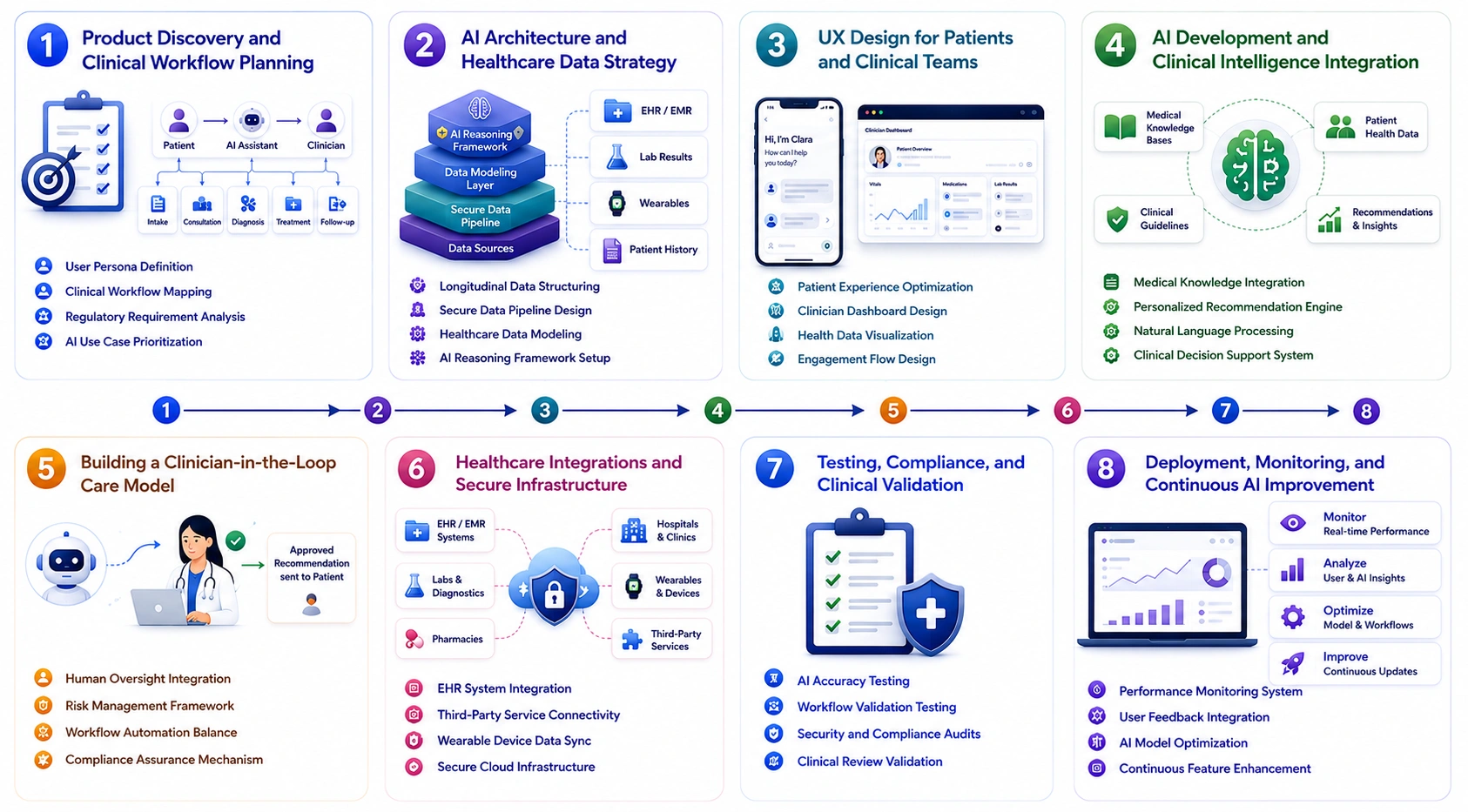
1. Product Discovery and Clinical Workflow Planning
We begin by understanding your business goals, target users, and healthcare use cases. Our team maps complete patient and clinician workflows, defines AI capabilities, identifies compliance requirements, and creates a clear product roadmap before development starts.
- User Persona Definition: Identifies patient segments, clinician roles, and behavioral patterns to align product features with real healthcare needs.
- Clinical Workflow Mapping: Designs end-to-end patient journeys including consultations, diagnosis, treatment, and follow-up care processes.
- Regulatory Requirement Analysis: Evaluates healthcare laws, compliance standards, and regional policies to ensure legally compliant product development.
- AI Use Case Prioritization: Selects high-impact AI features such as symptom checking, triage, and personalized care recommendations.
2. AI Architecture and Healthcare Data Strategy
Our developers design a scalable AI architecture capable of processing longitudinal health records, structured clinical data, and wearable information. We also define secure retrieval pipelines and healthcare data models that support accurate, context-aware clinical reasoning.
- Longitudinal Data Structuring: Organizes patient health history across time to enable continuous and context-aware clinical decision making.
- Secure Data Pipeline Design: Builds encrypted data ingestion and retrieval systems ensuring safe handling of sensitive healthcare information.
- Healthcare Data Modeling: Structures clinical, behavioral, and wearable data into unified formats for efficient AI processing and analysis.
- AI Reasoning Framework Setup: Implements systems that combine medical knowledge with patient data for accurate and explainable recommendations.
3. UX Design for Patients and Clinical Teams
We design intuitive interfaces for both patients and healthcare professionals, ensuring every interaction feels simple and efficient. The experience includes AI conversations, health dashboards, clinician review panels, and personalized care workflows that encourage long-term engagement.
- Patient Experience Optimization: Designs simple, conversational interfaces that guide users through health queries, recommendations, and care plans.
- Clinician Dashboard Design: Creates efficient review panels for doctors to validate AI outputs, prescriptions, and treatment decisions quickly.
- Health Data Visualization: Presents complex medical data in clear dashboards for better understanding and informed decision making.
- Engagement Flow Design: Builds user journeys that encourage regular interaction, follow-ups, and long-term health management adherence.
4. AI Development and Clinical Intelligence Integration
Our AI engineers build the primary care assistant using advanced language models, retrieval systems, and clinical reasoning frameworks. The platform delivers personalized health insights, interprets medical information, and generates recommendations using evidence-based healthcare intelligence.
- Medical Knowledge Integration: Connects AI systems with trusted clinical databases, guidelines, and research for accurate healthcare recommendations.
- Personalized Recommendation Engine: Uses patient data and history to generate tailored health advice and treatment suggestions.
- Natural Language Processing Implementation: Enables AI to understand patient queries, symptoms, and medical context through conversational interactions.
- Clinical Decision Support System: Assists in diagnosis and treatment planning using evidence-based reasoning and real-time data analysis.
5. Building a Clinician-in-the-Loop Care Model
We implement a hybrid AI and clinician workflow where licensed healthcare professionals review AI-generated prescriptions, lab orders, and treatment recommendations. This approach improves efficiency, while maintaining clinical accuracy, patient safety, and regulatory compliance.
- Human Oversight Integration: Ensures clinicians review and approve AI-generated outputs before delivering recommendations to patients.
- Risk Management Framework: Identifies high-risk cases requiring immediate human intervention to maintain patient safety and care quality.
- Workflow Automation Balance: Combines AI efficiency with human expertise to streamline operations without compromising clinical accuracy.
- Compliance Assurance Mechanism: Maintains adherence to healthcare regulations through controlled review and approval processes.
6. Healthcare Integrations and Secure Infrastructure
Our team integrates electronic health records, hospitals, laboratories, pharmacies, wearable devices, and third-party healthcare services into one secure ecosystem. Every integration follows healthcare interoperability standards while protecting sensitive patient information through enterprise-grade security.
- EHR System Integration: Connects with electronic health record platforms to access and update patient medical data seamlessly.
- Third-Party Service Connectivity: Integrates labs, pharmacies, and hospitals for smooth healthcare service coordination and data exchange.
- Wearable Device Data Sync: Collects real-time health metrics from devices to enhance monitoring and personalized care insights.
- Secure Cloud Infrastructure: Implements scalable and encrypted cloud systems to ensure data protection and platform reliability.
7. Testing, Compliance, and Clinical Validation
Before launch, we thoroughly validate AI accuracy, platform performance, healthcare workflows, interoperability, and security. We also perform compliance assessments and clinician reviews to ensure the platform meets healthcare regulations and delivers reliable patient experiences.
- AI Accuracy Testing: Evaluates model outputs against clinical benchmarks to ensure reliable and safe healthcare recommendations.
- Workflow Validation Testing: Verifies patient and clinician journeys function smoothly across all use cases and scenarios.
- Security and Compliance Audits: Conducts thorough checks to meet HIPAA and other healthcare data protection standards.
- Clinical Review Validation: Involves healthcare professionals to assess AI outputs and ensure medical correctness and usability.
8. Deployment, Monitoring, and Continuous AI Improvement
After deployment, we continuously monitor platform performance, AI quality, and user behavior. Our developers optimize clinical workflows, expand healthcare integrations, improve AI models, and release regular updates to keep the platform accurate, secure, and scalable.
- Performance Monitoring System: Tracks platform stability, response times, and AI accuracy to ensure consistent user experience.
- User Feedback Integration: Collects real-world insights from patients and clinicians to improve features and workflows continuously.
- AI Model Optimization: Refines algorithms using new data to enhance prediction accuracy and recommendation quality over time.
- Continuous Feature Enhancement: Regularly updates platform capabilities to adapt to evolving healthcare needs and technologies.
What is the Cost to Build an AI Primary Care Platform Like Clara
The development cost of an AI primary care platform depends on its AI capabilities, healthcare integrations, compliance requirements, and overall product complexity. Understanding where the budget is allocated helps businesses plan scalable development while balancing functionality, security, and long-term growth.
A realistic development budget is distributed across multiple phases, each contributing to the platform’s functionality, intelligence, security, and scalability. The table below provides an estimated AI primary care platform development cost breakdown aligned with MVP and Enterprise-level development ranges.
| Development Phase | Estimated Cost (MVP → Enterprise) | What the Phase Covers |
| Discovery & Planning | $5,000 – $15,000 | Defines business goals, clinical workflows, user journeys, AI roadmap, feature prioritization, and healthcare compliance requirements. |
| AI Architecture Setup | $10,000 – $40,000 | Designs AI architecture, healthcare data models, retrieval pipelines, longitudinal records, and scalable system foundations. |
| UX/UI Design | $8,000 – $30,000 | Creates intuitive patient applications, clinician dashboards, care management workflows, and accessible healthcare experiences. |
| AI Development | $25,000 – $150,000 | Develops AI reasoning, medical knowledge retrieval, recommendation engines, health insights, and personalized clinical workflows. |
| Clinician Workflow Setup | $8,000 – $40,000 | Implements physician review workflows, prescription validation, clinical approvals, and secure human oversight mechanisms. |
| Integrations & Security | $10,000 – $120,000 | Integrates EHRs, hospitals, labs, pharmacies, wearables, cloud infrastructure, and enterprise-grade healthcare security. |
| Testing & Compliance | $6,000 – $35,000 | Performs AI validation, security audits, interoperability testing, clinician verification, and regulatory compliance assessments. |
| Deployment & Optimization | $5,000 – $20,000 | Launches production systems, monitors AI performance, optimizes workflows, and continuously enhances platform intelligence. |
| Total Estimated Cost | $80,000 – $500,000+ | The cumulative investment required across all development stages, varying based on platform complexity, AI depth, and integration scope |
Note: These estimates represent typical AI primary care platform development costs for custom AI healthcare platforms. Final pricing varies depending on AI complexity, third-party integrations, compliance scope, infrastructure, and feature requirements.
Development Cost by Platform Level
The overall investment varies based on the platform’s feature set, AI sophistication, healthcare integrations, regulatory requirements, and scalability goals. Businesses typically choose between MVP, mid-level, or enterprise AI primary care platform development according to their growth strategy.
| Platform Level | Estimated Cost | What Features Include in That Platform Level |
| MVP | $80,000 – $140,000 | AI health assistant, patient onboarding, basic health records, AI conversations, care plans, clinician review workflow, essential security, limited healthcare integrations. |
| Mid-Level Platform | $140,000 – $250,000 | Advanced AI reasoning, longitudinal health records, wearable integration, laboratory analysis, pharmacy connectivity, clinician dashboards, stronger compliance. |
| Enterprise Platform | $250,000 – $500,000+ | Multi-provider ecosystem, advanced clinical intelligence, EHR interoperability, predictive analytics, biomarker analysis, extensive healthcare integrations, |
Note: The MVP AI primary care platform development allows faster market validation with lower investment, while enterprise platforms require significantly higher budgets to support advanced AI capabilities, healthcare interoperability, regulatory compliance, and large-scale operational requirements.
Factors That Influence Development Budget
Every AI healthcare platform faces practical, real-world challenges during development that directly impact cost, timelines, and resource allocation. Below are key real-world factors that commonly drive AI primary care platform development budget changes during the actual build process:
- Delays in EHR and Hospital Integrations: Integrating legacy EHR systems often requires custom APIs, connectors, and data mapping, adding $10,000–$30,000 to development costs depending on complexity.
- Clinical Feedback and Iteration Cycles: Continuous input from doctors and healthcare professionals can require multiple revisions to workflows, AI outputs, and care plans, increasing costs by $5,000–$15,000.
- Data Quality and Availability Issues: Processing incomplete, inconsistent, or unstructured patient data requires additional cleaning and normalization, adding approximately $8,000–$20,000 to the project budget.
- Regulatory Changes During Development: Changes to HIPAA or other healthcare regulations may require updates to security, data handling, and compliance documentation, increasing costs by $5,000–$25,000.
- AI Model Performance Tuning: Achieving clinically acceptable AI performance often requires multiple rounds of training, testing, and optimization, adding $10,000–$40,000 in development costs.
- Third-Party Service Limitations or Pricing Changes: Dependence on labs, pharmacies, and AI APIs can introduce recurring costs of $2,000–$10,000 per month due to pricing changes, rate limits, or service limitations.
How AI Primary Care Platforms Like Clara Make Money
AI primary care platforms generate revenue through a combination of recurring consumer subscriptions, clinical services, insurance reimbursements, and enterprise partnerships. This diversified business model creates predictable recurring income while supporting scalable, technology-driven healthcare delivery across individual and organizational customers.
| Monetization Stream | Primary Revenue Source | Pricing Architecture | How Revenue Is Generated |
| Direct Concierge Membership | Individual Patients | Typically $29–$79/month | Recurring subscriptions for AI health monitoring, personalized insights, and continuous digital primary care. |
| Telemedicine Consultations | Patients / Insurance Providers | Typically $45–$150 per visit | Fees from virtual consultations, clinician reviews, follow-up visits, and other primary care services. |
| Insurance Reimbursements | Medicare & Commercial Insurers | Varies by reimbursement program | Recurring reimbursements for Chronic Care Management (CCM) and Remote Patient Monitoring (RPM) services. |
| Enterprise Wellness Partnerships | Employers & Healthcare Organizations | Custom enterprise contracts | Enterprise licensing for employee wellness, preventive care, and continuous health management. |
Each of these revenue streams plays a distinct role in building a sustainable healthcare business. Let’s explore how each model works in practice and contributes to long-term growth and scalability.
1. Direct-to-Consumer Membership
Many AI primary care platforms use a subscription model to generate predictable recurring revenue. Members pay a monthly fee for continuous AI health monitoring, personalized care recommendations, unified medical records, clinician messaging, and other premium healthcare services.
2. Telemedicine Consultations and Clinical Services
Platforms that work with licensed healthcare professionals monetize virtual consultations, follow-up visits, prescription reviews, and diagnostic evaluations. By automating patient intake, documentation, and administrative tasks, AI helps clinicians care for more patients with greater efficiency.
3. Insurance Reimbursements for Continuous Care
Healthcare providers can also generate recurring revenue through Chronic Care Management (CCM) and Remote Patient Monitoring (RPM) reimbursement programs. These services support continuous patient monitoring, chronic disease management, and ongoing clinical care through connected health technologies.
4. Enterprise Wellness and Employer Partnerships
Many organizations license AI primary care platforms as part of employee wellness programs. Employers pay recurring licensing fees to offer preventive healthcare, continuous health monitoring, and personalized wellness programs that improve employee well-being while reducing long-term healthcare costs.
5. White-Label and API Licensing
AI healthcare platforms can license their white-label solutions and APIs to hospitals, clinics, insurers, and digital health companies. This enables organizations to integrate AI-powered clinical intelligence, patient engagement, and healthcare automation without building the technology from scratch.
Compliance Requirements for an AI Primary Care Platform
AI primary care platforms process sensitive patient data, making regulatory compliance essential. Below healthcare standards are another important focal point that needs to address during AI primary care platform development that protects patient information, supports secure clinical workflows, and enables compliant operations across healthcare markets.
| Compliance Standard | Purpose | Why It Matters for Development |
| HIPAA (United States) | Protects patient health information. | Requires encryption, audit logs, secure authentication, access controls, and compliant cloud infrastructure. |
| HITECH Act | Strengthens the security and adoption of electronic health records. | Requires secure health data exchange, breach notifications, and stronger cybersecurity practices. |
| GDPR (European Union) | Regulates the collection, storage, and processing of personal data. | Requires consent management, data portability, privacy controls, and secure data handling. |
| FHIR | Standardizes healthcare data exchange. | Enables integration with hospitals, EHRs, laboratories, and healthcare applications. |
| HL7 Standards | Standardizes healthcare messaging. | Improves interoperability across healthcare providers, laboratories, pharmacies, and clinical systems. |
| SOC 2 Type II | Validates security and operational controls. | Demonstrates secure infrastructure, data protection, monitoring, and operational reliability. |
| FDA Guidance for AI-Enabled Software (When Applicable) | Regulates AI software performing medical functions. | Applies when AI supports diagnosis, clinical decision-making, or Software as a Medical Device (SaMD). |
| OWASP Application Security Guidelines | Defines application security best practices. | Helps prevent API attacks, unauthorized access, and data breaches in healthcare applications. |
Challenges in Building an AI Primary Care Platform Like Clara
Building an AI primary care platform involves far more than developing an intelligent chatbot. Developers must overcome complex healthcare data, regulatory, AI reliability, and interoperability challenges during AI primary care platform development while ensuring the platform remains clinically accurate, secure, scalable, and trusted by healthcare professionals.
1. Fragmented Healthcare Data Integration
Challenge: Patient records often exist across disconnected hospitals, laboratories, pharmacies, EHR systems, and wearable devices using different healthcare data standards.
Solution: Our developers build standardized integration pipelines using healthcare interoperability standards, secure APIs, and data normalization techniques to consolidate fragmented records into a unified longitudinal patient profile for accurate AI analysis.
2. Reliable Clinical AI Recommendations
Challenge: Generic AI models may generate inaccurate, inconsistent, or unsupported medical recommendations when they lack sufficient patient context or verified clinical knowledge.
Solution: We combine advanced language models with retrieval-augmented generation, evidence-based medical resources, longitudinal patient data, and clinician validation workflows to improve recommendation accuracy while reducing hallucinations and clinical risks.
3. Healthcare Security and Compliance Requirements
Challenge: Protecting sensitive patient information while satisfying HIPAA and other healthcare regulations requires robust security across every application layer and integration.
Solution: Our team implements end-to-end encryption, role-based access controls, audit logging, secure cloud architecture, and identity management during AI primary care platform development to safeguard healthcare data while ensuring full compliance throughout the platform lifecycle.
4. Human-in-the-Loop Clinical Workflows
Challenge: Determining when AI should assist independently and when licensed clinicians must review recommendations is critical for patient safety and regulatory compliance.
Solution: We design configurable clinician approval workflows, automated risk escalation rules, review dashboards, and decision checkpoints to ensure healthcare professionals validate prescriptions, lab orders, and high-risk recommendations before patient delivery.
Why Choose Idea Usher for AI Primary Care Platform Development
IdeaUsher acts as a premier product engineering powerhouse and digital transformation catalyst, leveraging 11+ years of hyper-focused industry mastery to launch disruptive, compliant software ecosystems across 50+ countries. Fueled by an intellectual brain trust of 250+ niche developers, a portfolio of 1,000+ deployed assets, and a top-tier 4.9/5 Clutch credential, we build high-performing digital health systems from scratch.
We develop bespoke virtual care platforms featuring advanced EHR aggregators, multi-agent clinical tools, and automated billing pipelines to ensure secure practice growth and market leadership.
Why Enterprises Partner With Us
Healthcare networks and digital health innovators choose us to deploy next-generation AI clinics because we seamlessly turn strict regulatory compliance into clinical efficiency.
- Unified Health Record Aggregation: We engineer advanced medical data ingestion engines that securely pull and consolidate long-term patient histories from thousands of external hospitals, pharmacies, and wearable devices into a single timeline.
- Continuous Biomarker and Lab Analysis: Our developers build predictive analytics tracking layers that read updated lab results and vital markers directly against historical patient baselines to highlight micro-trends traditional short check-ups often overlook.
- Clinician-in-the-Loop Safe Workflows: We construct highly governed operational routing networks that draft prescription refills, medical summaries, and diagnostic suggestions for the AI while keeping licensed physicians strictly in control of final sign-offs.
- Robust Enterprise Tenant Isolation: We hardcode the system infrastructure using secure, independent cloud container frameworks, guaranteeing absolute patient data isolation, total encryption, and strict compliance with global HIPAA and HITECH laws.
Ready to revolutionize virtual medicine with an intelligent, continuous AI primary care ecosystem? Partner with IdeaUsher’s principal healthcare software architects to map your product roadmap today.
Conclusion
The future of primary care is increasingly centered on intelligent, data-driven healthcare experiences that combine AI with clinical expertise. Platforms like Clara demonstrate how longitudinal health records, personalized clinical reasoning, and clinician oversight can deliver safer and more proactive patient care. Turning AI primary care platform development vision into a successful product requires deep expertise in AI, healthcare integrations, compliance, and scalable architecture. With extensive experience in healthcare software development, IdeaUsher helps businesses launch secure, intelligent, and future-ready AI primary care platforms tailored to their unique goals.
FAQs
A.1. The core features of AI primary care platform development includes an AI primary care assistant, unified health records, clinician review workflows, personalized care plans, laboratory interpretation, secure authentication, and seamless healthcare system integrations.
A.2. The AI primary care platform development cost typically ranges from $80,000 to $500,000+, depending on AI capabilities, healthcare integrations, compliance requirements, clinician workflows, platform scalability, and whether the solution is developed as an MVP or an enterprise-grade platform.
A.3. Clinician oversight validates AI generated recommendations, prescriptions, and lab orders before patient delivery. This improves clinical accuracy, enhances patient safety, supports regulatory compliance, and builds long term trust in the platform.
A.4. Yes. Modern AI primary care platforms can integrate with hospitals, EHR systems, laboratories, pharmacies, and wearable devices using secure APIs and interoperability standards to create a unified patient health record.