

Key Takeaways
- Growing demand for AI mental health platforms for women is driving personalized emotional care through continuous AI support and predictive behavioral insights.
- These platforms combine LLMs, predictive analytics, CBT-based AI, mood tracking, and wearable integrations to deliver personalized mental wellness experiences.
- Specialized features support pregnancy, postpartum care, menopause, PMS, PCOS, and hormone-related mental health with proactive, context-aware guidance.
- Successful platforms prioritize clinical safety, data privacy, secure AI, human care escalation, and regulatory compliance to build long-term user trust.
- How Idea Usher can help businesses build AI mental health platforms with LLM integration, predictive AI, wearable connectivity, and scalable digital health solutions.
Women’s mental healthcare is no longer limited to occasional therapy sessions or one-size-fits-all wellness apps. Many women are turning to AI mental health platforms because they offer support that adapts as life changes. Instead of focusing only on what someone is feeling today, these platforms learn from ongoing conversations and daily patterns to understand how emotional wellbeing changes over time. This allows them to provide more personalized and timely guidance while helping identify early signs of burnout, anxiety, or emotional distress before they become more serious.
Over the years, we’ve developed several AI mental health solutions that combine LLMs with predictive behavioral analytics to deliver personalized emotional wellness experiences. As we’ve built this expertise, we’re writing this blog to explore how AI mental health platforms for women improve care, along with the key features and technologies that make them effective.
Market Size of AI Mental Health Platforms for Women
According to Grand View Research, the global AI in mental health market reached USD 1.7 billion in 2025 and is expected to grow to USD 9.1 billion by 2033 at a 23.3% CAGR, with North America contributing 33.9% of the market. This rapid growth shows that AI-powered mental health platforms are moving into the mainstream as healthcare providers seek scalable ways to deliver personalized care, making the sector an attractive opportunity for founders and investors alike.
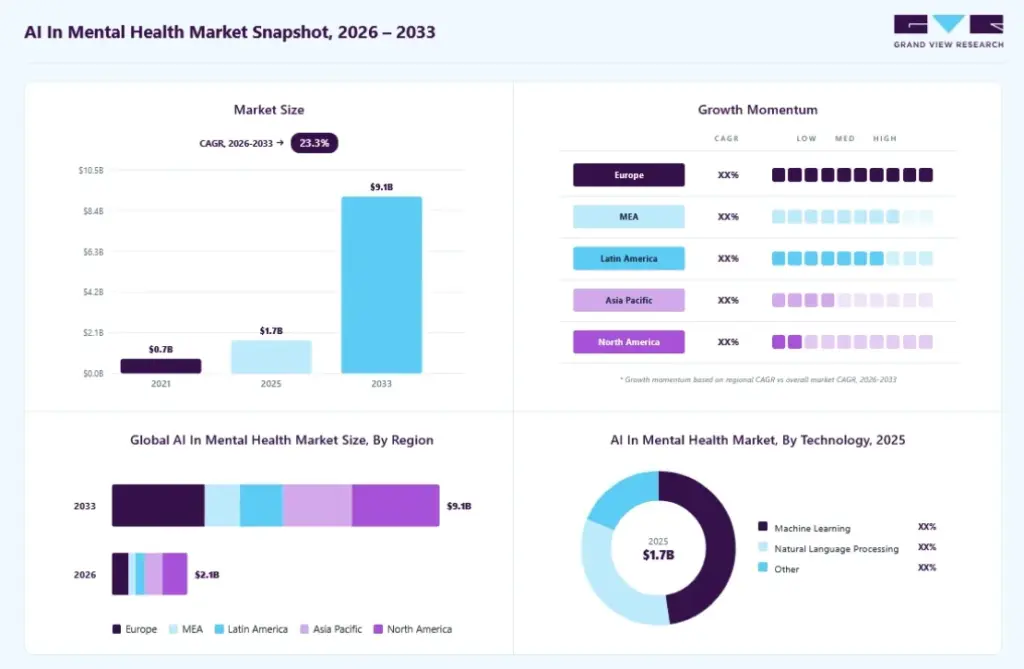
Source: Grand View Research
Market Growing at Record Pace
The digital behavioral health sector has moved past basic meditation apps and simple mood trackers. Today, the market is defined by sophisticated, predictive AI models capable of offering real-time therapeutic interventions. Institutional capital is flowing heavily into platforms that leverage natural language processing to deliver measurable clinical outcomes.
A prime example of this financial momentum is Wysa. While it serves a broad audience, its clinical AI triage conversational models heavily engage female users navigating corporate stress and anxiety. Wysa has successfully translated this engagement into commercial success, securing a commanding market presence and generating an estimated annual revenue of $15 million through global enterprise and B2B healthcare contracts.
This growth across the broader sector is driven by several structural factors:
- Scalability and Margin Expansion: Traditional therapy is limited by human hours. AI platforms scale infinitely with minimal marginal cost, offering attractive unit economics for investors.
- Data-Driven Personalization: Modern algorithms can analyze user inputs to predict anxiety spikes before they manifest fully, creating immense value for preventative care models.
- B2B Enterprise Integration: Corporate wellness programs and health insurance providers are actively looking for validated AI solutions to lower expenditures.
Building a platform in this space means targeting a market that is actively seeking institutional-grade technology to solve a global supply shortage of mental health professionals.
Femtech Expanding Beyond Reproductive Care
The femtech market is expanding beyond fertility and pregnancy apps as more founders recognize the need for better mental healthcare designed specifically for women. Emotional wellbeing changes across different stages of life, and generic wellness apps often fail to provide the personalized support women are looking for. This has created strong demand for AI platforms that understand these changing needs and deliver more relevant care.
A good example is Midi Health, which uses AI-driven clinical protocols to support women through hormonal transitions and related mental health challenges. By focusing on this underserved area, the company has grown quickly and now generates around $40 million in annual revenue while raising significant venture funding to further strengthen its AI capabilities.
Why Investors Are Backing It
Smart money follows sustained engagement and clear monetization pathways. Investors are heavily backing women-focused AI mental health platforms because the consumer behavior data supports a highly profitable business model. Women are historically the primary healthcare decision-makers in their households, making them highly valuable users with high lifetime value.
The financial viability boils down to strategic advantages. First, subscription retention rates for specialized health platforms consistently outperform generalized wellness apps. Second, enterprise buyers pay a premium for platforms that demonstrate high engagement among female employees.
How Do AI Mental Health Platforms for Women Work?
An AI mental health platform does much more than answer user questions. It continuously learns from interactions to understand changing emotional needs and deliver more personalized support over time. This allows the platform to provide timely guidance and create a care experience that feels more relevant with every conversation.
1. Secure Data Collection
A strong AI mental health platform depends on high-quality user data to deliver meaningful support. Instead of relying only on chat conversations, modern platforms can also use mood check-ins, voice notes, wearable data, and other voluntary health inputs to better understand how a user’s emotional wellbeing changes over time.
Privacy is just as important as AI accuracy. Users will only share sensitive mental health information if they trust the platform to keep it secure. Woebot is a good example of this approach, using enterprise-grade encryption to protect user conversations and maintain compliance with healthcare privacy standards. Strong security not only builds trust but also enables long-term engagement.
2. Pattern Analysis and Personalization
Once the data is securely stored, natural language processing models examine the inputs for specific behavioral markers. The AI does not just look at words. It analyzes syntax, tone, and the frequency of specific emotional descriptors to identify underlying trends.
- Contextual Correlation: The algorithm cross-references mood data with biological logs such as menstrual cycles, postpartum timelines, or sleep metrics.
- Predictive Alerting: If the system detects a pattern that mirrors a previous depressive or high-anxiety episode, it flags the shift early.
- Customized Pathways: The platform adjusts its user interface and conversational tone based on the user’s psychological state.
This analytical layer transforms raw data into a responsive therapeutic environment. For instance, the platform Clara uses these algorithms to map changes in a user’s behavioral patterns, matching them with tailored cognitive behavioral therapy exercises exactly when the user needs them most.
3. Real-Time Continuous Learning
An AI mental health platform becomes more useful as people continue using it. Every conversation and user action helps the system understand what works best for each individual. Over time, the AI learns which recommendations are helpful and adjusts future guidance to make the experience more personalized.
This continuous feedback loop helps improve the platform while keeping users engaged for longer. As more people use the platform, it builds a richer dataset that makes the AI smarter and more accurate. This creates a stronger product that delivers better outcomes for users while increasing the long-term value of the platform.
Key Features of an AI Mental Health Platform for Women
Designing a high-yield digital health product requires a deep understanding of user engagement. Successful platforms do not rely on a single utility. They build a suite of interconnected features that keep users returning daily. For a platform targeting women, these features must bridge the gap between biological events and psychological well-being.
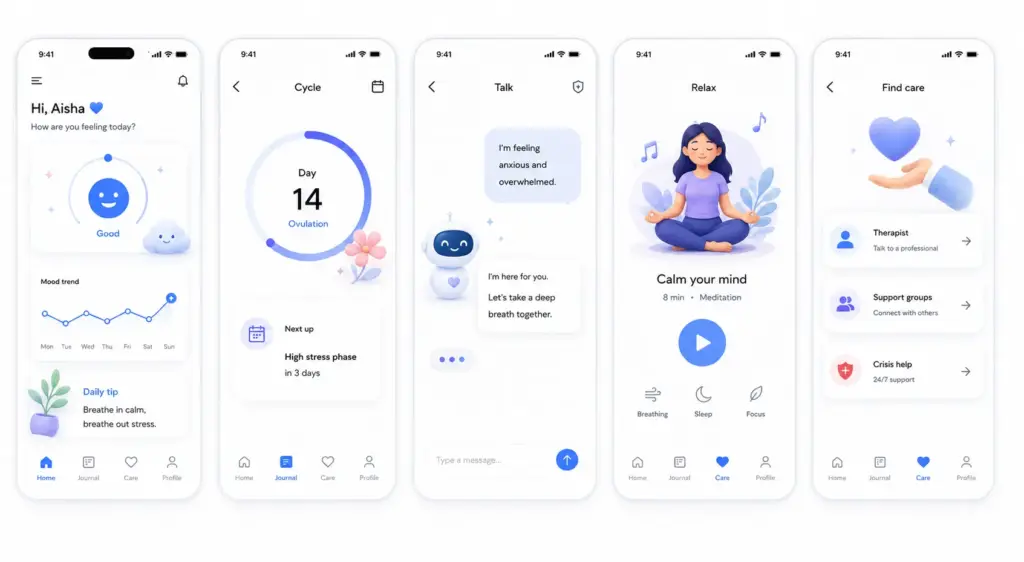
1. Mood Tracking and Pattern Analysis
Users open the app to log their daily emotional states through quick text prompts or visual sliders. Instead of just archiving these inputs, the backend engine processes the data to uncover underlying triggers and macro trends. A prominent market example is Youper. The platform uses AI-driven mood tracking to identify emotional trends over time. It provides personalized mental wellness insights based on user check-ins. This creates an immediate value loop for the user, who receives a breakdown of her emotional data without having to interpret it manually.
2. Cycle-Aware Health Recommendations
Users sync their biological calendars or log physical symptoms directly into the platform. The system then uses this data to map out how hormonal shifts influence anxiety, fatigue, and stress levels throughout the month.
- Symptom Prediction: The system flags upcoming hormonal transitions that might trigger mood drops.
- Proactive Interventions: It delivers targeted behavioral strategies right before high-stress phases begin.
Flo excels in this space by combining menstrual cycle data with AI. The platform delivers personalized mental health insights, stress management tips, and symptom predictions tailored specifically to hormonal changes. This integration makes the app indispensable for daily health management.
3. AI Therapy and CBT Support
When experiencing acute anxiety or negative thought loops, users type messages into a conversational interface. The chatbot responds instantly, guiding them through clinical exercises designed to reframe their thinking. The chat interface must mimic human empathy while adhering strictly to safe, evidence-based therapeutic frameworks.
Wysa offers a proven model for this interaction. It provides an AI conversational companion that uses Cognitive Behavioral Therapy, Dialectical Behavior Therapy, mindfulness, and guided exercises. Crucially, the system includes an automated escalation pathway to human coaches when the algorithm flags acute distress.
4. Personalized Meditation and Recovery
Users seeking long-term resilience navigate to an audio and video library. Rather than displaying a static list of content, the platform curates a custom playlist based on the user’s current stress scores and historic app usage.
- Adaptive Content Delivery: Sessions adjust in length and focus depending on whether the user is waking up, taking a work break, or trying to sleep.
- Biometric Synchronization: Top platforms track heart rate changes during sessions via wearable integration to measure stress recovery.
Headspace demonstrates the power of this feature. It combines AI-powered personalization with meditation, sleep programs, breathing exercises, and mindfulness sessions to improve emotional resilience.
5. AI Care Navigation
When a user requires specialized medical attention, they use the navigation feature to find the right resource. The system screens their inputs and matches them with appropriate specialists, cutting down the time it takes to find care. Maven Clinic utilizes AI to guide women toward personalized mental health resources, virtual care providers, pregnancy support, and family health services. This enterprise-grade capability turns a simple wellness application into a comprehensive digital clinic.
6. Voice-Based Wellness Companion
Users who find typing tedious simply speak into their microphone for thirty seconds. The AI analyzes the acoustic properties of their voice, looking for markers of fatigue, stress, or depressive states.
- Zero-Friction Logging: Eliminates the need for long, exhausting onboarding questionnaires.
- Acoustic Biomarkers: The software evaluates vocal pitch, tone, and pacing to assess neurological state.
Earkick leverages this technology effectively. It uses voice interactions, biometric signals, and conversational AI to detect emotional changes, providing adaptive mental wellness support based on real-time vocal analysis.
7. Smart Journaling and Reflections
Users type free-form thoughts into a digital journal during moments of reflection. As they write, the underlying natural language processing engine scans the text to highlight cognitive distortions, like catastrophic thinking or all-or-nothing mindsets. This feature transforms journaling from a passive recording activity into an active, therapeutic tool that teaches self-awareness.
Woebot leverages this methodology by encouraging users to maintain AI-guided journals. The platform analyzes thoughts, identifies specific cognitive distortions, and recommends evidence-based coping strategies directly during the writing conversation.
How AI Supports Pregnancy and Postpartum Mental Health?
Pregnancy and early motherhood are periods when emotional support is often needed the most. AI mental health platforms can provide continuous guidance during this time, helping women manage stress and emotional changes while creating lasting engagement for businesses building solutions in this growing healthcare segment.
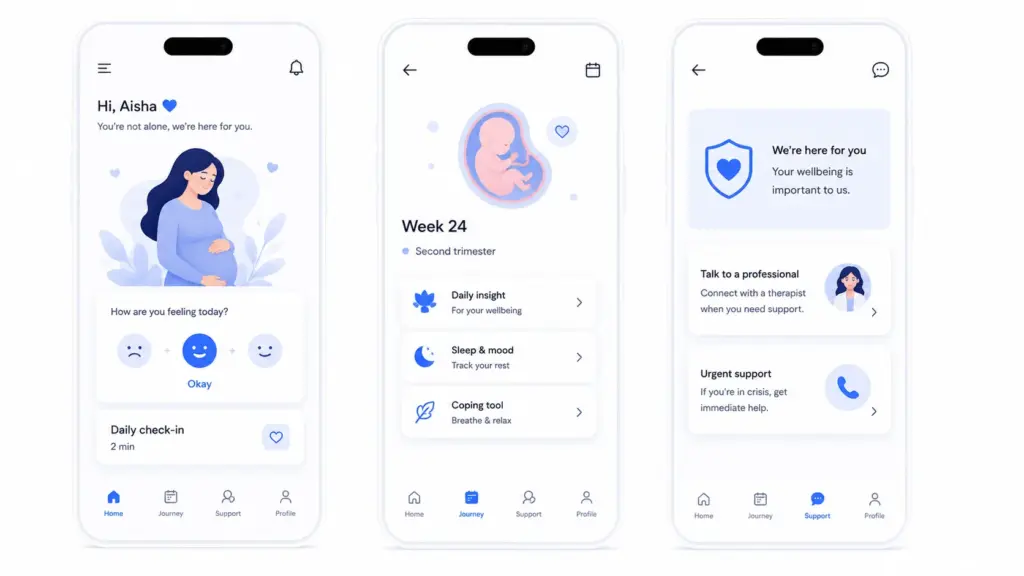
1. Early Risk Screening
Traditional maternal care relies on infrequent clinic visits to catch mood disorders. AI platforms change this dynamic by implementing continuous background screening through natural language processing. The system scans text logs and voice check-ins to catch early markers of postpartum anxiety before a crisis occurs.
Canopie provides a strong blueprint for this proactive approach. The platform uses conversational screening tools to identify maternal mental health risks early, guiding mothers through preventative behavioral health exercises. By selling its scalable care model to health plans and enterprise partners, Canopie has built a resilient business generating an estimated $1 million in annual revenue.
2. Personalized Motherhood Support
Every pregnancy involves unique physical and emotional fluctuations. A static wellness application cannot adapt to these shifting needs, but adaptive AI can. The technology crafts a dynamic curriculum that alters its daily recommendations based on the precise stage of the maternal journey.
- Trimester-Specific Content: The system shifts its focus from first-trimester anxiety to labor preparation as the due date approaches.
- Sleep and Mood Integration: The algorithm cross-references infant sleep disruptions with the mother’s daily resilience scores to adjust exercise difficulty.
- Contextual Coping Skills: The platform surfaces targeted cognitive behavioral therapy modules when a user logs feelings of isolation or overwhelm.
This high level of personalization ensures that the platform remains highly relevant to the user over a long period. It changes the app from a temporary tool into a long-term care companion.
3. Continuous Monitoring and Escalation
The most effective AI mental health platforms work alongside healthcare professionals rather than replacing them. AI can provide daily emotional support, monitor user wellbeing, and identify signs that someone may need additional care. When higher-risk situations are detected, the platform can quickly connect users with qualified clinicians for timely intervention.
Seven Starling follows this hybrid care model by combining digital mental health tracking with access to therapy groups and psychiatric care for maternal mental health. This approach has helped the company scale successfully, contributing to $35.1 million in annual recurring revenue while demonstrating the value of integrating AI with clinical expertise.
AI for Menopause, PMS, PCOS, and Hormone-Related Mental Health
Hormonal variations across life stages create profound shifts in psychological well-being. Despite massive user demand, traditional healthcare often overlooks the mental health impact of menopause, PMS, and PCOS. Building a digital infrastructure that explicitly addresses these physiological drivers offers a highly defensible market position.
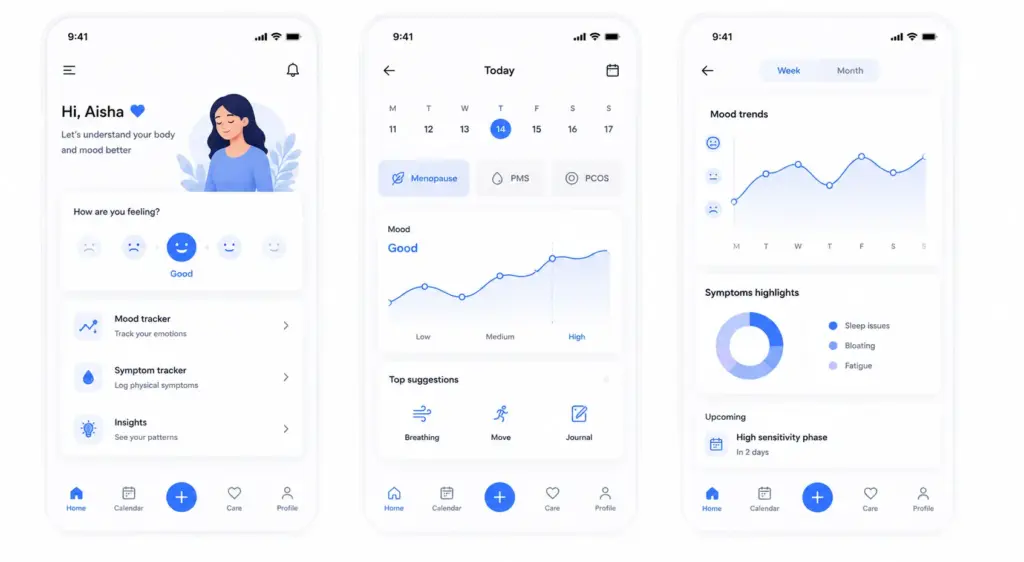
By tying emotional tracking directly to endocrinological phases, a platform can deliver targeted care with minimal competition. This specialization unlocks a deeply engaged user demographic looking for real answers.
1. Menopause Support
Perimenopause and menopause bring severe fluctuations in estrogen that trigger sleep disruptions, brain fog, and sudden anxiety spikes. An intelligent platform collects these daily physical variables along with subjective mood ratings to map out a clear picture of user health.
The algorithm evaluates lifestyle inputs like diet or exercise alongside night sweat frequencies to adjust its cognitive behavioral recommendations. Platforms like Elektra Health operate successfully in this domain. Elektra Health uses digital tools and expert curation to provide specialized menopause care, tracking, and educational support, generating an estimated $4.1 million in annual revenue by serving women navigating this complex hormonal transition.
2. PMS and Mood Tracking
Premenstrual dysphoric disorder and severe PMS cause predictable but debilitating mood swings, irritability, and fatigue. Standard tracking applications merely note when a period starts. Advanced AI platforms use predictive analytics to analyze historical cycle length against sudden drops in emotional resilience scores.
- Preemptive Intervention: The software identifies the precise day a user’s luteal phase begins to push stress-reduction modules before anxiety spikes.
- Pattern Visualization: Graphs clarify the direct link between biological cycle dates and psychological triggers.
Clue demonstrates the strength of this feature set. The platform uses machine learning to identify recurring emotional changes across the menstrual cycle, offering users precise coping strategies and preventative mindfulness interventions. This highly practical tool has allowed Clue to build a global user base, bringing in around $10 million in annual subscription revenue.
3. Management for PCOS
Women with PCOS often experience emotional challenges alongside physical symptoms, making mental health support an important part of long-term care. AI platforms can bring these pieces together by understanding how symptoms change over time and providing guidance that is tailored to each user’s unique health journey.
Allara Health takes this integrated approach by combining symptom tracking with personalized virtual care and mental health support for women with PCOS. The company has grown steadily through this specialized model, generating an estimated $5.6 million in annual revenue while addressing an important gap in women’s healthcare.
Investment Trends in AI Mental Health and FemTech
Institutional capital is flowing rapidly into platforms that merge artificial intelligence with specialized women’s health demographics. Venture funds and healthcare networks are shifting away from general digital applications. They are aggressively prioritizing platforms that demonstrate clear clinical validity and automated scalability.
The rationale driving these transactions is simple. Investors are backing high-margin software assets that lower corporate healthcare costs while maintaining high user retention.
1. Wysa’s AI Funding Success
One of the biggest reasons AI mental health platforms are growing is the shortage of mental health professionals. AI can provide immediate support, answer common concerns, and help identify people who may need clinical care, making mental health services more accessible without replacing healthcare providers.
Wysa has demonstrated the potential of this model by securing a £5.3 million Wellcome grant to expand its AI mental health capabilities for adolescent girls. The investment reflects growing confidence in AI platforms that combine clinical validation with safe and scalable mental healthcare.
2. Maven Clinic’s Growth
Venture funds are heavily backing comprehensive digital clinics that consolidate multiple stages of women health into a single software platform. Employers and health plans want to purchase one holistic benefit suite rather than paying for multiple disconnected applications. Platforms that integrate AI to automate care navigation reduce corporate health insurance spending by lowering expensive emergency room visits and neonatal ICU stays.
- Enterprise Integration: Seamlessly blending fertility benefits, maternity tracking, and mental wellness tools under one enterprise dashboard.
- Cost Reduction Value: Using predictive models to spot high-risk clinical factors early, saving companies thousands of dollars per pregnancy.
Maven Clinic capitalized on this market demand by securing a 125 million dollar funding round, pushing its market valuation to an impressive 1.7 billion dollars. This major capital injection funded the rollout of Maven Intelligence. The proprietary AI engine runs background population health analytics to automatically personalize clinical matching and emotional wellness resources for millions of corporate users.
3. Capital for Menopause Care
Menopause and midlife mental health are becoming major areas of innovation in women’s healthcare. As more women seek support for hormonal changes and their emotional impact, AI-powered platforms have an opportunity to deliver personalized care that has long been missing from traditional healthcare services.
Midi Health has shown the strength of this market by reaching a $150 million revenue run rate and securing $50 million in funding to expand its platform. The company’s growth highlights the increasing demand for specialized virtual care and demonstrates why investors are paying close attention to AI solutions focused on midlife women’s health.
Top 5 AI Mental Health Platforms for Women in the USA
We looked at some of the leading AI mental health platforms for women to understand what makes them successful. Each one solves a different problem and offers valuable ideas for founders planning to build a platform in this space. By studying their features and approach, you can better understand what users expect from a modern AI mental health solution.
1. Flo
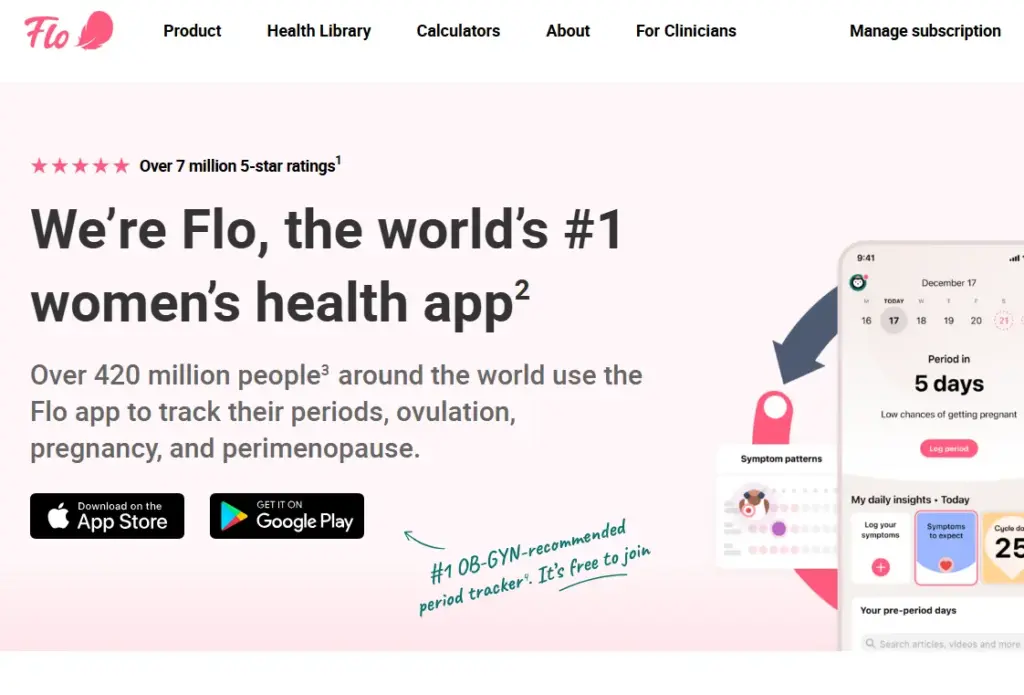
One of the world’s largest femtech platforms, Flo combines AI with menstrual cycle tracking, pregnancy support, perimenopause insights, and personalized mental wellness recommendations based on hormonal changes. It serves over 70 million monthly active users. Its ability to connect hormonal health with emotional well-being makes it a benchmark for women’s AI health platforms.
2. Maven Clinic
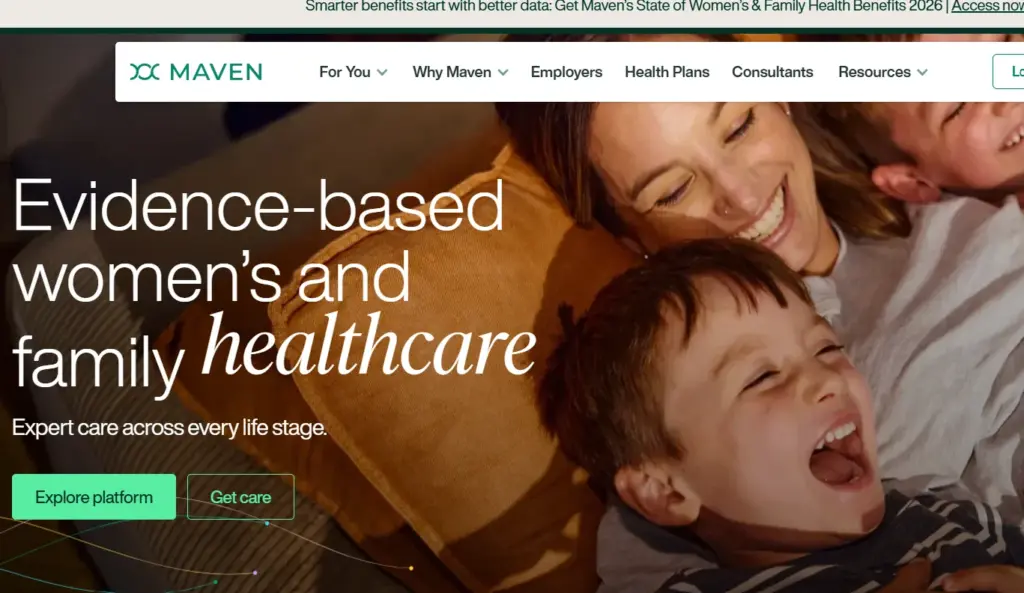
Maven Clinic is a leading virtual women’s healthcare platform that uses AI through Maven Intelligence to personalize mental health, fertility, pregnancy, postpartum, and menopause care for individuals and employers. Its comprehensive care model demonstrates how AI can support women throughout every major life stage.
3. Wysa
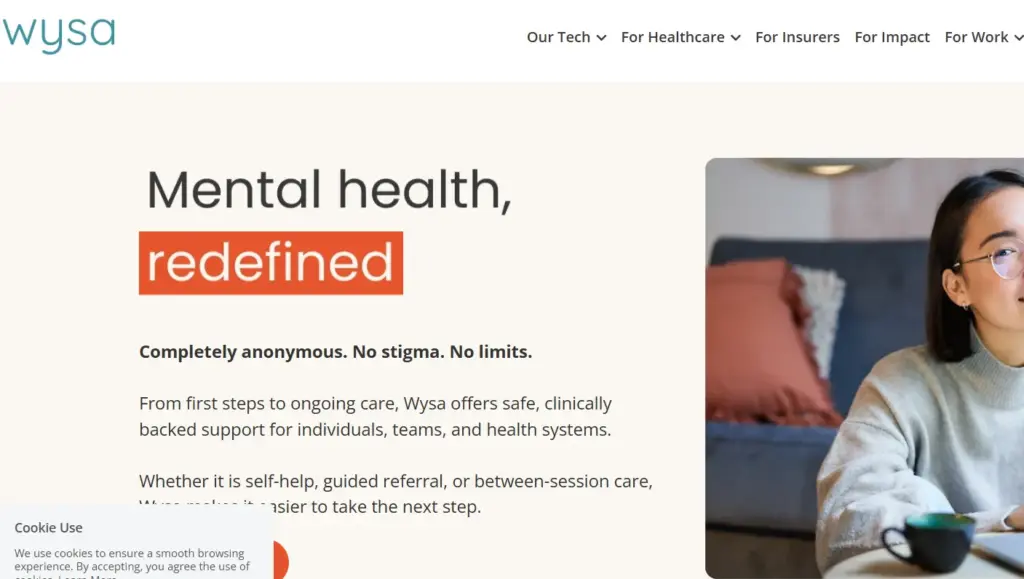
Wysa offers an AI-powered mental health companion built on CBT, DBT, and mindfulness techniques. It provides 24/7 emotional support, human coaching, and healthcare integrations, making it one of the most clinically validated AI mental health platforms. The platform is widely adopted by healthcare organizations and employers to improve access to mental health support.
4. Woebot Health
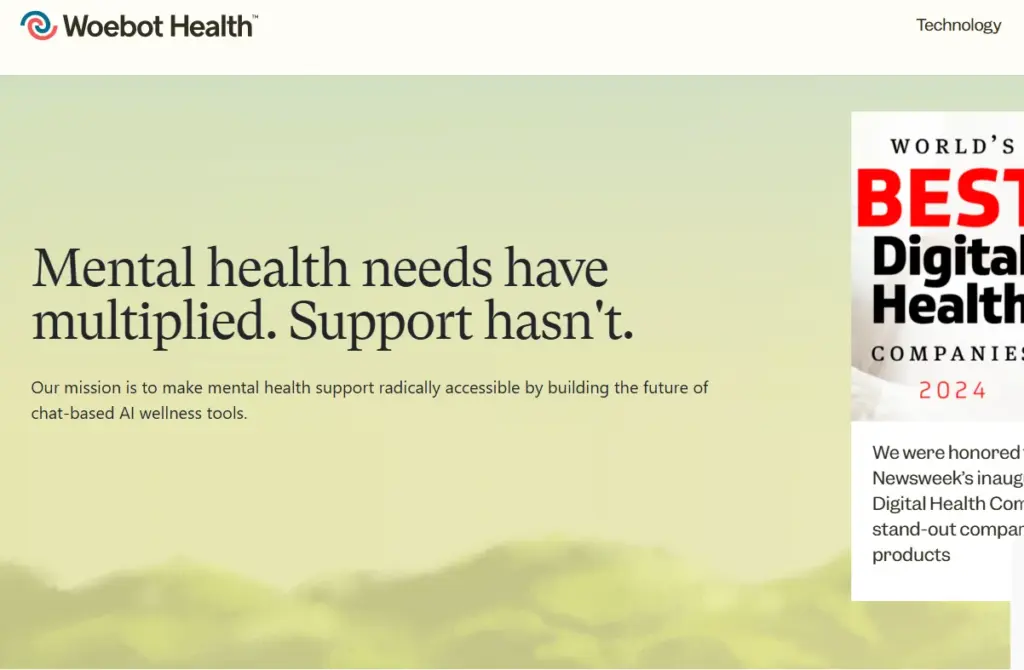
Woebot Health delivers AI-guided conversations rooted in cognitive behavioral therapy to help users manage stress, anxiety, depression, and burnout through evidence-based digital mental health support. Its clinical research has made it one of the most recognized AI therapy platforms in digital healthcare.
5. Headspace
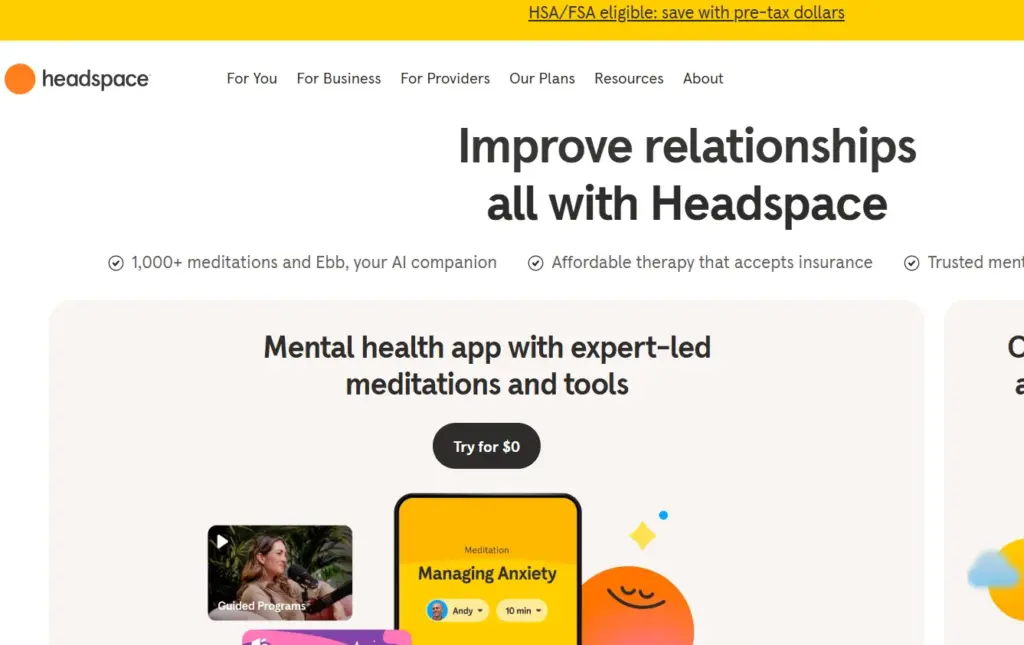
Known for meditation and mindfulness, Headspace has expanded into AI-powered mental wellness with personalized meditation recommendations, sleep support, stress management, and its AI companion to improve emotional wellbeing. Its broad ecosystem shows how AI can make preventive mental healthcare more engaging and accessible for women.
Build an AI Mental Health Platform for Women with Idea Usher
Developing a high-performance digital healthcare platform requires engineering precision and a deep understanding of compliance. Idea Usher acts as your technology architecture partner to transform your product vision into a scalable, market-ready asset. We build software that manages complex algorithmic data loads while offering an intuitive user experience.
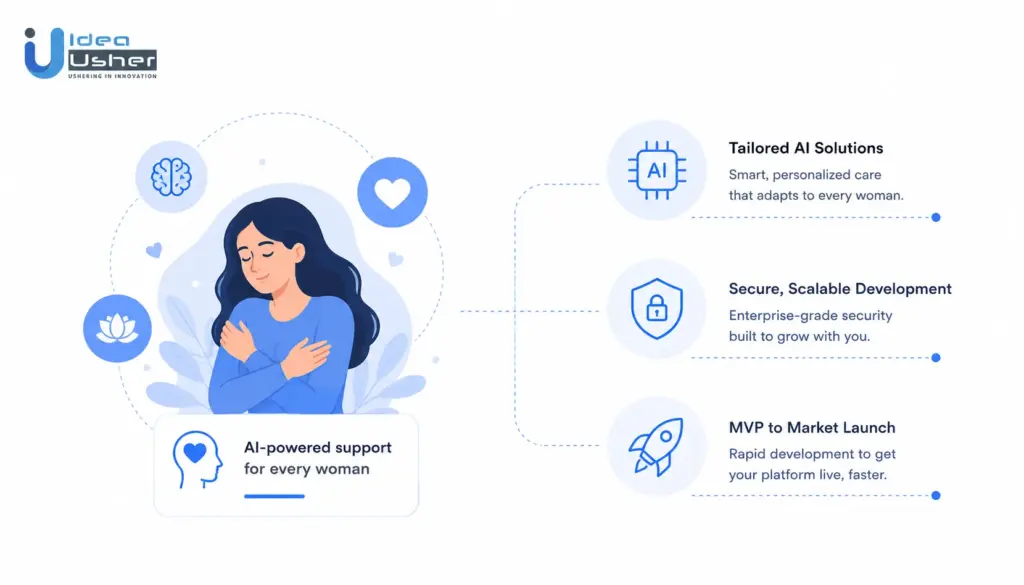
Our development framework focuses on rapid deployment without compromising on security or data integrity. We handle the heavy technical lifting so you can focus on market strategy and commercial growth.
Tailored AI Solutions
Every biological milestone requires a distinct data processing model. Our development team builds tailored algorithms that process diverse data inputs from menstrual cycles to postpartum biometric markers. We ensure the software recognizes subtle shifts in vocal tone, user behavior, and physical logs to deliver accurate, real-time wellness insights.
- Proprietary NLP Training: We build conversational models trained on domain-specific datasets to mirror clinical empathy safely.
- Biometric Synchronization: Our systems seamlessly integrate with major wearable APIs to gather precise heart rate variability and sleep metric logs.
- Dynamic Curriculums: The core system uses reinforcement learning to adapt the user interface and content delivery based on live stress scores.
With over 500,000 hours of coding experience, our team of ex-MAANG or FAANG developers designs intelligent architectures. This technical expertise allows us to create proprietary machine learning pipelines that give your application a clear competitive advantage in the digital health sector.
Secure, Scalable Development
Data privacy is the single most important factor for user acquisition and retention. If your platform architecture lacks ironclad defense systems, users will not trust it with their intimate health details. We integrate zero-knowledge security frameworks to protect user anonymity from day one.
Our infrastructure ensures full compliance with international medical data laws, including HIPAA and GDPR. We build secure backend data pipelines that separate personal user identities from their health logs. This multi-layered encryption approach turns security into a powerful intellectual property asset for your company.
MVP to Market Launch
Launching a digital health asset requires a lean strategic approach. We focus on building a robust minimum viable product that highlights your primary value proposition before scaling out secondary features. This strategy allows you to test market demand, secure early user feedback, and optimize product-market fit efficiently.
Development Philosophy: Scale intelligently by locking down core AI mechanics first. A stable, responsive product with two flawless features outperforms an unstable app with ten broken ones.
Conclusion
AI mental health platforms are becoming an important part of women’s healthcare because they offer support that is continuous, personalized, and easy to access. As demand for better mental health services continues to grow, businesses that build thoughtful and clinically informed AI solutions will be well positioned to improve patient care while creating long-term value in a rapidly expanding market.
Things to Know About AI Mental Health Platforms
A1: No. AI is meant to support mental healthcare rather than replace a therapist. It can help users manage stress, anxiety, mood changes, and daily emotional challenges through conversations and personalized exercises. When someone needs a diagnosis or treatment for a serious mental health condition, professional care is still essential. The strongest platforms combine AI with access to licensed experts whenever needed.
A2: Yes, provided they are built with security in mind. Trusted platforms protect personal health information using encryption and secure infrastructure. They also follow healthcare privacy standards such as HIPAA or GDPR. Many include safety features that encourage users to contact a healthcare professional if they detect signs of emotional distress or crisis.
A3: Women’s mental health is influenced by different life stages and hormonal changes. AI platforms designed for women understand this context and provide support that adapts during menstruation, pregnancy, postpartum recovery, or menopause. This makes the guidance feel more relevant and personal than a general mental health app.
A4: Yes. Many platforms work with smartwatches and fitness trackers to understand how physical health affects emotional well-being. Sleep quality, activity levels, and stress patterns help the AI deliver recommendations that are more accurate and better suited to each user’s daily routine.