

Key Takeaways
- Building a robo-advisor app requires strategic planning, compliance, and integration of financial systems.
- Estimated costs for development range significantly: MVP costs $80,000 to $160,000, while enterprise solutions can exceed $700,000.
- Hidden costs include market data licensing, regulatory audits, and integration expenses that can greatly impact overall budgets.
- Integrating third-party services is crucial for functionality, with costs varying by provider and complexity of integration.
Investment platforms no longer compete by digitizing traditional advisory services. They compete by replacing repetitive financial decision-making with intelligent, automated portfolio management. This transition is reshaping robo advisor app development cost, as businesses invest in AI models, financial infrastructure, compliance and scalable wealth management architecture from day one.
Early robo-advisors focused on automating investment recommendations. Today’s platforms are expected to deliver AI-powered portfolio optimization, risk profiling, automated rebalancing, tax-efficient investing, digital onboarding, predictive analytics, bank and brokerage integrations, enterprise-grade security and regulatory compliance within a seamless user experience. As expectations continue to rise, development costs are increasingly shaped by data infrastructure, algorithm sophistication, financial integrations and compliance requirements rather than interface design alone.
In this blog, we will talk about the cost to build a robo-advisor app, the factors influencing development budgets, must-have features, technology considerations and how Idea Usher can help you to build a secure, scalable wealth management platform that delivers long-term value while meeting evolving regulatory requirements and modern investor expectations.
Why Robo-Advisors Are Reshaping Wealth Management
The global wealth management sector is rapidly shifting from manual, high-fee advisory to automated, algorithm-driven platforms. Fueled by AI, machine learning, and new consumer habits, the global robo-advisory market size was valued at $6.6 billion in 2023 and is projected to grow from $14.1 billion in 2026 to $41.8 billion by 2030, at a CAGR of 30.5% from 2024 to 2030.
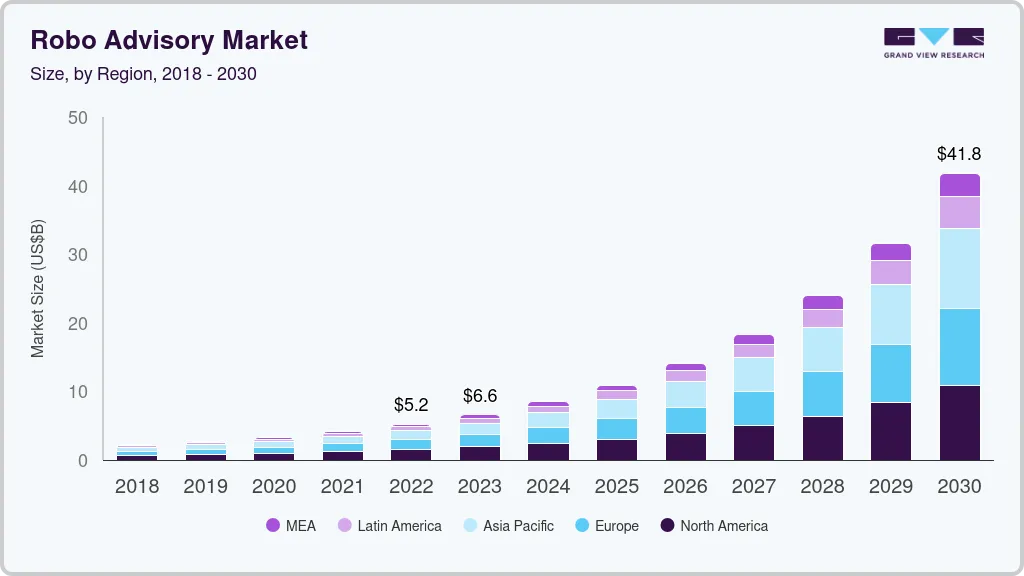
Robo-advisor adoption is accelerating, with over 28% of retail investors using automated investment platforms. LSEG (formerly Refinitiv) reports a 77% increase in client retention for advisors leveraging digital wealth tools, while hybrid models generate 56%+ of market revenue, highlighting the growing demand for AI-driven, scalable wealth management solutions.
A. Rising Demand for AI-Powered Investing
Modern retail investors expect the same frictionless, digital-first experiences in wealth management that they receive in consumer e-commerce and digital banking.
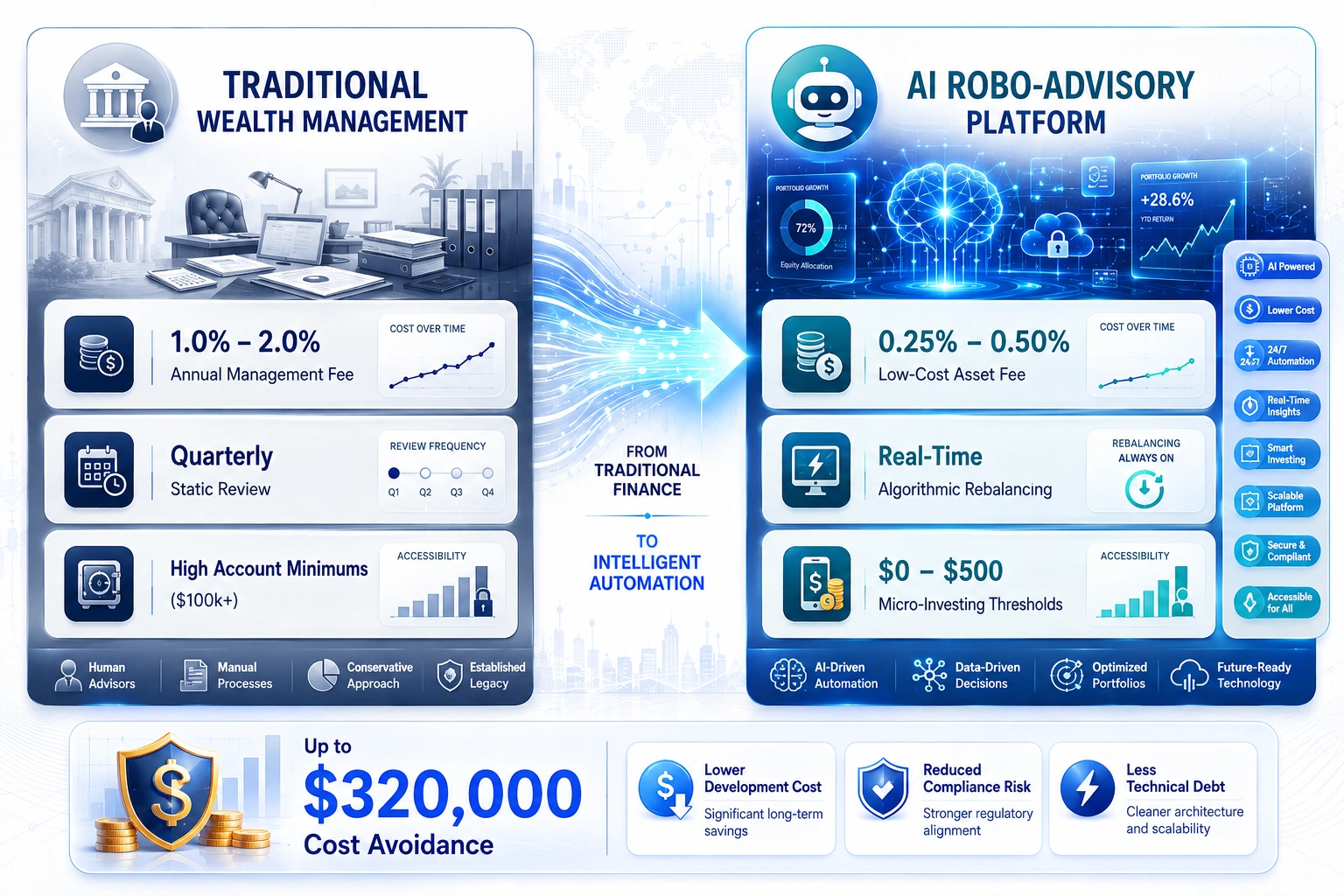
Static, annual portfolio reviews are rapidly being replaced by real-time, automated portfolio management:
- Demographic Adoption Shifts: Over 41% of Millennials and 40% of Gen Z investors prefer robo-advisors over traditional financial planners, accelerating demand for transparent, mobile-first investing platforms.
- Drastic Cost Reduction: Traditional advisors typically charge 1.00%–1.50% of AUM, while robo-advisors reduce management fees to 0.25%–0.50%, making professional portfolio management more accessible.
- Algorithmic Tax Optimization: Robo-advisors automate tax-loss harvesting (TLH) and dividend reinvestment, improving portfolio efficiency and adding an estimated 0.68% – 1.00%+ in annual net value for taxable portfolios.
B. Why Businesses Are Investing in Robo-Advisor Platforms
Banks, traditional brokerages, wealth managers, and fintechs are aggressively deploying white-label and proprietary robo-advisory software to protect market share, lower operational costs, and scale client coverage.
| Operational Vector | Traditional Human Advisory | AI & Robo-Advisory Software Platform | Commercial Impact |
| Cost to Serve (Per Account) | High ($500 – $1,500/year in advisor labor) | Ultra-Low ($10 – $30/year via automation) | Reduces operating costs while improving profit margins. |
| Advisor-to-Client Ratio | 1 human advisor manages ~75 to 100 accounts. | 1 human advisor (Hybrid model) manages 1,000+ accounts. | Scales operational capacity by 10x without increasing advisory headcount. |
| Account Minimums | $50,000 – $250,000+ per client | $0 – $500 (Enables fractional share investing) | Expands market reach by making professional investing more accessible. |
| Advisor Scaling Capacity | 100 – 150 accounts per human advisor | 10,000+ accounts instant onboarding (<5 minutes) per hybrid advisor team | Lowers customer acquisition cost (CAC) and reduces signup abandonment. |
| Hybrid Revenue Share | Fully manual time-for-money model. | Hybrid robo-advisors hold 56.5% to 63.8% of global market revenue. | Blends algorithmic efficiency with high-margin human oversight for complex planning. |
Key Factors Driving Corporate Investment
The expansion of robo-advisory software is driven by key technological integration vectors and regulatory shifts across global markets:
- Scaling High-Margin Account Volumes: By automating routine tasks such as automated risk profiling, asset allocation, and rebalancing firms reduce client servicing costs by over 80%, making accounts under $10,000 highly profitable.
- Capturing the Mass Affluent Segment: Traditional wealth managers historically ignored accounts under $250,000 due to labor costs. White-label robo-advisors allow banks to onboard and nurture younger, mass-affluent clients early in their wealth accumulation lifecycle.
- The Rise of “Buy vs. Build” M&A: Financial institutions are acquiring established robo platforms rather than building in-house from scratch, exemplified by major bank buyouts (such as MUFG’s $660 million acquisition of WealthNavi) to rapidly modernize legacy wealth architectures.
- The Great Wealth Transfer: Tech-native Millennials and Gen Z cohorts, who are inheriting over $84 trillion in wealth through 2045, overwhelmingly prefer digital-first investment interfaces over traditional face-to-face advisor consultations.
- Dominance of Hybrid Advisory Models: Combining automated algorithmic rebalancing with on-demand access to certified human planners represents the fastest-growing market segment, controlling over 56% to 63% of total industry revenue.
The Enterprise Takeaway: Traditional high-touch wealth management models risk losing market share during generational wealth transfers. Conversely, adopting automated or hybrid robo-advisory platforms helps institutions reduce costs, scale capacity, and provide personalized, continuous financial planning.

What Is a Robo-Advisor App?
A Robo-Advisor App is an AI-powered digital wealth management platform that automatically creates, manages, and optimizes investment portfolios based on a user’s financial goals, investment horizon, and risk tolerance. Unlike traditional human-advisory services, it uses algorithms and optimization models to deliver personalized strategies at lower costs with minimal manual intervention.
Operating as an “AI-driven digital investment ecosystem,” the platform provides diversified portfolios based on user risk assessments, goals, and funding. Key to its value is automated portfolio management, which handles rebalancing, goal tracking, dividend reinvestment, tax optimization, and real-time monitoring seamlessly.
A. How a Robo-Advisor App Works
A robo-advisor app operates as a self-service financial engine, taking users through an end-to-end, automated onboarding and management pipeline:
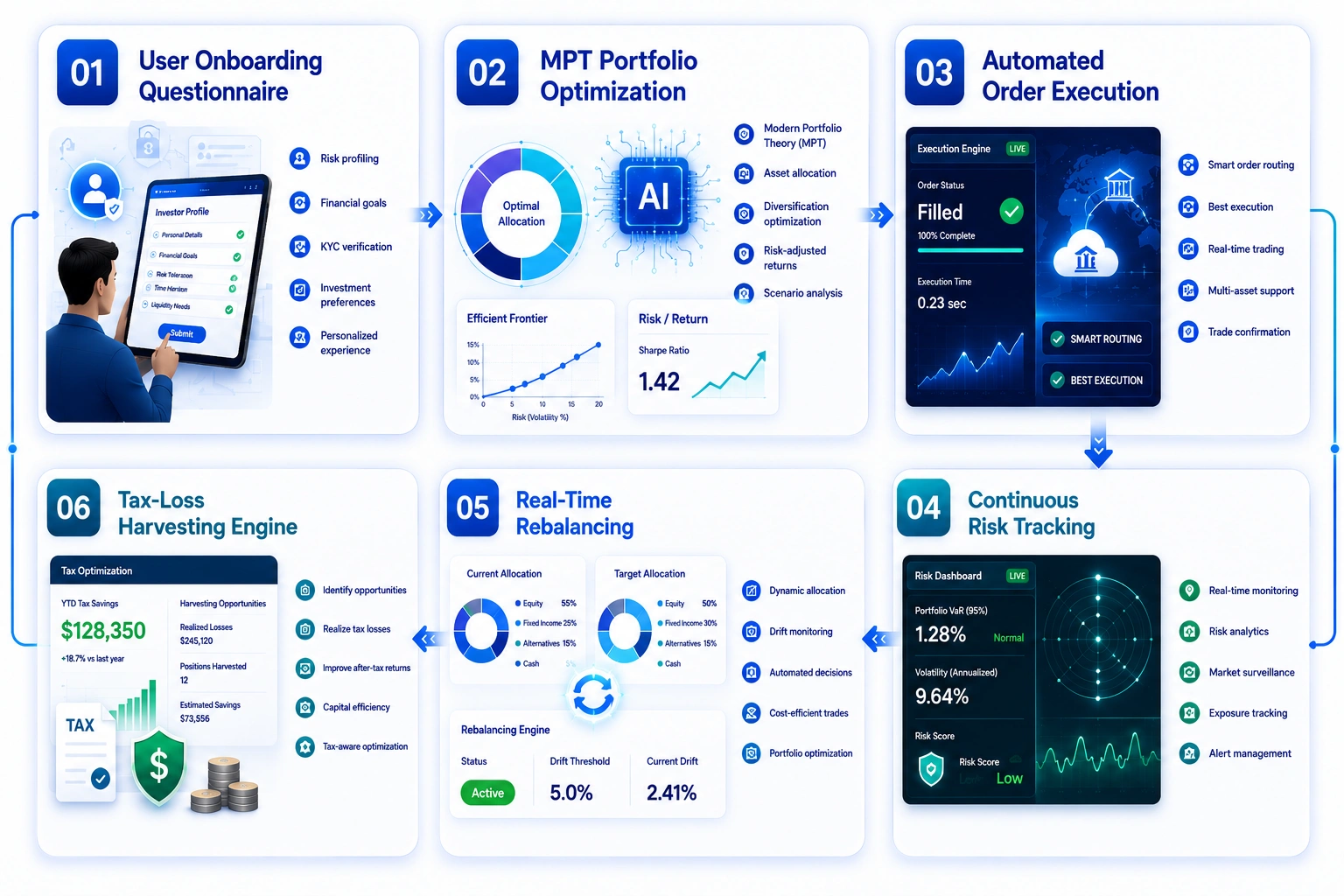
Each stage is designed to automate investment decisions, reduce manual intervention, and deliver personalized portfolio management based on individual financial goals and risk tolerance.
- Digital Risk Profiling: The user completes an interactive questionnaire evaluating their investment horizon, income stability, financial goals, and loss tolerance. Algorithms assign a normalized risk score (e.g., 1 to 10).
- Automated Portfolio Construction: Based on the risk score, the app assigns an optimized portfolio composed of low-cost Exchange-Traded Funds (ETFs) covering equities, fixed income, real estate, and commodities.
- Account Funding & Fractional Trading: Users transfer funds via ACH or instant bank sync. Brokerage APIs automatically break transfers down into fractional shares, ensuring 100% of cash is invested without leaving drag.
- Continuous Portfolio Monitoring: The platform’s backend constantly checks asset allocations against target weights, initiating trades automatically whenever market fluctuations drift the portfolio out of balance.
B. How AI Automates Portfolio Management
Modern robo-advisory platforms move beyond simple static asset allocation. They utilize artificial intelligence, machine learning models, and quantitative algorithms to optimize portfolio yield in real time:
| AI & Algorithmic Feature | Manual Wealth Management | Robo-Advisor AI Execution | Quantifiable Financial Benefit |
| Automated Portfolio Rebalancing | Manual reviews performed 1–4 times a year. | Continuous drift tracking that auto-triggers buy/sell orders when weights shift >5%. | Keeps risk exposure aligned with investor goals without manual labor. |
| Tax-Loss Harvesting (TLH) | Executed manually at year-end for high-net-worth accounts. | Executes daily automated TLH, replacing sold assets with correlated ETFs to maintain exposure. | Adds 0.68% to 1.50%+ in annual net after-tax alpha. |
| Direct Indexing & Customization | Requires purchasing individual stocks (cost-prohibitive for retail). | AI-powered direct indexing supports ESG preferences and custom stock exclusions. | Provides institutional-grade portfolio customization to retail accounts. |
| Conversational AI Financial Coaching | Requires booking a session with a human planner. | LLM-powered assistants answer investment, retirement, and spending questions through natural language. | Provides immediate 24/7 financial guidance without adding support headcount. |
C. Types of Robo-Advisor Platforms You Can Build
Building a robo-advisor platform starts with choosing the right business model. Different platform types serve different investor segments and require varying levels of AI capabilities, compliance, financial integrations, and engineering effort, all of which directly influence development costs.
| Platform Type | Best Suited For | Core Capabilities | Estimated Development Cost |
| Retail Investment Robo-Advisor | Fintech startups and investment firms | Risk profiling, ETF portfolios, automated investing, goal planning, portfolio tracking | $80,000 – $180,000 |
| Hybrid Wealth Management Platform | Wealth managers and financial advisors | AI portfolio management, human consultations, financial planning, collaboration | $180,000 – $350,000 |
| Long-Term Investment Platform | Pension providers and retirement planners | Retirement forecasting, goal investing, automated rebalancing, tax optimization | $150,000 – $300,000 |
| Banking & Brokerage Advisory Platform | Banks, brokerages, and financial institutions | Multi-account, brokerage integration, portfolio management | $300,000 – $700,000+ |
| Crypto Robo-Advisor Platform | Crypto exchanges and Web3 fintech companies | Digital assets, crypto optimization, automated rebalancing, staking support | $180,000 – $400,000 |
| ESG & Sustainable Investing Platform | Asset managers and sustainable investment firms | ESG screening, impact investing, personalized allocation, performance reporting | $150,000 – $320,000 |
Note: The final development cost depends on factors such as AI sophistication, regulatory requirements, supported asset classes, third-party integrations, and whether the platform is built for retail investors, enterprises, or regulated financial institutions.
The Enterprise Takeaway: Robo-advisor apps are no longer a niche alternative to traditional wealth management; they represent the new operational standard. By replacing high manual overhead with algorithmic rebalancing, daily tax-loss harvesting, and seamless API integrations, financial institutions can lower operating costs, expand client capacity, and build digital wealth tools that scale.
Robo-Advison App Features That Increase Development Budget
Advanced robo-advisory capabilities require sophisticated algorithms, financial modeling, regulatory compliance, real-time analytics, and AI-driven automation. These premium functionalities significantly increase development complexity, third-party integrations, testing requirements, and infrastructure costs, making them the primary contributors to the overall robo-advisor app development budget.
| Key Features | What is the Key Feature About | Estimated Cost |
| Risk Profiling Assessment | Uses investor questionnaires, behavioral analytics, financial goals, investment horizon, and risk tolerance algorithms to recommend compliant personalized investment strategies. | $8,000–$18,000 |
| Asset Allocation & Portfolio Diversification | Allocates investments across ETFs, mutual funds, equities, bonds, and alternative assets using optimization models for diversified risk-adjusted returns. | $15,000–$35,000 |
| Automated Portfolio Construction | Automatically builds personalized portfolios based on investor objectives, asset allocation models, market conditions, and selected investment products with minimal intervention. | $12,000–$30,000 |
| Continuous Portfolio Rebalancing | Monitors allocation drift and automatically executes portfolio adjustments using predefined thresholds while maintaining target risk exposure and investment objectives. | $10,000–$25,000 |
| Goal-Based Wealth Investing | Enables users to define retirement, education, home purchase, or wealth goals with personalized investment recommendations and financial projections. | $12,000–$28,000 |
| Tax-Loss Harvesting Automation | Automatically identifies loss-making investments, executes tax-efficient trades, minimizes taxable gains, and improves long-term after-tax portfolio performance through optimization. | $15,000–$35,000 |
| Portfolio Monitoring & Tracking | Provides real-time portfolio valuation, benchmark comparisons, performance analytics, investment insights, alerts, and comprehensive reporting dashboards for investors. | $10,000–$22,000 |
| Hybrid Advisory & Financial Support | Combines AI-powered investment automation with certified financial advisor consultations, personalized recommendations, and secure communication for complex financial planning. | $20,000–$45,000 |
Note: Estimated costs represent approximate development expenses and may vary depending on application complexity, regulatory requirements, technology stack, integrations, and development location.
How Much Does a Robo-Advisor App Cost to Build
Building a robo-advisor app goes beyond dashboards and AI, involving strategy design, portfolio engineering, financial integrations, and compliance. Each stage impacts cost differently, helping founders prioritize features, plan budgets, and make informed decisions for building a secure, scalable platform.
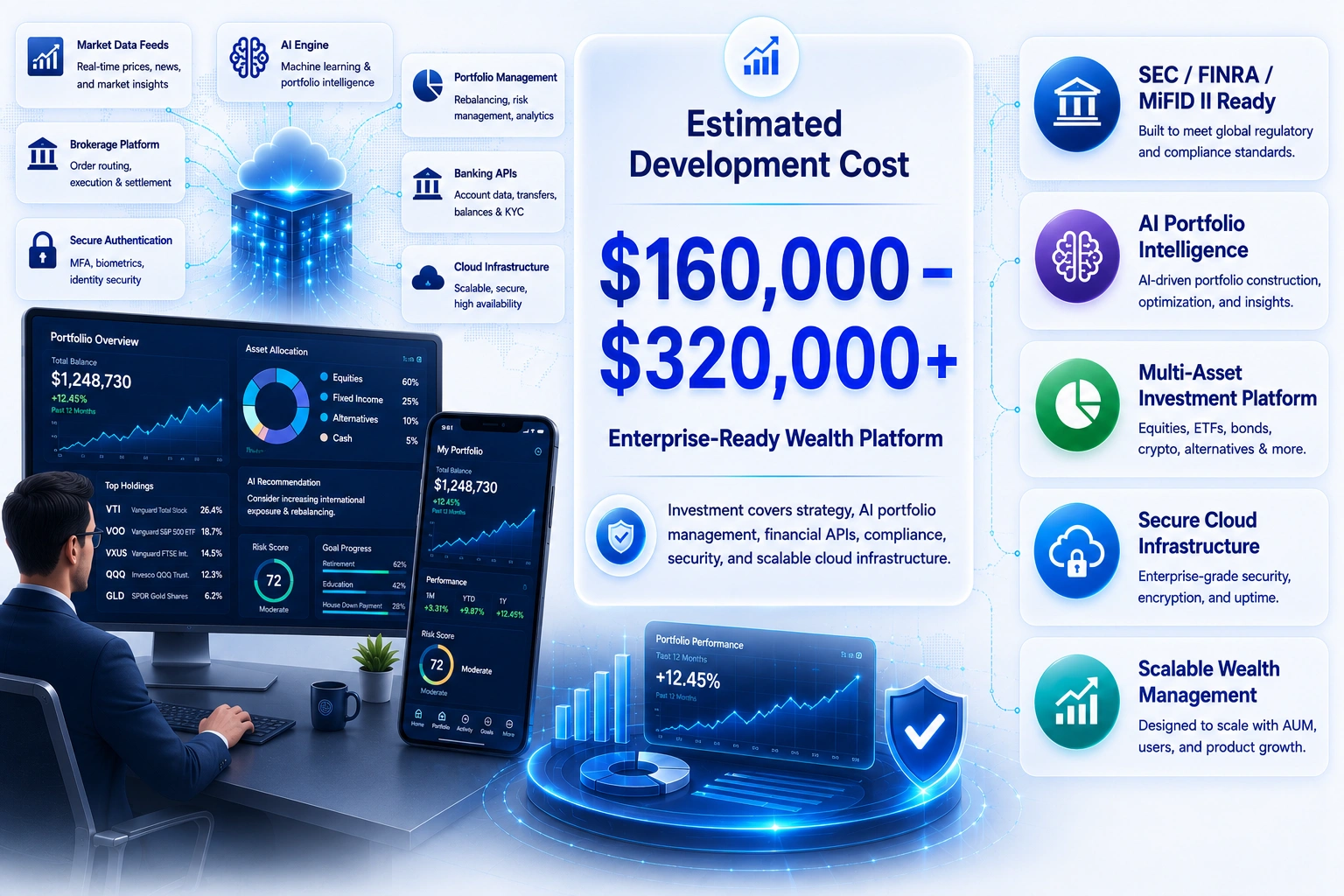
1. Investment Planning & Risk Assessment Development
We begin every robo-advisor project by defining the investment strategy, investor personas, risk assessment models, asset classes, financial goals, and technical architecture. This strategic foundation helps us build a secure, compliant, and scalable wealth management platform while minimizing development risks.
| Development Task | Estimated Cost | What This Phase Covers |
| Investment Strategy Discovery | $4,000 – $8,000 | Define supported investment products, portfolio models, asset allocation strategies, and business objectives. |
| User & Business Requirement Analysis | $3,000 – $6,000 | Gather functional requirements, investor journeys, stakeholder expectations, and platform capabilities. |
| Risk Profiling Framework Design | $5,000 – $12,000 | Design investor questionnaires, risk scoring methodology, suitability assessments, and investment profiles. |
| Portfolio Strategy Planning | $4,000 – $7,000 | Define diversification rules, investment goals, rebalancing strategy, and long-term wealth management workflows. |
| Technical Architecture Planning | $5,000 – $9,000 | Design cloud architecture, technology stack, APIs, databases, security framework, and scalability roadmap. |
| Total Estimation | $21,000 – $42,000 | Complete strategic planning required to build a scalable, AI-powered robo-advisor platform. |
2. AI Portfolio Management Engine Development
Our developers build the intelligence layer that powers automated portfolio management, including AI-driven asset allocation, portfolio optimization, automated rebalancing, predictive analytics and personalized investment recommendations tailored to each investor’s financial objectives.
| Development Task | Estimated Cost | What This Phase Covers |
| Asset Allocation Engine | $7,000 – $14,000 | Build algorithms that allocate investments across multiple asset classes based on investor profiles. |
| AI Portfolio Optimization | $8,000 – $18,000 | Develop machine learning models that optimize portfolios according to risk, return, and market conditions. |
| Automated Portfolio Rebalancing | $6,000 – $12,000 | Automate portfolio adjustments based on predefined thresholds and changing market dynamics. |
| Goal-Based Investment Engine | $5,000 – $10,000 | Build investment logic around retirement, education, wealth accumulation, and other financial goals. |
| Tax-Loss Harvesting Logic | $6,000 – $11,000 | Implement tax-efficient portfolio optimization through automated loss harvesting strategies. |
| Predictive Investment Analytics | $7,000 – $15,000 | Develop AI-powered forecasting, performance analysis, and investment recommendation capabilities. |
| Total Estimation | $39,000 – $80,000 | Build the intelligent automation engine responsible for portfolio management and personalized investing. |
3. Financial Infrastructure & API Integration
Our team integrates the robo-advisor platform with brokerage systems, banking services, payment gateways, market data providers, identity verification solutions, and other financial APIs to enable secure, reliable, and real-time investment operations.
| Development Task | Estimated Cost | What This Phase Covers |
| Brokerage API Integration | $6,000 – $12,000 | Connect brokerage platforms to execute investment orders and manage portfolios. |
| Banking & Payment Integration | $5,000 – $10,000 | Enable account funding, withdrawals, recurring investments, and payment processing. |
| Market Data Integration | $6,000 – $11,000 | Integrate real-time stock prices, ETF data, mutual funds, and financial market feeds. |
| KYC & Identity Verification | $4,000 – $8,000 | Connect identity verification services to support secure investor onboarding. |
| Portfolio Accounting Integration | $5,000 – $9,000 | Synchronize transactions, holdings, dividends, and portfolio valuation data. |
| Notification & Communication APIs | $3,000 – $6,000 | Implement email, SMS, and push notifications for investment updates and alerts. |
| Third-Party Reporting Services | $4,000 – $7,000 | Generate investment statements, tax reports, and regulatory reporting documents. |
| Total Estimation | $33,000 – $68,000 | Establish the financial infrastructure required for reliable investment operations. |
4. Compliance, Security & Data Protection
Our developers implement robust security controls and regulatory frameworks to protect investor data and ensure compliance with financial regulations. This includes KYC/AML workflows, encryption, fraud detection, authentication systems, audit trails, and cybersecurity best practices.
| Development Task | Estimated Cost | What This Phase Covers |
| Regulatory Compliance Implementation | $6,000 – $12,000 | Implement compliance requirements such as SEC, FINRA, MiFID II, GDPR, or other regional regulations. |
| AML Monitoring System | $5,000 – $9,000 | Develop anti-money laundering workflows, sanctions screening, and transaction monitoring. |
| Data Encryption & Key Management | $4,000 – $8,000 | Secure financial data through encryption, secure storage, and key management systems. |
| Authentication & Authorization | $4,000 – $7,000 | Implement MFA, biometric login, RBAC, and secure access controls. |
| Fraud Detection & Risk Monitoring | $6,000 – $11,000 | Develop AI-powered fraud detection and suspicious activity monitoring systems. |
| Audit Trail & Compliance Logs | $3,000 – $6,000 | Maintain immutable activity logs for regulatory audits and investor transparency. |
| Security Testing & Vulnerability Assessment | $5,000 – $9,000 | Perform penetration testing, vulnerability scanning, and security validation before launch. |
| Total Estimation | $33,000 – $67,000 | Build a secure, regulation-ready robo-advisor platform that protects investor assets and data. |
5. Analytics, Testing & Production Launch
Before deployment, our team validates every component of the platform through comprehensive testing, AI model evaluation, security assessments, and production readiness checks. This ensures the robo-advisor platform launches with the performance, reliability, and scalability required for long-term success.
| Development Task | Estimated Cost | What This Phase Covers |
| Investor Analytics Dashboard | $5,000 – $9,000 | Develop dashboards for portfolio performance, returns, asset allocation, and financial insights. |
| Performance Reporting Module | $4,000 – $7,000 | Generate investment reports, statements, benchmarking, and historical performance metrics. |
| Functional & Regression Testing | $5,000 – $9,000 | Validate all workflows, investment calculations, and platform functionality before release. |
| AI Model Validation | $5,000 – $10,000 | Evaluate AI prediction accuracy, portfolio recommendations, and optimization algorithms. |
| Security & Penetration Testing | $5,000 – $8,000 | Conduct final security audits and penetration testing prior to production deployment. |
| Cloud Deployment & DevOps | $6,000 – $10,000 | Configure cloud infrastructure, CI/CD pipelines, monitoring, backups, and disaster recovery. |
| Production Monitoring & Maintenance Setup | $4,000 – $8,000 | Implement logging, application monitoring, incident response, and maintenance workflows. |
| Total Estimation | $34,000 – $63,000 | Prepare the robo-advisor platform for a secure, scalable, and successful production launch. |
Robo-Advisor App Development Cost by Complexity
The total investment required to build a robo-advisor platform depends on the product’s scope, AI capabilities, compliance requirements, financial integrations, and scalability goals. As functionality expands, development complexity and engineering effort increase accordingly.
The table below compares estimated development costs across MVP, growth-stage, and enterprise robo-advisor platforms based on their capabilities and overall implementation complexity.
| Platform Complexity | Ideal For | Key Capabilities | Estimated Cost |
| Basic Robo-Advisor MVP | Startups validating product-market fit | Onboarding, risk profiling, basic portfolio recommendations, ETF investing, account management, goal-based investing, basic reporting, and security. | $80,000 – $160,000 |
| Growth-Stage Wealth Platform | Fintech companies scaling operations | AI portfolio optimization, automated rebalancing, brokerage APIs, market data integration, tax-loss harvesting, KYC/AML compliance. | $160,000 – $320,000 |
| Enterprise Digital Wealth Ecosystem | Banks, brokerages, and large financial institutions | Multi-asset portfolio management, advanced AI models, hybrid advisory, multi-currency support, automated regulation, and high-availability cloud infrastructure. | $320,000 – $700,000+ |
Note: These estimated robo advisor app development cost cover only the core development of the platform. Additional expenses such as market data licensing, third-party integrations, regulatory compliance, AI infrastructure, and cloud operations can significantly increase the total investment over time.
Hidden Costs Many Founders Overlook
Beyond core development, several operational and regulatory expenses significantly influence the total cost of launching and maintaining a robo-advisor platform. These robo advisor app development cost typically emerge during implementation, compliance reviews, scaling, or production operations, making them easy to underestimate during initial budgeting.
1. Financial Market Data Licensing
Real-time and historical market data licensing from exchanges and premium providers typically costs $500–$2,000/month, increasing to $5,000–$25,000+/month for multi-exchange, global equities, ETFs, crypto, and derivatives coverage.
2. Brokerage and Banking Integrations
Integrating brokerages, custodians, banking APIs, and payment providers typically costs $10,000–$50,000 per integration, with ongoing 0.05% – 0.5% per trade or $1,000–$10,000/month in maintenance and transaction fees.
3. Regulatory Audits and Certifications
Achieving SOC 2, ISO 27001, AML/KYC, and regulatory compliance typically costs $15,000–$60,000 initially, with annual audits, legal reviews, and compliance maintenance adding $20,000–$100,000+/year.
4. AI Model Training and Monitoring
Building AI portfolio recommendation models costs $20,000–$100,000, while MLOps, model retraining, bias evaluation, explainability validation, and monitoring require $2,000–$20,000/month based on model complexity and data volume.
5. Infrastructure and Operational Scaling
Enterprise infrastructure, high availability, disaster recovery, observability, cybersecurity, and global scaling typically cost $1,000–$5,000/month initially, increasing to $10,000–$50,000+/month as trading volume and users grow.
Core Integrations That Influence Robo-Advisor Development Costs
Third-party integrations form the backbone of a robo-advisor platform, enabling secure investing, regulatory compliance, portfolio management, and real-time financial operations. The right integration stack directly impacts both robo advisor app development cost and the overall user experience.
| Integration Category | Purpose | Popular Providers | Estimated Integration Cost |
| Brokerage & Trade Execution APIs | Execute buy/sell orders, portfolio management, order routing | Alpaca, Interactive Brokers, DriveWealth | $10,000–$40,000 |
| Banking, Payments & Account Funding | Deposits, withdrawals, ACH transfers, recurring investments | Plaid, Stripe, Dwolla, TrueLayer | $8,000–$30,000 |
| Market Data & Portfolio Intelligence | Real-time prices, historical data, ETFs, mutual funds, performance metrics | Polygon.io, Morningstar, Refinitiv, Bloomberg | $12,000–$50,000 |
| Identity Verification & Regulatory Compliance | KYC, AML, sanctions screening, identity verification | Persona, Trulioo, Sumsub, Onfido | $8,000–$25,000 |
| Portfolio Reporting & Tax Automation | Investment statements, tax reporting, portfolio accounting | GainsKeeper, Morningstar, Apex Clearing | $8,000–$30,000 |
| Investor Communication & Notifications | Email, SMS, push notifications, OTPs, investment alerts | Twilio, SendGrid, Firebase | $3,000–$12,000 |
Note: AI robo advisor app development cost vary based on API providers, licensing models, transaction volumes, regional compliance requirements, and implementation complexity. Premium financial data and brokerage services often introduce recurring operational expenses beyond initial development.
Build Secure Robo-Advisor App With IdeaUsher
IdeaUsher is a premier product engineering partner and fintech innovator with 11+ years of expertise across 50+ countries. Supported by 250+ experts, 1,000+ completed projects, and a 4.9/5 Clutch rating, we build high-capacity automated wealth management platforms from scratch.
We create premium, SEC- and FINRA-compliant robo-advisory architectures. Built-in automated portfolio rebalancing, risk tolerance profiling, algorithmic trading microservices, and multi-asset market data integration gates ensure undisputed digital wealth market dominance.
A. Discovery and Investment Strategy Consultation
We align your financial platform’s core algorithmic vision with regulatory boundaries and targeted investor profiles before writing code.
- Investor Profiling & Risk Assessment: We design dynamic questionnaires and scoring engines to evaluate risk tolerance, investment goals, time horizon, and liquidity preferences.
- Algorithmic Asset Allocation Mapping: Our engineers build backtested investment models using Modern Portfolio Theory (MPT) and mean-variance optimization to define diversified portfolio allocations.
- Regulatory & License Compliance Mapping: We establish compliant data handling and operational workflows, embedding requirements for SEC, FINRA, MiFID II, and GDPR into the platform architecture.
B. Compliance-First Product Engineering
We safeguard investor capital and sensitive financial data by building your app on ironclad, highly regulated infrastructure.
- Isolated Cloud Runtime & Data Encryption: Financial data is protected using AES-256 and TLS 1.3 encryption within isolated cloud environments, securing data both in transit and at rest.
- Brokerage & Custodian API Integrations: We build secure bi-directional API integrations with brokerages and clearing firms such as Plaid, DriveWealth, and Apex Clearing for seamless trading and fund settlement.
- Role-Based Access Control & Audit Logs: We implement granular RBAC and immutable audit logging to enforce secure administration and maintain tamper-proof, compliance-ready audit trails.
C. AI Portfolio Optimization Development
We transform real-time market telemetry into intelligent, automated wealth management microservices.
- Automated Portfolio Rebalancing: We build low-latency algorithms that continuously monitor portfolio drift and automatically execute trades to maintain target asset allocations.
- Tax-Loss Harvesting: Our developers implement automated tax-loss harvesting strategies that offset capital gains and improve after-tax portfolio returns.
- Predictive AI Analytics & Market Sentiment: We integrate machine learning models that analyze market trends, asset performance, investor sentiment, and macroeconomic indicators to optimize investment decisions.
D. End-to-End Launch and Ongoing Support
We accelerate your robo-advisor platform’s market entry while ensuring enterprise-grade stability and total technical independence.
- Cross-Platform Mobile & Web Experience: We build intuitive iOS, Android, and web applications with real-time portfolio tracking and automated goal progress dashboards.
- Rigorous Backtesting & QA Verification: Our QA engineers perform load, security, and algorithmic stress testing under simulated market conditions before production deployment.
- Zero Vendor Lock-In Asset Delivery: We deliver clean, fully documented source code, giving your organization complete platform ownership and long-term deployment flexibility.
Ready to launch an automated, enterprise-grade wealth management platform? Partner with Idea Usher’s principal fintech and AI software architects to map out your custom product build today.
Top Robo-Advisor Apps in the U.S. WealthTech Market
Robo-advisor apps are transforming modern investing by replacing traditional advisory services with AI-driven automation. These platforms use algorithms to manage portfolios, optimize returns, and provide personalized financial planning with minimal human intervention.
1. Betterment
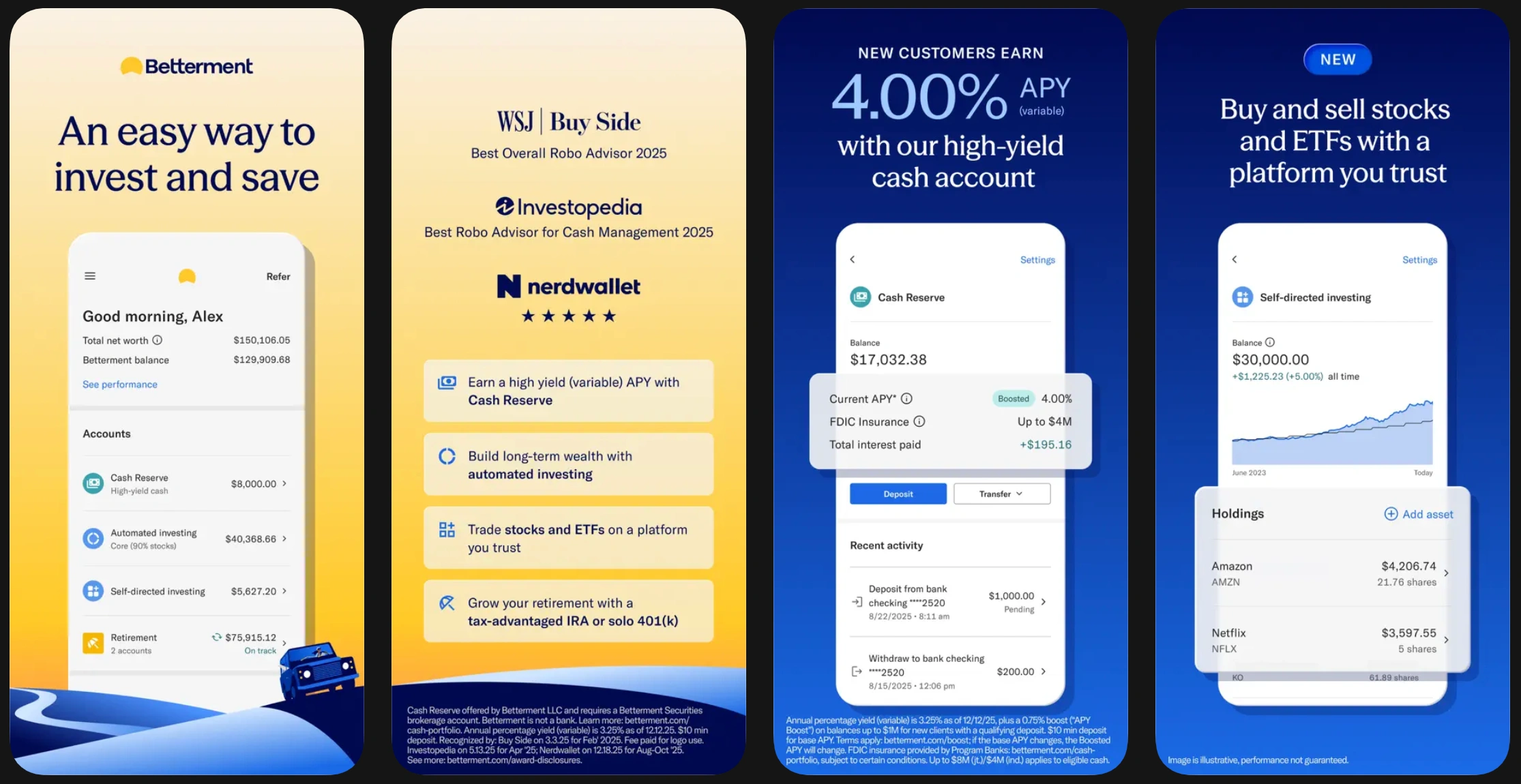
Betterment is one of the pioneers of robo-advisor platforms in the U.S., offering automated portfolio management tailored to users’ financial goals and risk tolerance. Its robo-advisor leverages algorithms for portfolio rebalancing, tax-loss harvesting, retirement planning, and diversified ETF investing, making wealth management accessible and efficient.
2. Wealthfront
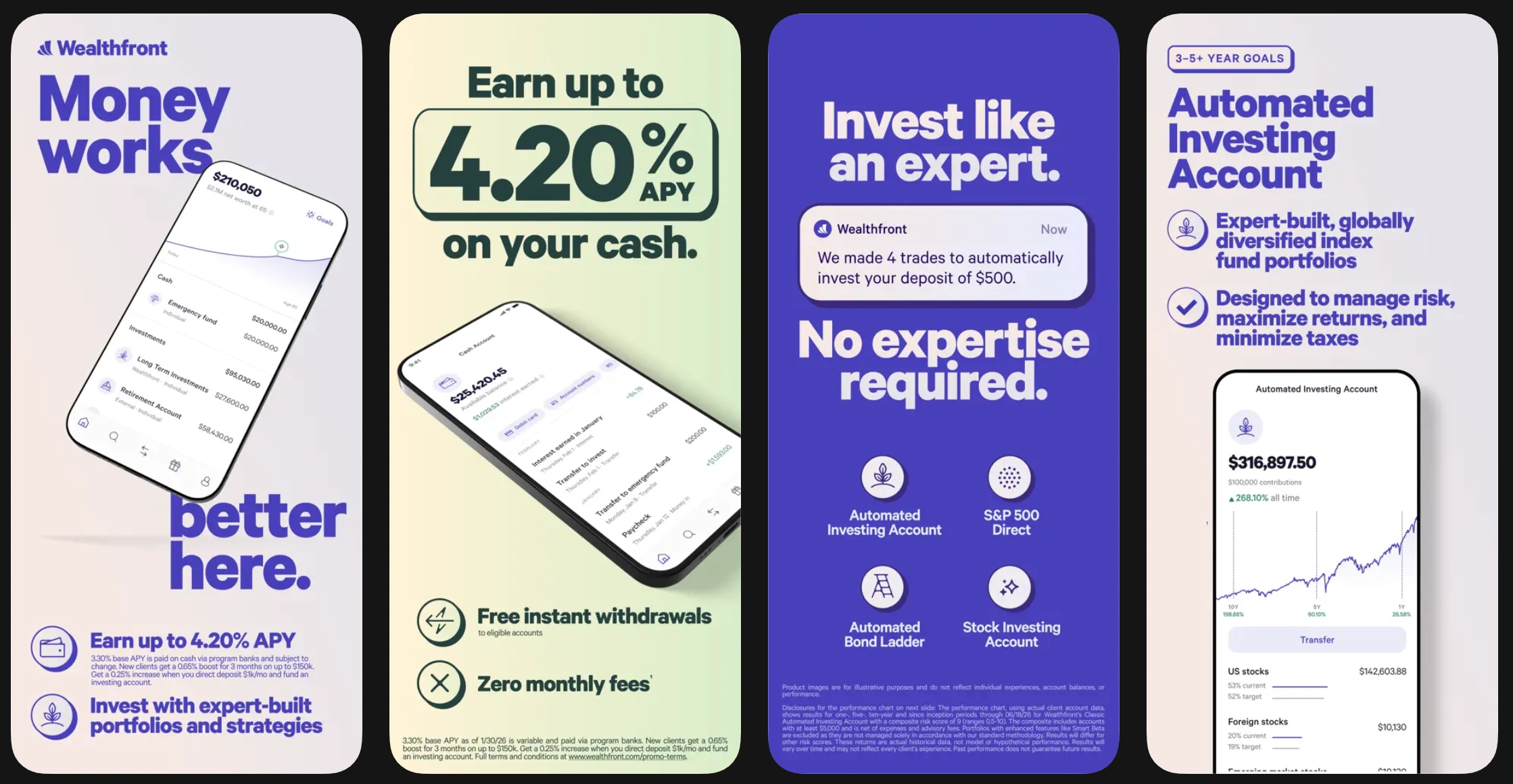
Wealthfront is a leading AI-powered robo-advisor that automates investing through diversified ETF portfolios and intelligent financial planning tools. The platform is known for advanced features like automated tax-loss harvesting, direct indexing, cash management, and goal-based investing, helping users maximize long-term returns with minimal effort.
3. Fidelity Go
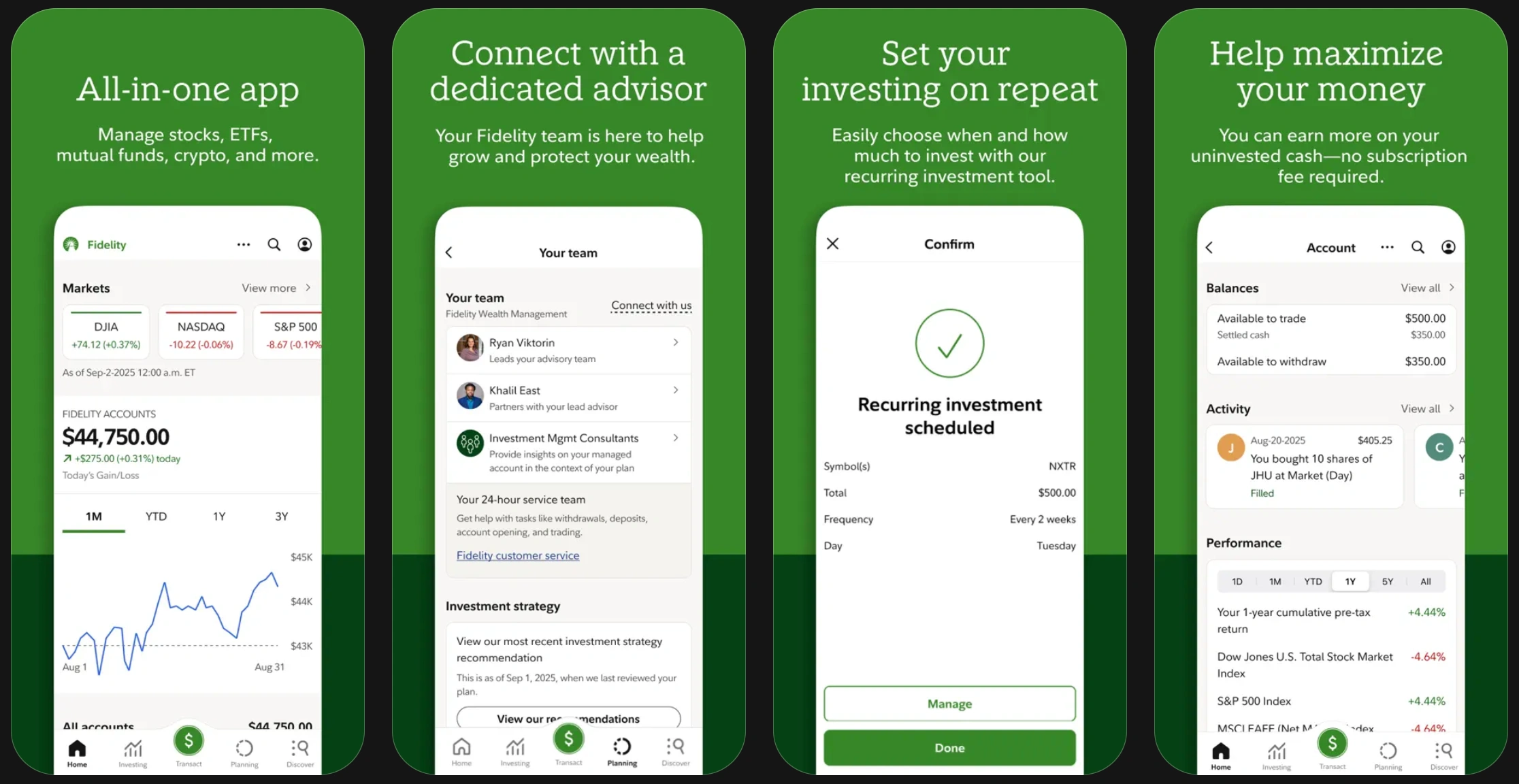
Fidelity Go is a digital robo-advisor designed for beginner and long-term investors seeking automated portfolio management. After assessing an investor’s financial goals and risk profile, the platform builds, monitors, and rebalances portfolios automatically while providing access to financial coaching for qualifying accounts.
4. Schwab Intelligent Portfolios
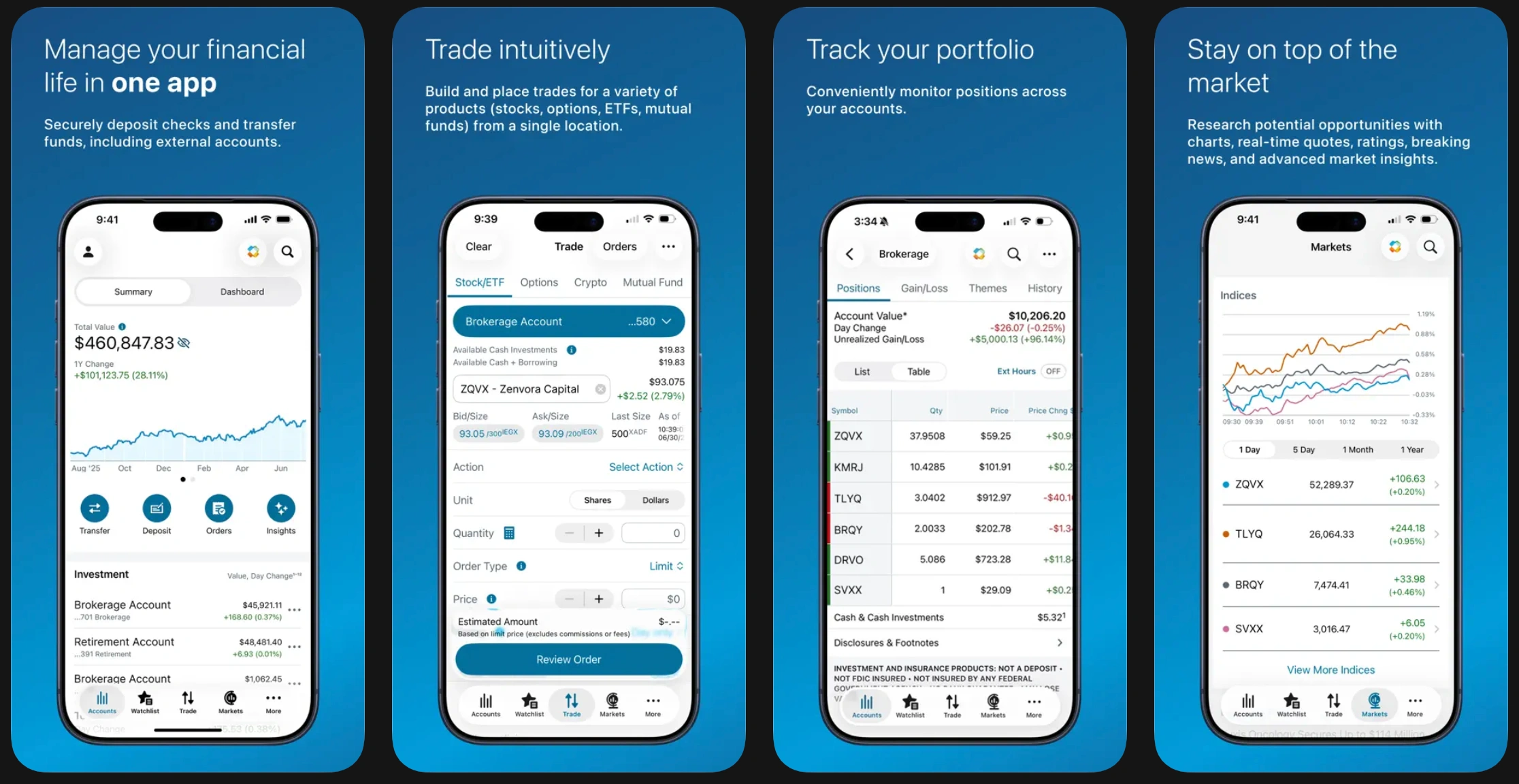
Schwab Intelligent Portfolios is Charles Schwab’s robo-advisor solution that creates diversified ETF portfolios based on investors’ objectives, time horizon, and risk tolerance. It offers automated portfolio monitoring, periodic rebalancing, tax-loss harvesting for eligible accounts, and no advisory fees, making it a popular wealth management platform.
5. SoFi Invest
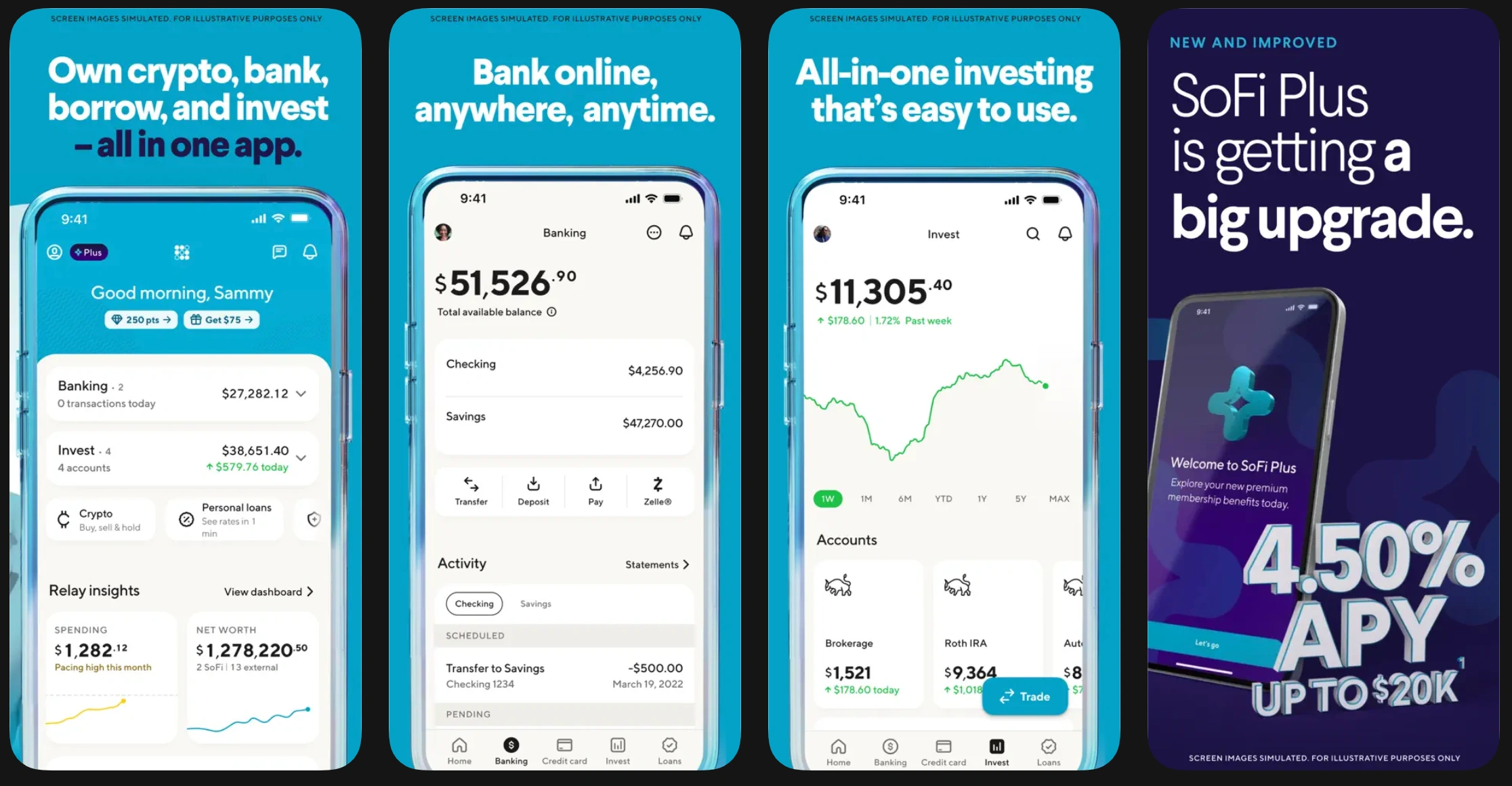
SoFi Invest offers a user-friendly robo-advisor that simplifies investing through automated portfolio creation and ongoing rebalancing. Designed for new and experienced investors alike, it combines goal-based investing, diversified ETF portfolios, automated wealth management, and access to financial planning resources within a single digital platform.
Conclusion
Every robo-advisor platform reflects a different combination of investment strategy, AI capabilities, regulatory requirements, and financial infrastructure, making development costs unique to each business. Careful planning, feature prioritization, and the right technology approach help maximize long-term value while avoiding unnecessary expenses. At IdeaUsher, our fintech experts specialize in designing secure, AI-powered robo advisor app development cost tailored to your business goals, ensuring scalable architecture, regulatory readiness, and a seamless investment experience that supports sustainable growth and market success.
FAQs
A.1. The robo advisor app development cost cost typically ranges from $80,000 to $700,000+, depending on AI capabilities, compliance requirements, financial integrations, supported asset classes, platform complexity, and long term scalability requirements.
A.2. AI portfolio management, automated rebalancing, risk profiling, goal based investing, tax loss harvesting, brokerage integrations, compliance systems, and portfolio analytics significantly increase development complexity because they require sophisticated algorithms, secure infrastructure, and financial data integrations.
A.3. AI enhances robo advisor platforms through intelligent risk profiling, portfolio optimization, automated rebalancing, personalized investment recommendations, predictive analytics, and continuous performance monitoring, delivering more efficient and data driven wealth management experiences.
A.4. Robo advisor platforms must comply with regulations based on their target market, including SEC, FINRA, MiFID II, GDPR, AML, and KYC requirements to ensure secure, transparent, and legally compliant investment services.