

Key Takeaways
- A successful VR pain therapy app like RelievVRx requires immersive experiences, proven therapy methods, and measurable outcomes.
- Essential features include CBT-based therapy sessions, structured programs, pain education modules, and mindfulness practices.
- Developers must focus on clinical planning, UX design, regulatory compliance, and continuous evaluation during development.
- Costs for building a VR pain therapy app range between 120K to 1.5M+ significantly based on complexity, with MVPs costing less than full enterprise solutions.
- Regulatory requirements like FDA compliance and HIPAA protections are crucial for ensuring safety and effectiveness in VR pain therapy.
Chronic pain remains one of healthcare’s most persistent challenges because medication alone rarely addresses the neurological and behavioral factors driving long-term pain. This gap is creating new opportunities in VR pain therapy app development, as healthcare organizations and digital health companies invest in immersive therapeutic platforms that deliver evidence-based, non-pharmacological treatment beyond traditional clinical settings.
Prescription-grade VR therapy platforms combine immersive VR, CBT-based interventions, neuroplasticity, mindfulness, pain distraction, relaxation training, breathing exercises, body awareness, clinician oversight, patient engagement tracking, and regulatory compliance within a unified digital therapeutic ecosystem. Unlike wellness apps, they deliver clinically validated interventions that reduce pain, improve functional outcomes, and drive long-term behavioral change.
In this blog, we will talk about VR pain therapy app development like RelieVRx, its core features, technology stack, development cost, regulatory considerations and how IdeaUsher can help you build a secure and clinically validated VR pain therapy app designed to support personalized pain management, measurable patient outcomes and long-term treatment engagement.
Why VR Is Transforming Chronic Pain Treatment
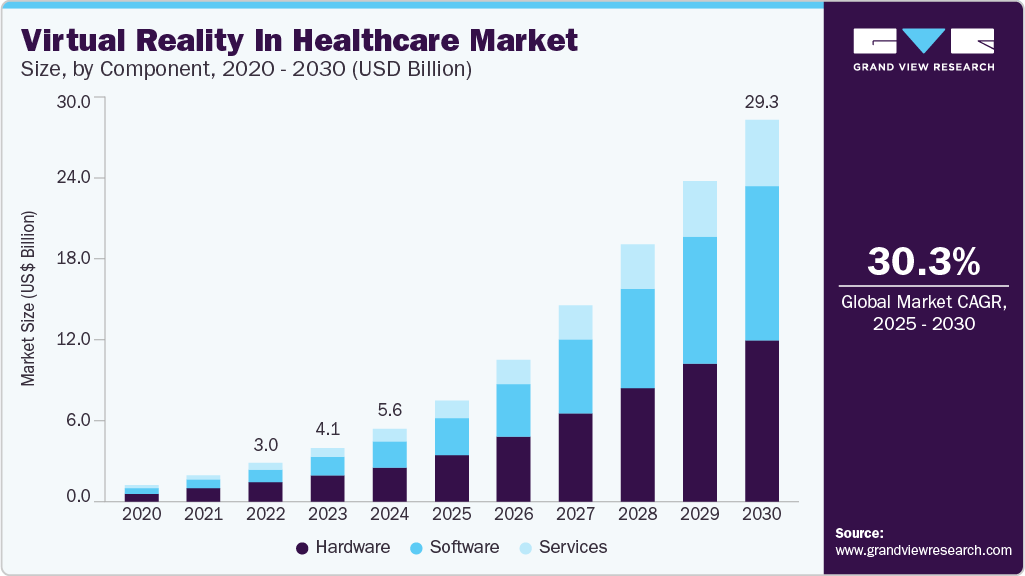
The global virtual reality in healthcare market size was valued at $5.6 billion in 2024 and is projected to grow from $10.9 billion in 2026 to $29.4 billion by 2030, at a CAGR of 30.3%, driven by growing adoption of immersive digital therapeutics, non-invasive pain management solutions, and clinically validated VR interventions.
Driven by severe limitations in traditional pharmacological treatments, the convergence of clinical neuroscience, cloud computing, and immersive hardware has elevated virtual reality from a novelty into a validated medical intervention.
A. Why Traditional Chronic Pain Treatments Are Falling Short
Traditional pain management frameworks rely primarily on pharmacotherapy, invasive procedures, and sporadic outpatient physical therapy. These legacy approaches face systemic limitations across efficacy, safety, and operational scalability.
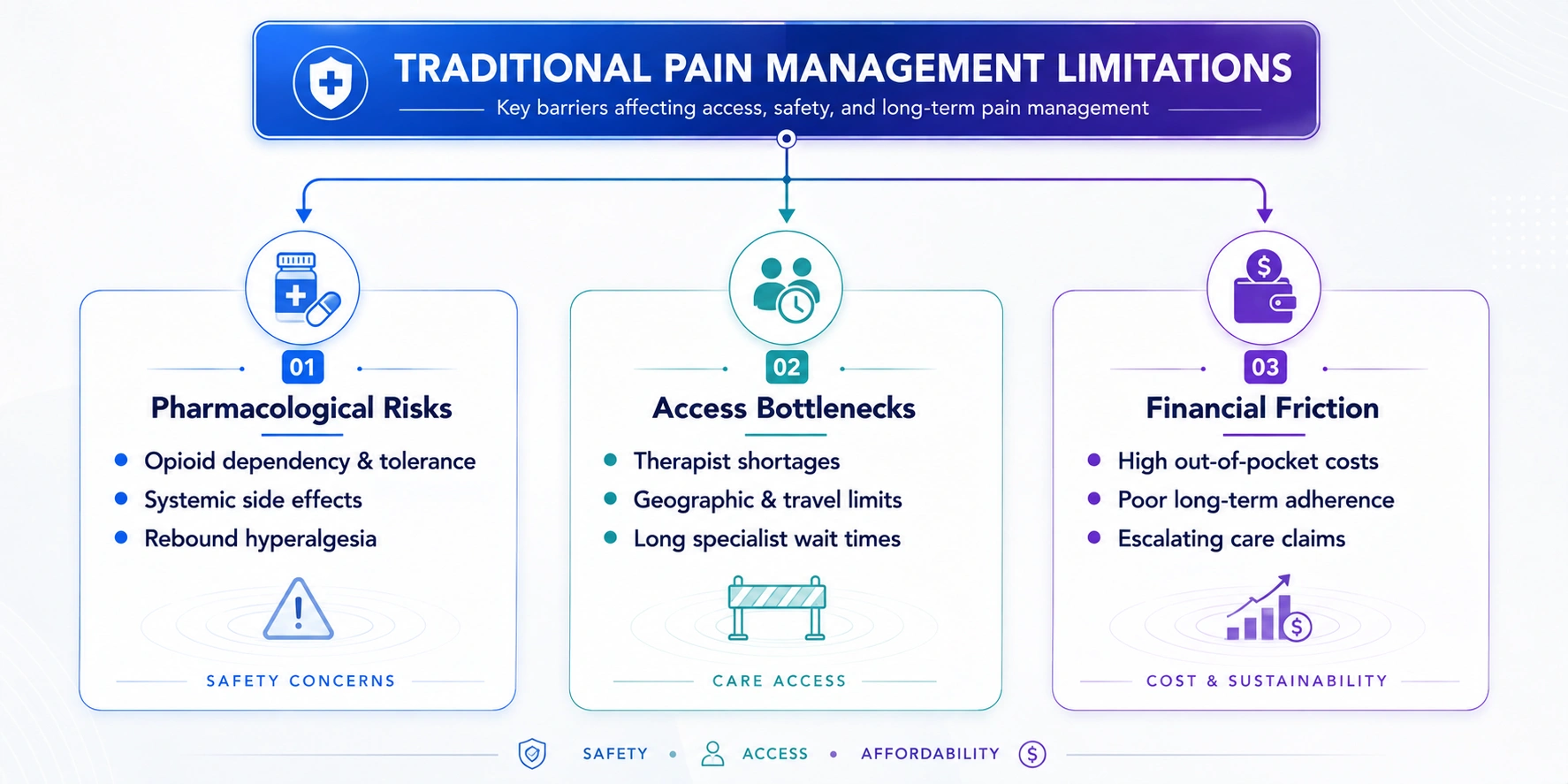
Epidemiological and health economics data highlight the severity of these challenges across modern care delivery:
- High Disease Burden & Healthcare Costs: 51.6 million Americans (over 20% of US adults) live with chronic pain, generating $560–$635 billion annually in healthcare costs and lost productivity.
- Declining Effectiveness of Pain Medications: Long-term analgesic and opioid therapy often leads to treatment tolerance, with up to 40% of patients experiencing opioid-induced hyperalgesia or reduced pain relief.
- Opioid Misuse & Dependency Risks: Clinical studies show 21%–29% of chronic pain patients misuse prescribed opioids, while 8%–12% develop Opioid Use Disorder (OUD).
- Limited Access to Behavioral Therapy: Although Cognitive Behavioral Therapy (CBT) is a gold-standard treatment, fewer than 10% of patients receive specialized care due to fewer than 1,000 US pain psychologists.
- High Costs & Poor Treatment Adherence: Procedures costing $1,500–$4,000 per session and paper-based pain programs with below 20% completion rates limit long-term treatment effectiveness.
B. How Immersive VR Is Redefining Pain Management
Immersive VR does not merely distract patients; it directly alters how the brain perceives, processes, and responds to pain signals through central nervous system modulation.
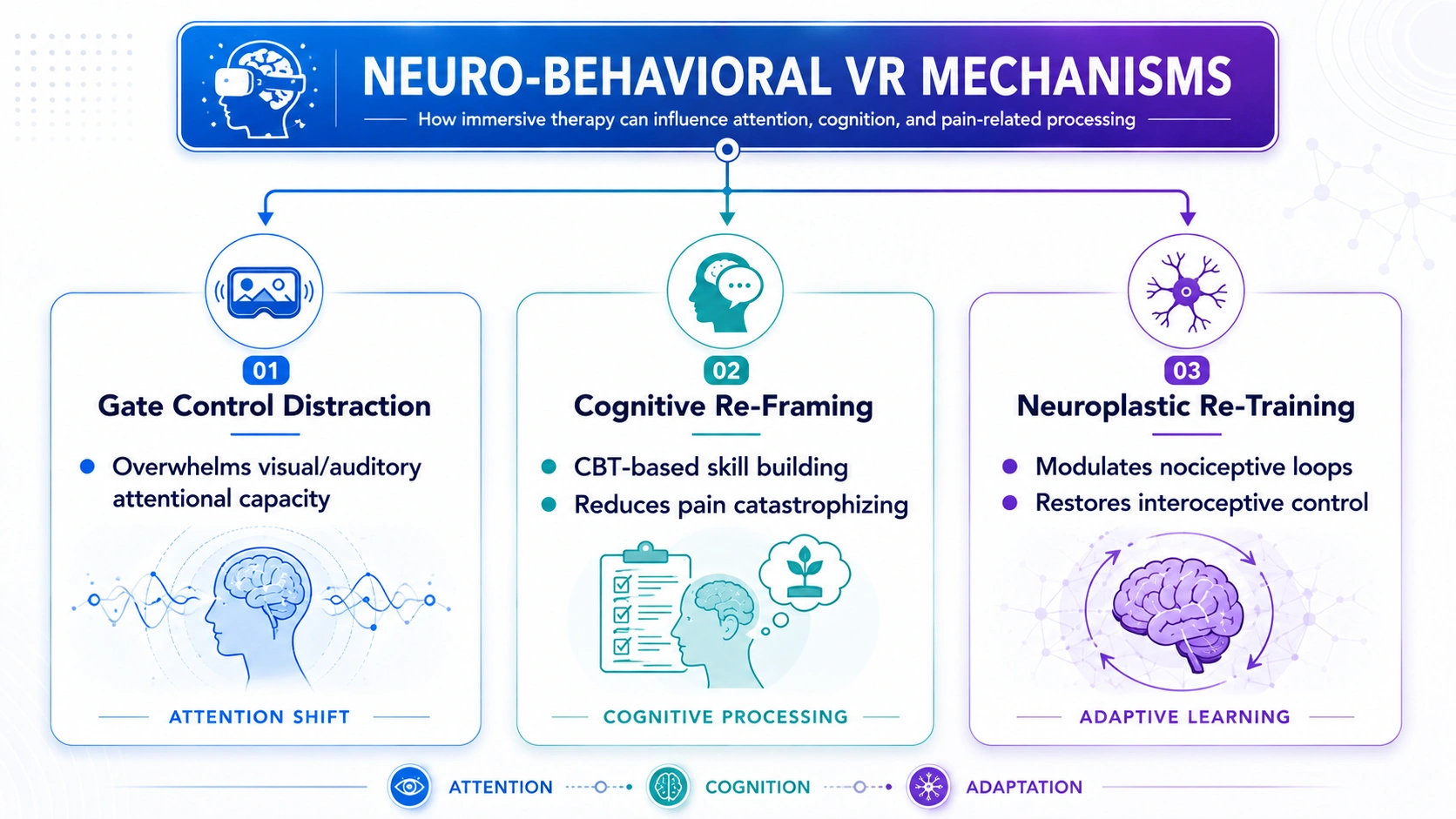
Rigorous clinical research demonstrates the physiological and psychological mechanisms behind VR analgesia:
- Attentional Gating & Pain Modulation: Immersive VR overloads visual and auditory pathways, reducing pain matrix (fMRI) activity by 30%–50% and lowering pain scores by 33%–52% during treatment.
- CBT-Based Virtual Therapy: Interactive VR CBT modules reduce Pain Catastrophizing Scale (PCS) scores by 35%–45% and significantly lower fear-avoidance beliefs compared with standard care.
- Neuroplasticity & Habituation: Daily VR training promotes neuroplasticity, reducing central sensitization and maintaining clinically significant pain relief for 12–24 months after treatment.
- Mindfulness, Relaxation & Biofeedback: VR-guided diaphragmatic breathing, relaxation, and biofeedback reduce sympathetic nervous system activity by 15%–25%, measured through HRV and skin conductance.
- Immersive Gamification & Patient Engagement: Gamified VR therapy achieves 80%–88% program completion rates, over 4× higher than conventional digital health applications.
For example, RelieVRx (by AppliedVR) is the first FDA-authorized, prescription immersive VR therapeutic for chronic lower back pain. In a trial of 1,067 participants, its 56-session (8-week) program achieved a 2.0-point reduction in pain intensity and 2.3-point reduction in pain interference (0–10 scale) compared to sham VR. Over 50% of active participants maintained relief at the 12-month follow-up.
C. Why Healthcare Organizations Are Investing in VR Therapeutics
Healthcare providers, health plans, and venture-backed digital health enterprises recognize that immersive VR platforms solve critical financial, clinical, and operational bottlenecks:
| Strategic Value Driver | Traditional Pain Management App | VR Therapeutic Platform | Business & Financial Impact |
| Payer & Reimbursement Pathways | Disconnected fee-for-service clinical visits. | HCPCS E1905 enables reimbursable VR CBT prescriptions and digital therapy delivery. | Creates predictable fee-for-service and value-based reimbursement revenue. |
| Digital-First Care Delivery | In-clinic care limited by facility capacity. | Prescription Digital Therapeutics (PDTs) deliver VR therapy directly to patients at home. | Expands patient reach without increasing physical infrastructure. |
| Value-Based Care Alignment | Higher risk of pain-related ER visits and longer hospital stays. | VR programs save $5.39 per patient overall and ~$98.49 per accepting patient by reducing length of stay. | Lowers total cost of care for ACOs and self-insured employers. |
| Remote Patient Monitoring (RPM) | No visibility into patient progress between appointments. | Connected headsets stream adherence, session duration, and biometric data in real time. | Enables proactive interventions through real-time clinical dashboards. |
| Platform Scalability | 1:1 therapist-to-patient care limits capacity. | 1:Many software-driven VR therapy supports thousands of concurrent patients. | Increases clinical throughput while reducing per-patient delivery costs. |
The Enterprise Takeaway: VR is shifting chronic pain treatment from a chemical-dependent paradigm to an active, software-driven neuro-rehabilitation model. Building or adopting a prescription VR platform allows healthcare providers and digital health startups to lower systemic care costs, capture emerging reimbursement streams, and deliver scalable, non-addictive pain relief.
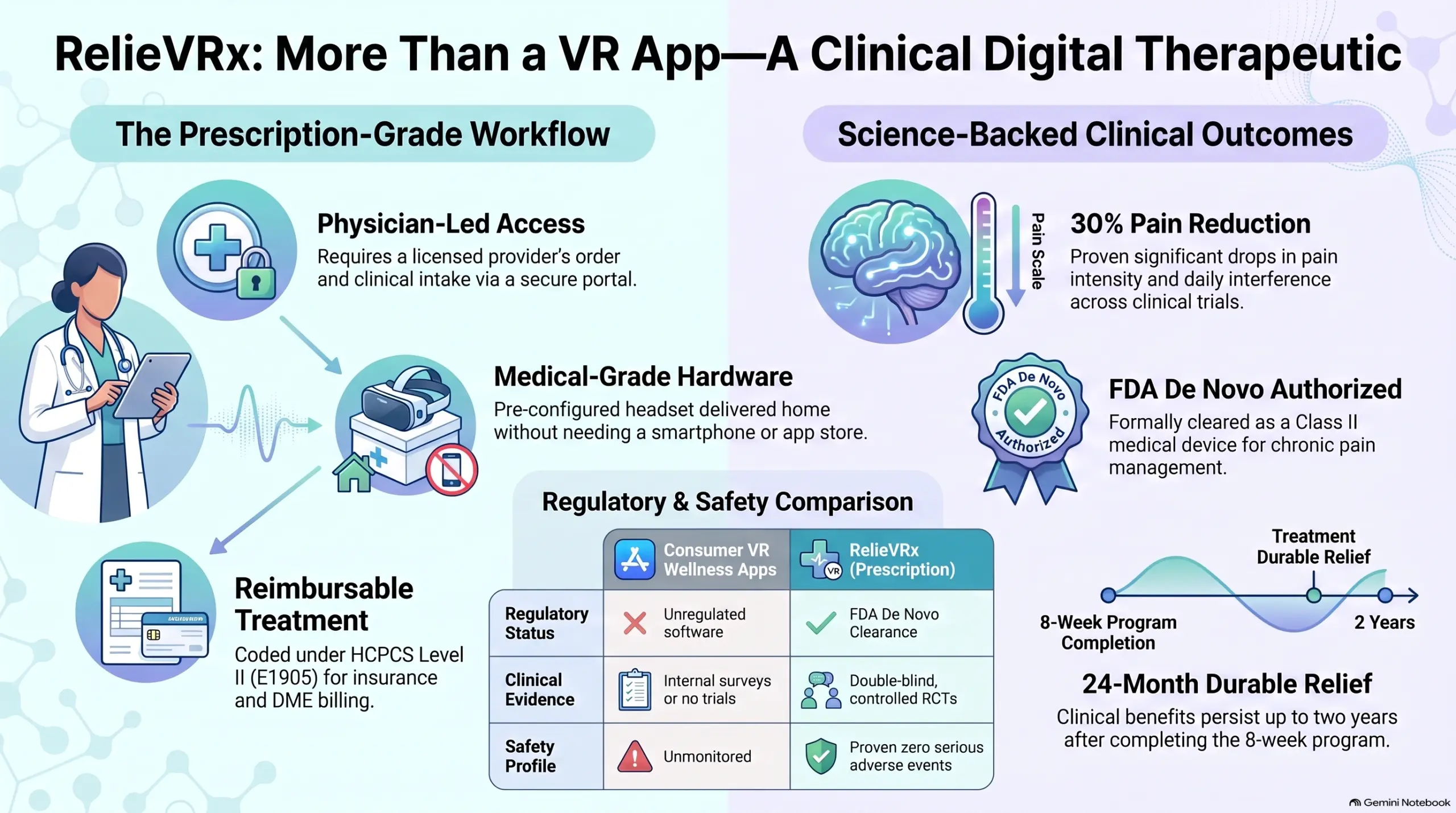
What Makes RelieVRx Different From Normal VR Apps
RelieVRx is an FDA-authorized prescription immersive virtual reality therapy designed for adults with moderate-to-severe chronic lower back pain (CLBP). Developed by AppliedVR, it provides an in-home, non-pharmacologic, non-invasive treatment that uses cognitive behavioral therapy (CBT) skills and evidence-based behavioral methods to help reduce pain and pain interference.
Operating as a “digital therapeutic for chronic pain management,” the platform integrates immersive VR with biopsychosocial pain education, neuroplasticity, mindfulness, distraction, relaxation, breathing, body awareness, and behavior modification. This progressive program consists of 56 sequential, six-minute sessions designed to help patients build long-term habits for managing chronic pain.
A. Prescription-First Treatment Workflow
Unlike off-the-shelf apps downloaded from public app stores, RelieVRx cannot be accessed without an explicit order from a licensed healthcare provider.
- Clinical Intake & Screening: A physician evaluates the patient’s diagnosis (e.g., chronic lower back pain lasting >3 months) and submits a prescription directly through the clinical portal.
- Turnkey Hardware Delivery: The patient receives a pre-configured, medical-grade VR headset delivered straight to their home. The device comes pre-loaded with the RelieVRx therapeutic software, requiring no smartphone, complex setup, or personal app store account.
- Dedicated Reimbursement Pathways: As a recognized medical device, RelieVRx is coded under HCPCS Level II (Code E1905) by CMS, allowing it to be billed through durable medical equipment (DME) pathways and commercial health insurance plans rather than consumer out-of-pocket spending.
B. CBT-Powered Immersive Therapy Sessions
Commercial meditation apps offer static 360-degree videos or basic breathing timers. RelieVRx delivers a multi-chapter, evidence-based Cognitive Behavioral Therapy (CBT) curriculum engineered specifically for pain management.
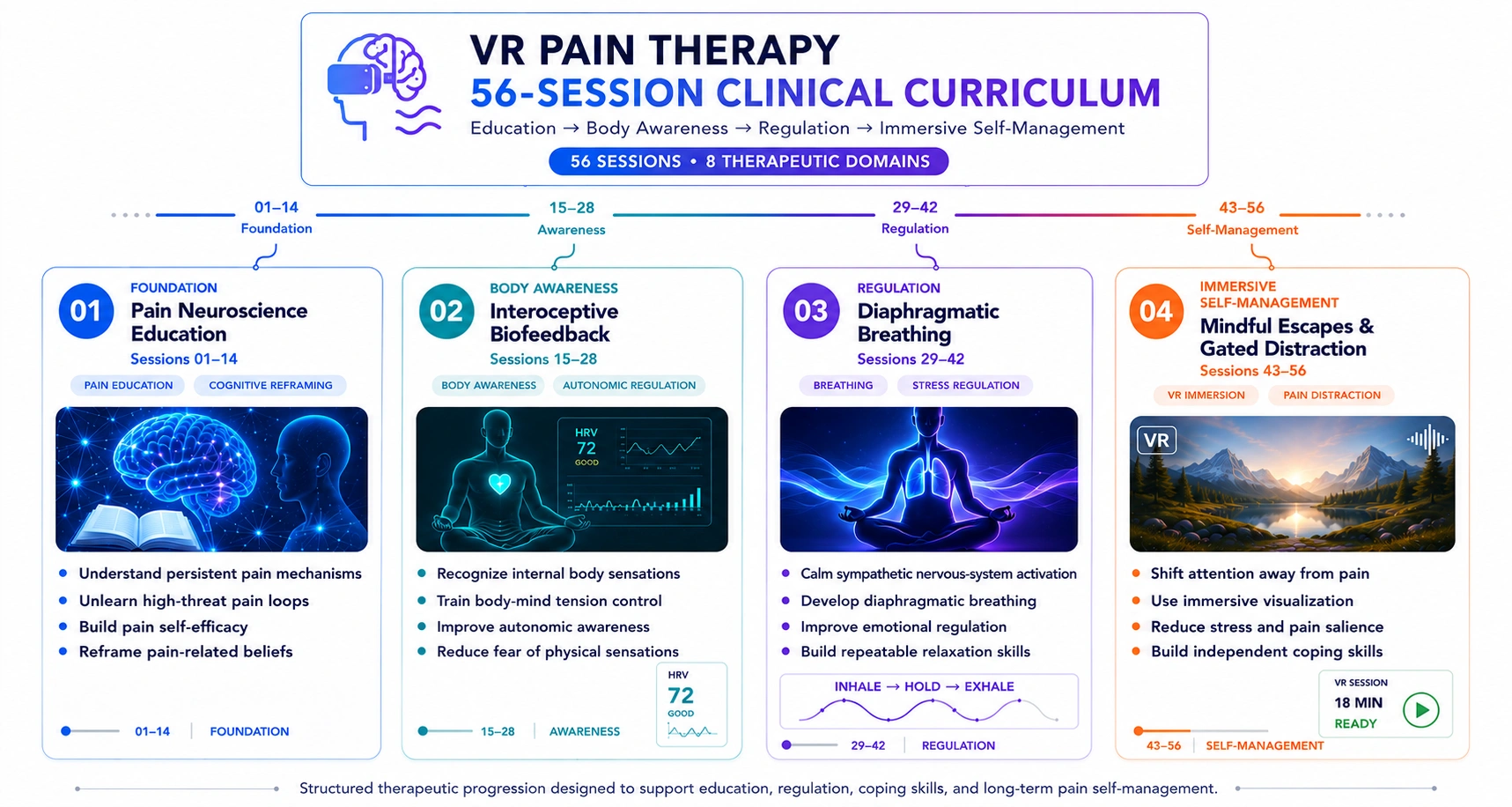
This structured approach combines evidence-based CBT techniques, pain education, and immersive exercises to help patients develop practical skills for managing chronic pain.
- 56 Sequential Daily Sessions: The program consists of 56 daily sessions (averaging 6 to 7 minutes each) structured across dynamic, progressive modules.
- Biopsychosocial Pain Skills: Sessions integrate pain neuroscience education, progressive muscle relaxation, diaphragmatic breathing, and interoception (awareness of internal bodily signals).
- Targeting Pain Catastrophizing: The software systematically addresses fear-avoidance behaviors, kinesiophobia (fear of movement), and pain catastrophizing, retraining how the brain interprets physical sensations.
C. Neuroplasticity and Behavioral Pain Management
While standard VR games provide temporary distraction that disappears the moment the headset is removed, RelieVRx uses immersive engagement to induce long-term neuroplastic changes in the central nervous system.
- Modulating the Brain’s Pain Matrix: By flooding visual and auditory senses while simultaneously guiding cognitive exercises, RelieVRx inhibits nociceptive (pain) signal processing in key brain regions like the anterior cingulate cortex.
- Habit Formation & Coping Skills: Repeating daily 6-minute sessions establishes self-regulatory habits. Patients learn to activate parasympathetic nervous responses (lowering stress hormones and heart rates) even when they are not wearing the headset.
- Durable Post-Treatment Relief: Clinical follow-up data demonstrates that the behavioral skills learned during the 8-week program yield durable pain intensity and pain interference reductions that persist 12 to 24 months after completing the treatment.
D. FDA Authorization and Clinical Validation
The vast majority of health and wellness apps operate without regulatory oversight or rigorous clinical trial data. RelieVRx is held to strict medical device standards set by the U.S. Food and Drug Administration (FDA).
| Evaluation Vector | Consumer VR Wellness Apps | RelieVRx Prescription Digital Therapeutic |
| Regulatory Status | Unregulated consumer software | FDA De Novo Clearance (DEN210014) |
| Clinical Evidence | Internal surveys or no trials | Multiple double-blind, sham-controlled RCTs (N > 1,200) |
| Primary Endpoints | Subjective self-reported stress | Statistically significant pain intensity & interference drops |
| Safety Profile | Unmonitored; risk of motion sickness | Proven zero serious adverse event (SAE) profile |
These findings highlight why regulatory clearance and clinical evidence matter for prescription VR pain therapy platforms, where measurable outcomes, safety, and treatment durability drive adoption.
- FDA De Novo Clearance: Granted De Novo classification as a Class II medical device (DEN210014) for the reduction of pain and pain interference associated with chronic lower back pain.
- Statistically Superior Clinical Outcomes: In pivotal clinical trials involving over 1,000 participants, RelieVRx demonstrated statistically significant superiority over an active “Sham VR” control group:
- ≥30% reduction in pain intensity from baseline.
- ≥30% improvement in pain interference across sleep, mood, and daily physical activity.
- Sustained Treatment Durability: Longitudinal follow-up data demonstrates that the clinical benefits of the 8-week program persist up to 24 months post-treatment without ongoing device usage.
- Proven Clinical Metrics: Pivotal studies, including a 1,067-patient post-launch trial, demonstrated clinically meaningful reductions in pain intensity of ≥2.0 points on 0–10 scales and improved pain interference across daily activities, sleep, and mood.
E. In-Home Treatment With Clinician Oversight
While consumer apps leave users isolated without clinical context, RelieVRx bridges the gap between self-managed at-home care and professional medical oversight.
- Self-Guided At-Home Delivery: Patients complete their daily 6-minute sessions in the comfort of their home, removing geographic and scheduling barriers to specialized pain psychology.
- Automated Telemetry Tracking: The pre-configured headset captures adherence data, session completion rates, and patient-reported pain scores automatically.
- Closing the Clinical Loop: Patient progress data streams back to prescribing physicians and care teams via remote monitoring dashboards. This allows clinicians to track functional improvements, adjust comprehensive treatment plans, and reduce unnecessary opioid fills or interventional injections.
Core Features of a VR Pain Therapy App like RelievVRx
A successful VR pain therapy platform should deliver more than immersive experiences. It must combine clinically proven therapeutic methods, structured treatment pathways, patient engagement, and measurable health outcomes. The following features form the foundation of an effective prescription-grade VR therapy solution.
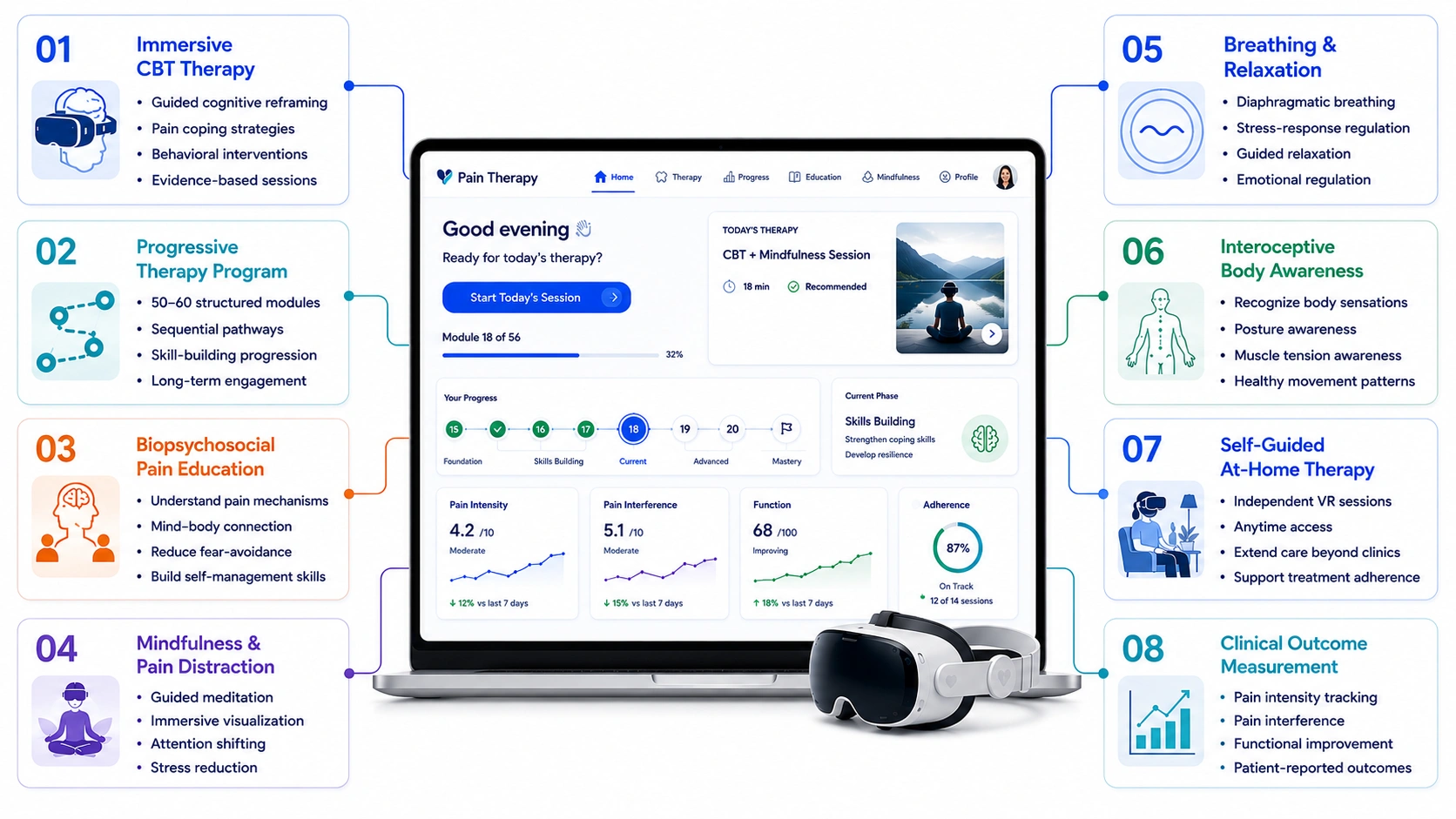
1. Immersive CBT-Based Therapy Sessions
Immersive CBT-based therapy sessions combine virtual reality with cognitive behavioral therapy to help patients manage chronic pain through guided exercises, cognitive reframing, and behavioral interventions. This feature improves patient engagement, strengthens coping skills, and delivers evidence-based therapy in an interactive, immersive environment.
2. Structured Progressive Therapy Programs
A structured therapy program provides sequential treatment across 50 to 60 modules. This progressive approach builds patient knowledge, resilience, and skills, encouraging consistent participation and healthy behaviors for long-term therapeutic outcomes rather than isolated experiences.
3. Biopsychosocial Pain Education Modules
Biopsychosocial pain education modules help patients understand how physical, psychological, and social factors collectively influence chronic pain. Interactive learning improves pain awareness, reduces fear-avoidance behaviors, promotes self-management, and empowers patients to make informed decisions throughout their recovery journey.
4. Immersive Mindfulness and Pain Distraction
Immersive mindfulness and pain distraction experiences use calming virtual environments, guided meditation, and visualization techniques to reduce stress and shift attention away from pain. These experiences improve emotional well-being, increase therapy adherence, and complement evidence-based behavioral pain management strategies.
5. Diaphragmatic Breathing and Relaxation Training
Guided breathing and relaxation exercises help regulate the body’s stress response while reducing anxiety associated with chronic pain. Integrating diaphragmatic breathing into immersive VR sessions supports emotional regulation, enhances relaxation, and strengthens the effectiveness of behavioral pain therapy programs.
6. Interoceptive Body Awareness Exercises
Interoceptive body awareness exercises help patients recognize physical sensations, posture, movement, and muscle tension without fear. These guided VR activities improve body awareness, reduce fear-avoidance behaviors, encourage healthy movement patterns, and support sustainable chronic pain management over time.
7. Self-Guided At-Home Therapy
Self-guided at-home therapy enables patients to complete clinically designed treatment sessions independently using a VR headset. This approach improves accessibility, increases treatment adherence, minimizes frequent hospital visits, and allows healthcare providers to extend care beyond traditional clinical settings.
8. Clinical Outcome Measurement
Clinical outcome measurement tracks treatment effectiveness using standardized metrics such as pain intensity, pain interference, functional improvement, therapy adherence, and patient-reported outcomes. These insights help clinicians evaluate progress, optimize treatment strategies, and demonstrate measurable therapeutic value.
How to Develop a VR Pain Therapy App like RelieVRx
Developing a VR pain therapy platform requires much more than building immersive experiences. It involves clinical planning, therapeutic design, healthcare integrations, regulatory compliance, and continuous validation to create a secure, scalable, and clinically effective digital therapeutic that delivers measurable patient outcomes.
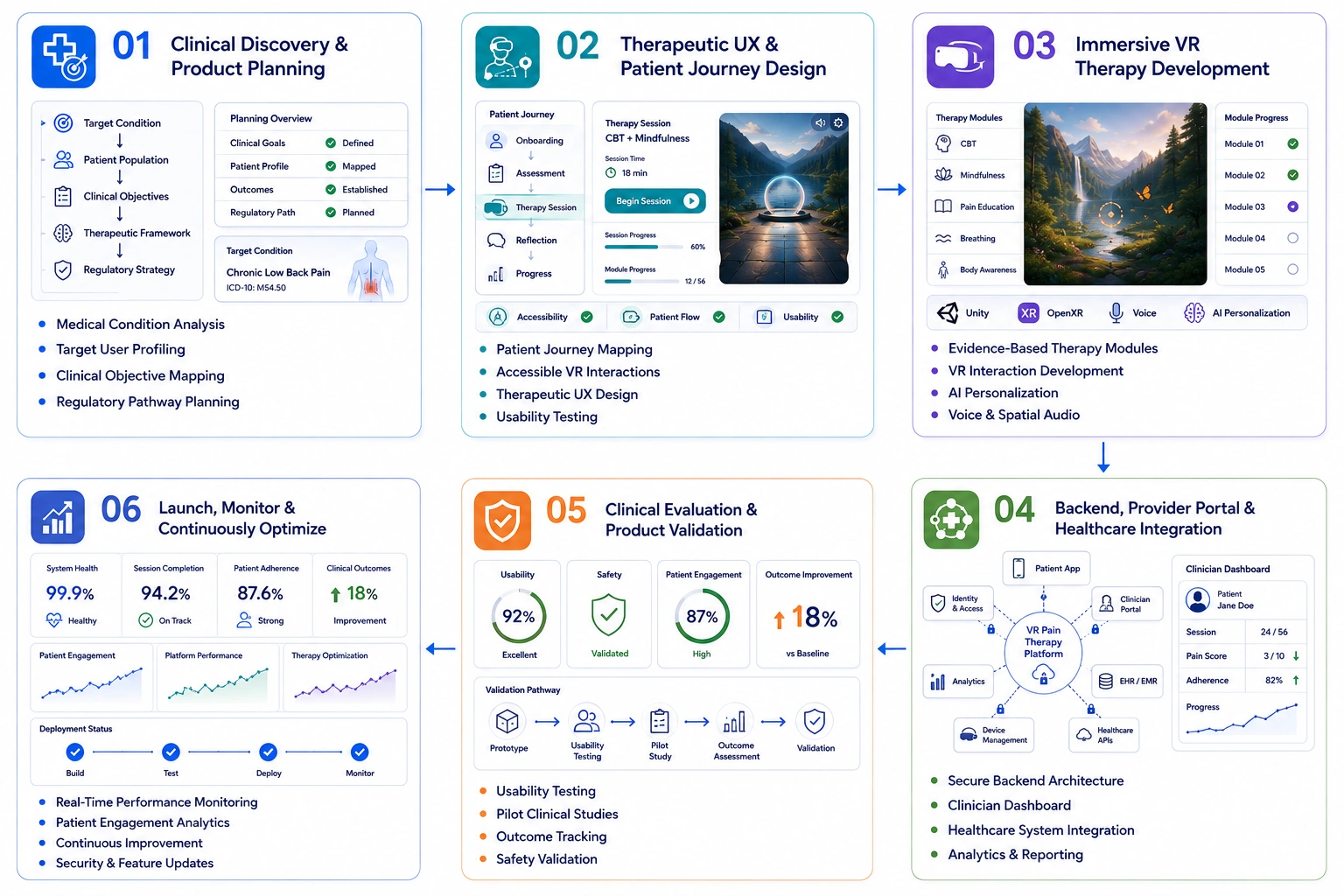
1. Clinical Discovery and Product Planning
We begin by defining the medical condition, target patient group, therapeutic approach, clinical objectives, and regulatory strategy. This stage establishes the product roadmap, treatment framework, compliance requirements, and success metrics that guide the entire development lifecycle.
- Medical Condition Analysis: Identifies pain type, severity patterns, and patient-specific therapeutic requirements to guide effective VR intervention design.
- Target User Profiling: Defines demographics, behavioral patterns, and clinical needs to create personalized and effective therapy experiences.
- Clinical Objective Mapping: Aligns treatment goals with measurable health outcomes and long-term patient recovery expectations.
- Regulatory Pathway Planning: Evaluates compliance requirements early to reduce approval risks and streamline future certification processes.
2. Therapeutic UX and Patient Journey Design
Our team designs intuitive patient journeys, immersive therapy flows, and accessible VR interactions that encourage long-term engagement. Every treatment session is structured to improve adherence while delivering a seamless and clinically meaningful therapeutic experience.
| Technology Area | Recommended Technologies | Business Value / Purpose |
| UI/UX & Product Design | Figma, Adobe XD | Designs intuitive therapeutic interfaces that improve patient engagement, accessibility, and treatment adherence. |
| Patient Journey Mapping | FigJam, Miro | Maps clinical workflows and patient touchpoints to optimize therapy experiences and care pathways. |
| 3D Environment & Medical Asset Creation | Blender, Autodesk Maya | Creates immersive therapeutic environments and realistic medical assets for engaging VR treatment sessions. |
| VR Interaction Framework | Unity XR Interaction Toolkit, OpenXR | Enables natural VR interactions, gesture controls, and device-compatible therapeutic experiences. |
| Motion Capture & Character Animation | Mixamo, Autodesk MotionBuilder | Builds lifelike avatars and therapeutic character animations for guided patient interactions. |
| Spatial Audio Design | FMOD, Wwise | Delivers immersive 3D audio that enhances relaxation, presence, and therapeutic effectiveness. |
| UX Research & Usability Testing | Maze, Lookback | Validates clinical usability, accessibility, and patient experience through structured testing and feedback. |
3. Immersive VR Therapy Development
We build immersive therapeutic environments by integrating CBT modules, mindfulness exercises, pain education, guided breathing, and interactive experiences into a structured VR application that delivers evidence-based treatment while maintaining high performance across supported headsets.
| Technology Area | Recommended Technologies | Business Value / Purpose |
| VR Application Engine | Unity, Unreal Engine | Powers high-performance VR applications with realistic graphics, interactions, and therapeutic simulations. |
| XR Runtime & Device SDK | OpenXR, Meta XR SDK | Ensures cross-device compatibility and optimized deployment across leading VR headset ecosystems. |
| Behavioral Therapy Module Development | Unity Timeline, Scriptable Objects | Develops interactive therapy modules supporting structured behavioral interventions and guided treatment flows. |
| AI Personalization & Recommendation | TensorFlow, PyTorch, OpenAI APIs | Delivers personalized therapy experiences using AI-driven recommendations and adaptive treatment pathways. |
| Voice Guidance & Speech Processing | Azure AI Speech, Whisper | Enables voice-guided therapy, speech recognition, and natural patient interactions during sessions. |
| Identity & Access Management | OAuth 2.0, Azure AD B2C, Firebase Authentication | Protects patient identities with secure authentication, authorization, and role-based access control. |
| VR Device Fleet Management | ArborXR, Meta Quest Device Manager | Centrally manages VR device deployment, updates, security, and enterprise fleet operations. |
4. Backend, Provider Portal, and System Integration
Our developers build secure backend infrastructure, clinician portals, patient management systems, prescription workflows, healthcare integrations, analytics, and device management capabilities that enable efficient treatment delivery and seamless communication across the healthcare ecosystem.
- Secure Backend Architecture: Manages patient data, therapy sessions, and system operations with high reliability, security, and scalability.
- Clinician Dashboard Development: Enables healthcare providers to monitor patient progress and adjust treatment plans effectively.
- Healthcare System Integration: Connects electronic health records and third-party platforms for unified and accessible patient data.
- Analytics and Reporting Systems: Provides insights into therapy effectiveness, engagement trends, and clinical performance metrics.
5. Clinical Evaluation and Product Validation
We conduct usability testing, pilot deployments, clinical evaluations, and outcome assessments to validate therapeutic effectiveness, patient engagement, and overall product safety while collecting evidence that supports future clinical adoption and regulatory approval.
- Usability Testing: Evaluates patient interactions with VR systems to ensure comfort, clarity, accessibility, and ease of use.
- Pilot Clinical Studies: Measures real-world therapy effectiveness across selected patient groups, treatment conditions, and clinical environments.
- Outcome Tracking Systems: Analyzes pain reduction, engagement levels, and behavioral improvements across different treatment cycles.
- Safety Validation Processes: Ensures VR experiences minimize adverse effects, discomfort, and potential safety concerns during therapy sessions.
6. Launch, Monitoring, and Continuous Optimization
After deployment, we continuously monitor platform performance, patient engagement, therapy outcomes, and system reliability while delivering feature enhancements, security updates, and data-driven improvements that keep the platform clinically effective and future-ready.
- Real-Time Performance Monitoring: Tracks system stability, latency, reliability, and user experience across deployed VR therapy sessions.
- Patient Engagement Analytics: Measures usage frequency, session completion rates, and long-term therapy adherence trends.
- Continuous Improvement Cycles: Refines therapy content and platform experiences using clinical feedback and user behavior insights.
- Security and Feature Updates: Keeps the platform compliant, stable, secure, and aligned with evolving healthcare standards.
Cost to Build a VR Pain Therapy App Like RelieVRx
The VR pain therapy app development costs vary based on clinical complexity, immersion, integrations, compliance, AI, and regulation. Consequently, an MVP costs far less than an enterprise prescription digital therapeutic.
A typical VR pain therapy platform is developed in multiple phases, with each stage contributing to the overall budget. The following breakdown provides an estimated investment based on MVP and enterprise-level development requirements.
| Development Phase | Estimated Cost | What the Phase Covers |
| Clinical Discovery & Product Planning | $6,000 – $15,000 | Clinical research, user personas, workflows, feature prioritization, regulatory roadmap, and product requirements. |
| Therapeutic UX & Patient Journey Design | $10,000 – $25,000 | Wireframes, immersive UX, accessibility, patient journey mapping, interaction design, prototypes, and usability planning. |
| Immersive VR Therapy Development | $40,000 – $110,000 | CBT modules, VR environments, breathing/mindfulness exercises, pain education, AI personalization, and headset optimization. |
| Backend, Provider Portal & Integrations | $25,000 – $70,000 | Backend APIs, clinician dashboard, patient/device management, cloud infrastructure, EHR integration, and analytics. |
| Security, Compliance & Regulatory Readiness | $12,000 – $35,000 | HIPAA implementation, encryption, audit logs, cybersecurity, risk assessments, and FDA/CE regulatory preparation. |
| Clinical Validation, Testing & Launch | $15,000 – $45,000 | QA testing, usability studies, pilot/production deployment, clinical validation, performance optimization, and monitoring. |
| Total Estimated Cost | $120,000 – $1.5M | Complete end-to-end development budget from initial clinical planning through post-launch validation and compliance. |
Note: These estimates represent typical development investments and may vary depending on clinical scope, AI capabilities, supported VR hardware, regulatory objectives, third-party integrations, and overall product complexity.
Development Cost by Platform Level
Different business goals require different levels of investment. Whether you are validating an idea with an MVP or building a fully regulated enterprise platform, selecting the right development scope directly impacts budget, timeline, and future scalability.
| Platform Level | Estimated Cost | Features Included |
| MVP | $120,000 – $250,000 | Core VR/CBT sessions, patient onboarding, basic analytics, secure authentication, limited clinician portal, cloud backend, and single headset support. |
| Mid-Level Platform | $250,000 – $450,000 | Advanced modules, AI personalization, progress tracking, EHR integration, enhanced clinician dashboard, multi-device compatibility, plus stronger security and reporting. |
| Enterprise Platform | $500,000 – $1.5M+ | Full prescription workflow, advanced AI, comprehensive clinician ecosystem, regulatory-ready architecture, multi-region deployment, fleet management, and scalable infrastructure. |
Note on Cost Estimates
These estimates provide a high-level budgeting framework rather than fixed development costs. Final investment depends on the platform’s clinical scope, technical complexity, regulatory pathway, and commercialization strategy.
Most healthcare enterprises begin with an MVP to validate the therapy experience, collect clinical evidence, and optimize patient engagement before expanding into a regulated, enterprise-grade VR pain therapy platform.
Key factors influencing the final development cost include:
- Clinical content & therapy design: Evidence-based CBT protocols, pain education, mindfulness modules, therapeutic workflows, and specialist collaboration.
- Immersive VR engineering: 3D environments, realistic interactions, spatial audio, animations, and multi-headset optimization.
- AI personalization: Adaptive treatment pathways, conversational AI, predictive analytics, and personalized therapy recommendations.
- Healthcare interoperability: HL7 FHIR, EHR integrations, clinician dashboards, prescription workflows, and third-party healthcare platforms.
- Regulatory & compliance requirements: HIPAA, FDA SaMD, IEC 62304, ISO 14971, documentation, validation, and quality management.
- Clinical validation: Pilot studies, usability testing, outcome measurement, and clinical evidence generation.
- VR hardware support: Compatibility with Meta Quest, HTC Vive, Pico, and Apple Vision Pro through optimization and QA.
- Cloud infrastructure & analytics: Secure cloud architecture, AI workloads, real-time analytics, monitoring, and scalable healthcare data storage.
Enterprise-grade VR pain therapy app development can exceed these estimates depending on clinical validation, regulatory requirements, AI sophistication, healthcare integrations, and long-term scalability.
Factors That Influence Development Budget
The final VR pain therapy app development budget depends on multiple technical, clinical, and regulatory decisions. Understanding these cost drivers helps businesses prioritize investments, reduce unnecessary expenses, and build a scalable VR pain therapy platform aligned with long-term product goals.
- Evidence-Based Clinical Content & Expert Validation: Evidence-based CBT protocols, clinical content creation, peer reviews, and consultations with licensed pain specialists and psychologists typically add $10,000–$25,000.
- Immersive 3D Environments & VR Engineering: Custom 3D environments, character animation, motion capture, spatial audio, and optimized Unity/Unreal development typically contribute $25,000–$70,000.
- Healthcare Interoperability & Clinical Integrations: HL7/FHIR APIs, Epic/Cerner EHR integrations, clinician dashboards, and secure healthcare data exchange typically require $15,000–$45,000.
- HIPAA, FDA & Security Compliance: HIPAA architecture, GDPR workflows, FDA SaMD documentation, encryption, audit logging, and security assessments typically add $12,000–$40,000.
- Cross-Device VR Compatibility & Optimization: Meta Quest, HTC Vive, Pico, Apple Vision Pro support, SDK integration, performance tuning, and cross-device QA generally cost $10,000–$30,000.
Regulatory Requirements For VR Pain Therapy App Development
Prescription-grade VR pain therapy app development must comply with healthcare regulations, medical software standards, and security frameworks to ensure patient safety, protect sensitive health information, and support future regulatory approvals. Addressing these requirements early helps reduce compliance risks and accelerates market readiness.
| Regulatory Requirement | Purpose | How It Affects Development |
| FDA Software as a Medical Device (SaMD) | Regulates software used for medical diagnosis or treatment. | Requires FDA SaMD compliance, clinical evidence, lifecycle documentation, risk management, and quality assurance for market approval. |
| HIPAA Compliance | Protects sensitive patient health information (PHI). | Requires HIPAA Privacy & Security controls including encryption, secure APIs, RBAC, authentication, audit logging, and compliant cloud setup. |
| IEC & ISO Medical Standards | Defines global medical software quality and safety standards. | Requires adherence to IEC 62304, ISO 14971, and IEC 62366 for development process, risk management, and usability engineering. |
| Clinical Validation | Demonstrates clinical safety, efficacy, and therapeutic outcomes. | Requires pilot studies, usability testing, outcome tracking, and clinical evidence under Good Clinical Practice (GCP). |
| Cybersecurity & Privacy Controls | Protects healthcare systems from cyber threats and data breaches. | Requires NIST CSF, OWASP ASVS, penetration testing, secure APIs, MFA, and continuous security monitoring across the platform lifecycle. |
Note: These regulatory frameworks collectively ensure VR pain therapy platforms are safe, effective, and compliant. Early integration of compliance requirements reduces development risks and supports smoother clinical validation and regulatory approval processes.
Challenges in Building a VR Pain Therapy App Like RelieVRx
The prescription-grade VR pain therapy app development involves far more than developing immersive experiences. Developers must balance clinical effectiveness, regulatory compliance, and technical performance while creating a solution that delivers measurable therapeutic outcomes and earns trust from healthcare providers.
1. Clinical Effectiveness of VR Therapy Experiences
Challenge: The creation of immersive VR sessions that deliver measurable therapeutic benefits instead of entertainment experiences requires close collaboration between developers, clinicians, and behavioral health experts.
Solution: Our team collaborates with healthcare specialists to convert evidence-based therapies like CBT, mindfulness, and pain education into structured VR modules, ensuring clinical accuracy, patient engagement, and consistent therapeutic outcomes.
2. Real-Time Performance and Latency in Immersive Environments
Challenge: Maintaining high frame rates, low latency, and stable performance across devices is challenging for VR pain therapy sessions with complex visuals, spatial audio, and interactive therapeutic elements, as lag disrupts immersion and reduces therapeutic effectiveness.
Solution: We optimize rendering pipelines, streamline scene complexity, and conduct continuous performance profiling across target devices, ensuring stable frame rates, low latency, and uninterrupted immersive therapy experiences.
3. Cross-Device Performance and User Comfort
Challenge: Smooth, comfortable VR experiences across different headsets while preventing motion sickness, maintaining high frame rates, and supporting long therapy sessions require extensive optimization.
Solution: Our developers fine-tune rendering systems, interaction design, spatial audio, and device-specific configurations to ensure consistent performance, reduce motion sickness, and deliver accessible, comfortable VR therapy across all supported hardware.
Build Your VR Pain Therapy App With Idea Usher
IdeaUsher operates as an elite product engineering partner and digital health innovator, leveraging 11+ years of hyper-focused industry mastery across 50+ countries. Driven by a globally distributed brain trust of 250+ niche experts, over 1,000+ completed projects, and a top-tier 4.9/5 Clutch credential, we construct custom immersive virtual reality applications entirely from scratch.
We skip generic templates to handcraft software-as-a-medical-device (SaMD) VR architectures equipped with interactive cognitive behavioral therapy (CBT) modules, real-time biofeedback telemetry, diaphragmatic breathing visualizers, and HIPAA-compliant data pipelines to help you achieve undisputed digital therapeutics market dominance.
Why Enterprises Partner With Us
Healthcare networks, digital therapeutic startups, and medical device innovators choose us to build prescription-grade VR pain therapy platforms because we seamlessly convert clinical biofeedback and behavioral science into engaging, software-as-a-medical-device (SaMD) virtual environments.
- Biofeedback & Interoceptive VR Systems: We integrate real-time breathing, HRV, and microphone inputs to power immersive biofeedback environments that help us improve autonomic nervous system regulation and enhance therapeutic engagement.
- CBT & Neuroplasticity Therapy Modules: Our developers build interactive 3D CBT experiences, pain distraction scenarios, and biopsychosocial therapy modules that promote neuroplasticity and support long-term pain self-management.
- Cross-Headset VR & Spatial Computing: We optimize 6DoF applications to run across Meta Quest, HTC Vive, and other standalone headsets, ensuring low latency, stable frame rates, and minimal motion sickness in all deployments.
- EHR Integration & Remote Patient Monitoring: We implement SMART on FHIR integrations that stream session adherence, pain scores, and clinical progress metrics directly into clinician dashboards and electronic health records (EHRs).
- HIPAA-Compliant Cloud Security: We design and maintain encrypted cloud infrastructure that protects PHI, biometric telemetry, and platform microservices with strict HIPAA-compliant security controls and data isolation.
- Zero Vendor Lock-In Delivery: We deliver clean, fully documented, and auditable source code after VR pain therapy app development, ensuring our clients retain 100% platform ownership and long-term flexibility without vendor lock-in.
Ready to revolutionize non-pharmacological pain management with a prescription-grade VR therapy platform? Partner with Idea Usher’s principal digital health and VR software architects to map out your custom product build today.
Conclusion
Healthcare is steadily moving toward evidence-based digital therapeutics that improve patient outcomes while expanding access to care beyond traditional clinical settings. A VR pain therapy app development inspired by RelieVRx requires the right balance of clinical expertise, immersive technology, regulatory compliance, and scalable engineering to deliver lasting value. Partnering with an experienced healthcare app development company like IdeaUsher helps transform a validated concept into a secure, compliant, and market-ready solution that meets both patient and provider expectations.
FAQs
A.1. A VR pain therapy app development should include immersive CBT sessions, structured therapy programs, pain education, mindfulness exercises, clinician tools, secure patient management, clinical outcome tracking, and healthcare integrations to deliver effective, evidence-based treatment.
A.2. The VR pain therapy app development costs typically range from $150,000 to $500,000+ depending on the complexity of clinical features, VR content quality, AI-driven personalization, healthcare system integrations, compliance requirements, and the level of testing and regulatory readiness needed for market deployment.
A.3. Yes. A healthcare VR platform handling patient information should comply with regulations such as HIPAA and follow medical software quality practices. Regulatory readiness also supports future FDA or CE approval pathways when applicable.
A.4. Clinical validation demonstrates that the therapy is safe, effective, and capable of improving patient outcomes. It also strengthens healthcare provider confidence and supports future regulatory approval and commercial adoption.