

Key Takeaways
- AI metabolic health platforms use digital twins and continuous health monitoring to deliver personalized care for diabetes, obesity and other metabolic conditions.
- Core capabilities include wearable integration, AI-driven nutrition, predictive analytics, medication optimization and clinician support.
- Continuous biometric analysis enables proactive interventions, better health outcomes and lower long-term healthcare costs through precision metabolic care.
- Scalable AI, healthcare interoperability and regulatory compliance are essential for building enterprise-grade metabolic health platforms.
- How Idea Usher can help you build metabolic health platform like Twin Health with AI digital twins, wearable integrations and secure healthcare infrastructure.
Metabolic care is increasingly shifting away from standardized treatment plans toward individualized physiological intelligence. This evolution is accelerating demand for the metabolic health platform like Twin Health as healthcare providers and employers seek systems that continuously understand how each person’s body responds to nutrition, activity, sleep, stress and medication instead of relying on periodic clinical assessments.
Traditional chronic disease management relied on episodic care and generalized recommendations that overlooked daily metabolic changes. Modern healthcare organizations increasingly require Whole Body Digital Twin™, AI-powered metabolic modeling, continuous glucose monitoring, precision nutrition, wearable integration, medication optimization, predictive analytics, personalized coaching, remote patient monitoring, and value-based care to improve outcomes, reduce medication dependence, and lower long-term healthcare costs.
In this blog, we explore how to build a metabolic health platform like Twin Health, covering its core features, AI architecture, technology stack, development process, and how IdeaUsher can help build enterprise-grade metabolic care solutions that enable precision metabolic care through continuous physiological data and personalized interventions.
How AI Is Transforming Metabolic Healthcare
The management of metabolic disorders has reached a critical global turning point. Driven by an exponential rise in multi-factorial chronic conditions, the healthcare sector is rapidly shifting toward data-driven, automated management frameworks. The global healthcare digital twins market was valued at USD 0.90 billion in 2024 and is projected to grow from USD 1.41 billion in 2026 to USD 3.55 billion by 2030, at a CAGR of 25.9% from 2025 to 2030.
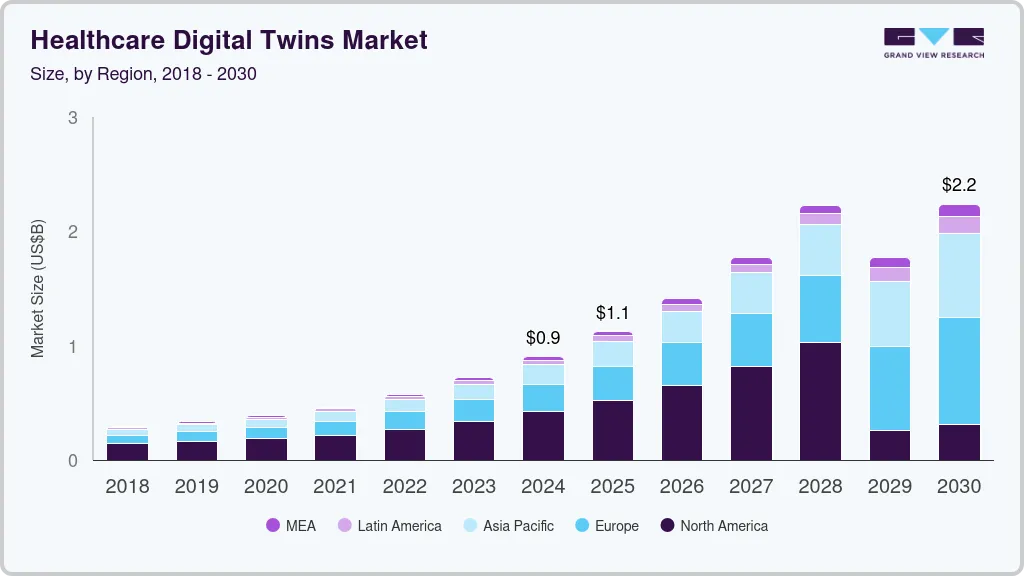
This momentum is accelerating efforts to reverse conditions such as Type 2 diabetes, obesity, hypercholesterolemia, and NAFLD. As personalized monitoring becomes essential, the personalized medicine segment now accounts for 32.2% of digital twin healthcare revenue, bringing virtual simulation into mainstream clinical practice.
A. Why Traditional Chronic Care Falls Short
Traditional chronic care models are increasingly unable to address the complexity of metabolic diseases. Standardized treatment approaches often fail to deliver the personalized, continuous care needed for long-term health outcomes.
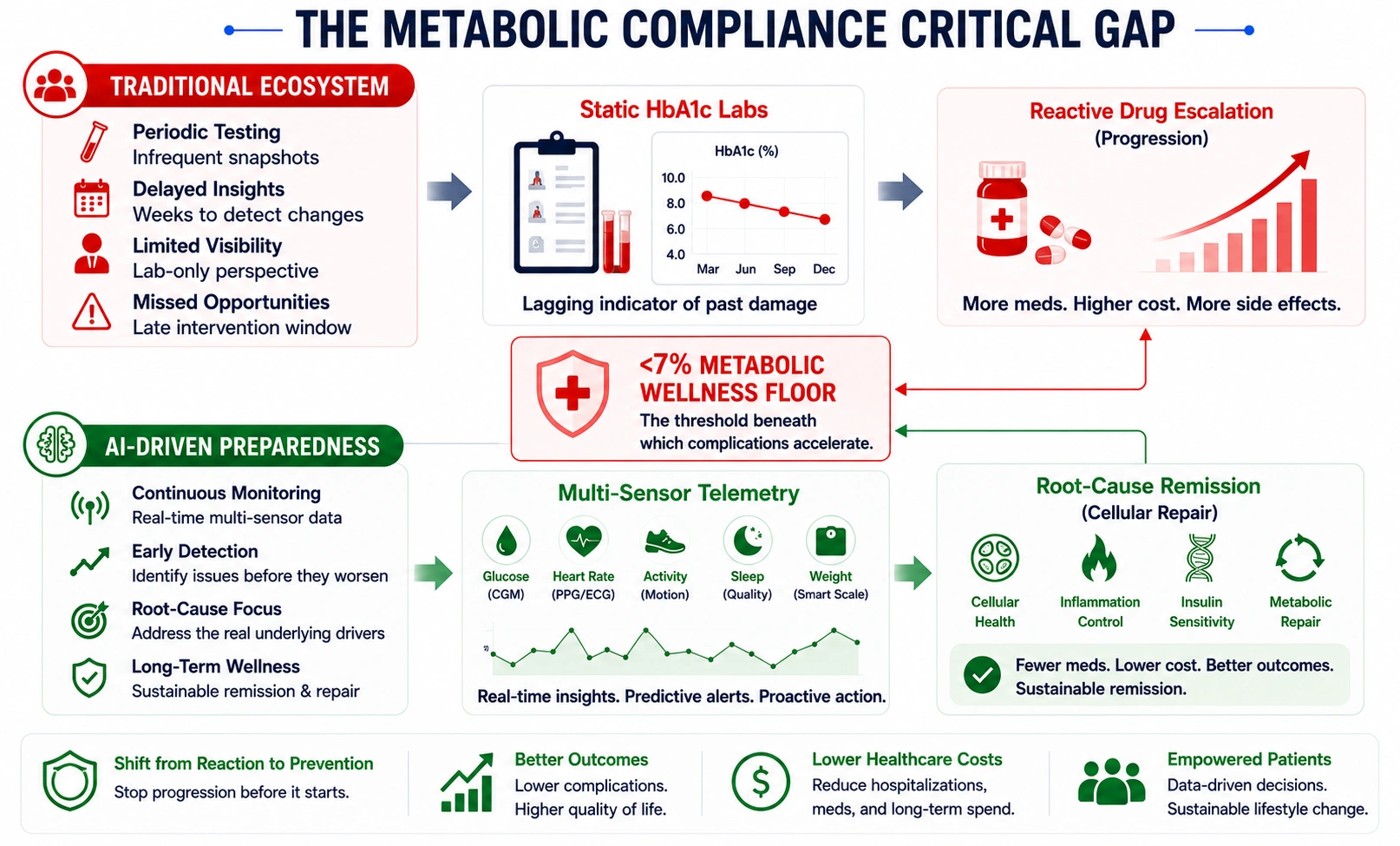
The growing burden of chronic conditions, rising healthcare costs, and biological variability expose several limitations in conventional metabolic care delivery.
- The Scale of the Crisis: Traditional care systems struggle to manage demand. Over 537 million adults live with diabetes-related conditions, more than 1 billion are clinically higher weight, 38% of U.S. adults have metabolic syndrome and less than 7% of the U.S. adult population maintains optimal cardiometabolic health
- The “One-Size-Fits-All” Deficit: Standard treatment relies on population averages, yet identical meals produce different glycemic responses due to variations in the gut microbiome, sleep, and genetics, limiting personalized care.
- The Financial Burden: Reactive care rarely achieves lasting remission, driving costly complications. As a result, nearly 41% of chronic disease healthcare spending is attributed to downstream metabolic complications.
B. Rise of Precision Metabolic Medicine
To overcome generic tracking limits, healthcare is shifting toward precision metabolic medicine. Combining continuous biomarker monitoring with machine learning replaces broad assumptions with data-driven insights. This shift is accelerating, as precision medicine initiatives have increased targeted care adoption by 29%, helping organizations move beyond legacy models.
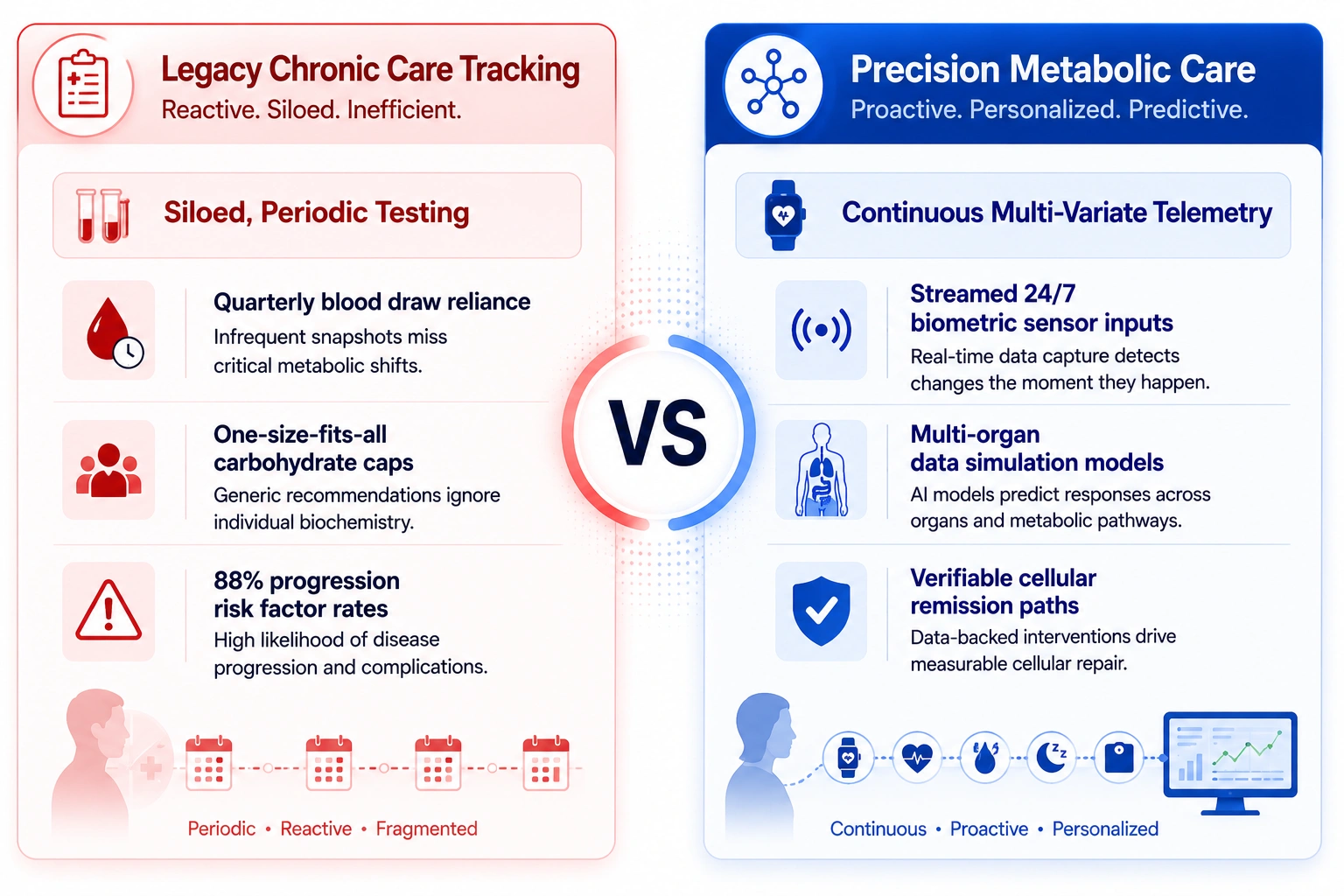
Rather than relying on isolated symptoms, precision platforms continuously analyze glucose levels, heart rate variability (HRV), sleep patterns, and other digital biomarkers. By processing multi-omics and physiological data streams, AI identifies the underlying drivers of insulin resistance with 89%–94% diagnostic accuracy.
Instead of prescribing one-size-fits-all dietary plans, AI recommends personalized carbohydrate and fat combinations based on each individual’s metabolic response. This precision-driven approach can improve fat oxidation by 34%–200%, supporting better glycemic control and stronger long-term cardiovascular health.
C. Why AI Digital Twins Are Gaining Adoption
AI Digital Twins transform precision medicine via dynamic virtual metabolic models. Fueled by personalized care, the market has reached $1.41 billion. By continuously analyzing longitudinal biometric data, these systems predict patient responses to foods, medications, and exercise before real-world intervention.
Healthcare organizations are rapidly adopting AI digital twin ecosystems due to highly reproducible, peer-reviewed clinical results:
| Metabolic Scaling Metric | Legacy Chronic Care Frameworks | AI Digital Twin Platforms | Direct Institutional Capital Impact |
| Biometric Ingestion | Limited to manual logs and periodic weight tracking. | Continuously processes 3,000+ daily biometric signals. | Replaces fragmented records with live digital twin models of metabolic health. |
| Clinical Efficacy | Delivers an average 0.4-point HbA1c reduction. | Achieves a clinically validated 2.2-point HbA1c reduction. | Improves outcomes while accelerating disease reversal. |
| Specialty Medication Management | Long-term dependence on costly medications. | Reduces GLP-1 use by 85% and insulin use by 46%. | Lowers pharmacy claims and long-term treatment costs. |
| Member Engagement | Generic reminders with 60% dropout within 90 days. | Personalized interventions sustain 90%+ long-term retention. | Improves adherence and reduces avoidable emergency care. |
| Economic Impact | Ongoing administrative costs with limited financial return. | Generates $9,000+ annual savings per member. | Delivers measurable ROI within 12–14 months. |
The Enterprise Takeaway: Passive tracking apps and legacy chronic care models can no longer support modern metabolic care. AI digital twins transform biomarker management into an intelligent clinical asset. Deep EHR integration and physiological simulations improve care delivery, reduce treatment costs, and enable scalable metabolic remission.
What Is a Metabolic Health Platform Like Twin Health?
Twin Health is an AI-powered metabolic health platform that helps people prevent, reverse, and manage conditions such as type 2 diabetes, obesity, prediabetes, hypertension, and fatty liver disease. Its proprietary Whole Body Digital Twin™ models each person’s metabolism to deliver personalized interventions that address the root causes of metabolic dysfunction.
The platform combines data from continuous glucose monitors, wearables, smart scales, activity trackers, sleep monitoring, and health records to provide real-time recommendations. Its AI Digital Twin™ analyzes 3,000+ daily data points to optimize nutrition, exercise, sleep, stress management, and medication, while supporting physicians, health coaches, dietitians, and care teams with AI-driven clinical insights.
A. Whole Body Digital Twin™ Technology
At the core of the platform is the Whole Body Digital Twin™, a dynamic, virtual replica of an individual’s unique metabolic system. While legacy health applications rely on static, generic profiles based on generalized age and weight brackets, this technology maps complex biological systems in real time.
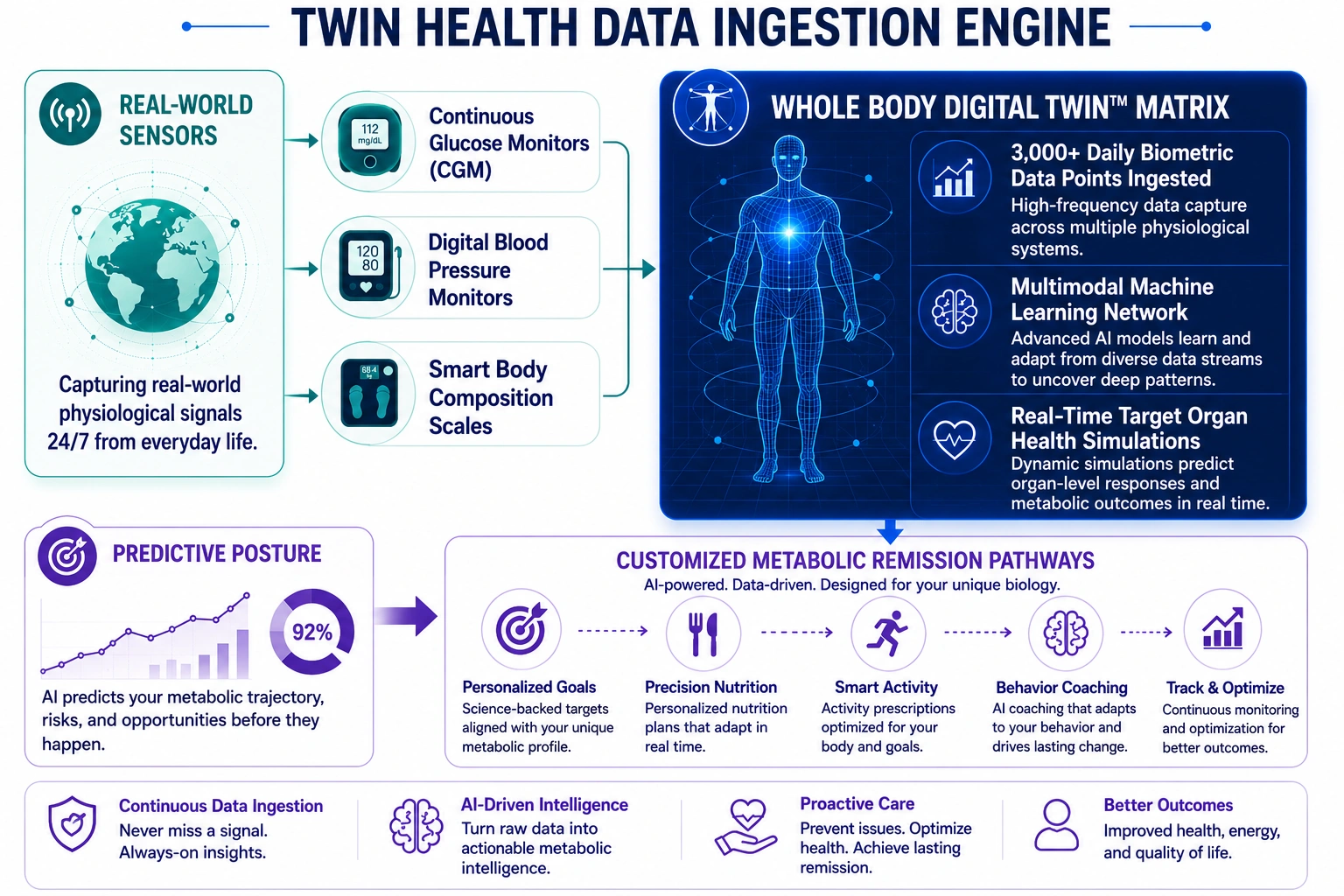
The system ingests over 3,000 daily biometric data points collected from non-invasive sensors including continuous glucose monitors (CGMs), digital blood pressure sleeves, smart body composition scales, and detailed meal logs. Advanced machine learning models process this data to simulate how a user’s internal organs (such as the liver, pancreas, and kidneys) respond to specific inputs.
Because the virtual model updates continuously, it becomes more accurate over time. This allows the platform to predict precise health trajectories rather than merely reporting past events.
B. Continuous Metabolic Intelligence
Traditional diabetes and weight management apps primarily focus on blood glucose spikes or calorie deficits. Twin Health takes a broader approach through continuous metabolic intelligence, analyzing how sleep, nutrition, activity, stress, and other lifestyle factors interact to influence metabolic health. This multidimensional model uncovers personalized metabolic triggers that conventional tracking often overlooks.
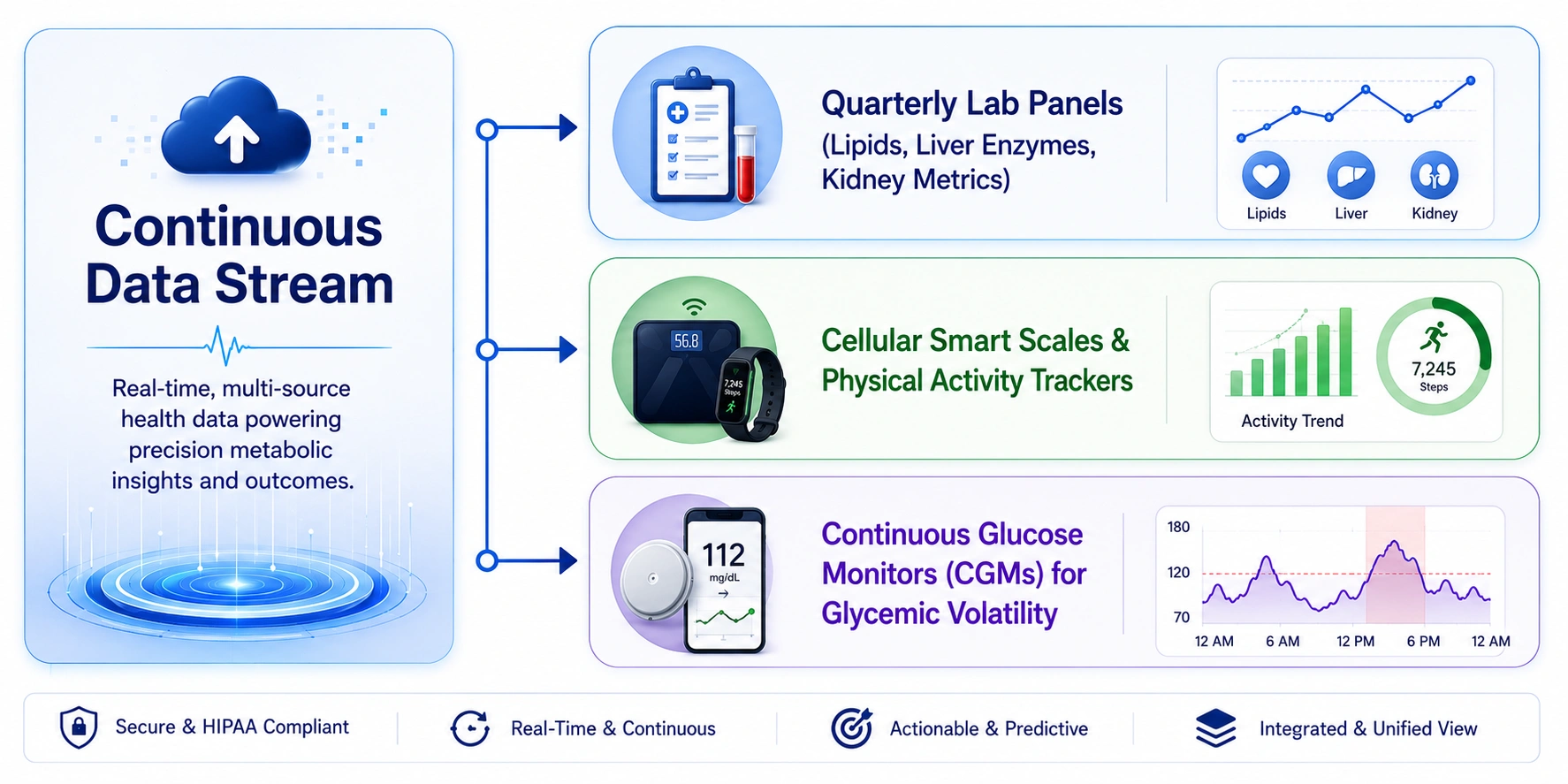
The platform continuously correlates sleep quality, breathing patterns, stress levels, physical activity, and macronutrient intake to identify the root causes of insulin resistance and metabolic dysfunction. This data-driven approach contributes to an average 1.8–2.2-point reduction in HbA1c, helps 87% of members improve systemic inflammation, and enables 77% to reverse insulin resistance markers.
These continuous insights create a real-time feedback loop that guides long-term metabolic recovery and personalized interventions. Over 12 months, the platform supports an 85% reduction in GLP-1 medication use while helping 71% of participants achieve type 2 diabetes remission, primarily through personalized lifestyle optimization alongside low-cost therapies such as metformin.
C. AI-Guided Lifestyle Optimization
Most wellness applications force users into restrictive, low-calorie diets or intense workout regimens that are fundamentally unsustainable. Twin Health uses predictive machine learning and transfer learning models to deliver flexible, highly individualized lifestyle optimization that focuses on satiation rather than starvation.
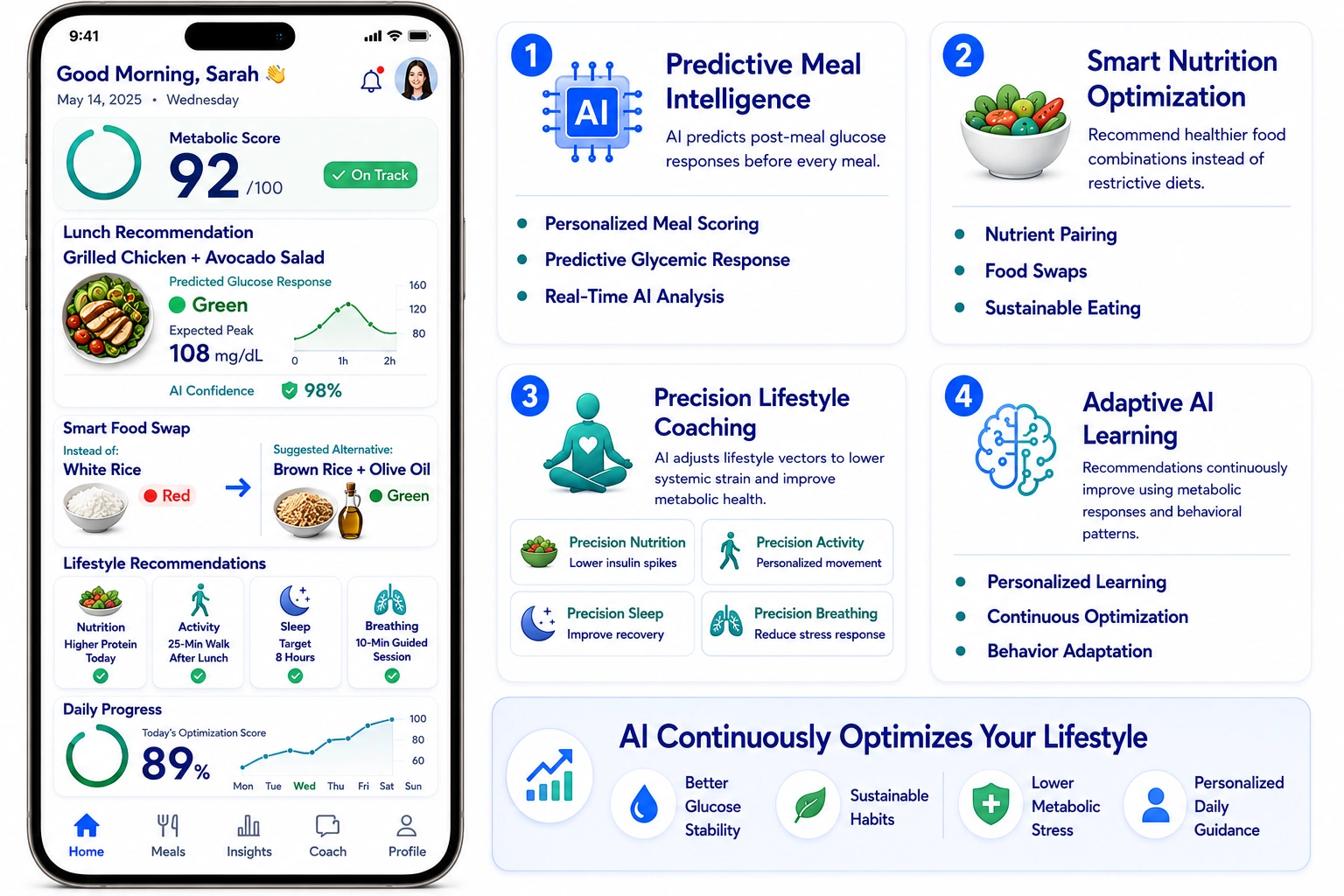
The platform’s predictive algorithms calculate postprandial (post-meal) glycemic responses, anticipating exactly how a patient’s blood sugar will react to specific food combinations.
- Dynamic Predictive Scoring: The mobile application translates complex biological forecasting into a simplified, color-coded interface (Green: recommended, Orange: moderation, Red: discouraged) tailored to the individual’s metabolic profile.
- Nutrient Displacement Over Deprivation: Instead of banning entire food groups, the AI engine evaluates the user’s subjective preferences to recommend precise macronutrient pairings. Adding a specific healthy fat or protein source can successfully neutralize an engineered “Red” response into a safe “Green” or “Orange” alternative.
- Multi-System Precision Frameworks:Behavioral micro-targets are continually adjusted across four core vectors to actively lower systemic strain:
- Precision Nutrition: Tailored macro-nutrient balancing to lower insulin spikes.
- Precision Activity: Targeted combinations of aerobic and strength training mapped to real-time energy baselines.
- Precision Sleep: Sleep-cycle tracking to improve cellular repair and reduce insulin resistance.
- Precision Breathing: Personalised meditative breathing durations designed to systematically lower sympathetic nervous system stress.
D. Clinical Care Plus AI Automation
The defining differentiator of Twin Health is that the technology does not operate in a vacuum. The platform tightly couples advanced AI automation with dedicated, human-in-the-loop medical supervision, establishing a highly collaborative care model.
The platform’s underlying intelligence acts as a force multiplier for an in-house medical team consisting of endocrinologists, primary care physicians, certified dietitians, and health coaches.
| Operational Vector | Standard Health Applications | Twin Health System |
| Primary Care Delivery | Self-guided logs with zero professional medical integration. | Full integration with an onboarding medical team and personal doctors. |
| Clinical Validation | Relies on generalized, non-blinded behavioral app surveys. | Validated in randomized clinical trials (RCTs) published in NEJM Catalyst. |
| Medication Paradigm | Recommends continuous adherence to lifelong prescriptions. | Data-driven, safe de-escalation and titration of chronic therapies. |
| Payer/Enterprise Efficacy | Hard to measure; shows high user attrition after 90 days. | $7,532 in verified cost savings per member over a two-year horizon. |
Rather than asking users to self-manage complex diseases, the platform uses AI to flag metabolic deviations the moment they happen, alerting the care team to step in proactively before a clinical event occurs.
As the digital twin tracks root-cause healing, the algorithm provides physicians with precise metabolic metrics. This data-driven clarity empowers clinicians to safely execute structured medication de-escalation, enabling 71% of type 2 diabetes participants to achieve complete remission and allowing 85% of members to completely eliminate high-cost GLP-1 therapies without experiencing a rebound in weight.
Core Features of Metabolic Health Platform Like Twin Health
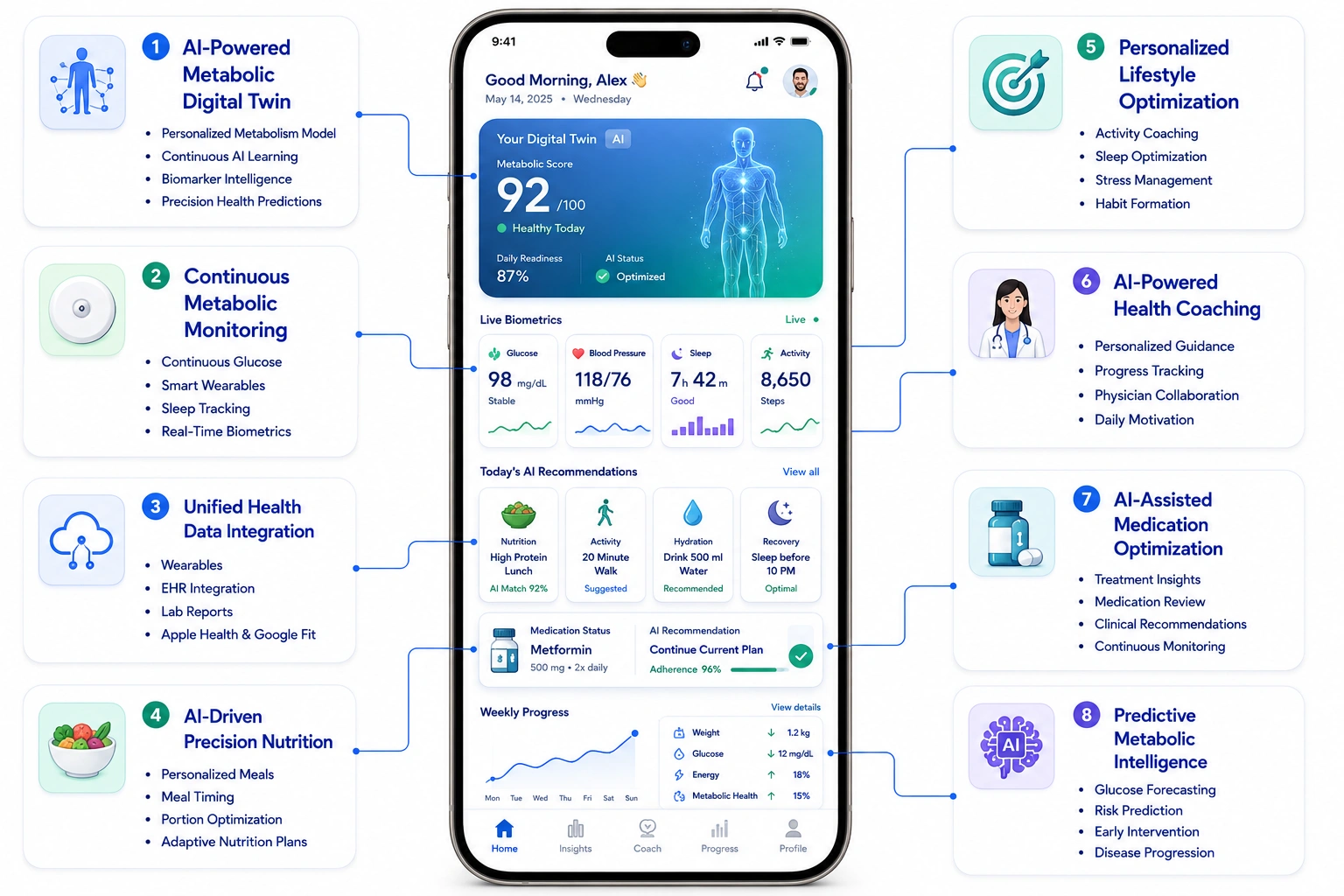
Building a metabolic health platform like Twin Health requires more than integrating wearable devices and AI. The platform should continuously interpret metabolic signals, personalize care, and enable clinicians to deliver data-driven interventions that improve long-term health outcomes and chronic disease management.
1. AI-Powered Metabolic Digital Twin
An AI-powered metabolic digital twin creates a continuously evolving virtual model of each user’s metabolism using data from CGMs, wearables, health records, sleep, activity, nutrition, and biomarkers. This intelligence enables personalized predictions, identifies metabolic patterns, and supports precision interventions tailored to every individual’s physiological responses.
2. Continuous Metabolic Monitoring
Continuous metabolic monitoring captures real-time health signals through CGMs, smart scales, blood pressure monitors, fitness trackers, and sleep sensors. Instead of relying on occasional clinical visits, it provides a complete view of metabolic changes, enabling timely interventions and more accurate personalized health recommendations.
3. Unified Health Data Integration
A unified health data integration layer consolidates information from wearable devices, electronic health records, laboratory reports, Apple Health, Google Fit, and other connected systems. Combining these data sources creates a comprehensive metabolic profile that improves AI accuracy and supports coordinated clinical decision-making.
4. AI-Driven Precision Nutrition Plans
Precision nutrition uses AI to analyze how an individual’s metabolism responds to different foods, meal timing, and portion sizes. The platform generates personalized dietary recommendations that continuously adapt to metabolic changes, helping users achieve sustainable behavior change and improved metabolic health outcomes.
5. Personalized Lifestyle Optimization
Lifestyle optimization extends beyond nutrition by delivering AI-driven recommendations for physical activity, sleep quality, stress management, hydration, and daily routines. Continuously adapting these recommendations according to metabolic responses helps users build healthier habits that support long-term disease prevention and overall wellness.
6. AI-Powered Health Coaching
AI-powered health coaching combines intelligent recommendations with support from physicians, dietitians, and health coaches to keep users engaged throughout their care journey. Personalized guidance, progress tracking, and timely interventions improve adherence, strengthen accountability, and encourage lasting lifestyle changes.
7. AI-Assisted Medication Optimization
Medication optimization uses AI-generated metabolic insights to help clinicians evaluate treatment effectiveness and safely adjust medications when appropriate. Continuous monitoring supports evidence-based decisions, minimizes unnecessary medication dependence, and enables personalized treatment plans while maintaining patient safety and clinical oversight.
8. Predictive Metabolic Intelligence
Predictive metabolic intelligence analyzes historical and real-time health data to forecast blood glucose fluctuations, disease progression, metabolic risks, and responses to lifestyle interventions. These predictive insights enable proactive clinical decisions, earlier interventions, and more personalized strategies for preventing long-term metabolic complications.
How to Develop a Metabolic Health Platform Like Twin Health
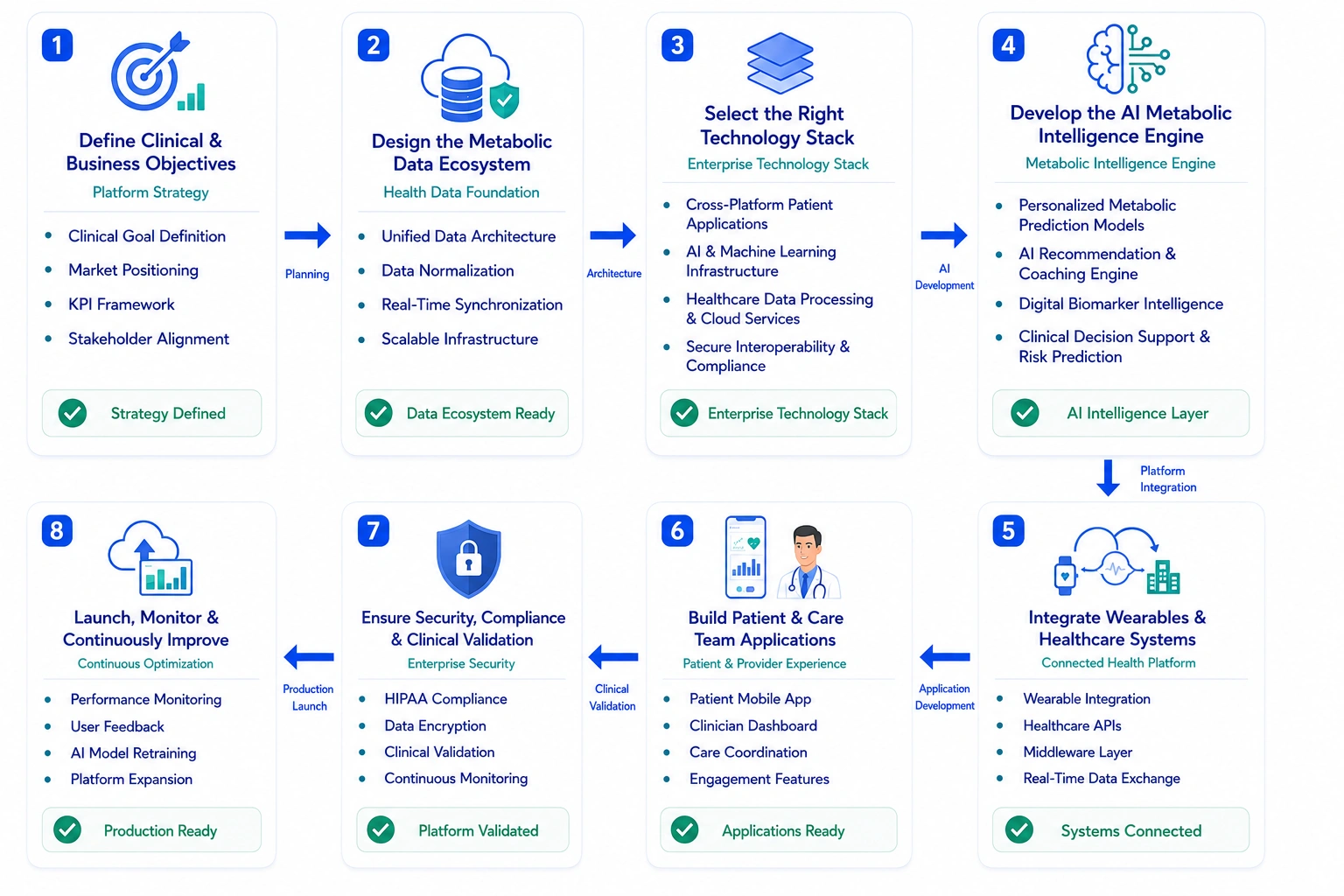
Building an AI-powered metabolic health platform requires a structured development approach that combines clinical expertise, intelligent data architecture, scalable technology, and regulatory compliance. Following the right process ensures the platform delivers personalized metabolic care while remaining secure, reliable, and ready for long-term growth.
1. Define Your Clinical and Business Objectives
The first step is defining the platform’s clinical vision and business strategy. Our team identifies the target metabolic conditions, user segments, care delivery model, compliance requirements, and measurable health outcomes to establish a strong foundation for product development.
- Strategic Objective Alignment: Establishes clear clinical goals, target patient segments, measurable outcomes, and business value propositions for platform success.
- Market Positioning Strategy: Defines competitive differentiation, value proposition, and target market segments to ensure strong product-market fit.
- Outcome Measurement Framework: Identifies key performance indicators (KPIs) and clinical metrics to track success and validate platform effectiveness.
- Stakeholder Alignment Planning: Ensures alignment between healthcare providers, business teams, and technology stakeholders for cohesive execution.
2. Design the Metabolic Data Ecosystem
Next, we design a centralized health data ecosystem that securely collects and synchronizes information from wearables, CGMs, laboratory reports, EHRs, and patient inputs, ensuring high-quality data for accurate AI-driven metabolic analysis and personalized care.
- Unified Data Architecture Planning: Designs a centralized system to collect, standardize, and synchronize diverse health data sources for accurate analysis.
- Data Quality and Normalization Strategy: Ensures consistency, accuracy, and reliability of incoming health data across multiple sources.
- Real-Time Data Synchronization: Enables continuous data flow from devices and systems for timely insights and interventions.
- Scalable Data Infrastructure Design: Builds a flexible architecture capable of handling growing data volumes and expanding integrations.
3. Select the Right Technology Stack
Our developers carefully select scalable technologies that support AI workloads, real-time health data processing, healthcare interoperability, cloud scalability, and enterprise-grade security. The right technology stack ensures long-term platform performance, flexibility, and future product expansion.
| Technology Layer | Recommended Technologies | Purpose in the Platform |
| Patient Applications | Flutter, React Native, Swift (iOS), Kotlin (Android) | Enable patients to track health metrics, receive insights, and interact with care plans seamlessly |
| AI & Machine Learning | PyTorch, TensorFlow, Scikit-learn, XGBoost, LangChain | Power predictive analytics, personalized recommendations, and intelligent automation for improved patient outcomes |
| Health Data Processing | Apache Kafka, Apache Spark, Airflow, Redis Streams | Process real-time and batch health data streams for analytics, alerts, and system responsiveness |
| Wearable & Device Integration | Apple HealthKit, Google Health Connect, Dexcom API, Abbott Libre, Garmin Health API | Integrate wearable devices to collect continuous health data for monitoring and personalized insights generation |
| Healthcare Interoperability | HL7 FHIR, SMART on FHIR, Epic API, Cerner API | Enable seamless data exchange between healthcare systems, ensuring compatibility and standardized communication protocols |
| Cloud Infrastructure | AWS HealthLake, Microsoft Azure Health Data Services, Google Cloud Healthcare API | Provide scalable, secure infrastructure for storing, processing, and managing healthcare data across environments |
| Database & Time-Series Storage | PostgreSQL, MongoDB, TimescaleDB, Amazon S3 | Store structured and unstructured health data, including time-series metrics for analysis and historical tracking |
| Security & Compliance | OAuth 2.0, OpenID Connect, AES-256 Encryption, HIPAA, GDPR | Ensure data protection, secure access control, and compliance with healthcare regulations and privacy standards |
Note: Choose technologies based on scalability, interoperability, AI performance, regulatory compliance, and long-term maintainability. A future-ready architecture is far more valuable than selecting tools solely based on popularity.
4. Develop the AI Metabolic Intelligence Engine
This stage focuses on building the platform’s AI intelligence layer. We develop machine learning models that analyze metabolic data, generate personalized recommendations, predict health outcomes, support clinical decisions, and continuously improve through real-world patient interactions.
| AI System | Purpose in the Platform | AI Recommendation |
| Personalized Metabolic Prediction Models | Analyze continuous health data to predict glucose responses, insulin sensitivity, risks, and lifestyle impacts. | Time-series forecasting models (LSTM, Transformer-based models), Gradient Boosting (XGBoost, LightGBM) |
| Digital Biomarker Generation | Convert physiological data into digital biomarkers for assessing metabolic health, disease progression, and treatment outcomes. | Signal processing + Deep Learning (CNNs), Autoencoders, Feature engineering pipelines |
| Real-Time Recommendation Engine | Generate personalized recommendations for nutrition, activity, sleep, hydration, stress, and habits using real-time insights. | Reinforcement Learning, Contextual Bandits, Recommendation Systems (Collaborative + Content-based filtering) |
| Behavioral AI for Habit Change | Provide coaching, reminders, and adaptive nudges to improve adherence and encourage sustainable healthy behaviors. | NLP models (LLMs), Behavioral modeling, Reinforcement Learning for adaptive interventions |
| Population Health Intelligence | Analyze aggregated patient data to identify trends, risk groups, and opportunities for preventive interventions. | Clustering (K-Means, DBSCAN), Predictive analytics, Graph analytics |
| Clinical Decision Support Models | Assist clinicians with risk assessments, treatment recommendations, medication optimization, and patient-specific clinical alerts. | Explainable AI (SHAP, LIME), Bayesian models, Ensemble learning |
Note: Together, these AI systems create a continuously learning metabolic intelligence platform that delivers personalized care, improves clinical decision-making, predicts health risks early, and supports better long-term metabolic outcomes for both patients and healthcare providers.
5. Integrate Wearables and Healthcare Systems
We integrate wearable devices, connected health sensors, EHR platforms, laboratory systems, and healthcare APIs to create a unified ecosystem where real-time patient data flows securely between devices, clinicians, and AI systems without disrupting existing workflows.
- Seamless System Integration Strategy: Ensures smooth connectivity between devices, healthcare systems, and APIs for uninterrupted real-time data exchange and interoperability.
- API and Middleware Development: Builds robust integration layers to connect diverse systems efficiently.
- Device Compatibility Management: Supports a wide range of wearable devices and health sensors for comprehensive data collection.
- Data Synchronization and Latency Optimization: Minimizes delays in data transfer to enable real-time insights and interventions.
6. Build Patient and Care Team Applications
Our team develops intuitive applications for both patients and healthcare professionals. These applications simplify health monitoring, personalized recommendations, care coordination, progress tracking, secure communication, and clinical decision-making while delivering an engaging user experience across every interaction.
- User-Centric Application Development: Focuses on designing intuitive interfaces that enhance engagement, simplify workflows, and improve patient and clinician experiences.
- Cross-Platform Accessibility: Ensures seamless functionality across mobile, web, and tablet devices for broader user reach.
- Workflow Optimization for Clinicians: Streamlines clinical processes to reduce administrative burden and improve care delivery efficiency.
- Engagement and Retention Features: Incorporates gamification, reminders, and personalized insights to keep users actively engaged.
7. Ensure Security, Compliance, and Clinical Validation
Before deployment, we implement enterprise-grade security, regulatory compliance, and clinical validation processes. Our developers protect sensitive health information, validate AI performance, and ensure the platform meets healthcare standards required for safe and reliable patient care.
- Regulatory Compliance and Risk Management: Implements strict security protocols, validates clinical accuracy, and ensures adherence to healthcare regulations and data protection standards.
- Data Encryption and Access Control: Protects sensitive patient data through advanced encryption and role-based access mechanisms.
- Clinical Validation and Testing: Ensures AI models and platform features meet clinical accuracy and safety standards.
- Continuous Security Monitoring: Detects and mitigates potential threats through ongoing system surveillance and updates.
8. Launch, Monitor, and Continuously Improve
After launch, we continuously monitor platform performance, user engagement, clinical outcomes, and AI accuracy. Regular model improvements, feature enhancements, and data-driven optimization help the platform evolve alongside changing patient needs and healthcare innovations.
- Continuous Performance Optimization: Monitors system performance, user engagement, and clinical outcomes to drive ongoing improvements and platform scalability.
- User Feedback Integration: Collects and incorporates feedback to refine features and enhance user satisfaction.
- AI Model Retraining and Updates: Continuously improves model accuracy using new data and evolving clinical insights.
- Scalability and Feature Expansion: Expands platform capabilities to support growing user bases and emerging healthcare needs.
Cost to Build a Metabolic Health Platform Like Twin Health
The cost of developing a metabolic health platform depends on its AI sophistication, clinical capabilities, healthcare integrations, compliance requirements, and deployment scale. A basic MVP requires significantly less investment than an enterprise-grade platform with predictive AI, continuous monitoring, and advanced clinical workflows.
A realistic budget is easier to estimate by breaking the project into individual development phases. Each phase contributes unique functionality, infrastructure, and compliance requirements that directly influence the overall investment.
| Development Phase | Estimated Cost (MVP → Enterprise) | What the Phase Covers |
| Product Discovery & Clinical Planning | $5,000 – $15,000 | Define clinical objectives, business model, user personas, care workflows, compliance scope, and product roadmap. |
| UI/UX Design & User Experience | $8,000 – $25,000 | Design patient journeys, clinician dashboards, wireframes, prototypes, accessibility, and intuitive healthcare interfaces. |
| Backend & Data Infrastructure | $15,000 – $60,000 | Develop secure backend architecture, databases, APIs, authentication, health data pipelines, and scalable cloud infrastructure. |
| AI & Metabolic Intelligence Development | $20,000 – $120,000 | Build prediction models, recommendation engines, behavioral AI, digital biomarkers, and clinical decision support systems. |
| Patient & Clinician Applications | $15,000 – $80,000 | Develop cross-platform mobile applications and web portals with personalized experiences, dashboards, messaging, and care coordination. |
| Wearable & Healthcare Integrations | $7,000 – $50,000 | Integrate CGMs, wearable devices, EHRs, laboratory systems, pharmacy platforms, and healthcare interoperability standards. |
| Security, Compliance & Testing | $5,000 – $40,000 | Implement HIPAA, GDPR, encryption, penetration testing, AI validation, performance testing, and clinical quality assurance. |
| Deployment & Post-Launch Optimization | $5,000 – $30,000 | Production deployment, DevOps, monitoring, analytics, AI retraining, maintenance, and continuous feature enhancements. |
| Total Estimated Cost | $80,000 – $600,000+ | Combined estimated investment across all development phases (aligned with platform levels). |
Note: These figures are illustrative estimates only and do not represent actual development costs. Final expenses may vary widely based on project scope, technical complexity, team expertise, and specific business requirements.
Development Cost by Platform Level
Different business goals require different platform capabilities. An MVP validates the product idea quickly, while enterprise platforms prioritize advanced AI, healthcare interoperability, regulatory compliance, and large-scale deployments.
However, it’s important to understand that the following cost ranges are approximate industry benchmarks, not fixed or universally accurate figures. Real-world costs can vary significantly depending on geography, team expertise, regulatory scope, and the depth of AI and clinical functionality.
| Platform Level | Estimated Cost Range | Features Included |
| MVP | $80,000 – $170,000 | Patient onboarding, wearable connectivity, metabolic tracking, basic AI-driven nutrition guidance, dashboards, limited analytics, and secure authentication. |
| Mid-Level Platform | $200,000 – $330,000 | Advanced AI recommendations, clinician portal, EHR integration, health coaching workflows, medication insights, reporting, and predictive analytics. |
| Enterprise Platform | $350,000 – $600,000+ | Full-scale AI metabolic intelligence engine, digital biomarkers, population health analytics, multi-organization management, enterprise-grade security, compliance, and scalability. |
Important Clarification: These estimates are directional and should not be treated as exact pricing. Platforms similar to Twin Health often exceed these ranges due to:
- Extensive AI model training and validation
- Clinical trials and medical-grade accuracy requirements
- Regulatory approvals and certifications
- Continuous data ingestion from multiple devices
- Long-term infrastructure and operational costs
Factors That Influence Development Budget
Every metabolic health platform is unique. The final development budget depends on several technical, clinical, and business factors that determine implementation complexity, development effort, infrastructure requirements, and long-term operational scalability.
- AI Personalization & Digital Twins: Personalized prediction models, digital twins, behavioral intelligence, and explainable AI require extensive model training and validation, adding $40,000–$180,000+.
- Healthcare Interoperability: Integration of EHRs, labs, pharmacies, payer systems, and wearable devices demands complex architecture and testing, adding $30,000–$150,000+.
- Real-Time Decision Intelligence: Continuous biometric data processing for instant health recommendations requires event-driven architecture and low-latency analytics, adding $25,000–$120,000+.
- Multi-Tenant Clinical Architecture: Support for hospitals, employers, health plans, and providers on a single platform requires advanced permissions, isolated data, and configurable workflows, adding $35,000–$160,000+.
- Predictive Analytics & Population Health: Risk prediction, cohort analytics, disease forecasting, and population reporting require advanced AI and analytics infrastructure, adding $30,000–$140,000+.
How Metabolic Health Platforms Make Money?
A sustainable revenue strategy is essential for long-term growth in the metabolic healthcare industry. Most successful platforms combine multiple monetization models to generate recurring revenue while serving employers, healthcare providers, insurers, and individual users through personalized, outcome-driven care.
Overview of Key Revenue Models and Pricing Structures
Understanding diverse revenue streams helps stakeholders evaluate scalability, profitability, and impact across metabolic health platforms. The following table summarizes key models, pricing approaches, and value drivers for comparison.
| Revenue Model | Primary Customers | Pricing Structure | Typical Revenue Range | Key Value Drivers |
| Employer Wellness Programs | Employers & Corporations | Per-member-per-month or annual contracts | $20–$80 PMPM; $100K–$500K+ annually | Reduced healthcare costs, improved employee productivity |
| Health Plan Partnerships | Insurers & Health Plans | Reimbursement, shared savings, contracts | Varies by population size and outcomes | Population health improvement, cost reduction |
| Direct-to-Consumer Subscriptions | Individual Users | Monthly or annual subscription fees | $10–$50 per user/month | Scalable recurring revenue, user engagement |
| Value-Based Care Contracts | Providers & Payers | Outcome-based payments | Performance-dependent | Measurable health outcomes, cost savings |
With this high-level comparison in mind, let’s explore each revenue model in greater detail to understand how they operate in practice.
Adopting a mixed revenue model enhances resilience, diversifies income streams, reduces dependency on a single source, and unlocks greater long-term growth potential across multiple customer segments and market conditions.
1. Employer Wellness & Corporate Health Programs
Organizations invest in metabolic health platforms to improve employee well-being, reduce chronic disease risks by up to 30%, and lower healthcare costs by 15–25%. Revenue is generated through enterprise contracts, $20–$80 PMPM pricing, or annual agreements exceeding $500,000.
2. Health Plan & Insurance Partnerships
Insurance providers collaborate with metabolic health platforms to deliver preventive care and chronic disease management programs. Revenue is generated through reimbursement models, payer contracts, shared savings, and population health initiatives, often tied to measurable outcomes across populations ranging from 10,000 to over 1 million members.
3. Direct-to-Consumer Subscription Plans
Individuals subscribe for $10–$50 per month to access AI-powered metabolic insights, personalized nutrition plans, continuous health monitoring, digital coaching, and lifestyle management tools. This model drives scalable recurring revenue while expanding reach to thousands or millions of engaged users.
4. Value-Based Care Contracts
Healthcare providers, employers, and insurers adopt value-based agreements where payments depend on measurable outcomes. Platforms generate revenue by improving HbA1c by 1–2 points, achieving 5–10% weight loss, reducing hospitalizations by up to 20%, and lowering healthcare costs by 10–15%.
Practical Considerations When Building a Metabolic Health Platform
Building a metabolic health platform may appear simple with modern tools, but complexity increases with scale, clinical depth, and personalization needs. While challenges vary, certain factors become critical when developing a reliable, scalable, and clinically effective solution.
1. Handling Diverse Health Data Sources Efficiently
Challenge: Integrating multiple health data sources like CGMs, wearables, lab reports, and EHRs while maintaining consistency and real-time synchronization is complex.
Solution: Our developers build scalable data pipelines using standardized APIs, real-time processing frameworks, and validation mechanisms to ensure seamless data integration, synchronization, and accuracy across all connected health systems.
2. Building Reliable and Adaptive AI Models
Challenge: Developing AI models that remain accurate, adaptable, and reliable over time while delivering personalized health insights is technically demanding.
Solution: Our developers create explainable AI models with continuous learning capabilities, regularly validate outputs using clinical datasets, and refine algorithms to ensure consistent, personalized, and trustworthy health recommendations.
3. Data Security and Compliance Requirements
Challenge: Protecting sensitive patient data while meeting healthcare regulations like HIPAA and GDPR adds complexity to platform development and deployment.
Solution: Our developers implement secure architectures with encryption, access controls, compliance-ready frameworks, and regular audits to ensure data protection while maintaining regulatory alignment without disrupting system performance.
Why Build Your Metabolic Health Platform With IdeaUsher
IdeaUsher is an elite digital product engineering partner and healthtech innovator with 11+ years of industry mastery across 50+ countries. Supported by a global network of 250+ niche experts, 1,000+ completed projects, and a 4.9/5 Clutch rating, we build high-capacity medical IoT and ambient intelligence applications entirely from scratch.
We skip off-the-shelf templates to handcraft premium, HIPAA-compliant metabolic digital twin architectures optimized with real-time bi-directional wearable data ingestion pipelines, predictive machine learning AI models, and secure clinical EHR interoperability gates to help you capture undisputed industry dominance.
Why Enterprises Partner With Us
Healthcare networks and digital health innovators choose us to deploy digital twin ecosystems because we transform fragmented, continuous biomarker data streams into automated, clinical-grade chronic disease reversal programs.
- High-Fidelity Multi-Sensor Data Ingestion: We enable secure edge connectivity to aggregate data from CGMs, smart scales, and fitness trackers via Bluetooth, while our developers implement noise filtering to ensure reliable real-time insights.
- Predictive Metabolic Digital Twin Modeling: Our developers build AI models that analyze biometric, nutrition, and sleep data to simulate individual metabolism and deliver personalized nutrition recommendations.
- Automated Clinical Decision Support (CDSS): We implement intelligent safety guardrails that validate AI-generated nutrition and insulin recommendations against clinical rules before delivery.
- Isolated Multi-Tenant Medical Cloud Infrastructure: Our developers design independent cloud environments that ensure secure data segregation while supporting HIPAA and GDPR compliance.
- Zero Vendor Lock-In Delivery: We provide clean, well-documented source code of metabolic health platform like Twin Health development, giving you complete platform ownership, flexibility, and long-term scalability.
Ready to revolutionize chronic care management with an automated, AI-powered metabolic health platform? Partner with Idea Usher’s principal healthcare technology and AI software architects to map out your custom product build today.
Conclusion
The future of metabolic healthcare lies in personalized, data-driven care that goes beyond traditional disease management. A metabolic health platform like Twin Health demonstrate how AI, continuous health monitoring, and clinical expertise can work together to improve patient outcomes and reduce long-term healthcare costs. For businesses entering this space, success depends on combining the right AI capabilities, healthcare integrations, regulatory compliance, and scalable technology. Partnering with an experienced healthcare development team like IdeaUsher helps transform that vision into a secure, intelligent, and clinically impactful platform.
FAQs
A.1. A metabolic health platform like Twin Health should include an AI-powered metabolic digital twin, continuous metabolic monitoring, unified health data integration, precision nutrition, lifestyle optimization, AI health coaching, medication optimization, and predictive metabolic intelligence to deliver personalized, clinically guided care.
A.2. Wearable integration enables continuous collection of glucose, activity, sleep, heart rate, and other health data. This real-time information improves AI accuracy, supports personalized recommendations, and enhances long-term metabolic health management.
A.3. The metabolic health platform like Twin Health development costs vary based on platform complexity and AI capabilities. An MVP typically costs $80,000–$170,000, a Mid-Level Platform ranges from $200,000–$330,000, while an Enterprise Platform with advanced AI, healthcare integrations, and clinical features generally costs $350,000–$600,000+.
A.4. Regulatory compliance in metabolic health platform like Twin Health protects sensitive patient information while ensuring the platform meets healthcare standards. Implementing frameworks such as HIPAA and GDPR builds trust, reduces legal risks, and supports secure clinical operations.