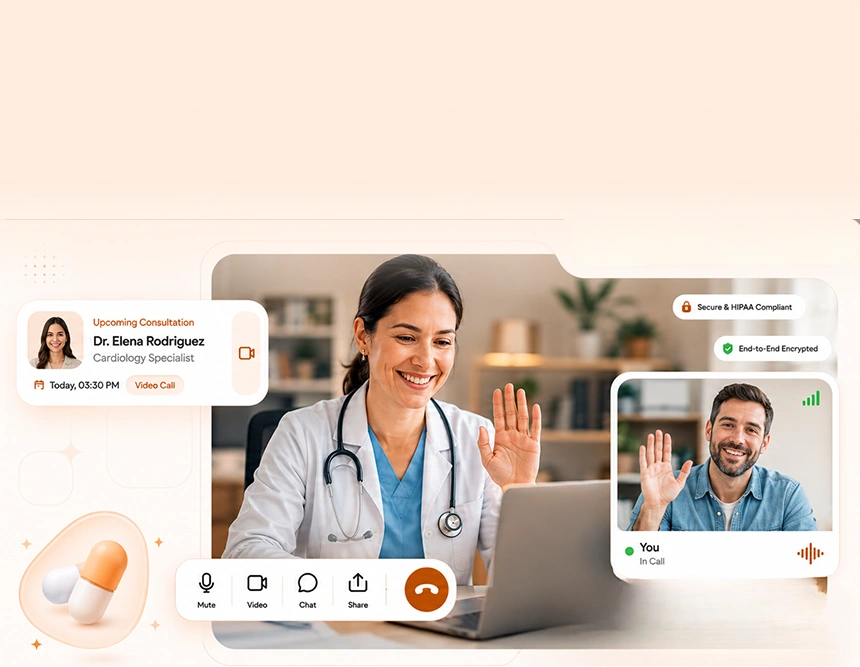
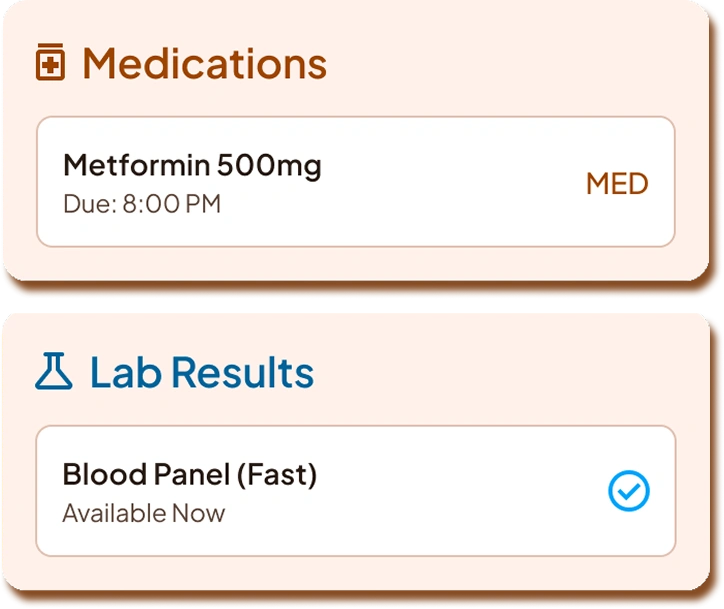
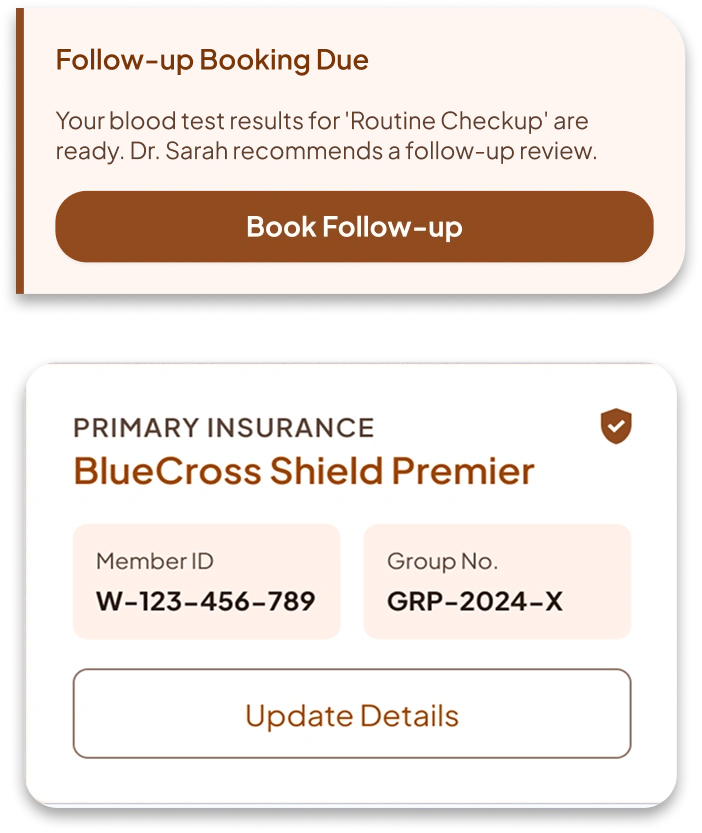
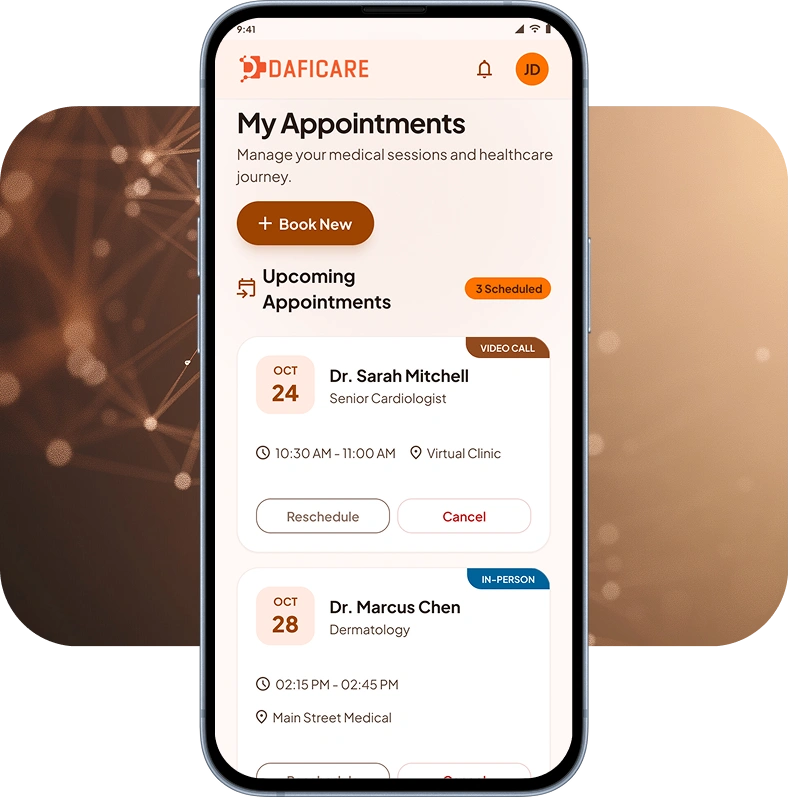
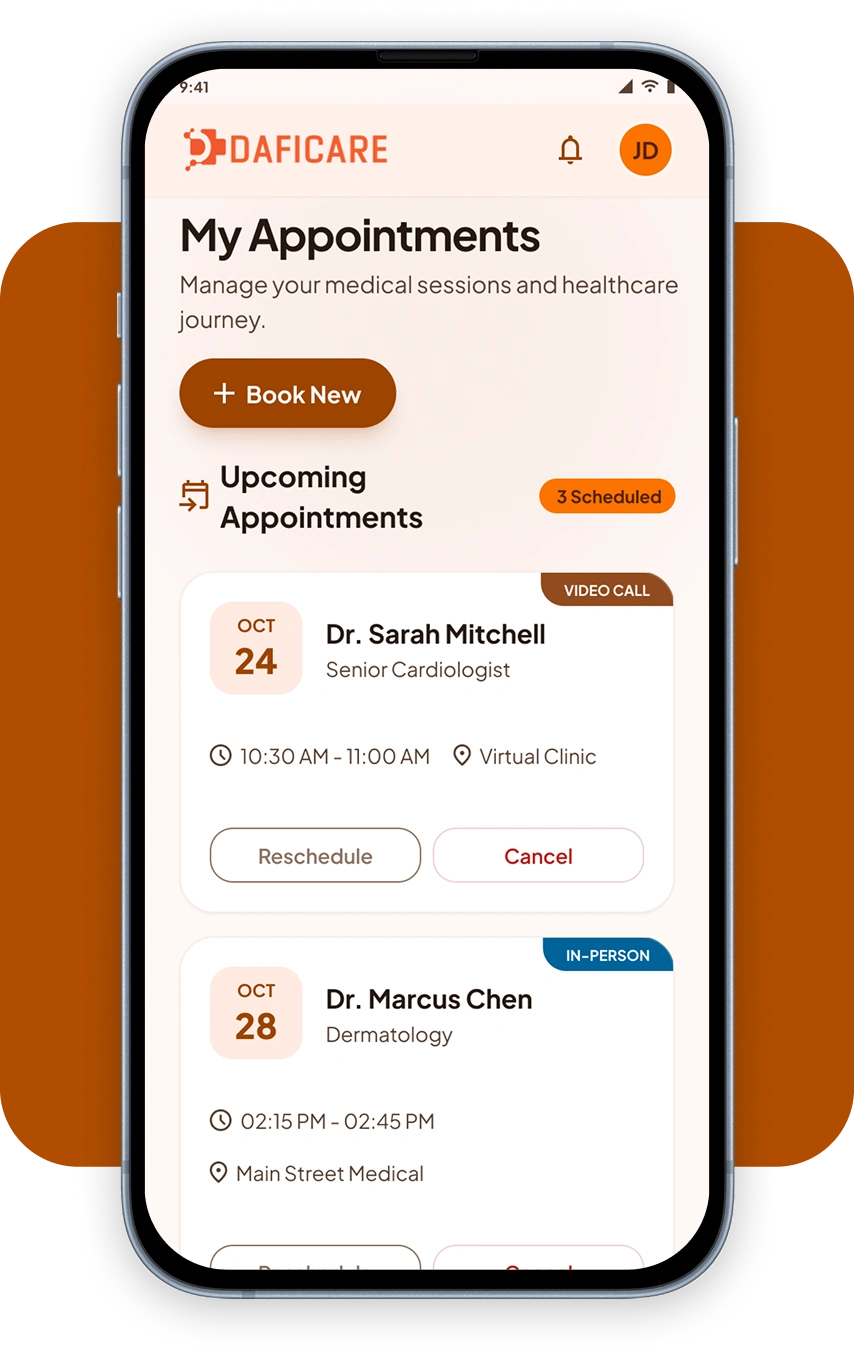
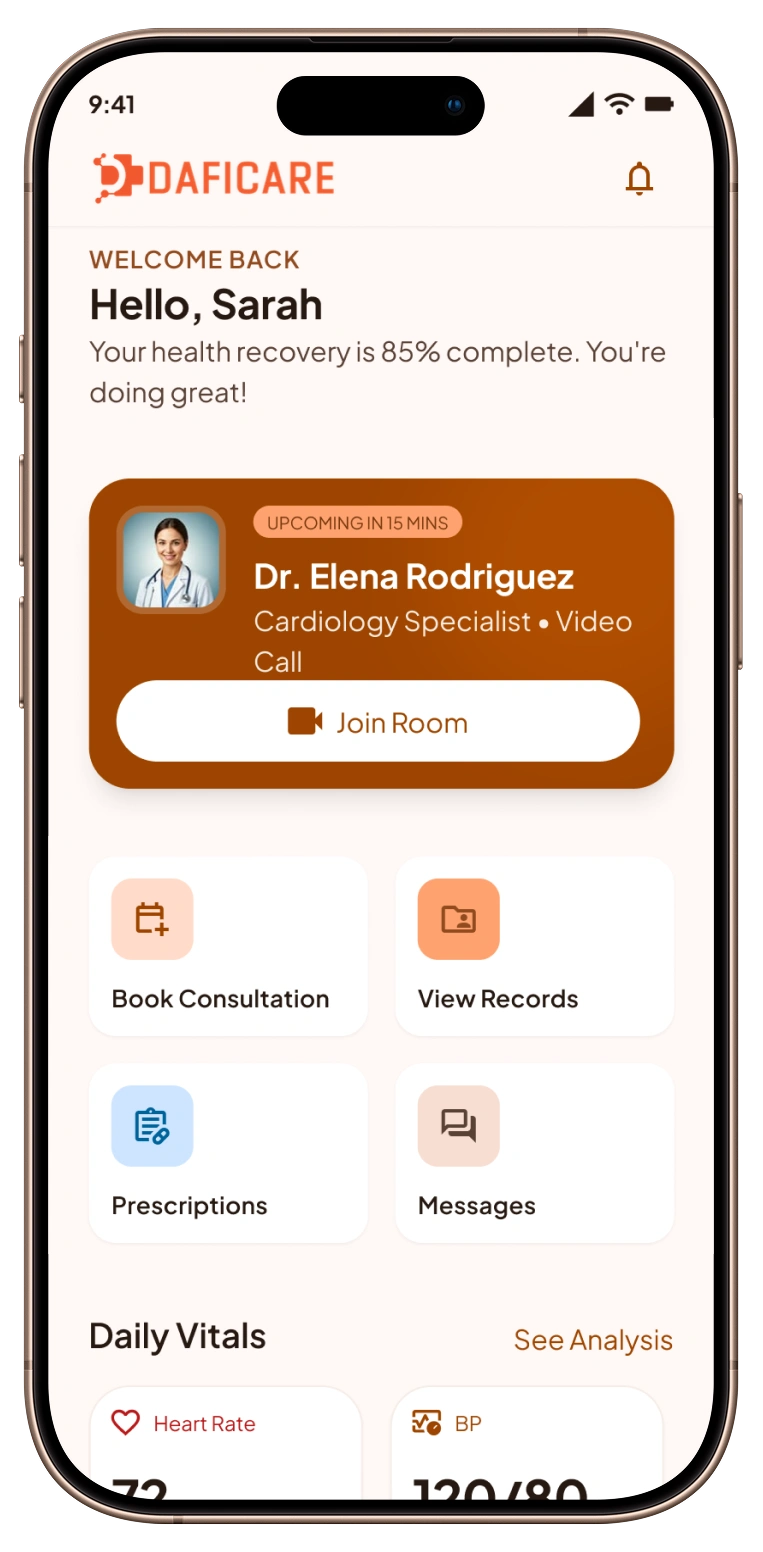
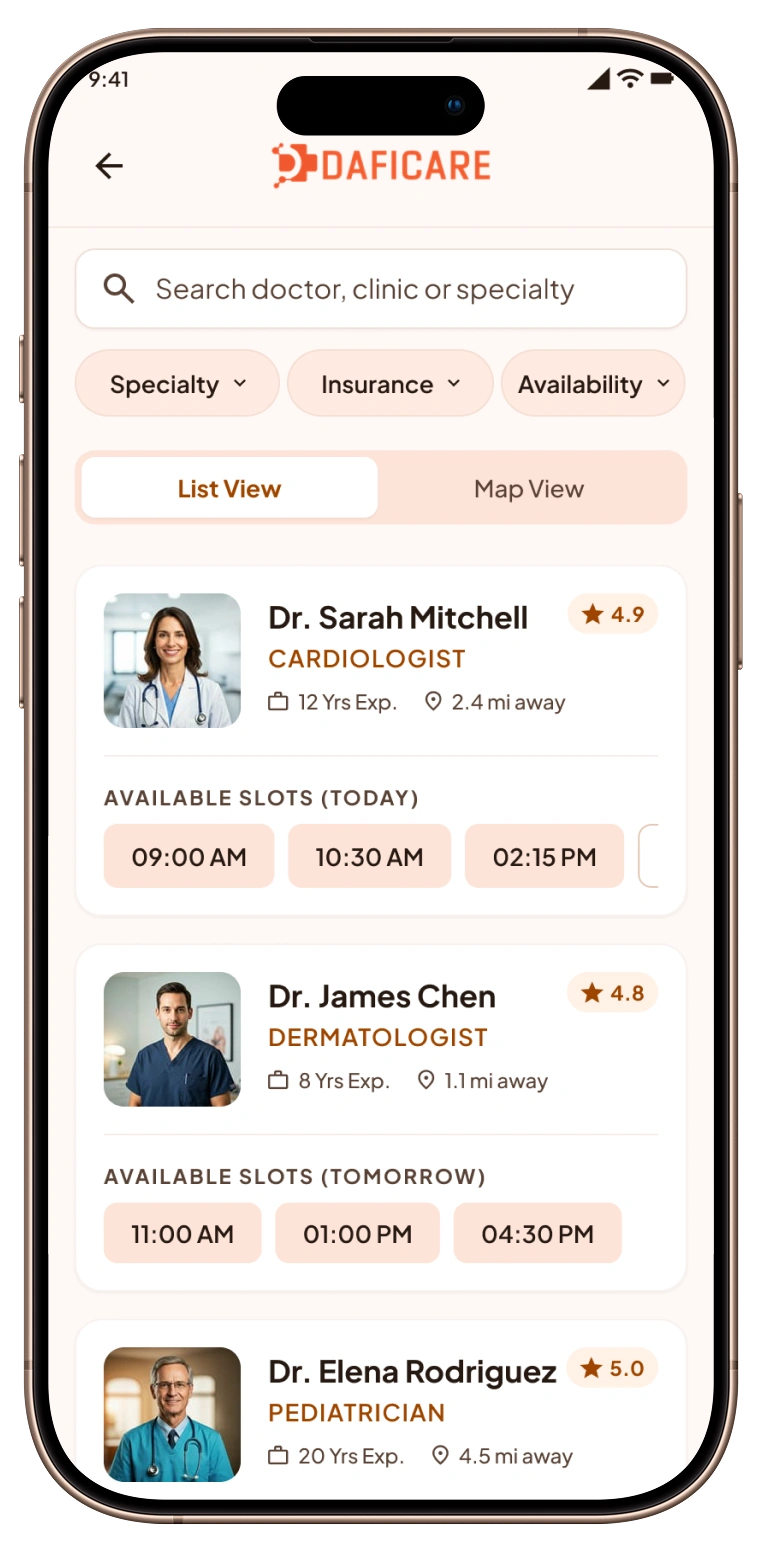
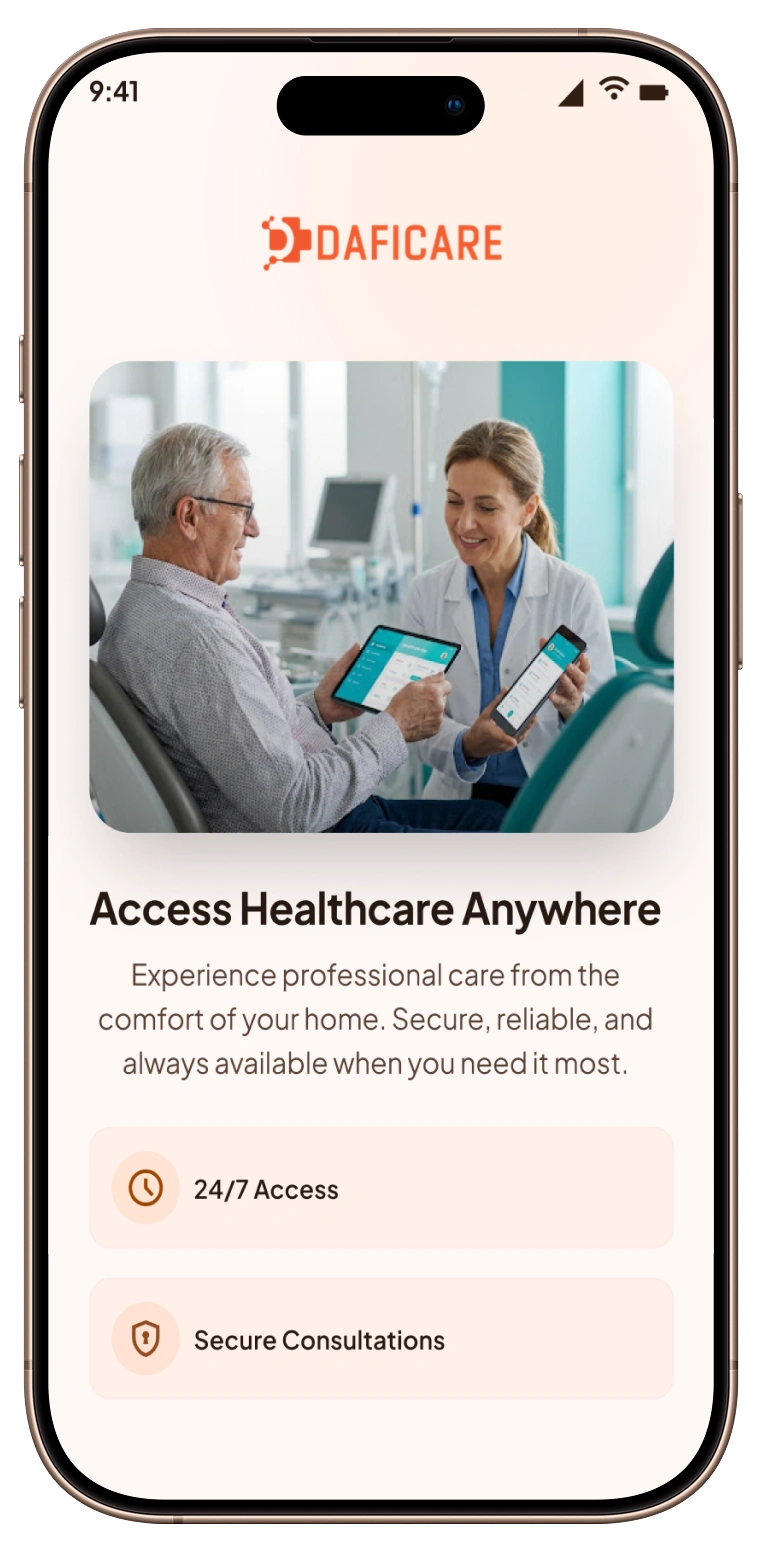
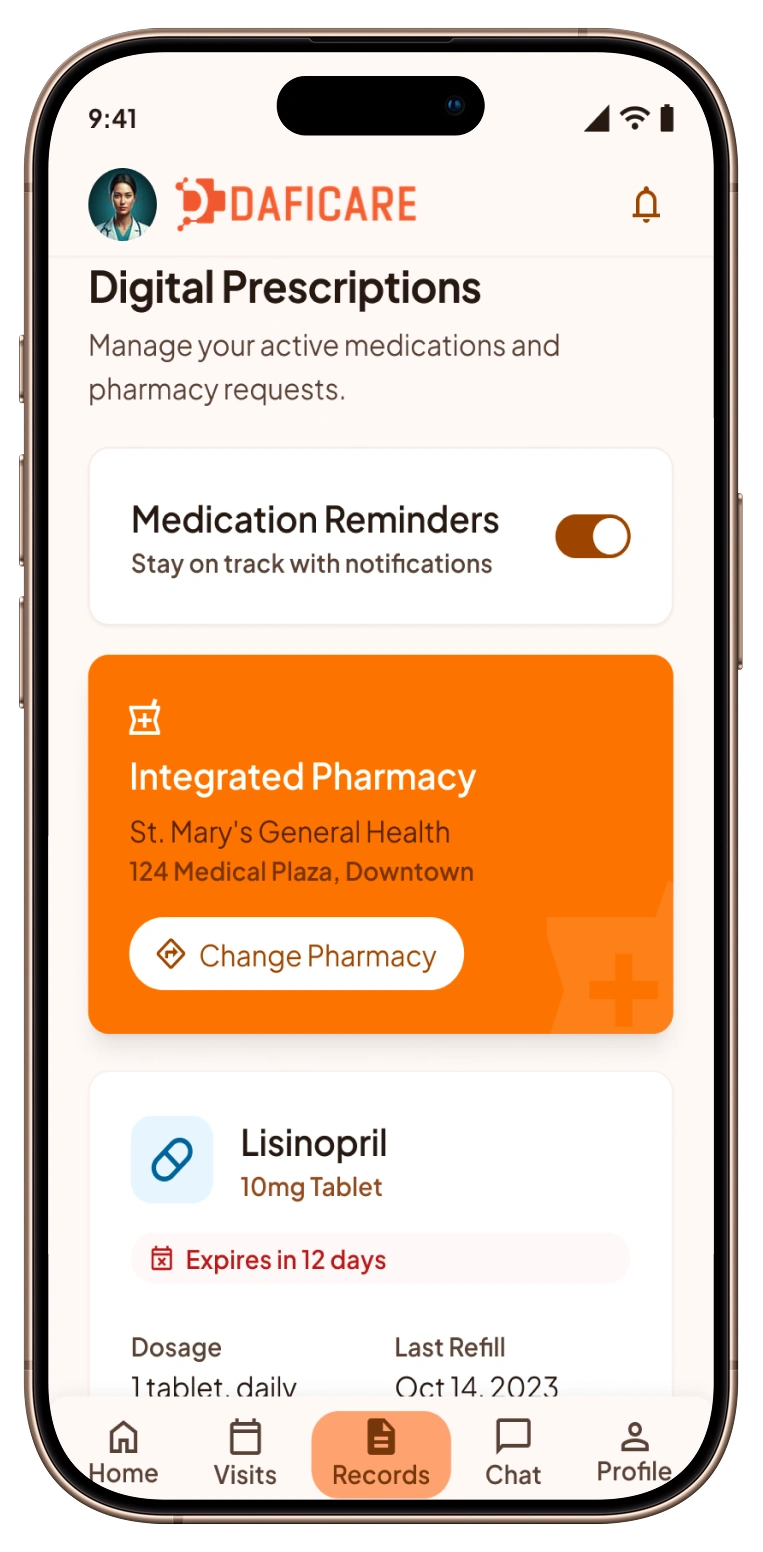
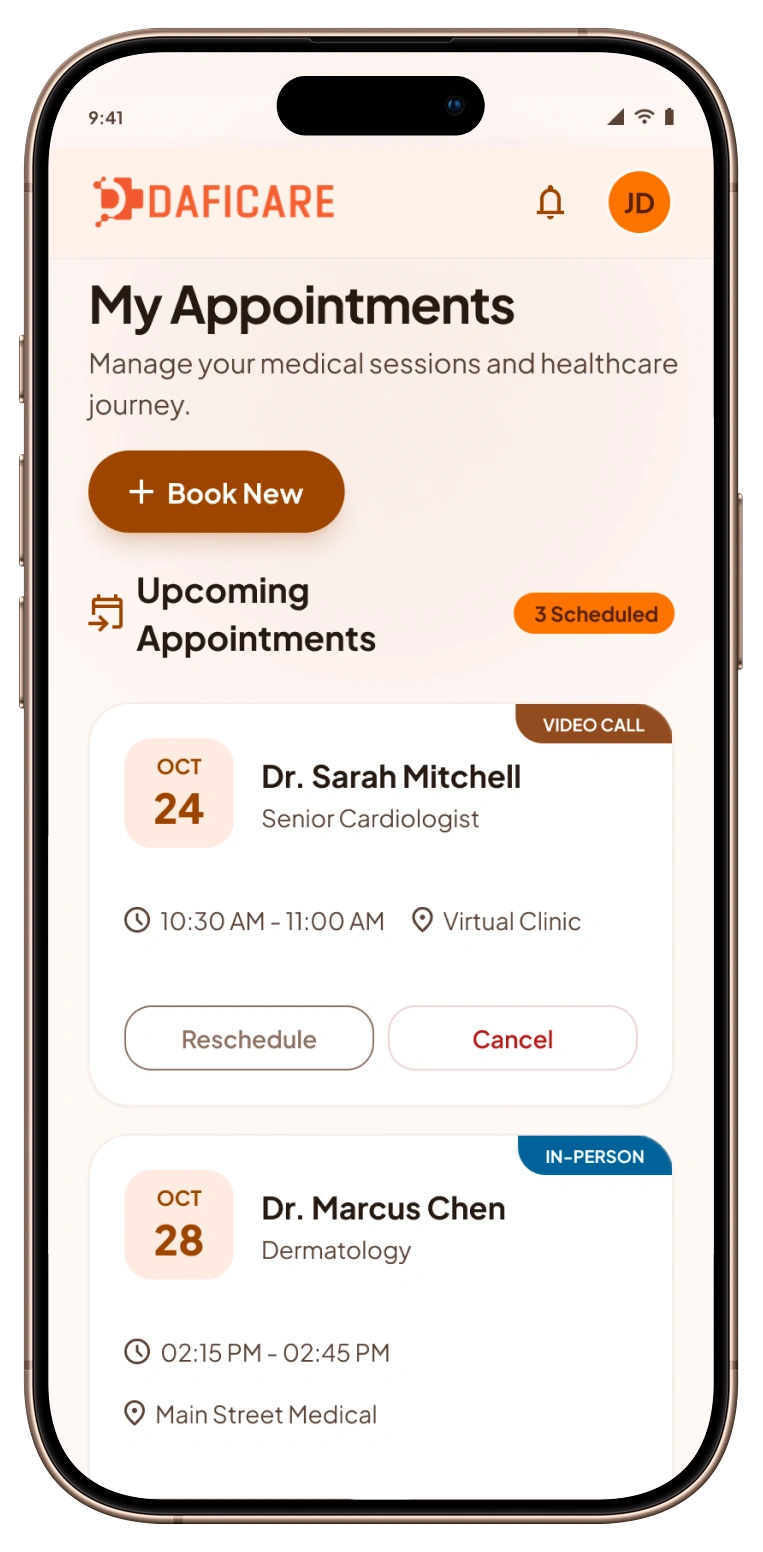
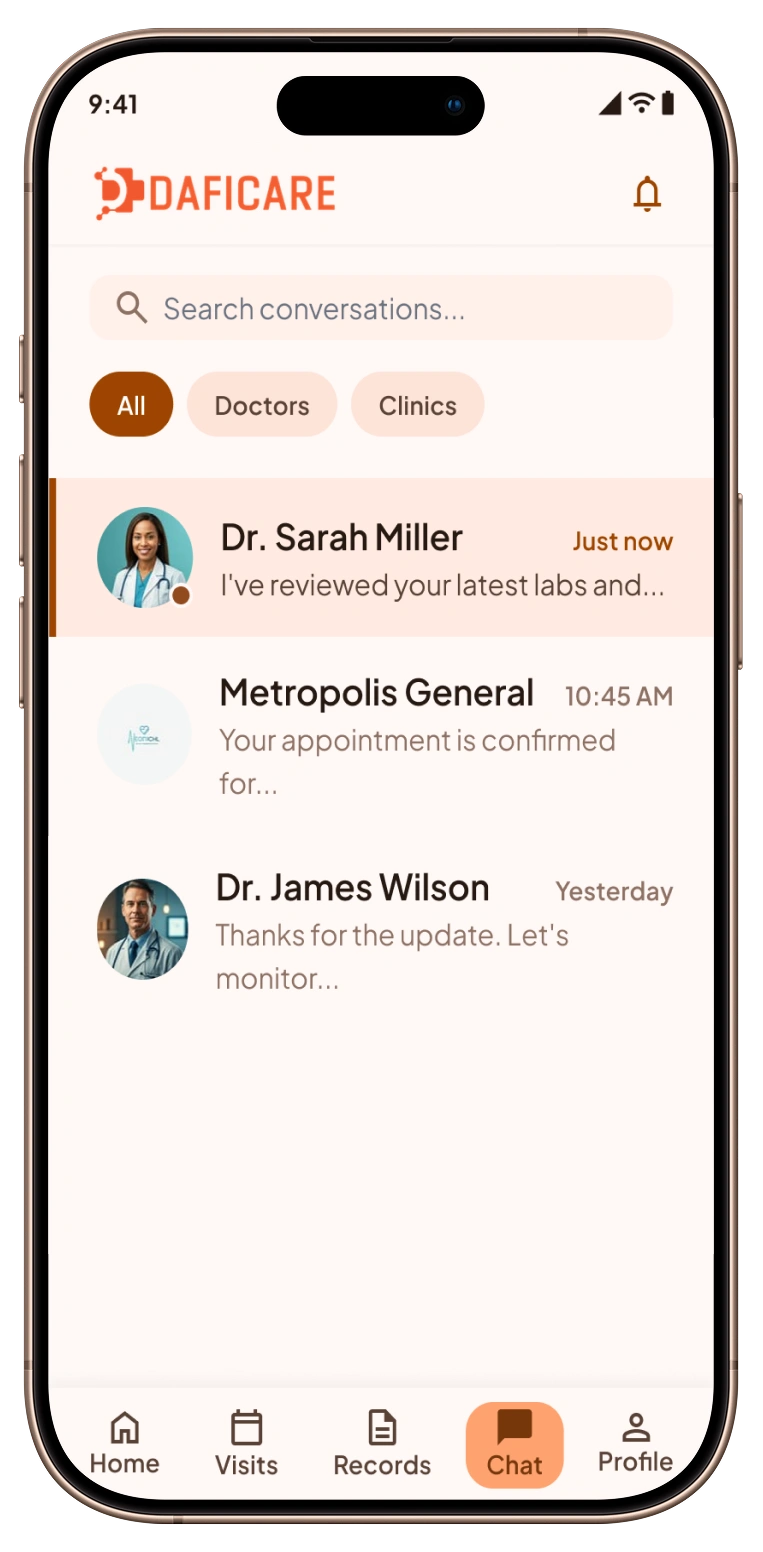
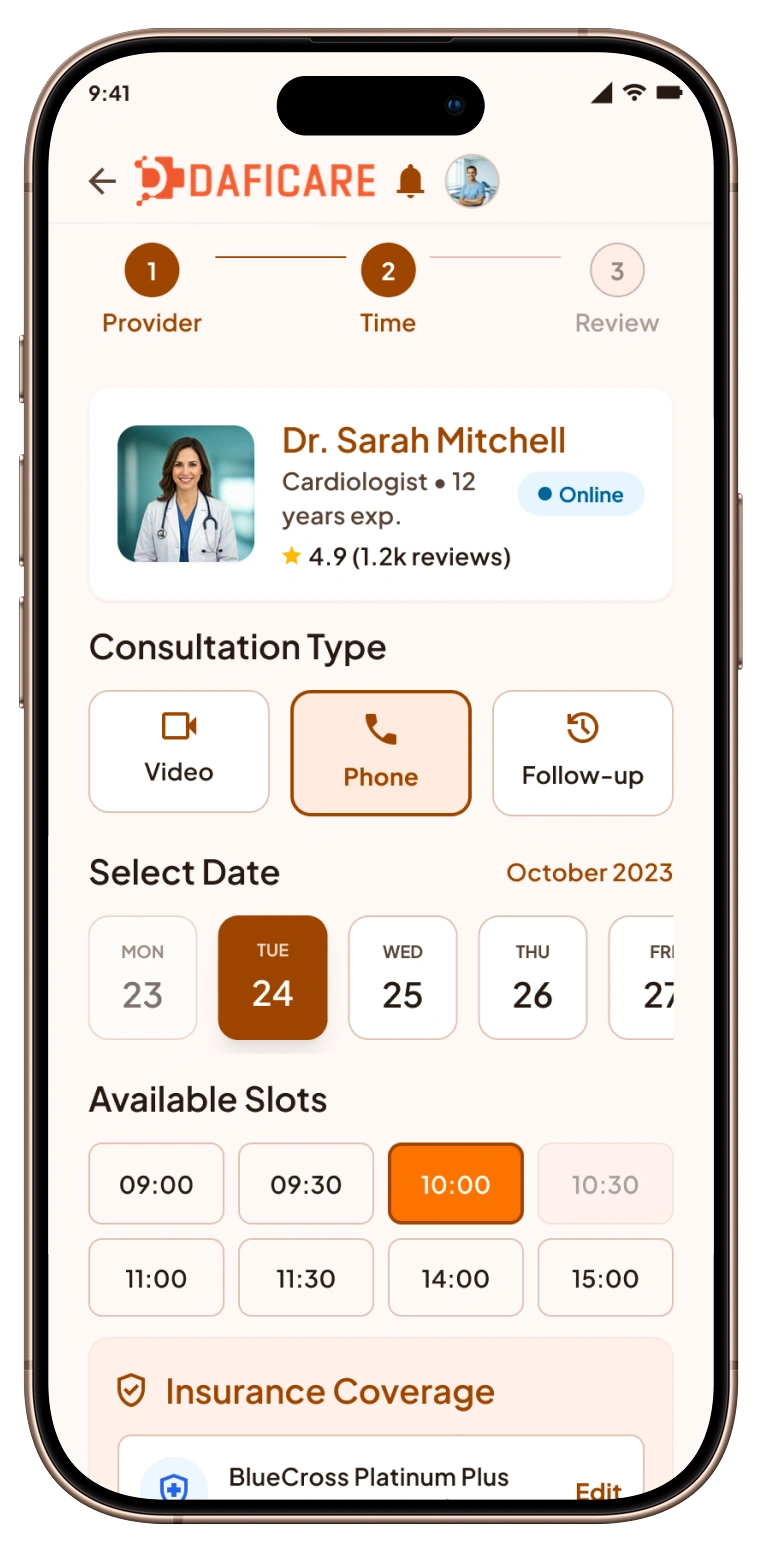
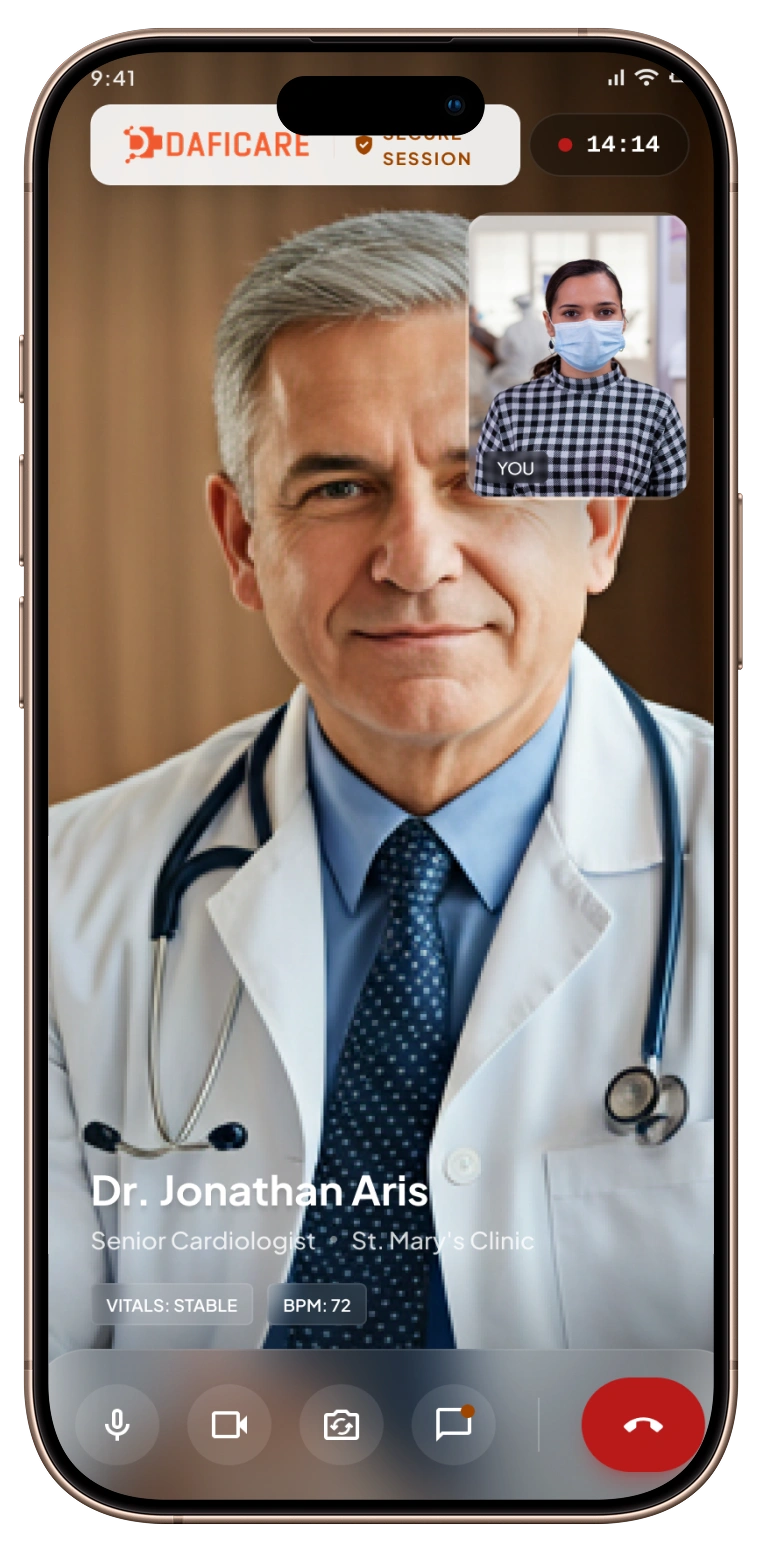
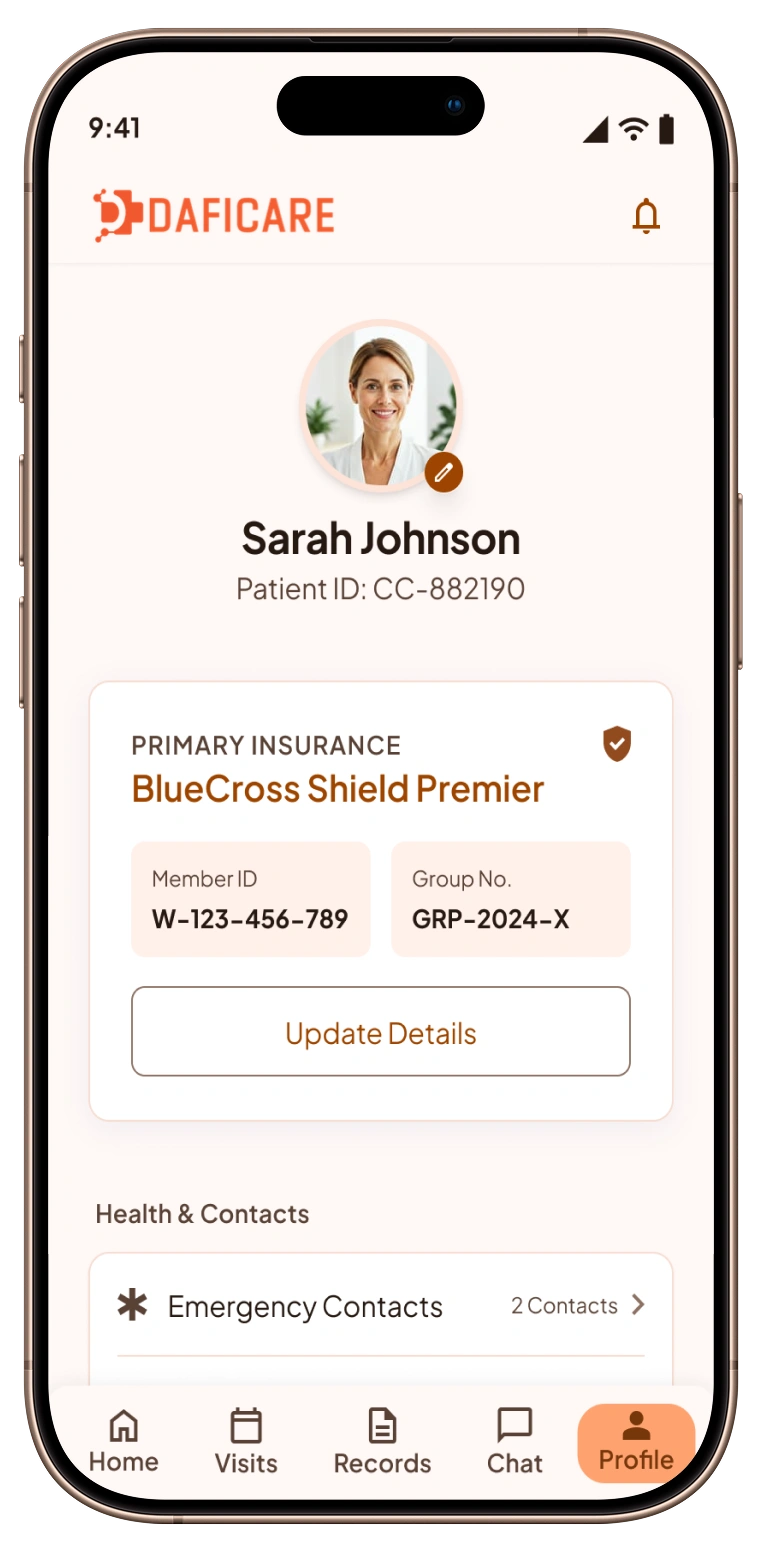
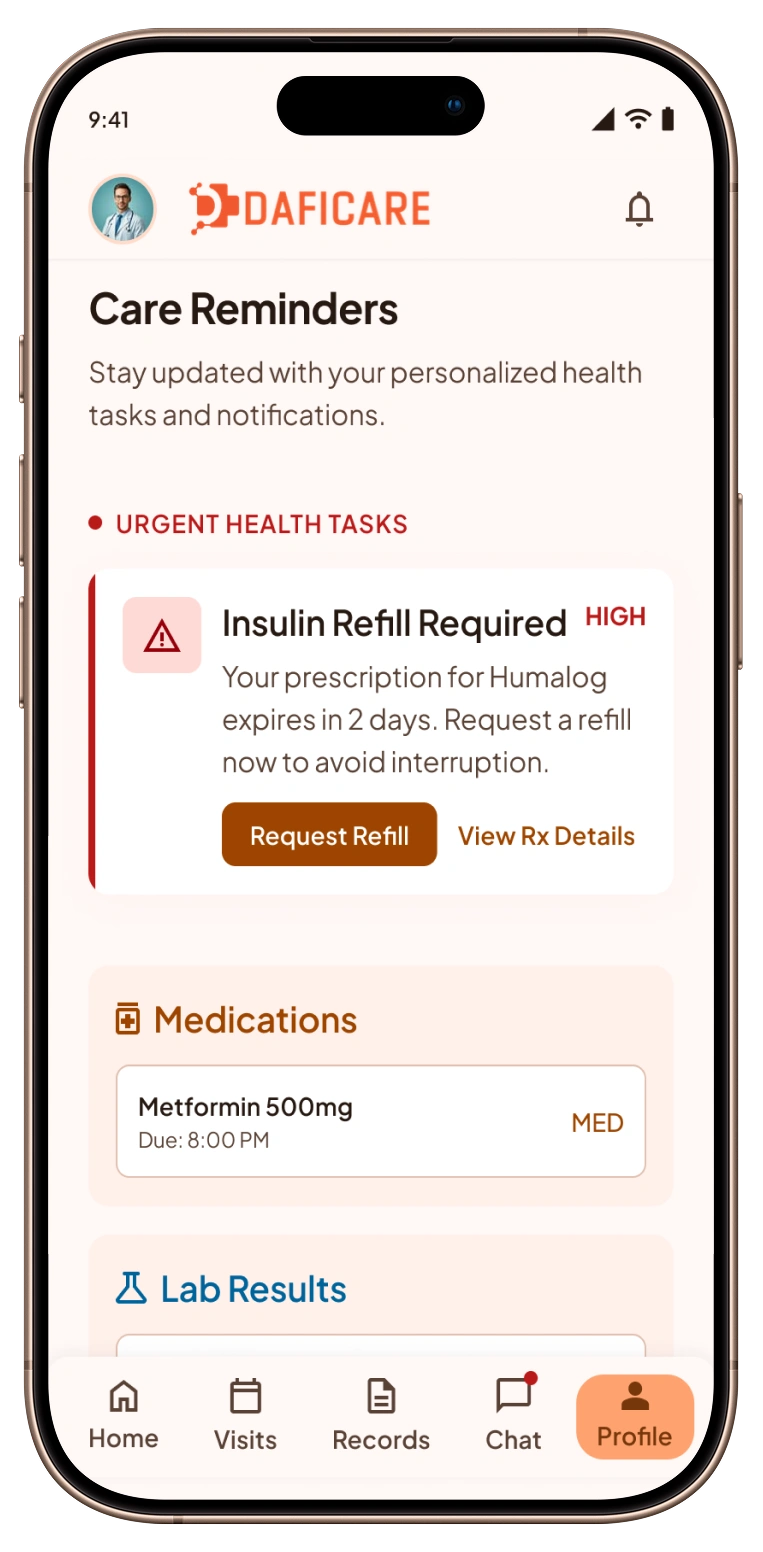
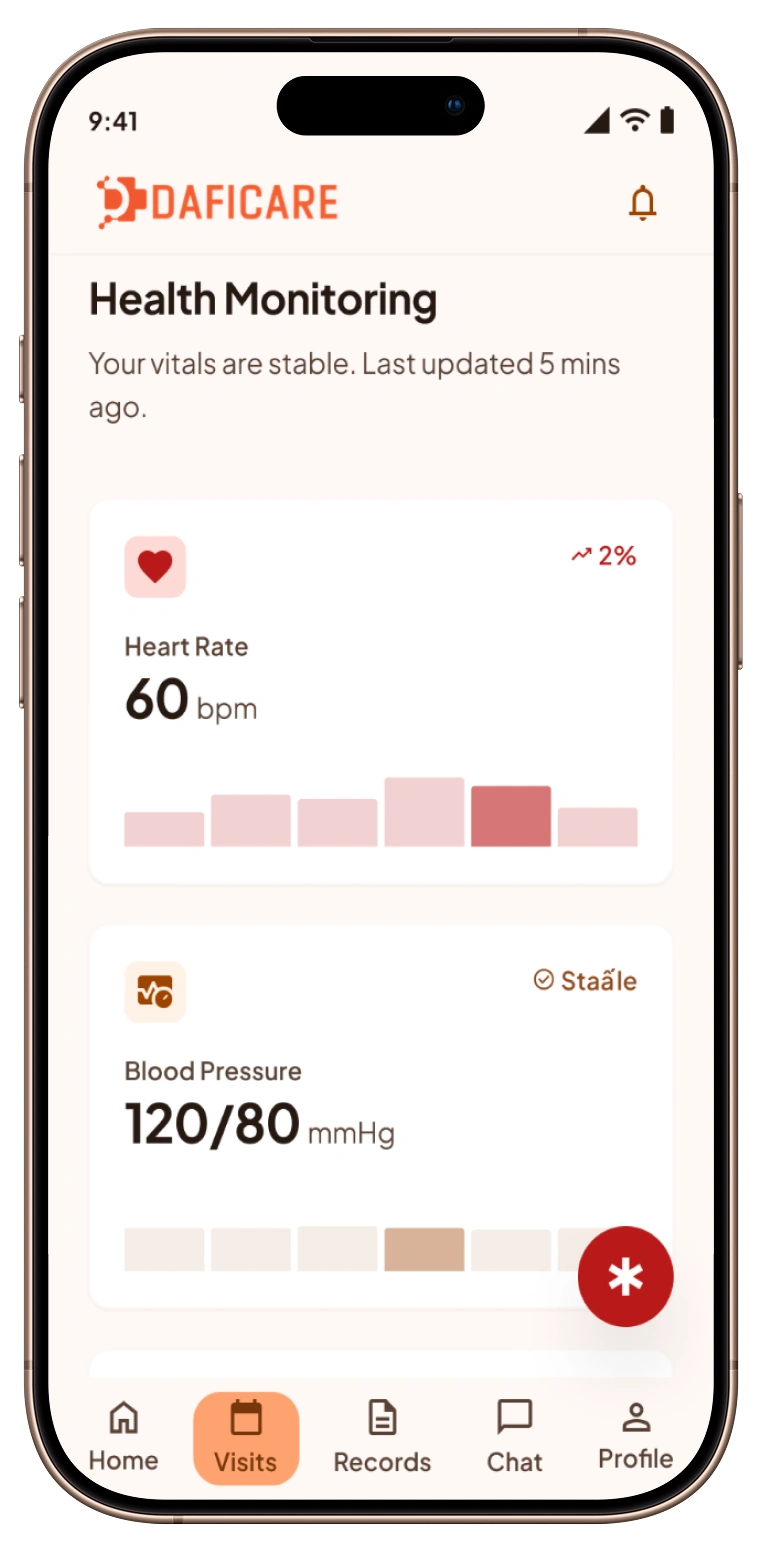
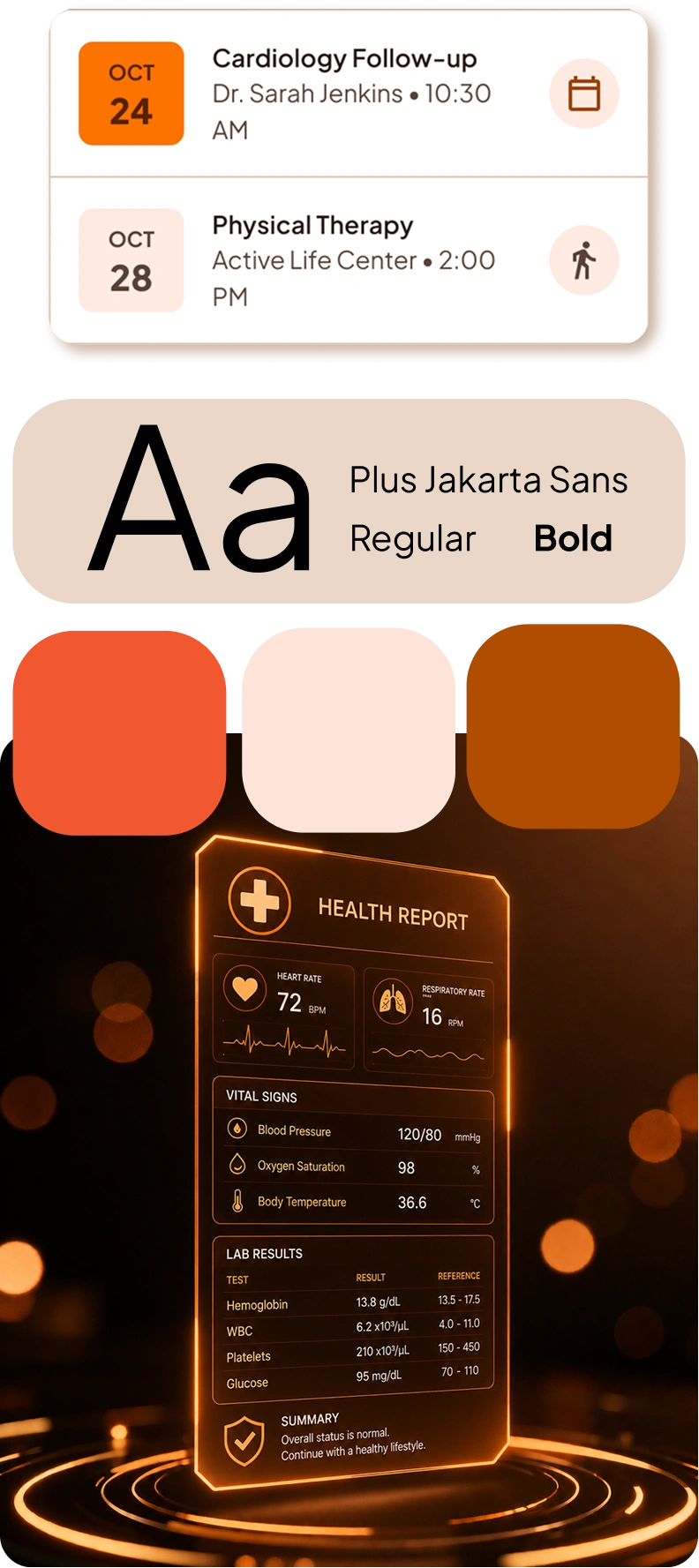
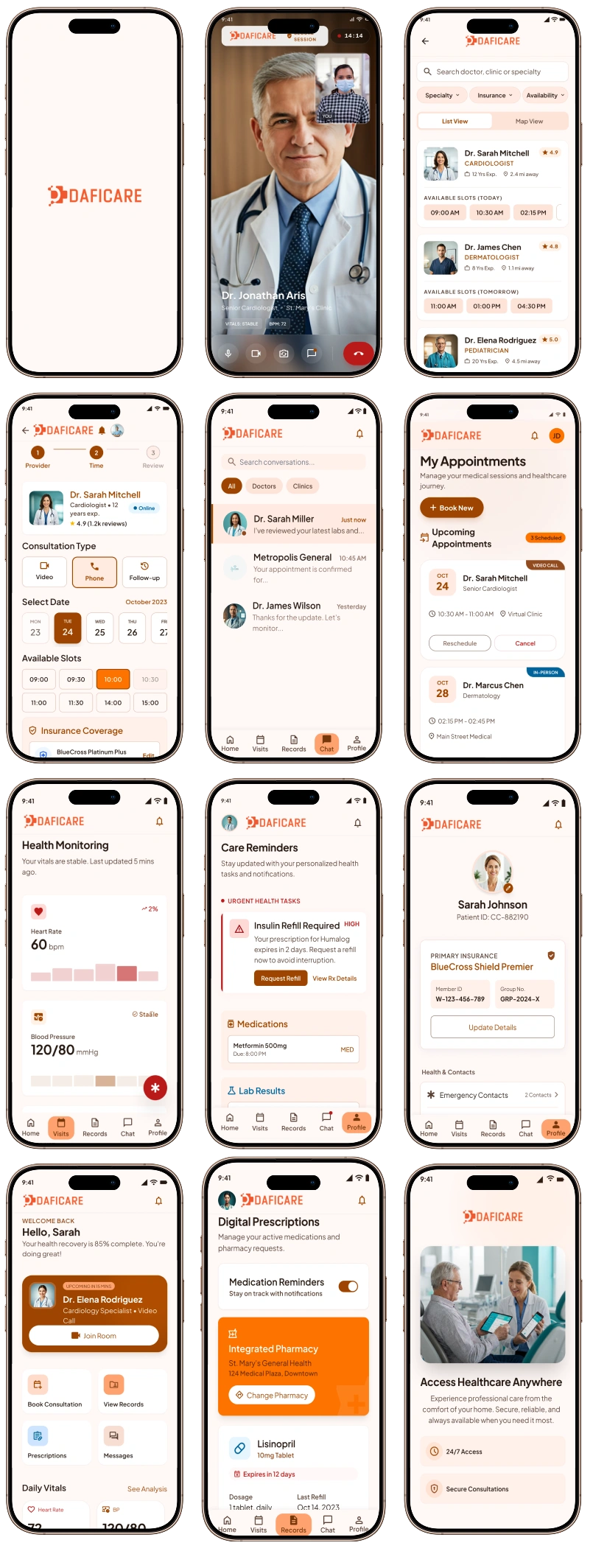
DAFICARE was developed by Idea Usher for a digital health client in the United States. The platform was designed to simplify virtual care delivery by combining secure video consultations, patient management, and clinical integrations into a single system. The objective was to create a reliable telehealth ecosystem that supports both patients and providers while meeting strict healthcare compliance standards.
Idea Inception
Most digital health providers rely on fragmented systems for video calls, scheduling, billing, and medical record access. This leads to operational inefficiencies and a poor patient experience.
DAFICARE was conceived as a unified telehealth platform that brings these workflows together. It enables patients to book appointments, join virtual consultations, and complete payments within one seamless flow, while giving providers access to scheduling tools, EHR data, and patient history in a single interface.
The idea was to reduce challenges in virtual care delivery while ensuring compliance and scalability from the ground up.
Strategic Objective
The primary objective of the project was to build a secure and scalable telehealth platform that could:
Enable high-quality video consultations with minimal disruption.
Streamline scheduling, payments, and patient onboarding.
Support integration with EHR systems and wearable devices.
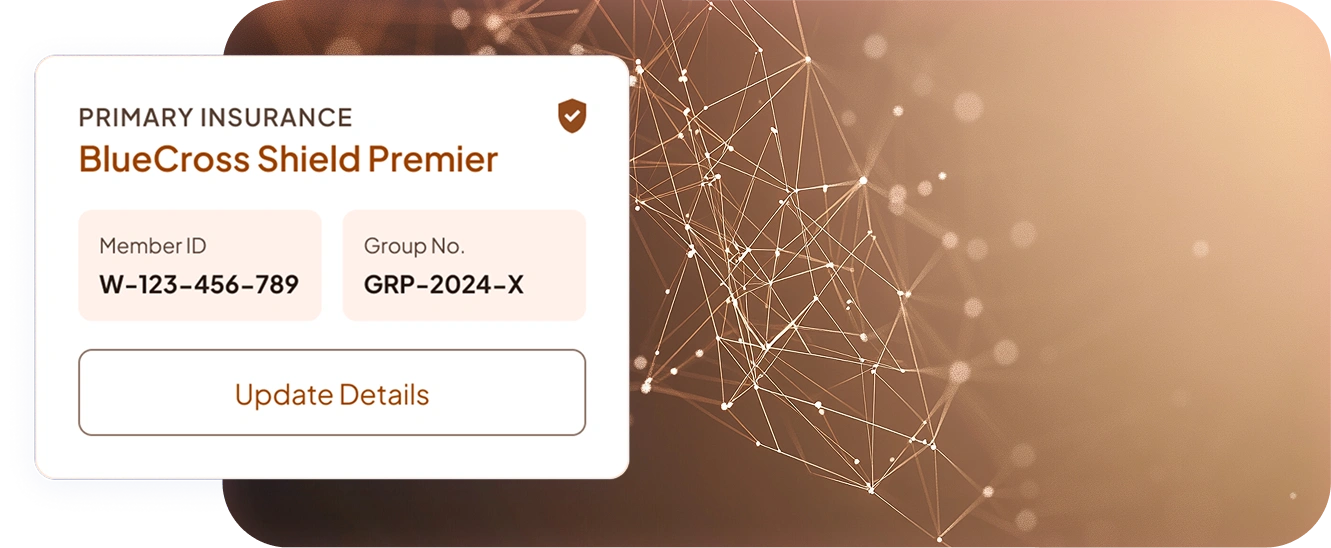
Ensure full HIPAA-aligned data security and access control.
Maintain performance under high concurrent usage.
Improve adoption for both patients and healthcare providers.
our approach
The development approach focused on building a healthcare-grade system with strong engineering discipline and user-centric design.
Compliance First Architecture:
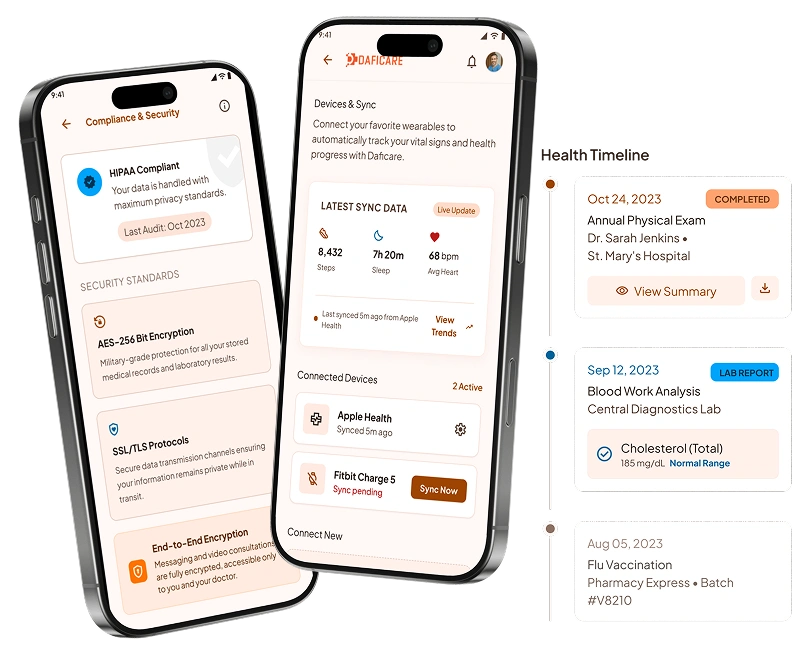
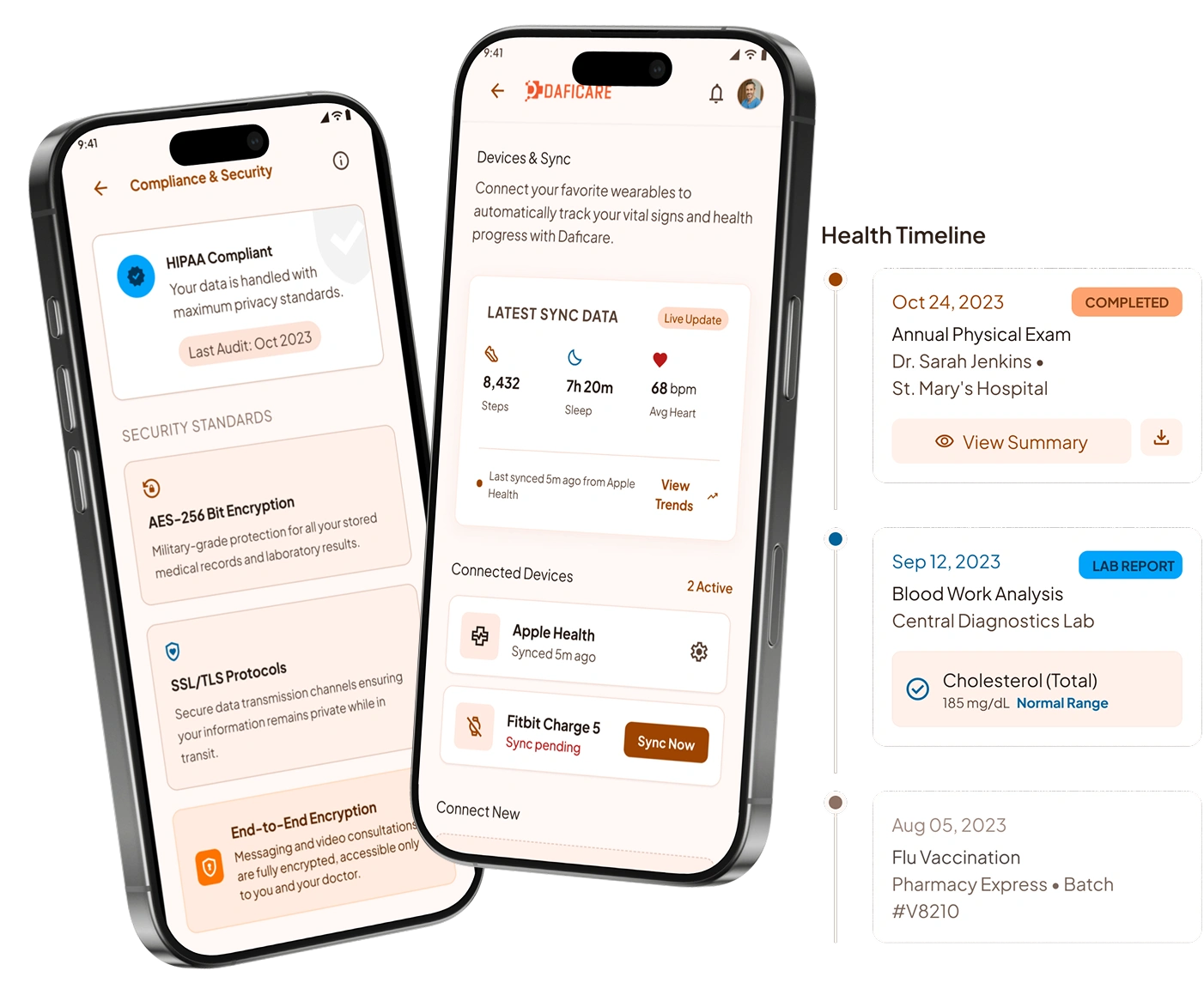
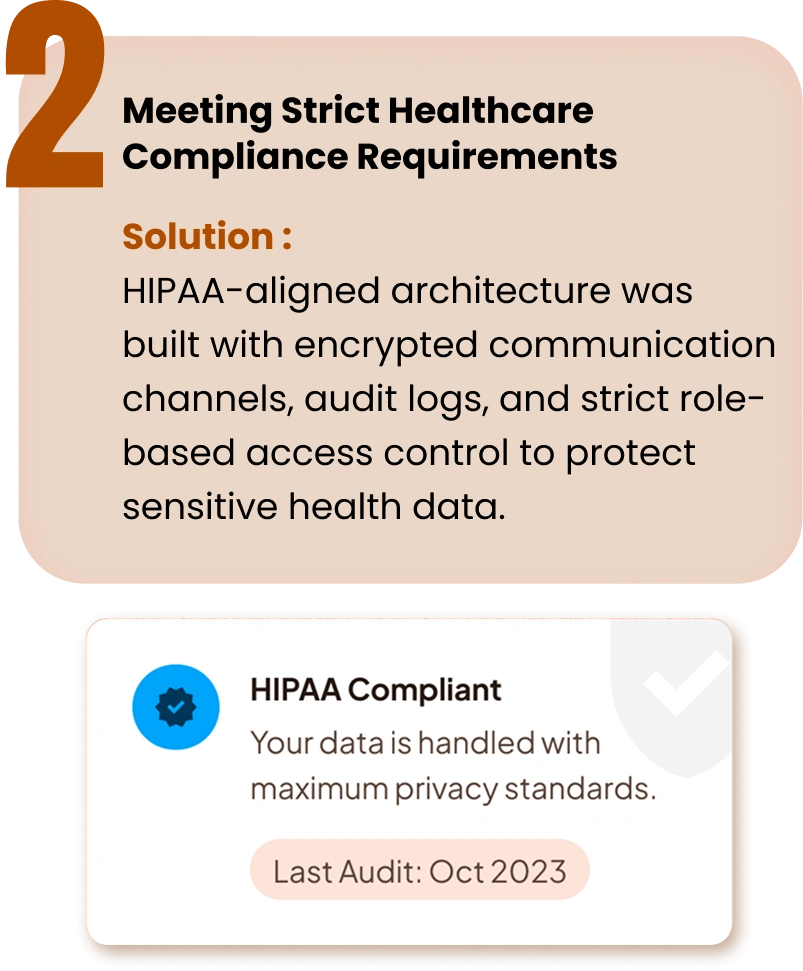
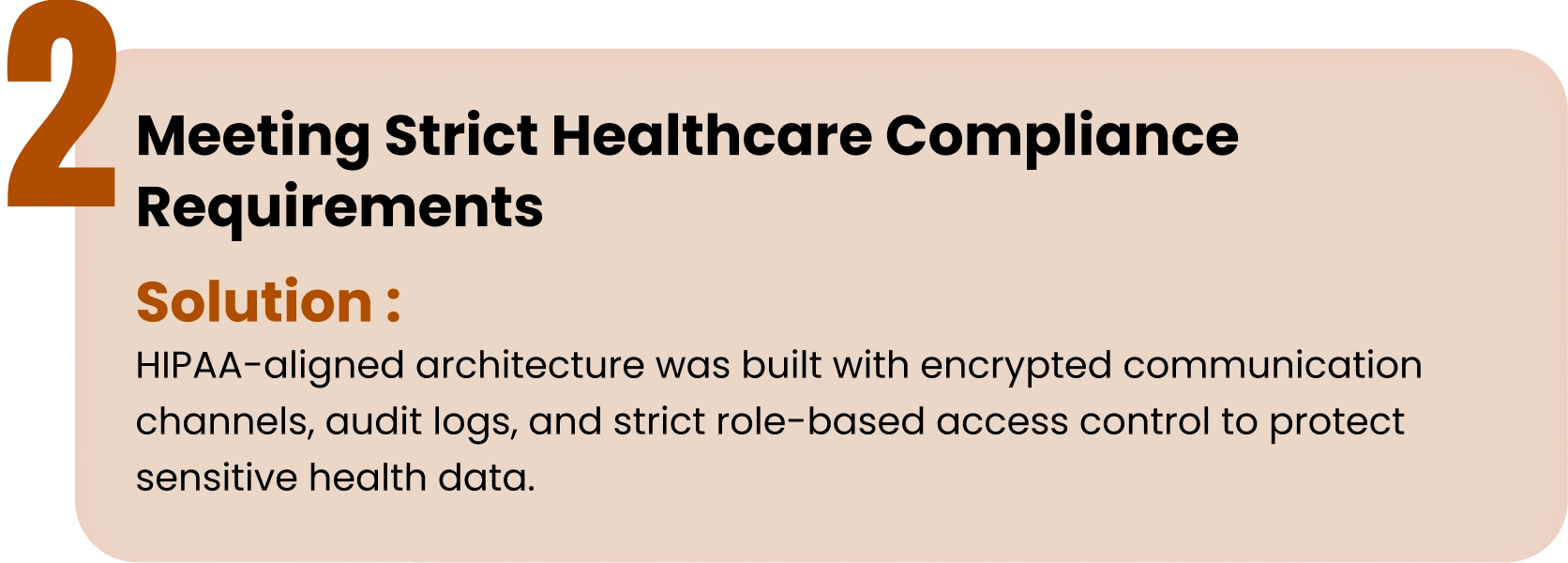
HIPAA-aligned security controls were implemented with encrypted data exchange, role-based access control, audit logging, and secure storage of PHI.
High Quality Communication Layer:
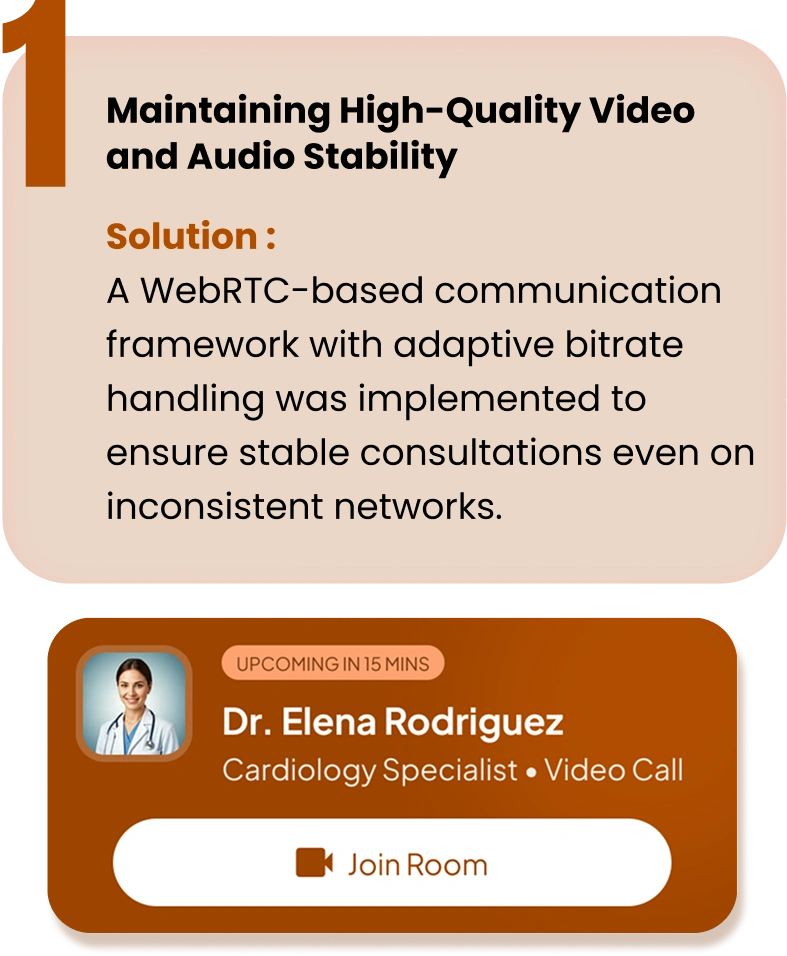
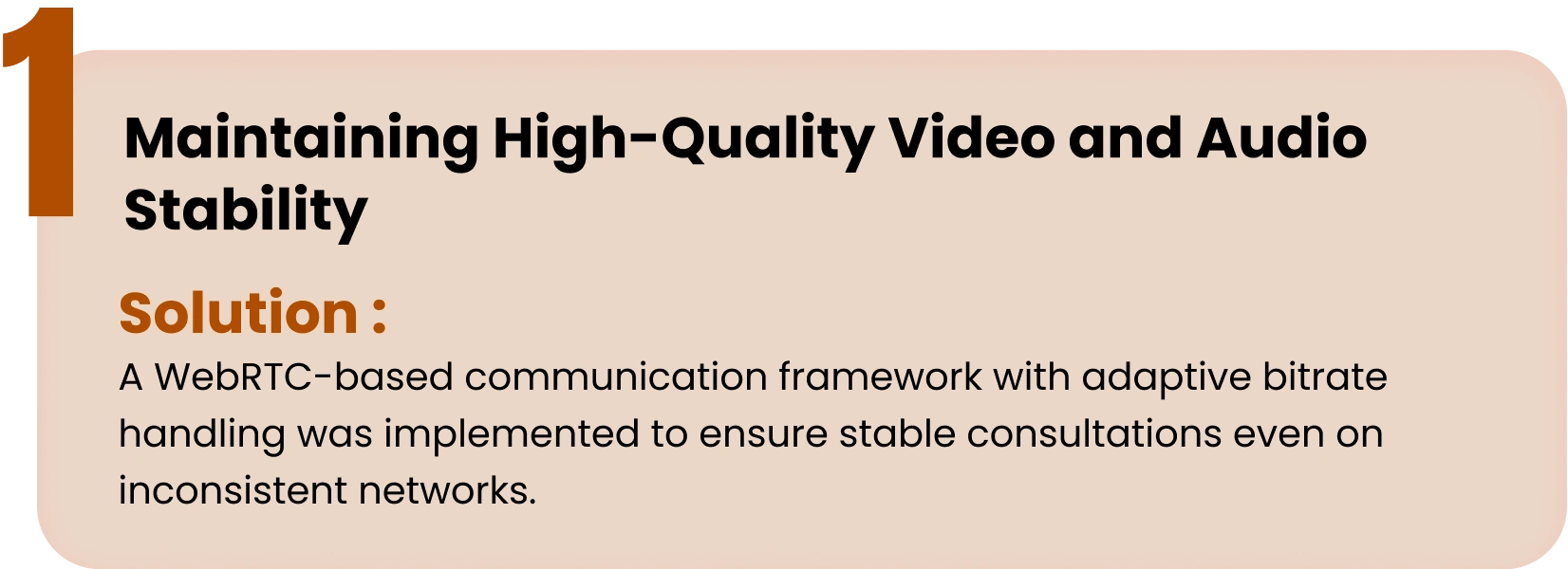
WebRTC-based architecture was used to ensure low latency and stable audio-video sessions even under variable network conditions.
User-Centric Design:
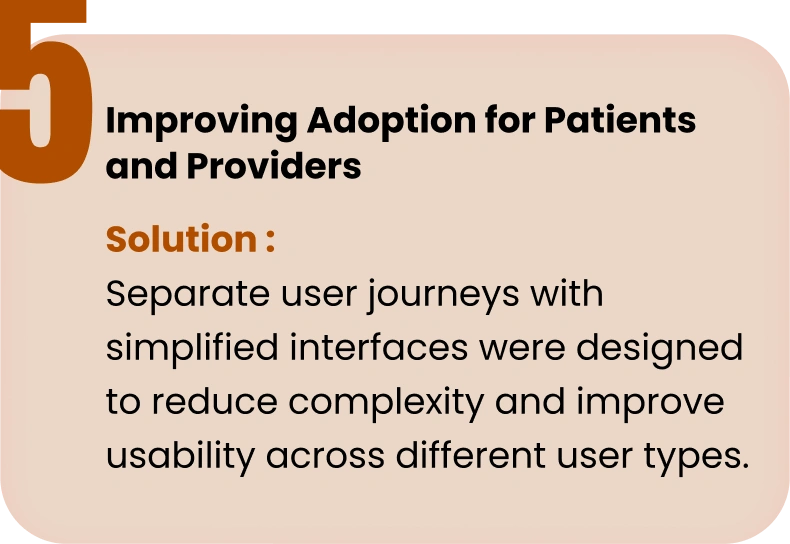
Separate workflows were created for patients and providers to reduce complexity and improve usability across both user groups.
Scalable Cloud Infrastructure:
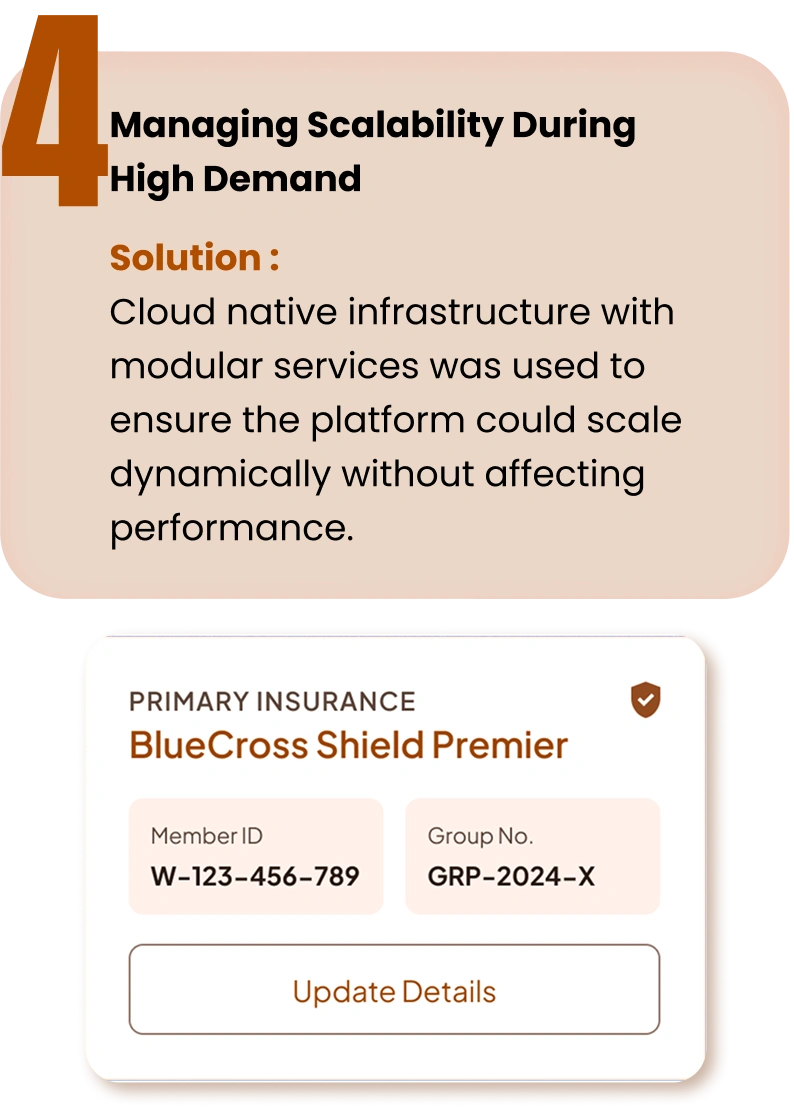
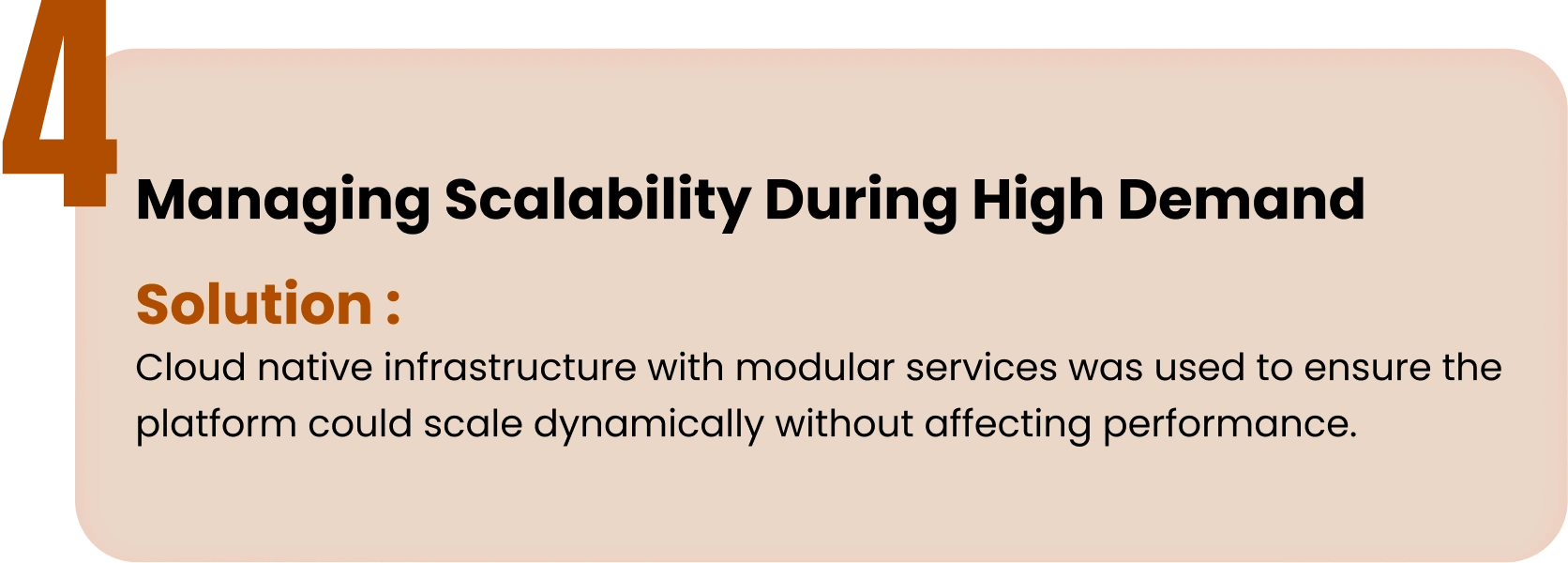
A modular cloud native architecture allowed the platform to handle increasing patient loads without degradation in performance.
Seamless Integration Layer:
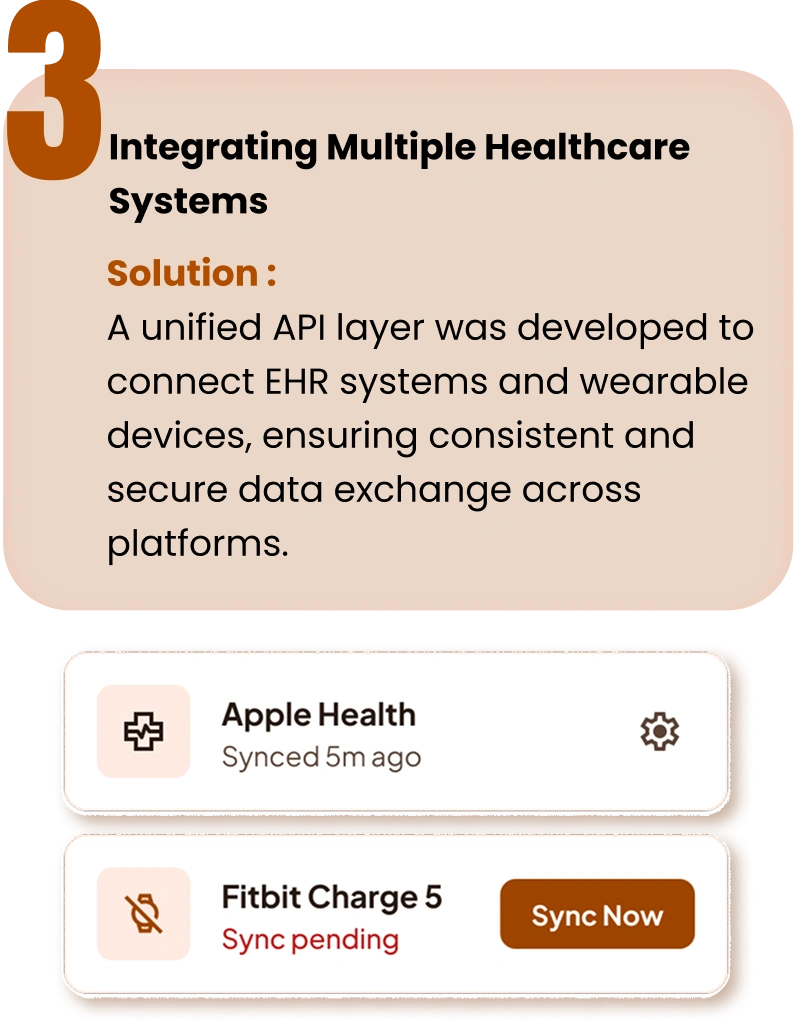
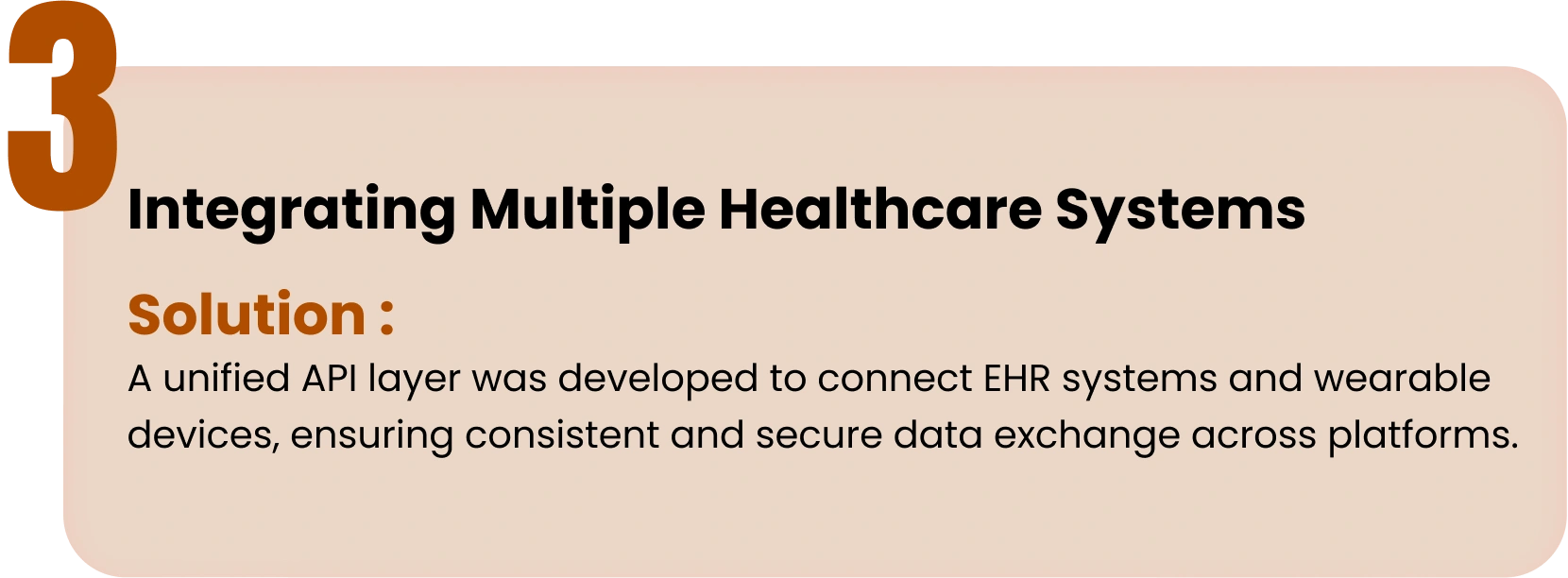
APIs were designed to connect with leading EHR systems such as Epic, Cerner, and Athenahealth, along with wearable device data streams.
Key Differentiator
DAFICARE stands out as more than a telehealth video consultation tool. It functions as a complete digital care delivery system that connects clinical workflows, patient engagement, and operational management in one environment. Most telehealth platforms focus primarily on video visits. DAFICARE extends beyond that by enabling:
5. Scalable infrastructure for enterprise healthcare use cases
This positions the platform as a full-stack digital health infrastructure rather than a standalone communication tool.
3. Continuous monitoring through wearable device inputs
4. Automated scheduling and billing workflows
5. Scalable infrastructure for enterprise healthcare use cases
1. Unified patient journey from booking to consultation to payment
2. Real-time clinical data access through EHR integration
Key Features
1. Secure Video Consultations:
Stable, encrypted video and audio sessions powered by low-latency communication protocols for uninterrupted virtual care delivery.
2. Smart Scheduling System:
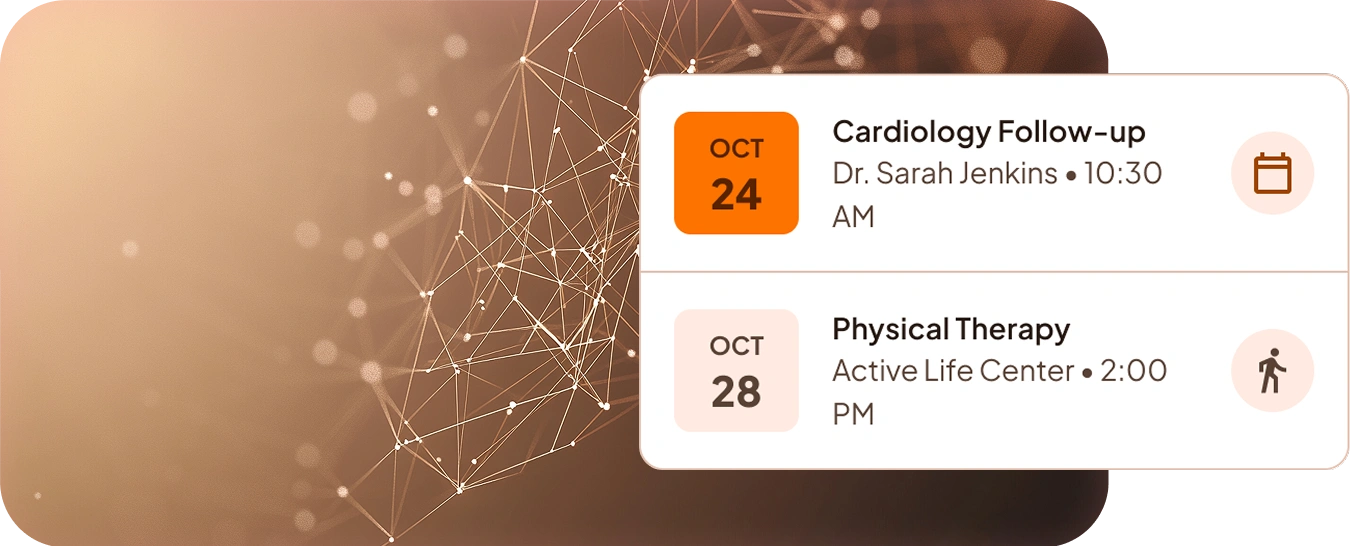
Automated appointment booking with reminders, calendar sync, and conflict-free slot management for both patients and providers.
3. Integrated Payment Processing:
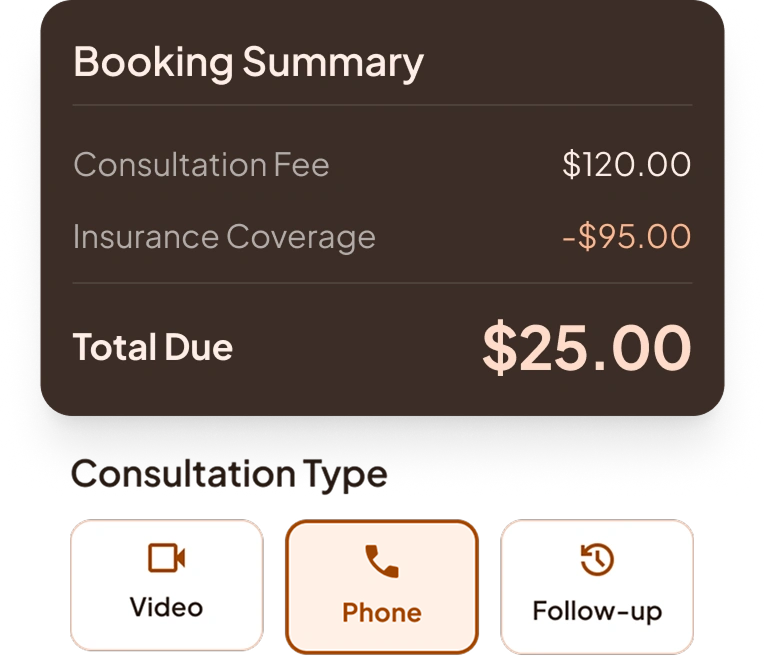
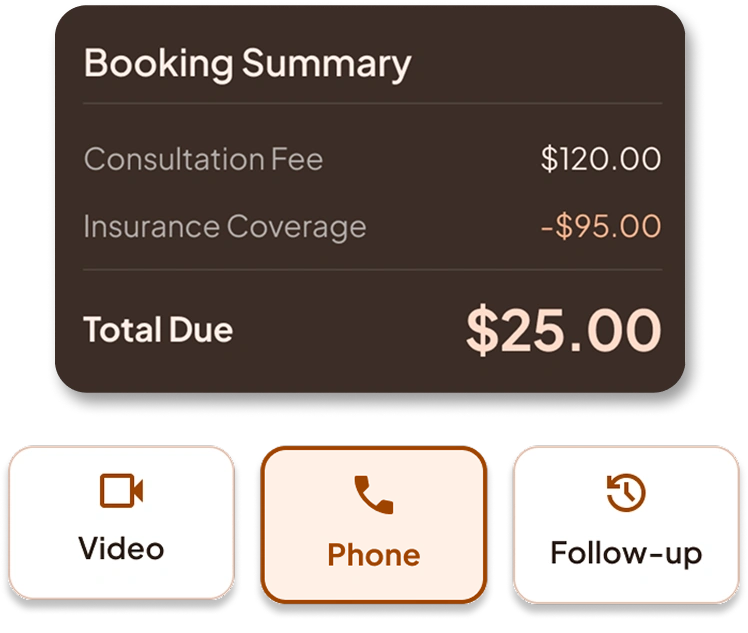
Secure billing workflows supporting co-payments, insurance-based logic, and automated invoicing.
4. EHR Integration Layer:
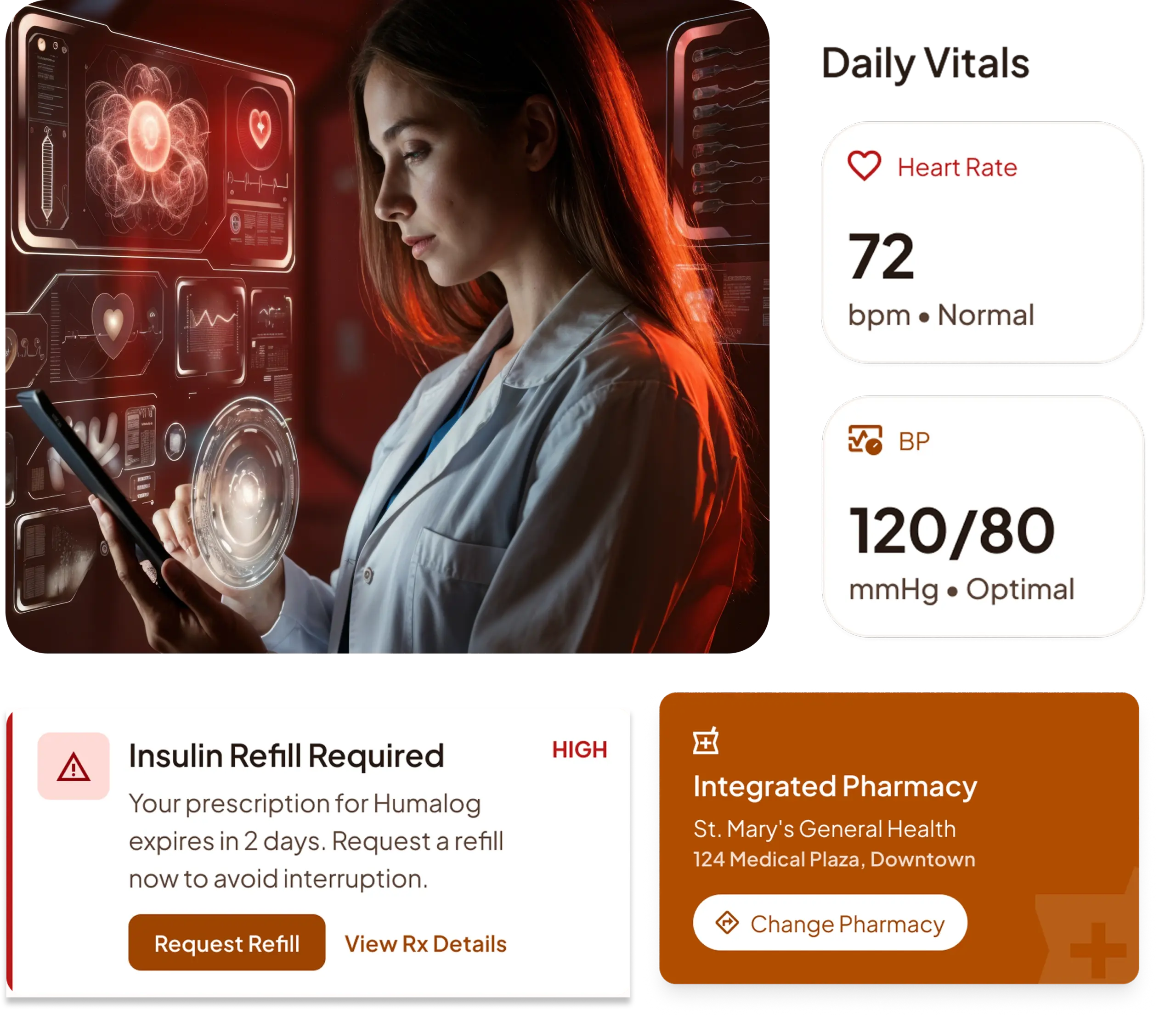
Direct connectivity with major electronic health record systems for real-time access to patient history and clinical data.
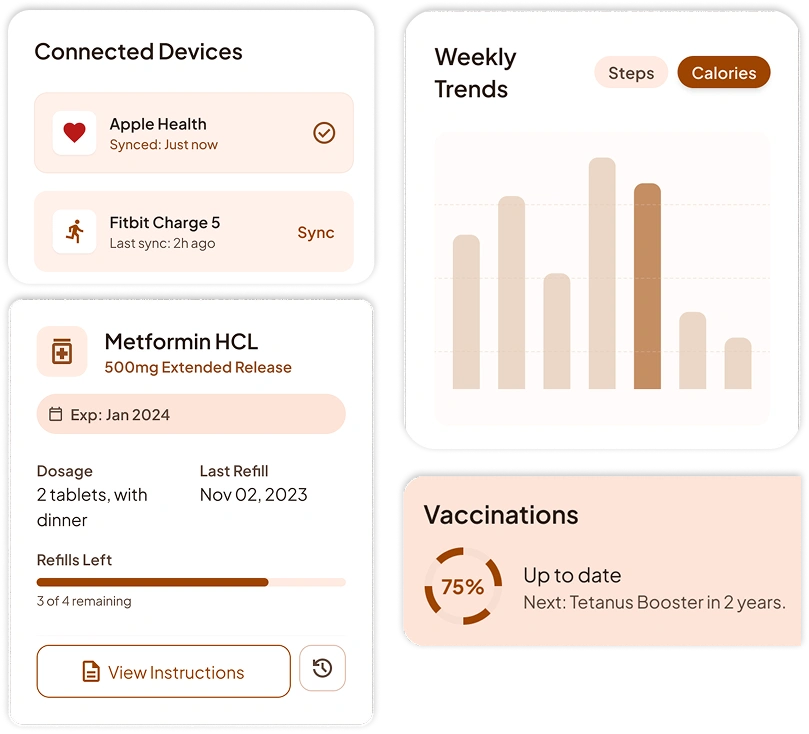
5. Wearable Data Support:
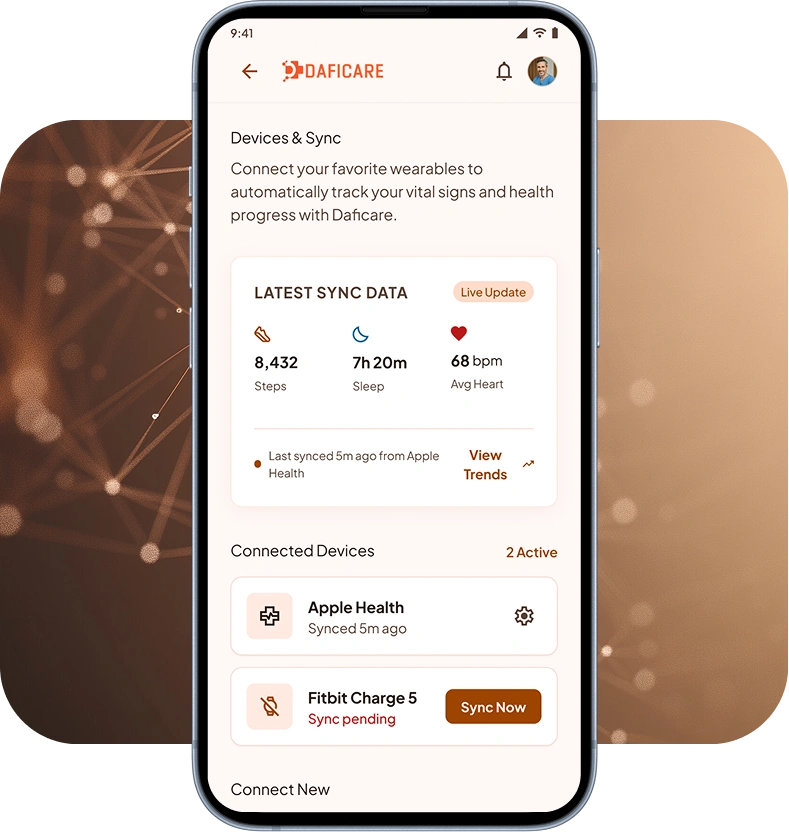
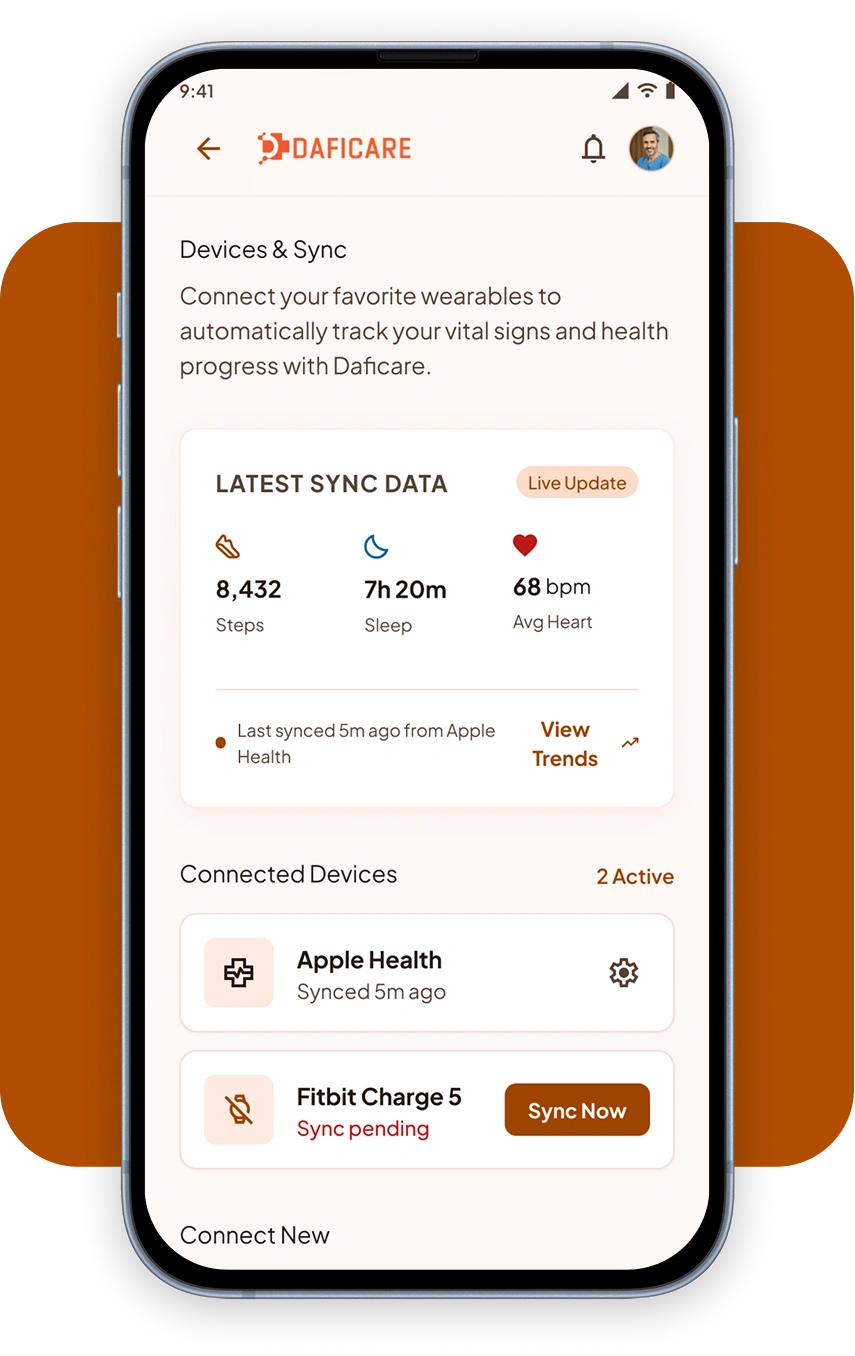
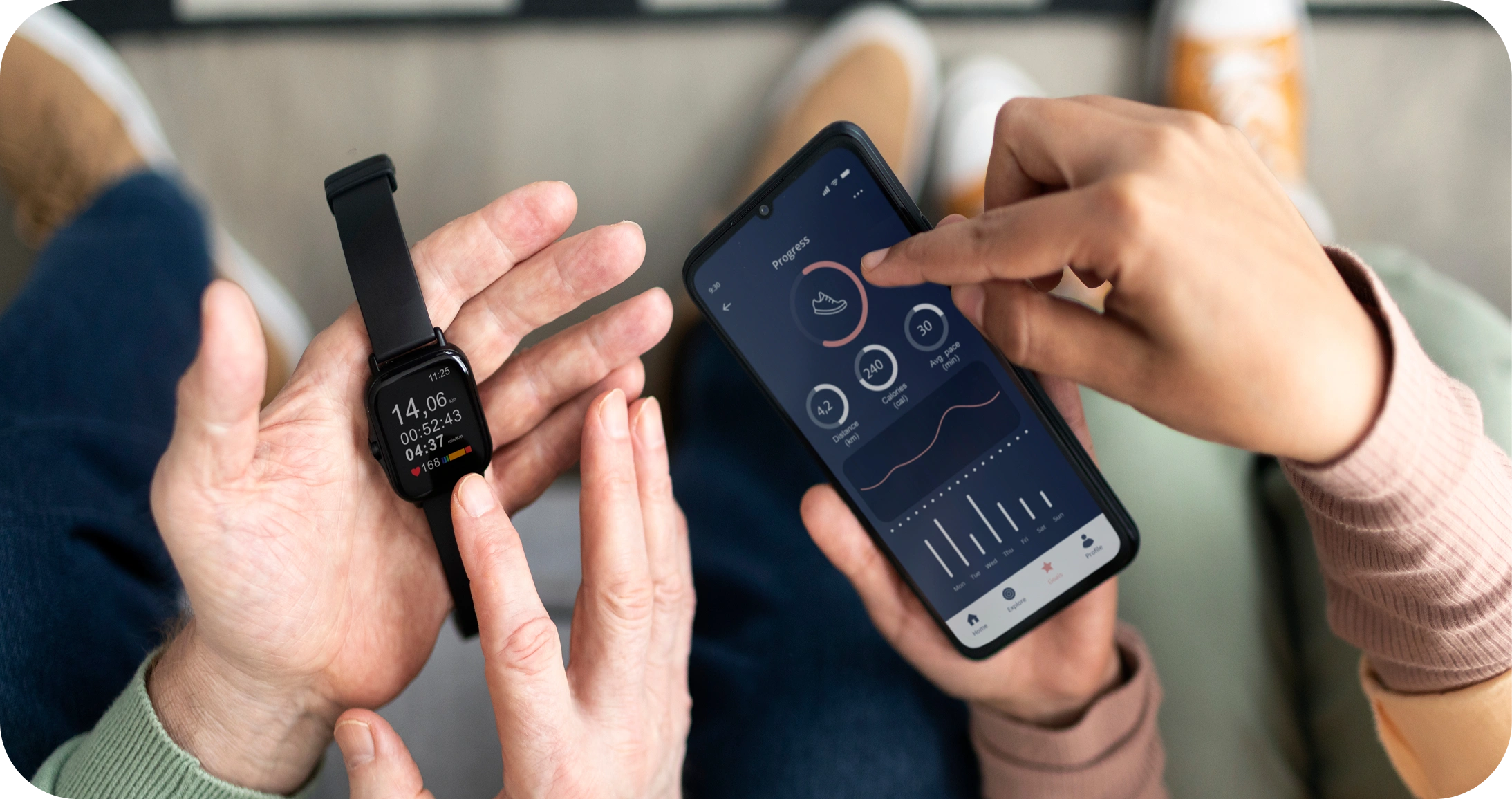
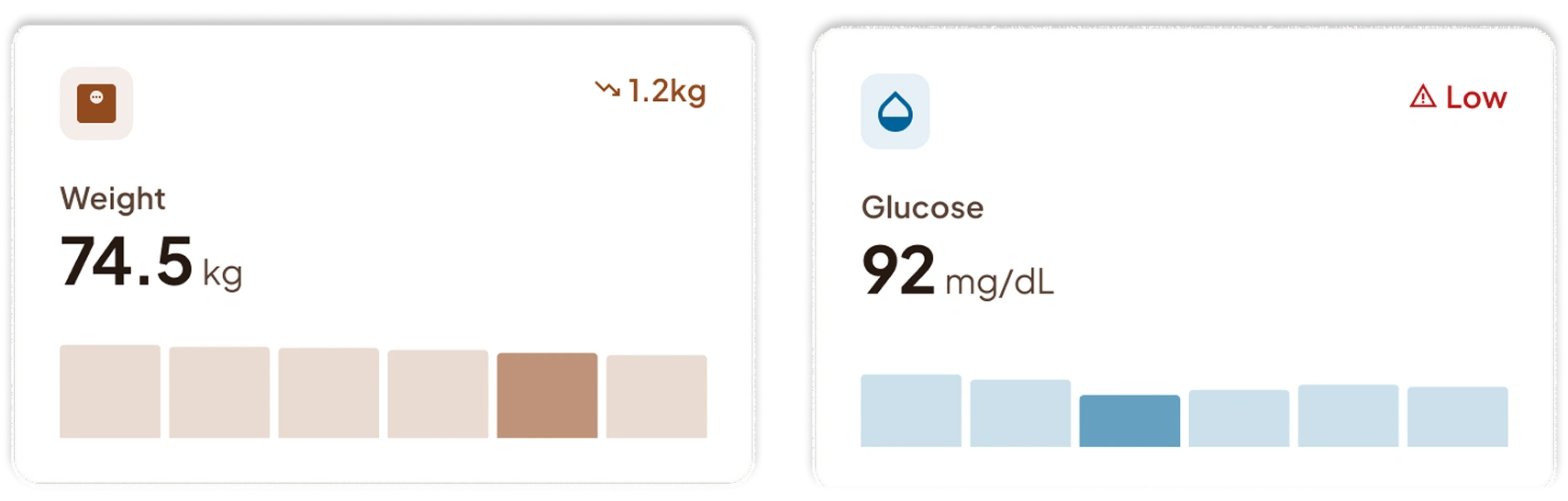
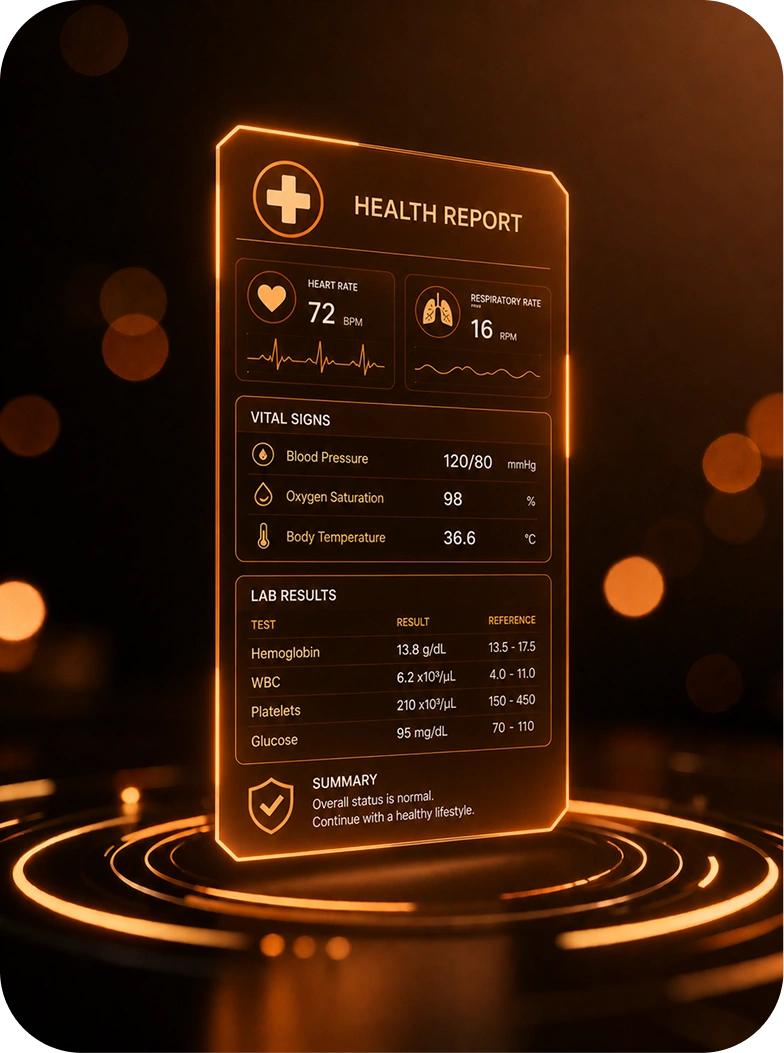
Integration with devices such as Apple Watch and Fitbit to capture heart rate, recovery patterns, and session-level health data.
6. Patient and Provider Dashboards:
Role-specific dashboards designed for easy navigation, appointment tracking, and clinical decision support.
7. Secure Account Management:
Encrypted authentication, role-based access control, and compliance-driven user management system.
8. Scalable Cloud Backend:
Infrastructure designed to support high concurrent usage while maintaining system stability and response speed.
AI and Clinical Intelligence Layer
DAFICARE was designed with an intelligence-driven layer that enhances both clinical decision support and operational efficiency across the platform. The system supports AI-enabled workflows to generate actionable insights for providers and care teams.
1. Clinical Support Intelligence: AI models assist in identifying patterns across patient history, consultation data, and wearable inputs. This helps providers quickly interpret trends without manually reviewing fragmented data sources.
2. Predictive Scheduling and Demand Insights: The platform uses data-driven models to anticipate appointment demand patterns, helping clinics optimize slot availability, reduce idle time, and improve utilization across providers.
3. Wearable and Remote Monitoring Insights: Health data from devices such as Apple Watch and Fitbit is structured into meaningful health indicators that can support ongoing patient monitoring outside clinical sessions.
4. Operational Automation: AI-based workflows help reduce manual effort in scheduling coordination, reminders, and follow-ups, improving overall operational efficiency for healthcare teams.
5. Secure AI Deployment Framework: All AI components operate within a controlled healthcare-grade environment with strict data governance, ensuring compliance with HIPAA-aligned security and privacy requirements.
Challenges & Solutions
The Strategic Need for Telehealth Platforms
Telehealth adoption has become a core part of modern healthcare delivery systems. The demand is driven by structural change in patient behavior, healthcare accessibility, and operational efficiency.
Virtual care visits have increased significantly across the United States, with providers prioritizing digital-first consultation models.
Healthcare organizations are investing heavily in interoperable systems that connect EHRs, devices, and patient apps.
Compliance requirements such as HIPAA continue to drive demand for secure, enterprise-grade platforms.
Cloud-based healthcare platforms are becoming standard due to their scalability and reliability.
In this environment, platforms like DAFICARE represent a change toward integrated and data-driven healthcare ecosystems rather than isolated telemedicine tools.
Enterprise Engineering and Delivery Strength
DAFICARE was built using an enterprise-oriented delivery model designed for healthcare-scale deployments. Key engineering principles included:
Compliance-ready system design aligned with HIPAA, SOC 2, and privacy-first data handling principles.
Secure SDLC practices, including code reviews, dependency scanning, and controlled release pipelines.
Interoperability standards support, including HL7, FHIR, and SMART frameworks for healthcare data exchange.
Least privilege access control to ensure restricted exposure of sensitive patient information.
Scalable cloud infrastructure designed for distributed healthcare environments.
Modular architecture enabling phased deployment and system expansion.
In addition, the platform design incorporated reusable healthcare accelerators and prebuilt components to reduce development timelines and improve delivery efficiency without compromising system quality or compliance requirements.
Strategic Objective
The primary objective of the project was to build a secure and scalable telehealth platform that could:
Build next-gen telehealth platforms with
Idea Usher’s healthcare technology expertise.