 (+971) 8007 4267
 (+91) 946 340 7140
 (+1) 628 432 4305

Crypto did not become harder due to market swings; it became harder when speed began deciding who won. By the time most traders notice an on-chain move, the opportunity may already be gone. This invisible gap pushed serious traders toward DEX trading bots, as manual execution could no longer keep up.
As decentralized exchanges expanded with constant token launches and shifting liquidity, humans could not track mempool activity in real time. Modern systems can monitor wallets, detect liquidity changes, and execute trades within milliseconds. They may offer smart order routing, automated risk controls, and configurable strategies that run without emotion.
Over the years, we’ve developed numerous DEX trading systems powered by low-latency on-chain execution infrastructure & MEV-aware transaction handling. As IdeaUsher has this expertise, we’re sharing this blog to discuss the steps to develop a DEX trading bot like BullX.
Key Market Takeaways for DEX Trading Bots
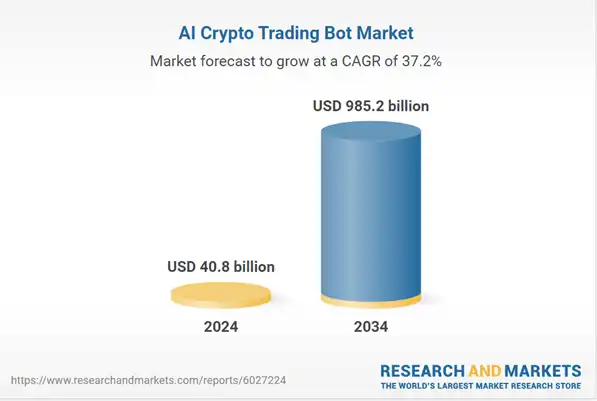
Source: Research and Markets
This surge reflects traders’ shift toward automation to manage volatility, especially on decentralized exchanges, where speed, precision, and on-chain execution directly affect outcomes.
DEX bots have moved beyond simple swap automation and now function as full trading toolkits. Popular Telegram-based bots offer token sniping, limit orders, copy trading, and MEV protection, addressing long-standing usability gaps in DEX interfaces.
As on-chain activity rebounded after the FTX collapse, networks such as Solana and Base began recording daily DEX volumes in the hundreds of millions.
Several platforms illustrate how quickly this segment is maturing. Bonkbot leads on Solana through its Jupiter integration, handling tens of millions in daily volume and hundreds of thousands of trades, driven by rapid user growth.
Banana Gun has built a multi-chain presence across Solana and Ethereum, crossing billions in cumulative volume while differentiating through features like automated sniping and rug protection.

What is the BullX Platform?
BullX launched in 2024 as a decentralized trading bot focused on speed and efficiency rather than traditional DEX workflows. It operates without account creation, allowing wallets to connect directly and trade more than 2,000 meme tokens with a flat 0.9 percent fee per transaction.
Built with JITO-based MEV protection, the platform reduces sandwich attack risk and has gained traction among Solana traders for its faster charting and native Pump.fun token tracking compared to conventional analytics tools.
Standout User Features of the BullX Platform
BullX brings together tools that feel intentionally designed for active traders. The platform can surface early assets, execute trades with minimal delay, and manage risk through automated responses that react consistently during high volatility.
1. Pump Vision
Pump Vision helps traders discover early opportunities by categorizing Pump.fun tokens by lifecycle. Tokens are grouped as new, graduating, or graduated, making it easier to identify early-stage launches before broader market attention. Users can apply customizable filters such as liquidity, volume, and launch timing to fine-tune sniping strategies and reduce noise.
2. Multi-Wallet Management
BullX allows users to connect and manage multiple wallets from a single dashboard. Traders can switch between wallets instantly, monitor balances, and track open positions without having to log in repeatedly or reconnect extensions.
3. Real-Time Charts
The platform integrates TradingView-powered charts with refresh rates faster than those of standard DEX analytics tools. Traders gain access to advanced indicators, liquidity and volume filters, and drawing tools for technical analysis. This real-time performance advantage makes BullX suitable for scalping, momentum trading, and fast-moving meme coin markets.
4. Telegram Integration
BullX integrates directly with Telegram, allowing users to buy and sell tokens, receive real-time alerts, and monitor positions through a mobile-friendly bot. This enables on-the-go trading without opening a separate app or browser, which is especially valuable during fast token launches.
5. Limit Orders and TP SL Combos
Users can set precise buy and sell prices with combined take-profit and stop-loss strategies. Trailing stops and cross-chain execution ensure trades remain optimized even during rapid market movements.
6. Portfolio Analyzer
The built-in portfolio analyzer provides a clear view of PnL, holdings, and historical performance across connected wallets and chains. Users can apply filters and breakdowns to evaluate individual tokens, time periods, or strategies. This helps traders make data-driven decisions and refine their approach over time.
7. Token Explorer
BullX includes a powerful token explorer that lets users browse and filter over 2,000 tokens by chain, holder distribution, liquidity, and social presence. Each token view includes audit information and insights into top trader activity, enabling faster research and more confident entry decisions.
8. MEV and Front-Running Protection
BullX activates JITO bundles to ensure trades execute quickly and securely, even during high-volume sniping. This mechanism helps prevent sandwich attacks and front-running, allowing users to trade volatile tokens with greater confidence and reduced execution risk.
9. Twitter and X Monitoring
The platform continuously scans Twitter and X for real-time social sentiment around emerging tokens. Users receive bot-based alerts when a token starts gaining viral traction, helping them act early on hype-driven momentum.
10. Wallet Sniping
BullX tracks whale wallets and top-performing traders to automatically mirror their buying and selling activity. Users can customize triggers and limits, enabling hands-free copy trading aligned with proven market participants.
11. Dev Bag (SDB) Tracker
BullX monitors developer token holdings after launch to identify early sell-offs or suspicious behavior. This feature helps users avoid potential rug pulls by flagging sudden or unusual developer activity.
12. Neo Vision Filters
BullX Neo offers advanced token screening for new launches by filtering projects based on liquidity depth, holder distribution, and trading volume. These filters reduce exposure to low-quality or high-risk tokens before entry.
How Does the BullX Platform Work?
BullX works like a smart, non-custodial exchange, letting you trade across multiple blockchains while keeping your wallet in control. When you place a trade, the platform can automatically route it through the best liquidity and may execute advanced orders using its built-in trading bot.
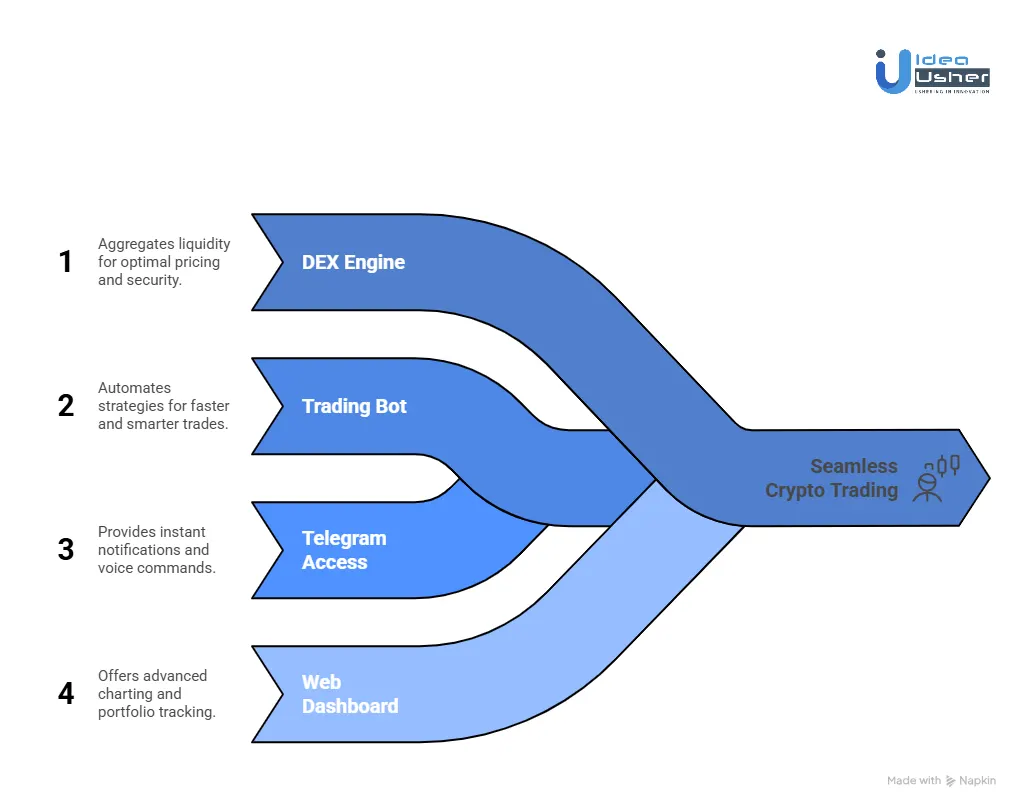
The DEX Engine
At its core, BullX functions as a non-custodial decentralized exchange that aggregates liquidity from across the crypto ecosystem. When you connect your Phantom, MetaMask, or any Web3 wallet, you are not accessing a single platform. You are tapping into liquidity pools across Solana, Ethereum, Base, Binance Smart Chain, Arbitrum, and Blast.
This allows you to swap tokens peer to peer with:
- Zero custody risk since your keys and crypto always remain under your control
- Optimal pricing through intelligent routing across hundreds of liquidity sources
- Cross-chain capabilities that remove the need to manage multiple bridges and platforms
Behind the scenes, BullX scans every available liquidity pool, fragmentation point, and trading pair when you place a trade. The system automatically selects the best execution path across all six supported chains. This removes the need to manually compare prices across multiple exchanges.
The Trading Bot
This is where BullX truly differentiates itself from traditional DEXs. While you sleep, work, or step away from the screen, BullX’s automation continues to operate and execute strategies that would otherwise require constant monitoring.
Sniper Launch Detection
The bot tracks new token launches across all integrated chains and detects liquidity creation events in real time. It can execute trades within milliseconds, faster than manual execution.
Intelligent Order Types
BullX supports advanced order logic beyond simple swaps, including:
- Limit orders that trigger at predefined price levels
- Stop-loss protection to lock in gains or cap downside risk
- Multi-leg strategies that execute a sequence of trades based on market conditions
Cross-Chain Arbitrage
The system continuously scans blockchains for price inefficiencies and automatically executes arbitrage trades when profitable opportunities arise.
The Access Layer
BullX provides two primary access points that cater to both fast execution and deeper analysis.
Telegram
Many traders’ first experience with BullX is through its highly responsive Telegram interface. Its popularity stems from the amount of functionality packed into a simple chat-based workflow.
Key benefits include:
- Instant notifications for price movements, executed trades, and detected opportunities
- Voice-based commands to place trades, check balances, or modify settings
- Group trading features that allow users to observe or share strategies securely
- A minimal interface that still exposes powerful trading functionality
Web Dashboard
For advanced users who need deeper insights, the web dashboard offers a full control layer.
Key capabilities include:
- Real-time charting with advanced technical analysis tools
- Unified portfolio tracking across all supported blockchains
- Strategy backtesting using historical market data before deploying capital
- Performance analytics that reveal trading behavior, efficiency, and profitability
What Is the Business Model of the BullX Platform?
BullX combines a user-friendly decentralized exchange interface with automated trading tools, including stop-loss, take-profit, grid strategies, and Dollar-Cost Averaging.
Its key differentiators include Pump Vision for identifying Solana meme coin trends, multi-wallet management, and social features such as leaderboards and copy trading.
The platform generates its primary revenue from a 0.9 percent fee per transaction under a maker-taker model. This fee can be reduced to 0.81 percent through referrals and is applied uniformly across all supported chains.
- Lifetime fees exceed $198.83 million
- Lifetime trading volume stands at $12.42 billion
- Engagement is further driven through gamification features such as daily challenges and badges
- Community tools include live chat and meme voting
Revenue Streams
Trading fees form the core revenue stream, capturing approximately 1 percent or 0.9 percent on each swap. This model directly ties platform revenue to trading volume. Quarterly performance shows clear peaks in trading activity. Q1 2025 recorded fees of $87.37 million, while Q4 2024 generated $72.33 million.
Financial Performance
BullX’s revenue closely mirrors its fee income due to its direct, fee-based model. Annualized revenue currently stands at $20.01 million. Volume-driven growth patterns indicate fluctuations following peak meme coin cycles.
- Q3 2025 fees totaled $1.18 million after a significant decline
- Q2 2025 fees reached $14.25 million during peak activity
- Lifetime fees estimated at 0.9 to 1 percent of the $12.4 billion volume result in a range of $112 million to $198 million
The platform continues to support high trading activity. Recent seven-day trading volume reached $838 million, with daily fees peaking at $1.73 million during high-demand periods.
Funding and Growth
No public funding rounds have been disclosed. BullX launched in April 2024 and appears to be bootstrapped or self-funded. Growth has largely been driven by organic adoption within the meme coin trading community.
Security infrastructure includes AES-256 encryption and external audits, helping maintain user trust across a monthly active user base of approximately 500,000.
How to Build a DEX and Trading Bot Hybrid Like BullX?
To build a DEX and trading bot like BullX, the system must start with direct on-chain data to react instantly to new pools and liquidity changes. Execution should run through private routes and zero block logic so trades can occur safely and predictably under real market pressure.
We have developed multiple DEX trading bots similar to BullX, and this is the approach we follow.
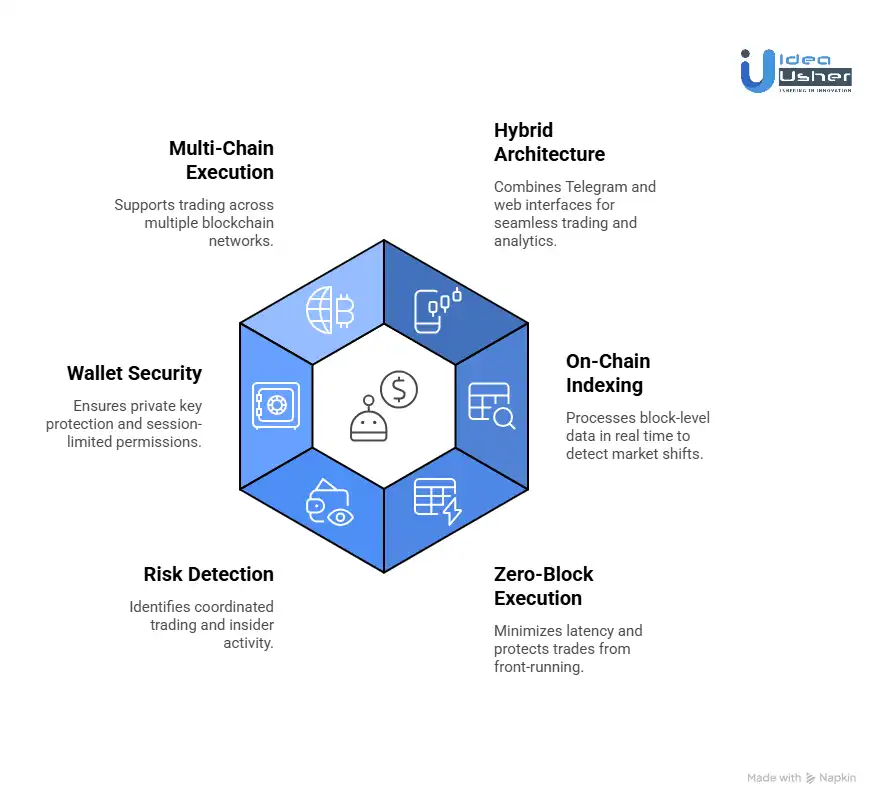
1. Hybrid Telegram–Web Architecture
We design Telegram as the primary execution and alert layer to ensure instant trade placement and signal delivery. A dedicated web dashboard supports deeper analytics, position tracking, and trade lifecycle visibility. Both interfaces are connected through a unified orchestration layer, so every action and state update stays consistent across the system.
2. Real-Time On-Chain Indexing
We build a high-speed indexing engine that listens directly to DEX factory contracts and launchpad events. By processing block-level data in real time and decoding events natively, the system eliminates the need for third-party price APIs. This allows faster detection of new pools, liquidity shifts, and early price movements.
3. Zero-Block Trade Execution
Our execution layer uses gRPC-based blockchain streams to minimize latency between detection and execution. Trades are routed privately to avoid public mempool exposure, and MEV-resistant bundled execution protects users from sandwich attacks and front-running. This ensures deterministic and reliable trade outcomes.
4. Risk and Insider Detection
We implement wallet clustering models to identify related wallets and coordinated trading behavior. Early transaction-signature analysis helps detect insider activity, stealthy liquidity actions, and abnormal flows. These signals are converted into automated risk scores that inform users before execution.
5. Non-Custodial Wallet Security
Wallet security is implemented using MPC or secure enclave-based signing, so private keys are never fully exposed. Session-limited permissions restrict what the bot can execute and for how long. Cross-chain wallet abstraction allows secure trading across multiple networks under a single user profile.
6. Multi-Chain Execution Layer
We develop a unified routing and execution layer supporting Solana, Base, Ethereum, BSC, and Arbitrum. The UI and execution logic remain chain-agnostic, giving users the same experience across networks. Shared preferences and risk settings are synced across chains for operational consistency.
Replicating the BullX Success: Your Roadmap for 2026
While BullX successfully demonstrated the market potential of hybrid DEX trading bot platforms, their approach reveals critical gaps that create opportunities for next-generation platforms. BullX focused primarily on execution speed and multi-chain access, but missed three fundamental shifts in the 2026 crypto landscape. These include AI native strategy generation, community-driven protocol evolution, and regulatory-aware DeFi architecture.
The 2026 winner will not just be faster. It will be smarter, more adaptive, and fundamentally more aligned with users long term success.
Phase 1: Spotting What BullX Missed
The Intelligence Gap
BullX automated what to trade but missed why and when. Their bots execute predefined strategies but lack contextual awareness about market sentiment, regulatory developments, or emerging narrative shifts.
The Differentiator for 2026
- Narrative Radar: AI scans social sentiment, developer activity, and fund flows to predict emerging trends before they are priced in
- Regulatory Forecaster: Machine learning models anticipate compliance changes and adjust strategies accordingly
- Cross Protocol Correlation Engine: Identifies relationships between DeFi protocols that human analysis often overlooks
The Community Governance Void
BullX operates as a traditional product where users consume but do not co-create. In the decentralized landscape of 2026, this represents a critical vulnerability.
The Differentiator for 2026
- Decentralized Improvement Proposals: Users vote on feature development through token-weighted governance
- Strategy Marketplace: Top traders license successful bot strategies to others and earn ongoing royalties
- Community Curated Watchlists: Collective intelligence highlights opportunities with social proof-based validation
The Security Complacency
BullX focuses mainly on non-custodial design, but the 2026 environment demands proactive threat detection and institutional-grade protection.
The Differentiator for 2026
- Real-Time Anomaly Detection: AI monitors unusual trading patterns that may indicate compromised wallets
- Insurance First Design: Every trade automatically includes parametric insurance coverage
- Multi Sig Evolution: Signature requirements adapt dynamically based on transaction risk scoring
Phase 2: The Technical Stack
AI Driven Strategy Engine
Unlike BullX rule-based automation, your platform can employ adaptive intelligence. Reinforcement learning agents may learn from simulated markets, natural language queries can surface intent-driven opportunities, and personalized risk profiling allows strategies to adjust automatically based on psychological tolerance and trading behavior.
Example Implementation:
A user deposits 10000 dollars. The AI analyzes historical trading behavior and determines that the user is a calculated risk-taker who prefers three-day holding periods.
It then configures a portfolio of five strategies optimized for that profile with continuous real-time adjustments based on market conditions.
Multi-Chain Plus Architecture
While BullX connects to six chains, your platform can go further by making execution truly chain agnostic.
AI may select the optimal network for each trade based on fees, speed, and liquidity, anticipate cross-chain asset needs through predictive bridging, and coordinate execution across networks to reduce exposure to sophisticated multi-chain MEV attacks.
Serious Scalability Infrastructure
BullX performance degrades when markets become volatile, whereas your platform can be built to operate reliably even during sudden demand spikes.
- Edge Computing Network: Distributed execution nodes across fifteen global regions for sub-fifty millisecond latency
- Elastic Blockchain RPC Infrastructure: Node connections scale automatically during congestion
- Predictive Load Balancing: Anticipates demand spikes using market data and scheduled event analysis
Phase 3: Building Beyond Trading
Compliant DeFi Features
While BullX focuses purely on trading, your platform can integrate compliance without compromising decentralization by enabling automated tax lot tracking, selective institutional onboarding through KYC and AML layers, and zero-knowledge proofs that allow regulatory validation without full data exposure.
Education First User Journey
BullX assumes a technically advanced user, but your platform can support learning through interactive simulations, AI-driven explanations of strategy outcomes, and clear visualization of real-time risk exposure and portfolio concentration.
Personalization at Scale
Every BullX user sees the same interface, while your platform can adapt dynamically by rearranging UI elements based on behavior, introducing subtle nudges to reduce emotional trading, and highlighting success patterns such as stronger performance during specific trading sessions.
Best Practices to Develop a DEX & Trading Bot Hybrid like BullX
Building a DEX and trading bot hybrid like BullX should start with an architecture that prioritizes execution speed while still protecting user funds because every delay can cost real money. Chain complexity should be abstracted away so trading feels instant yet controlled, while routing and risk checks adapt automatically to liquidity and network conditions.
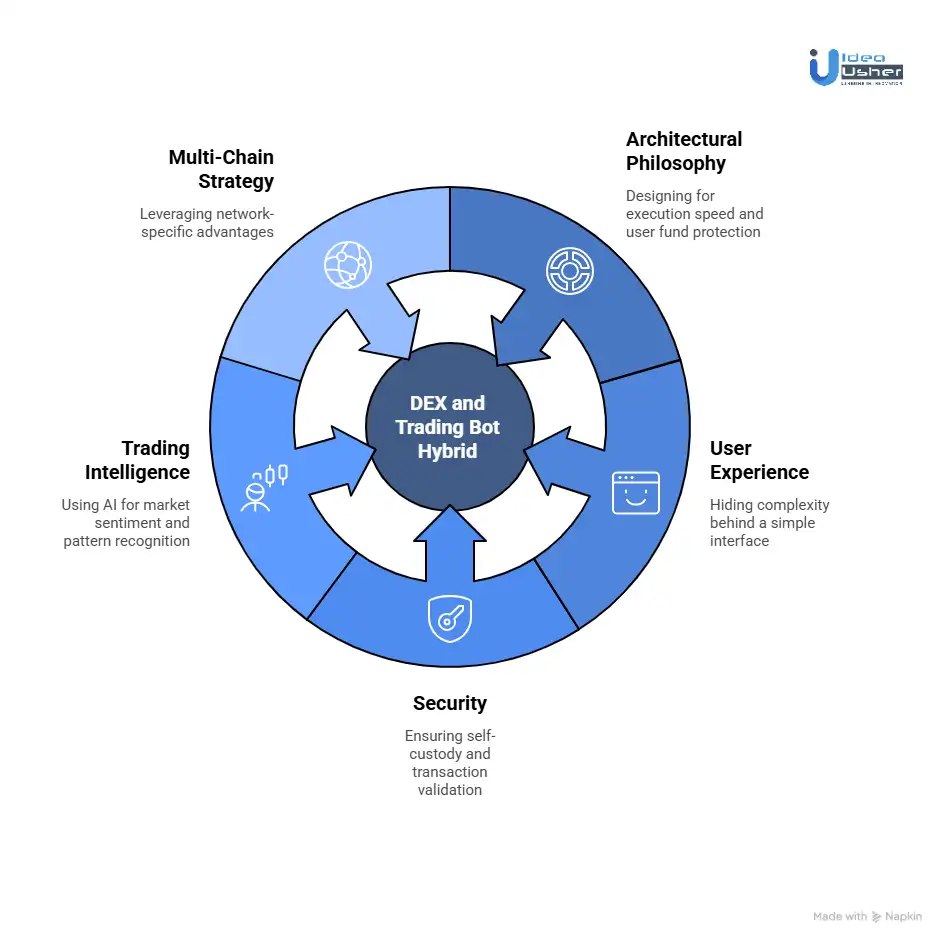
1. Architectural Philosophy
The most critical lesson from successful hybrid models is that latency is the ultimate competitive edge. Every millisecond matters when competing against institutional players and automated bots.
Consider Banana Gun’s approach. They built their entire infrastructure around Solana’s Jito block engine, allowing users to execute trades in the same block as token creation. This effectively eliminates the traditional 15 to 30 second disadvantage that retail traders face. Your architecture must be designed from the ground up with this mindset.
Key Architectural Decisions
- Event-Driven Microservices: Loosely coupled services communicate through message brokers like NATS or Redis Streams, allowing trading, UI, and notifications to scale independently.
- Geographic Distribution: Execution nodes are placed near validators and RPC endpoints across key regions to reduce latency and network hops.
- Redundant Infrastructure: Critical systems use multiple fallback paths so RPC failures or feed outages do not impact execution or user experience.
The Data Layer
Advanced data processing is what separates average trading bots from market leaders. A three-tier data architecture is essential.
- Hot Storage (in-memory) for real-time order books and position management
- Warm Storage (SSD-optimized databases) for recent trades and active user sessions
- Cold Storage (distributed databases) for historical analytics and compliance
This tiered structure ensures that critical data is accessed in microseconds while preserving long-term records for pattern analysis and regulatory needs.
2. User Experience
The most effective hybrid platforms make complex trading feel effortless by hiding heavy logic behind a simple Buy action. In real time, the system evaluates wallet risk across chains, predicts slippage from mempool activity, optimizes gas timing, and routes liquidity across multiple DEXs to ensure efficient execution.
Maestro demonstrates this approach well. While the dashboard appears clean, it processes thousands of data points per second across 11 blockchains. Users gain one-click access to sophisticated cross-chain arbitrage that would otherwise require multiple manual steps.
Progressive Disclosure
Avoid overwhelming users by introducing complexity gradually through tiered interfaces.
- Basic Mode with one-click trading and intelligent defaults
- Advanced Mode with charts, limit orders, and strategy tools
- Pro Mode with API access, custom scripts, and direct RPC configuration
State Synchronization
Users expect Telegram alerts, mobile apps, and web dashboards to stay perfectly synchronized in real time, which requires WebSocket clusters with intelligent connection handling and conflict-free state updates.
Distributed consensus is needed for critical actions such as order execution, while a local-first architecture ensures fast interactions that sync to the cloud only when necessary.
3. Security
Users expect self-custody security without sacrificing execution speed, which is enabled through Multi-Party Computation. Private keys are never stored in full; key shards are isolated across separate security domains, transactions require approval from independent systems, and hardware security modules add an extra layer of protection
Transaction Sandboxing
Every trade should flow through a dedicated security validation layer that prevents wallet draining, detects approval phishing attempts, verifies contract addresses against approved safe lists, and simulates execution before any signing occurs.
Continuous Threat Monitoring
AI-driven anomaly detection should learn user trading behavior and flag deviations. Large unexpected withdrawals, unfamiliar token approvals, or rapid failed transactions should trigger immediate security responses.
4. Trading Intelligence
Advanced hybrids act as trading partners rather than simple executors.
Market Sentiment Analysis: Real-time processing of social media, news, and on-chain data using NLP helps detect sentiment shifts. Correlating social activity with price action improves early signal detection.
Pattern Recognition Engines: Effective platforms identify emerging behaviors such as wash trading across DEXs, whale wallet movements, liquidity manipulation, and cross-chain arbitrage opportunities.
Adaptive Strategy Framework
Trading strategies should evolve dynamically based on:
- Market volatility conditions
- Gas price fluctuations
- Competing bot behavior
- Regulatory changes
5. Multi-Chain Strategy
Successful hybrid platforms hide blockchain complexity while still leveraging network-specific advantages. Trades are initiated without chain-specific decisions, the system selects the optimal network based on liquidity and fees, and cross-chain portfolios are presented in a single unified view.
Smart Routing Intelligence
Before executing a trade, the platform evaluates direct DEX swaps against aggregator routes, compares native purchases with cross-chain bridging, weighs gas costs against slippage, and checks liquidity depth across available venues.
The Bridge Monitoring Problem
Cross-chain operations introduce additional risk. Best practices include:
- Bridge security scoring based on historical performance
- Redundant bridge options for large transfers
- Real-time monitoring of bridge congestion and outages
- Automatic fallback execution paths
How a DEX Trading Bot Should Handle MEV Across Chains?
MEV refers to the value extracted by reordering or prioritizing transactions before they are finalized, and it directly affects how trading bots execute on decentralized exchanges
A DEX trading bot should treat MEV differently across chains and adapt its execution logic rather than reusing a single strategy. On Ethereum, it should submit private bundles carefully, while on Solana, it must integrate directly with block engines to compete effectively.
Across all chains, the bot could actively monitor mempools and route trades privately, reducing extraction while still capturing opportunities efficiently.
Take Unibot on Telegram as an example. It initially gained popularity for fast execution but faced major MEV challenges during the 2023 memecoin surge. Users frequently saw profitable trades being front-run by advanced MEV bots that monitored Unibot’s public transactions. This highlighted how critical MEV protection is for any serious trading bot.
For DEX trading bots, MEV typically appears in three primary forms:
- Front running: Your profitable trade is executed by another actor before yours
- Sandwich attacks: Your large trade is surrounded by two opposing transactions that extract value
- Arbitrage extraction: Profitable price differences disappear before your transaction executes
Each blockchain has a unique MEV environment. A successful trading bot must adapt its strategy per chain rather than relying on a single approach.
Ethereum
Ethereum’s MEV ecosystem is highly mature and competitive, with most value extraction flowing through Flashbots private relays that enable off-mempool transaction submission.
Validators participate in structured auctions in which block space is sold to the highest bidder, meaning trading bots must account for bidding dynamics and private execution paths to remain competitive.
Strategy: A bot must either participate directly in Flashbots auctions or use privacy-focused submission networks such as Taichi.
Key Tactics for Ethereum
- Integrate with multiple private relays such as Flashbots, BloXroute, and Eden
- Simulate transactions before submission to estimate MEV risk
- Use bundle construction to protect sensitive transactions
Solana
Solana’s parallel execution model and low transaction costs create a fast-moving MEV environment where speed and coordination matter more than gas bidding.
Jito Block Engine plays a central role by enabling bundled transaction submission, which allows bots to execute atomic strategies while competing through optimized tips rather than traditional priority fees.
Strategy: Direct integration with Jito Block Engine is essential for any serious Solana trading bot.
Key Tactics for Solana
- Submit transactions as Jito bundles with optimized tipping
- Monitor the live block stream for real-time opportunity detection
- Run local transaction simulations using Solana compute unit limits
Arbitrum and Optimism
Rollups create a different MEV landscape because transaction ordering is controlled by centralized sequencers rather than open validator sets. The delay between Layer 2 execution and Layer 1 settlement can create temporary arbitrage windows, so bots must monitor sequencer behavior closely and act quickly before finality closes those opportunities.
Strategy: Focus on sequencer behavior analysis and cross-rollup arbitrage.
Key Tactics for Rollups
- Monitor sequencer inclusion and ordering patterns
- Exploit timing gaps between L2 execution and L1 verification
- Implement cross-rollup arbitrage logic
BSC and Polygon
These chains focus on high throughput and ease of access, resulting in a simpler MEV environment than in more mature networks. With fewer professional MEV operators and transaction ordering driven largely by gas-based priority, trading bots should emphasize timing and fee optimization rather than complex private execution strategies.
Strategy: Optimize for gas efficiency and latency rather than complex MEV avoidance mechanisms.
Key Tactics for BSC and Polygon
- Use aggressive gas pricing during high conviction opportunities
- Implement basic front-running detection logic
- Prioritize latency reduction over advanced bundle strategies
The Role of Execution Simulations in DEX Trading Bots
In March 2023, a single trading bot lost $2.3 million in just 12 seconds. This loss did not come from a market crash or a hack, but from a simple execution failure. The bot attempted to buy a low-liquidity token. Instead of receiving a favorable price, its aggressive buying triggered a price spike that immediately reversed, leaving it holding worthless tokens.
This was not a hypothetical scenario. It was a real and costly mistake that could have been prevented with one crucial step: execution simulation.
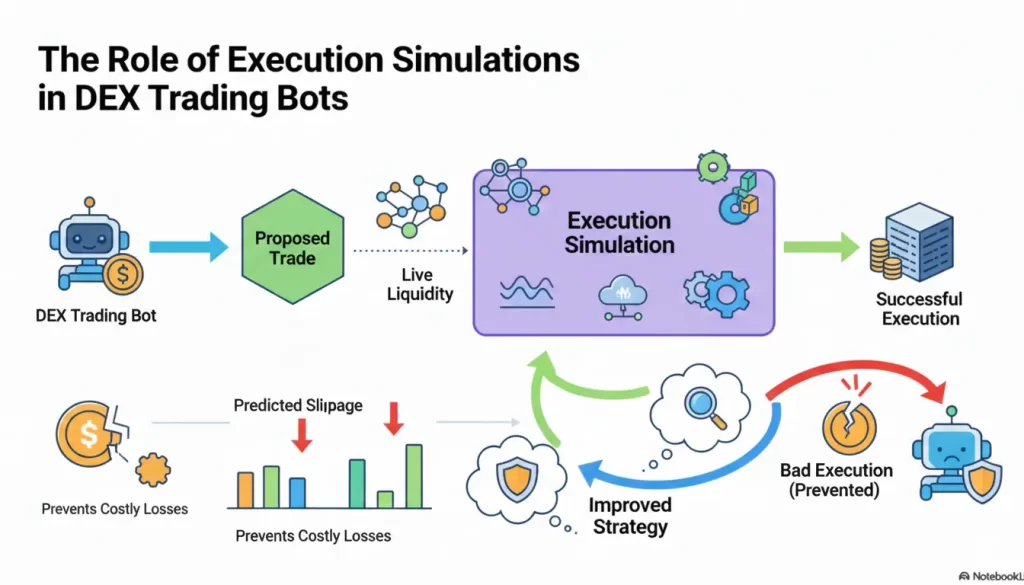
What Are Execution Simulations?
Execution simulations are pre-trade dry runs that model how a specific transaction would behave if executed on a live DEX at that exact moment. Instead of relying on historical data or paper balances, they simulate real liquidity, slippage, gas conditions, and potential market impact to predict the trade’s actual outcome. This allows trading bots to identify risks such as excessive price impact, failed swaps, or MEV exposure before any real capital is committed.
The Five-Layer Simulation Approach
1. Price Impact Forecasting
Before any trade, sophisticated bots run a market stress test. They calculate:
- Slippage Prediction: How much will a large buy order move the price against the trader?
- Liquidity Mapping: Which pools have enough depth to handle the trade size without causing a price cascade?
Take Unibot, for example, one of the pioneering Telegram trading bots. When a user attempts to snipe a new token, Unibot’s simulation engine scans all available liquidity pools across multiple DEXs on Ethereum and Arbitrum.
It may find that executing a $10,000 buy on Uniswap would cause 15 percent slippage, while splitting the order between Uniswap V3 and Sushiswap reduces slippage to around 4 percent. This analysis happens in milliseconds and prevents costly execution errors.
2. Sandwich Attack Vulnerability Scoring
In DeFi, transactions do not interact with the market in isolation. They are visible to adversarial actors monitoring the mempool. Execution simulations evaluate:
- Mempool Exposure Risk: How long the transaction remains visible before confirmation
- Profit Potential for MEV Bots: Whether the trade is attractive enough for front-running or sandwich attacks
Maestro, another widely used trading bot across multiple chains, evaluates each trade for MEV risk by analyzing live mempool conditions and historical attack patterns.
If a trade shows an 80% probability of being sandwiched, the bot may route the transaction through a private RPC or adjust gas parameters to reduce exposure.
3. Multi-Chain Execution Coordination
For bots operating across multiple blockchains, simulations help coordinate:
- Cross-Chain Timing: Synchronizing correlated strategies across different chains
- Chain-Specific Behavior: Accounting for differences in finality, block production, and transaction ordering
Without simulation, a profitable arbitrage on one chain can easily fail because the corresponding trade on another chain executes too late or under different conditions.
4. Smart Contract Interaction Testing
Before interacting with any smart contract, execution simulations validate whether swap or liquidity functions will succeed under current pool conditions and how edge cases are handled if the pool state changes between simulation and execution.
By testing these scenarios in advance, bots reduce the risk of failed transactions, wasted gas fees, and unexpected contract reverts during live trading.
5. Network Condition Adaptation
Execution simulations also account for real-time network behavior by factoring in block time variability across chains and forecasting congestion levels to determine optimal execution timing. By adapting to current network conditions, trading bots avoid submitting transactions during periods of high latency or congestion, reducing the risk of delays, failed executions, or unfavorable trade outcomes.
Successful Business Models for DEX & Trading Bot Hybrid Platforms
The most reliable model will usually charge a small fee per executed trade because revenue can scale directly with volume, and users only pay when value is delivered. Some platforms should also layer subscriptions so power users can access faster execution, advanced automation, and protection features, which can quietly stabilize cash flow.
1. Transaction Fee-Based Revenue Model
The most prevalent and immediately profitable model charges users a percentage fee on every successful trade executed through the platform. This creates a direct alignment between platform success and user success. When users profit, the platform profits proportionally.
Key Implementation Strategy:
- Tiered Fee Structure: Most platforms implement variable fees based on volume, token holdings, or subscription level
- Multi-Chain Fee Aggregation: Fees collected across all supported chains like Ethereum, Solana, and BSC, are consolidated
- Real-Time Fee Optimization: Dynamic fee adjustments based on network conditions and trade complexity
Success Example: Unibot
The platform applies a 1 percent transaction fee on every executed trade, which creates a direct link between usage and revenue. During peak market phases, trading volume can exceed 200 million dollars in a single month. This level of activity can realistically generate more than 2 million dollars in monthly revenue under bullish conditions.
Additional Monetization: UNIBOT token holders receive 40% of the revenue share
User Base: 50,000+ active traders paying the 1% fee
2. Subscription-Based Premium Access Model
This model offers basic functionality for free while reserving advanced features, faster execution, or premium analytics for paying subscribers. The psychology is powerful. Free users become invested in the platform and then upgrade to unlock greater earning potential.
Key Implementation Strategy:
- Freemium Gateway: Free users get basic swapping plus one simple bot strategy
- Pro Tiers ($20–200/month): Advanced bots, multi-chain execution, and MEV protection
- Enterprise Tiers ($500–2,000/month): API access, custom strategy development, and priority support
- Annual Discounts: 20–30% discount for annual commitments to improve retention
Success Example: Maestro
Pricing Structure:
- Free: Basic token sniping with a 0.5% platform fee
- Premium: $49/month for advanced features plus a 0.25% fee reduction
- Pro: $199/month for institutional tools and API access
Revenue is primarily driven by subscriptions, which account for around 70% of total earnings and provide consistent recurring income. The remaining 30% may come from reduced transaction fees on high-value or premium trades.
Estimated Monthly Revenue: $1.2M+ from 24,000+ subscribers
3. Native Token Utility & Staking Model
This advanced model introduces a platform-native cryptocurrency that serves governance, fee discounts, revenue sharing, and premium access. The token creates an economic ecosystem where user participation directly increases token value.
Key Implementation Strategy:
- Token Utility: Holders receive reduced trading fees, early feature access, and voting rights
- Revenue Sharing: 30–50% of platform revenue distributed to token stakers
- Buyback Mechanisms: Regular token buybacks funded by platform revenue
- Ecosystem Integration: Token required to access specific premium features
Success Example: Banana Gun
The tokenomics are designed around a fixed supply of 10 million tokens, with a 1% fee applied to every trade executed on the platform.
Half of the generated revenue can be distributed to active token stakers, while forty percent is allocated to the treasury for long-term growth. The remaining 10% may be burned regularly, gradually reducing supply and supporting token value.
Financial Impact:
- Peak Daily Volume: $50M+
- Daily Revenue: $500,000+, calculated as 1% of volume
- Daily Staker Rewards: $250,000 distributed
- Token Price Appreciation: 850% in the first six months post-launch
- Market Capitalization: Reached $45M within four months of launch
Conclusion
Building a DEX trading bot like BullX in 2026 is about designing a fast, intelligent, and secure on-chain trading system that operates reliably. The focus should be on execution quality, data-driven decision logic, and robust safeguards rather than surface-level features. With a strong technical foundation and an experienced execution partner, such platforms can steadily evolve into durable revenue engines within the on-chain economy.
Looking to Develop a DEX Trading Bot Like BullX?
IdeaUsher can help design a DEX trading bot that focuses on execution speed, security, and intelligent on-chain decision-making. The system could integrate directly with block engines and advanced detection logic to reduce risk and improve trade quality.
With over 500,000 hours of coding experience, our team of ex-MAANG/FAANG developers has built trading systems that:
- Connect directly to block engines (Jito, Flashbots) – skip public RPC queues
- Detect malicious patterns in real-time – protect your investments
- Maintain institutional-grade security with MPC & hardware enclaves
- Scale across 6+ chains with unified trading logic
Check out our latest DEX trading projects


FAQs
A1: Development usually starts with defining a clear trading strategy and selecting the DEX protocols the bot will interact with. The system must integrate on-chain data feeds and securely handle wallet signing for execution. With careful testing and gradual tuning, the bot can reliably operate in live market conditions.
A2: The cost generally depends on strategy complexity, supported networks, and security requirements, but a basic bot may fall within a moderate budget range. More advanced capabilities, such as multi-chain execution and automated risk controls, can increase development effort. Ongoing maintenance and optimization should also be included in the total cost.
A3: A DEX trading bot typically includes automated trade execution, real-time price monitoring, and configurable strategies. It may also support slippage control, gas optimization, and risk management logic. These features help the bot operate efficiently and consistently at scale.
A4: DEX trading bots usually generate returns by executing strategies faster and more consistently than manual trading. Common approaches include arbitrage liquidity-based strategies and signal-driven trades. Profitability depends on execution speed, market conditions, and disciplined risk limits.