

Key Takeaways
- Supplier intelligence platforms replace static vendor databases with AI-driven supplier discovery, risk analysis and procurement insights.
- Platforms like TealBook use knowledge graphs, NLP and supplier enrichment engines to build real-time supplier intelligence ecosystems.
- Core capabilities include supplier risk monitoring, semantic supplier search, procurement automation and ESG compliance tracking.
- Enterprises adopt supplier intelligence platforms to achieve faster sourcing, stronger supply chain visibility and smarter procurement decisions.
- How IdeaUsher can help you build supplier intelligence platforms with AI procurement workflows, ERP integrations and scalable SaaS architecture.
Most procurement systems were designed to manage suppliers after they were onboarded, not to help businesses understand supplier quality, risk and capability before critical decisions are made. That limitation is increasing demand for a modern supplier intelligence platform capable of transforming fragmented supplier data into actionable procurement intelligence.
Traditional supplier management relied heavily on static databases, manual verification and disconnected vendor records that quickly became outdated. As global supply chains grow more complex, enterprises now expect real-time supplier discovery, risk analysis, diversity insights, performance tracking and AI-driven supplier intelligence integrated into a centralized procurement ecosystem.
In this blog, we will talk about core features, architecture, development costs and how IdeaUsher can help build a supplier intelligence platform like TealBook by treating supplier intelligence as a continuously evolving data layer rather than a static vendor directory.
Why Enterprises Need Supplier Intelligence Platforms
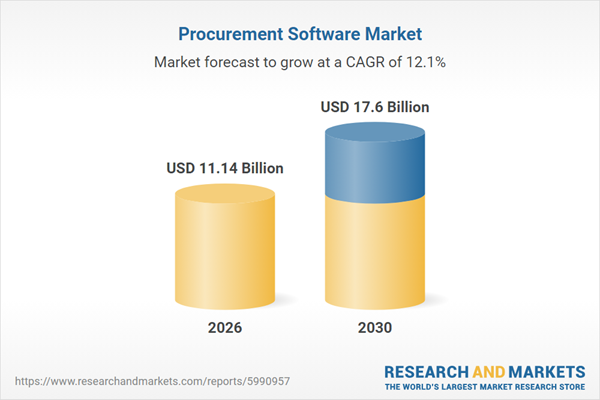
Traditional procurement in volatile markets is pushing enterprises toward AI-powered Supplier Intelligence Platforms (SIPs) to ensure resilience and compliance. With the global procurement software market projected to grow from $9.81 billion in 2025 to $11.14 billion in 2026 (13.6% CAGR), businesses are replacing legacy databases with SIPs to create agile supply chains.
Rising supply chain risks and financial vulnerabilities,costing companies $1.6 trillion annually, drive the adoption of supplier intelligence platforms. Risks are escalating significantly, with cyber threats up 64%, geopolitical instability rising 54%, and regulatory changes surging 92% annually.
To improve visibility and risk tracking, nearly three-quarters of large enterprises are adopting automated procurement solutions, while 58% of backend deployments focus on real-time supplier risk monitoringto meet global compliance and supply chain transparency requirements.
A. Legacy Supplier Management Systems Lack Real-Time Visibility
Traditional procurement relies heavily on static Enterprise Resource Planning (ERP) systems and rigid vendor management databases. However, these legacy systems create significant operational bottlenecks:
- Decaying ERP Data Limits Visibility: Legacy ERP databases store static supplier records that quickly become outdated. This leaves procurement teams blind to real-time shifts in a vendor’s financial health, capacity, or ownership, increasing disruption risks.
- Manual Onboarding Delays Sourcing: Traditional supplier verification relies on manual checks for certifications, taxes, and compliance. This labor-intensive process slows down time-to-market, wastes talent, and increases human error.
- Weak Supplier Discovery Restricts Agility: Legacy systems lack instant visibility into vetted alternatives. When a primary vendor fails, procurement teams must manually hunt for backups, leading to rushed, high-risk decisions that compromise compliance.
B. Global Supply Chains Require AI-Driven Supplier Intelligence
Modern supply chains are highly interconnected and vulnerable to geopolitical shifts, climate events, and regulatory changes. Enterprises are turning to AI-driven supplier intelligence to navigate this complexity:
- Predictive Risk Analysis Is Essential: Relying on reactive measures is no longer viable. Modern platforms use machine learning to analyze external data like news, financials, and weather to predict and mitigate supplier risks before they impact the bottom line.
- Mandatory ESG Tracking Protections: Tightening global regulations demand strict compliance across the value chain. Supplier Intelligence Platforms (SIPs) automatically score vendor sustainability, helping enterprises avoid costly fines and reputational damage.
- External Data Enrichment Completes the Picture: Internal data alone is insufficient. SIPs continuously enrich vendor profiles with external, third-party data, providing a 360-degree view that includes cybersecurity ratings and geopolitical vulnerabilities.
C. Why Procurement Leaders Want Supplier Automation
Chief Procurement Officers (CPOs) are shifting from administrative oversight to strategic value creation. Automation is the key driver of this transformation:
- Autonomous Workflows Shift Focus to Strategy: Automating repetitive tasks like initial outreach, data collection, and preliminary vetting eliminates administrative burdens. This allows procurement teams to focus on strategic negotiation and relationship building.
- AI Engines Improve Sourcing Accuracy: AI recommendation engines analyze project-specific requirements such as material specs, budget, and geography to instantly match projects with qualified, low-risk suppliers, drastically slashing cycle times.
- Automated Tracking Drives Supplier Diversity: Meeting corporate diversity mandates requires robust tracking. Supplier Intelligence Platforms automatically identify and verify diverse-owned businesses, enabling enterprises to hit spend targets while maintaining strict compliance.
What Is a Supplier Intelligence Platform?
TealBook is an AI-powered supplier intelligence platform focused on building an autonomously enriched supplier data foundation. Unlike traditional procurement systems that rely on manual data entry or static supplier portals, it uses machine learning and natural language processing to automatically collect, deduplicate, and continuously refresh global supplier profiles. It serves as a central “single source of truth,” integrating with existing enterprise platforms to give procurement teams accurate, real-time insights into their vendor base.
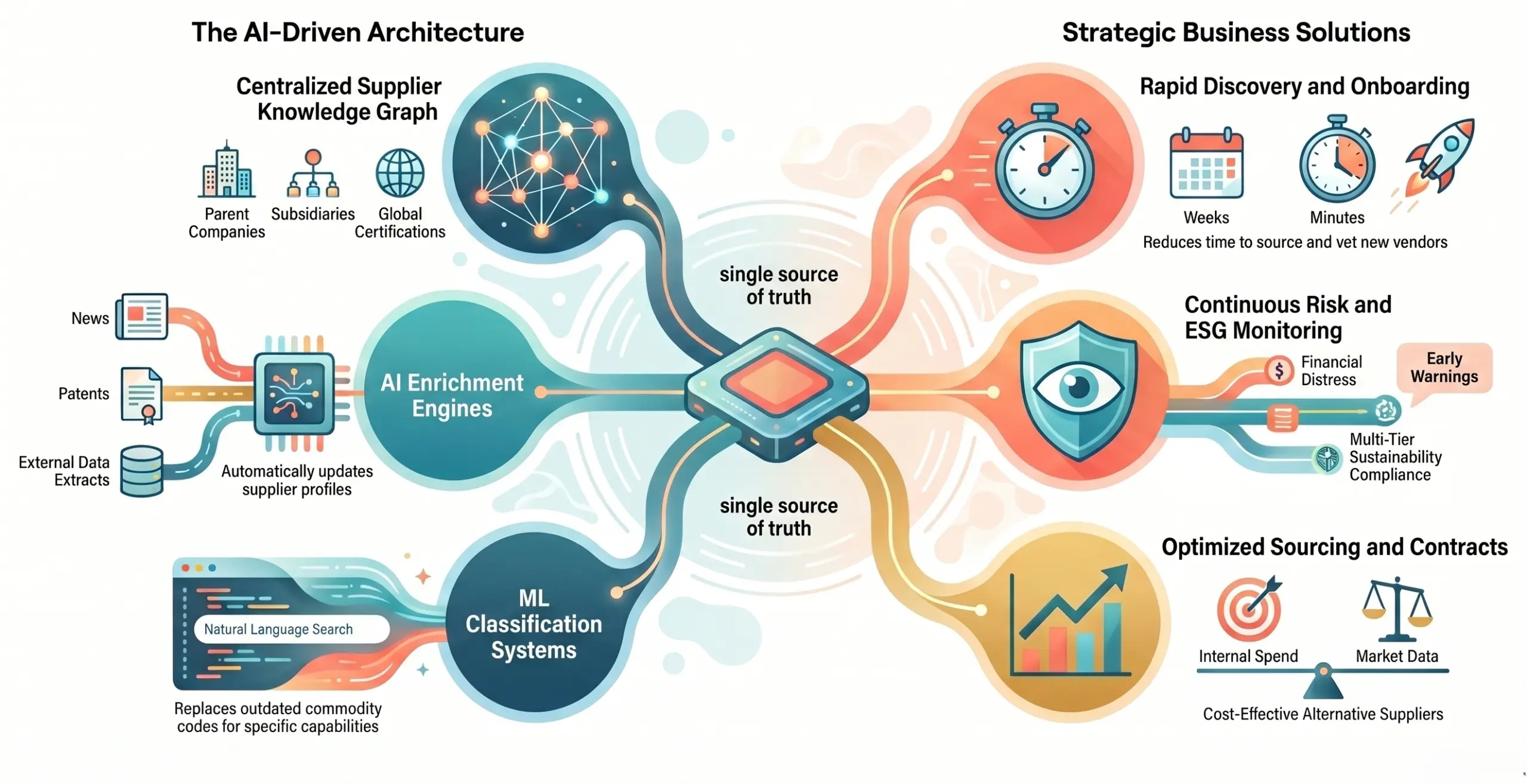
Here is a deep dive into the underlying architecture, core business functions, and the AI technologies that make these platforms work.
A. Core Architecture of Platforms Like TealBook
Modern supplier intelligence platforms rely on a highly scalable, data-first architecture designed to ingest chaotic global data and turn it into structured, actionable insights.
- Centralized Supplier Knowledge Graph: Graph databases map relationships between subsidiaries, certifications, and locations, linking specific factories to their parent companies, ESG scores, and risks.
- AI-Powered Supplier Enrichment Engines: AI constantly extracts unstructured external data (news, patents, financials) to update and expand supplier profiles without human intervention.
- Procurement Data Aggregation Pipelines: Data pipelines ingest, clean, and consolidate messy internal supplier data scattered across disparate ERPs and e-sourcing tools into a single source of truth.
- Enterprise Search and Supplier Classification Systems: Machine learning replaces outdated commodity codes with natural language processing, letting teams search for complex capabilities (e.g., “carbon-neutral packaging in Europe”) for instant results.
B. Business Problems Supplier Intelligence Platforms Solve
By replacing manual processes with automated data workflows, SIPs solve several critical operational challenges for enterprise procurement teams:
- Supplier Discovery and Onboarding: Reduces vendor sourcing from weeks to minutes. The platform automates vetting and compliance gathering, drastically shortening time-to-onboard during disruptions or new project launches.
- Continuous Risk Monitoring: Acts as an early-warning system by continuously tracking financial distress, legal issues, cybersecurity vulnerabilities, and operational bottlenecks to proactively mitigate risks.
- Automated ESG and Compliance: Simplifies regulatory compliance by automatically tracking third-party diversity certifications, carbon footprints, and labor standards across the entire multi-tier supply chain.
- Optimized Sourcing and Contracts: Compares internal spend with external market data to identify overlapping contracts, surface cost-effective alternative suppliers, and gain leverage during renewals.
- Advanced Analytics and Benchmarking: Provides leadership dashboards to measure supplier performance, track diversity spend metrics, and benchmark procurement efficiency against industry standards.
AI Capabilities That Differentiate Modern Supplier Intelligence Platforms
What separates a modern Supplier Intelligence Platform (SIP) from a glorified digital rolodex is its underlying artificial intelligence layer. By moving beyond hardcoded keyword searches and manual data entry, advanced AI models transform passive vendor registries into active, predictive systems that optimize the entire sourcing lifecycle.
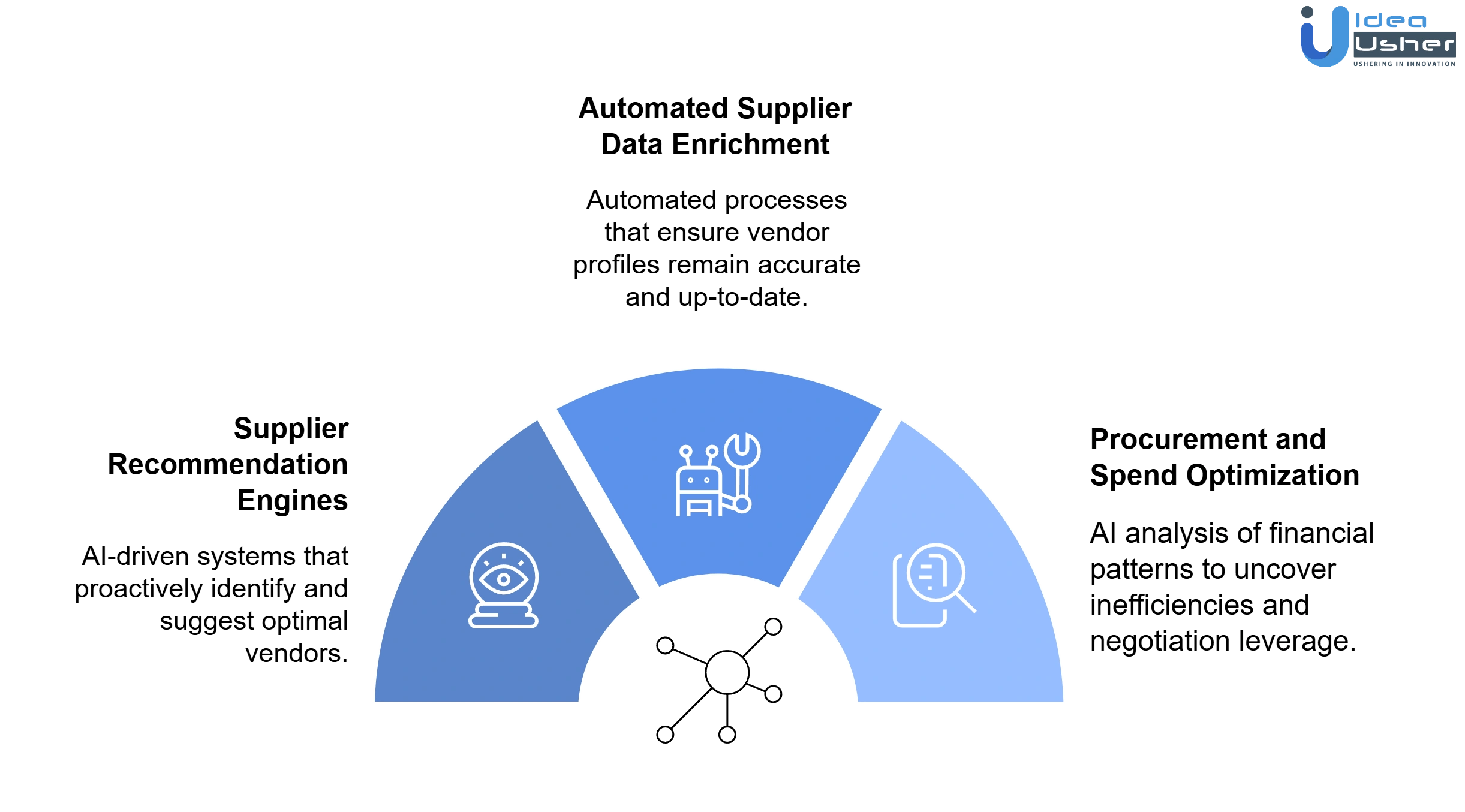
A. Predictive Supplier Recommendation Engines
Instead of forcing sourcing managers to manually hunt for vendors, predictive engines proactively surface the best-fit suppliers based on complex historical patterns and real-time operational capacity.
- AI-driven sourcing suggestions: Autonomously evaluates open project briefs, technical specifications, and budgetary constraints to instantly surface a curated shortlist of optimal vendors.
- Supplier similarity modeling: Analyzes the operational DNA of an organization’s top-performing vendors to identify “lookalike” suppliers, facilitating rapid secondary-sourcing strategy execution.
- Intelligent procurement matching systems: Cross-references active supplier workloads, production lead times, and geographic proximity to match sourcing requests with the vendors most likely to deliver on time.
B. Autonomous Supplier Data Enrichment
Data decay is the silent killer of procurement accuracy. This capability leverages autonomous agents to ensure that vendor profiles remain dynamically updated without requiring tedious manual outreach.
- Continuous supplier profile updates: Monitors global digital footprints around the clock, automatically adjusting vendor records the moment a company changes its address, executive leadership, or product offerings.
- Web and document intelligence extraction: Deploys natural language processing to read unstructured data from supplier websites, technical whitepapers, and product catalogs, converting it into structured capability tags.
- AI-based supplier validation workflows: Automatically cross-checks newly extracted information against official government registries, tax databases, and certification bodies to verify operational legitimacy.
C. Procurement Intelligence and Spend Optimization
AI doesn’t just find suppliers; it looks inward at an enterprise’s financial patterns to uncover hidden operational inefficiencies, bloated contracts, and untapped negotiation leverage.
- Supplier consolidation recommendations: Scans fragmented corporate spend data to identify instances where multiple departments are buying similar materials from different vendors, suggesting consolidation to maximize volume discounts.
- Procurement savings forecasting: Leverages predictive machine learning models to analyze historic pricing trends, seasonal market fluctuations, and macroeconomic indicators, advising teams on the absolute best time to lock in contracts.
- Automated contract non-compliance detection: Continuously monitors active invoices against agreed-upon contract terms to automatically flag off-contract spending, hidden price leakages, and unapproved vendor billing anomalies.
Essential Features Needed to Build a Supplier Intelligence Platform
Building a resilient, scalable supplier intelligence platform (SIP) requires combining advanced data engineering, enterprise-grade security, and intuitive workflows. Below is the technical feature blueprint necessary to develop a modern, AI-driven supplier intelligence solution.

1. AI-Powered Supplier Discovery and Search Engine
Modern procurement teams need to move beyond keyword matching. This core module leverages artificial intelligence to understand intent, map capabilities, and find optimal global vendors in seconds.
- Semantic supplier search: Goes beyond exact keywords to understand the contextual intent behind procurement queries, matching natural language requests with actual vendor capabilities.
- Industry and capability-based filtering: Allows deep granularity when segmenting vendors, filtering by specialized micro-verticals, production capacities, and niche operational qualifications.
- Geo-based supplier sourcing: Enables precise geographic mapping to optimize logistics, support nearshoring strategies, and identify regional alternatives during supply chain disruptions.
- AI recommendation systems: Autonomously analyzes historical sourcing patterns and project requirements to proactively suggest the highest-rated, lowest-risk suppliers for new initiatives.
2. Supplier Profile Management Dashboard
A unified interface is critical for eliminating data silos. This dashboard consolidates fragmented data points into a single, dynamic master record for every vendor in the ecosystem.
- Unified supplier profiles: Aggregates internal ERP records and external market data into a single, continuously updated 360-degree view of each vendor.
- Certifications and compliance tracking: Automated monitoring of active industry certifications, diversity credentials, and safety standards, ensuring no critical document silently expires.
- Supplier relationship lifecycle management: Tracks the end-to-end journey of a vendor from initial discovery and onboarding through active engagement and eventual offboarding.
- Performance and procurement scoring: Dynamically evaluates vendors using internal fulfillment data and external benchmarks to generate objective delivery, quality, and responsiveness scores.
3. Real-Time Supplier Risk Monitoring
Proactive risk management is the cornerstone of supply chain resilience. This feature sets act as an early-warning system, continuously scanning global data to flag vulnerabilities before they cause disruptions.
- Financial health monitoring: Tracks credit ratings, revenue trends, and public filing anomalies to warn procurement teams of a supplier’s potential bankruptcy or distress.
- Geopolitical and operational risk indicators: Monitors global news, weather patterns, and political stability to assess threats to factory locations, shipping ports, and transit routes.
- Cybersecurity and compliance risk scoring: Evaluates vendors’ digital infrastructure vulnerabilities, data breach histories, and adherence to shifting international regulatory frameworks.
- Third-party risk integrations: Seamlessly ingests specialized risk feeds from external providers like Dun & Bradstreet, RapidRatings, or EcoVadis into the central dashboard.
4. Procurement Workflow Automation Features
Manual administrative tasks slow down strategic sourcing cycles. This module automates repetitive operational workflows, accelerating time-to-market while reducing human error across the procurement lifecycle.
- Supplier onboarding workflows: Digitizes and orchestrates the collection of tax forms, banking details, and initial questionnaires through automated, self-service vendor portals.
- Approval routing systems: Ensures compliance by automatically directing sourcing decisions, vendor selections, and contract exceptions to the correct internal stakeholders based on value thresholds.
- Vendor document automation: Utilizes AI to parse incoming supplier documents, extract metadata, and automatically store structured data within the platform.
- Procurement collaboration tools: Centralizes communication between internal business units, legal teams, and external suppliers, eliminating fragmented email chains and communication gaps.
5. Analytics and Procurement Intelligence Dashboards
Data is only valuable if it drives action. This analytics suite transforms millions of chaotic supply chain data points into clear visual insights for executive decision-making.
- Spend analysis visualization: Provides clear, interactive breakdowns of corporate spend across categories, business units, and individual vendors to uncover savings opportunities.
- Supplier performance KPIs: Visualizes historical fulfillment metrics, including on-time delivery rates, quality compliance, and price variance over time.
- Category intelligence dashboards: Delivers macroeconomic market trends, pricing indices, and supply-demand shifts within specific material or service categories.
- Procurement forecasting insights: Leverages predictive models to project future spending patterns, seasonal risk escalations, and optimal times for contract renegotiations.
6. Enterprise-Grade Access Control and Governance
Large-scale organizations demand rigid security and compliance frameworks. This foundational layer ensures data integrity, protects sensitive financial information, and satisfies global enterprise security requirements.
- Role-based procurement permissions: Restricts data viewing and editing rights based on specific job functions, ensuring employees only access relevant vendor details.
- Multi-tenant architecture: Secures data isolation between different corporate divisions, subsidiaries, or external partners operating within the same platform instance.
- Audit trails and governance logs: Maintains an immutable, time-stamped history of every profile modification, user login, search query, and approval action for compliance reviews.
- SSO and enterprise identity management: Integrates natively with corporate identity systems like Okta or Azure AD to enforce secure, streamlined user authentication protocols.
How to Create a Supplier Intelligence Platform Like TealBook
Engineering an enterprise-grade Supplier Intelligence Platform requires a highly structured development approach. This lifecycle spans from defining complex procurement data models to training custom AI engines and seamlessly orchestrating integrations with legacy enterprise resource planning (ERP) ecosystems.
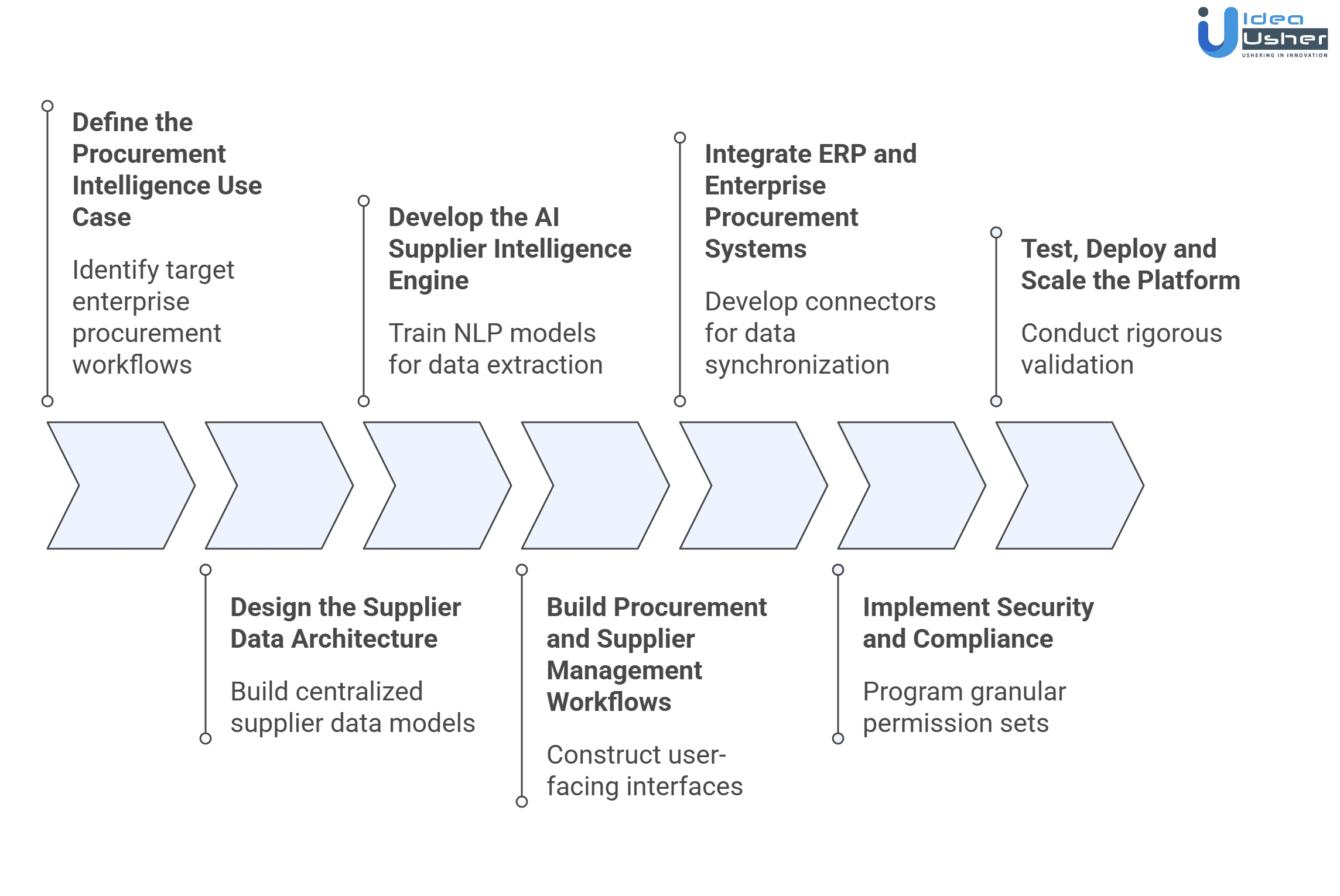
1. Define the Procurement Intelligence Use Case
Before writing code, product teams must isolate the specific procurement bottlenecks the platform will solve. Mapping the target user persona and market niche ensures the development team builds high-value workflows rather than generic databases.
- Identify target enterprise procurement workflows: Map friction points and manual inefficiencies across strategic sourcing, category management, and vendor onboarding.
- Decide whether the platform focuses on sourcing, supplier risk, ESG, or full supplier lifecycle intelligence: Scope down to a core pillar (risk/ESG) or commit to an end-to-end ecosystem.
- Define MVP vs enterprise-scale functionality: Build a roadmap prioritizing immediate high-impact features (semantic search/profile aggregation) before scaling to advanced automation.
- Conduct procurement stakeholder discovery sessions: Interview CPOs, sourcing managers, and compliance officers regarding workarounds, data frustrations, and integration limits.
2. Design the Supplier Data Architecture
The foundational layer of a SIP must be built to ingest, normalize, and link millions of chaotic, unstructured data points. Designing a scalable schema at this stage prevents severe data-silo issues during later development phases.
- Build centralized supplier data models: Create a flexible, unified database schema combining standard corporate identifiers (DUNS/tax IDs) with unstructured web data and custom enterprise fields.
- Plan supplier enrichment pipelines: Architect data ingestion pipelines to automatically extract, clean, and refresh data from public registries, news feeds, and websites.
- Design procurement knowledge graph structures: Establish a graph architecture mapping complex relationships between parent companies, subsidiaries, factories, components, and changing risk profiles.
- Establish taxonomy and supplier classification frameworks: Develop dynamic categorization logic using modern tag systems to index specialized vendor capabilities beyond rigid industrial codes.
3. Develop the AI Supplier Intelligence Engine
This phase focuses on building the intelligence layer that differentiates a SIP from a legacy database. Developers train specialized machine learning and natural language processing (NLP) models to automate data extraction and discovery.
- Train NLP models for supplier data extraction: Fine-tune language models to extract unstructured text from supplier websites, catalogs, and whitepapers into structured capability tags.
- Build semantic supplier search systems: Implement vector search embeddings allowing procurement professionals to query the platform using natural language instead of exact-match keywords.
- Implement AI-driven recommendation engines: Develop machine learning algorithms analyzing historical sourcing, vendor performance, and project parameters to automatically suggest qualified suppliers.
- Create automated supplier matching workflows: Program intelligent algorithms to instantly match new project requirements against the supplier pool, filtering for compliance, geography, and capacity.
4. Build Procurement and Supplier Management Workflows
With the data and AI engines established, developers must build the user-facing interfaces and operational modules. These features turn raw supplier intelligence into actionable, collaborative workflows.
- Supplier onboarding automation: Construct self-service vendor portals and automated validation logic to drastically cut down banking, tax, and operational data collection times.
- Approval and procurement collaboration workflows: Code customizable routing logic to automatically send vendor selections, risk flags, and contract exceptions to stakeholders based on corporate hierarchy.
- Vendor document management systems: Integrate secure document repositories with OCR to automatically store, read, and track critical compliance certificate expiration dates.
- Supplier performance monitoring dashboards: Build intuitive frontend visualizations displaying fulfillment metrics, quality scores, and real-time risk alerts in a single, scannable interface.
5. Integrate ERP and Enterprise Procurement Systems
A Supplier Intelligence Platform cannot operate as an isolated silo; it must actively communicate with the enterprise’s existing software stack. This step focuses on building secure bi-directional data synchronization.
- SAP Ariba integration: Develop specialized connectors to sync enriched supplier data and real-time risk profiles directly into SAP Ariba workflows.
- Oracle procurement synchronization: Build robust data pipelines to pass cleaned vendor master data back and forth with Oracle Cloud Procurement.
- NetSuite and Microsoft Dynamics integrations: Create flexible API wrappers for mid-market and enterprise ERPs to automate financial and vendor record updates.
- API middleware and procurement orchestration layer: Design a centralized API gateway to manage traffic, transform data formats, and orchestrate background synchronization.
6. Implement Security and Compliance
Enterprise procurement software handles highly sensitive financial data, proprietary product designs, and confidential contracts. This step builds the rigorous defense-in-depth security framework required by enterprise IT departments.
- Role-based procurement access systems: Program granular permission sets ensuring sourcing agents, legal teams, and external vendors only see data fields relevant to their role.
- SOC 2 and GDPR compliance architecture: Architect infrastructure to meet strict data privacy frameworks, implementing end-to-end encryption for data at rest and in transit.
- Enterprise audit logging: Code an immutable, time-stamped ledger logging every user action, system change, data export, and API call for security forensics.
- Vendor data governance policies: Establish automated data retention, archiving, and deletion protocols aligning with corporate mandates and global data privacy regulations.
7. Test, Deploy and Scale the Platform
The final phase focuses on rigorous validation across both technical performance and user workflows. This ensures the platform can handle massive enterprise data volumes while maintaining precision.
- Procurement workflow QA testing: Conduct extensive end-to-end testing of onboarding, searching, and approval pipelines to ensure smooth operation across various business units.
- AI model validation: Audit semantic search and recommendation systems against curated benchmark datasets to eliminate hallucinations and measure classification accuracy.
- Cloud infrastructure scaling: Deploy containerized microservices on scalable cloud infrastructure, optimizing load balancers and database indexing to handle massive concurrent search queries.
Cost to Develop a Supplier Intelligence Platform like TealBook
Developing a Supplier Intelligence Platform like TealBook requires advanced AI, supplier discovery, risk analytics, data enrichment, and enterprise integrations to streamline procurement decisions and supplier management.
The below table provides the estimated development cost and timeline required to build a Supplier Intelligence Platform similar to TealBook.
A. MVP Development Cost Breakdown
The Minimum Viable Product (MVP) focuses on building a functional core that validates automated supplier data aggregation and discovery workflows before scaling to heavy enterprise integration pipelines.
| Development Phase | What the Phase Covers | Estimated Cost |
| Core Supplier Discovery Engine | Centralized supplier knowledge graph, normalization pipelines, and NLP-driven semantic vector search. | $45,000 – $60,000 |
| Basic ERP Integrations | Standard unidirectional connectors (e.g., NetSuite, SAP Ariba) for initial log ingestion. | $30,000 – $40,000 |
| Supplier Onboarding Workflows | Secure self-service vendor portals featuring automated validation, compliance uploads, and intuitive data collection. | $25,000 – $35,000 |
| Initial Analytics Dashboards | Primary UI for spend analysis, category visualization, KPI tracking, and reporting. | $20,000 – $30,000 |
| MVP Total Est. | Core platform validation and baseline technical architecture. | $80,000 – $155,000 |
B. Enterprise-Scale Procurement Platform Cost Factors
Scaling from an MVP to a globally accessible enterprise-grade engine introduces complex operational variables that affect underlying infrastructure requirements, legal compliance overhead, and data-streaming budgets.
| Cost Factor | What the Phase Covers | Estimated Budget |
| AI Infrastructure Complexity | Training custom LLMs and NLP agents; managing GPU clusters, token costs, and vector databases. | $40,000 – $75,000 |
| Compliance & Security Implementation | Securing SOC 2, GDPR, and CCPA compliance; implementing encryption, audit logs, and penetration testing. | $35,000 – $55,000 |
| Multi-Region Deployment Requirements | Deploying high-availability global cloud infrastructure with regional data tenancy, CDNs, and failover networks. | $25,000 – $45,000 |
| Real-Time Data Processing Infrastructure | Building event-driven streams (e.g., Kafka) for real-time updates via third-party APIs like EcoVadis. | $30,000 – $50,000 |
| Enterprise Scaling Total | Additional foundational investments for global enterprise-grade deployment. | $130,000 – $225,000 |
C. Estimated Development Timeline
A typical end-to-end agile execution pathway required to successfully structure, develop, test, and launch an integrated enterprise platform.
| Development Phase | What the Phase Covers | Estimated Duration |
| Discovery & Procurement Consulting Phase | Discovering stakeholder needs, defining workflows, mapping taxonomy, and finalizing technical designs. | 3 – 4 Weeks |
| MVP Architecture & Development | Developing core features, graph databases, backend microservices, and frontend components. | 12 – 16 Weeks |
| Enterprise Integrations & AI Training | Refining ML algorithms, multi-ERP integrations, and automated enrichment APIs. | 8 – 10 Weeks |
| Testing, Deployment, and Scaling | Validating models, stress testing, and deploying production orchestrations. | 4 – 6 Weeks |
| Total Delivery Timeline | Comprehensive implementation cycle from baseline strategy definition to full release. | 27 – 36 Weeks |
Note: These ranges serve as baseline engineering estimates. Final calculations may vary based on exact custom enterprise security policies, internal dataset decay rates, and selected external API subscription tiers.
Tech Stack for Supplier Intelligence Platform Development
Building a Supplier Intelligence Platform like TealBook requires a scalable tech stack supporting AI-driven supplier discovery, analytics, enterprise integrations, real-time data processing, and secure procurement workflow management.
The below table presents right technology stack that ensures high performance, data accuracy and scalable infrastructure for developing a robust supplier intelligence platform.
| Architecture Layer | Recommended Tech Stacks | Business Value |
| Backend Infrastructure | Languages: Go (Golang), Python, Java Frameworks: Spring Boot, FastAPI Containerization: Docker, Kubernetes Messaging: Apache Kafka, RabbitMQ | Provides a resilient, lag-free infrastructure that scales seamlessly with growing vendor data volumes. |
| AI & Machine Learning | LLMs & NLP: Python, PyTorch, Hugging Face Transformers Vector Search: Pinecone, Milvus, pgvector Graph Database: Neo4j, Amazon Neptune | Uses predictive AI to parse global data, identify vendor alternatives, and mitigate supply chain risks. |
| Frontend Architecture | Frameworks: React.js, Vue.js, Angular State Management: Redux, Pinia Communication: WebSockets (for real-time updates) Styling: Tailwind CSS | Offers a high-performance experience with instant search and efficient cross-departmental tools. |
| Database & Data Pipeline | Relational: PostgreSQL, MySQL NoSQL: MongoDB, Cassandra Orchestration: Apache Airflow Data Warehouse: Snowflake, Databricks | Unites transactional and web data into a real-time, single source of truth for supplier profiles. |
| Security Standards | Identity Management: Okta, Azure AD (SAML 2.0, OAuth 2.0) Encryption: AWS KMS, HashiCorp Vault Logging: ELK Stack (Elasticsearch, Logstash, Kibana), Datadog | Ensures data privacy, audit trails, and access control to meet strict corporate IT compliance standards. |
ERP Integrations Supplier Intelligence Platforms Must Support
To unlock its full value, a Supplier Intelligence Platform cannot operate as an isolated silo. It must seamlessly embed itself into an enterprise’s existing technology stack, creating an interconnected ecosystem where real-time vendor data flows effortlessly between strategic sourcing tools and transactional core systems.
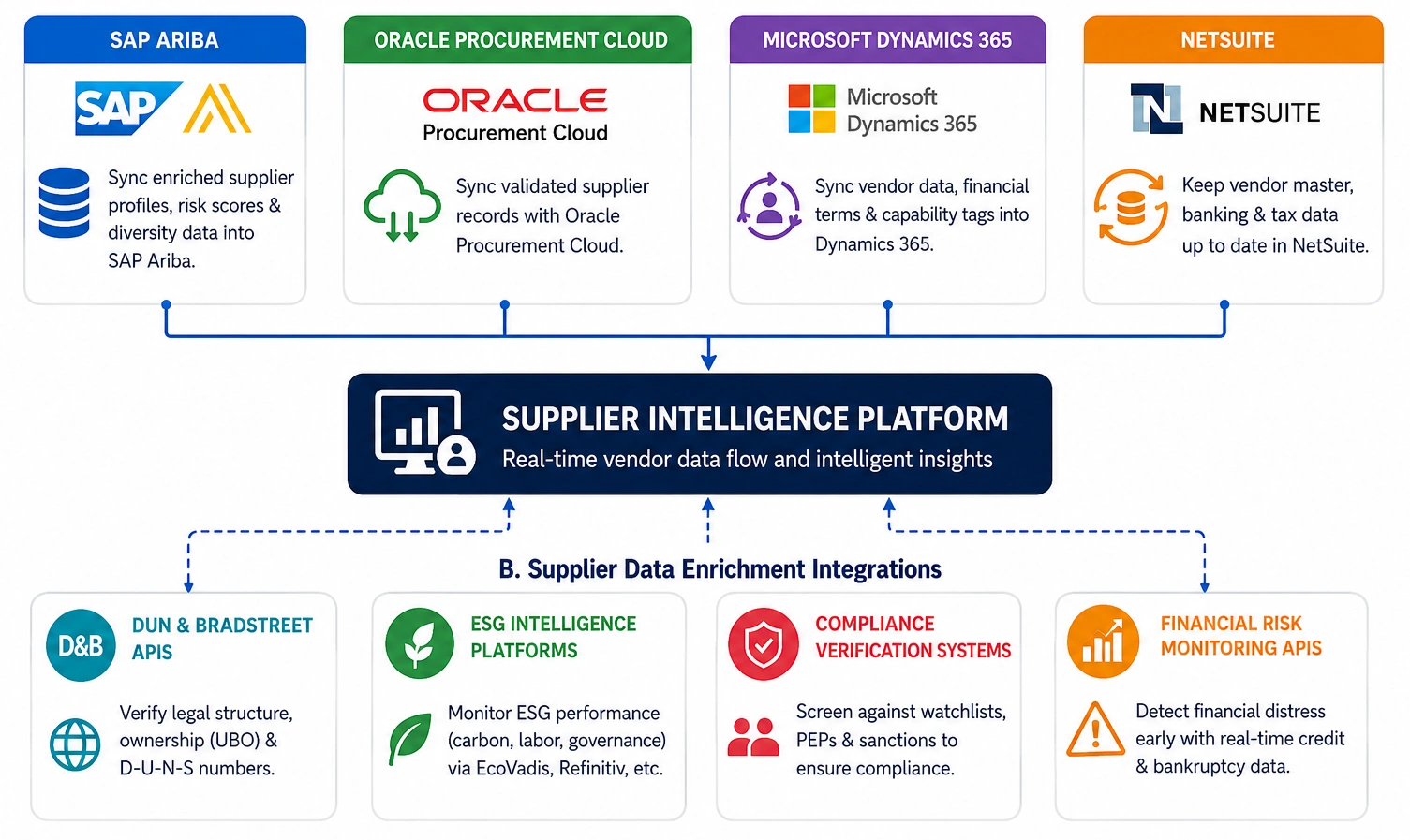
A. ERP Systems Enterprises Commonly Integrate With
Enterprise resource planning (ERP) platforms serve as the financial and transactional backbone of large organizations. A modern SIP must support deep, bi-directional integrations with these core platforms to keep vendor master data perfectly synchronized across the enterprise.
- SAP Ariba integration: Seamlessly pushes enriched supplier profiles, real-time risk scores, and diversity credentials directly into SAP Ariba’s sourcing, contracts, and buying modules to optimize enterprise-wide procurement.
- Oracle Procurement Cloud integration: Establishes robust data pipelines that sync validated supplier records with Oracle’s procurement suite, eliminating duplicate data entry and improving compliance across business units.
- Microsoft Dynamics 365 connectivity: Maximizes mid-market and enterprise efficiency by syncing active vendor logs, financial terms, and capability tags natively into the Dynamics 365 supply chain management hub.
- NetSuite procurement synchronization: automates the continuous updating of vendor master lists, banking details, and tax documentation within NetSuite to accelerate procure-to-pay lifecycles for scaling organizations.
B. Supplier Data Enrichment Integrations
Internal data only tells a fraction of the story. To build a truly predictive intelligence platform, the underlying architecture must constantly ingest and aggregate specialized, third-party data feeds via secure APIs.
- Dun & Bradstreet APIs: Connects directly to global corporate registries to instantly pulling verified legal structures, family trees, ultimate beneficial owners (UBOs), and standard D-U-N-S identification numbers.
- ESG intelligence platforms: Integrates with dedicated sustainability indices like EcoVadis or Refinitiv to automatically monitor carbon footprints, labor practices, and shifting corporate governance compliance.
- Compliance verification systems: Interfaces with global government watchlists, politically exposed persons (PEP) registries, and Sanctions lists to ensure all active vendors satisfy rigorous international trade laws.
- Financial risk monitoring APIs: Hooks into real-time credit monitoring networks and bankruptcy registries to give procurement teams an early warning when a critical supplier faces financial distress.
C. How Idea Usher Builds Scalable Enterprise Integration Ecosystems
Developing a platform capable of handling messy enterprise data and complex API handshakes requires deep technical precision. Idea Usher provides the specialized engineering talent necessary to build secure, highly scalable procurement integration layers.
- Experience delivering procurement workflow integrations: Proven track record of architecting secure middleware that bridges the gap between modern cloud platforms and rigid, legacy on-premise ERP configurations.
- API orchestration expertise from ex-MAANG engineers: Technical leadership backed by top-tier software alumni who design high-throughput, low-latency data pipelines optimized to handle millions of daily concurrent API calls.
- 500K+ hours of enterprise software development experience: Deep institutional knowledge gained from designing, building, and deploying highly secure, compliant, and battle-tested digital infrastructure for global industries.
Real-World Use Cases and Enterprise Adoption Examples
Implementing a Supplier Intelligence Platform (SIP) transitions procurement from a reactive, administrative function into a proactive, strategic driver. Global organizations across manufacturing, retail, and technology are leveraging these platforms to solve complex supply chain challenges at scale.
A. How Global Enterprises Use Supplier Intelligence Platforms
Enterprise leaders deploy supplier intelligence to inject agility, compliance, and cost-efficiency into their day-to-day sourcing lifecycles.
- Strategic sourcing optimization: Instead of spending weeks manually gathering bids, procurement teams use semantic search to instantly identify and qualify alternative suppliers, driving down cycle times and maximizing volume discounts.
- Supplier diversity management: Organizations seamlessly hit and track corporate diversity spend mandates by utilizing automated tracking systems to discover, verify, and monitor minority-, women-, and veteran-owned enterprises.
- Procurement risk mitigation: Platforms act as an early-warning system by continuously scanning external data streams, allowing teams to proactively shift production away from vendors facing imminent financial distress or regional geopolitical issues.
- ESG supplier governance: Compliance officers automate the tracking of international sustainability standards and labor regulations across the entire multi-tier supply chain, preventing costly regulatory fines and reputational fallout.
B. Client Success Story From Idea Usher
A multi-national manufacturing corporation with fragmented operations across North America and Europe partnered with Idea Usher to design and deploy a custom, AI-driven Supplier Intelligence Platform. The results dramatically reshaped their procurement performance metrics.
- Enterprise procurement workflow modernization: The client replaced disjointed email chains and manual vendor data tracking with a unified, event-driven architecture, centralizing operations across 14 global business units.
- Reduced supplier onboarding time significantly: By automating initial credential verification, tax document extraction, and banking validations via self-service portals, average onboarding cycles plummeted by 74%, dropping from 22 days down to just 5.7 days.
- Improved sourcing visibility using AI enrichment: The custom NLP enrichment engine crawled unstructured web footprints to automatically uncover and tag specialized capabilities for over 45,000 legacy records, instantly identifying $12M in overlapping vendor spend and consolidation opportunities.
- Achieved scalable ERP synchronization across procurement systems: Our engineering team deployed a real-time middleware orchestration layer that successfully bridged and synchronized live vendor master logs across 3 separate instances of SAP Ariba and legacy Oracle ERP configurations, handling 250,000+ monthly concurrent API updates with zero operational lag.
Common Challenges When Building a Supplier Intelligence Platform
Developing an enterprise-ready Supplier Intelligence Platform requires overcoming complex technical hurdles. From wrangling chaotic global data and integrating with rigid, legacy software stacks to securely scaling AI models, engineering teams must navigate distinct architectural challenges to ensure platform adoption.
1. Managing Supplier Data Across Multiple Sources
Challenge: Fragmented vendor records across disparate public registries and messy internal enterprise spreadsheets create heavily unstandardized profiles and expensive duplicate records.
Solution: Our developers build automated Python cleaning pipelines and entity resolution algorithms to systematically normalize incoming fields, merge duplicate records, and maintain real-time data profile accuracy.
2. Complex ERP and Procurement Integrations
Challenge: Rigid, legacy on-premise ERP configurations resist modern cloud synchronization, while inconsistent payload formats across multi-platform networks trigger synchronization errors.
Solution: We engineer custom middleware wrappers, a centralized API gateway, and event-driven Apache Kafka pipelines to seamlessly transform data formats and sync records without disrupting core financial databases.
3. Scaling AI Procurement Infrastructure Securely
Challenge: Simultaneous semantic querying across millions of dense, unstructured supplier profiles bottlenecks database performance while handling highly sensitive corporate financial records.
Solution: Our engineers implement high-performance Pinecone vector clusters for sub-second search results alongside AES-256 data encryption and immutable audit logs to satisfy strict corporate SOC 2 audits.
Why Choose Idea Usher for Procurement Software Development
Partnering with Idea Usher ensures your enterprise software is built by a team with a proven track record of delivering 1000+ secure, high-throughput B2B architectures. Combining deep domain expertise with technical leadership with 250+ devs, we transform complex supply chains into agile, automated ecosystems.
A. Expertise in Enterprise SaaS Development
Building a platform capable of modernizing corporate supply chains requires deep domain knowledge. Idea Usher brings extensive experience navigating the complexities of large-scale procurement ecosystems.
- Experience building scalable B2B workflow systems: We design resilient multi-tenant architectures that effortlessly streamline complex stakeholder permissions and high-volume corporate purchasing lifecycles.
- Procurement automation architecture expertise: Our team replaces manual workflows with event-driven automation, speeding up transactional cycles and reducing human operational error.
- Enterprise-grade cloud infrastructure capabilities: We deploy secure, highly available cloud systems featuring automated load balancing, continuous failover networks, and global data compliance.
B. AI and Data Engineering From Ex-MAANG Teams
To transition your vendor databases from static directories to predictive systems, our technical leadership leverages top-tier engineering talent.
- Knowledge graph engineering: We build linked graph databases that map intricate, multi-tier relations between international parent companies, local factories, and risk profiles.
- NLP and AI procurement intelligence systems: Our developers train specialized natural language models that autonomously extract specialized vendor capabilities from unstructured websites and data sheets.
- Real-time enterprise analytics architecture: We construct high-throughput data pipelines using Apache Kafka to instantly ingest external financial and ESG risk feeds without system lag.
C. End-to-End Product Development Services
Idea Usher provides comprehensive product support from the initial discovery phase to deployment and long-term cloud scaling.
- Product strategy and consulting: We align with your core procurement goals, analyzing your legacy bottlenecks to structure an optimal, high-ROI product roadmap.
- UI/UX design for procurement workflows: Our designers craft data-dense, consumer-grade interfaces that simplify vendor bidding, tracking, and compliance management for sourcing agents.
- Full-cycle development and maintenance: We handle full-stack frontend, backend, and database engineering, backed by ongoing optimization cycles to combat data decay.
- Enterprise deployment and scaling support: We orchestrate secure cloud rollouts and validate complex, bidirectional integration hooks directly into your active ERP systems.
Schedule a Procurement Platform Strategy Consultation With Idea Usher
Ready to build a resilient, AI-powered supplier intelligence platform that outpaces market disruptions? Let’s map out your custom architecture.
- Get a custom supplier intelligence platform roadmap: Define your target product milestones, scope your initial MVP, and map out feature prioritzation.
- Receive architecture recommendations from enterprise SaaS experts: Consult with technical architects to layout your knowledge graph design and database strategies.
- Discuss AI procurement workflows and ERP integration strategy: Plan secure, real-time sync pipelines with your existing SAP Ariba, Oracle, or NetSuite infrastructure.
- Explore MVP and enterprise-scale development cost estimates: Receive transparent financial and timeline projections tailored precisely to your company’s operational needs.
Conclusion
Supplier intelligence platforms are rapidly becoming a core layer in enterprise procurement ecosystems as organizations demand real-time supplier visibility, AI-powered sourcing, and predictive risk intelligence. Building a platform like TealBook requires deep expertise in AI, procurement workflows, enterprise integrations, and scalable SaaS architecture. With 500K+ development hours and experienced ex-MAANG engineers, Idea Usher helps founders and enterprises develop secure, scalable, and future-ready procurement intelligence platforms tailored to modern sourcing operations.
Things to Know About Supplier Intelligence Platform
Q.1. How much does it cost to build a supplier intelligence platform?
A.1. Developing a minimum viable product costs between $120,000 and $165,000. Scaling the architecture with advanced artificial intelligence models, real-time data streaming pipelines, and enterprise-grade security protocols requires an additional investment ranging from $130,000 to $225,000.
Q.2. How do platforms mitigate multi-tier supply chain disruptions?
A.2. Modern architectures construct interactive supplier knowledge graphs that map complex relationships between parent entities, local subsidiaries, and manufacturing facilities. This structural visibility allows procurement teams to trace dependencies and spot vulnerabilities before bottlenecks occur.
Q.3. Which core enterprise systems require mandatory integration?
A.3. To provide operational value, platforms must support deep bi-directional synchronization with primary ERP ecosystems. The core infrastructure must natively integrate with SAP Ariba, Oracle Procurement Cloud, Microsoft Dynamics 365, and NetSuite procurement modules.
Q.4. How do modern platforms maintain supplier data accuracy?
A.4. Platforms avoid data decay by utilizing automated natural language processing engines to continuously extract capabilities from unstructured web data. This information is systematically cross-referenced against verified external third-party registries and compliance databases.