 (+971) 8007 4267
 (+91) 946 340 7140
 (+1) 628 432 4305

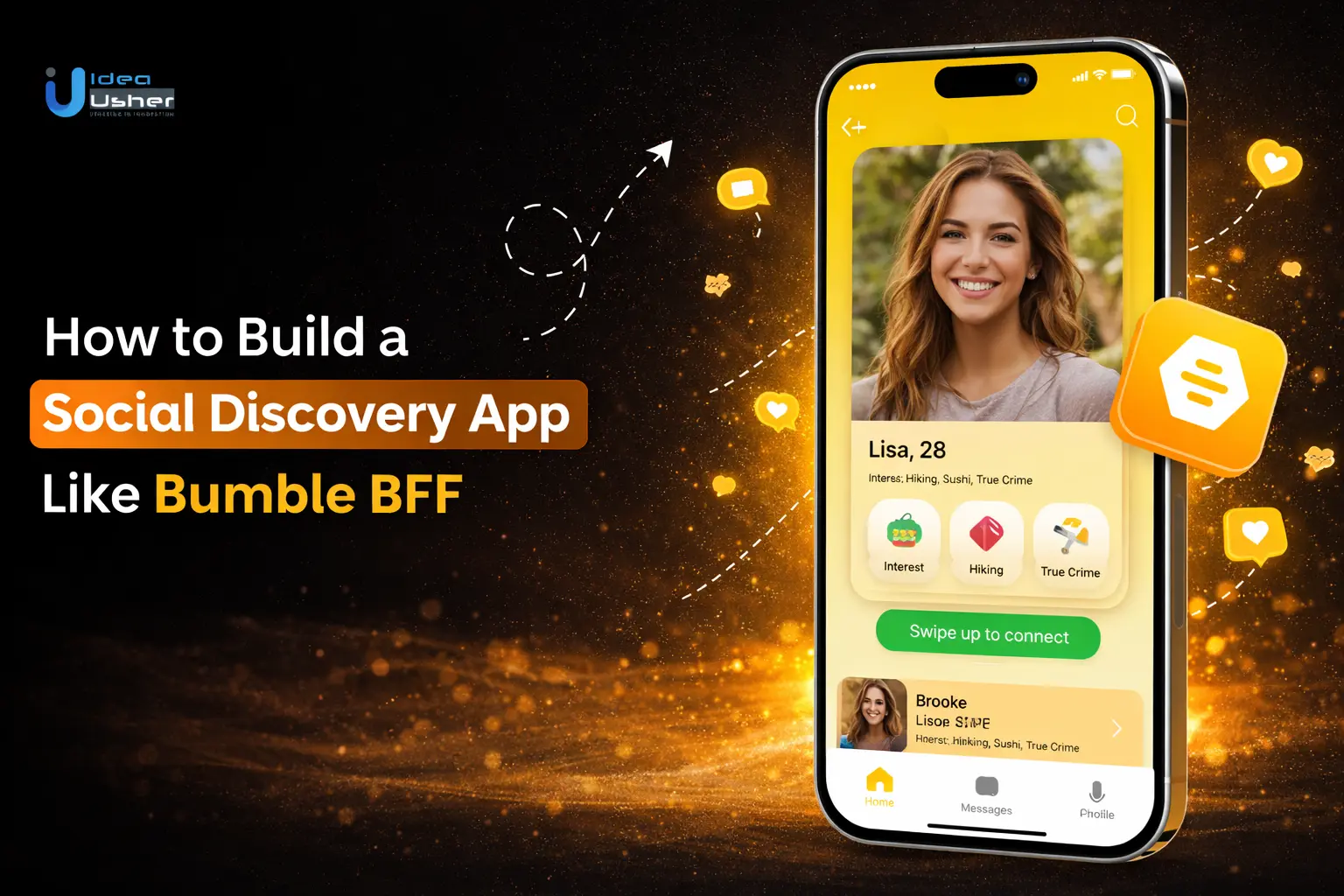
People are moving away from large social graphs and toward smaller, more intentional networks that feel relevant. This shift often reflects a need for context-driven interaction where shared interests define the connection. Many people have started using social discovery apps because they can reduce noise and improve match accuracy, save time by filtering irrelevant profiles, and offer safer, controlled discovery environments.
Social discovery platforms can structure this by using filters and behavioral signals to surface compatible users. Instead of random exposure, users may now discover communities that align closely with their routines and values.
Over the years, we’ve developed numerous social discovery platforms powered by AI-driven recommendation systems and graph-based social matching architectures. As we have this expertise, we’re sharing this blog to discuss the steps to develop a social discovery app like Bumble BFF.
Why Social Discovery Apps Are Gaining Massive Demand?
According to Htfmarketinsights, the Social Discovery Software market is currently valued at 1 billion and is projected to reach 2.5 billion by 2030. With a CAGR of 9.00% and a steady year-on-year increase of 10.00%, the sector is shifting from entertainment toward high-utility digital infrastructure. This growth signals a maturing landscape where scalable technological solutions are being built to address the global loneliness epidemic through intentional connection.
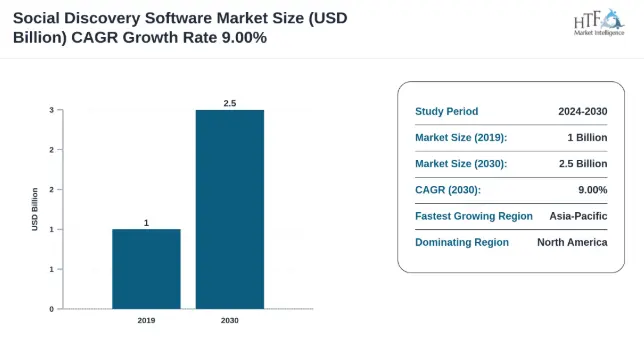
Source: Htfmarketinsights
As remote work and globalization detach individuals from physical communities, demand is surging for curated platforms that reduce the friction of meeting like-minded people. This utility-driven approach offers robust business potential through high user retention and diverse monetization channels, including premium subscriptions and hyper-localized advertising.
Shift to Intentional Friendships
Swipe fatigue in the dating app industry has created a vacuum in the market. Users are increasingly disillusioned with the high-pressure, superficial nature of romantic platforms. This has led to a pivot toward intentional friendships.
This shift represents an opportunity to create environments where the stakes are lower, but the long-term engagement is higher. Unlike dating apps, which aim to have the user churn once they find a partner, friendship platforms foster evergreen networks.
Bumble BFF is a prime example of this transition, successfully decoupling the swipe mechanic from romance to help users find platonic connections based on lifestyle. Strategic depth involves implementing algorithms that prioritize compatibility over mere proximity.
By removing romantic pressure, these apps facilitate authentic interactions and organic growth through community trust.
Rise of Community-Led Platforms
The digital era is moving away from the town square model toward digital campfires. These are smaller and more intimate community-led spaces. Decision makers should note that successful social discovery platforms empower users to lead their own micro communities.
This decentralization reduces operational overhead and increases user stickiness.
- Niche Authority: Platforms catering to specific professional niches see higher lifetime value per user because the network value is specialized.
- Trust and Safety: Community-led models often self-regulate effectively as members are incentivized to maintain group quality.
- Scalability: Meetup remains a gold standard here, providing tools for users to build their own hubs and scale horizontally across thousands of interests.
Why Gen Z Prefers Interest-Based Connections
Gen Z views online interaction as an extension of their physical reality. They are moving away from the follower count metrics of the previous decade. Instead, they prioritize shared values and specific interests.
This includes sustainable investing, niche gaming, or specialized professional development.
Emerging platforms like Timeleft have gained traction by taking this aspect literally. They use algorithms to match strangers for real-world dinners based on personality, removing the digital-first barrier.
Gen Z’s preference for interest-based connections allows for sophisticated data modeling. When you know exactly what a user is passionate about, your ability to provide targeted value and monetize effectively increases.
What Makes Apps Like Bumble BFF Engaging?
The success of modern social discovery platforms, pioneered by market leaders like Bumble BFF, lies in reducing the psychological barrier to meeting new people. These apps move beyond simple directories to create ecosystems where interaction feels natural and low-stakes. For investors, engagement is driven by a blend of gamified mechanics and high-utility features that convert passive browsers into active participants.
Retention is built on the reward of finding a compatible peer. Unlike social media platforms that rely on infinite scrolling, social discovery focuses on meaningful matches as the primary value unit. This results in higher-quality user sessions and a robust foundation for monetization through premium discovery features.
Effortless Swipe-Based Matching
The swipe mechanic has been re-engineered for platonic discovery to lower the anxiety of meeting strangers. This binary decision process streamlines the user experience and provides an immediate sense of progress. By using the core Bumble BFF Swipe feature, the platform ensures users spend more time evaluating connections than navigating complex menus.
This model generates massive amounts of first-party preference data. The underlying algorithm learns behaviors and refines match quality over time. For entrepreneurs, this means the platform becomes more valuable the more it is used, as the system becomes adept at predicting successful social outcomes.
Interest-Driven Profiles
The most engaging platforms move focus away from aesthetics toward interest-driven data points. By encouraging users to use Profile Badges to list professional tools or niche hobbies, the app provides built-in conversation starters. This eliminates dead-end greetings by giving users a specific reason to reach out.
- Interest Tags: Users select specific categories like Fitness or Gaming to help the algorithm narrow down potential friends.
- Bumble Moves: These profile prompts act as contextual icebreakers, reducing the cognitive load required to start a chat.
- Spotify Integration: Including music preferences increases perceived authenticity and builds trust through shared culture.
Community Groups Beyond 1:1 Matching
While 1:1 matching is the entry point, community features drive long-term growth. Bumble BFF utilizes Bumble For Friends Groups, allowing multiple users to engage around a central theme or planned outing. This shift from 1:1 to 1:Many reduces pressure on individual interactions and allows for a relaxed digital social life.
These groups act as micro-networks within the larger platform. They facilitate organic content and peer-to-peer moderation, lowering management costs. These environments are also ideal for native advertising or sponsored events since user intent is already clearly defined.
Safety Layers That Build Trust
In social discovery, trust is the ultimate currency. High engagement is only possible when users feel secure. Market leaders invest heavily in multi-layered safety protocols like Photo Verification to ensure profiles are authentic and prevent catfishing.
Safety also extends to data privacy and user control. Features like Private Detector use AI to automatically blur unsolicited or inappropriate images in chats. By building a walled garden that prioritizes security, the platform creates a premium brand image that justifies higher subscription tiers.
Core Features Your Social Discovery App Must Have
A successful social discovery platform requires a strategic feature set that balances user autonomy with algorithmic guidance. These core functionalities represent the primary value drivers. By focusing on utility and seamless interaction, these features transform social discovery apps into powerful tools for building social capital.
1. Smart Profiles and Interest Tags
The onboarding process must move beyond basic demographics to capture a user’s social DNA. By allowing individuals to select specific hobbies and professional goals, the platform creates a rich data map. Patook excels here by using a points-based system where users weight their interests, ensuring every profile provides enough context to initiate a meaningful connection.
2. AI Match Recommendations
The engine behind the platform should analyze user behavior to suggest highly compatible connections. This reduces the cognitive burden by filtering out irrelevant profiles and highlighting individuals with the highest potential for synergy. Yubo leverages sophisticated algorithms to suggest live streams and users with shared interests, driving positive brand sentiment.
3. Chat and Icebreaker Prompts
To overcome the friction of starting a conversation, the interface must provide instant communication tools paired with contextual starters. Wink incorporates gamified icebreakers and mini-games within the chat interface to maintain momentum. This is critical for driving deeper engagement and ensuring users never struggle to break the ice.
4. Groups and Event Creation
Expanding the platform from 1:1 interactions to group dynamics is essential for a thriving ecosystem. Peanut has mastered this for the motherhood niche, allowing users to join “pods” or community groups. This functionality also creates natural opportunities for monetization through ticketed events and sponsored community gatherings.
5. Location-Based Discovery
Proximity is a key factor in transforming digital connections into real-world relationships. Ablo allows users to discover peers globally but uses a location-based discovery engine to facilitate local meetings when users are traveling. This ensures the platform remains relevant to the user’s immediate environment and facilitates just-in-time social interactions.
6. Moderation and Reporting
Maintaining a high-quality environment requires a robust framework for safety and accountability. Luma (Lu.ma) implements strict event moderation and guest vetting tools to keep interactions professional and safe. For decision-makers, this infrastructure is the most vital component for protecting the brand’s reputation.
Advanced Features That Increase User Retention
To transition from a temporary utility to a long-term social habit, social discovery apps must integrate features that reward consistent participation. For entrepreneurs, retention is the ultimate validator of market fit.
Advanced features focus on deepening the quality of connections. This ensures the digital environment remains dynamic, secure, and financially viable over the long term.
1. Behavioral Personality Matching
Move beyond static profiles by utilizing behavioral data to predict compatibility. By analyzing how users interact with content, the platform can refine its suggestions.
Hinge has successfully used this approach to find “most compatible” pairs based on interaction patterns. This creates an intuitive experience that feels personalized to the user’s subconscious preferences.
2. Gamification for Daily Engagement
Incorporating game-like elements keeps the user experience fresh and incentivizes daily check-ins. Features like profile completion rewards or digital badges transform networking into an engaging journey.
Yubo uses gamification by allowing users to earn and spend “Bucks” on profile boosts. This creates a loop that drives both daily engagement and consistent micro-transaction revenue.
3. Social Circles and Micro-Communities
Retention increases when users belong to smaller, specialized groups within the larger ecosystem. These micro-communities allow individuals to deep-dive into specific professional or personal niches.
Peanut utilizes “Pods” to create these intimate spaces. This ensures that users always have a relevant “home base” to return to regardless of their individual matching status.
4. Voice and Video Interactions
Synchronous communication tools like live audio rooms or video snippets add a layer of human depth that text cannot match. These features reduce “catfishing” risks and accelerate the trust-building process.
Clubhouse demonstrated the power of voice-led discovery. Hearing a person’s tone of voice significantly increases the emotional stickiness and perceived authenticity of the platform.
5. AI Moderation for Safer Communities
Scaling a community requires automated safety protocols that act in real-time. AI-driven sentiment analysis can detect toxic behavior or unsolicited content before it reaches the end user.
Bumble uses its “Private Detector” to blur inappropriate images automatically. This proactive approach to safety protects the brand’s integrity and ensures high-value users feel comfortable returning daily.
How to Build a Social Discovery App Like Bumble BFF?
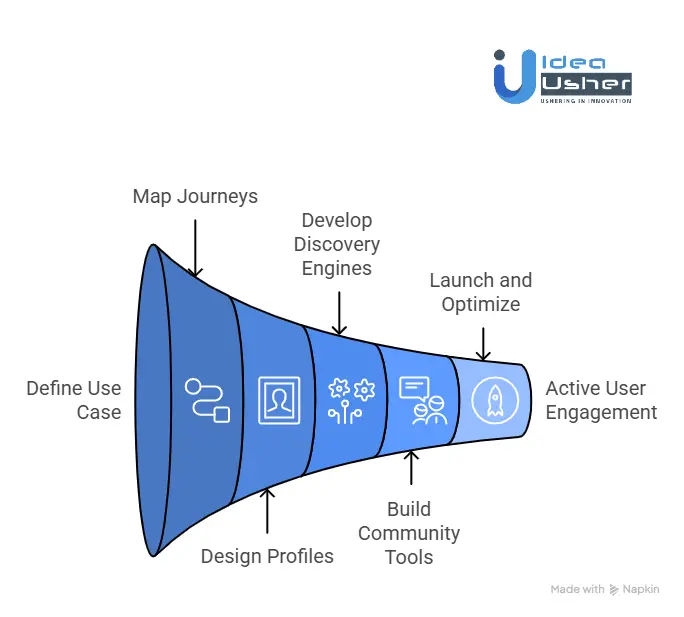
To build a social discovery app like Bumble BFF, the system should focus on profile intelligence and behavior-driven matching that can efficiently connect compatible users. The platform must also reliably support real-time interactions and scalable moderation so users can safely and consistently engage within relevant communities.
We’ve built several social discovery platforms like Bumble BFF, and this is how we approach it.
1. Defining Use Case
We help you identify the specific social gap your platform will bridge. Whether targeting expats or niche professional groups, a narrow focus allows for specialized features. We analyze unique audience pain points to ensure your value proposition feels essential.
2. Mapping Journeys
Our team maps every touchpoint to convert downloads into daily active users. We design the flow from initial onboarding to the first match and real-world meeting. By removing friction, we create a path that encourages low-pressure, authentic engagement.
3. Designing Profiles
We prioritize social utility over simple aesthetics. Profiles are built as dynamic portfolios of a user’s interests and values. By implementing structured data like interest tags, we ensure users have meaningful context for every potential connection.
4. Developing Discovery Engines
Our development core is a robust recommendation engine. We build systems that move beyond basic proximity filters to incorporate behavioral data. By leveraging machine learning, we enable your platform to predict and facilitate lasting social bonds.
5. Building Community Tools
We build secure infrastructure capable of handling high-frequency interactions. Beyond 1:1 messaging, we integrate group chat and community hubs. These features are designed to reduce chat fatigue and simplify the transition to physical meetups.
6. Launching and Optimizing
We manage a phased rollout to gather real-world usage data and refine the experience. Initial beta testing provides critical insights into how your audience interacts with the platform. We then provide continuous optimization to keep the app responsive to trends.
Cost to Build a Social Discovery App Like Bumble BFF
Investing in a social discovery app requires a clear understanding of the financial landscape. While every project is unique, we break down the investment into transparent tiers to help you plan your roadmap from initial concept to a market-disrupting reality.
MVP vs. Full-Scale App Cost
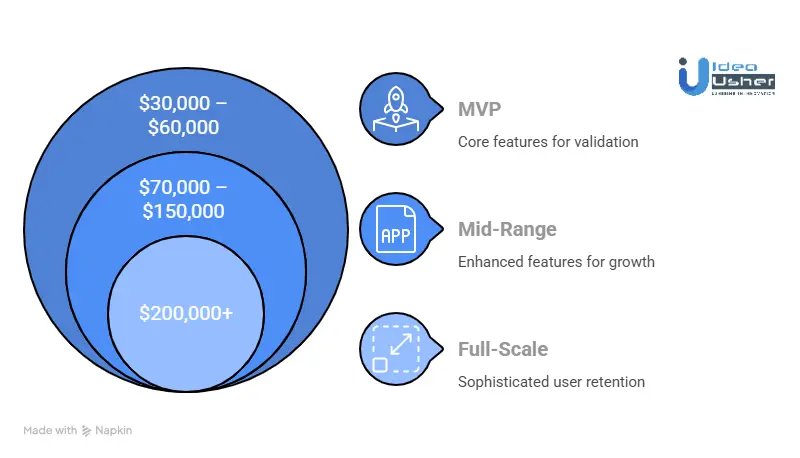
Starting with an MVP is the most strategic way to validate your concept without over-committing resources. A full-scale app, by contrast, is designed for massive growth and sophisticated user retention.
| Phase | Estimated Investment | Development Timeline |
| MVP (Core Features) | $30,000 – $60,000 | 3 – 5 Months |
| Mid-Range App | $70,000 – $150,000 | 6 – 9 Months |
| Full-Scale Platform | $200,000+ | 10+ Months |
Feature-Based Cost Estimation
The complexity of your feature set is the primary driver of the final price. Below are typical estimates for high-value components:
- Smart Matching Engine: Basic algorithms start around $5,000, while AI-driven behavioral matching can exceed $20,000.
- Real-Time Communication: Integrating secure, scalable chat and video call infrastructure typically ranges from $8,000 to $15,000.
- Geolocation Services: Implementing precise “near-me” discovery and mapping tools costs approximately $4,000 – $7,000.
- Safety & Moderation: Automated AI moderation tools to keep your community safe add about $5,000 – $12,000 to the build.
Hidden Costs Founders Often Miss
Budgeting isn’t just about the initial build; it’s about the “unseen” expenses that ensure long-term survival. We recommend setting aside 15% to 25% of your initial budget annually for these ongoing requirements:
- Technical Debt & Maintenance: No app is “finished” at launch. OS updates for iOS and Android, security patches, and server scaling are recurring monthly costs.
- Third-Party API Fees: Services like Google Maps, Twilio (for SMS/Video), and AWS (hosting) charge based on usage. As your user base grows, so do these operational expenses.
- App Store Compliance: Beyond the annual developer fees ($99 for Apple), meeting strict data privacy regulations (GDPR/CCPA) requires ongoing legal and technical oversight.
Timeline and Budget Planning
Successful delivery depends on a phased approach. We typically structure your investment across four key milestones to keep the project on track:
- Discovery & Design (15% of budget): 3–4 weeks to finalize wireframes and user flows.
- Core Development (50% of budget): 12–16 weeks for the heavy lifting of coding and API integration.
- QA & Security Testing (20% of budget): 3–4 weeks ensuring the app is bug-free and data-secure.
- Deployment & Optimization (15% of budget): Launch support and reacting to early user feedback.
How Social Discovery Apps Solve Real Loneliness Gaps?
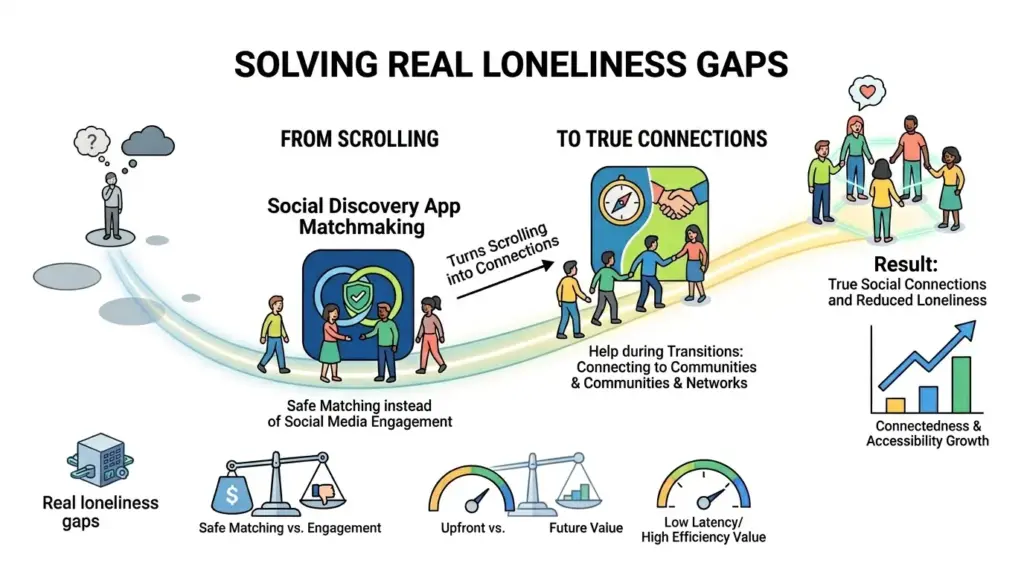
Modern social discovery apps have emerged as a critical response to the loneliness epidemic. They transform the digital landscape from a place of passive scrolling into a tool for intentional connection. While technology is often blamed for isolation, these platforms are engineered to do the exact opposite. They use data to bring people back into the physical world.
Why Traditional Social Media Fails
Traditional social platforms were built for broadcast rather than bond building. They rely on passive consumption, which is the act of watching others’ lives. Research consistently links this behavior to increased feelings of inadequacy and isolation.
- The Comparison Trap: Seeing curated highlights of others’ social lives creates a Presence Paradox. You feel connected to the content but increasingly distant from the person.
- Engagement vs. Connection: Most social giants measure success by time on app. In contrast, a successful discovery app measures success by how quickly it can get two people to stop chatting and start meeting.
The Psychology of Intentional Matching
Unlike the cold intro of meeting someone at a bar or a networking event, intentional friend matching removes the psychological barrier of rejection.
Permission to Connect: In an app like Bumble BFF, the double opt-in provides a structural cue that it is safe to reach out. This lowers the cognitive load and social anxiety that often prevents adults from making the first move.
By focusing on shared intentionality, these platforms ensure both parties are entering the interaction with the same goal: finding a genuine friend. This alignment accelerates trust and allows for deeper vulnerability than a chance encounter ever could.
Relocation and Life Transitions
Major life shifts like moving to a new city, starting a new job, or entering a new stage of life like parenthood often result in a social ecosystem disruption. When your existing support network is geographically or lifestyle distant, social discovery apps act as a vital utility for social mobility.
| Life Transition | How Apps Bridge the Gap |
| Relocation | Finding local guides or other expats to navigate a new city. |
| New Career | Connecting with peers in similar industries for work bestie support. |
| Parenthood | Joining niche communities like Peanut for shared advice and playdates. |
These apps transform these potentially isolating transitions into opportunities for community growth. They prove that when used with intent, the human algorithm of technology can indeed cure the gaps that traditional media left behind.
How to Design for “Low Friction, High Intent” Matching?
The most successful social discovery platforms solve a specific paradox. Users want the process to be effortless, yet they want the resulting connections to feel significant. Designing for “Low Friction, High Intent” means removing the technical hurdles of meeting people while simultaneously adding meaningful friction that filters for quality.
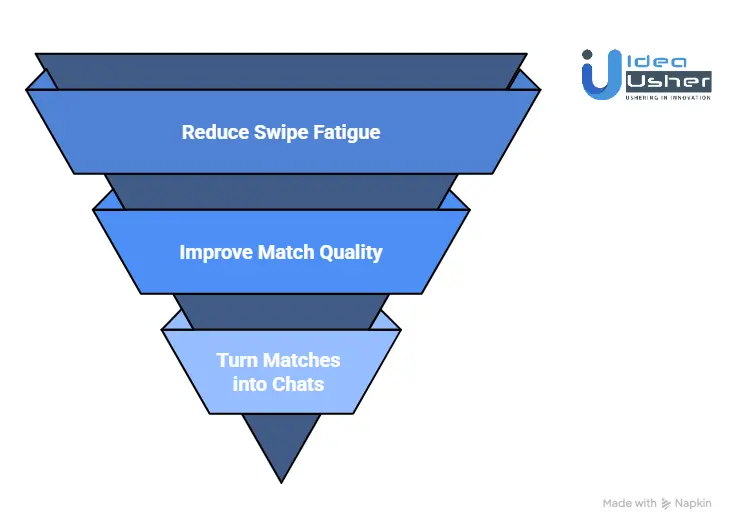
1. Reducing Swipe Fatigue
Endless swiping often leads to a slot machine effect where users move too quickly to actually process a profile. To counter this, discovery mechanisms can prioritize relevance over volume.
Platforms like Meetup address this by shifting the focus from individual profiles to shared activities. Instead of an infinite stack, the interface can limit users to a set number of high-compatibility profiles per day. This scarcity encourages users to review each person more deeply.
By analyzing past interactions, such as who a user actually chats with rather than just who they swipe on, the engine refines the Discovery Feed to show people with similar communication styles.
Transitioning from a photo-heavy layout to an Interest Feed allows users to connect over specific plans like “Who wants to go to the botanical garden?” rather than just a bio.
2. Improving Match Quality
A profile shouldn’t just be a digital business card. It should be a roadmap for conversation. Profiles can be designed to use social utility markers to signal intent and compatibility before the first message is even sent.
Apps like Slowly emphasize this by requiring more thoughtful profile creation to facilitate deeper pen-pal style connections. Users are encouraged to fill their profiles with 70% about themselves and 30% about who they want to meet. This sets clear expectations and acts as a natural filter for compatible peers.
| Signal Type | Purpose | Example |
| Availability Badges | Show immediate intent | “Free this weekend” or “Looking for a gym buddy” |
| Experience Prompts | Move from interests to actions | “My Saturday usually involves…” |
| Verification Tiers | Build trust and safety | Photo-verified or “Active Member” status |
3. Turning Matches into Chats
The “Hey” problem is the primary killer of digital connections. Nudges built into the chat interface act as psychological bridges. These make it easier for users to move from a silent match to an active dialogue.
- Contextual Icebreakers: When a chat window opens, the app can suggest a question based on a shared interest tag. For example: “You both love jazz. Have you been to the Blue Note lately?”
- The Reveal Mechanic: Early interaction can be gamified by hiding certain profile details, like a Bucket List item, until both users have exchanged at least three messages.
- Mutual Momentum Alerts: If a conversation stalls, a subtle nudge can highlight a new photo or life update from the match. This provides a natural, low-pressure reason to re-engage.
Data Signals That Power Better Friend Recommendations
The effectiveness of social discovery apps depends on the quality of their underlying data architecture. Relying solely on what users say is rarely enough to build lasting connections. To create a truly intuitive discovery engine, the system must prioritize how users actually behave within the platform to surface the most relevant peers.
1. Behavioral Data vs. Stated Interests
There is often a gap between a user’s stated interests and their actual engagement. A user might list “fitness” on their profile but spend most of their time engaging with “creative arts” content.
- The Reality Gap: Stated interests reflect who a user wants to be, while behavioral data reflects who they are.
- Prioritizing Action: By tracking which profiles a user dwells on or which community groups they actually join, the algorithm can weight recommendations based on proven engagement rather than static lists.
2. Leveraging Micro-Interactions
Small, frequent actions provide the most granular data for a matching engine. These micro-interactions help the system understand the nuance of a user’s social preference without requiring long surveys.
| Interaction Type | Data Signal Captured |
| Profile Dwell Time | Deep interest vs. casual browsing |
| Icebreaker Response Rate | Communication style and openness |
| Tag Filtering Habits | Specific deal-breakers or must-haves |
3. Continuous Learning Algorithms
A discovery engine should never be static. It must evolve alongside the user’s changing life stages and social needs. Continuous learning loops ensure that the more a person uses the app, the more accurate the suggestions become.
Feedback Loops: If a user consistently ignores “nightlife” suggestions but accepts “coffee meetup” invites, the system automatically recalibrates. This prevents the user experience from feeling repetitive and ensures the platform remains a valuable tool for finding genuine community.
Building Trust-First UX in Social Discovery Apps
For social discovery apps, trust is the foundational currency. If users do not feel safe, they will not engage. Building a trust-first experience requires balancing high-security features with a design that feels welcoming and low-stress. By integrating safety into the user journey rather than treating it as a hurdle, platforms can foster a more secure and active community.
Identity Verification Without Friction
Traditional ID checks often lead to high drop-off rates during sign-up. To maintain momentum, a phased verification strategy is more effective than a gatekeeper approach.
- Passive Liveness Detection: Using AI to confirm a user is a real person via a quick selfie keeps the process fast. This happens without requiring them to perform complex movements.
- Verification Tiers: Basic access can be granted with minimal data. High-Trust badges are awarded to users who complete document verification or link professional social accounts.
- Results-Only Tokens: By using third-party services that issue an Age Verified or Identity Confirmed token, the app can validate a user without actually storing sensitive government documents.
Privacy Controls Users Actually Use
Privacy settings are often buried in menus, leading to user anxiety. Bringing these controls to the surface of the interface empowers individuals to manage their digital presence in real-time.
| Feature | User Benefit | Implementation |
| Incognito Mode | Browse without being seen | A simple toggle on the main discovery feed. |
| Smart Geofencing | Hide exact location at home | Automatically blurs location within a set radius of safe zones. |
| Granular Visibility | Control who sees specific tags | Choose to show Parenting tags only to other verified parents. |
Designing for Emotional Safety
Emotional safety goes beyond blocking bad actors. It involves creating a UI that actively discourages toxic behavior and rewards positive, intentional interactions.
The Personal Bubble Framework: Just as in physical spaces, digital interactions should respect boundaries. Features like Double Opt-In messaging ensure that no conversation starts without mutual consent. This prevents unsolicited outreach.
- Positive Reinforcement Nudges: Instead of just a report button, apps can include Appreciation Tags like “Great Listener” or “Thoughtful” to build a reputation-based ecosystem.
- AI Sentiment Moderation: Real-time analysis can detect aggressive language before a message is sent. This prompts the user with an “Are you sure you want to send this?” warning.
- Safe Space Zones: Creating dedicated vetted-only community hubs allows vulnerable users to interact in environments with higher moderation standards and stricter entry requirements.
How to Position Your Social App in a Crowded Market?
The digital social space is highly competitive, but a clear brand position can carve out a unique territory for social discovery apps. Success depends on moving beyond being just another platform and becoming a specific solution for a defined human need. By focusing on a unique value proposition, a platform can attract a loyal user base that feels the product was built specifically for them.
1. Niche-Based Positioning
Trying to be everything to everyone often leads to being nothing to anyone. A hyper-focused approach allows for specialized features that generic platforms cannot match.
For instance, Peanut successfully positioned itself by focusing exclusively on the motherhood journey. This created a safe space for women to connect over fertility, pregnancy, and parenting. Similarly, platforms can achieve growth by focusing on specific life stages or interest-led communities.
- Targeted Communities: Focus on digital nomads, retirees, or student groups.
- Activity-First Growth: Build around specific hobbies such as hiking, gaming, or language exchange.
- Localized Dominance: Launch in a single city to build a dense, active network before scaling globally.
2. Differentiating from Other Platforms
The biggest hurdle for social discovery apps is the dating app stigma. Users need to know immediately that the intent of the platform is platonic and professional rather than romantic.
Apps like BeReal have carved out a niche by prioritizing authenticity over curated highlights. This approach helps lower the pressure of social networking. This distinction is vital for platforms aiming to foster genuine friendship rather than romantic pursuit.
| Feature | Dating Apps | Social Discovery Apps |
| Primary Goal | Finding a partner | Finding a community |
| Interaction Style | 1:1 focused | Group and community focused |
| Success Metric | Deleting the app | Joining more events |
3. Building a Brand Around Belonging
In an era of digital isolation, a brand that prioritizes belonging and trust will naturally stand out. The messaging should focus on the psychological benefits of connection rather than just the technology.
The Trust Mandate: A brand is only as strong as its safest user feels. Marketing efforts should highlight moderation policies, verified communities, and success stories of real-world friendships.
- Human-Centric Copy: Use language that emphasizes finding your people and building a support system.
- Transparency: Be open about how data is used and how matching algorithms work to foster user confidence.
- Community Advocacy: Feature real users who have successfully navigated life transitions using the platform.
Why Choose IdeaUsher for Social Discovery Apps?
Choosing the right development partner is the difference between a forgotten download and a thriving community. At IdeaUsher, we combine technical mastery with strategic insights to build platforms that foster genuine human connection.
With over 500,000 hours of coding experience, our team of ex-MAANG/FAANG developers brings world-class engineering standards to every project. We have successfully delivered over 1,000 innovative solutions globally, helping startups and enterprises scale with cutting-edge technology.
Proven Community Experience
Our portfolio includes a diverse range of social platforms, from niche interest groups like Peanut to large-scale networking hubs. We understand the nuances of community dynamics, such as handling high-concurrency real-time chats and complex user databases.
Strategy-Led Retention
Code alone does not make an app successful; user retention does. We focus on development that incorporates behavioral psychology to keep users coming back. Our team implements smart notifications and intuitive onboarding flows designed to turn visitors into long-term members.
End-to-End Scalable Support
We provide a comprehensive roadmap that takes your project from a raw concept to a market-ready product and beyond. Our support extends past the launch date, offering continuous optimization, security updates, and performance scaling as your user base grows.
Conclusion
Building a successful platform like Bumble BFF requires more than just clean code; it demands a deep understanding of human connection, trust, and intentional design. By prioritizing user safety, reducing digital friction, and leveraging behavioral data, you can create an ecosystem where genuine friendships flourish. Whether you are targeting a specific niche or a global audience, the right strategic and technical foundation is key to transforming a simple app into a vital community hub.
FAQs
A1: Start by identifying a specific niche or community gap. Focus on a unique value proposition that sets your platform apart from general social media. Partner with an expert development team to design a low-friction user experience. Begin with a Minimum Viable Product to test core features and refine the app based on real user feedback.
A2: A foundational MVP typically costs between $30,000 and $60,000. This budget covers essential features like basic matching and secure chat. A full-scale platform with AI recommendations and advanced security can exceed $150,000. Final costs depend on feature complexity, the technology stack, and the depth of moderation tools.
A3: A competitive app includes a smart matching engine, real-time chat, and geolocation services for finding local connections. Essential trust-first features like identity verification, AI-based content moderation, and granular privacy controls are also vital. To drive engagement, many apps incorporate activity-based feeds, community groups, and smart icebreaker nudges that help transition digital matches into real-life conversations.
A4: These apps use algorithms to suggest connections based on shared interests and geographic proximity. They prioritize intentionality by requiring mutual consent through a double opt-in system before messaging begins. Over time, the platform learns from user interactions to provide increasingly accurate and relevant friend recommendations.