

Key Takeaways
- Multi-cancer detection platforms use liquid biopsy and AI to identify cancer signals across multiple cancer types from a single blood sample.
- Core capabilities include cfDNA sequencing, DNA methylation analysis, cancer signal detection, tissue-of-origin prediction and clinical reporting.
- AI-driven genomic analysis enables earlier cancer detection, faster diagnosis and more personalized treatment pathways while minimizing unnecessary procedures.
- Clinical validation, regulatory compliance, scalable genomics infrastructure and healthcare interoperability are essential for building enterprise-grade MCED platforms.
- How Idea Usher can help you build multi-cancer detection platforms like GRAIL with AI-powered genomic analysis, liquid biopsy workflows and precision oncology infrastructure.
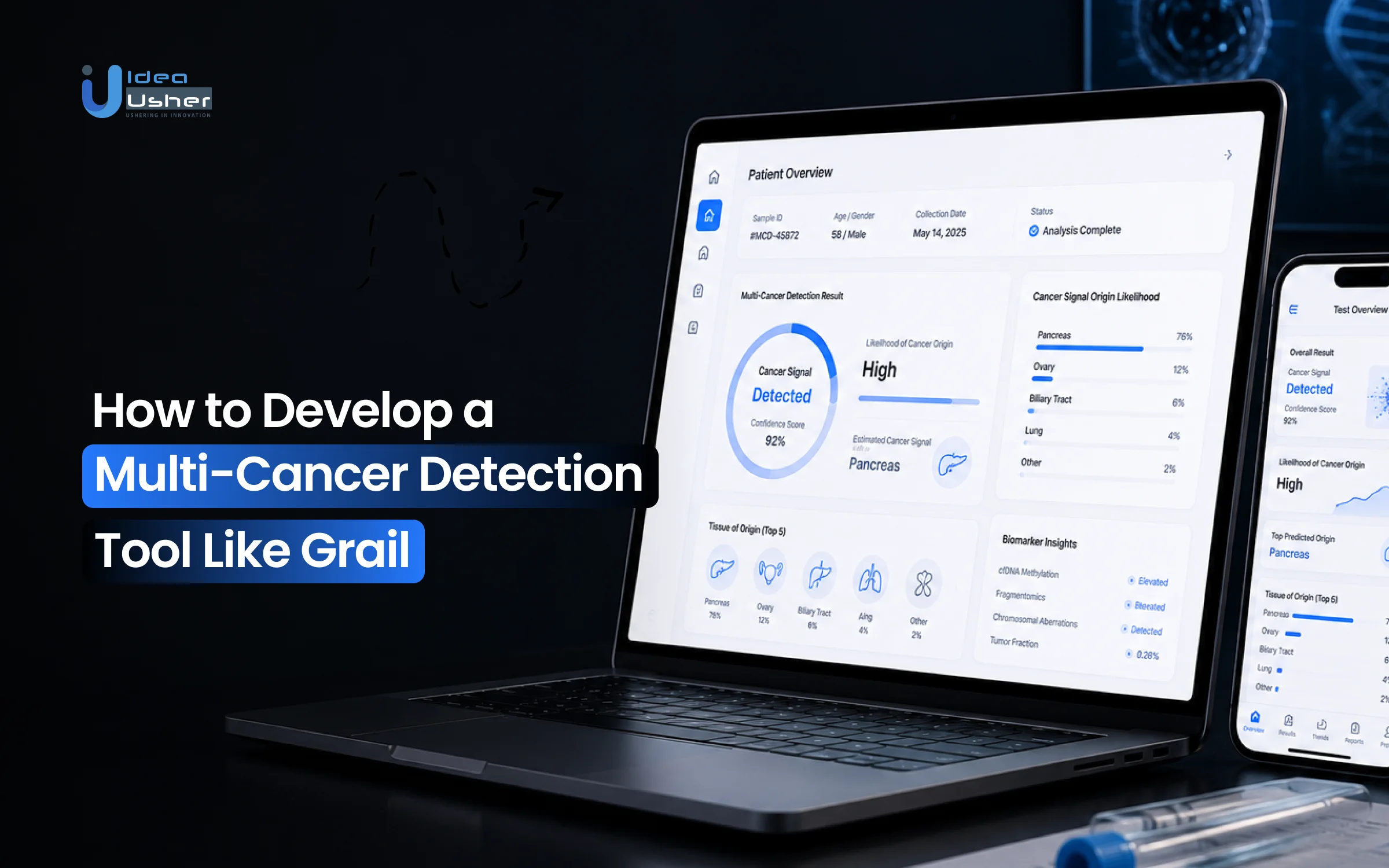
Cancer screening has traditionally been built around detecting one disease at a time, even though cancer biology rarely follows those boundaries. This reality is accelerating demand for the multi-cancer detection tool like Grail as healthcare innovators develop platforms that identify shared cancer signals across dozens of cancer types from a single blood sample instead of relying on separate screening pathways.
Conventional screening programs focus on individual cancers through imaging and tissue tests, leaving many aggressive cancers undetected. Modern diagnostic platforms increasingly combine Multi-Cancer Early Detection (MCED), cell-free DNA sequencing, DNA methylation analysis, AI-powered genomic intelligence, Cancer Signal Origin prediction, liquid biopsy, precision oncology, next-generation sequencing and scalable automation to detect multiple cancers from a single minimally invasive test while accelerating diagnosis and personalized treatment.
In this blog, we explore how to develop a multi-cancer detection tool like Grail, covering its core features, AI architecture, development process, technologies, cost factors and how IdeaUsher can help build enterprise-grade precision oncology platforms where AI detects molecular signals before clinical symptoms emerge.
Why Multi-Cancer Detection Is Becoming a Healthcare Priority
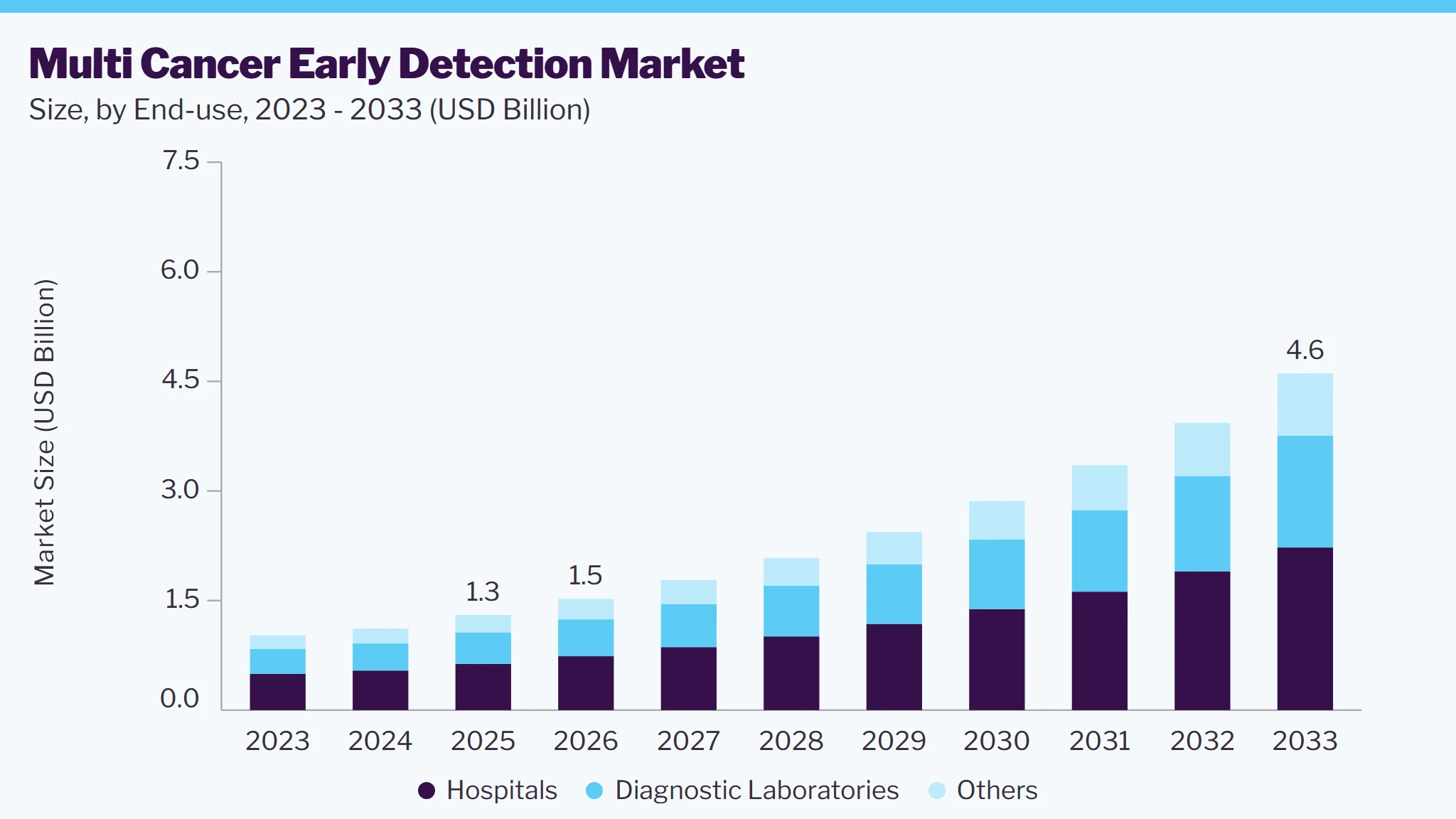
The multi-cancer early detection (MCED) market is expanding from $1.5 billion in 2026 to over $4.6 billion by 2033 at a 17.2% CAGR, driven by demand for earlier, more accurate, and minimally invasive screening. By analyzing circulating cell-free DNA (cfDNA), protein biomarkers, and epigenetic methylation patterns from a single blood sample, MCED platforms transform fragmented, organ-specific testing into a unified screening approach.
This momentum reflects a broader shift from reactive cancer treatment to proactive, population-wide screening. The need is becoming increasingly urgent as the World Health Organization (WHO) projects global cancer cases will rise 77%, from 20 million in 2022 to 35 million by 2050, placing unprecedented strain on traditional diagnostic pathways.
A. The Shift From Single-Cancer to Multi-Cancer Screening
Standard population screening protocols are currently limited to five specific organs: breast (mammography), cervix (Pap smear), colon (colonoscopy/FIT), lung (low-dose CT for high-risk cohorts), and prostate (PSA testing).
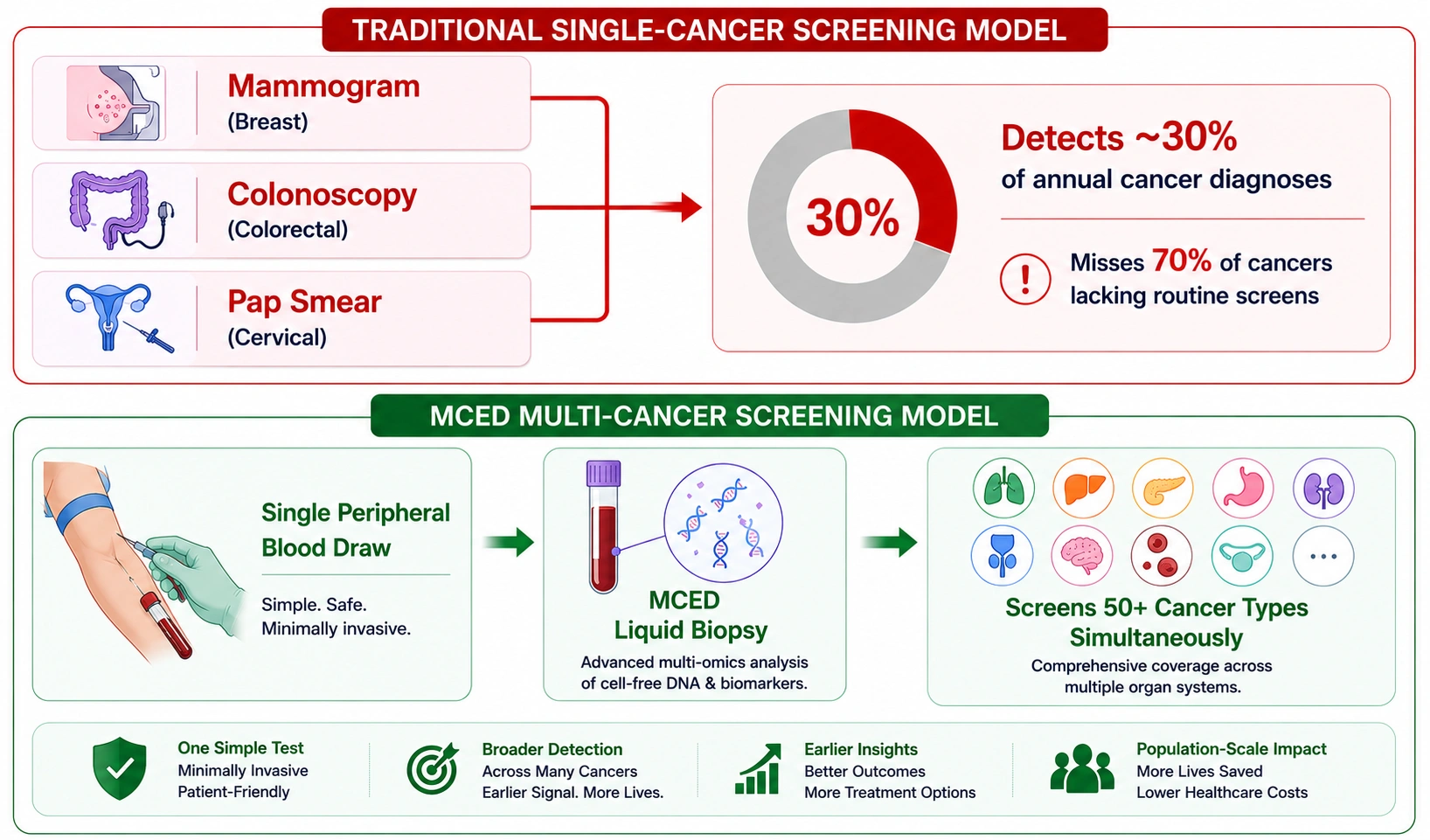
While effective for those specific sites, this narrow scope leaves the vast majority of human malignancies unmonitored:
- The 86% Diagnostic Blind Spot: Current single-cancer screening guidelines fail to detect 86% of annual cancer diagnoses and deaths, leaving aggressive cancers like pancreatic, ovarian, esophageal, and liver largely unscreened.
- The Unscreened Majority: Existing screening programs cover only a small subset of cancers, while over 70% of cancer-related deaths occur from malignancies without routine population-wide screening.
- Late-Stage Diagnostic Traps: Without routine screening, many cancers are diagnosed at Stage III or IV, where 5-year survival often falls below 20%, compared with over 90% when detected at Stage I or II.
- Streamlined Clinical Workflows: MCED platforms consolidate broad-spectrum cancer screening into a single routine blood draw, reducing the need for multiple invasive procedures across different care settings.
B. Why Liquid Biopsy Is Gaining Clinical Adoption
The clinical viability of MCED platforms is anchored in the rapid evolution of liquid biopsy technologies, a market growing from $9.49 billion to $33.45 billion by 2035.
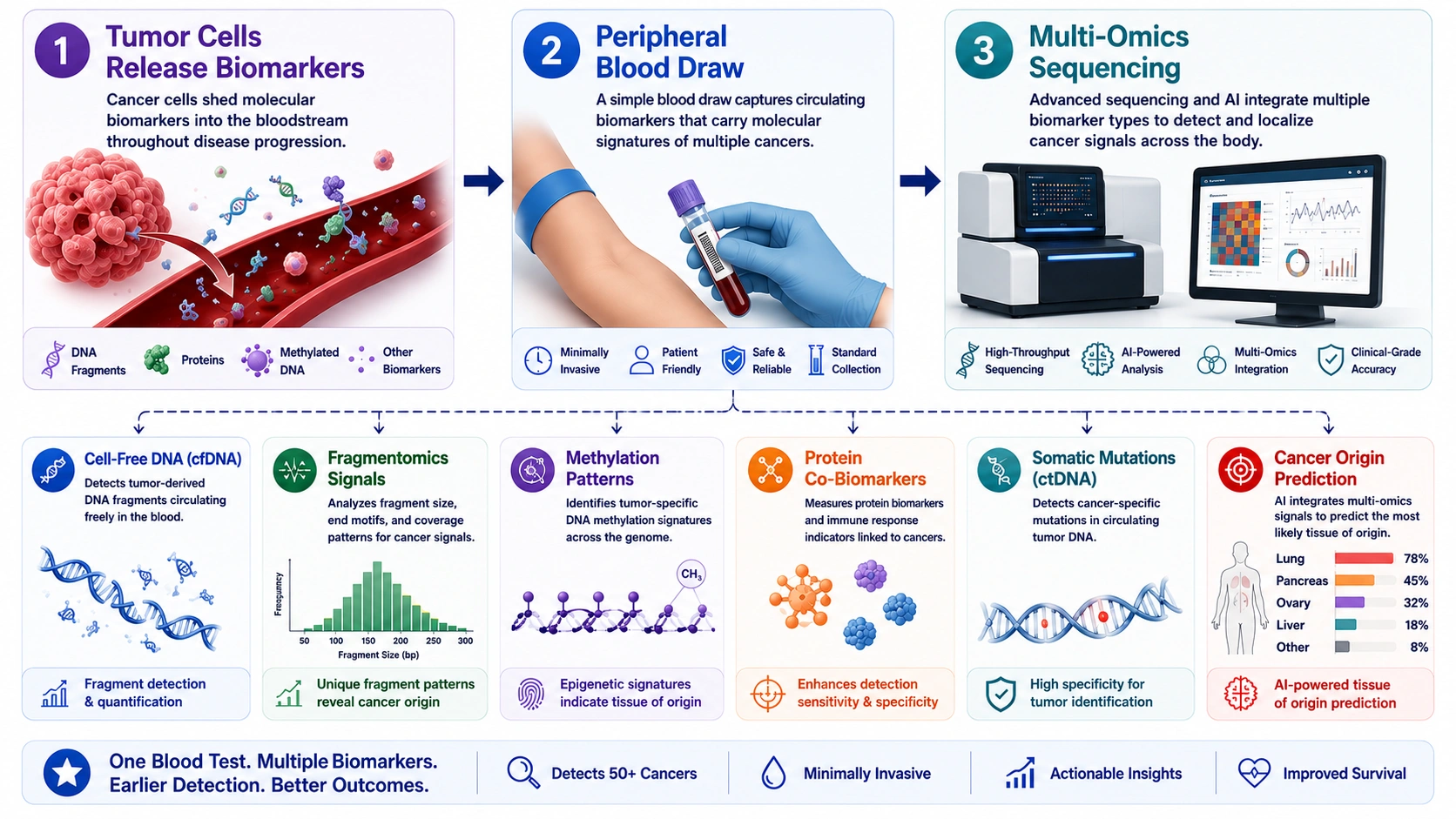
By utilizing Next-Generation Sequencing (NGS) and machine learning algorithms, liquid biopsies extract sub-perceptual tumor signals from a routine blood draw:
- Targeting Cell-Free DNA (cfDNA) Methylation: Liquid biopsy assays analyze cell-free DNA (cfDNA) methylation patterns, epigenetic “on/off” switches, to distinguish cancer-derived DNA from healthy cellular background.
- High-Precision Tissue of Origin (TOO) Localization: Once a cancer signal is detected, the platform analyzes tissue-specific methylation and fragmentomics to predict the Tissue of Origin (TOO) with 85–90%+ accuracy, guiding targeted follow-up imaging.
- Safety & Repeatability: Unlike invasive biopsies or radiation-intensive imaging, blood-based liquid biopsies are minimally invasive, enabling safe, repeatable testing for continuous monitoring and annual population screening.
C. Market Drivers Creating Demand for MCED Platforms
Health systems, self-insured enterprise employers, and commercial payers are increasingly prioritizing MCED infrastructure to curb late-stage treatment costs and improve long-term survival metrics:
| Strategic Value Driver | Legacy Single-Cancer Paradigm | MCED Liquid Biopsy Ecosystem | Economic & Healthcare Impact |
| Cancer Population Coverage | Restricted to 5 organ sites (breast, cervix, colon, lung, prostate). | 50+ cancer types screened simultaneously from one sample. | Closes the 86% diagnostic gap for unscreened, high-lethality cancers. |
| Stage at Detection | Frequently diagnosed at Stage III/IV after symptoms appear. | Shifted toward Stage I/II detection before metastasis occurs. | Significantly improves 5-year relative survival rates across solid tumors. |
| Health Economics & Cost | Late-stage oncology care causes severe financial toxicity. | Stage I care saves ~$100,000 per patient versus Stage IV treatment. | Substantially lowers overall employer health plan claims and hospital stay costs. |
| Diagnostic Accuracy | Modality-dependent false positives (e.g., dense breast tissue). | >99% specificity threshold designed to minimize unnecessary biopsies. | Protects healthcare systems from diagnostic over-workups and patient anxiety. |
Key Drivers Accelerating Institutional Adoption
Growing clinical evidence, favorable economics, and supportive regulation are driving providers, employers, and payers to invest in MCED platforms as a scalable way to improve cancer outcomes and reduce long-term costs.
- Substantial Clinical Trial Momentum: Large-scale studies, including the NHS-Galleri trial with 142,000+ participants, are generating evidence that MCED screening can reduce Stage IV cancer diagnoses through earlier detection.
- Bending the Healthcare Cost Curve: Treating Stage IV cancer often exceeds $100,000–$200,000 per patient. Detecting tumors at Stage I through blood-based MCED screening lowers treatment costs while improving survival outcomes.
- Bipartisan Legislative & Regulatory Push: Initiatives such as the U.S. Medicare Multi-Cancer Early Detection Screening Coverage Act seek to establish Medicare coverage after FDA approval, enabling population-scale access for high-risk older adults.
What Is a Multi-Cancer Detection Platform like GRAIL?
GRAIL’s flagship Galleri® test is an AI-powered multi-cancer early detection (MCED) platform that uses next-generation sequencing (NGS) and machine learning to detect a shared cancer signal before symptoms appear. Through a simple blood test, it screens for 50+ cancer types, many currently lacking routine screening and predicts their Cancer Signal Origin (CSO).
This AI-driven platform detects early cancer signals and identifies their tissue of origin by analyzing abnormal cfDNA methylation patterns in blood. Trained on vast genomic datasets, it enables rapid diagnostic follow-up. The ecosystem is clinically validated by 380,000+ participants and documented in 300+ scientific publications and presentations.
A. Galleri Blood Test and the MCED Workflow
The Galleri Blood Test and the MCED Workflow demonstrates how advanced genomics, laboratory automation, and AI work together to identify cancer signals from a single blood sample. The process combines standardized sample handling, high-throughput sequencing, and machine learning to generate clinically actionable screening results.
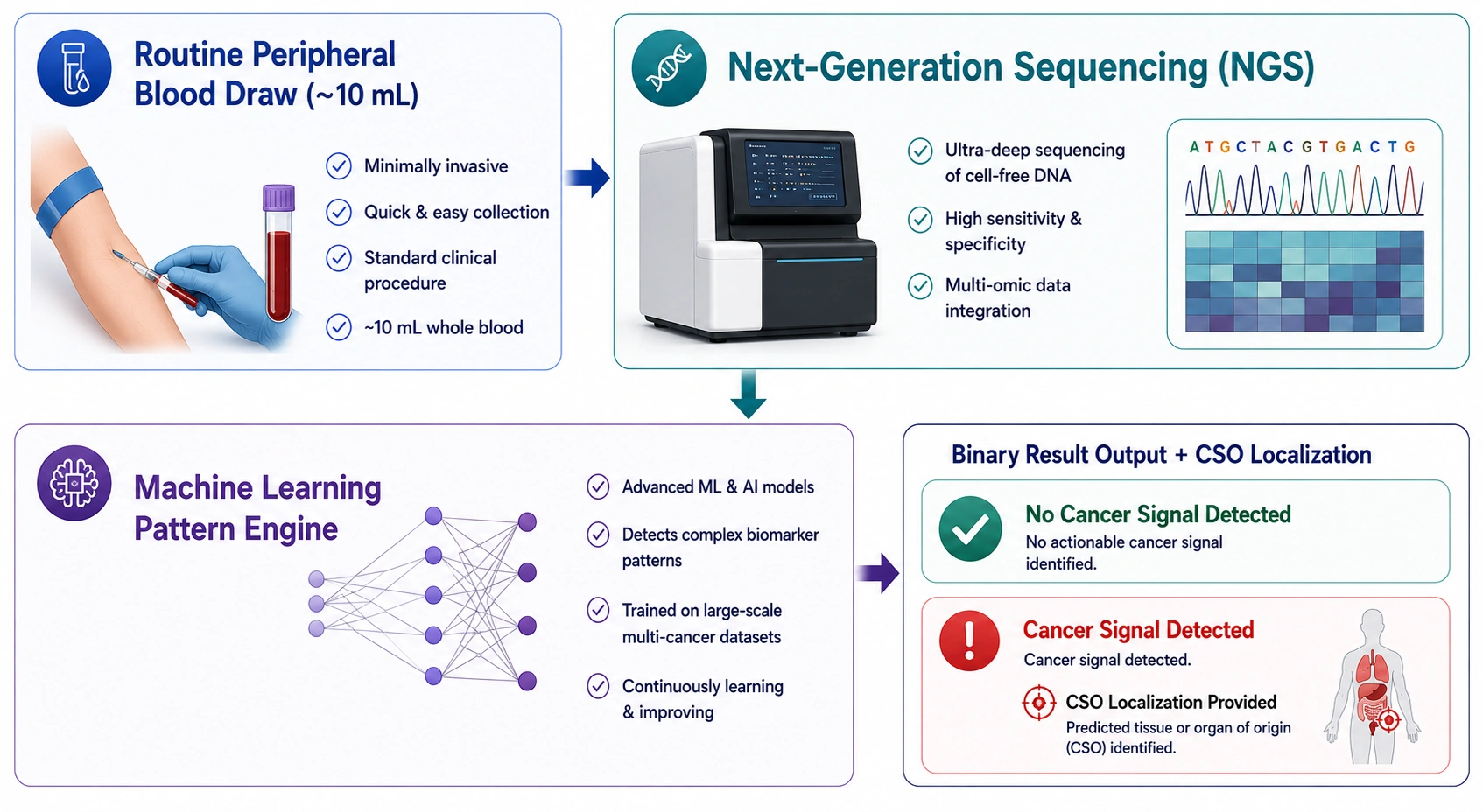
Each stage is carefully orchestrated to ensure accurate cancer signal detection, reliable predictions, and clinically actionable screening outcomes at scale.
- Blood Sample Collection: A routine 10 mL peripheral blood draw is collected using specialized tubes that preserve circulating cell-free DNA (cfDNA) and maintain sample integrity during transportation.
- cfDNA Extraction & Targeted Next-Generation Sequencing: Laboratory teams isolate plasma, extract cfDNA, and perform targeted bisulfite next-generation sequencing (NGS) across more than 100,000 informative genomic regions to capture cancer-related DNA methylation patterns.
- AI-Powered Methylation Analysis: Advanced machine learning models analyze sequencing data to detect abnormal methylation signatures associated with multiple cancer types and predict the Cancer Signal Origin (CSO) when a cancer signal is identified.
- Clinical Reporting & Diagnostic Accuracy: Within 10 to 14 business days, the platform reports either “No Cancer Signal Detected” or “Cancer Signal Detected” with a predicted CSO. The test achieves approximately 99.6% specificity, minimizing false positives and reducing unnecessary follow-up procedures.
B. AI-Powered DNA Methylation Analysis
GRAIL’s technical advantage relies on evaluating DNA methylation patterns, epigenetic modifications where methyl groups attach to cytosine bases in DNA rather than searching for somatic DNA mutations.
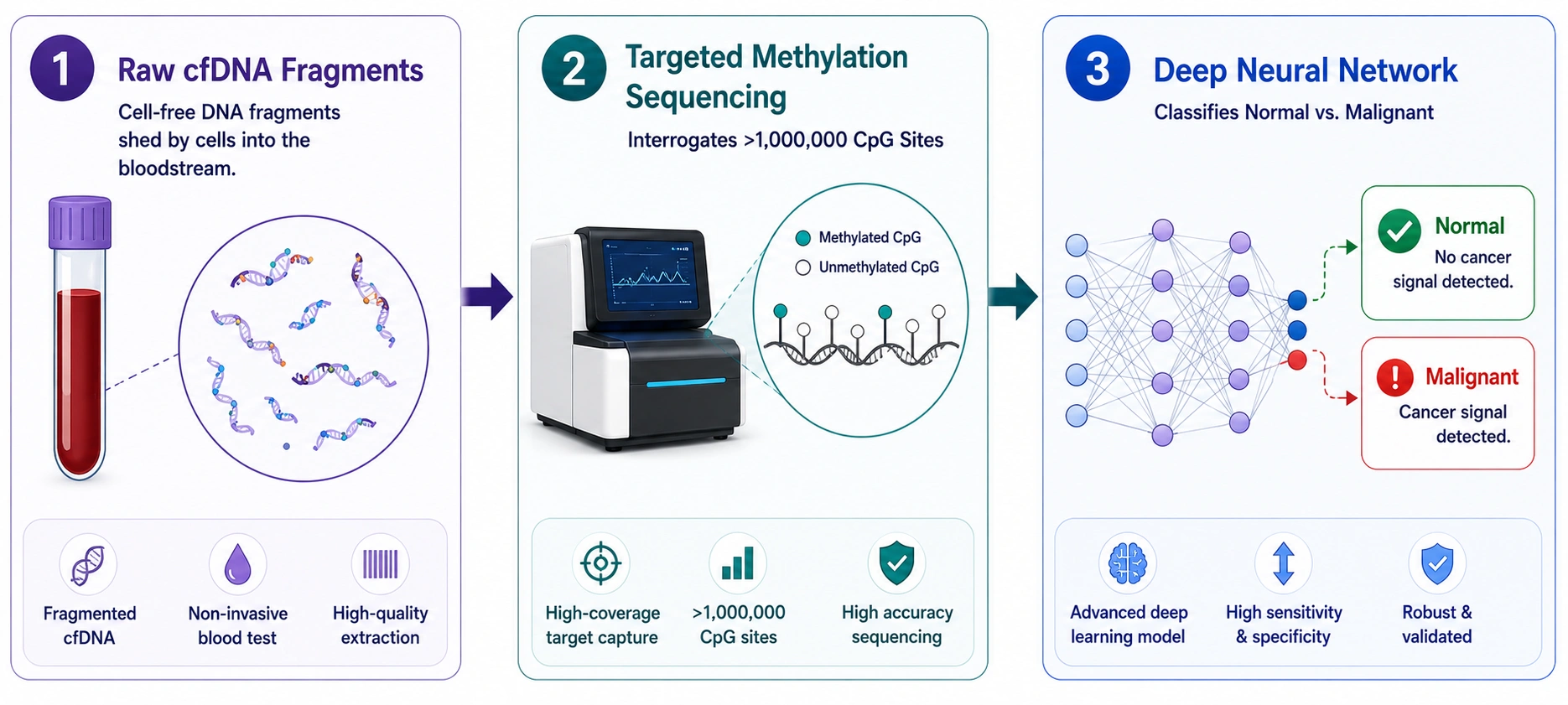
Advanced AI models process epigenetic biomarkers to distinguish true cancer signals, improving detection accuracy while minimizing false positives across diverse populations.
- Mitigating Clonal Hematopoiesis (CHIP): Somatic mutation testing often suffers from false positives caused by Age-Related Clonal Hematopoiesis of Indeterminate Potential (CHIP), benign mutations occurring naturally in aging blood cells. Methylation profiles clearly differentiate cancer-derived cfDNA from benign CHIP mutations.
- High-Dimensional Feature Extraction: By profiling thousands of methylated CpG sites simultaneously, GRAIL’s deep neural networks detect subtle tumor signals even when tumor DNA makes up less than 0.1% of total circulating cell-free DNA.
- Maintaining 99.5% Specificity: The AI classifier is tuned to prioritize high specificity, maintaining a 99.5% specificity rate (false positive rate of just 0.5%). This low false-positive rate minimizes unnecessary imaging, invasive biopsies, and patient anxiety.
C. Cancer Signal Origin (CSO) Prediction
When Galleri outputs a “Cancer Signal Detected” result, a critical challenge is identifying where the tumor is located. GRAIL addresses this by applying pattern-matching algorithms to predict the Cancer Signal Origin (CSO), mapping abnormal methylation signatures back to specific organ tissues.
| Performance Dimension | Clinical Validation Metric | Real-World Diagnostic Utility |
| CSO Accuracy Rate | 88.7% to 93.4% accuracy in true-positive cases. | Directs doctors to specific organs, avoiding costly whole-body diagnostic scans. |
| Localization Precision | Pinpoints primary or secondary tissue sites (e.g., Pancreatic, Colorectal, Head & Neck). | Speeds up specialist referrals and targeted diagnostic imaging. |
| Diagnostic Resolution Time | Diagnostic confirmation typically achieved within <3 months in PATHFINDER trials. | Reduces diagnostic delays and shortens the window of patient uncertainty. |
D. Clinical Evidence Behind the Platform
GRAIL’s platform is supported by extensive clinical validation data from large prospective, multi-center clinical trials:
- Circulating Cell-Free Genome Atlas (CCGA) Study: In the 2,800-participant CCGA validation study, Galleri achieved an overall sensitivity of 51.5% across all cancer stages, with sensitivity increasing as disease burden progressed: 16.8% in Stage I, 40.4% in Stage II, 77.0% in Stage III, and 90.1% in Stage IV.
- High-Mortality Cancer Performance: For 12 high-mortality cancer types that account for roughly two-thirds of U.S. annual cancer deaths (including pancreatic, esophageal, liver, and ovarian cancers), Galleri demonstrated a combined Stage I–III sensitivity of 67.6%.
- PATHFINDER 1 & 2 Prospective Interventional Trials: In the PATHFINDER study of over 6,600 asymptomatic adults aged 50 and older, Galleri detected cancer signals in 1.4% of participants. The test achieved a Positive Predictive Value (PPV) of ~38–43%, meaning roughly 4 out of 10 individuals with a positive test were confirmed to have cancer, outperforming traditional single-cancer screening PPVs.
- NHS-Galleri Trial (United Kingdom): GRAIL partnered with the UK National Health Service (NHS) to conduct a trial involving 140,000 participants aged 50 to 77, evaluating the test’s ability to reduce late-stage cancer diagnoses at a population scale.
Core Features of a Multi-Cancer Detection Platform
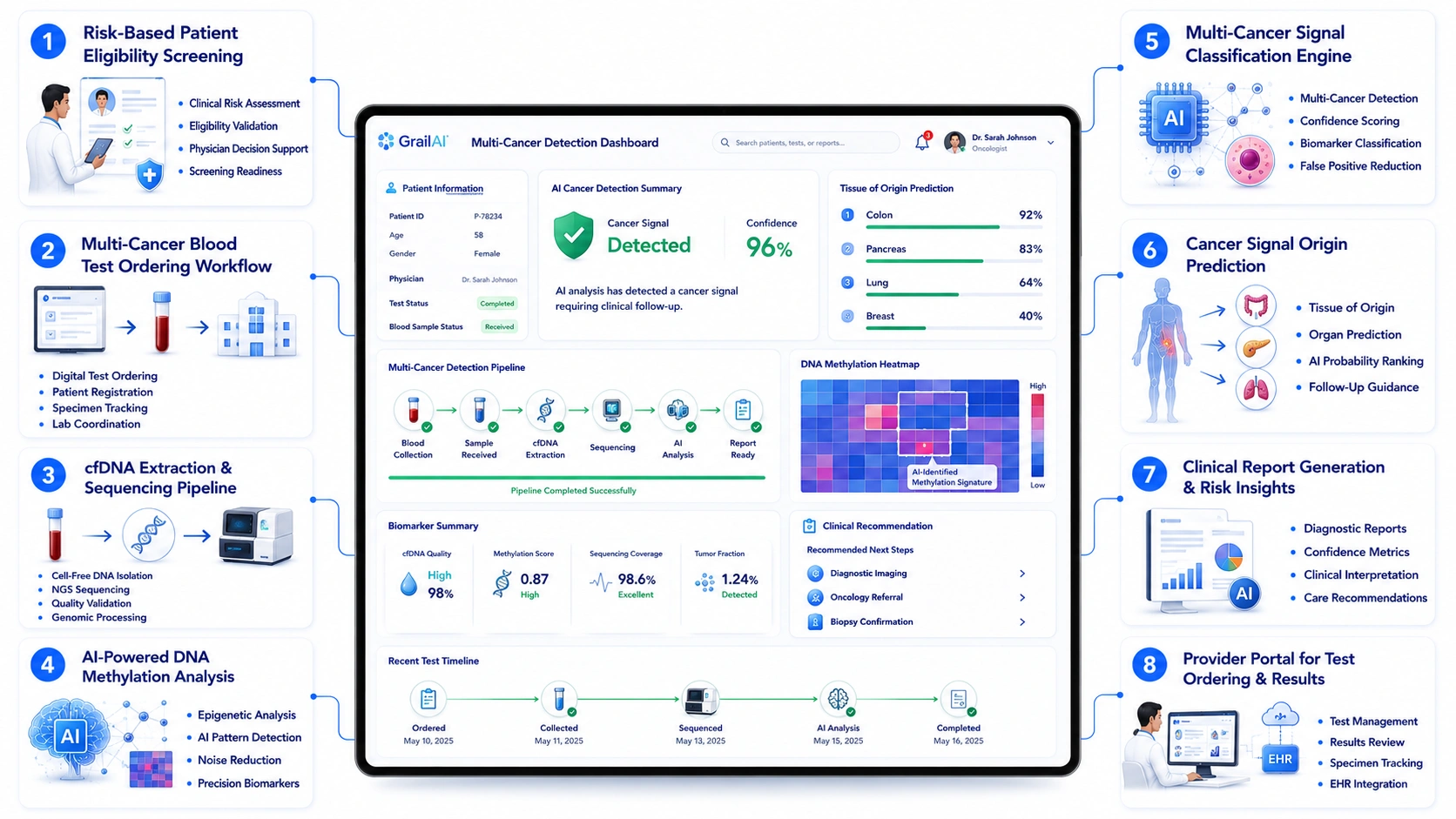
A multi-cancer detection tool like Grail combines AI, genomics, and clinical workflows to identify cancer signals from a single blood sample. The following features form the foundation of a scalable, clinically reliable, and regulatory-ready platform capable of supporting accurate early cancer detection and streamlined provider decision-making.
1. Risk-Based Patient Eligibility Screening
Risk-based patient eligibility screening determines whether an individual is suitable for multi-cancer testing before sample collection. It evaluates clinical and demographic risk factors, supports physician decision-making, ensures appropriate test utilization, strengthens patient safety, and improves screening outcomes through standardized eligibility assessment.
2. Multi-Cancer Blood Test Ordering Workflow
A structured blood test ordering workflow enables healthcare providers to request tests efficiently while ensuring complete patient registration, specimen tracking, and laboratory coordination. It minimizes operational errors, improves traceability, accelerates diagnostic turnaround times, and supports compliant end-to-end testing workflows.
3. cfDNA Extraction & Sequencing Pipeline
The cfDNA extraction and sequencing pipeline converts blood samples into high-quality genomic data for cancer analysis. It performs cell-free DNA isolation, quality validation, next-generation sequencing, and standardized data processing, providing the accurate molecular foundation required for reliable AI-driven cancer detection.
4. AI-Powered DNA Methylation Analysis
DNA methylation analysis is the intelligence layer of the platform that identifies cancer-associated epigenetic signatures within genomic data. AI models recognize subtle methylation patterns, reduce sequencing noise, improve detection accuracy, and enable identification of multiple cancer types from a single blood sample.
5. Multi-Cancer Signal Classification Engine
The multi-cancer signal classification engine analyzes genomic biomarkers to determine whether a cancer signal exists. Advanced machine learning algorithms evaluate complex biological patterns, generate confidence scores, reduce false positives, and accurately classify cancer signals across numerous cancer types simultaneously.
6. Cancer Signal Origin (CSO) Prediction
Cancer Signal Origin (CSO) prediction identifies the most likely tissue or organ where detected cancer originated. AI models compare genomic signatures against trained reference datasets, enabling clinicians to prioritize follow-up investigations, reduce diagnostic uncertainty, and accelerate personalized patient care pathways.
7. Clinical Report Generation & Risk Insights
Clinical reporting transforms complex genomic findings into actionable diagnostic insights for healthcare providers. The platform generates standardized reports containing cancer signal status, predicted tissue of origin, confidence metrics, interpretation guidance, and recommended next clinical actions for informed decision-making.
8. Provider Portal for Test Ordering & Results
A secure provider portal centralizes diagnostic workflows by enabling clinicians to order tests, monitor specimen progress, review laboratory updates, access patient reports, and manage multiple cases. Integration with EHR systems further improves operational efficiency and clinical collaboration.
How to Develop a Multi-Cancer Detection Platform Like Grail
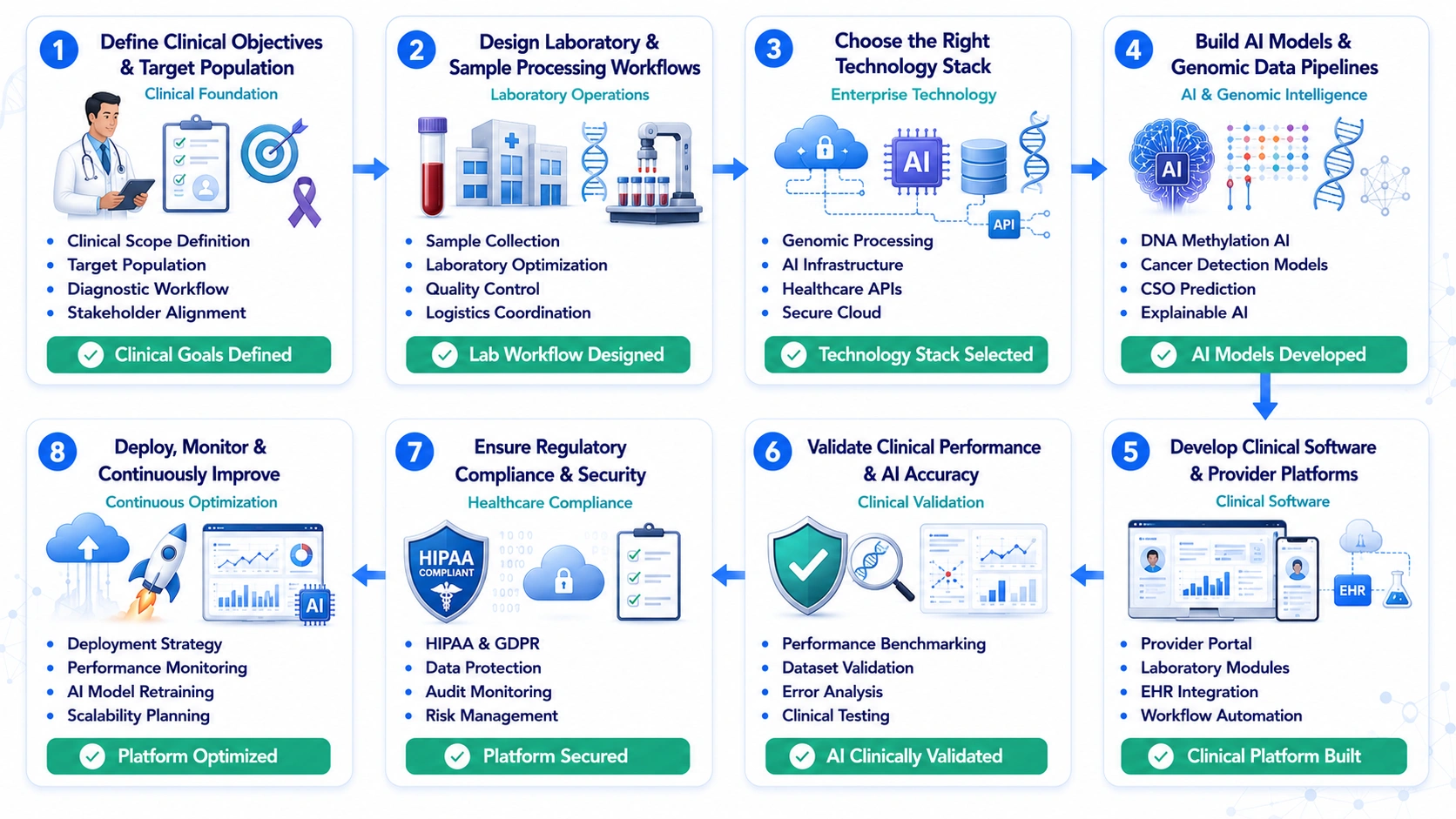
Developing a multi-cancer early detection (MCED) tool requires far more than software engineering. It involves combining clinical research, genomics, AI, laboratory operations, regulatory compliance, and secure digital infrastructure into a unified ecosystem that delivers accurate, scalable, and clinically validated cancer detection.
1. Define Clinical Objectives & Target Population
We begin by defining the platform’s clinical purpose, target cancer types, eligible screening population, diagnostic workflow, and intended healthcare users. This establishes clear product requirements before any technical development begins.
- Clinical Scope Definition: Establishes clear screening goals, cancer types, and intended outcomes aligned with healthcare system priorities.
- Target Population Identification: Defines eligible patient groups based on risk factors, demographics, and screening guidelines for effective adoption.
- Diagnostic Workflow Planning: Maps end-to-end screening journey including testing, reporting, and follow-up procedures for clinical consistency.
- Stakeholder Alignment Strategy: Ensures alignment between clinicians, laboratories, and healthcare providers for seamless platform implementation.
2. Design Laboratory & Sample Processing Workflows
Our team designs standardized laboratory workflows covering blood collection, specimen logistics, cfDNA extraction, sequencing operations, quality control, and laboratory automation to ensure reliable sample processing and consistent diagnostic performance.
- Sample Collection Standardization: Defines protocols for blood collection, handling, and transportation to maintain sample integrity across locations.
- Laboratory Process Optimization: Designs efficient workflows for extraction, sequencing, and processing to reduce turnaround time and errors.
- Quality Control Framework: Implements checkpoints and validation steps to ensure accuracy and consistency in laboratory operations.
- Logistics Coordination Planning: Establishes reliable specimen tracking and transportation systems to support large-scale screening programs.
3. Choose the Right Technology Stack
We select technologies that support genomic analysis, AI model development, secure cloud infrastructure, healthcare interoperability, scalable databases, APIs, and enterprise-grade security to ensure long-term platform performance and regulatory readiness.
The following table outlines the core technologies powering scalable, secure, and AI-driven MCED platform development across clinical, genomic, and infrastructure layers.
| Technology Layer | Recommended Technologies | Why It’s Used |
| Frontend & Clinical Interfaces | React, Next.js, TypeScript, Flutter (optional), Material UI | Build responsive dashboards, clinician portals, and interfaces ensuring fast performance and intuitive workflows. |
| Backend & Cloud Infrastructure | Python (FastAPI), Node.js, Docker, Kubernetes, AWS HealthLake | Manage genomic workflows, APIs, and scalable microservices with secure cloud infrastructure for enterprise deployments. |
| AI & Machine Learning | PyTorch, TensorFlow, Scikit-learn, XGBoost, MLflow, NVIDIA CUDA, Hugging Face | Enable AI model training, validation, and deployment for cancer detection and continuous performance improvement. |
| Genomic Data Processing | BWA, GATK, SAMtools, HTSJDK, BioPython, Illumina DRAGEN (or equivalent), Nextflow | Process NGS data, perform alignment, quality checks, and scalable bioinformatics workflows efficiently. |
| Healthcare Interoperability | HL7 FHIR, SMART on FHIR, HL7 v2, DICOM (where applicable), REST APIs | Ensure seamless EHR integration, data exchange, and interoperability across healthcare systems and platforms. |
| Security & Healthcare Compliance | OAuth 2.0, OpenID Connect, AES-256 Encryption, Azure Key Vault, IAM, | Protect sensitive data using encryption and ensure compliance with HIPAA, GDPR, and healthcare regulations. |
| Data Engineering & Analytics | Apache Kafka, Apache Airflow, Snowflake, Databricks, Power BI | Build data pipelines, automate workflows, and generate insights from large-scale genomic and clinical datasets. |
| DevOps & Monitoring | GitHub Actions, Terraform, Prometheus, Grafana, ELK Stack, Sentry | Automate deployments, monitor systems, and maintain high availability with proactive issue detection and resolution. |
Note: This stack ensures scalability, regulatory compliance, high-performance genomic processing, seamless integrations, and robust AI capabilities, enabling a reliable, secure, and efficient multi-cancer early detection platform development and deployment.
4. Build AI Models & Genomic Data Pipelines
Our developers build genomic processing pipelines that transform sequencing data into AI-ready datasets while developing machine learning models for DNA methylation analysis, cancer signal detection and prediction.
The following table highlights advanced AI capabilities powering genomic analysis, enabling accurate cancer detection, origin prediction, and continuous model performance optimization.
| AI Capability | AI Models / Techniques | Why It’s Used |
| DNA Methylation Pattern Analysis | Deep Neural Networks (DNNs), Convolutional Neural Networks (CNNs), Gradient Boosting (XGBoost, LightGBM) | Analyze genome-wide methylation patterns to detect epigenetic cancer signatures across multiple tumor types from cfDNA data. |
| Cancer Signal Detection | Ensemble Learning, Random Forest, XGBoost, Support Vector Machines (SVMs) | Classify presence of cancer signals using genomic biomarkers while reducing false positives and negatives effectively. |
| Cancer Signal Origin (CSO) Prediction | Multi-Class Deep Learning Models, Transformer Networks, Probabilistic Classification Models | Predict tissue of origin for detected cancer signals, enabling clinicians to prioritize targeted diagnostic follow-ups. |
| Genomic Feature Engineering | Autoencoders, Principal Component Analysis (PCA), Feature Selection Algorithms | Transform complex genomic data into meaningful features, improving model accuracy and computational efficiency for downstream tasks. |
| Clinical Risk Scoring & Confidence Estimation | Bayesian Models, Calibration Models, Explainable AI (SHAP, LIME) | Generate confidence scores and explain predictions, supporting clinical decision-making with transparent and reliable AI outputs. |
| AI Model Performance Monitoring | Cross-Validation, ROC-AUC Analysis, Precision-Recall Evaluation, Drift Detection | Evaluate model performance metrics like sensitivity and specificity, ensuring consistent accuracy across clinical datasets over time. |
Note: Rather than relying on a single AI model, an MCED platform combines multiple machine learning, deep learning, explainable AI (XAI), and MLOps techniques to transform cfDNA sequencing data into clinically actionable cancer detection and Cancer Signal Origin (CSO) predictions while maintaining regulatory-grade performance and reliability.
5. Develop Clinical Software & Provider Platforms
We develop secure provider portals, laboratory management modules, reporting systems, EHR integrations, authentication mechanisms, and clinician-friendly interfaces that simplify diagnostic workflows while protecting sensitive healthcare information.
- User-Centric Interface Design: Creates intuitive dashboards and workflows that support clinicians in making faster and informed decisions.
- System Integration Strategy: Enables seamless connectivity with EHR systems, laboratories, and external healthcare platforms for data exchange.
- Security and Access Management: Implements role-based access controls and authentication to protect sensitive patient and clinical data.
- Workflow Automation Implementation: Automates reporting, notifications, and data handling to improve efficiency and reduce manual intervention.
6. Validate Clinical Performance & AI Accuracy
We validate analytical accuracy by measuring sensitivity, specificity, false-positive rates, AI performance, and clinical reliability using representative genomic datasets, ensuring the platform produces dependable diagnostic insights before launch.
- Performance Benchmarking Approach: Evaluates diagnostic accuracy using key metrics such as sensitivity, specificity, and predictive reliability.
- Data Validation Strategy: Uses diverse and representative datasets to ensure consistent performance across different patient populations.
- Error Analysis Framework: Identifies false positives and negatives to improve model accuracy and clinical trustworthiness.
- Clinical Testing Alignment: Ensures validation processes align with real-world clinical scenarios and regulatory expectations.
7. Ensure Regulatory Compliance & Security
Our team implements healthcare compliance requirements, cybersecurity controls, audit trails, encryption, AI governance, and quality management practices to meet regulatory standards while protecting patient data throughout the platform.
- Compliance Framework Implementation: Aligns platform processes with healthcare regulations such as HIPAA, GDPR, and regional standards.
- Data Protection Strategy: Ensures encryption, secure storage, and controlled access to safeguard sensitive patient information.
- Audit and Monitoring Systems: Establishes traceability and monitoring mechanisms to track system activities and ensure accountability.
- Risk Management Planning: Identifies potential security and compliance risks and implements mitigation strategies proactively.
8. Deploy, Monitor & Continuously Improve
After deployment, we continuously monitor platform performance, optimize infrastructure, retrain AI models using validated genomic data, release feature enhancements, and maintain long-term system reliability as clinical requirements evolve.
- Deployment Strategy Planning: Ensures smooth rollout across healthcare environments with minimal disruption to existing clinical workflows.
- Performance Monitoring Framework: Tracks system health, usage patterns, and operational efficiency to maintain optimal performance levels.
- Continuous Improvement Process: Incorporates feedback and data insights to enhance platform features and user experience over time.
- Scalability and Maintenance Planning: Prepares infrastructure and processes to support growing user demand and evolving clinical needs.
Cost to Build a Multi-Cancer Detection Tool Like GRAIL
Building an AI-powered multi-cancer detection platform like GRAIL involves investments across clinical planning, genomics, AI engineering, regulatory compliance, and enterprise software development. The total budget depends on platform complexity, AI sophistication, laboratory integrations, and deployment scale.
Developing an MCED platform follows multiple specialized phases, each contributing to clinical reliability, AI performance, and regulatory readiness. The following estimates provide typical investment ranges for MVP and enterprise-grade development.
| Development Phase | Estimated Cost (MVP → Enterprise) | What the Phase Covers |
| Clinical Planning & Product Discovery | $10,000 – $40,000 | Define diagnostic objectives, target population, clinical workflows, regulatory strategy, product roadmap, and business requirements. |
| Laboratory Workflow Design | $15,000 – $60,000 | Design specimen collection, logistics, cfDNA processing workflows, laboratory automation, quality assurance, and operational protocols. |
| Backend & Cloud Infrastructure | $30,000 – $120,000 | Develop APIs, databases, cloud architecture, authentication, storage, scalability, and healthcare interoperability infrastructure. |
| AI Models & Genomic Data Pipelines | $50,000 – $250,000 | Build methylation analysis, cancer detection models, CSO prediction, genomic pipelines, feature engineering, and AI validation workflows. |
| Clinical Software Development | $25,000 – $120,000 | Develop provider portal, reporting system, laboratory management, EHR integration, notifications, and workflow automation modules. |
| Security & Regulatory Compliance | $15,000 – $80,000 | Implement HIPAA, GDPR, encryption, audit logs, access control, cybersecurity, and compliance documentation processes. |
| Clinical Validation & Quality Testing | $20,000 – $100,000 | Perform analytical validation, AI benchmarking, quality assurance, performance testing, and production readiness assessments. |
| Deployment & Post-Launch Optimization | $15,000 – $85,000 | Deploy production environment, monitor infrastructure, optimize AI models, maintain security, and release continuous platform updates. |
| Total Estimated Cost | $180,000 – $1.2M+ | Summarizes overall investment required across all phases for complete platform development lifecycle |
Note: These estimates represent typical healthcare software development costs and exclude expenses for clinical trials, laboratory equipment, sequencing instruments, wet-lab operations, regulatory submissions, and large-scale genomic dataset acquisition.
Development Cost by Platform Level
The final investment varies according to the platform’s feature set, AI maturity, laboratory integrations, regulatory requirements, and expected user scale. Businesses generally choose one of the following development approaches.
| Platform Level | Estimated Cost | What Features Include in That Platform Level |
| MVP | $180,000 – $300,000 | Basic provider portal, patient registration, laboratory workflow, AI prototype, genomic pipeline, reporting, and secure cloud deployment. |
| Mid-Level | $300,000 – $600,000 | Advanced AI models, CSO prediction, EHR integration, laboratory automation, analytics dashboards, enhanced security, and scalable cloud infrastructure. |
| Enterprise | $600,000 – $1.2M+ | Production-grade AI platform, multi-region deployment, advanced MLOps, high-throughput genomic processing, and continuous AI optimization. |
Note: Enterprise implementations often require ongoing investment for AI retraining, genomic data expansion, regulatory updates, cloud infrastructure, security monitoring, and continuous feature development beyond the initial launch.
Factors That Influence Development Budget
The multi-cancer detection tool like GRAIL development budget depends on technical complexity, AI capabilities, compliance requirements, and clinical infrastructure. Understanding these cost drivers helps businesses prioritize investments while building a scalable and commercially viable MCED platform.
- Sequencing Depth & Assay Design: Higher sequencing coverage (30x vs. 60x) and custom methylation panels raise per-sample costs by 40%–80% ($200–$600/sample), increasing development and validation budgets by $20,000–$100,000.
- AI Model Training & Optimization: High-accuracy cancer detection models require extensive feature engineering, hyperparameter tuning, and validation, increasing engineering effort by 30%–60% and adding $25,000–$120,000.
- Cloud Compute for Genomic Processing: Large-scale alignment, methylation calling, and feature extraction on cloud platforms account for 20%–35% of infrastructure costs, ranging from $15,000–$80,000.
- Clinical Validation Cohort Size: Large validation cohorts increase project costs by 25%–50%, adding $50,000–$250,000 for data collection, coordination, and clinical analysis.
- LIMS & Sequencing Platform Integration: Integration of Illumina NovaSeq and Laboratory Information Management Systems (LIMS) increases development costs by 15%–30%, adding $20,000–$90,000.
- Data Annotation & Labeling: Clinically validated datasets with confirmed cancer diagnoses and tissue-of-origin labels add 20%–40% to AI development costs, typically $30,000–$150,000.
Regulatory Requirements for Multi-Cancer Detection Platform
Launching a multi-cancer detection platform requires compliance with healthcare, laboratory, and AI regulations that ensure patient safety, diagnostic accuracy, data security, and responsible AI use. Addressing these requirements early reduces approval risks and supports successful commercial deployment.
| Regulatory Requirement | Regulatory Name | Why It Matters |
| HIPAA & Patient Data Protection | Health Insurance Portability and Accountability Act | Ensures patient privacy, data security, regulatory compliance, preventing breaches and safeguarding sensitive genomic information. |
| FDA & Laboratory Regulations | FDA, CLIA, CAP | Guarantees diagnostic accuracy, clinical safety, regulatory approval, ensuring reliable cancer detection outcomes. |
| Clinical Validation Requirements | FDA Clinical Validation Guidelines | Confirms accuracy, reliability, and reproducibility, building trust for real-world clinical deployment decisions. |
| AI Governance & Model Transparency | FDA AI/ML Guidance, OECD AI Principles | Promotes explainability, bias control, and model monitoring, ensuring trustworthy and accountable AI-driven diagnostics. |
| Healthcare Interoperability Standards | HL7 FHIR, SMART on FHIR | Enables system integration, data exchange, and workflow efficiency, supporting seamless healthcare ecosystem connectivity. |
Note: Regulatory compliance is an ongoing process rather than a one-time milestone. Continuous monitoring, documentation, security updates, AI validation, and quality management are essential for maintaining long-term clinical and commercial readiness.
Practical Challenges in Building a Multi-Cancer Detection Platform
Developing a multi-cancer detection tool like GRAIL involves solving complex challenges across genomics, artificial intelligence, and healthcare infrastructure. Beyond software development, teams must ensure clinical-grade accuracy, regulatory compliance, and scalable data processing to deliver reliable cancer detection at enterprise scale.
1. Clinically Accurate AI Models
Challenge: Developing AI models that accurately detect multiple cancer signals while minimizing false positives and false negatives across diverse patient populations is technically demanding.
Solution: Our developers train AI models using high-quality genomic datasets, implement rigorous validation pipelines, optimize feature engineering, and continuously evaluate sensitivity, specificity, and model robustness before clinical deployment.
2. Massive Genomic Sequencing Data Processing
Challenge: Handling terabytes of NGS sequencing data while maintaining processing speed, data integrity, and scalable bioinformatics workflows creates significant engineering complexity.
Solution: We build cloud-native genomic pipelines using distributed processing, workflow orchestration, optimized storage architecture, and automated quality control to efficiently process large-scale sequencing datasets with reliable performance.
3. Cross-Functional Clinical Integration
Challenge: Coordinating multidisciplinary teams across engineering, genomics, and clinical domains while adapting to evolving requirements creates communication gaps, delays, and integration challenges.
Solution: Our developers implement agile workflows, centralized communication tools, modular system design, and continuous integration pipelines to streamline collaboration, ensure alignment with clinical needs, and accelerate delivery of validated solutions.
Build Your Multi-Cancer Detection Platform with IdeaUsher
IdeaUsher is an elite product engineering partner and healthtech innovator with 11+ years of industry expertise across 50+ countries. Backed by 250+ specialists, 1,000+ completed projects, and a 4.9/5 Clutch rating, we build high-performance oncology AI applications from the ground up.
We skip generic templates to build premium, HIPAA-compliant multi-cancer early detection (MCED) platforms powered by high-throughput cfDNA sequencing pipelines, predictive machine learning models, and secure clinical integrations, ensuring readiness for commercial adoption.
Why Enterprises Partner With Us
Oncology networks, genomics companies, and digital health innovators partner with us because we combine AI, bioinformatics, and healthcare engineering expertise to deliver clinically focused multi-cancer detection platforms built for long-term scalability.
- AI-Powered Cancer Detection & Tissue-of-Origin Models: We develop advanced AI models for DNA methylation analysis, cancer signal detection, risk scoring, and Cancer Signal Origin (CSO) prediction to deliver clinically meaningful diagnostic insights.
- Scalable Genomic Data Processing Pipelines: Our developers build high-performance bioinformatics workflows capable of processing large-scale NGS and cfDNA sequencing data with automated quality control and optimized computational efficiency.
- Secure Clinical Software & Healthcare Integrations: We create provider portals, laboratory management systems, and seamless HL7 FHIR, EHR, and LIMS integrations that simplify clinical workflows and accelerate diagnostic reporting.
- Regulatory-Ready Security & Compliance Architecture: Every platform is engineered with HIPAA, GDPR, enterprise encryption, audit logging, role-based access control, and secure cloud infrastructure to protect sensitive genomic and patient data.
- Cloud-Native Architecture With Complete Ownership: We deliver scalable microservices, containerized deployments, well-documented source code, and zero vendor lock-in after multi-cancer detection tool like Grail development, giving organizations complete control over future expansion and innovation.
Ready to launch an AI-powered multi-cancer detection platform? Partner with Idea Usher’s healthcare technology, AI, and genomics experts to transform your vision into a secure, scalable, and clinically validated solution.
Conclusion
As multi-cancer early detection continues to reshape preventive healthcare, organizations have an opportunity to deliver faster, more accurate, and non-invasive cancer screening through AI and genomics. Bringing multi-cancer detection tool like Grail to market requires deep expertise across clinical workflows, bioinformatics, machine learning, regulatory compliance, and scalable cloud infrastructure. With the right technology strategy and experienced development partner, businesses can build an MCED platform that supports early diagnosis, improves clinical decision-making, and creates long-term value for healthcare providers and patients alike.
FAQs
A.1. Building a multi-cancer detection tool like Grail costs $500,000 to several million dollars, depending on complexity, AI, integrations, and compliance. MVPs range from $180,000 to $300,000, while advanced enterprise solutions can exceed $1.2 million.
A.2. AI analyzes DNA methylation patterns and other genomic biomarkers to detect cancer signals, predict tissue of origin, generate risk scores, and continuously improve diagnostic accuracy using validated clinical datasets.
A.3. Core features of an multi-cancer detection tool like Grail include AI-driven cancer signal detection, genomic data processing, tissue-of-origin prediction, risk scoring, seamless integration with healthcare systems, secure data management, clinical reporting tools, and continuous model improvement through validated datasets.
A.4. Diagnostic companies, healthcare providers, genomics startups, biotechnology firms, research organizations, and precision medicine companies can benefit from investing in AI-powered multi-cancer detection platforms to expand early cancer screening capabilities.