

Key Takeaways
- Healthcare is shifting towards at-home diagnostics software, allowing patients to manage their health conveniently.
- The global market for at-home diagnostics is expected to grow significantly, driven by rising chronic conditions and demand for quick, accessible testing.
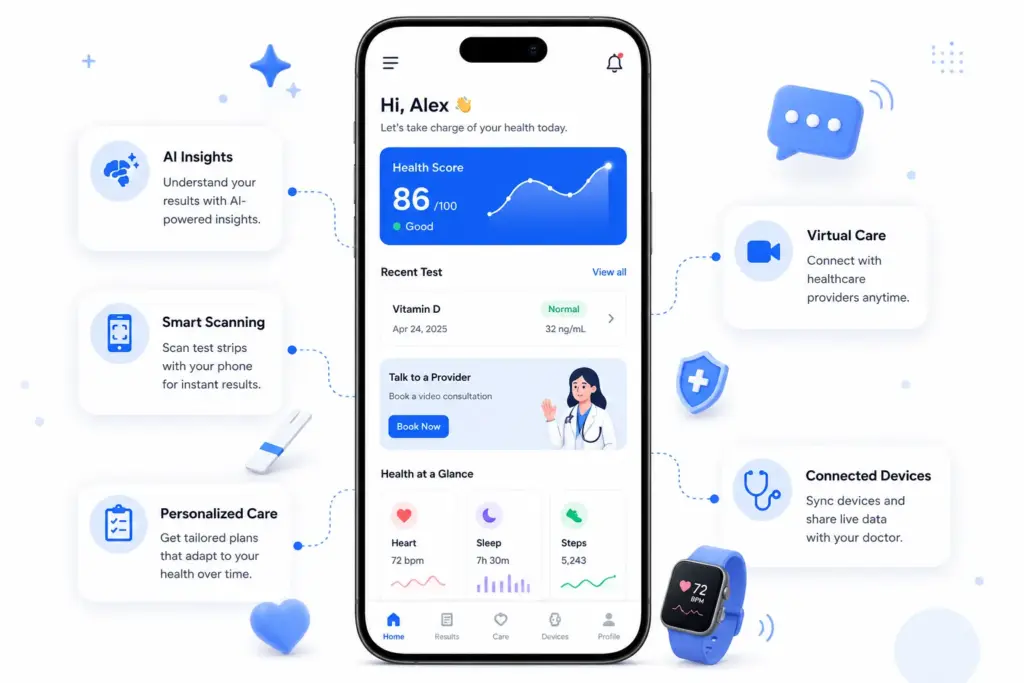
- Key features of at-home diagnostics software include AI health insights, virtual care integration, and connected device management.
- Investor opportunities exist due to subscription-based models and enterprise partnerships within at-home diagnostics software.
- Successful platforms will evolve to offer personalized care and continuous monitoring, featuring innovative technologies like AI and wearables.
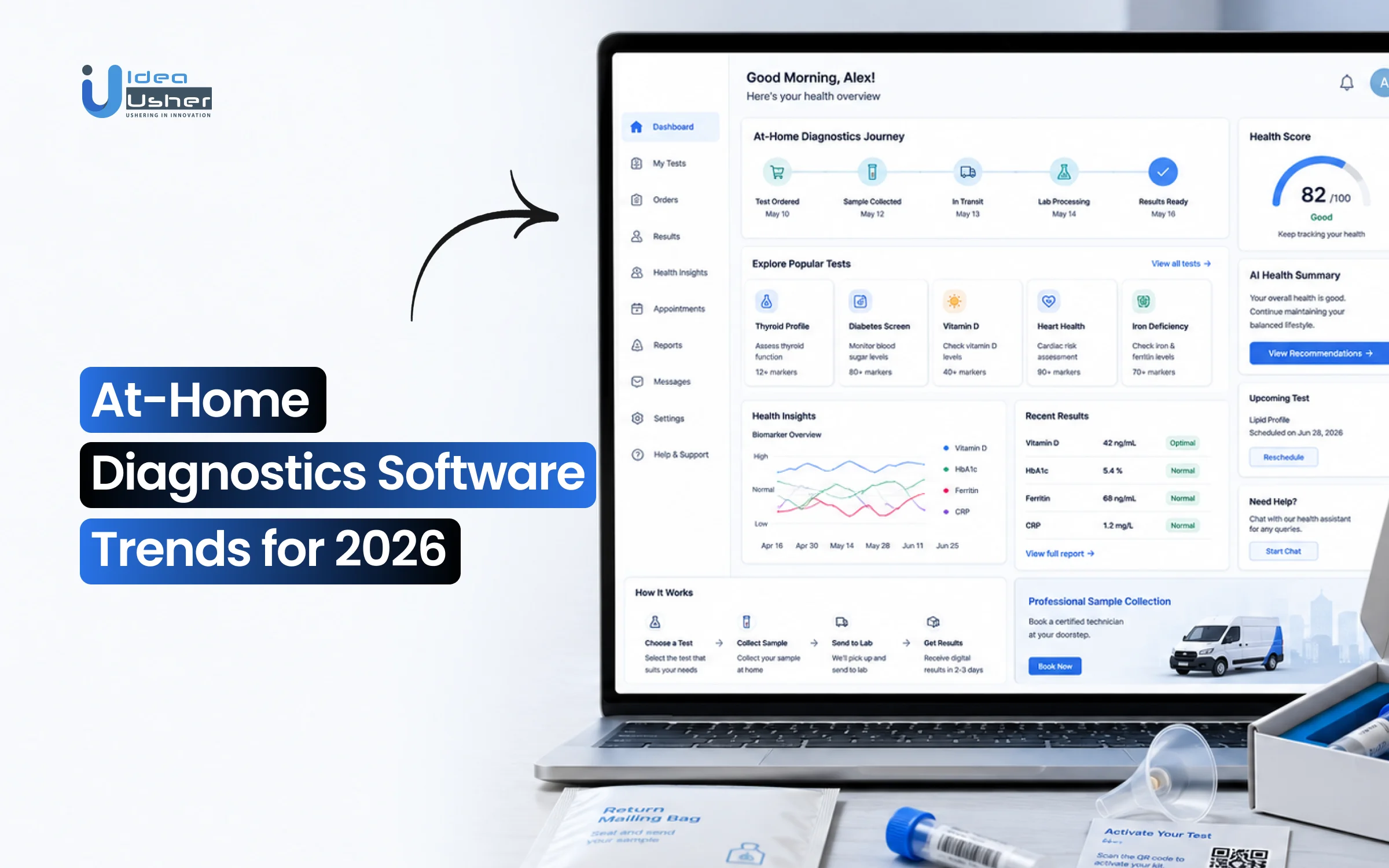
Healthcare is moving beyond hospitals as more people look for faster and easier ways to manage their health. Many patients are now choosing at-home diagnostics software because it lets them test and monitor their health without frequent clinic visits. Instead of waiting for occasional checkups, they can track health changes over time and share valuable data with their doctors. This shift is creating new opportunities for founders building smarter digital healthcare solutions.
Over the years, we’ve built numerous at-home diagnostics software solutions that leverage AI-powered diagnostic engines and real-time health data integration to support remote patient testing and monitoring. As IdeaUsher has this expertise, we’re writing this guide to break down the key trends shaping at-home diagnostics software in 2026.
Market Size of the At-Home Diagnostics Industry
According to Precedence Research, the global home diagnostics market is projected to grow from USD 7.28 billion in 2026 to USD 11.54 billion by 2035, expanding at a 5.26% CAGR. This steady growth shows that more people are choosing convenient healthcare options they can use from home. Instead of scheduling clinic visits for routine tests, users want faster access to results and ongoing health tracking.
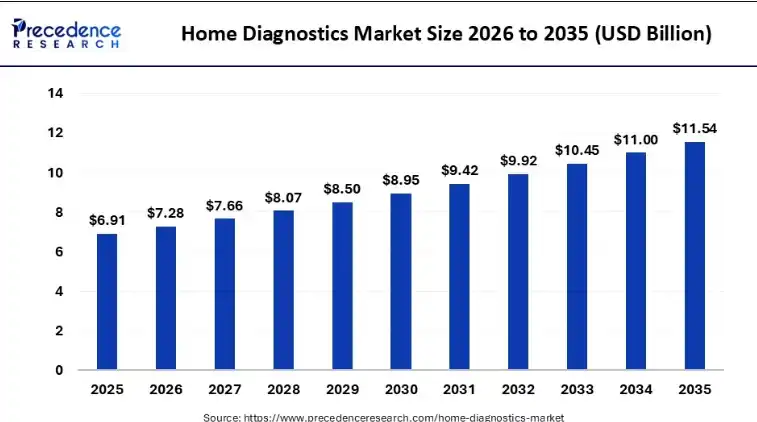
Source: Precedence Research
Major players in this space demonstrate the revenue potential for well-built platforms. Everlywell carved out a strong position in the consumer market, generating approximately 50 million dollars in annual revenue through direct-to-consumer lab testing software.
Key Growth Drivers
Rising rates of chronic health conditions like diabetes, cardiovascular risk, and thyroid disorders require ongoing tracking. Patients need convenient testing choices, and direct-to-consumer software provides the easiest route. Insurance changes and remote care adoption also support this model. Health plans and employers increasingly cover at-home monitoring to avoid high emergency room expenses.
- Chronic Disease Management: Continuous tracking for diabetes, lipids, and hormones without clinic visits
- Telehealth Integration: Instant syncing of lab results into doctor video calls for immediate guidance
- Preventive Healthcare Trends: A growing focus on early discovery, gut health, and personalized nutrition
LetsGetChecked highlights the value of targeting enterprise channels alongside individual users. By providing integrated testing and digital result delivery for major corporate networks, the platform grew its revenues past 500 million dollars annually.
Investor Opportunities
The software infrastructure backing at-home testing creates a defensible technology asset. Building a platform that manages lab connections, logistics tracking, HIPAA compliance, and clear patient dashboards generates long-term enterprise value. Investors target this sector because it moves away from one-off test sales toward predictable software models. Software platforms charge subscription fees for membership programs, retain margins on testing kits, and white-label their systems for hospital networks or employers.
Developing the underlying digital infrastructure provides recurring revenues while making the business an attractive target for larger healthcare acquirers.
- Recurring Income Models: Monthly subscription plans for routine panel monitoring
- Scalable Enterprise Partnerships: B2B deals with employers, clinics, and insurance providers
- High User Retention: Connected health dashboards build long-term brand loyalty.
Key Features of At-Home Diagnostics Softwares
Building a competitive at-home diagnostics software takes more than supporting lab test kits. It requires a connected digital ecosystem that makes it easy for patients to complete tests, receive results, and stay connected with healthcare providers. The best platforms simply present complex health information while helping clinicians work more efficiently.
1. AI Health Insights
Modern at-home diagnostics platforms help users understand their test results without needing to interpret complex medical reports. Instead of showing only raw lab values, they present clear health summaries and explain what the results mean in simple language. This makes it easier for users to stay informed and decide when to seek medical advice.
Everlywell follows this approach by tracking biomarker changes over time and automatically identifying results that fall outside the normal range. Along with easy-to-read reports, the platform provides practical wellness guidance, helping users monitor their health more confidently between doctor visits.
2. Virtual Care Integration
Testing is only the first step for patients. End-to-end software connects test results directly to real medical care without forcing users to switch apps. LetsGetChecked relies on this integrated flow. A user receives their lab result, books an in-app video visit, receives a prescription, and orders follow-up kits without leaving the interface. Software platforms that combine diagnostics with direct treatment create higher user lifetime value and simplify compliance.
3. Smartphone Diagnostic Scanning
Specialized hardware can slow down adoption. Leading platforms turn standard smartphone cameras into medical scanners for quick routine testing. Healthy.io uses this method for urine analysis and wound tracking. Users dip a test strip, scan it with their phone camera, and receive clinical-grade computer vision analysis in seconds.
- Instant Camera Scanning: Uses phone sensors to analyze test strips
- Automated Uploads: Sends precise visual data directly to lab databases
- Zero Extra Equipment: Removes the need for costly external hardware
4. Connected Device Management
At-home diagnostics expand when physical devices sync directly with mobile apps. Patients collect vital signs at home while clinicians review live data remotely. TytoCare leads this area with handheld exam kits. Patients place digital stethoscopes or otoscopes on themselves, allowing doctors to listen to heart sounds or check ears during a live video call.
- Live Audio and Visual Streams: Transmits heart, lung, and throat data
- Remote Physical Exams: Allows doctors to evaluate patients from afar
- Plug and Play Hardware: Connects quickly via Bluetooth or Wi-Fi
5. Personalized Care Plans
Personalized care plans keep users engaged long after they receive their test results. Instead of viewing health reports once and moving on, users get ongoing guidance that adapts to their latest readings. This makes at-home diagnostics more useful for managing long-term health and encourages consistent follow-ups.
EverlyCare demonstrates this by updating care recommendations as new health data becomes available. The platform can suggest repeat testing, adjust wellness goals, and alert healthcare providers when results indicate that medical attention may be needed.
6. Secure Health Dashboard
Patients need a central place to control their medical records. Secure dashboards serve as the main access point for historical lab data and health trends. LetsGetChecked gives users a unified portal where they can track historical trends, download PDF reports for primary care doctors, and set up routine test reminders.
- Longitudinal Data Views: Displays years of health metrics side by side
- One-Click Exports: Downloads official lab PDFs for external doctors
- Automated Reminders: Prompts users when it is time for routine re-testing
7. EHR Integration and Workflows
Healthcare providers increasingly expect at-home diagnostics software to work with the systems they already use. Seamless integration with electronic health records helps clinicians access patient data faster, reduces manual work, and supports quicker follow-up decisions.
Everwell Diagnostics focuses on this connected approach by sending home testing results directly into clinical workflows. The platform also helps providers identify urgent cases sooner and gives healthcare organizations better visibility into patient health trends.
At-Home Diagnostics Software Trends for 2026
As digital healthcare continues to evolve, at-home diagnostics software is becoming much more than a way to deliver lab results. Today’s platforms help people track their health over time, identify potential risks earlier, and receive more personalized guidance based on their data. This shift is making healthcare more proactive and giving both patients and providers better tools to manage long-term health.
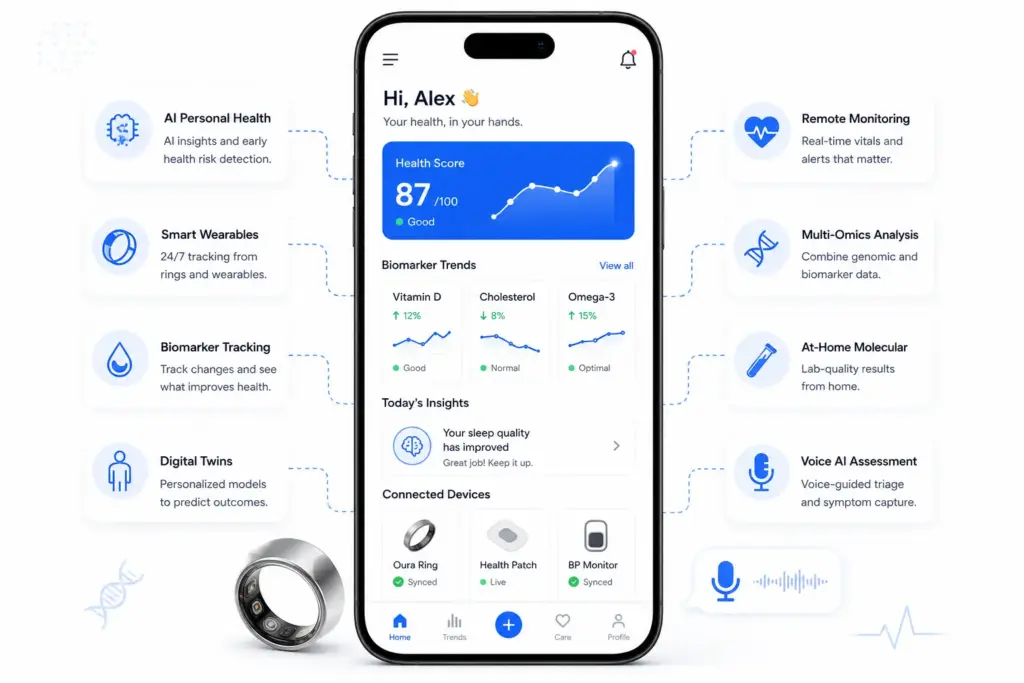
1. AI Personal Health Systems
Modern platforms use artificial intelligence to analyze routine biomarker trends and generate tailored health interventions before clinical risks escalate. Thriva built its digital health platform around this approach. After raising over 17 million dollars in venture funding, the UK-based company gained strong traction by turning raw blood test data into actionable health advice for subscribers.
- Intelligent Insights: Translates complex biomarker panels into daily habit recommendations
- Early Escalation: Flags subtle health changes over time to prevent chronic illness
2. Smart Rings and Wearables
Wearable technology now collects non-invasive health data around the clock, creating an ongoing diagnostic stream directly from a user’s wrist or finger. Oura Ring pioneered this category, expanding from basic sleep tracking into continuous clinical health metrics. The company crossed 1 billion dollars in annual revenue while securing an 11 billion dollar valuation, proving the immense market appetite for continuous health sensors.
Integrating wearable hardware streams into a centralized software dashboard creates high daily user engagement and long-term data defensibility.
3. Biomarker Tracking
Instead of focusing on a single test result, modern platforms help users understand how their health changes over time. Trend Analysis highlights patterns in biomarkers such as cholesterol, hormones, and vitamin levels across multiple tests, while Intervention Scoring shows whether changes in diet, exercise, or treatment are actually improving those health markers.
4. Digital Twins for Personalized Care
Advanced diagnostic software generates patient-specific digital models to simulate how diseases progress and test potential interventions in a virtual environment. Twin Health uses this technology to reverse metabolic diseases like Type 2 diabetes. By raising 53 million dollars in Series E funding at a valuation near 1 billion dollars, the platform validated how digital twin technology creates measurable clinical outcomes.
- Predictive Simulations: Maps out how medical changes alter health outcomes
- Targeted Interventions: Delivers custom care plans based on virtual model responses
5. Continuous Remote Patient Monitoring
At-home diagnostics are evolving beyond periodic test kits into real-time monitoring systems powered by patch sensors and cloud platforms. BioIntelliSense leads this space with continuous body-worn sensors for remote vital tracking. Securing over 58 million dollars in funding, the platform streams clinical-grade patient data directly into hospital workflows.
Continuous monitoring bridges the gap between home environments and clinical care teams, reducing hospital readmissions and emergency room visits.
- Automated Data Streaming: Transmits temperature, heart rate, and respiratory data continuously
- Clinical Triage Alerts: Flags deteriorating vital signs to medical teams automatically
6. Multi-Omics Health Analysis
Next-generation software brings together genomic, proteomic, and metabolic data to give users a complete view of their biology. Instead of looking at isolated blood markers, these systems analyze how genetic predispositions interact with real-time lifestyle markers. This holistic view enables precise, individual-level health strategies.
- Deep Biological Data: Combines DNA sequencing with ongoing blood panel results
- Targeted Therapeutics: Recommends exact nutritional and medical adjustments based on multi-layered profiles
7. At-Home Molecular Diagnostics
Miniaturized testing hardware now allows users to run rapid PCR-level diagnostic tests from their living rooms, producing lab-quality results in minutes. Cue Health brought molecular testing into the home, reaching a valuation of 2.3 billion dollars at its public listing. Its app-connected reader generated hundreds of millions in revenue by giving users fast, local access to lab-grade results.
8. Voice AI for Home Assessment
Voice-based artificial intelligence assistants are transforming home triage by guiding users through self-tests and assessing symptom severity using natural speech. Suki AI raised 70 million dollars in Series D funding at a 500 million dollar valuation by mastering ambient voice intelligence for clinical settings. Adapting voice tools for patient home assessments reduces user friction and speeds up preliminary triage.
- Guided Testing Workflows: Leads users through step-by-step diagnostic kit instructions
- Symptom Collection: Converts spoken responses into structured medical notes for clinicians
Regulatory Trends Every Founder Should Know
Creating reliable diagnostic software goes beyond building features. It also means meeting clinical safety standards, protecting sensitive patient data, and keeping the platform secure against emerging cyber threats. Strong compliance and security practices build trust with both healthcare providers and patients. Getting these foundations right from the start also makes it easier to scale the platform and meet future regulatory requirements.
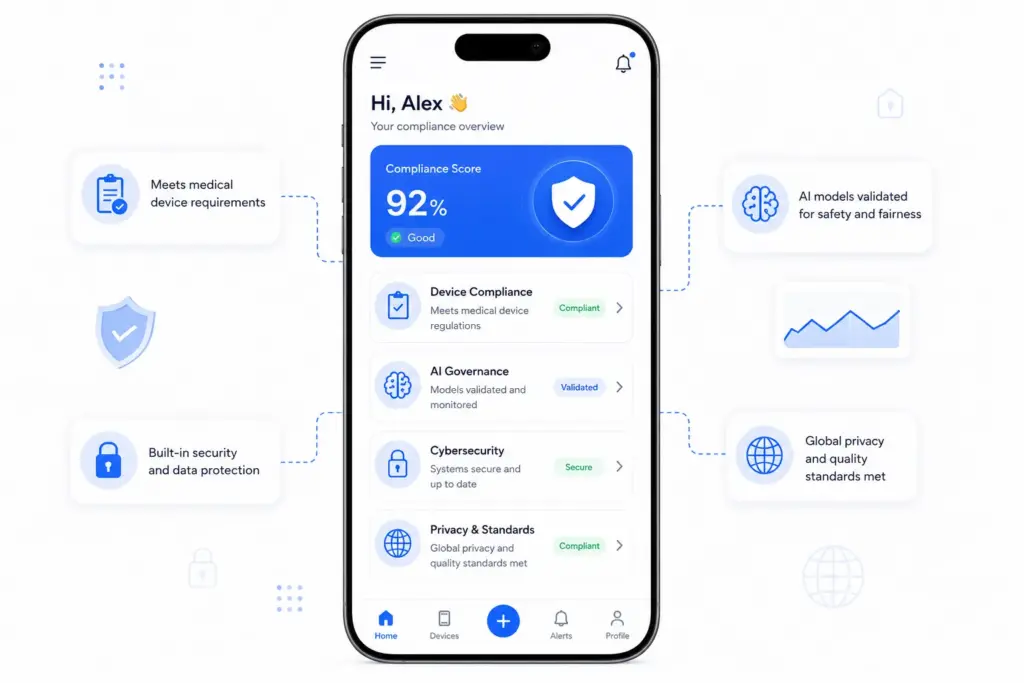
FDA Rules for Software as a Medical Device
Not all wellness apps face heavy oversight, but once software calculates disease risk or aids clinical diagnosis, it enters Software as a Medical Device territory. The FDA categorizes software based on its intended use and potential risk to patients. Platforms offering simple fitness tracking fall under general wellness guidance, while those interpreting lab data or recommending treatments require formal clearance through pathways like 510(k) or De Novo.
- Intended Use Defines Risk: Stating that software diagnoses a condition triggers immediate medical device regulations.
- Clearance Pathways: High-risk diagnostic tools must submit clinical data through 510(k) or De Novo reviews.
- Exempt Software: Basic data tracking tools avoid strict device rules if they refrain from making clinical claims.
Butterfly Network demonstrates how software and hardware combined can win FDA approval. By building AI-guided point-of-care ultrasound software, the company secured multiple 510(k) clearances, eventually raising over 400 million dollars in funding and delivering around 100 million dollars in annual revenue.
AI Governance and Clinical Validation
Integrating AI into diagnostic workflows requires continuous validation rather than a one-time launch approval. Regulatory agencies expect platforms to follow Good Machine Learning Practices. Founders must document training datasets, mitigate demographic bias, and maintain continuous performance monitoring post-launch to ensure algorithms do not drift over time.
AI models in healthcare are living systems. Regulators require ongoing testing to prove safety across diverse patient demographics.
- Dataset Transparency: Software builds trust by using representative, unbiased clinical training data.
- Bias Mitigation: Regular audits prevent algorithmic errors across varied age groups or ethnicities.
- Post-Market Monitoring: Automated tools track real-world accuracy to catch algorithmic drift early.
K Health built an AI primary care platform using large-scale clinical data to guide patient triage. By continuously validating its diagnostic models, the company secured over 430 million dollars in total funding and built a valuation of 900 million dollars.
Cybersecurity Is Now a Core Need
Connected health platforms are prime targets for security breaches, making device resilience a central regulatory requirement. The FDA requires connected platforms to enforce secure software development frameworks. Software teams must maintain clear software bills of materials, issue regular vulnerability patches, and design systems that withstand cyber threats without disrupting patient care.
- Software Bill of Materials: Keep detailed inventories of third-party code and open-source packages.
- Patch Management: Build automated systems to push rapid security fixes to live applications.
- Resilience Frameworks: Encrypt data at rest and in transit to minimize breach exposure.
Global Privacy and Compliance Standards
Expanding a diagnostic platform internationally requires meeting strict region-specific privacy laws and health quality management systems. Platforms operating in the United States must comply with HIPAA, while expanding into Europe brings GDPR requirements like strict consent rules and local data storage. Furthermore, adopting international quality standards like ISO 13485 and ISO 14971 gives healthcare software teams a clear blueprint for quality management and risk management.
- HIPAA Compliance: Protects patient health information through strict operational controls in the US.
- GDPR Guardrails: Mandates user consent and data minimization across European markets.
- ISO 13485 & 14971: Establishes global quality management and risk management standards for medical software.
Top 5 At-Home Diagnostics Software in the USA
We reviewed some of the leading at-home diagnostics software platforms to see what sets them apart. Each one solves a different healthcare problem, but they all make testing simpler and help patients receive care without frequent clinic visits. Looking at these platforms gives founders a clear idea of the features, technologies, and business strategies that are shaping the future of at-home diagnostics and what it takes to build a competitive product.
1. Everlywell
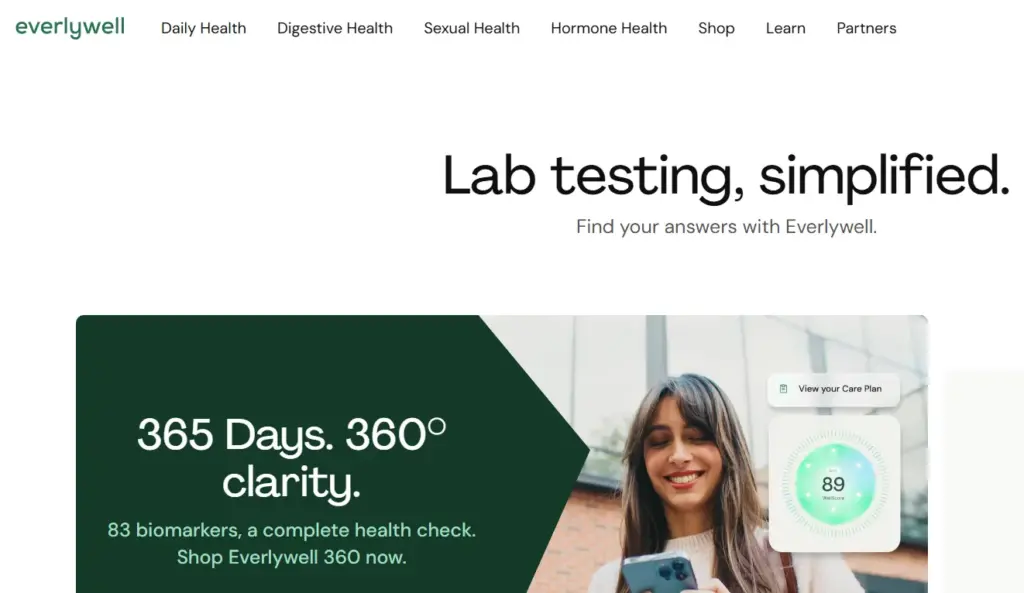
Everlywell is one of the most recognized at-home diagnostics platforms in the U.S., offering test kits for heart health, hormones, metabolism, sexual health, food sensitivity, and more. Its platform combines home sample collection, CLIA-certified lab processing, digital result reporting, AI-powered health insights, and virtual care. Since its launch, Everlywell has served millions of customers and continues to expand its enterprise healthcare partnerships, making it a leading example of a scalable diagnostics ecosystem.
2. LetsGetChecked
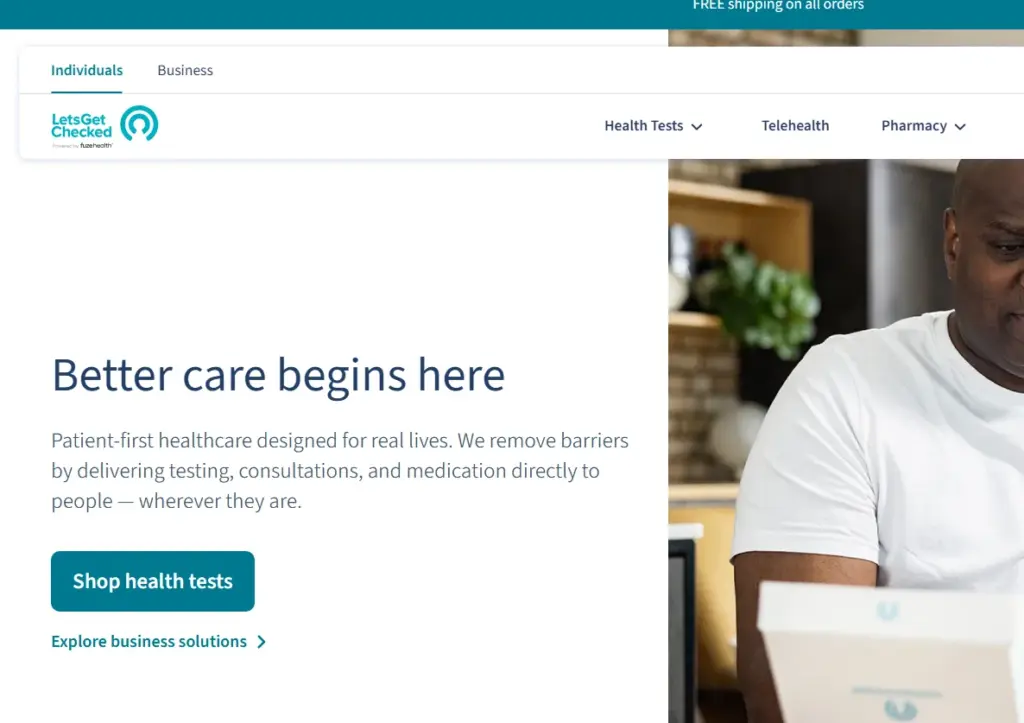
LetsGetChecked provides an integrated diagnostics platform that combines home testing, telehealth consultations, prescription fulfillment, and continuous health monitoring. Its software manages laboratory workflows, patient records, and clinician interactions in one experience. The company has raised over $448 million in funding and reached a $1 billion valuation, reflecting strong investor confidence in its remote diagnostics model.
3. TytoCare
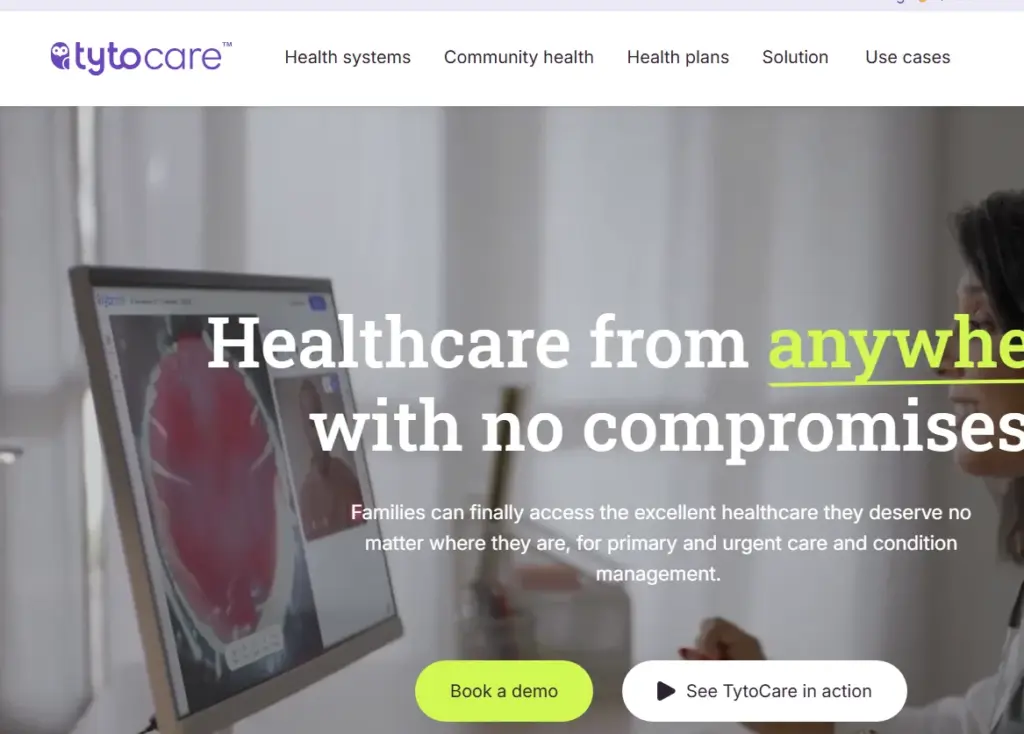
TytoCare enables virtual medical examinations through an AI-enabled home diagnostic kit that connects patients with clinicians in real time. Its platform supports remote physical exams, digital documentation, connected medical devices, and telehealth consultations. Today, TytoCare is used by leading hospitals, health systems, and insurers across the U.S. to reduce unnecessary clinic visits while improving access to primary care.
4. Labcorp OnDemand

Labcorp OnDemand extends Labcorp’s diagnostic network directly to consumers through a digital platform that enables online test ordering, at-home sample collection for selected tests, and secure access to results. Behind the platform is one of the largest laboratory networks in the U.S., processing around 3 million samples every week through CAP-accredited and CLIA-certified labs. This combination of nationwide infrastructure and digital convenience makes it a strong enterprise-scale diagnostics platform.
5. Healthy.io
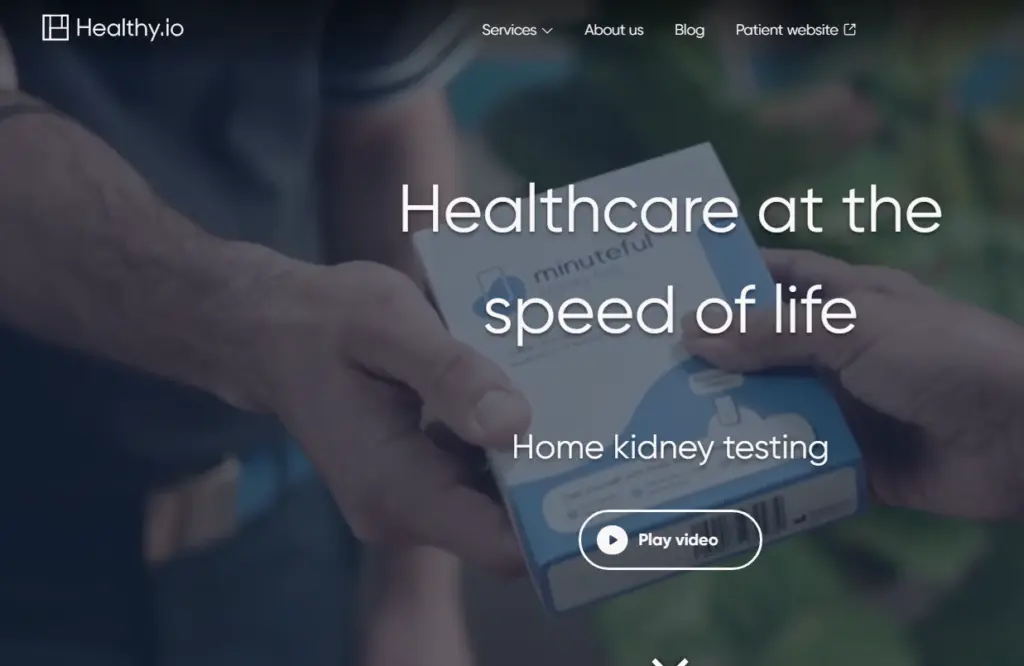
Healthy.io transforms smartphone cameras into medical-grade diagnostic tools, allowing patients to complete tests such as urine analysis from home. Its software uses computer vision and cloud analytics to deliver clinically validated results directly to healthcare providers. The platform has partnered with major health systems and insurers to support kidney disease screening and preventive care, helping providers detect health issues earlier without requiring patients to visit a clinic.
Build an At-Home Diagnostics Software with IdeaUsher
Bringing a modern medical platform to market requires deep technical execution, rigorous data protection, and seamless integration between physical testing and software interfaces. IdeaUsher delivers full-cycle healthcare technology solutions engineered for market speed and enterprise stability.
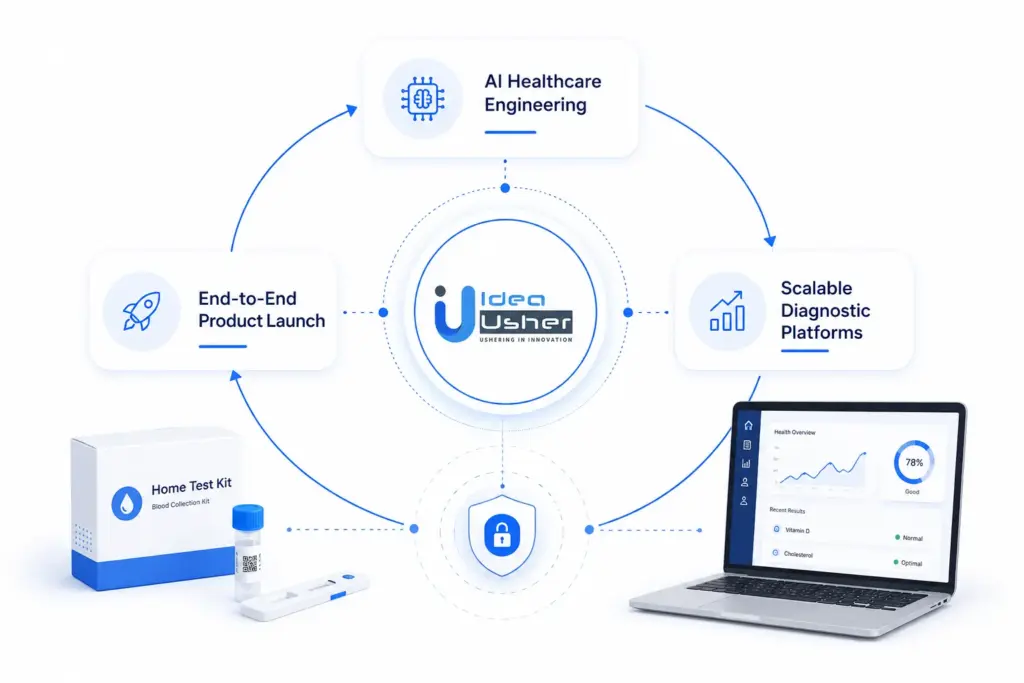
AI Healthcare Engineering
Building intelligent health software takes more than strong technical skills. It requires deep knowledge of clinical workflows, AI, and secure healthcare infrastructure to create platforms that healthcare providers can trust. We bring over 500,000 hours of coding experience and a team of ex-MAANG/FAANG developers to build scalable diagnostic platforms. Our solutions combine AI, cloud infrastructure, and connected medical devices to deliver accurate insights while meeting healthcare compliance standards.
End-to-End Product Launch
Building a successful at-home diagnostics platform requires careful planning from day one. Every stage, from product design to deployment, should support clinical workflows while creating a smooth experience for patients. We help healthcare founders turn their ideas into market-ready platforms by managing development, EHR integration, compliance, and security. Our team focuses on building scalable software that is easy to use, meets healthcare standards, and is ready to grow with your business.
Scalable Diagnostic Platforms
A strong healthcare platform should be able to grow without sacrificing performance or security. As more patients, devices, and diagnostic services are added, the software needs to remain fast, reliable, and easy to manage. We build cloud-native architectures that scale with your business while protecting sensitive health data.
Our platforms support secure integrations, high-volume diagnostic processing, and flexible APIs, making it easy to add new services and connected devices as your platform evolves.
Conclusion
The future of at-home diagnostics software is moving beyond simply delivering test results. In 2026, the most successful platforms will use AI, connected devices, and continuous health monitoring to provide more personalized care and better clinical outcomes. Businesses that invest in these capabilities today will be well positioned to meet growing demand and build lasting value in the digital healthcare market.
Things to Know About At-Home Diagnostics Softwares
A1: At-home diagnostics software helps people complete health tests without visiting a clinic for every checkup. It connects with testing devices, displays results in an easy-to-read format, and lets users share reports with their doctors. Many platforms also use AI to explain results and help patients keep track of their health over time, making healthcare more convenient and accessible.
A2: Yes. Some platforms fall under medical device regulations if they are designed to diagnose or monitor diseases. The rules depend on what the software is intended to do and the claims it makes. Founders should understand these requirements early because meeting regulatory and clinical standards can make the approval process much smoother.
A3: Yes, and this has become an important feature for modern healthcare platforms. Most enterprise solutions support standards like FHIR and HL7 so test results can be shared directly with Electronic Health Record (EHR) systems. This saves clinicians time, reduces manual work, and gives them faster access to patient information when making treatment decisions.
A4: AI helps turn health data into useful insights instead of simply displaying test results. It can identify unusual patterns, highlight potential health risks, and suggest when a patient should seek medical attention. This allows both patients and healthcare providers to spot problems earlier and make better-informed decisions based on real-time data.