

Key Takeaways
- Obesity care platforms combine medical treatment, nutrition guidance, behavioral coaching, and telehealth into one experience.
- Growing demand for GLP-1 medications and obesity treatment has attracted major investor funding.
- Knownwell stands out through weight-inclusive care, personalized treatment plans, AI-driven insights, and patient support.
- Businesses can build obesity care platforms by focusing on patient engagement, recurring revenue streams, and long-term wellness.
- How Idea Usher can help businesses develop secure, scalable obesity care platforms with telehealth, patient engagement, and compliance features.
Managing obesity is no longer limited to occasional doctor visits or standalone diet plans. Today, comprehensive obesity care platforms are changing the way people approach weight loss by bringing medical care, nutrition guidance, and lifestyle coaching together in one place. Many people have started relying on this because it offers continuous support, personalized recommendations, and a structured plan that is easier to follow. As a result, users can stay more consistent with their health goals and achieve sustainable long-term results.
We’ve developed numerous obesity care solutions that leverage AI-driven health analytics and remote patient monitoring to deliver personalized and clinically guided weight management experiences. Using this expertise, we’re writing this blog to explore how to create an obesity care platform like Knownwell.
Why Are Investors Funding Obesity Care Startups?
According to Future Market Insights, the digital health for obesity market is projected to grow from USD 5.2 billion in 2026 to USD 21.4 billion by 2036, expanding at a CAGR of 15.2%. This growth is drawing strong investor attention as obesity care evolves into a long-term healthcare category rather than a short-term wellness trend. Platforms that combine medical treatment, ongoing coaching, and personalized care are seeing increasing demand, creating opportunities for sustainable revenue and higher patient retention.
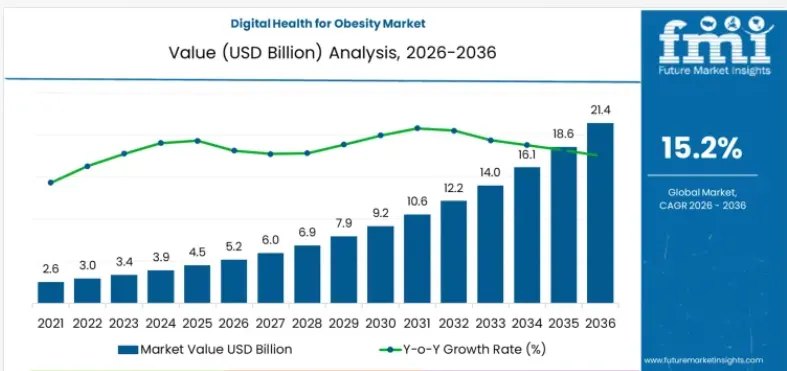
Source: Future Market Insights
Building a platform in this space requires looking past the surface-level hype. This high investor confidence is evident in the recent capital injections hitting the market. For instance, Form Health recently secured 38 million dollars in a Series B round to expand its personalized, doctor-led obesity care model.
The success of modern obesity care startups relies on robust clinical infrastructure and long-term digital engagement. Investors are backing companies that can safely scale medical interventions while managing complex logistics, insurance navigation, and ongoing patient support.
The GLP-1 Market Boom
The massive demand for glucagon-like peptide-1 medications has transformed weight management from a lifestyle industry into a high-stakes sector of healthcare. These medications simulate natural hormones to regulate appetite and blood sugar, delivering weight loss results that were once only possible through surgery. The sudden shift in consumer demand has created a supply-and-demand gap that agile digital platforms are rapidly filling.
The investment opportunity goes beyond just selling the medication. Capital is flowing to platforms that can solve major friction points in the patient journey.
- Sourcing and Logistics: Startups that secure reliable supply chains or partner with compounding pharmacies can capture massive market share when brand-name drugs face shortages.
- Insurance Navigation: Telehealth platforms that automate the complex prior authorization process for insurance coverage remove a massive barrier for patients.
- Clinical Oversight: High-margin software tools that help doctors monitor patient biometrics safely at scale are highly attractive to investors.
Recurring Revenue Streams
Many obesity care startups are moving beyond medication sales and building subscription-based care models that generate long-term revenue. The real opportunity lies in providing ongoing support through nutrition guidance, health coaching, progress tracking, and lifestyle management. As patients often need continuous care throughout their weight-loss journey, these services help improve outcomes while creating a more sustainable and scalable business model.
Market leaders are proving that this holistic, tech-driven approach attracts significant capital. Recently, Ilant Health raised 15 million dollars in funding to further scale its AI-supported, precision obesity care platform that delivers value-based care directly to employers and commercial plans.
Long-Term Care Category
As obesity is increasingly treated as a chronic medical condition, the demand for long-term care solutions continues to grow. This creates a strong business opportunity for platforms that can support patients beyond initial weight loss through ongoing monitoring, coaching, and maintenance programs. For investors, the appeal lies in predictable recurring revenue and the growing willingness of employers and insurers to fund effective obesity care.
The Story Behind Knownwell’s Weight-Inclusive Healthcare Model
Knownwell operates a hybrid care model that combines in-person clinics with virtual healthcare services to deliver primary care and obesity treatment under one roof. Its focus on weight-inclusive care helps address a major gap in traditional healthcare, where many patients with obesity often struggle to find supportive and unbiased medical treatment.
The strength of this approach has attracted significant investor confidence. Knownwell recently raised an oversubscribed $25 million funding round led by CVS Health Ventures, highlighting the growing demand for comprehensive obesity care. For entrepreneurs, the company demonstrates how combining empathetic care with long-term clinical support can create both meaningful patient outcomes and a scalable healthcare business.
Eliminating Weight Bias
The company was launched by CEO Brooke Boyarsky Pratt and obesity medicine specialist Dr. Angela Fitch. They saw a major gap in the market where patients facing weight challenges were constantly dealing with judgment and stigma from their doctors. This poor experience often causes patients to avoid medical care altogether.
The Core Problem: Most medical clinics treat the number on the scale instead of the actual person, which destroys patient trust and harms retention rates.
Knownwell changed the approach by creating a clinical environment where patients receive evidence-based medicine without the shame. This strategy immediately built strong brand loyalty and high patient retention, showing investors that compassionate care can drive a highly sustainable business model.
A Metabolic Healthcare Home
Instead of just launching another quick weight loss app, the founders built a true healthcare home. They combined primary care with obesity medicine, metabolic support, nutritional counseling, and regular health coaching. This integrated infrastructure provides immense value for both patients and investors. By offering primary care alongside metabolic health, the platform becomes the central hub for all of a patient’s medical needs. This multi-layered approach naturally extends the patient lifetime value and creates highly predictable, long-term revenue streams.
Care Beyond Weight Loss
The core of this model is shifting the focus away from rapid weight loss toward sustainable health metrics. Success is measured by overall metabolic improvement and better patient quality of life, rather than just a drop in body weight.
- Shared Decision Making: Patients work directly with clinical teams to create personalized health goals.
- Continuous Engagement: Regular check-ins with coaches keep patients active in their care plans.
- B2B Viability: Insurance companies and corporate employers prefer this holistic approach because it lowers long-term medical costs across the board.
By designing a platform that values patient dignity and long-term wellness, entrepreneurs can build a highly valuable digital health brand that commands market share and attracts major venture capital
How Knownwell Delivers Integrated Obesity Care?
Knownwell combines physical clinics with telehealth services to create a more comprehensive obesity care experience. Unlike prescription-only platforms that often struggle to retain patients over time, the company focuses on ongoing clinical support and long-term health management. This integrated approach helps improve patient engagement while building a more sustainable and defensible business model.
1. Embedded Primary Care
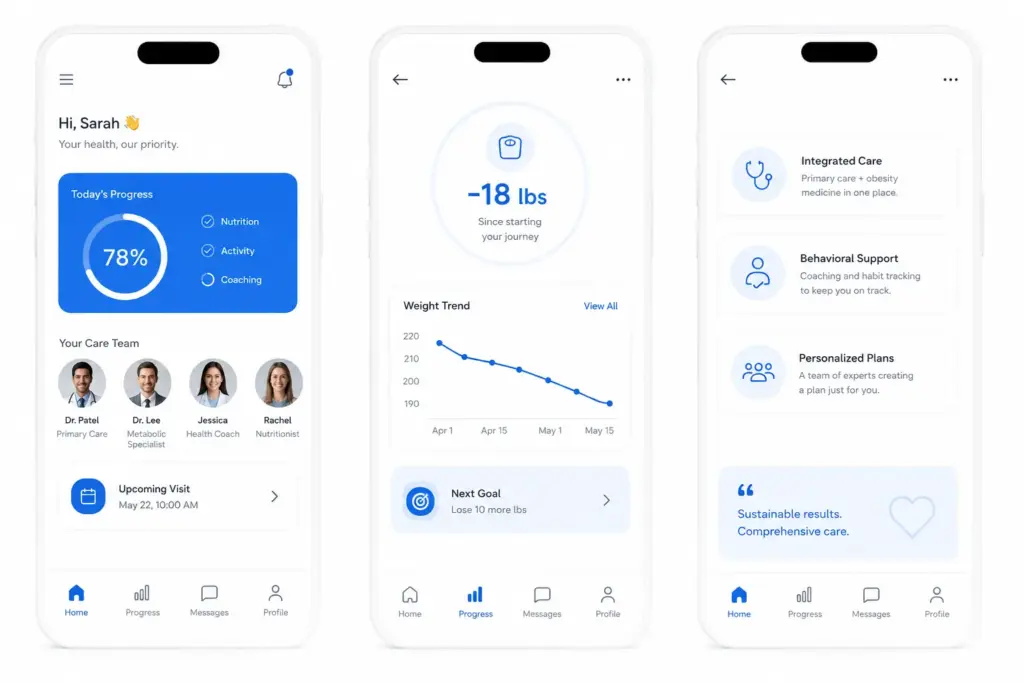
Knownwell integrates obesity medicine directly into the foundational primary care model instead of isolating weight management from a patient’s broader medical history. Patients manage their weight, address chronic conditions, and meet preventive health needs with a single, dedicated Knownwell care team.
This structure creates an incredible business moat for the platform. When a user relies on Knownwell for both their specialized metabolic needs and their general health checkups, they have very little reason to leave. This structural bond results in exceptionally stable patient retention and highly predictable monthly subscription revenue.
2. Behavioral Support Outcomes
Knownwell integrates lifestyle coaching and behavior-change support directly into its core user experience because sustainable health outcomes require long-term habit change. This model ensures that patients maintain their progress over time, even if their medication needs change.
This behavioral tracking layer acts as a vital tool for investor returns. Regular interaction with Knownwell health coaches keeps patients deeply engaged with the platform every week, leading to higher compliance rates and a significantly longer patient lifetime value.
3. Multidisciplinary Personalized Plans
Knownwell brings together a diverse internal team of metabolic specialists, primary care doctors, nutritionists, and health coaches. Instead of working in silos, these professionals collaborate within the Knownwell ecosystem to design customized treatment strategies for every individual.
- Integrated Medical Treatment: Knownwell doctors sync prescriptions directly with tracking data.
- Targeted Nutrition Counseling: Knownwell dietitians tailor food plans to support the specific metabolic shifts caused by the medication.
- Coordinated Care Delivery: The unified Knownwell approach eliminates confusing, conflicting medical advice for the patient.
For an entrepreneur, scaling this style of multidisciplinary care through an intuitive digital dashboard creates a premium product experience. This high-value service justifies a premium pricing structure and easily positions a business ahead of low-cost competitors.
Key Features of Obesity Care Platforms Like Knownwell
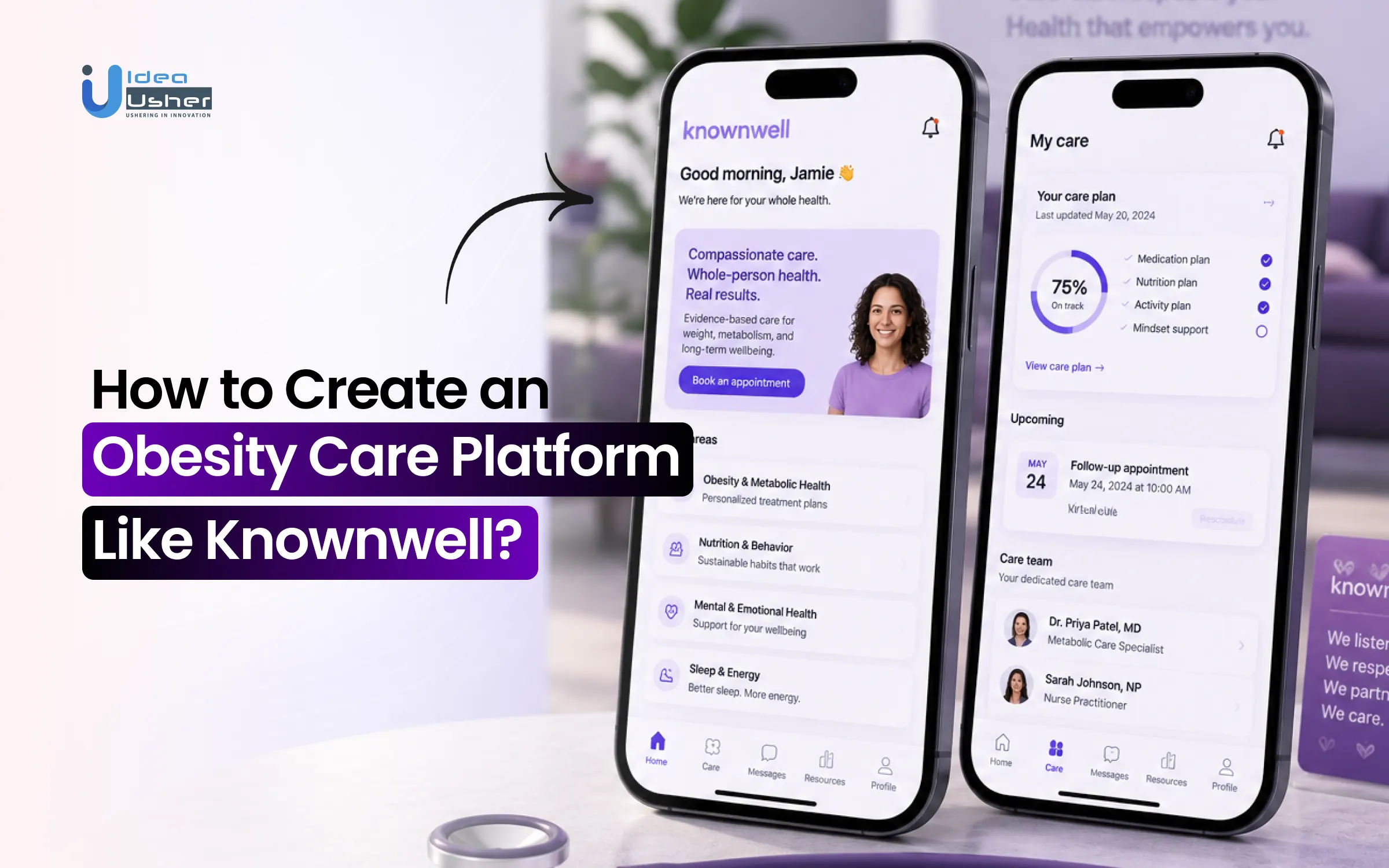
Knownwell’s success is driven not only by its clinical care model but also by the digital experience it offers patients. The platform brings together healthcare providers, coaches, and patients in a connected system that makes care easier to access and manage. For businesses building similar solutions, Knownwell highlights the importance of combining strong healthcare services with user-friendly technology that supports long-term patient engagement.
1. Comprehensive Onboarding
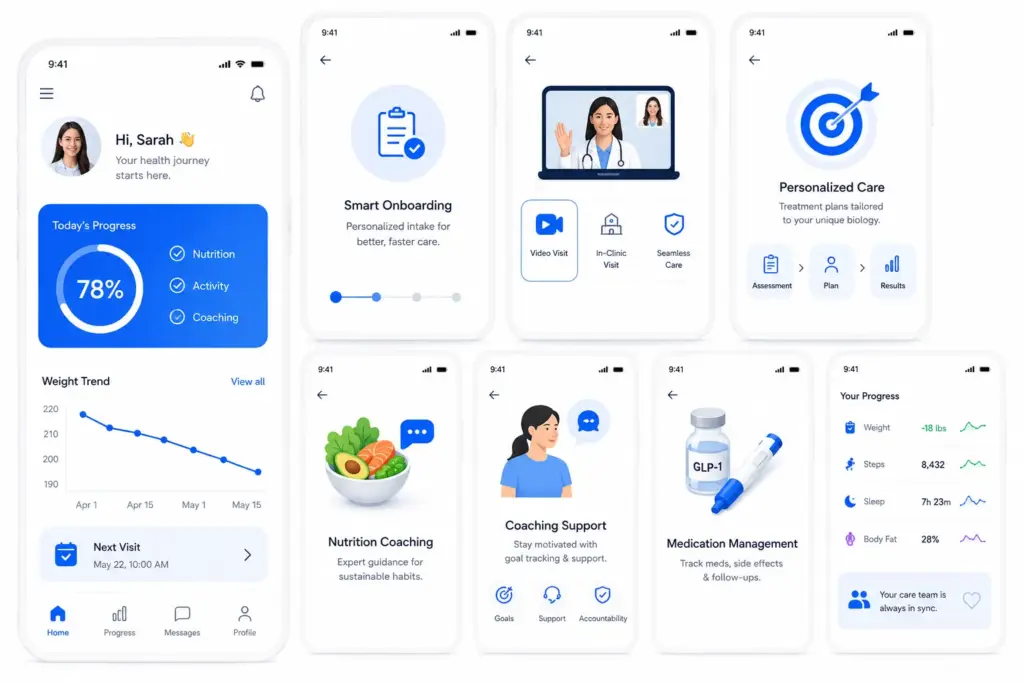
The patient journey on Knownwell begins with an in-depth digital intake process. Users complete a detailed evaluation covering their medical history, lifestyle habits, and previous weight management experiences. This initial data collection allows Knownwell clinicians to review a complete profile right away. Instead of wasting time on basic questions during the first visit, the Knownwell team can immediately design a personalized medical plan.
How it works: The user fills out a dynamic smart questionnaire on the Knownwell app, which automatically flags metabolic risk factors for the Knownwell clinical team before the first appointment.
2. Virtual and In-Person Care
A major differentiator for Knownwell is its hybrid service delivery. Users have the flexibility to choose how they interact with their Knownwell medical providers based on their schedule and clinical needs. Users use this feature to consult their specific Knownwell care team through secure video calls for routine check-ins. If physical exams or laboratory work are necessary, patients visit a physical Knownwell clinic, experiencing zero disruption in their care continuity.
3. Personalized Medicine Programs
Knownwell avoids the standard one-size-fits-all prescription model. The Knownwell platform uses clinical algorithms to help Knownwell doctors design specific evidence-based treatment tracks tailored to individual biology.
- Clinical Assessment: Knownwell doctors analyze metabolic biomarkers.
- Targeted Design: The Knownwell system generates a custom mix of medical therapies and lifestyle interventions.
- Patient Application: Users review their specialized Knownwell roadmap directly within their personal portal.
This personalization ensures that Knownwell patients receive the exact medical support they need, which drastically increases treatment safety and overall efficacy across the Knownwell ecosystem.
4. Nutrition and Lifestyle Coaching
Knownwell uses dedicated portal spaces where Knownwell patients match with registered dietitians. Knownwell users actively participate in setting nutritional milestones rather than just receiving a restrictive meal list. Users log into the Knownwell platform to message their Knownwell nutritionist, upload food logs, and track dietary changes. This constant access helps individuals build healthier eating habits that support their specific Knownwell metabolic profiles.
5. Coaching and Behavioral Support
Behavioral shifts are necessary to sustain long-term weight health. Knownwell incorporates regular health coaching sessions into the Knownwell user dashboard to keep motivation high.
- Goal Setting: Users map out weekly behavioral targets with a Knownwell coach.
- Obstacle Management: Patients use Knownwell chat features to get real-time advice when facing stress or lifestyle disruptions.
- Accountability: The Knownwell platform sends gentle, automated reminders to keep users aligned with their habits.
6. GLP-1 Prescription Management
For patients who qualify clinically, Knownwell provides streamlined prescription management for GLP-1 medications. The Knownwell platform handles the complex backend logistics that usually frustrate patients. Users track their inventory through the Knownwell app, report any side effects to their Knownwell doctor, and schedule required follow-up visits. This structured monitoring ensures high medication adherence and fast Knownwell treatment adjustments.
7. Progress Tracking and Coordination
Knownwell focuses heavily on continuous care coordination rather than short-term weight drops. The Knownwell platform aggregates data from various touchpoints into a single dashboard. Users sync their wearable health devices directly to the Knownwell app to share step counts, sleep data, and weight trends. The entire Knownwell care team monitors this incoming data to adjust care plans instantly, keeping the patient safely on track throughout their multi-year Knownwell health journey.
How to Create an Obesity Care Platform Like Knownwell?
Developing a successful obesity care platform requires more than telehealth capabilities alone. It demands a connected ecosystem that supports patients, providers, and care teams throughout the treatment journey. We help businesses build secure and scalable healthcare solutions with the features needed to improve patient engagement, streamline clinical operations, and support long-term growth in the obesity care market.
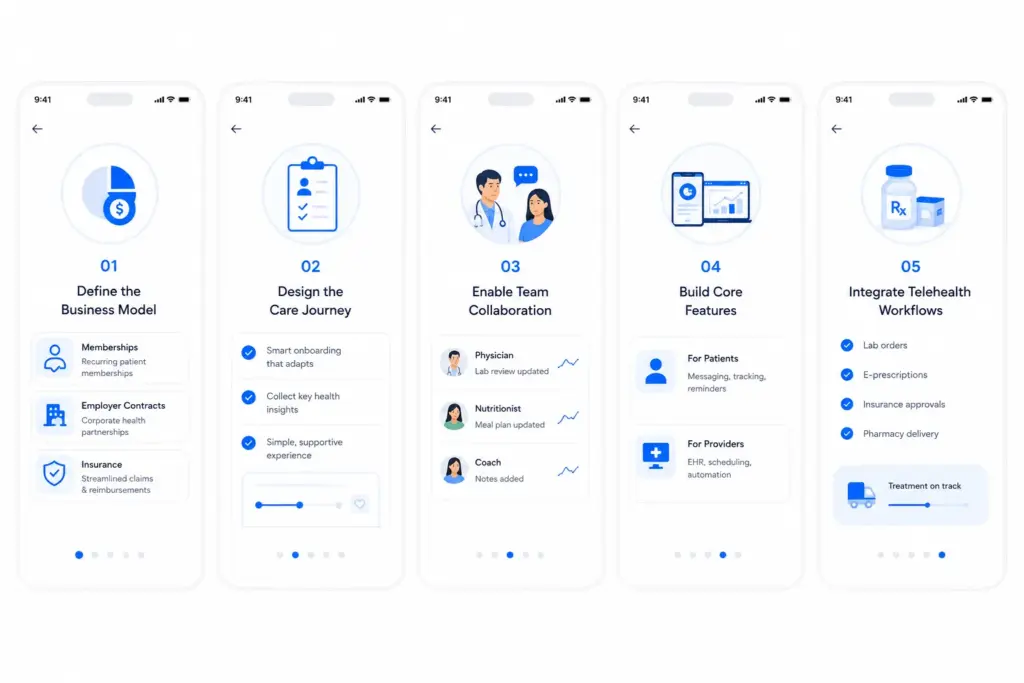
1. Defining the Business Model
Before writing a single line of code, we work with you to lock in a highly profitable monetization strategy. Knownwell thrives on a hybrid business model that captures multiple revenue streams simultaneously.
- Monthly Patient Memberships: Continuous recurring fees for platform access, health coaching, and care coordination.
- B2B Employer Contracts: Selling comprehensive health packages directly to corporations looking to lower their employee insurance overhead.
- Insurance Reimbursement: Building automated billing pipelines to seamlessly process commercial insurance claims.
We design the backend database to support these diverse pricing models smoothly. This approach ensures your platform can pivot easily between direct-to-consumer sales and large-scale enterprise contracts without requiring a code rewrite.
2. Designing the Care Journey
A confusing user interface will destroy user retention before a patient even speaks to a doctor. We design intuitive, compassionate digital interfaces that lower onboarding friction and build immediate consumer trust. The onboarding flow must feel warm and supportive rather than cold and clinical. We program dynamic questionnaires that adapt to user responses in real time, gathering deep medical histories without overwhelming the patient. This clean data design sets up your medical teams for success during the very first consultation.
3. Team Collaboration Frameworks
A true obesity care platform requires flawless communication between physicians, dietitians, and lifestyle coaches. We build centralized clinical dashboards that allow these different professionals to collaborate in real time on a single patient profile. This cross-functional design prevents communication siloes. We ensure that every staff member can access updated patient records instantly, creating a synchronized care experience that dramatically improves health outcomes.
The Productive Interface: A single screen where a physician views lab trends, a nutritionist updates meal plans, and a coach adds behavioral notes.
4. Developing Core Features
A premium platform requires separate, dedicated software modules for patients and clinical staff. We build dual-facing applications tailored specifically to the unique needs of each user group.
- For Patients: Mobile apps featuring real-time secure messaging, biometric tracking integrations, and automated medication reminders.
- For Providers: Web-based portals with integrated electronic health records, smart scheduling engines, and automated chart notes.
By balancing these two ecosystems, we keep patients actively engaged while reducing administrative burnout for your medical personnel.
5. Integrating Telehealth Workflows
Managing high-demand GLP-1 prescriptions requires specialized backend logistics. We build customized workflows that handle everything from the initial lab order to the final pharmacy shipment. We integrate reliable electronic prescribing networks directly into your platform. Our systems automate the complex prior authorization process with insurance companies, removing a massive administrative barrier and speeding up patient access to medication.
6. Compliance and Data Security
Medical platforms handle highly sensitive patient information, making security non-negotiable. We implement rigorous enterprise-grade data protection protocols across your entire software architecture.
- Complete Encryption: Securing patient data both during transmission and while stored in databases.
- Strict Access Control: Custom user permissions ensuring staff only see data necessary for their specific role.
- Audit Logging: Tracking every single interaction within the database to maintain perfect digital accountability.
We handle the heavy lifting of healthcare compliance, ensuring your platform meets all regional regulatory standards and passes institutional security reviews easily.
7. Optimizing Patient Retention
A successful launch is simply the baseline. Long-term financial growth relies heavily on continuous user engagement. We engineer advanced data analytics tools directly into your product dashboard to monitor patient behavioral patterns. Our systems automatically flag users who miss lifestyle logs or skip coaching sessions. This early warning system allows your care teams to intervene proactively, keeping patient churn exceptionally low and maximizing the lifetime value of your platform. Let us build the underlying technology so you can confidently dominate the evolving metabolic health market.
AI and ML Infrastructure for Personalized Weight Management
Building a highly intelligent obesity care platform requires advanced data engineering and predictive modeling. Knownwell has positioned itself as an industry leader by combining obesity medicine, primary care, nutrition support, and behavioral health under a single care model. To strengthen its data capabilities, Knownwell acquired Alfie Health, a company known for using AI to help clinicians make more informed treatment decisions.
Integrating this type of smart infrastructure transforms a basic digital app into a proactive clinical system. The table below outlines the core tech stacks needed to deploy an intelligent backend like Knownwell.
1. The AI/ML Infrastructure Tech Stack
Artificial intelligence plays an increasingly important role in modern healthcare platforms by helping automate routine tasks and deliver more personalized patient experiences. A strong AI/ML infrastructure allows platforms to analyze health data, identify patterns, generate actionable insights, and support smarter clinical decisions.
| Infrastructure Layer | Recommended Technologies | Clinical Utility |
| Data Pipelines & Storage | Apache Kafka, AWS S3, PostgreSQL | Aggregating biometric tracking data and lab results |
| Machine Learning Frameworks | Python, TensorFlow, Scikit-learn | Training predictive models on metabolic datasets |
| Clinical Decision Engines | Amazon SageMaker, FastAPI | Serving real-time treatment recommendations to doctors |
| Data Analytics & Monitoring | Snowflake, Datadog | Tracking patient engagement and platform data health |
2. Patient Risk Stratification
Knownwell leverages data-driven patient intake to move past traditional weight management methods. By utilizing AI-powered assessment tools, the Knownwell ecosystem can analyze a user’s health history, metabolic markers, lifestyle habits, and early treatment responses simultaneously.
How Knownwell Stratifies Risk: The system flags hidden metabolic risk factors right at onboarding, automatically categorizing the patient into a specific clinical care pathway.
This proactive data analysis allows Knownwell providers to deliver highly personalized care from the very first consultation, ensuring high-risk patients receive immediate, specialized attention.
3. Personalized Treatment Recommendations
The acquisition of Alfie Health highlights why Knownwell prioritizes automated treatment matching. Because individual bodies respond differently to identical diets or medications, Knownwell uses machine learning models to identify subtle biological patterns across large, aggregated datasets. This intelligence layer directly supports Knownwell care teams by optimizing prescription selection, tailoring nutritional roadmaps, and scheduling the most effective follow-up strategies for the patient.
4. Predictive Analytics for Retention
Knownwell focuses heavily on long-term health journeys rather than temporary weight drops. To maintain high engagement, the Knownwell platform uses machine learning systems to track app logins, appointment attendance, coaching interactions, and medication compliance.
- Early Warning Indicators: The software flags subtle drops in a user’s logging frequency.
- Proactive Outreach: Knownwell automatically triggers a message from a health coach before the patient disengages.
- Adherence Optimization: Timely interventions lead to higher long-term treatment success rates.
By shifting focus away from raw prescription volume, Knownwell uses predictive algorithms to maximize patient lifetime value and clinical outcomes.
5. Continuous Learning Systems
The Knownwell acquisition of Alfie Health sets a new benchmark for modern obesity care infrastructure. As Knownwell accumulates more data across thousands of consultations and tracking logs, its underlying machine learning systems become increasingly accurate. Over time, the Knownwell care model uses these continuous feedback loops to optimize clinical pathways, improve provider-patient matching, and scale personalization. This integrated AI infrastructure ensures that every patient interaction refines the platform, paving the way for highly proactive, evidence-based care.
Cost to Create an Obesity Care Platform Like Knownwell
Budgeting for an obesity care platform like Knownwell requires careful planning to ensure the right balance between features, scalability, and development costs. We help businesses estimate expenses at every stage of the project and create a realistic roadmap for growth. This approach helps avoid costly rework later while ensuring resources are invested in the features that deliver the greatest value to both patients and providers.
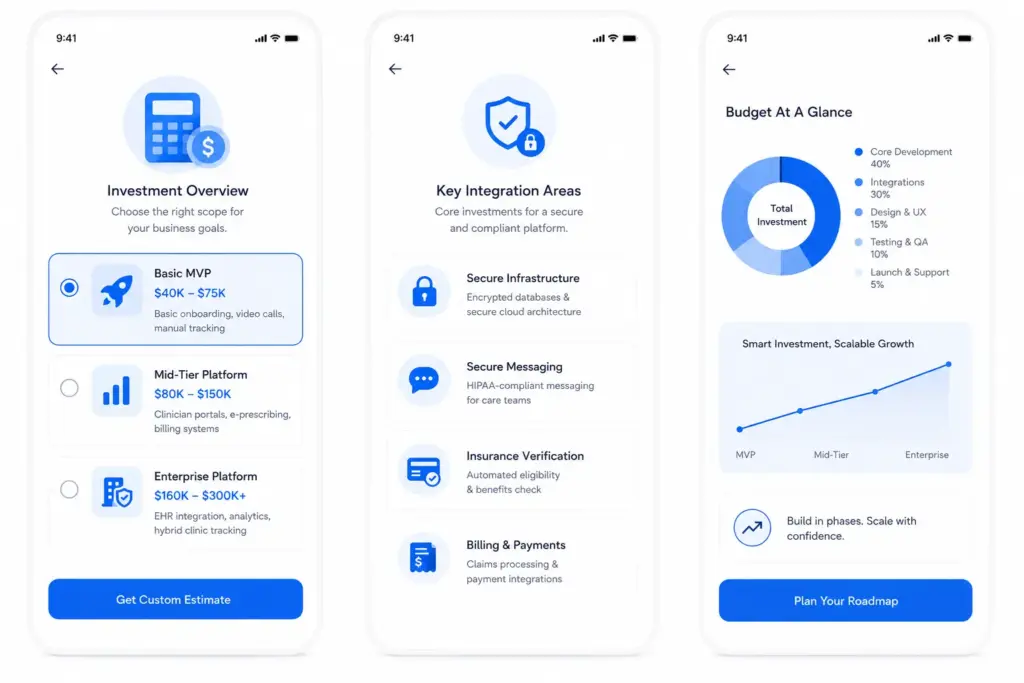
Scope and Feature Costs
The total financial investment depends heavily on the initial scope of your application. A simple minimum viable product allows you to enter the market quickly, while a premium enterprise system requires a larger budget. We match your business objectives with the correct development tier. This approach ensures you build a highly functional product without overspending on unnecessary early-stage features.
| Development Scope | Estimated Cost Range | Key Functional Inclusions |
| Basic MVP Platform | $40,000 to $75,000 | Basic onboarding, standard video calls, manual progress tracking |
| Mid-Tier Platform | $80,000 to $150,000 | Custom clinician portals, e-prescribing, basic billing systems |
| Enterprise Platform | $160,000 to $300,000+ | Full electronic health record integration, smart analytics, hybrid clinic tracking |
Clinical Integration Budgets
Specialized healthcare features require custom engineering that costs more than standard app components. These medical integrations ensure your platform operates safely and legally. We build these secure architectures properly from the start. Investing in secure code up front saves you from costly legal penalties or system overhauls later.
| Clinical Integration Feature | Estimated Development Cost (USD) | Purpose |
| Secure Patient Authentication & Access Control | $5,000 – $15,000 | Protects patient accounts with multi-factor authentication and role-based access. |
| Encrypted Medical Records Database | $10,000 – $30,000 | Stores patient health data securely and supports regulatory compliance. |
| Secure Messaging System | $8,000 – $25,000 | Enables private communication between patients and care teams. |
| Telehealth & Video Consultation Integration | $10,000 – $35,000 | Supports virtual appointments and remote care delivery. |
| Insurance Verification Engine | $15,000 – $50,000 | Automates eligibility checks and coverage verification. |
| E-Prescription Integration | $10,000 – $30,000 | Allows providers to send prescriptions directly to pharmacies. |
| Lab Testing & Diagnostic Integrations | $15,000 – $40,000 | Connects the platform with laboratory partners and test results. |
| Remote Patient Monitoring Integration | $15,000 – $50,000 | Syncs data from connected devices such as smart scales and wearables. |
| Clinical Workflow & Care Management Tools | $20,000 – $60,000 | Helps providers manage treatment plans, follow-ups, and patient progress. |
| HIPAA/GDPR Compliance Implementation & Auditing | $10,000 – $40,000 | Ensures the platform meets healthcare privacy and security requirements. |
Typical total budget for clinical integrations: $100,000 – $375,000+, depending on the number of integrations, compliance requirements, and platform complexity.
AI and Long-Term Value
Advanced digital tools increase your upfront engineering budget but significantly lower your long-term operational costs. Incorporating smart automation shifts your business from a transactional tool to a high-margin enterprise.
- Automated Coaching Systems: Lowering staff costs by using smart data triggers to send lifestyle tips to users.
- Wearable Device Syncing: Integrating popular fitness trackers to pull metabolic data automatically into clinician dashboards.
- Smart Retention Dashboards: Building algorithms that detect drops in patient engagement before a user decides to cancel their membership.
We implement these advanced features strategically. By choosing us to develop your platform, you gain access to skilled engineers who know exactly how to turn complex medical ideas into high-value software asset structures.
Why Patient Retention Determines Platform Profitability?
The financial success of an obesity care platform rests entirely on long-term user engagement. While a strong marketing campaign can easily drive early sign-ups for sought-after GLP-1 medications, high initial enrollment does not guarantee profitability. The real value is created when patients stay active on the platform month after month.
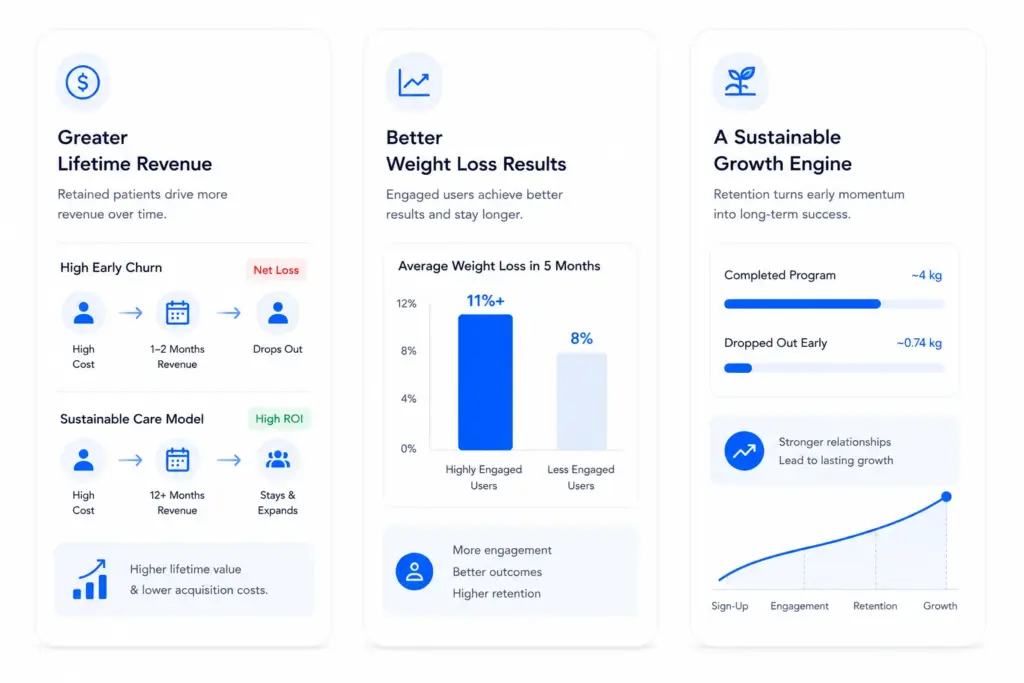
1. Greater Lifetime Revenue
Patient retention is one of the most important drivers of profitability in obesity care platforms. Rather than relying on new sign-ups alone, successful businesses focus on keeping patients engaged through ongoing care and support. The financial impact can be substantial. Ro grew to $598 million in annualized revenue by expanding its focus on long-term obesity management.
Research has also shown that patients who actively engage with digital weight management programs are more likely to achieve their health goals, creating benefits for both users and platform providers.
| Business Model | Customer Journey | Outcome |
| High Early Churn Model | High Sign-Up Cost → 1–2 Months of Revenue → User Drops Out | Net Loss |
| Sustainable Care Model | High Sign-Up Cost → 12+ Months of Revenue → Continuous Expansion | High ROI |
Sustained retention transforms your financial outlook across several key metrics. It ensures more frequent follow-up appointments, drives steady subscription fees, and lowers your total customer acquisition costs over time.
2. Better Weight Loss Results
Clinical engagement has a direct impact on both patient outcomes and business growth. Studies show that users who regularly interact with weight management platforms achieve better results than those who participate less frequently. Among GLP-1 users, highly engaged participants lost more than 11% of their body weight in five months, compared to 8% for less active users.
This connection between engagement and outcomes has helped companies like Calibrate build strong recurring revenue models, reaching nearly $70 million in annual recurring revenue through structured coaching, tracking, and ongoing clinical support.
- The Behavioral Link: Patients who interact with their care teams remain highly motivated.
- The Clinical Reward: Hitting major milestones like 10% weight loss builds deep trust in the service.
- The Financial Result: Satisfied, successful patients are highly unlikely to cancel their memberships.
3. A Sustainable Growth Engine
Many startups use the massive demand for weight loss drugs to gain quick market attention. The true challenge is maintaining that momentum after the initial prescription. Platforms that offer rich coaching layers, habit change tools, and comprehensive data tracking build much stronger customer relationships.
Data from the NHS Digital Weight Management Programme highlights this reality clearly. Participants who completed their full care tracks lost an average of nearly 4 kg, while those who dropped out early only managed a 0.74 kg loss. For market leaders like Knownwell, retention serves as both a clinical benchmark and a primary business driver.
Key Revenue Streams for an Obesity Care Platform Like Knownwell
Launching a metabolic health business requires a highly sustainable monetization strategy. Relying on a single transaction type exposes an enterprise to sudden market shifts and high customer churn. Top obesity care platforms stabilize their cash flow by building multiple overlapping revenue pipelines that capture value at every step of the patient journey. Diversifying how money enters the platform helps balance operational costs while building a business model that appeals heavily to venture capital investors.
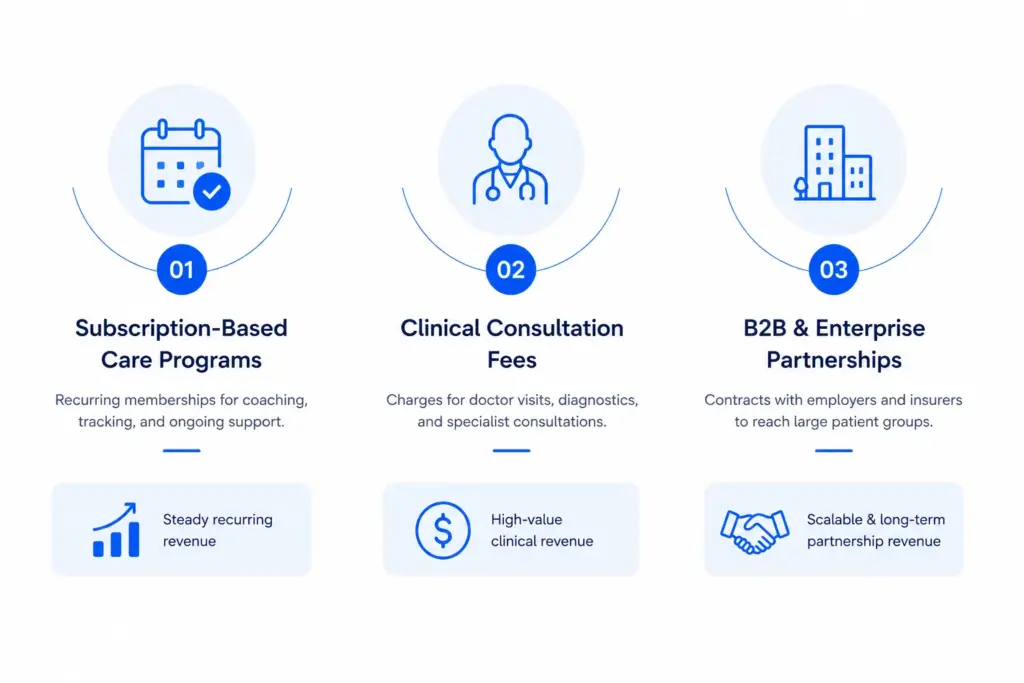
1. Subscription-Based Care Programs
Recurring subscriptions have become one of the most reliable revenue models in digital obesity care. Instead of depending on one-time purchases, platforms generate steady income by providing ongoing coaching, habit tracking, and personalized support that keeps patients engaged throughout their health journey. This creates a more predictable business model while delivering continuous value to users.
The success of this approach can be seen with Noom, which generated more than $500 million in annual revenue through its subscription-based coaching model. Its growth demonstrates how long-term engagement and behavioral support can become powerful drivers of both patient outcomes and business performance.
2. Clinical Consultation Fees
Direct medical monetization occurs when platforms charge for specialized clinical time. Patients pay per visit for virtual doctor consults, in-depth metabolic diagnostics, or targeted primary care assessments. PlushCare uses this direct fee model flawlessly by blending standard primary care with dedicated weight loss programs, generating over 100 million dollars in annual revenue.
Users pay individual consultation fees or co-pays to see board-certified physicians who can safely adjust prescriptions and monitor vitals.
- Initial Assessments: Premium pricing for the first comprehensive metabolic checkup.
- Specialist Consults: Higher margin fees for booking dedicated obesity medicine doctors.
- Dietitian Reviews: Affordable add-on costs for routine nutrition check-ins.
3. B2B and Enterprise Partnerships
Enterprise partnerships can significantly accelerate the growth of an obesity care platform. Employers and health insurers are increasingly investing in weight management programs because improving metabolic health can reduce future healthcare costs. This creates opportunities for platforms to reach large patient populations through a single partnership rather than acquiring users one at a time.
The potential of this model is evident in Omada Health, which built partnerships with employers and health plans to grow beyond $100 million in annual revenue. For obesity care startups, enterprise contracts can provide a stable source of revenue while strengthening their position within the broader healthcare ecosystem.
Can Obesity Care Platforms Grow Without GLP-1 Drugs?
While GLP-1 medications have helped many obesity care platforms grow quickly, long-term success depends on much more than prescription access. The strongest platforms build ongoing relationships with patients through coaching, nutrition support, behavior change programs, and progress tracking. This approach creates a more resilient business because it can continue delivering value even when medication availability, pricing, or insurance coverage changes.
1. Growth Requires More Than Medications
Prescription access alone is often not enough to build a sustainable obesity care business. Patients may leave once they reach their goals or when medication costs and insurance coverage change. Platforms that offer additional services such as nutrition guidance, health coaching, and lifestyle support are better positioned to maintain long-term patient relationships and recurring revenue.
The industry has already shown the value of this approach. Sequence grew to a $25 million annual revenue run rate before being acquired by WeightWatchers for $132 million. Its growth was driven not only by prescription access but also by the clinical support and ongoing care that kept users engaged throughout their health journey.
2. Behavioral Support Drives Results
Long-term success in obesity care depends on helping patients build healthier habits, not just providing medication. Platforms that combine medical treatment with coaching, progress tracking, and lifestyle support often achieve stronger patient engagement and better long-term outcomes. This also creates additional revenue opportunities through ongoing subscriptions and wellness programs.
The business potential of this model is already evident in the market. WW International reported 32% growth in its clinical subscription business, reaching $27 million in a single quarter. The results highlight a growing demand for healthcare solutions that combine medical expertise with structured lifestyle support.
- Targeted Health Coaching: Regular video sessions keep patient motivation high between medical reviews.
- Continuous Metabolic Tracking: Syncing biometric smart devices allows clinical teams to monitor progress in real time.
- Community Engagement Feature Spaces: Group discussion boards build social accountability and improve retention.
3. Integrated Ecosystems Perform Best
The obesity care market is increasingly favoring comprehensive care models over prescription-only services. A study involving 708 patients found that combining physician-led treatment with digital coaching resulted in an average 12.7% weight loss over 12 months. The findings also showed that patients who engaged more actively with digital tools achieved better outcomes, highlighting the importance of ongoing support throughout the care journey.
Investor interest reflects this shift. Form Health raised a $43 million Series B funding round to expand its integrated care model that combines medical specialists and dietitians. Companies such as Knownwell are following a similar path by building long-term care ecosystems that support patients beyond medication use, creating a stronger foundation for sustainable growth.
Build an Obesity Care Platform with Idea Usher
Building a successful digital health business requires much more than just launching a basic mobile app. From initial patient onboarding and secure telehealth consultations to automated coaching workflows and strict compliance protocols, every single software component must work together seamlessly. Idea Usher helps founders transform their unique business visions into scalable healthcare products designed for long-term commercial growth.
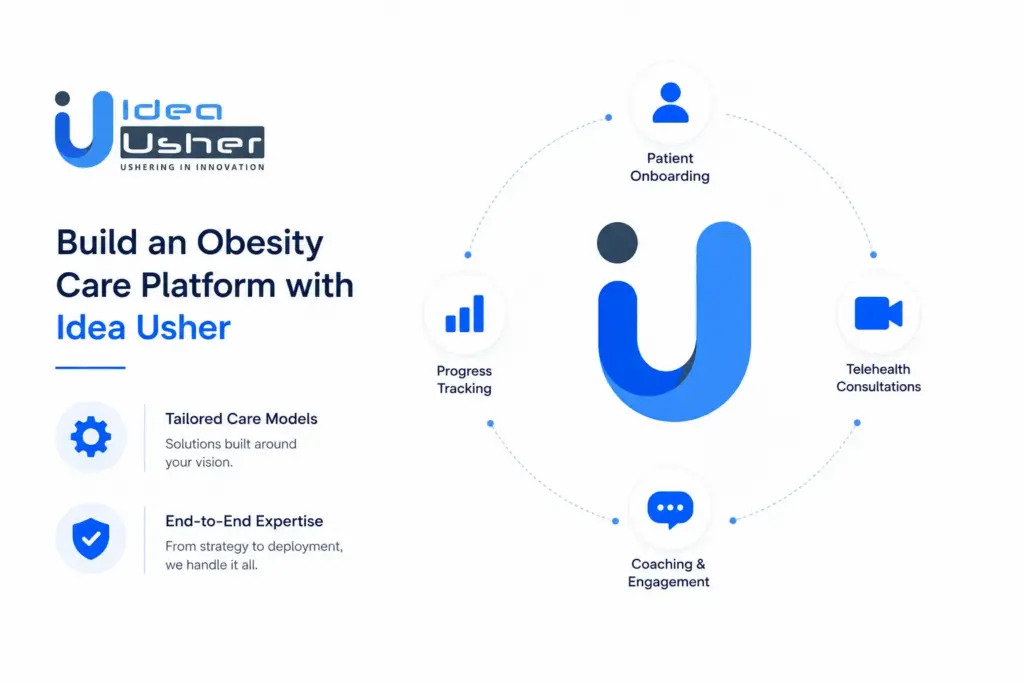
With over 500,000 hours of coding experience, our team of ex-MAANG and FAANG developers builds top-tier medical infrastructure. We handle the complex backend engineering so you can focus entirely on delivering exceptional clinical care.
Tailored Business Care Models
Every metabolic health platform has different goals, which is why a one-size-fits-all approach rarely works. We work closely with businesses to understand their target audience, care model, and growth strategy before defining the right feature set. This helps us build a platform that supports current business objectives while remaining flexible enough to scale as patient demand and service offerings evolve.
End-to-End Healthcare Expertise
Creating a premium medical platform involves product strategy, intuitive UI/UX design, core development, regulatory compliance planning, third-party API integrations, rigorous testing, and continuous post-launch support. Idea Usher provides complete end-to-end development services to manage this entire technical pipeline under one roof.
- Accelerated Time to Market: We use optimized development sprints to get your product launched quickly.
- Rock-Solid Security: Our elite engineering team builds secure, encrypted codebases that handle sensitive patient data safely.
- Frictionless Integrations: We easily connect your platform with existing electronic health records, e-prescribing networks, and insurance billing software.
By partnering with our highly experienced developers, you significantly accelerate your time to market. We deliver a secure, high-performance obesity care ecosystem that stands out from low-cost competitors and wins long-term patient loyalty.
Conclusion
Creating an obesity care platform like Knownwell is about building a complete healthcare experience rather than a simple weight-loss service. Patients today expect ongoing support that helps them stay healthy and engaged throughout their journey. Businesses that combine quality medical care with a seamless digital experience are better positioned to earn patient trust, improve outcomes, and build a platform that can grow for years to come.
Things to Know About Obesity Care Platforms
Q1: How are obesity care platforms different from traditional weight-loss apps?
A1: Most traditional weight-loss apps focus on calorie counting, exercise tracking, or short-term fitness goals. Obesity care platforms take a more comprehensive approach by treating obesity as a chronic health condition. They combine clinical expertise, behavioral coaching, nutrition guidance, and long-term monitoring to help patients achieve sustainable results and improve their overall health.
Q2: Do obesity care platforms only focus on GLP-1 medications?
A2: No. Although GLP-1 medications have become an important part of obesity treatment, successful platforms offer much more than prescription access. Many include nutrition counseling, lifestyle coaching, behavioral health support, remote monitoring, and personalized care plans. This broader approach helps patients build healthier habits and maintain results over the long term, even if medication use changes.
Q3: Why are obesity care platforms becoming increasingly popular?
A3: The growing prevalence of obesity and related conditions such as diabetes and heart disease has created a greater demand for accessible healthcare solutions. At the same time, telehealth technology has made it easier for patients to receive expert care from home. Obesity care platforms combine convenience with personalized support, making them an attractive option for individuals seeking long-term health improvement.
Q4: Can obesity care platforms be profitable businesses?
A4; Yes. Obesity care platforms can generate revenue through subscription plans, virtual consultations, employer wellness programs, insurance reimbursements, and chronic care management services. Since obesity is often a long-term condition, platforms that keep patients engaged over time can benefit from recurring revenue while also improving patient outcomes.