


The digital transformation of the Saudi Arabian labor market has evolved from a secondary goal into a primary pillar of the Vision 2030 framework. As the Kingdom moves toward a fully digitized and transparent workforce environment, platforms like Qiwa have established themselves as the essential bridge between the Ministry of Human Resources and Social Development (MHRSD) and the private sector. For businesses and entrepreneurs, building a localized HR or regulatory platform presents a significant opportunity to solve complex compliance challenges while tapping into a rapidly growing market.
Investing in a platform of this caliber requires more than just technical expertise; it demands a comprehensive understanding of the evolving legal landscape in KSA. Recent amendments to the Saudi Labor Law, set to take full effect in February 2025, have introduced new complexities regarding contract durations, resignation procedures, and maternity entitlements. A successful app must not only replicate the core functionalities of government portals but also provide the agility to adapt to these regulatory shifts in real-time.
The Growth and Future of the Saudi HR Tech Niche
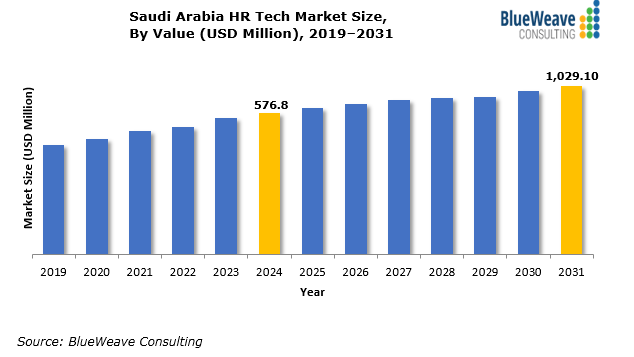
This rapid expansion is being fueled by a compound annual growth rate (CAGR) of approximately 10.7%, as enterprises across the Kingdom abandon legacy systems in favor of cloud-native, government-integrated solutions. The demand for these platforms is no longer a luxury but a fundamental requirement for operational survival in a region where regulatory compliance is increasingly digitized.
Driving this niche’s growth is Saudi Arabia’s unique demographic profile, where roughly 71% of the population is under the age of 35. This young, tech-savvy workforce has a “mobile-first” expectation for all professional interactions, ranging from signing employment contracts to managing their social insurance records. Furthermore, the mandatory requirement for all employment contracts to be registered on digital platforms like Qiwa and Najiz has created a massive secondary market for private integrators who can offer a more intuitive and feature-rich user experience than the standard government portals.
Cost to Build an App Like Qiwa KSA
Estimating the development budget for a government-aligned platform requires a breakdown of complexity, security requirements, and the depth of API integrations. In Saudi Arabia, the cost is largely driven by the need for high-level data encryption and the seamless exchange of data with national systems like Absher, Muqeem, and Nafath. The following estimates reflect the current market standards for high-quality engineering and local compliance.
- Simple Level: SAR 135,000 to SAR 400,000 ($36,000 to $106,645) This initial tier is designed for a Minimum Viable Product (MVP) that focuses on the most fundamental HR workflows. It typically covers basic digital contract management, employee profile hosting, and simple document storage, providing a reliable foundation for small enterprises or startups looking to enter the HR tech space with a focused offering that addresses a specific niche.
- Medium Level: SAR 400,000 to SAR 900,000 ($106,645 to $239,953) The medium tier is the most common choice for established businesses that require sophisticated automation. At this level, the app includes real-time government API integrations, automated Saudization (Nitaqat) tracking, and advanced multi-role access controls. This version ensures that HR managers can handle high volumes of employee data while remaining compliant with current labor mandates without manual intervention.
- Advanced Level: SAR 2,500,000+ ($666,536+) Enterprise-grade solutions at this level represent a complete digital ecosystem. These platforms often incorporate artificial intelligence for predictive compliance, blockchain for tamper-proof document verification, and full-scale integration with the MHRSD GOSI systems. These are designed to serve thousands of users simultaneously with zero downtime and the highest level of cybersecurity required for national-scale infrastructure.
Detailed Development Cost Sheet
To provide a more granular view of where your investment is allocated, the following cost sheet breaks down the typical development phases for a medium-to-advanced level HR application in the Saudi market. These figures represent the effort required to meet strict national security and performance standards.
| Development Phase | Estimated Allocation (%) | Estimated Cost Range (SAR) | Key Deliverables |
|---|---|---|---|
| Discovery & Strategy | 10% | SAR 40,000 – SAR 90,000 | Compliance mapping, SRS, and API documentation. |
| UI/UX Design | 15% | SAR 60,000 – SAR 135,000 | RTL Arabic layouts, high-fidelity prototypes. |
| Frontend Development | 20% | SAR 80,000 – SAR 180,000 | Responsive web & mobile app interfaces. |
| Backend & API Integration | 30% | SAR 120,000 – SAR 270,000 | Nafath, MHRSD, and Absher system connectivity. |
| QA & Security Testing | 15% | SAR 60,000 – SAR 135,000 | Vulnerability scans, NCA compliance testing. |
| Deployment & DevOps | 10% | SAR 40,000 – SAR 90,000 | Local cloud setup, CI/CD pipeline, and hosting. |
| Total (Medium Level) | 100% | SAR 400,000 – SAR 900,000 | Fully functional, compliant HR ecosystem. |
Hidden Costs You Should Consider
While the initial development budget covers the build, launching a platform in the KSA market involves several recurring and operational expenses that founders often overlook. Ensuring your platform remains “government-ready” and compliant is an ongoing financial commitment that extends beyond the launch date.
- Local Data Residency Requirements: Saudi Arabian law mandates that sensitive citizen and employment data must be stored on servers located within the Kingdom. Using local cloud providers often carries a higher price tag than global alternatives but is a non-negotiable requirement for legal operation and data sovereignty.
- Regulatory and Security Audits: To maintain access to government gateways, your platform must undergo regular cybersecurity assessments. These audits, often conducted by firms approved by the National Cybersecurity Authority (NCA), ensure that the platform is resilient against emerging digital threats and maintains the trust of the Ministry.
- Government API Access Fees: Accessing real-time data from national databases is rarely free. Many government portals charge annual subscription fees or per-transaction costs for verifying identities through Nafath or processing visa requests through your private application interface.
List of Must-have Qiwa App Features
To stand out in the KSA market, an application must serve as a dual-sided marketplace that simplifies the professional lives of both business owners and their employees. The goal is to remove friction from administrative tasks that traditionally required physical visits to government offices or long email chains with HR departments.
For Employers
- Instant Work Visa Issuance: A module that allows business owners to request and manage various visa types without physical paperwork, directly integrated with the Ministry’s backend.
- Saudization (Nitaqat) Tracker: Real-time dashboards that show the company’s current color zone and provide actionable advice to stay compliant with local hiring quotas.
- Employee Transfer Management: Simplified digital procedures for hiring expatriates already within the Kingdom or managing the transfer of employees between different establishment branches.
For Employees
- Digital Contract Verification: A secure portal where employees can view, sign, and store their employment contracts, ensuring they are legally recognized by Saudi courts.
- End-of-Service Calculator: Automated tools that help employees estimate their financial rewards and gratuity based on their years of service and the specific terms of the Saudi Labor Law.
- Salary Certificate Requests: The ability to instantly generate and download verified salary certificates for use in bank loans, visa applications, or personal records.
Tools and Calculators
- Work Permit Fee Estimators: Interactive tools that calculate the exact cost of renewing or issuing work permits based on the establishment’s current Nitaqat status and employee count.
- Compliance Scorecards: Visual indicators that help businesses understand their standing with the MHRSD at a glance, highlighting areas that require immediate attention.
Design Factors to Consider When You Build an App Like Qiwa
The design of a government-focused app in Saudi Arabia must prioritize trust, clarity, and inclusivity. Because these platforms are used by a vast range of users, from high-level executives to manual laborers, the interface must be intuitive and accessible regardless of technical proficiency.
- Simplicity and Clarity: The UI should avoid clutter and focus on high-priority tasks. Using ample whitespace and clear typography ensures that complex regulatory information is easy to digest for every user.
- Localization and Bilingual Support: Every element must be designed with a “Right-to-Left” (RTL) mindset for Arabic users. It is not enough to just translate the text; the entire layout must flip to accommodate natural reading patterns in the Kingdom.
- Intuitive Navigation: Users should be able to find critical documents or status updates within two taps. Using a persistent bottom navigation bar and breadcrumbs helps users navigate through multi-step government processes without getting lost.
- Mobile-First, Seamless Across Devices: While HR managers may use desktops, the vast majority of employees will access the platform via mobile. The design must be lightweight and responsive to perform well on all screen sizes and connection speeds.
Tech Stack Powering Saudi Arabia Government App Development
Building an application that handles national security data requires a tech stack that prioritizes stability, scalability, and data integrity. The architecture must be robust enough to handle high concurrency during peak periods, such as when monthly salary reports are due.
Frontend
React.js or Next.js is typically used for web dashboards due to their fast rendering and component-based structure. For mobile, Flutter or React Native allows for a single codebase that delivers a high-quality experience on both iOS and Android platforms, which is essential for the diverse device landscape in the Kingdom.
Backend
Node.js or Python (Django) are the industry standards for building secure APIs that can communicate effectively with government gateways. These technologies offer a vast ecosystem of libraries that facilitate complex data processing while maintaining high performance.
Authentication and Security
Integration with the Nafath National Single Sign-On is mandatory for identity verification in the Kingdom. Furthermore, all sensitive data should be secured using AES-256 encryption for storage and TLS 1.3 for all data in transit to prevent unauthorized access.
Cloud and Infrastructure
Hosting must be handled through Saudi-based regions of providers like Oracle Cloud or AWS. This ensures that the application remains in strict compliance with the local data residency requirements mandated by the Saudi government to protect national data interests.
Best Practices to Optimize App Development Costs
Creating a high-end application does not have to result in budget overruns if the project is managed with a focus on lean development and strategic scaling. By prioritizing core functionalities, businesses can enter the market faster and refine their product based on actual user data.
- Develop a Minimum Viable Product (MVP): Instead of building a comprehensive platform from day one, focus on the most critical pain points—such as contract verification—to establish a user base before adding complex AI features.
- Leverage Open-Source Technologies: Utilize proven open-source libraries for backend functions and UI components rather than building every element from scratch, which saves time and engineering costs.
- Choose Cross-Platform Development: Using frameworks like Flutter allows your team to develop for multiple platforms simultaneously. This approach can reduce initial development costs by up to 40% and simplifies maintenance.
Strategies to Monetize an App Like Qiwa in Saudi Arabia
While the official Qiwa portal serves a specific government function, a private sector alternative has numerous avenues for generating consistent revenue. By offering value-added services that go beyond basic compliance, you can create a sustainable business model.
- Subscription-Based Model: Offering a “Software as a Service” (SaaS) model where businesses pay a monthly fee based on their total headcount, providing them with advanced analytics and priority support.
- Lead Generation for HR and Legal Services: Partnering with specialized law firms to provide users with direct access to expert legal advice regarding labor disputes, taking a commission on every consultation booked through the app.
- Pay-Per-Service Model: Charging a one-time convenience fee for high-value services, such as specialized workplace policy drafting or expedited processing of international recruitment paperwork.
How to Gain a Competitive Edge Over Qiwa?
While the official Qiwa platform is the standard, private sector applications can win by offering a superior user experience and features that go beyond basic government compliance. The key is to add value to the HR workflow that official portals may not prioritize.
- Offer Enhanced User Experience: While government portals are functional, they can be difficult to navigate. A private app can differentiate itself by offering a more intuitive UI, 24/7 localized support, and guided “wizards” for complex tasks.
- Focus on Advanced Automation: Unlike official portals, your app can integrate directly with corporate ERPs and local banks. This allow businesses to automate salary transfers (WPS) and financial reporting in one click, creating a more cohesive management experience.
- Specialized Features for Small Businesses: Many SMEs struggle with the complexities of Saudi labor laws. By offering specialized templates and “legal health checks” specifically for smaller businesses, you can capture a loyal and underserved market segment.
Idea Usher: The Right Partner for Building Your Government-Focused App
Launching a government-focused application in Saudi Arabia requires a partner who is deeply embedded in the local tech ecosystem. At Idea Usher, we combine global technical standards with a profound understanding of the Vision 2030 digital roadmap to deliver solutions that are not just compliant, but market-leading.
Our team has a proven track record of handling complex government API integrations, implementing Nafath-based authentication, and designing high-performance RTL (Arabic) interfaces. We provide the technical clarity and regulatory insight needed to transform your vision into a robust, scalable HR platform. If you are ready to lead the digital transformation of the Saudi workforce, let us help you build the infrastructure of the future.
FAQs
Q. How do you develop an app like Qiwa in Saudi Arabia?
The process begins with a detailed discovery phase to map out MHRSD compliance requirements and API integrations. Following this, the architecture is designed around Saudi data residency laws, and the app is built using secure, scalable frameworks before undergoing NCA-approved security audits.
Q. What are the benefits of developing an app like Qiwa?
Building such an app allows you to solve critical administrative bottlenecks for thousands of businesses in the Kingdom. It provides a platform for recurring revenue through SaaS models while contributing to the national goal of digitizing the labor market under Vision 2030.
Q. What regulations should I note when building an app similar to Qiwa?
The most critical regulations include the Saudi Personal Data Protection Law (PDPL) for data privacy and the National Cybersecurity Authority (NCA) standards for platform security. Additionally, the app must strictly adhere to the latest 2025 Saudi Labor Law amendments for all legal logic.