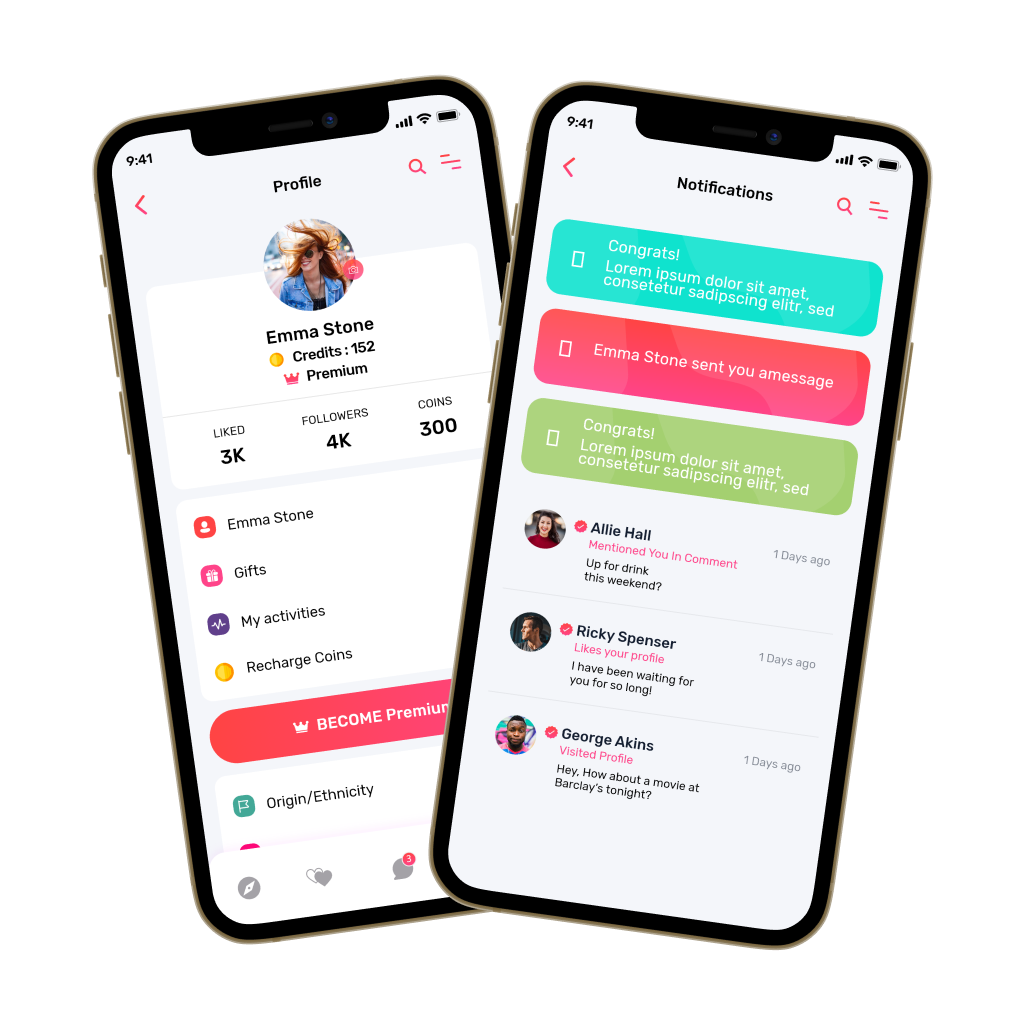
A ticket booking platform built for event-goers, organizers, community managers, and ticket checkers. Four separate roles, one connected system.

Project Summary

The platform covers the full event journey from discovery to booking to payment to entry, without requiring users or organizers to switch between separate tools.

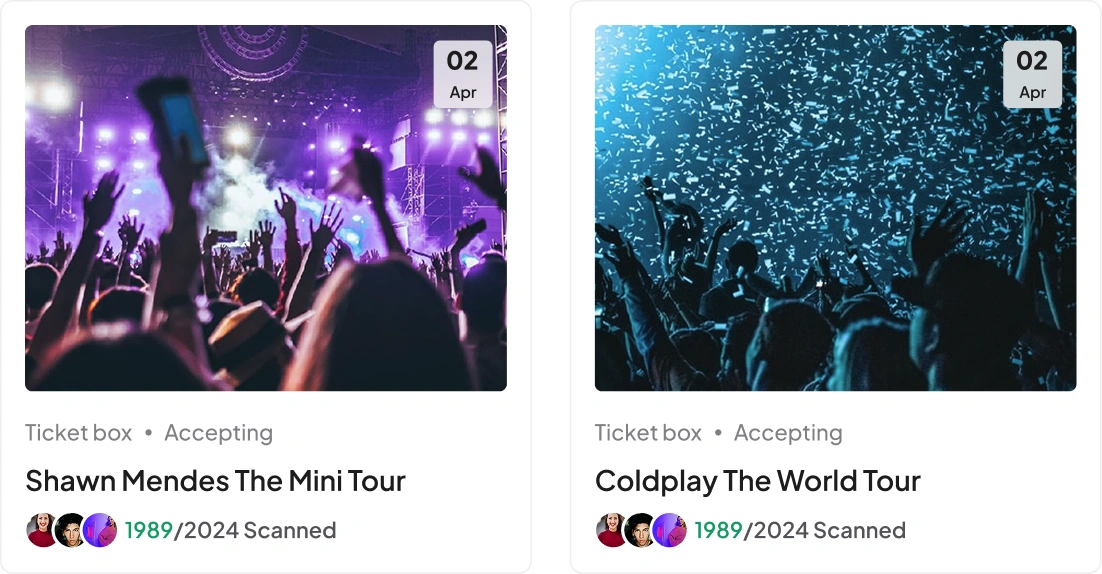
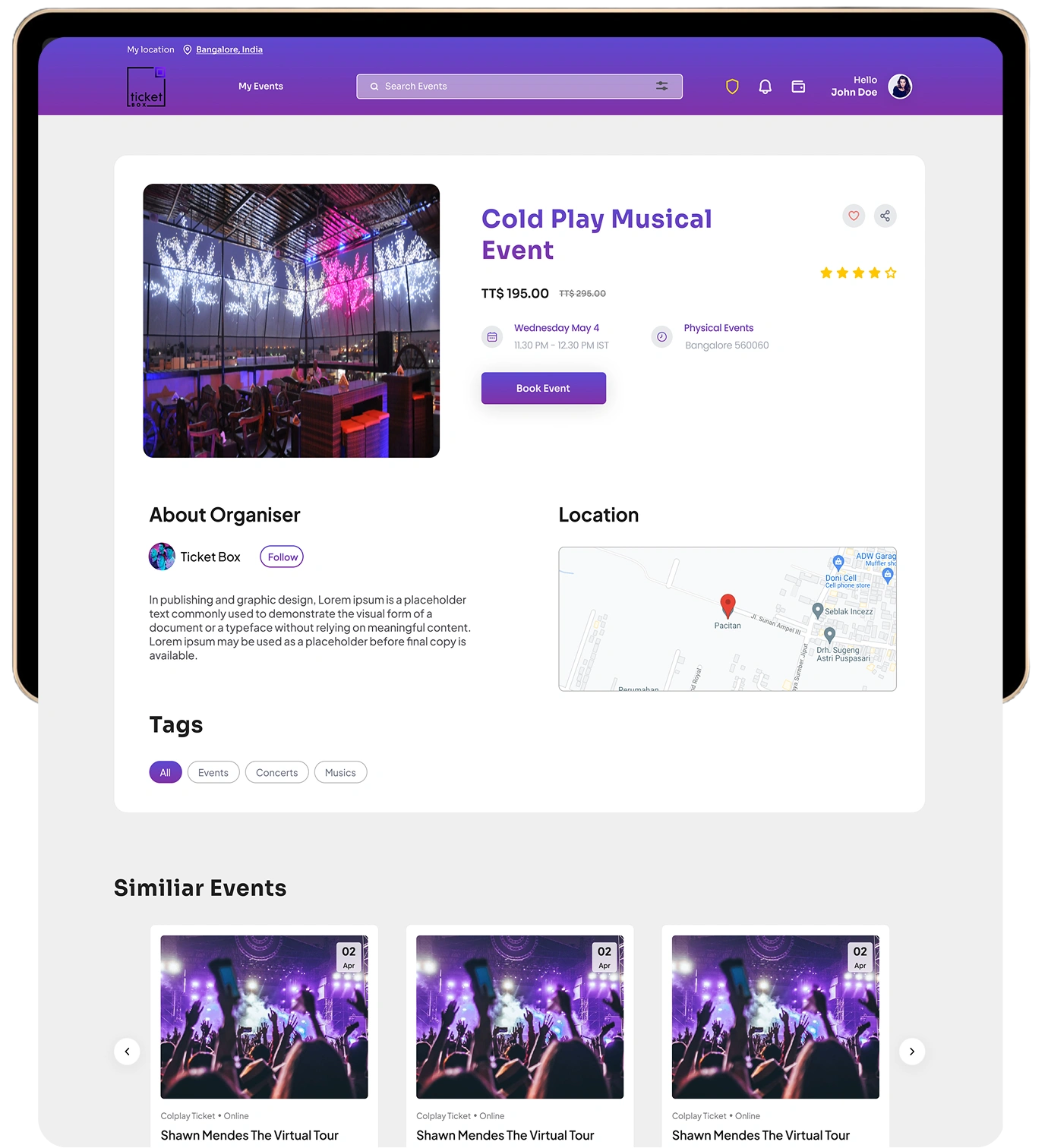
Ticket Box is a ticket booking platform where users can find and book events including movies, concerts, and sports matches without going through third-party resellers or coordinating manually with organizers.

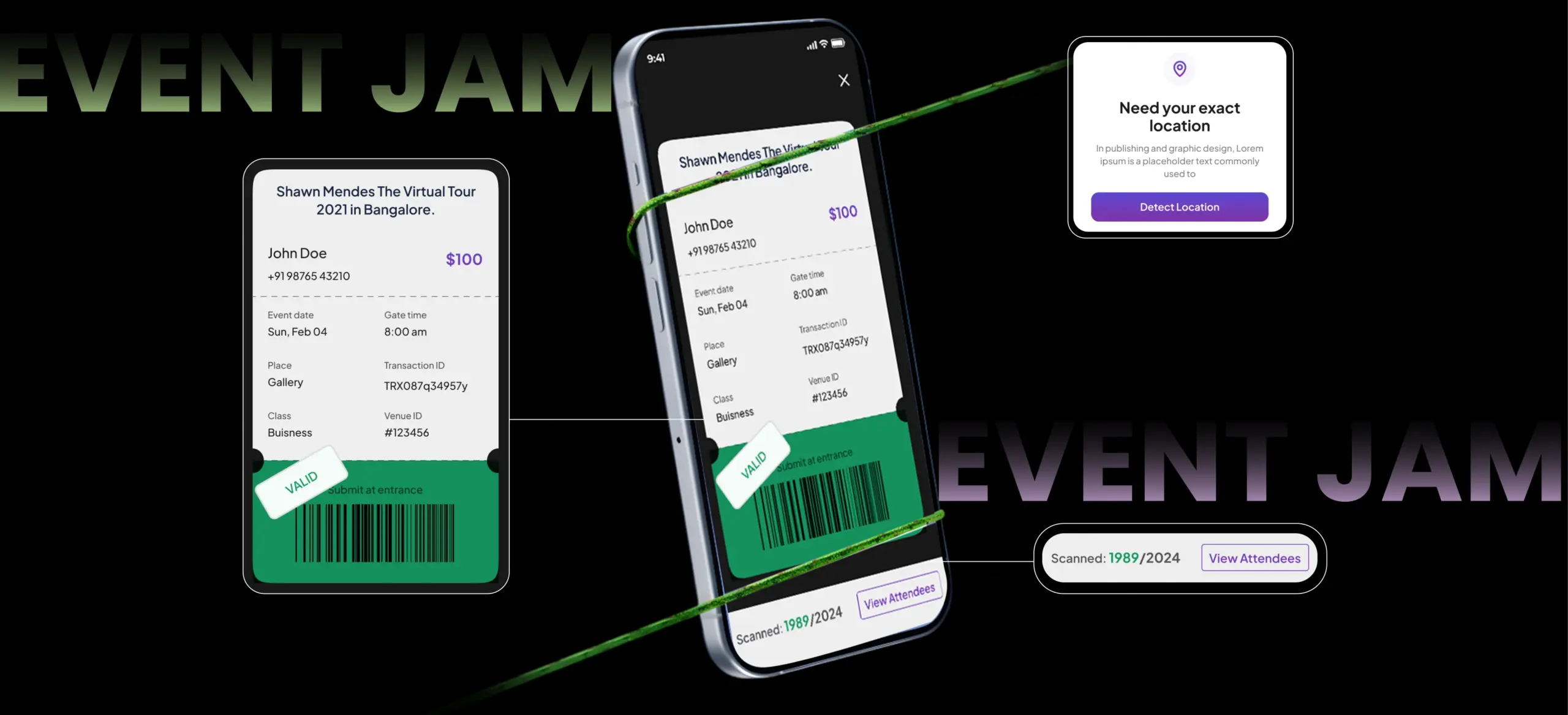
It serves four types of users. Regular attendees browse events and buy tickets. Event organizers list their events, manage bookings, and track earnings. Community managers review and approve booking requests for invite-based events. Ticket checkers scan QR codes and manage entry at the door.

It serves four types of users. Regular attendees browse events and buy tickets. Event organizers list their events, manage bookings, and track earnings. Community managers review and approve booking requests for invite-based events. Ticket checkers scan QR codes and manage entry at the door.

Client & Business Background

The client wanted a platform they owned outright, not a white-label workaround built on top of someone else’s infrastructure.

The client works in the live events and entertainment space, where most of the booking experience still relies on generic platforms not built with small or mid-size organizers in mind.

Their primary users are people between 18 and 45 who regularly attend movies, concerts, and local events. On the other side are event organizers ranging from independent promoters to institutional hosts who need more control over who attends their events and how bookings are managed.
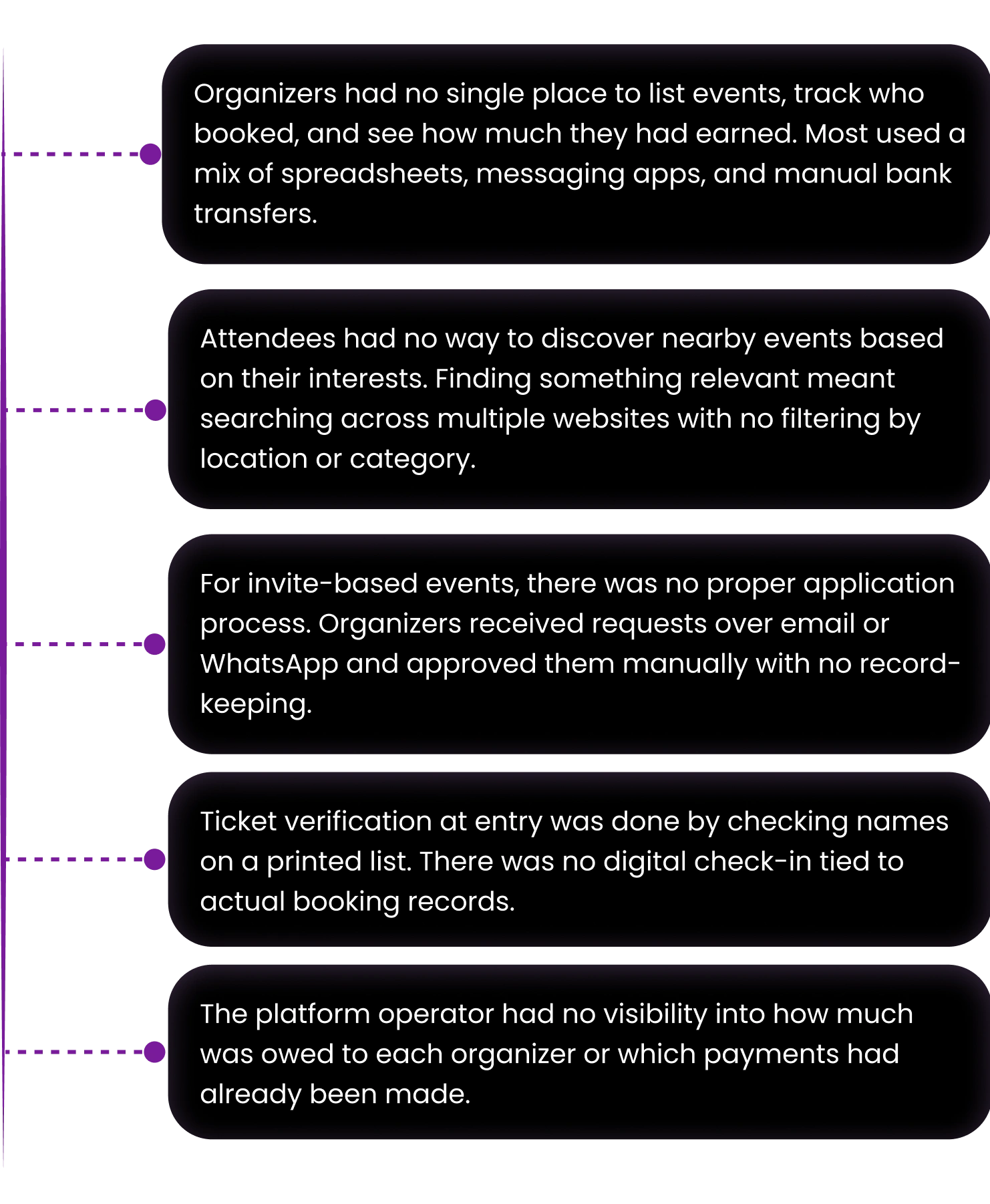
A key part of the client’s business involves events that are not open to everyone. Some events require applicants to submit a reason for attending or get approval before paying. No existing platform handled this type of booking in a structured way.

Objectives & Goals

The project had six clear outcomes the client wanted to achieve by the time the platform launched.

Problem Statement

The client wanted a platform they owned outright, not a white-label workaround built on top of someone else’s infrastructure.

Client Background

The client is a multi-specialty healthcare provider operating across outpatient clinics in the United States. The organization manages high patient volumes and relies on electronic health record systems for documentation and billing. 

The client is a multi-specialty healthcare provider operating  Their clinical teams were spending significant time on manual charting, leading to increased after-hours documentation and operational strain. They sought an AI-driven solution to reduce administrative workload while maintaining strict compliance and documentation accuracy.

Client Background

The client is a multi-specialty healthcare provider operating across outpatient clinics in the United States. The organization manages high patient volumes and relies on electronic health record systems for documentation and billing. 

Their clinical teams were spending significant time on manual charting, leading to increased after-hours documentation and operational strain. They sought an AI-driven solution to reduce administrative workload while maintaining strict compliance and documentation accuracy.

Business Challenge

Healthcare professionals were spending excessive hours on manual documentation. This created operational inefficiencies and increased burnout.

  • Inconsistent documentation formats
  • Limited contextual accuracy in transcription tools
  • Manual note-taking during consultations
  • After-hours charting that reduced work-life balance
  • Compliance and privacy concerns
  • High administrative costs

Key challenges included:

  • Manual note-taking during consultations
  • After-hours charting that reduced work-life balance
  • Inconsistent documentation formats
  • Limited contextual accuracy in transcription tools
  • Compliance and privacy concerns
  • High administrative costs

PROJECT OVERVIEW

The primary objectives were:

Our Solution

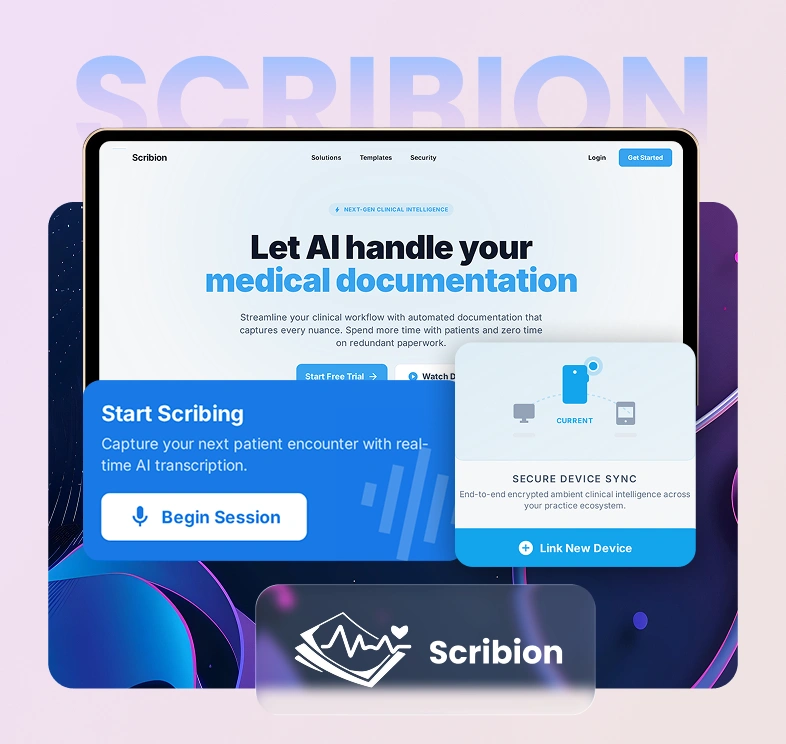
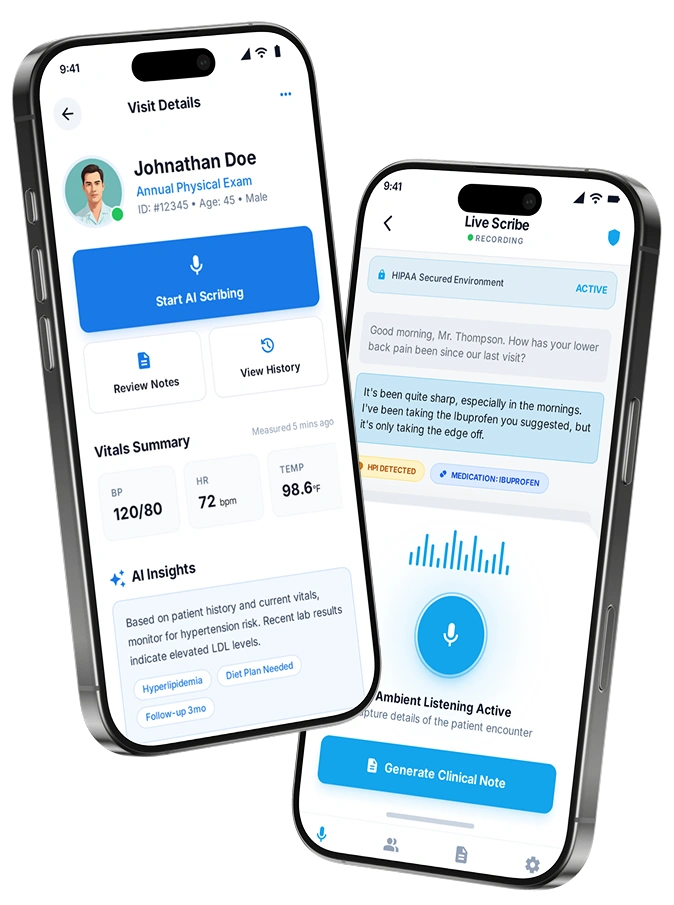
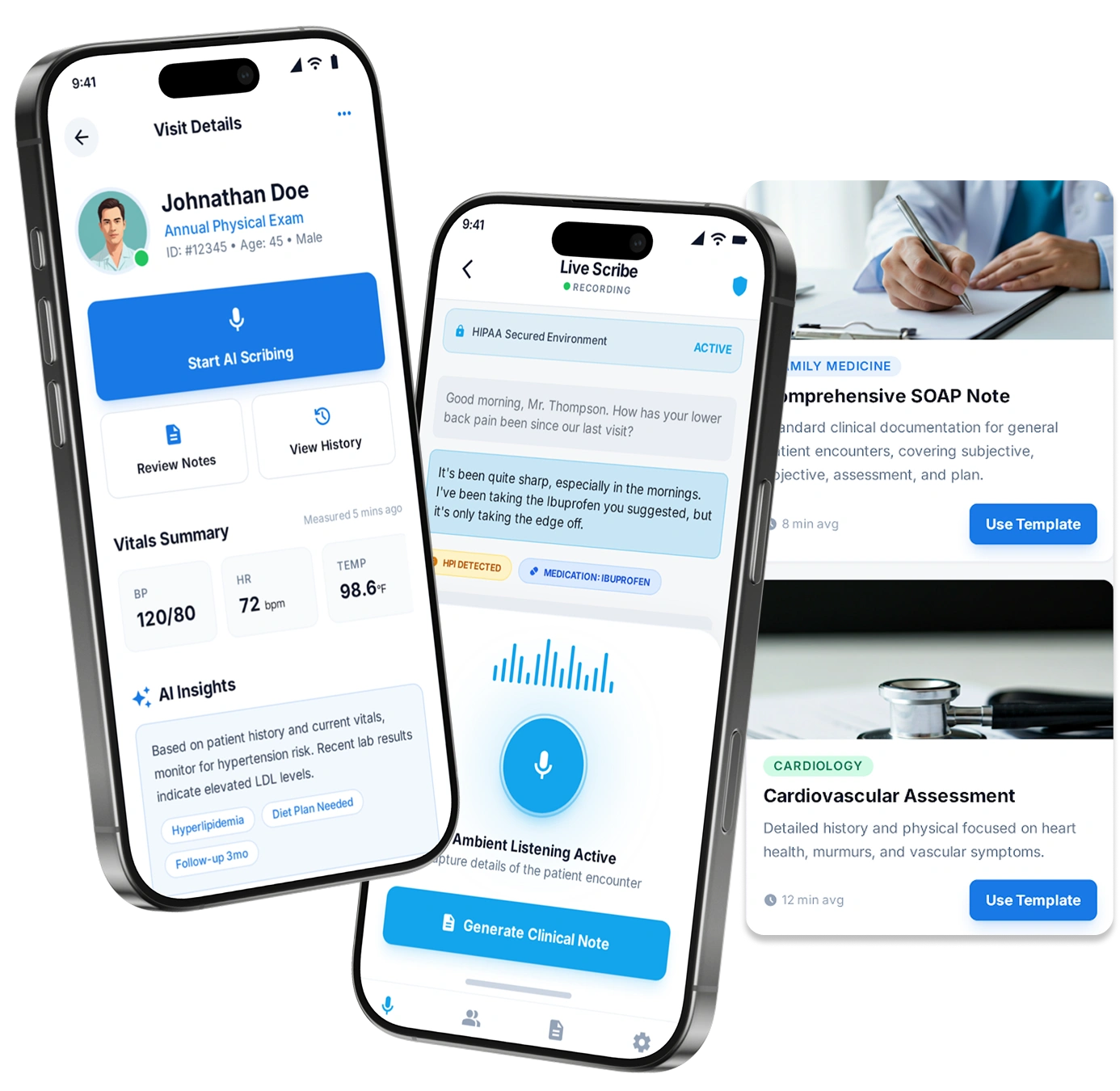
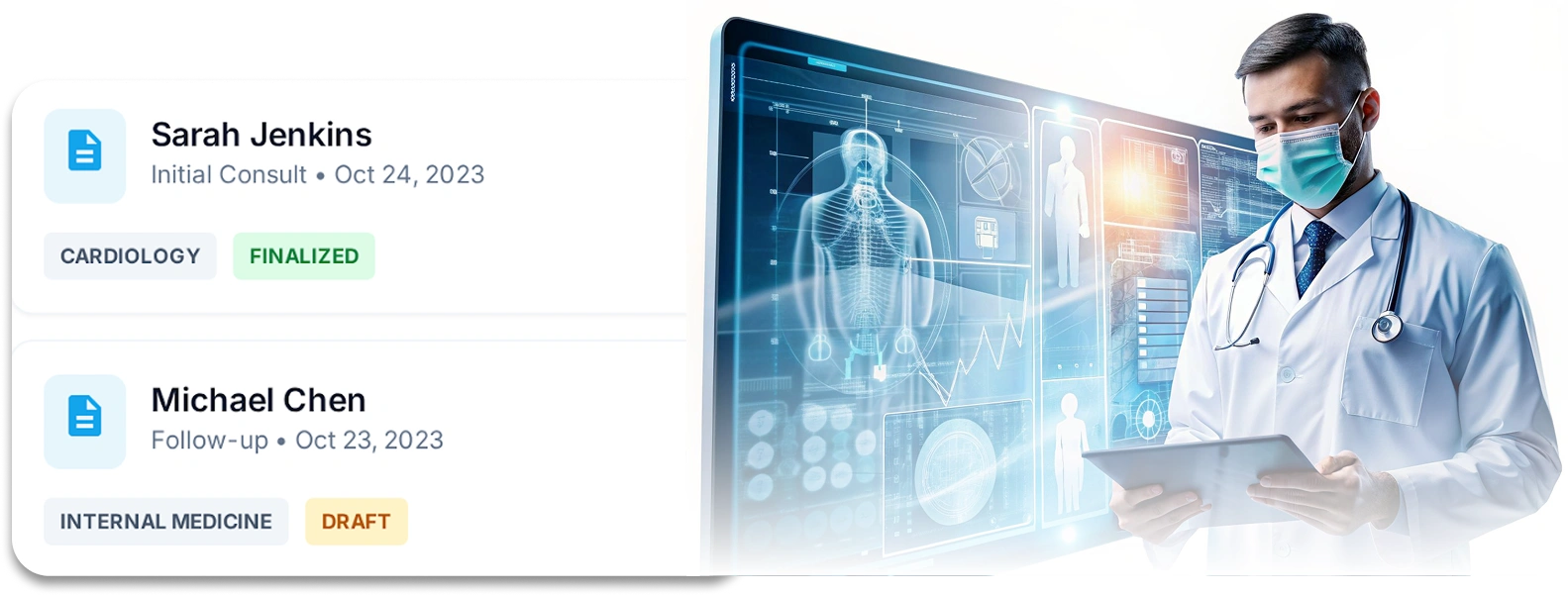
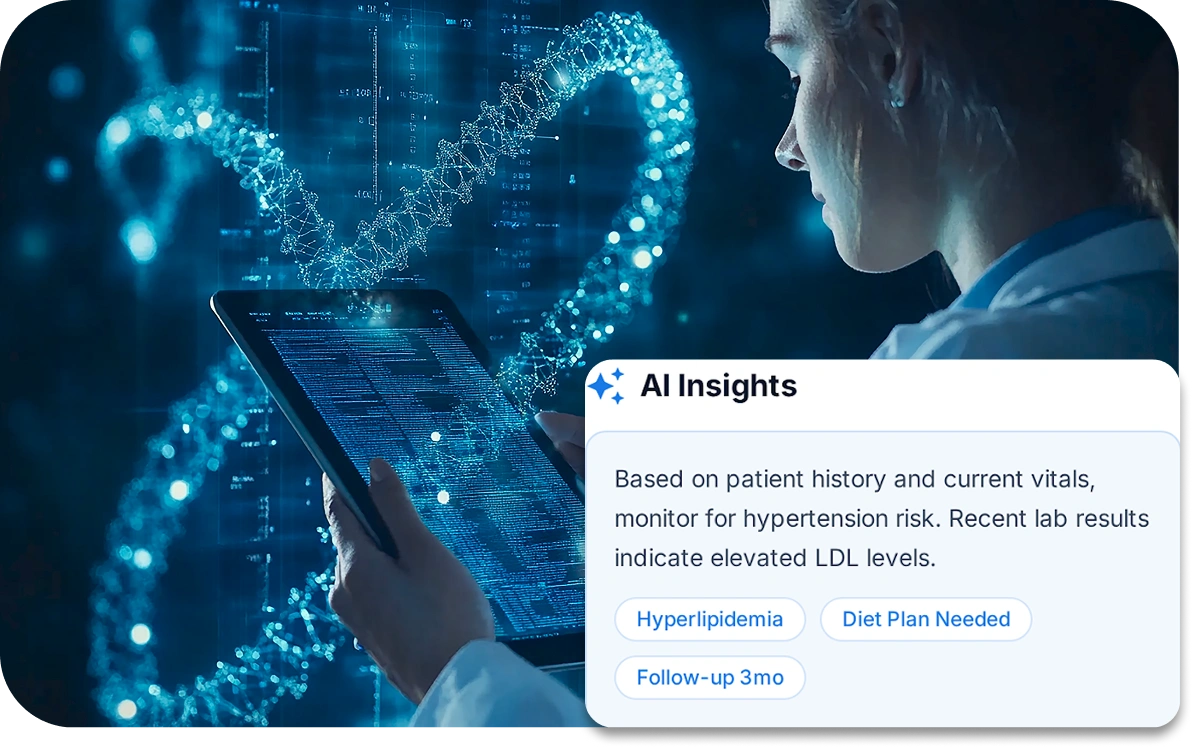
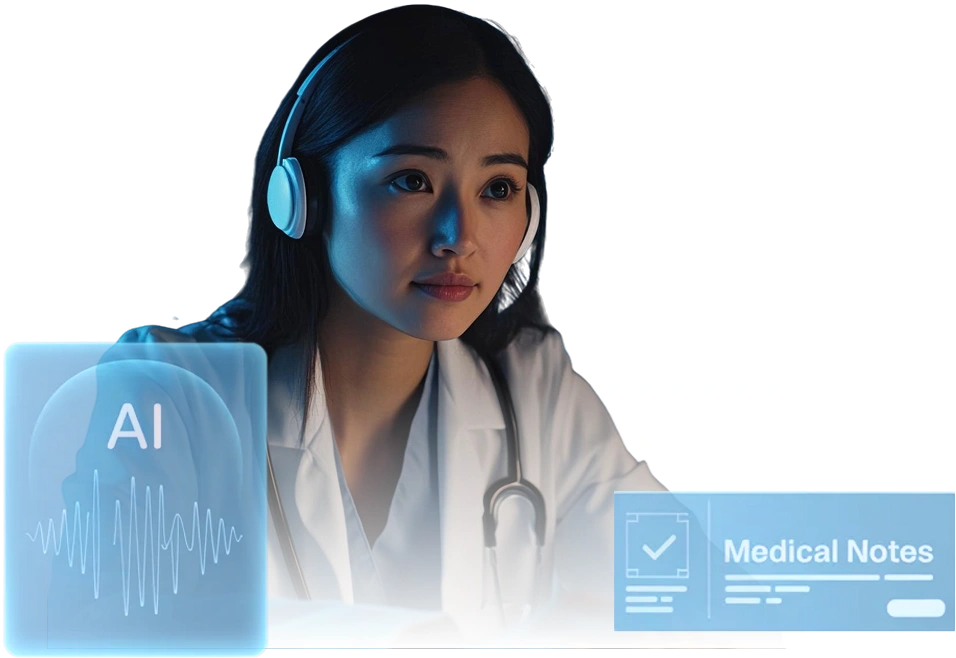
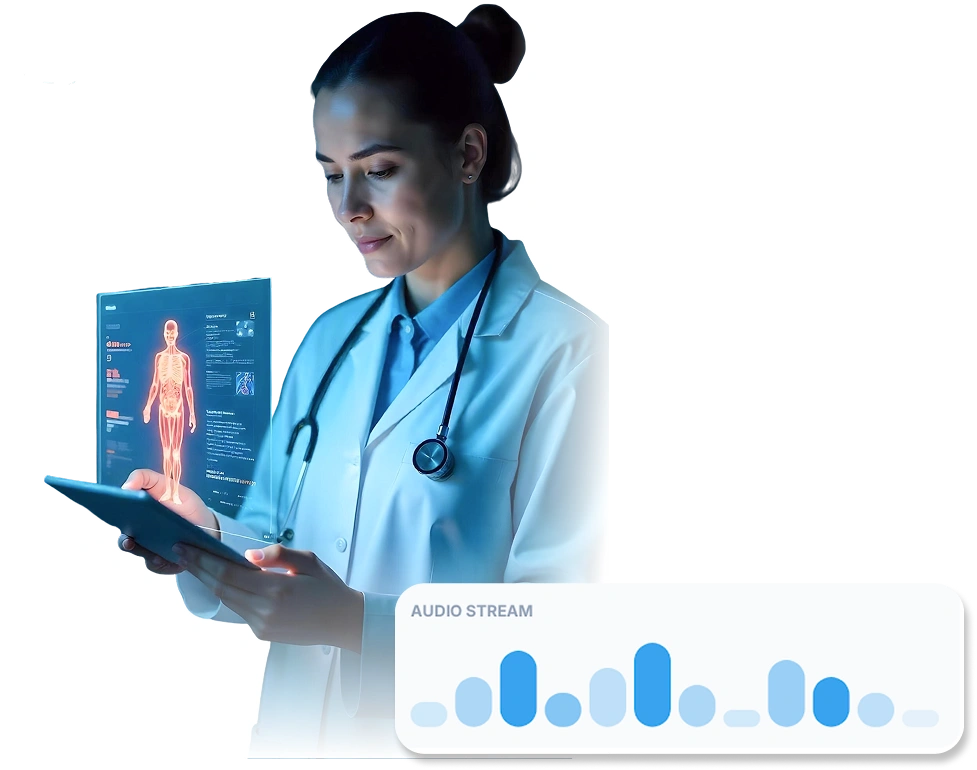
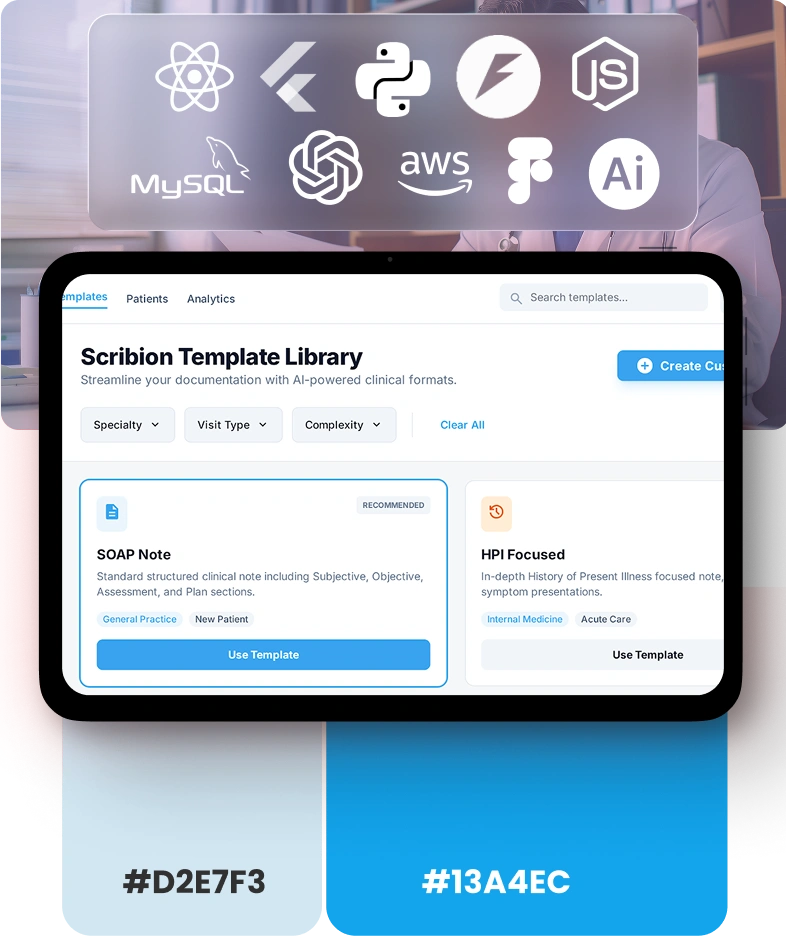
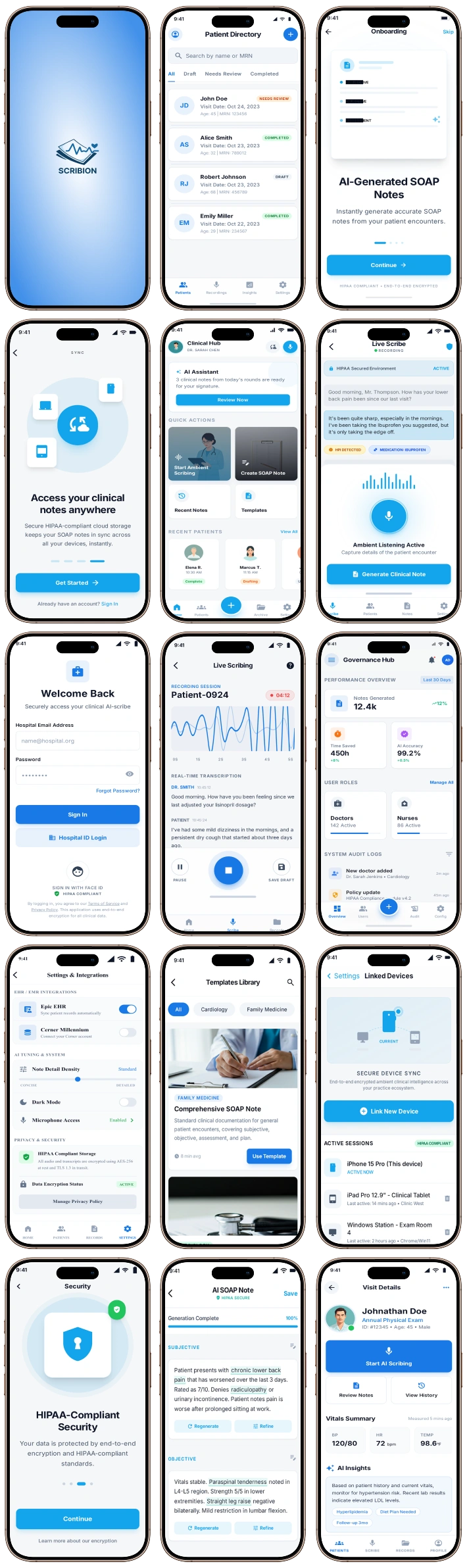
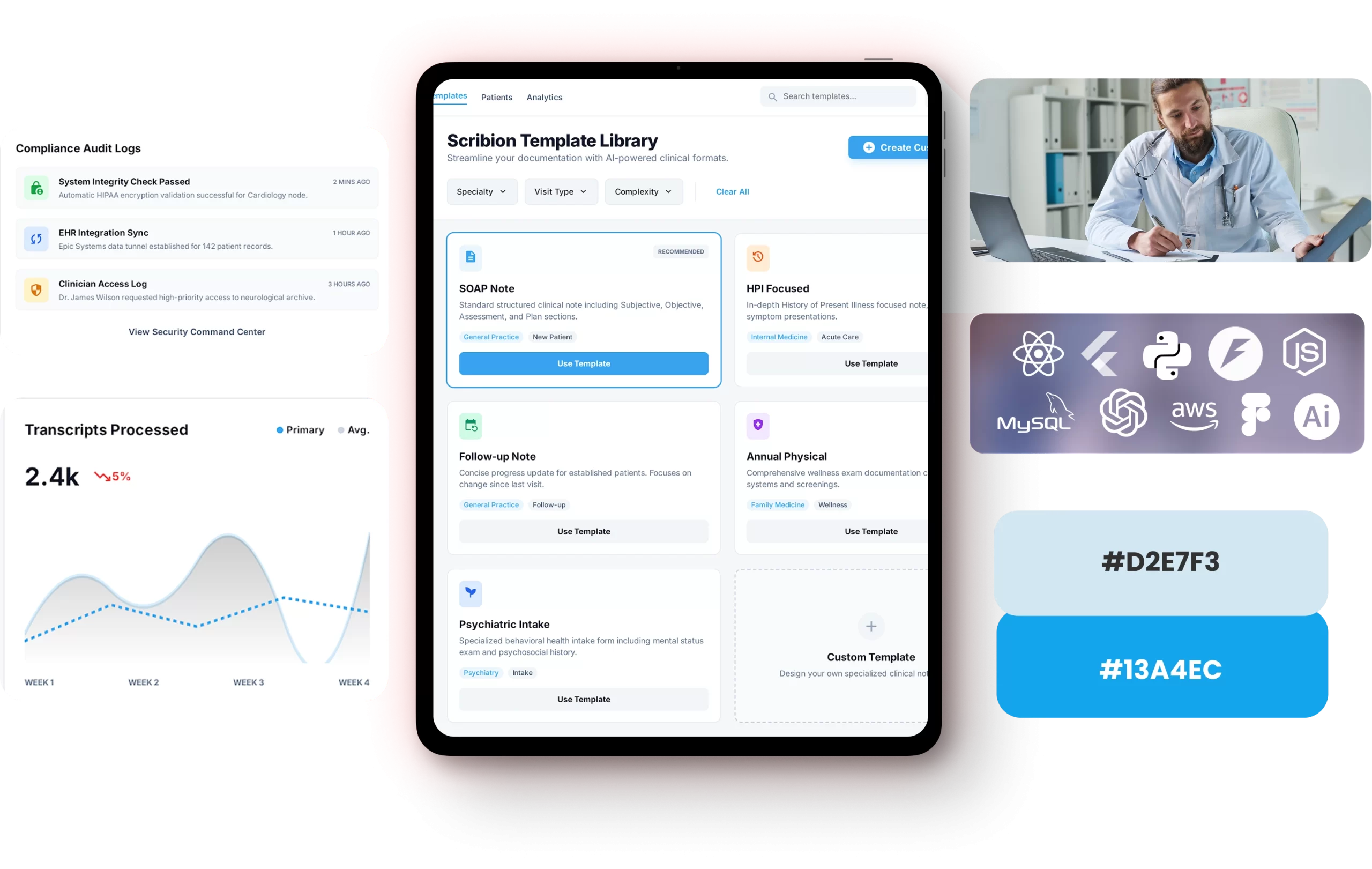
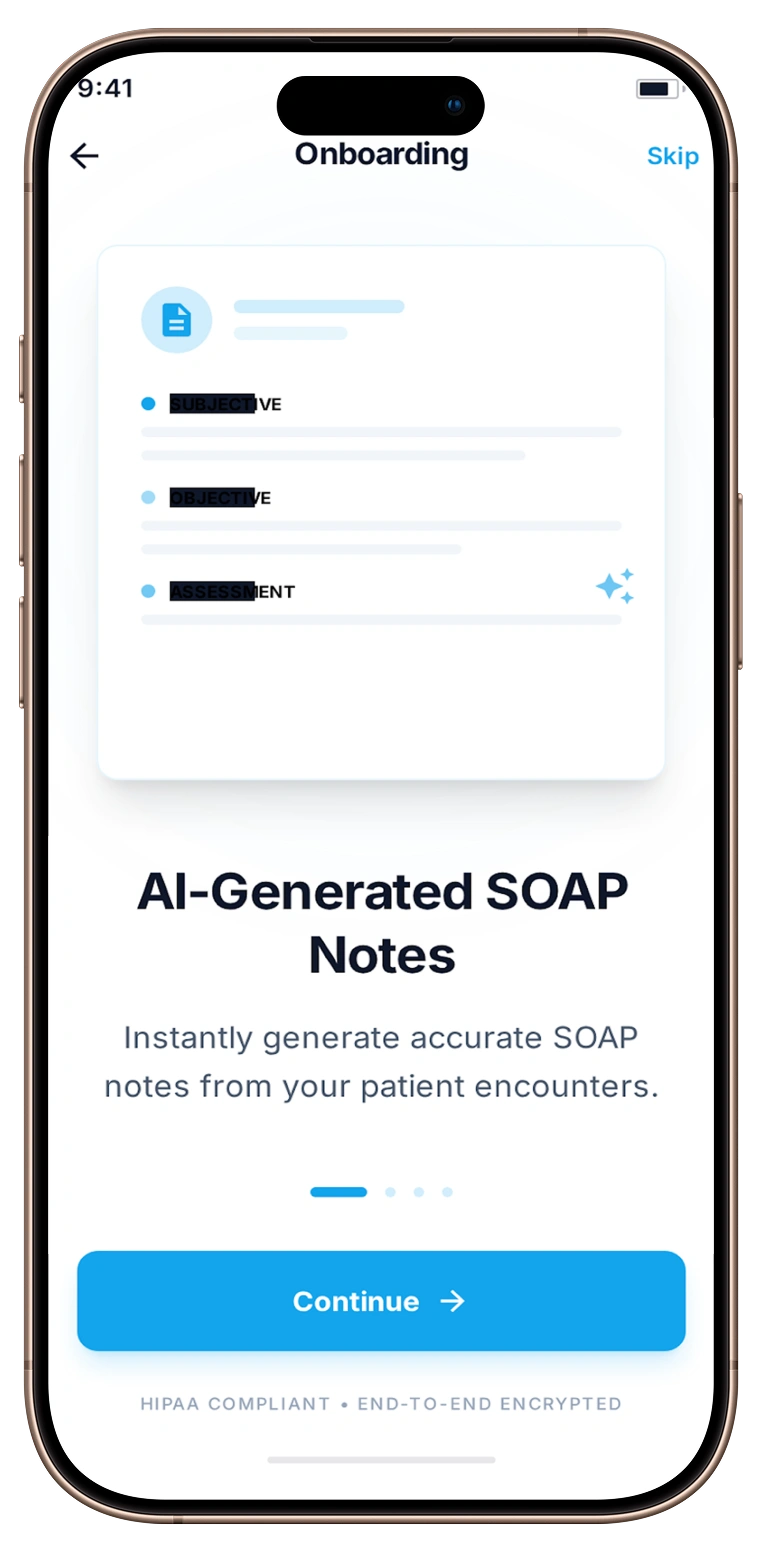
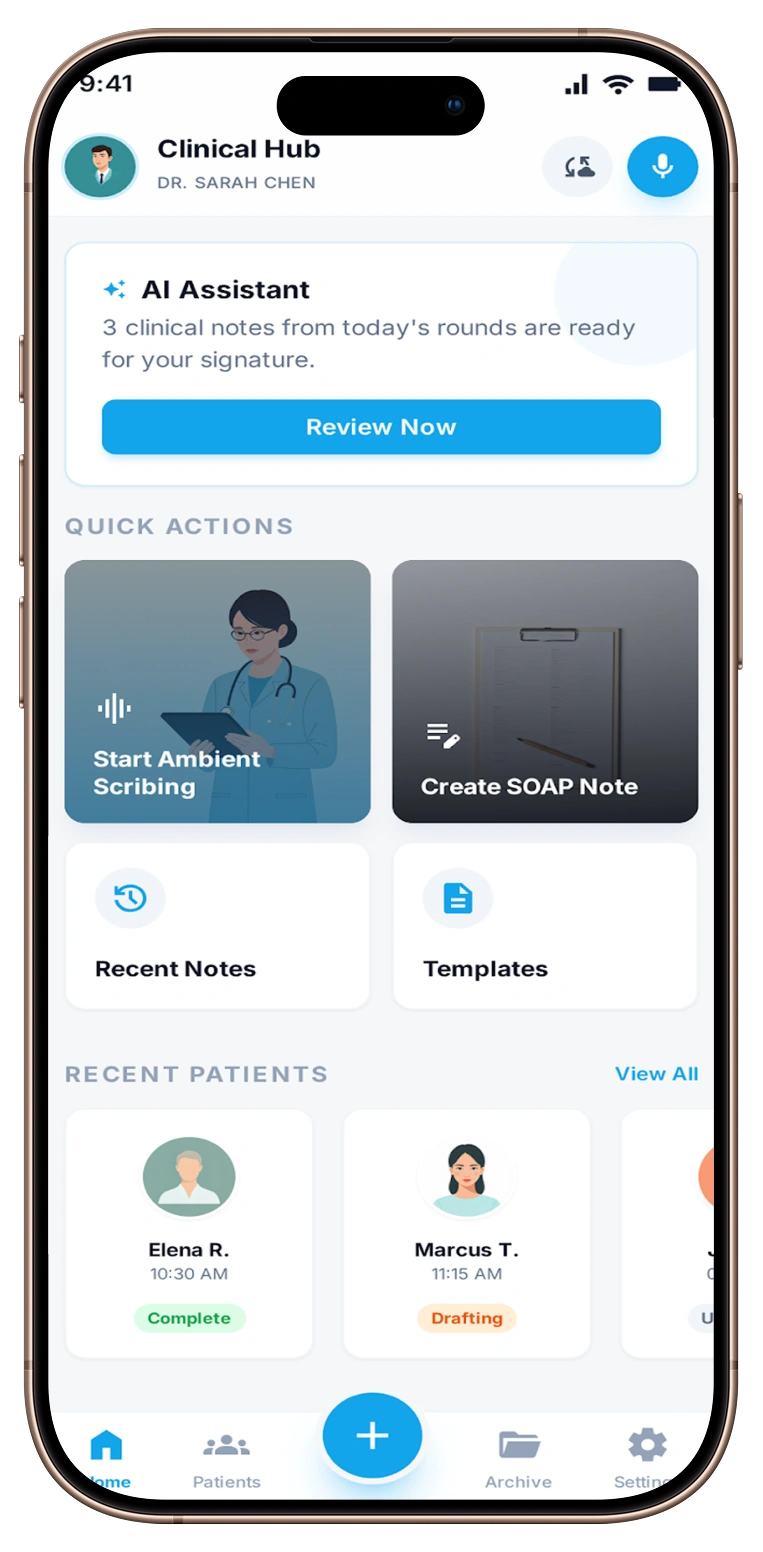
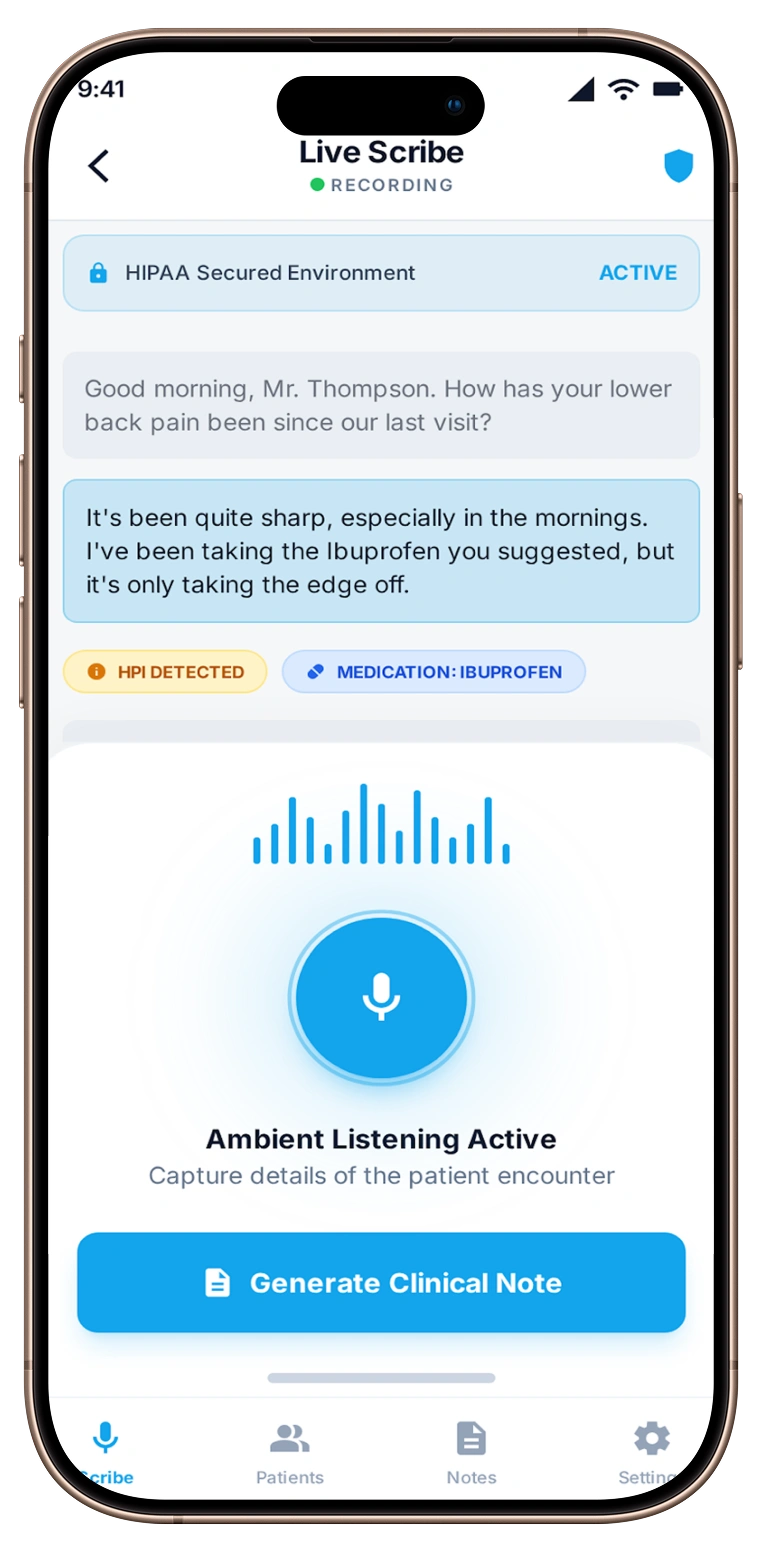
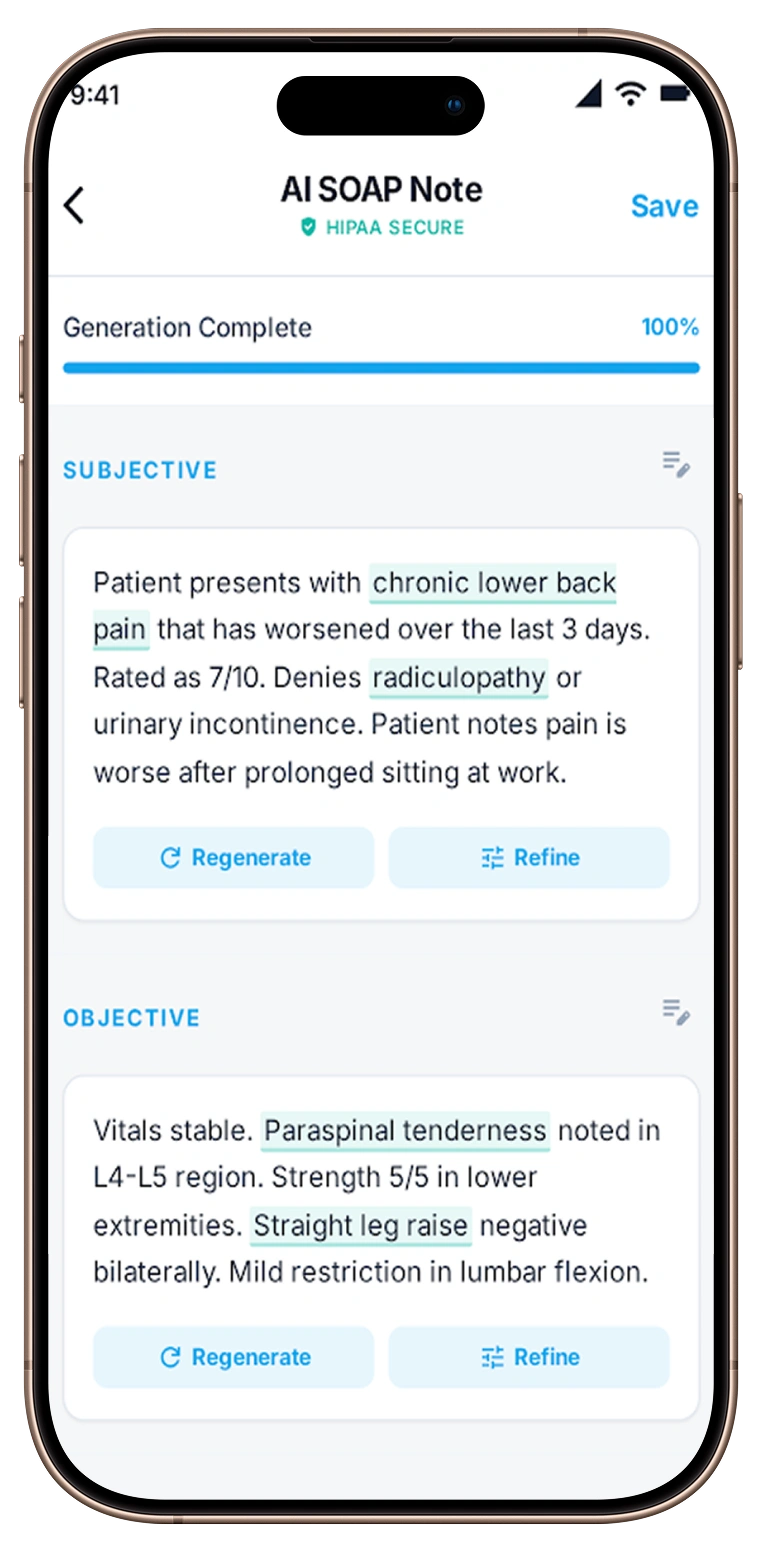
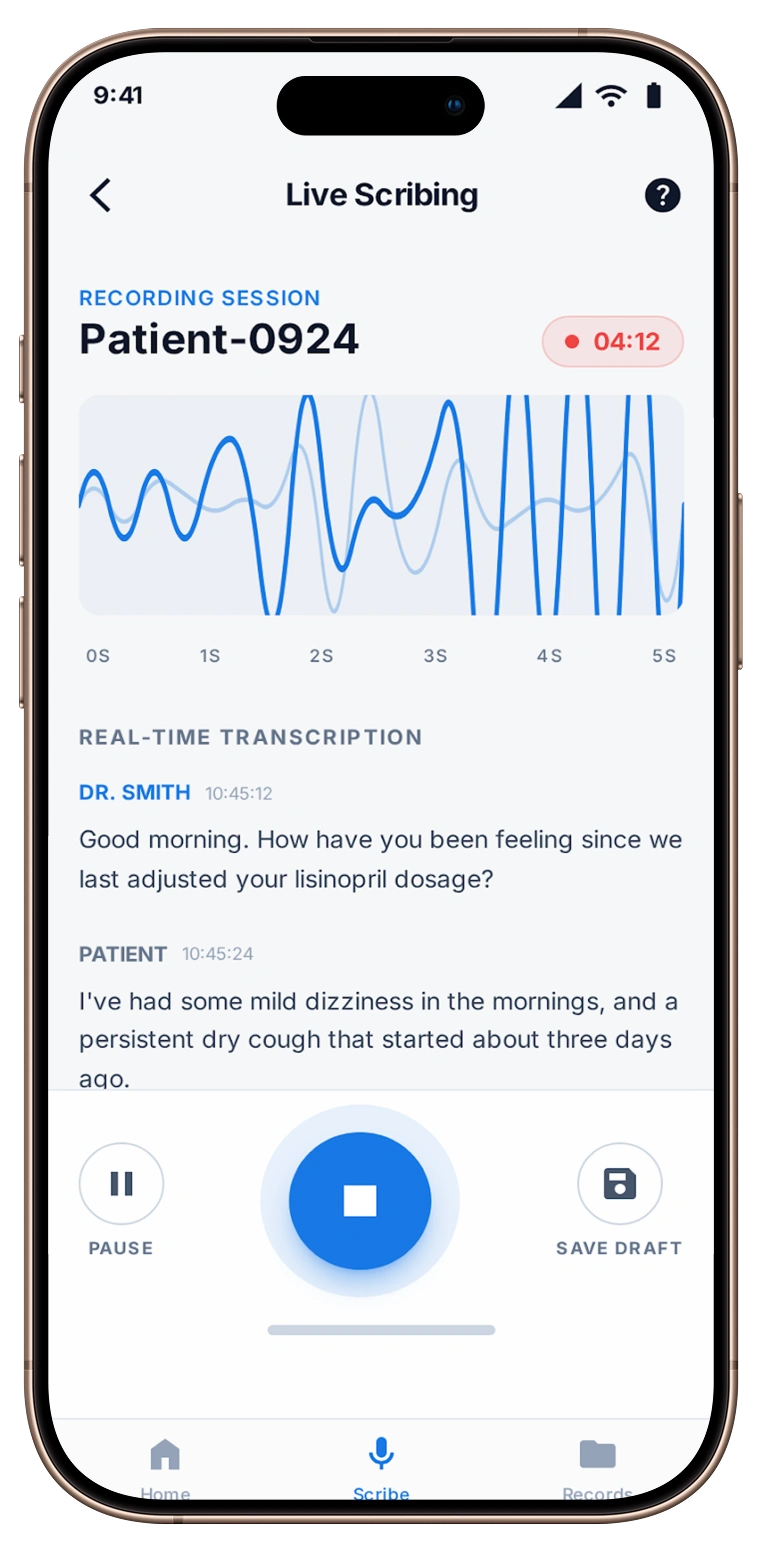
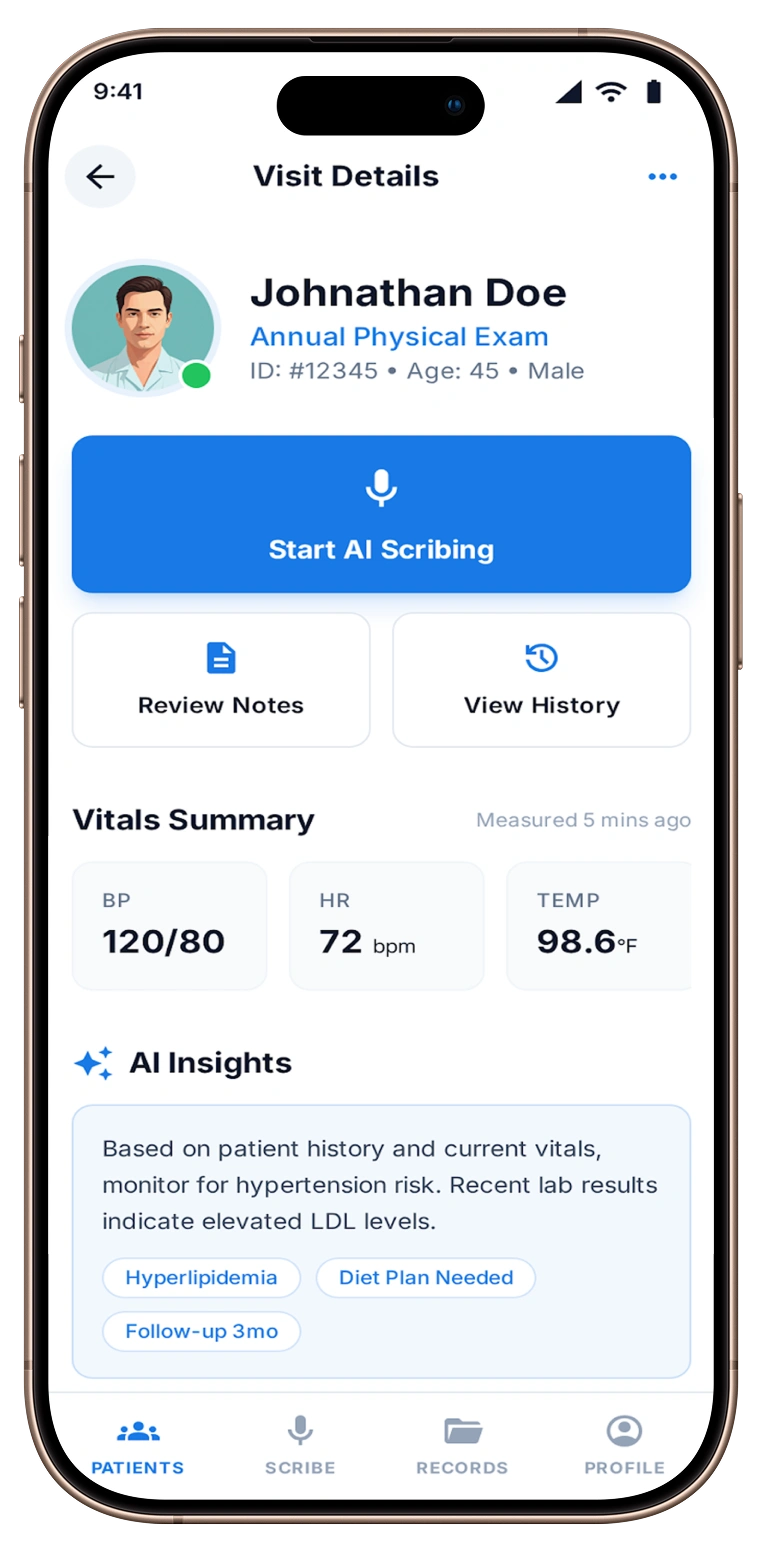
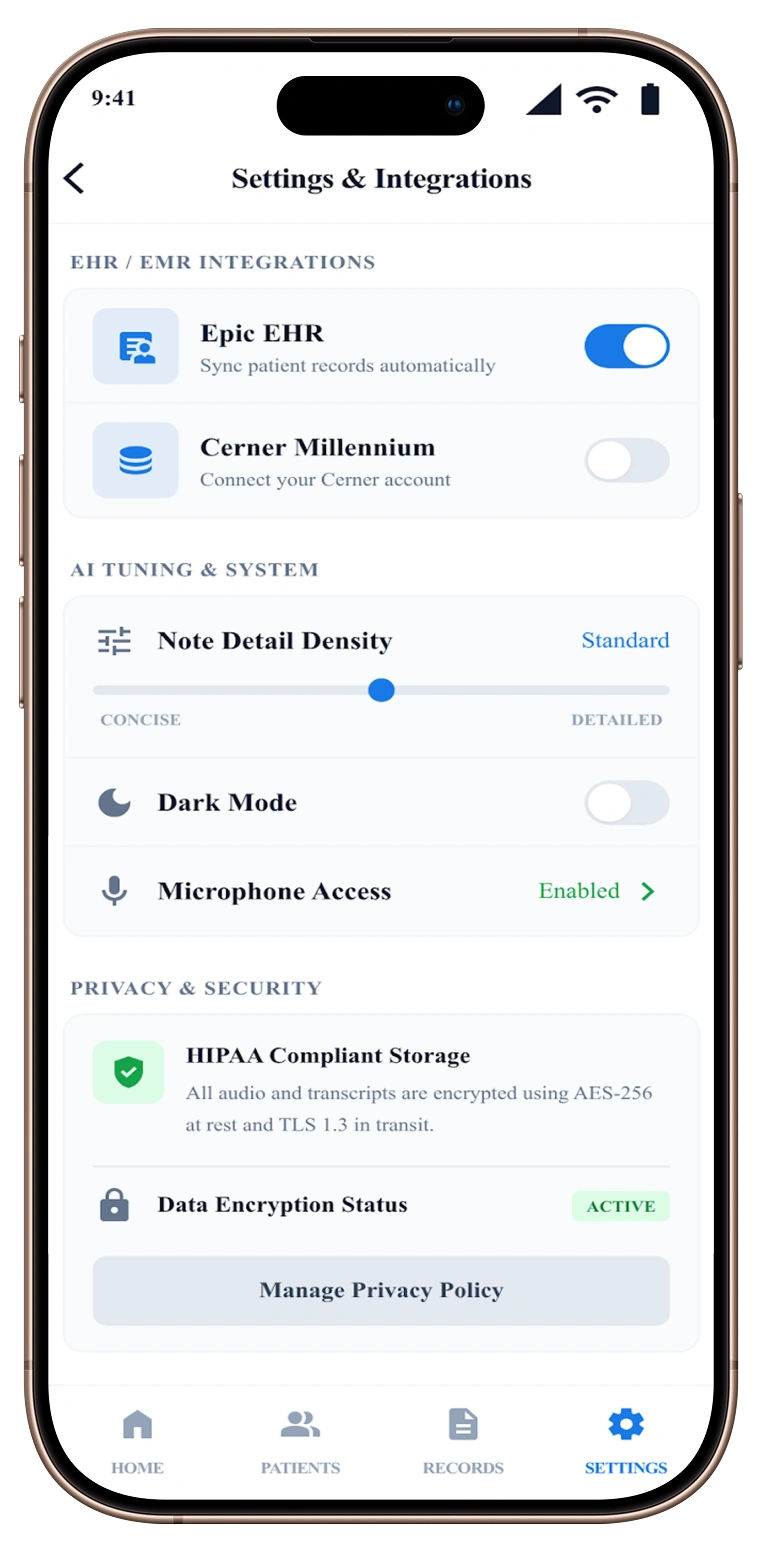
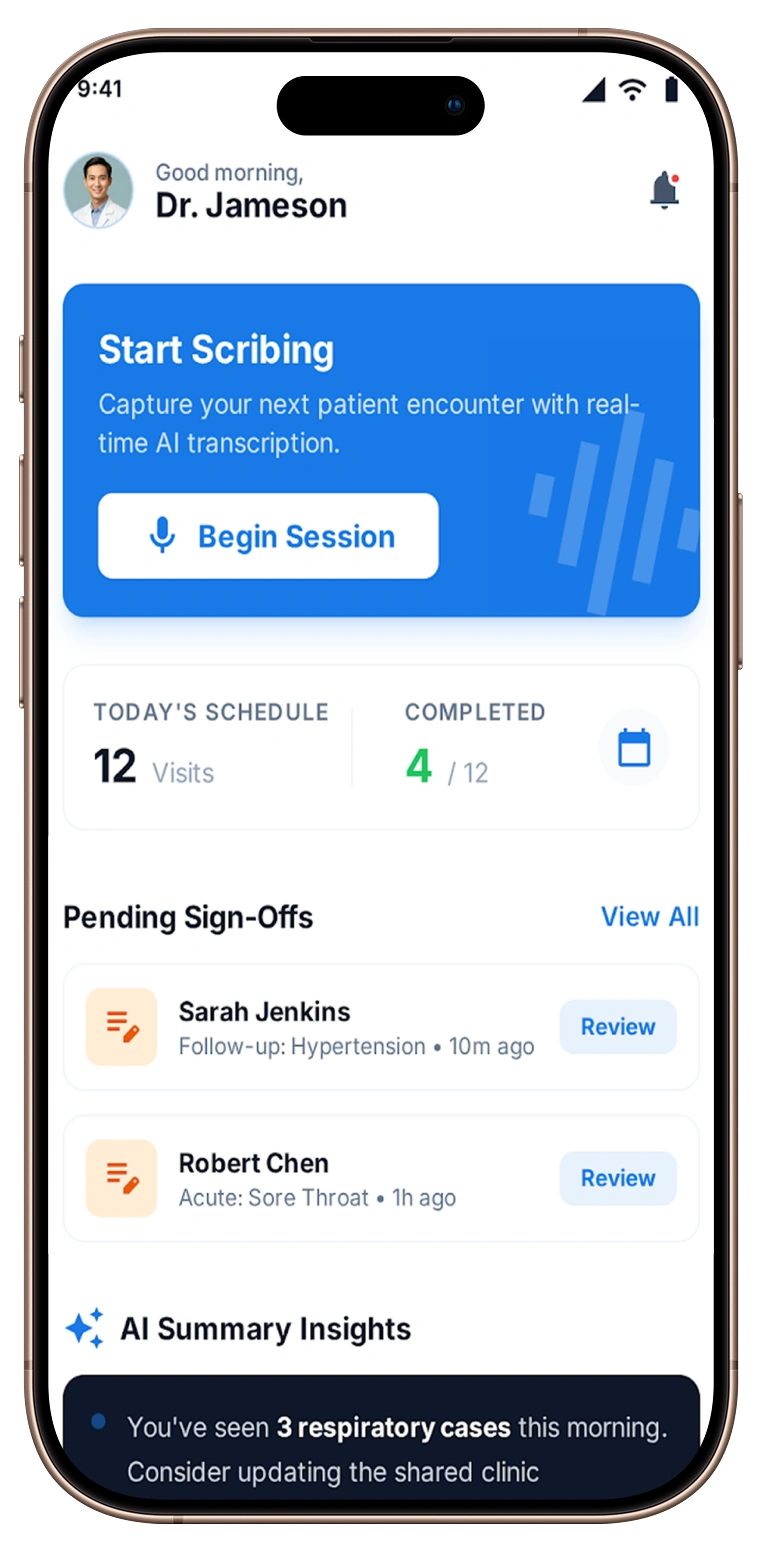
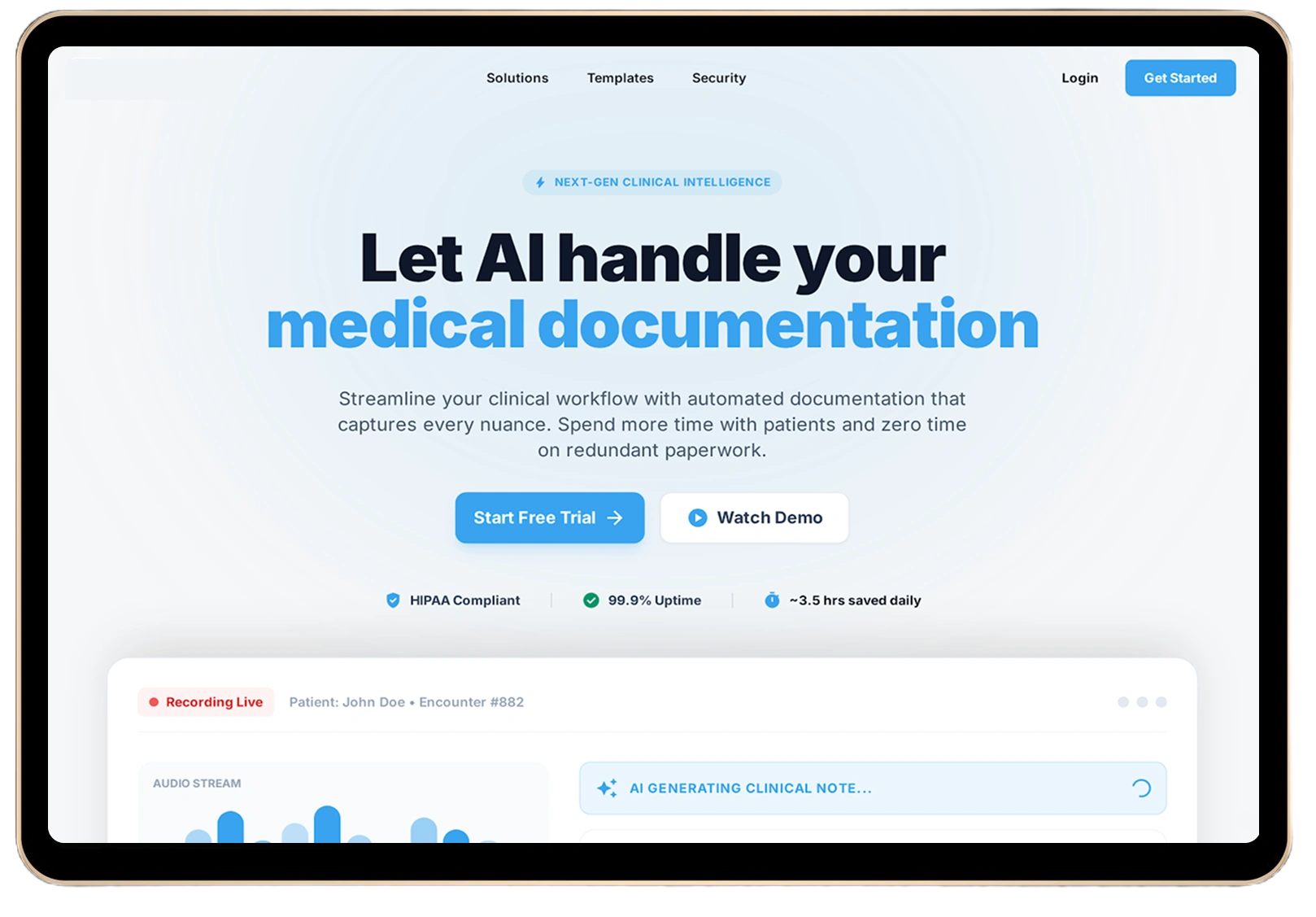
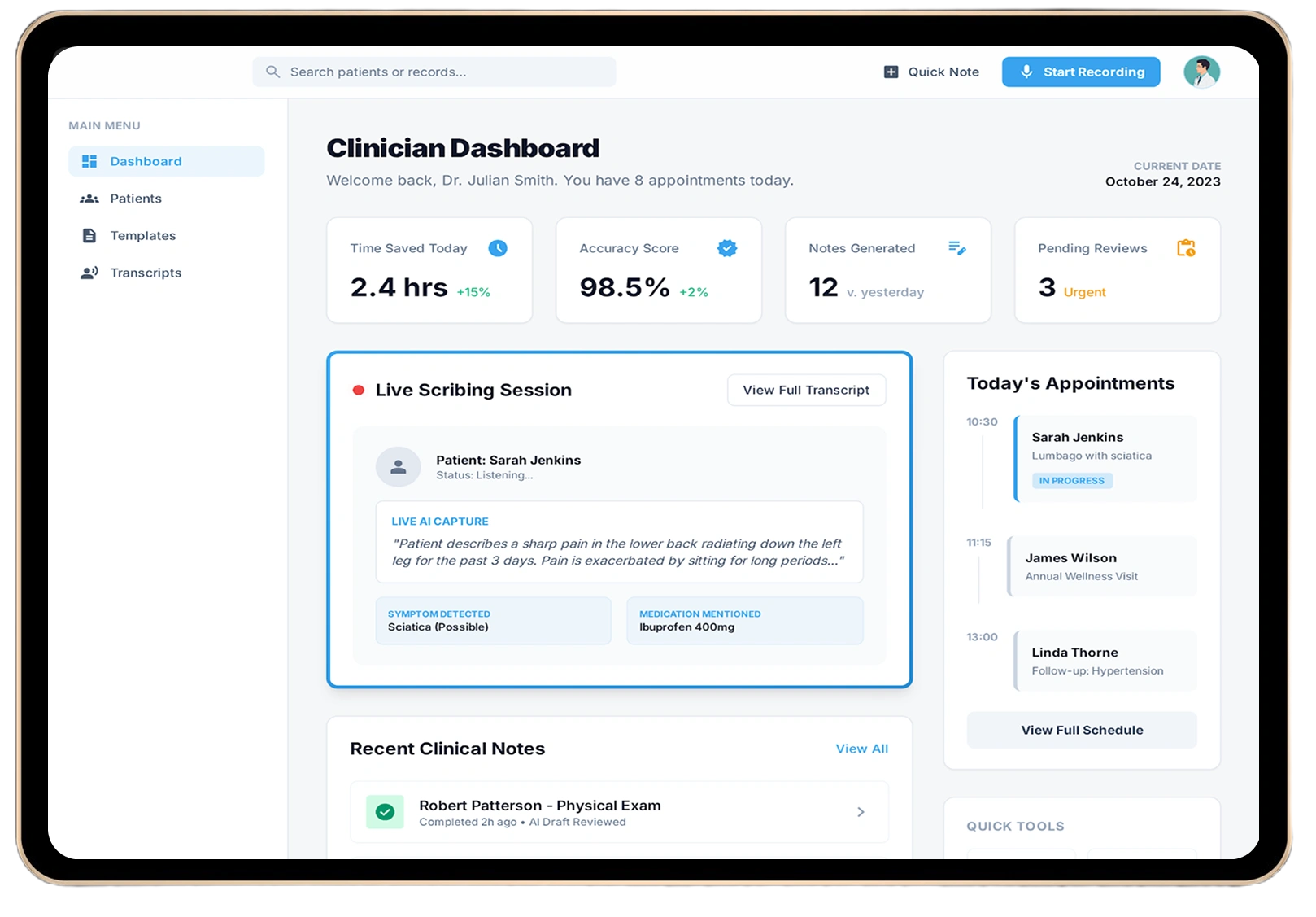
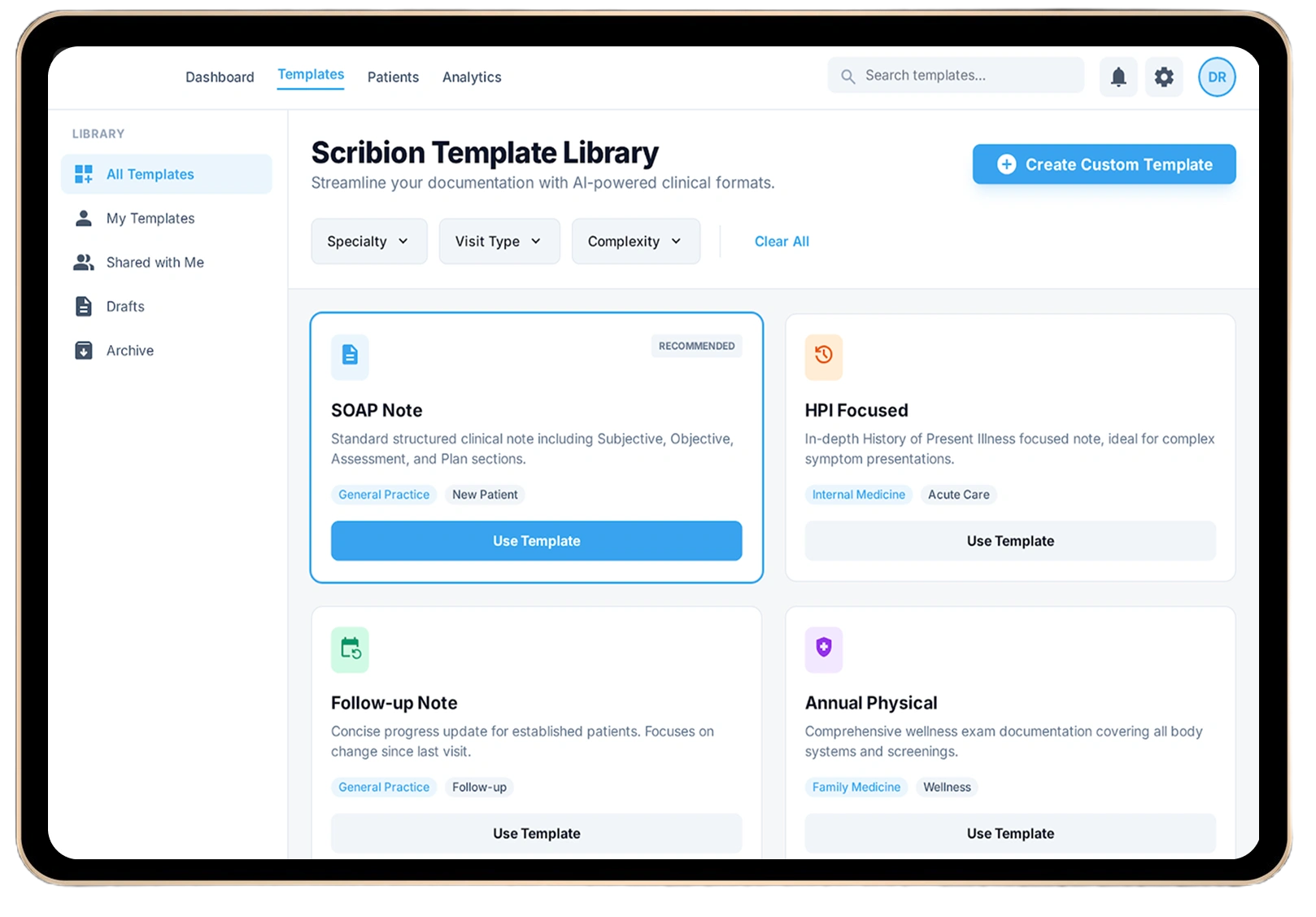
We built Scribion as an AI medical scribe platform that records consultations and generates SOAP notes in real time. Speech is processed by a medical-grade transcription engine based on OpenAI models, producing structured drafts clinicians can edit and export to EHRs. The platform enforces role-based access control and end-to-end encryption to meet compliance. Its cloud architecture scales from single clinics to multi-site networks.

Key Features

1

Real-Time Transcription

  • Capture patient–clinician conversations instantly.
  • Deliver high medical accuracy in speech recognition.
  • Enable focus on patient care during consultations.

2

AI-Generated SOAP Notes

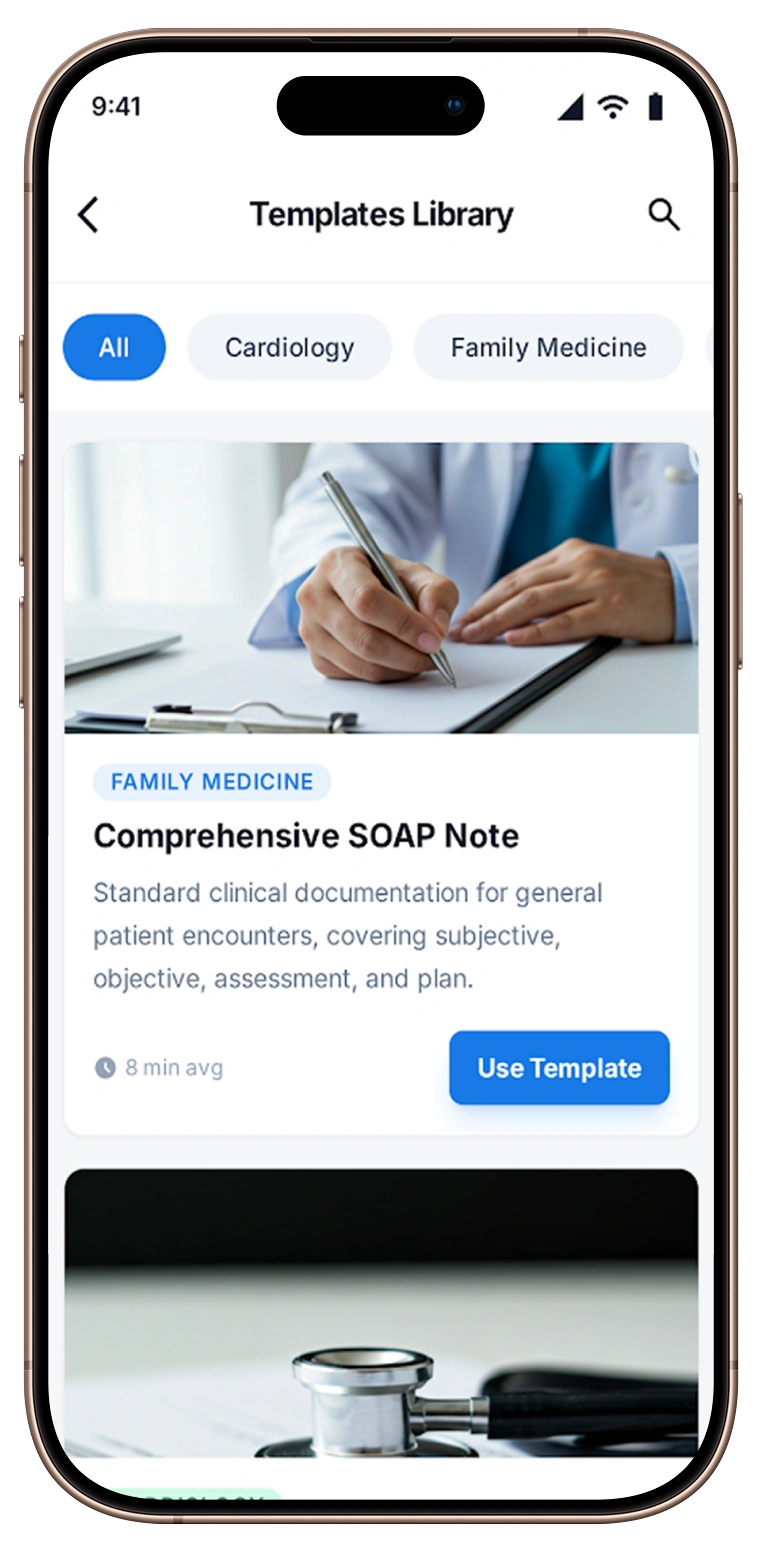
  • Automatically structure notes into SOAP format.
  • Summarize key clinical details accurately.
  • Prepare documentation for quick review and export.

3

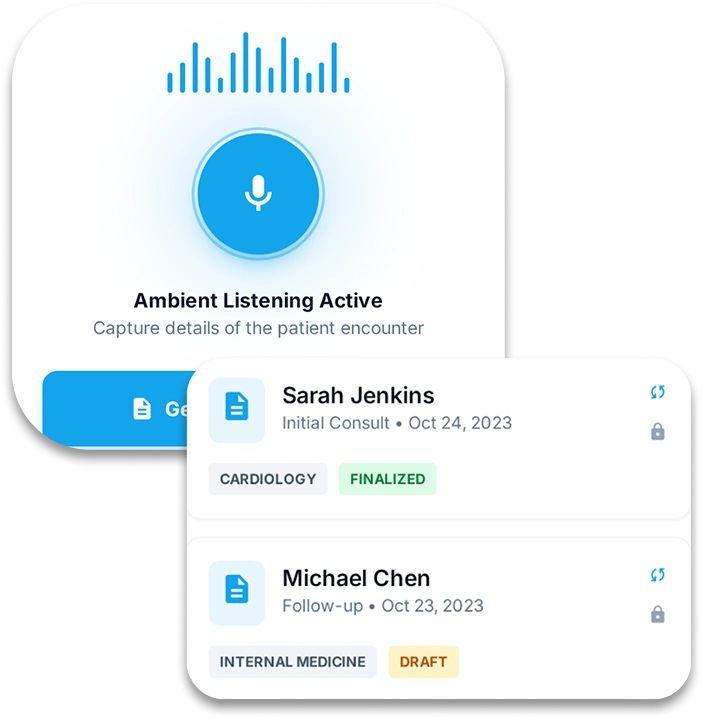
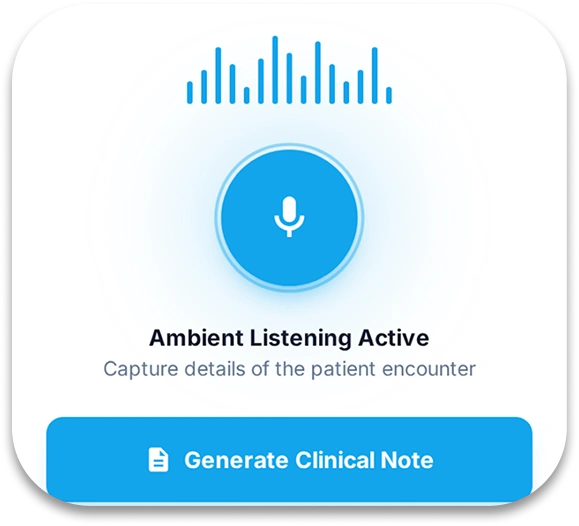
Ambient Voice Capture

  • Record consultations passively.
  • Maintain natural conversation flow.
  • Eliminate manual typing during visits.

4

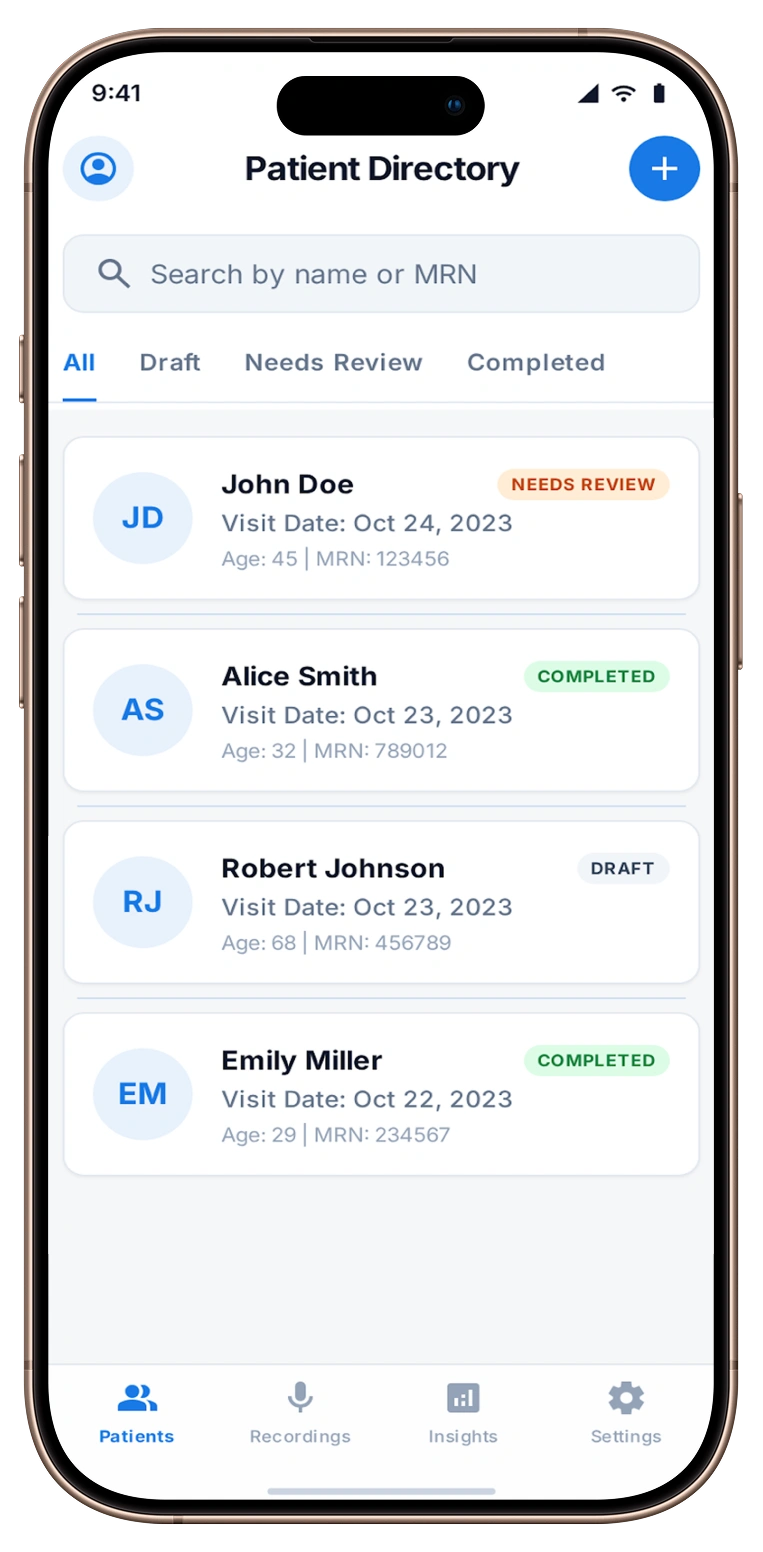
Editable Draft Notes

  • Review AI-generated drafts before submission.
  • Edit or annotate notes as required.
  • Ensure clinical accuracy and validation.

5

Ambient Voice Capture

  • Export finalized notes in standardized formats.
  • Integrate smoothly with existing EHR systems.
  • Reduce duplicate data entry.

6

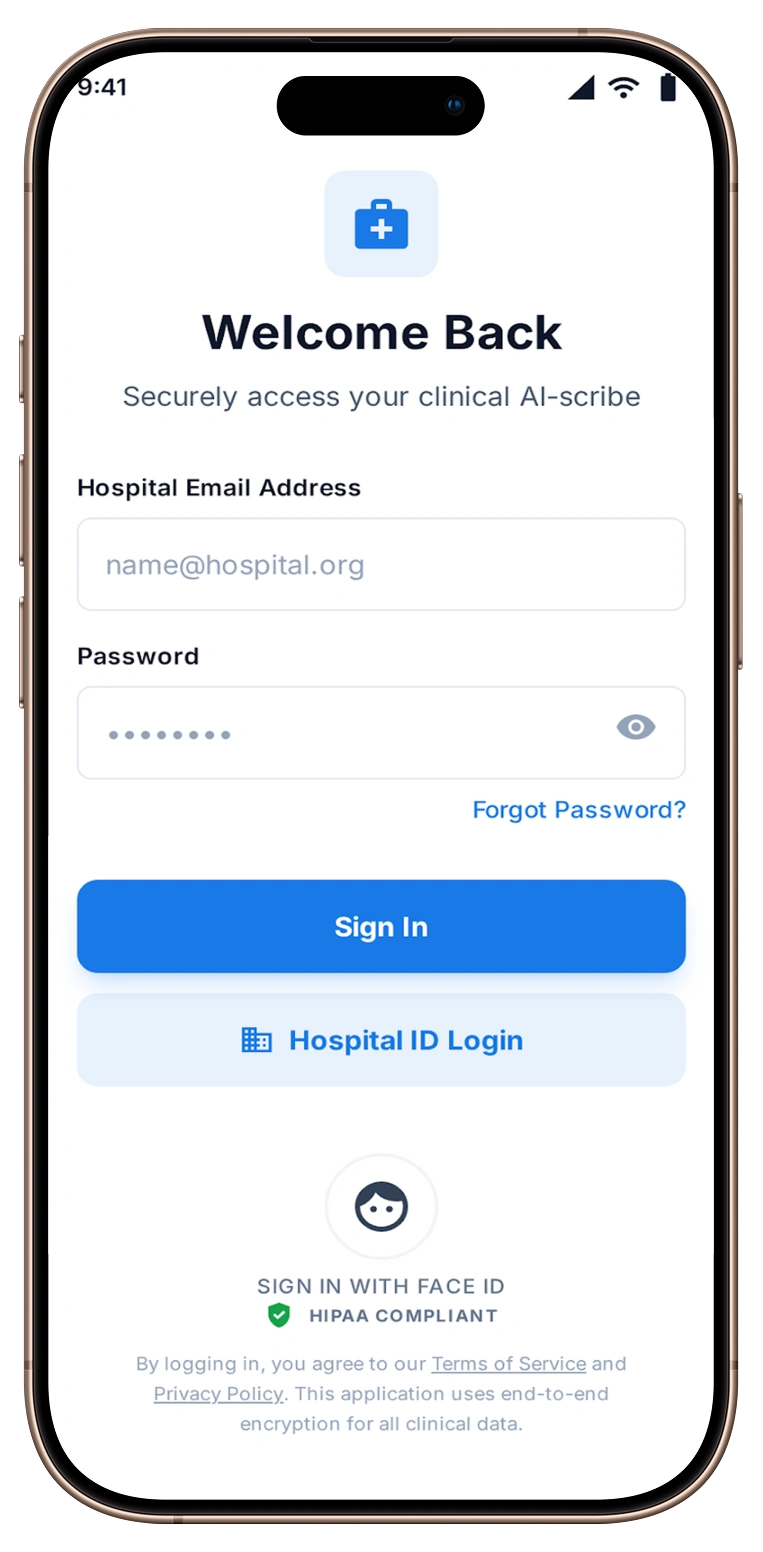
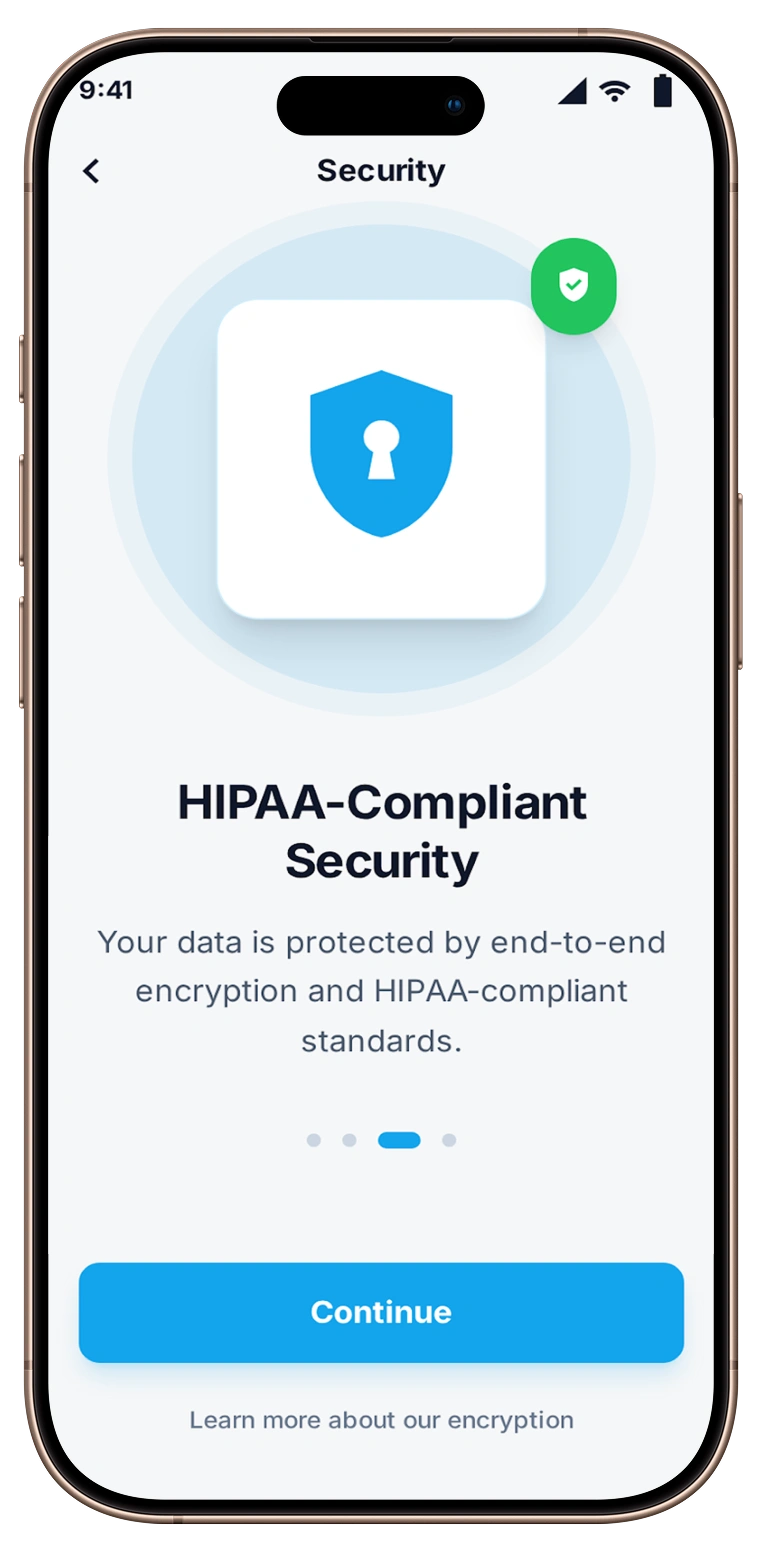
HIPAA-Compliant Security

  • Encrypt voice data and clinical notes.
  • Maintain secure cloud storage.
  • Support healthcare-grade compliance standards.

7

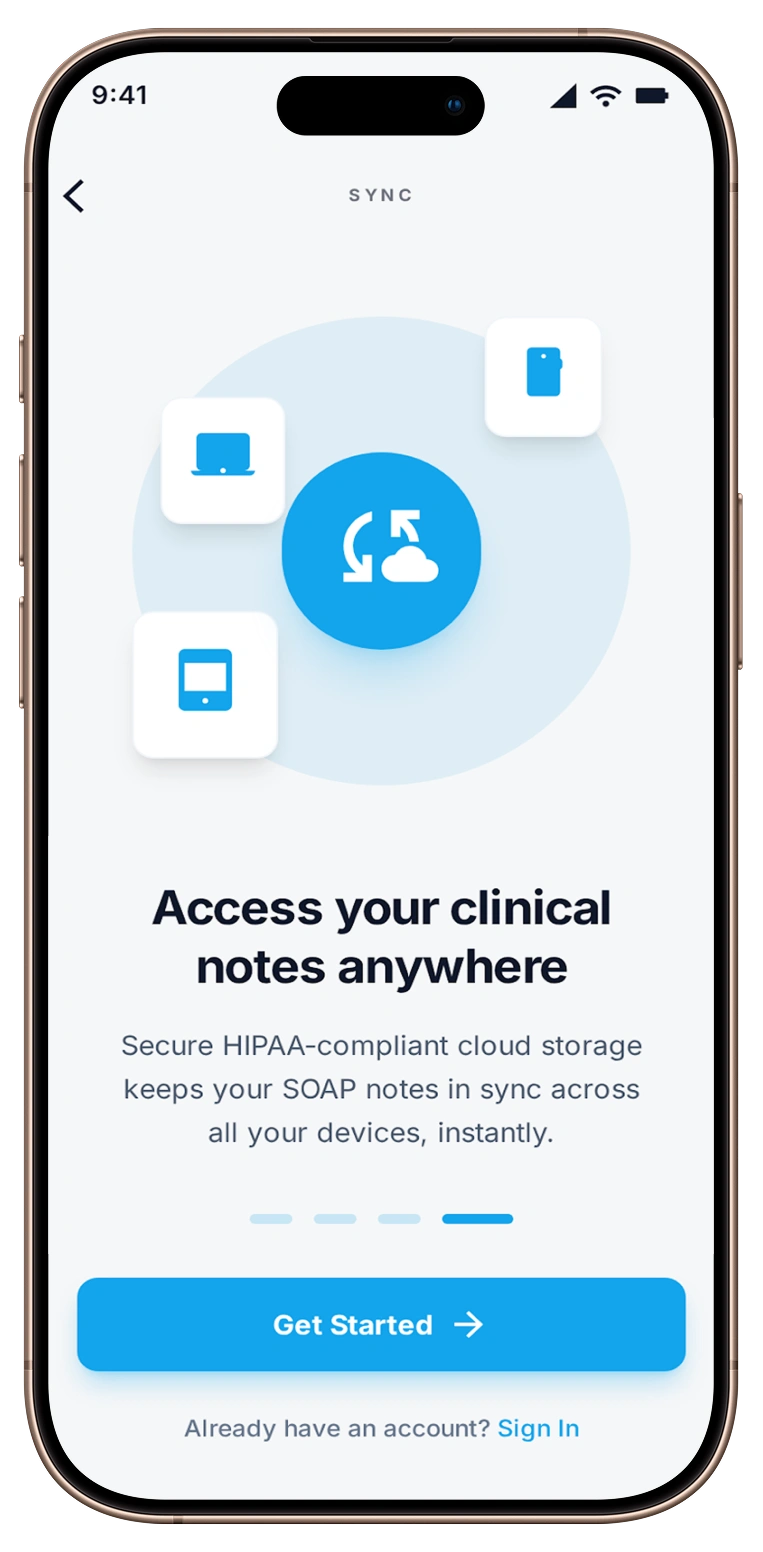
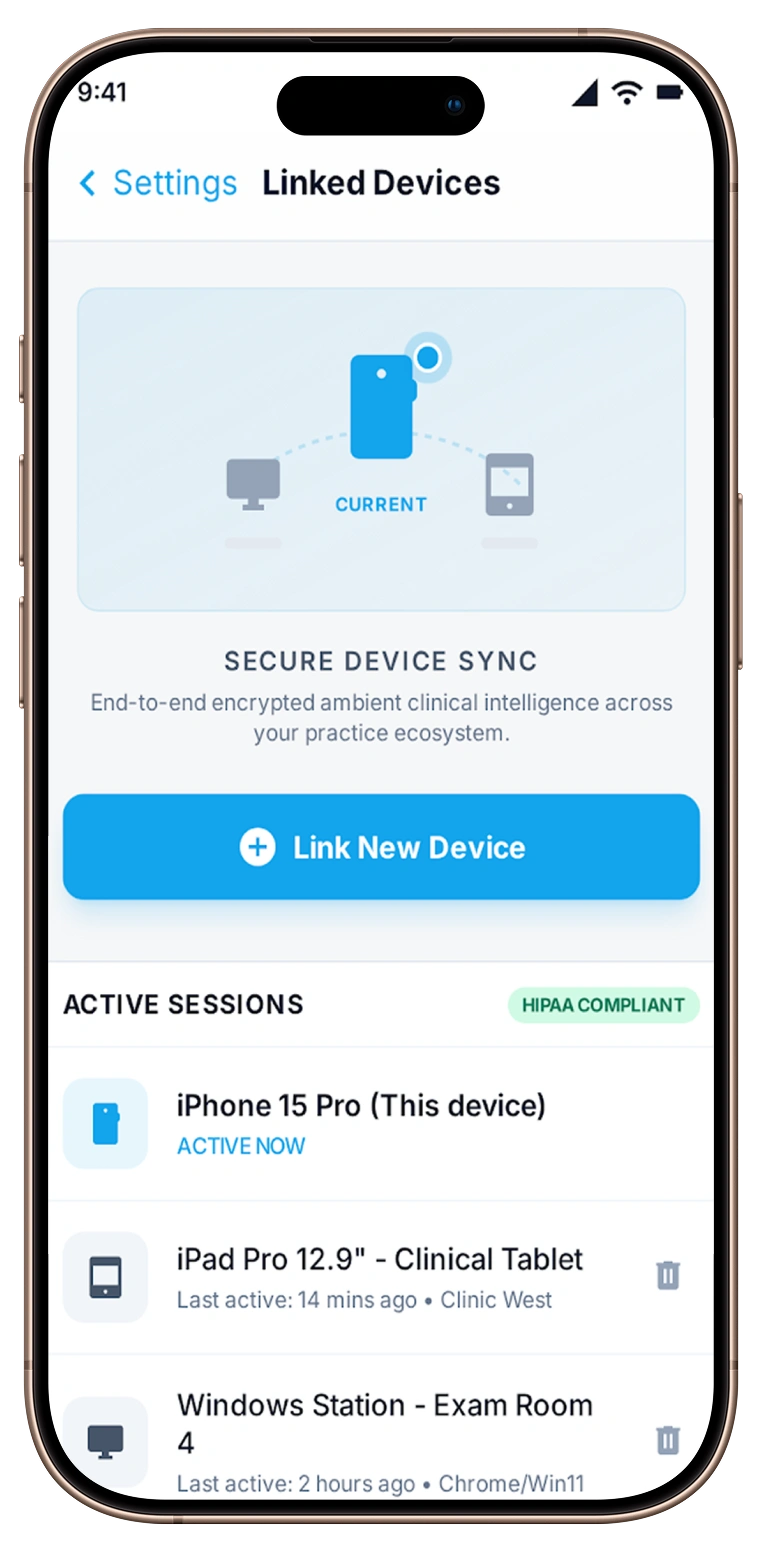
Multi-Device Access

  • Access platform via web, tablet, or mobile.
  • Sync notes in real time across devices.
  • Support flexible clinical environments.

8

Workflow Analytics

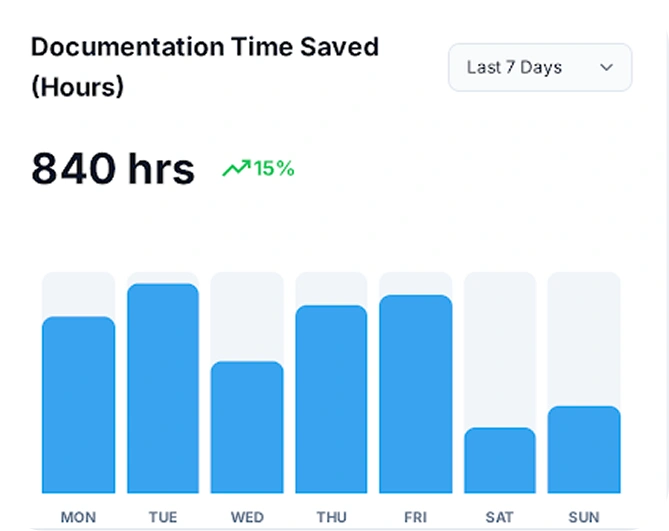
  • Track documentation time savings.
  • Monitor clinician productivity metrics.
  • Support operational performance review.

10

Secure Cloud Storage

  • Store all consultation data reliably.
  • Enable structured retrieval of past notes.
  • Maintain encrypted long-term records.

9

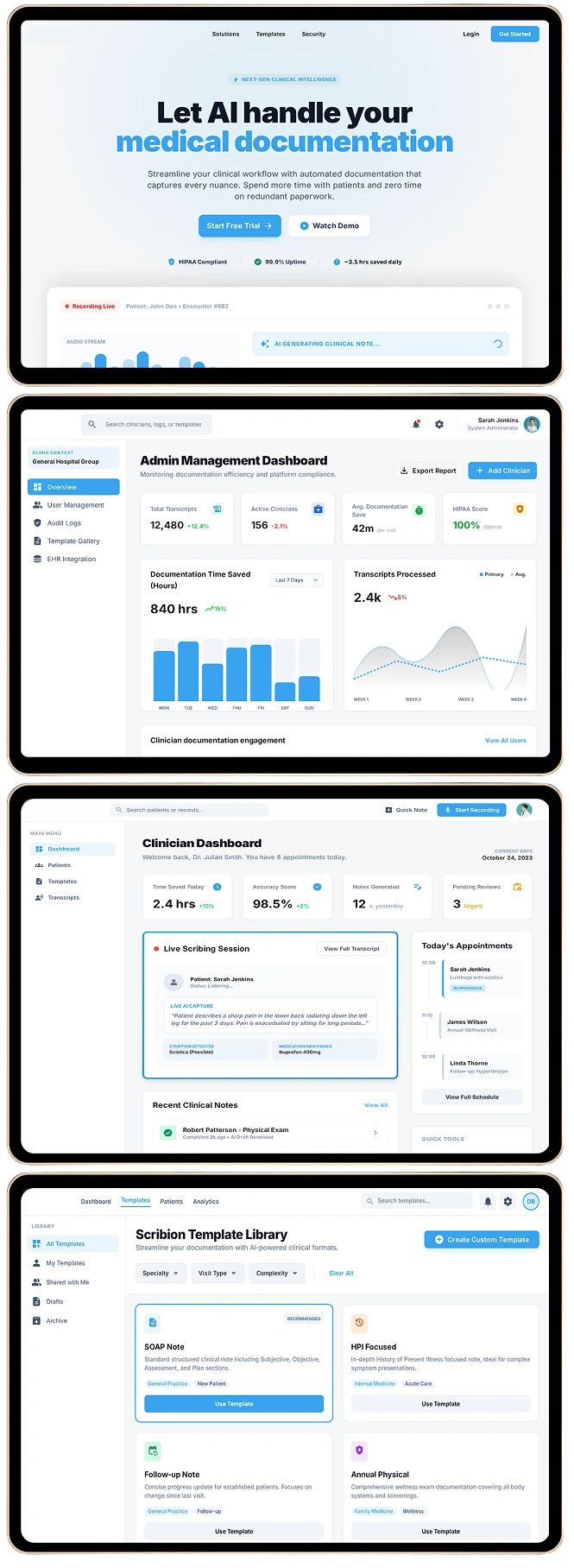
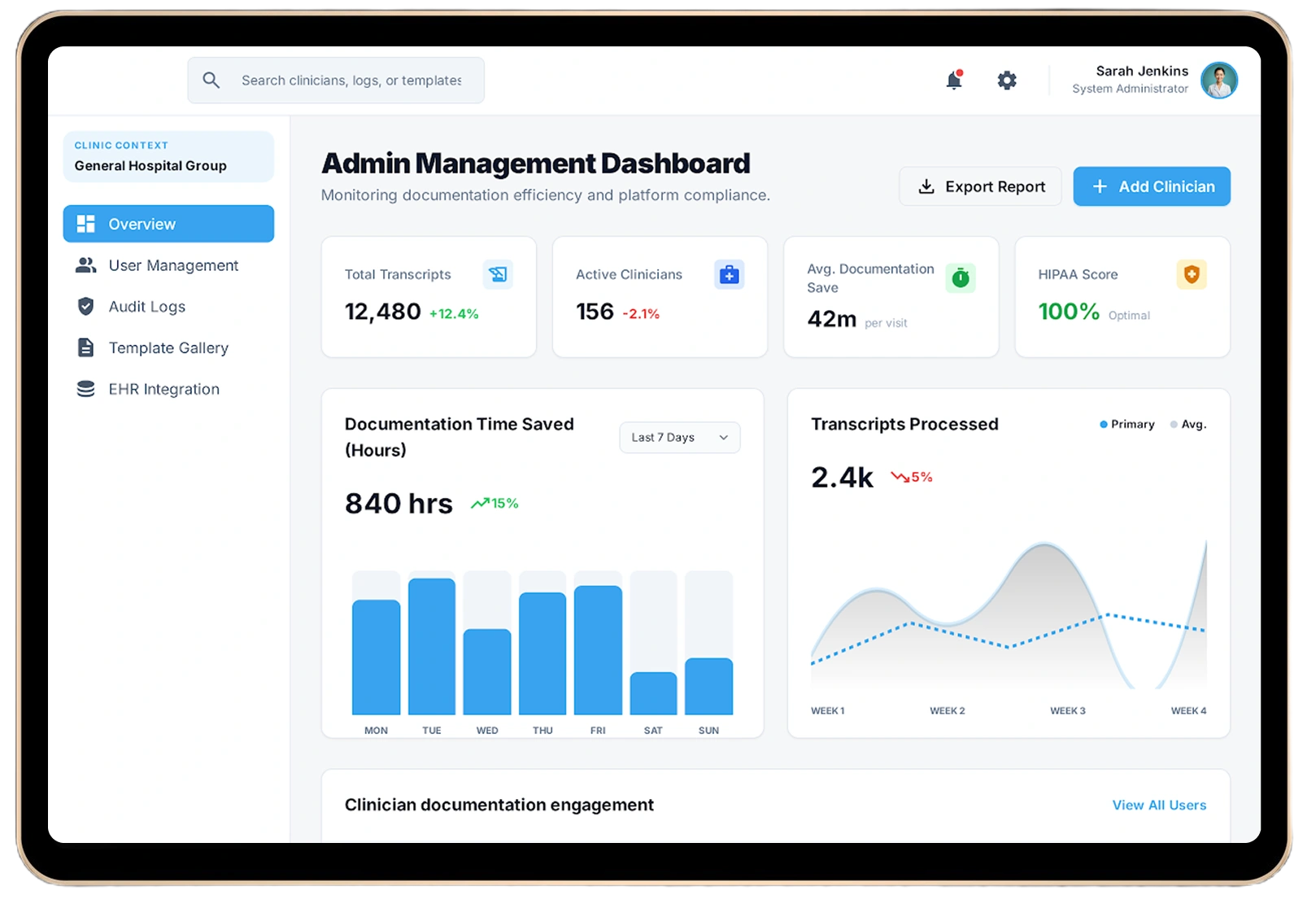
Admin Dashboard

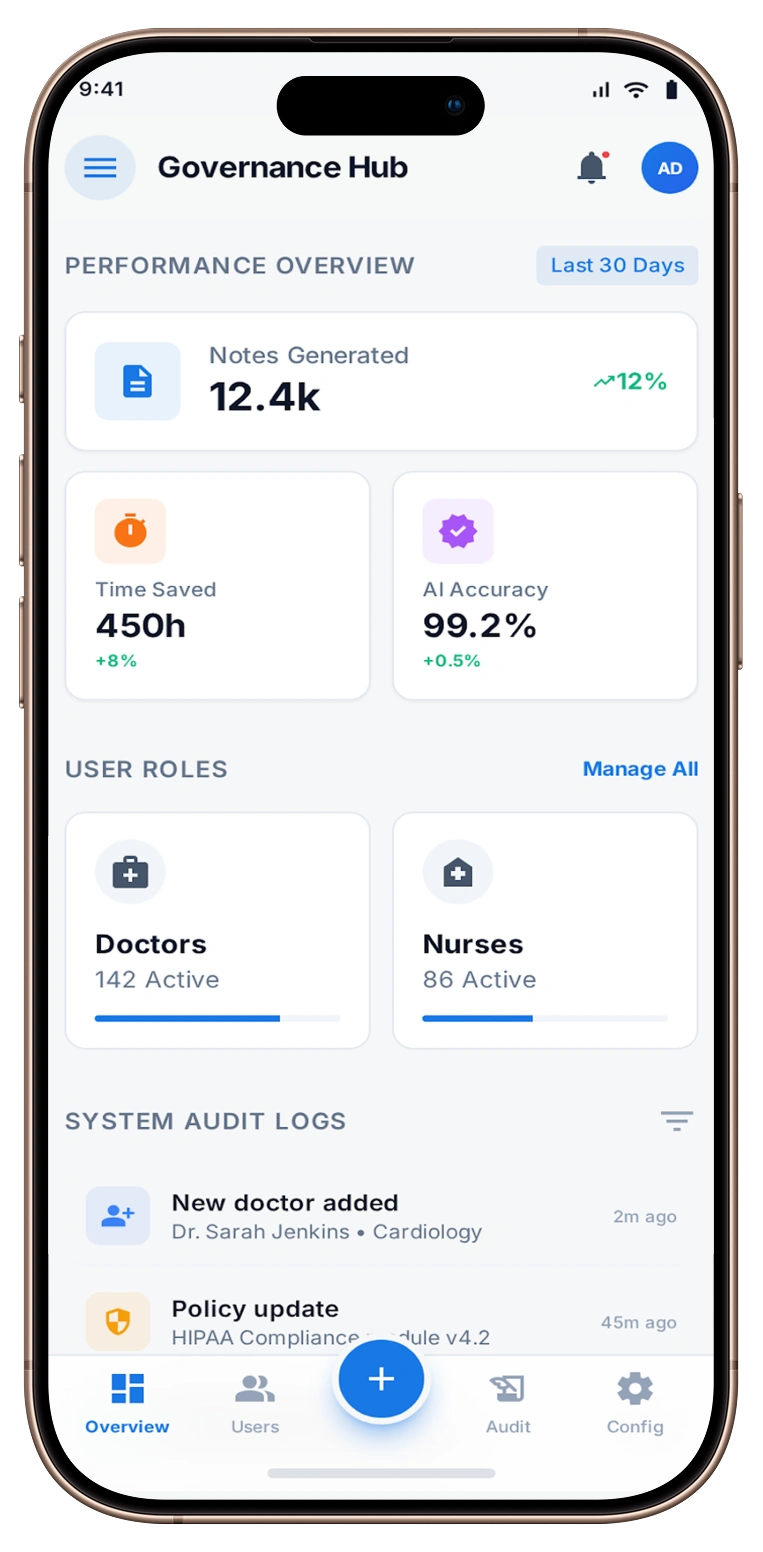
  • Manage user roles and permissions.
  • Monitor system usage across departments.
  • Maintain centralized oversight.

1.

Real-Time Transcription

  • Capture patient–clinician conversations instantly.
  • Deliver high medical accuracy in speech recognition.
  • Enable focus on patient care during consultations.

2.

AI-Generated SOAP Notes

  • Automatically structure notes into SOAP format.
  • Summarize key clinical details accurately.
  • Prepare documentation for quick review and export.

3.

Ambient Voice Capture

  • Record consultations passively.
  • Maintain natural conversation flow.
  • Eliminate manual typing during visits.

4.

Editable Draft Notes

  • Review AI-generated drafts before submission.
  • Edit or annotate notes as required.
  • Ensure clinical accuracy and validation.

5.

Structured Note Export

  • Export finalized notes in standardized formats.
  • Integrate smoothly with existing EHR systems.
  • Reduce duplicate data entry.

6.

HIPAA-Compliant Security

  • Encrypt voice data and clinical notes.
  • Maintain secure cloud storage.
  • Support healthcare-grade compliance standards.

7.

Multi-Device Access

  • Access platform via web, tablet, or mobile.
  • Sync notes in real time across devices.
  • Support flexible clinical environments.

8.

Workflow Analytics

  • Track documentation time savings.
  • Monitor clinician productivity metrics.
  • Support operational performance review.

10.

Secure Cloud Storage

  • Store all consultation data reliably.
  • Enable structured retrieval of past notes.
  • Maintain encrypted long-term records.

9.

Admin Dashboard

  • Manage user roles and permissions.
  • Monitor system usage across departments.
  • Maintain centralized oversight.

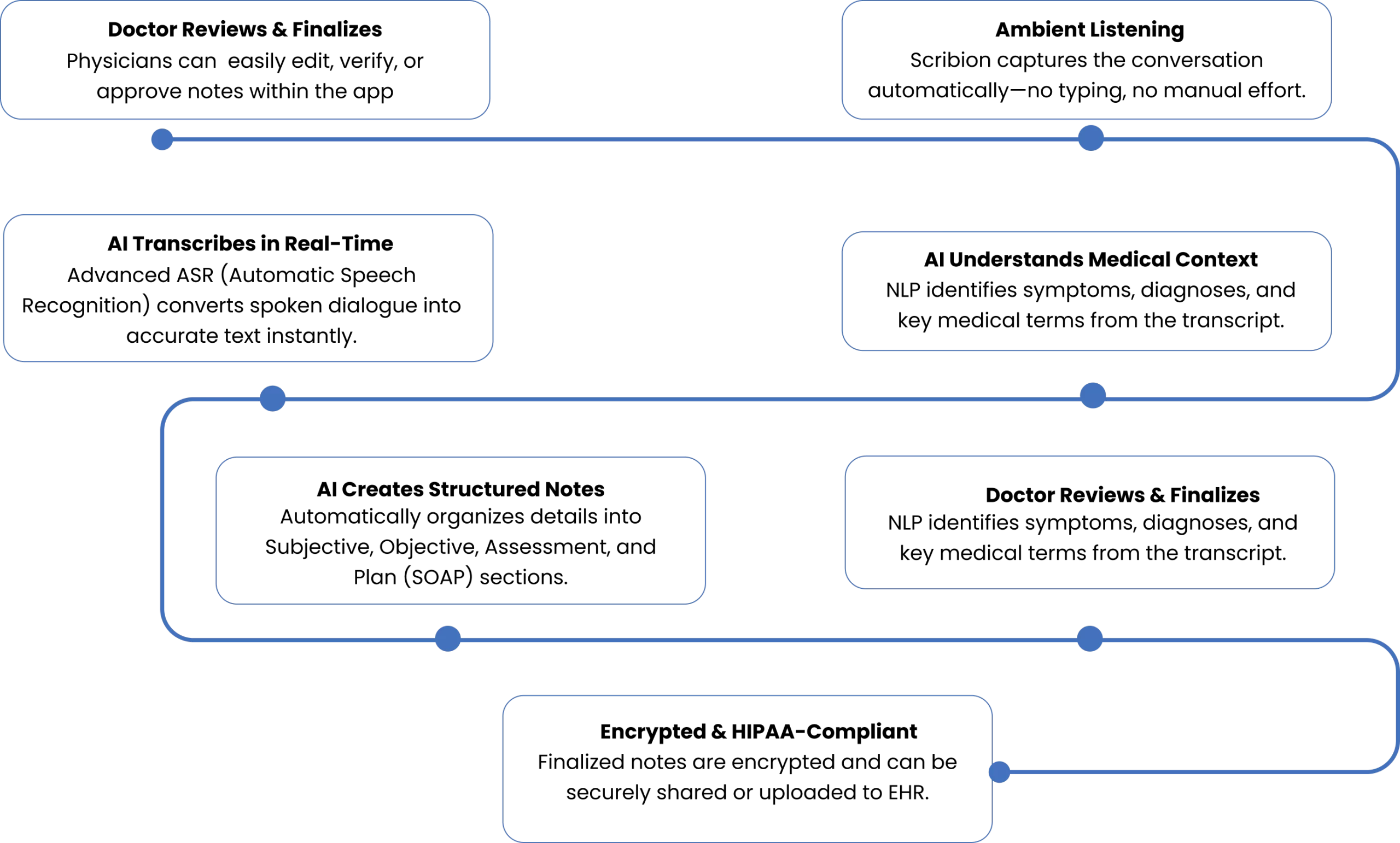
User Flow

Business Impact

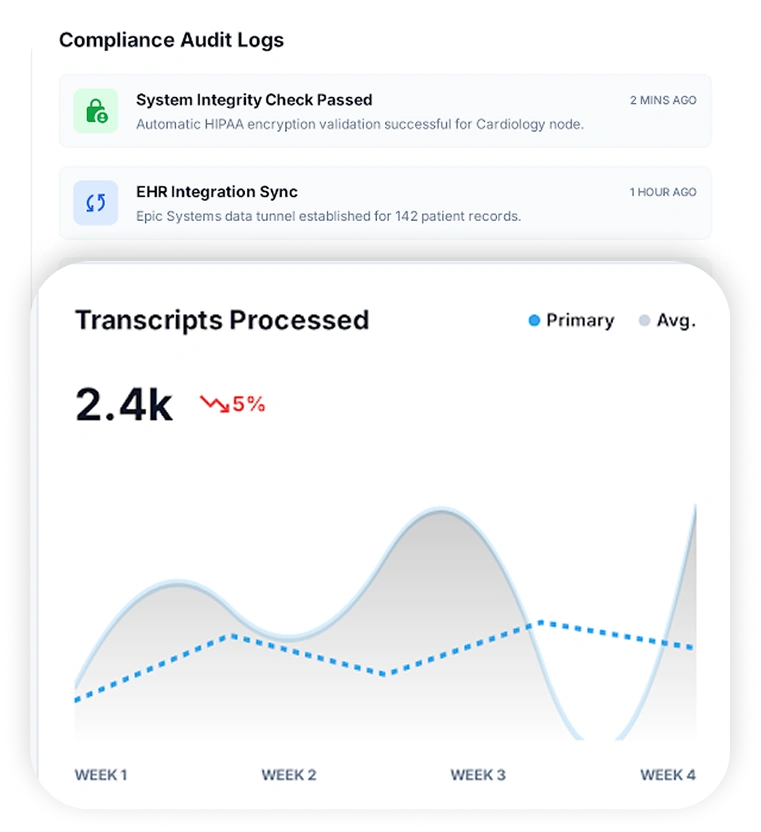
  • Reduced documentation time by up to 60%
  • Improved workflow efficiency by 35%
  • Decreased after-hours charting significantly
  • Enhanced provider satisfaction by 40%
  • Supported scalable deployment across multi-specialty clinics
  • Improved documentation consistency and compliance accuracy
  • Reduced operational costs linked to manual transcription

Scribion delivers a secure and scalable AI medical scribe platform that transforms clinical documentation into an automated, structured process. By combining real-time transcription, contextual AI understanding, and compliant cloud architecture, the platform reduces administrative burden and improves care efficiency.

The solution demonstrates measurable time savings, operational improvement, and high adoption across healthcare environments. Scribion now serves as a reliable foundation for AI-driven clinical documentation and healthcare workflow optimization.

Launch your own next-Gen AI-powered
medical scribe platform

© Idea Usher INC. 2025 All rights reserved.