Project Overview

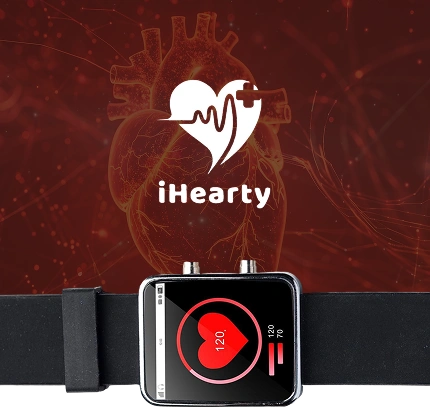
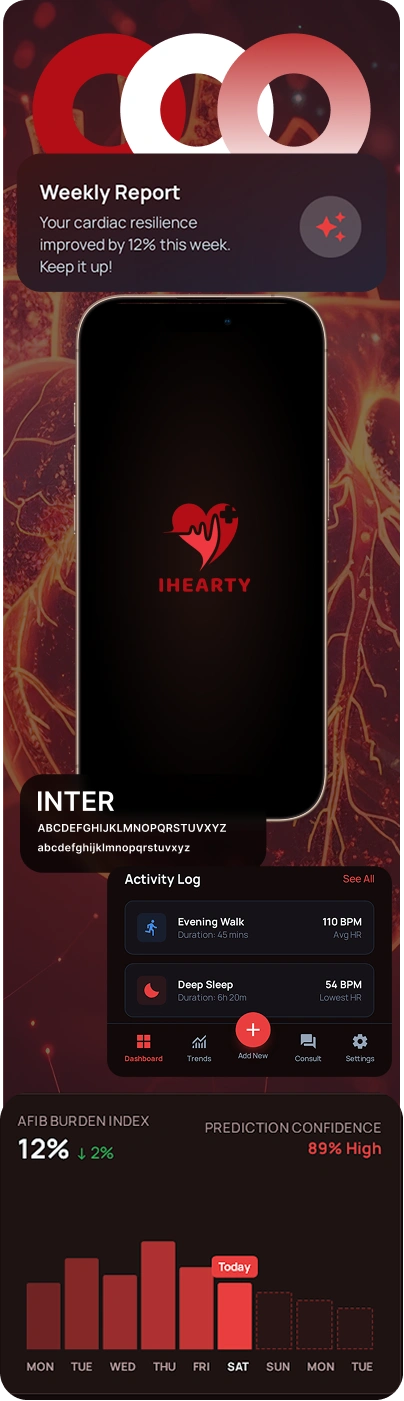
iHearty was developed by Idea Usher for a US-based private digital health company focused on improving cardiac monitoring and early risk detection. The platform uses AI to analyze ECG data, wearable sensor inputs, and patient history to identify early signs of heart conditions.

Built with a goal to detect cardiac risk earlier, reduce emergency events, and improve long-term heart health management, iHearty connects patients, cardiologists, and care teams through a single platform.

Idea Inception

Heart disease remains the leading cause of death in the world. Many cardiac events occur due to delayed diagnosis, irregular monitoring, or limited access to specialists. 

The client approached our team to build a system that moves cardiac care from reactive treatment to proactive monitoring. The concept was to combine AI-based ECG interpretation, wearable device integration, and secure patient-doctor communication in one structured digital platform. 

iHearty was conceived as a remote-first cardiac intelligence system designed for clinics, hospitals, and telehealth providers.

Strategic Objectives

The primary objective was to develop an AI-powered cardiac care ecosystem that could:

Enable early cardiac risk detection with AI-driven monitoring. Build your app for a real-cause!

Our Approach

The development approach focused on building a clinically practical AI system with secure data handling and clear usability. The objective was to ensure accurate ECG analysis, reliable monitoring, and compliance with US healthcare standards.

AI Model Development

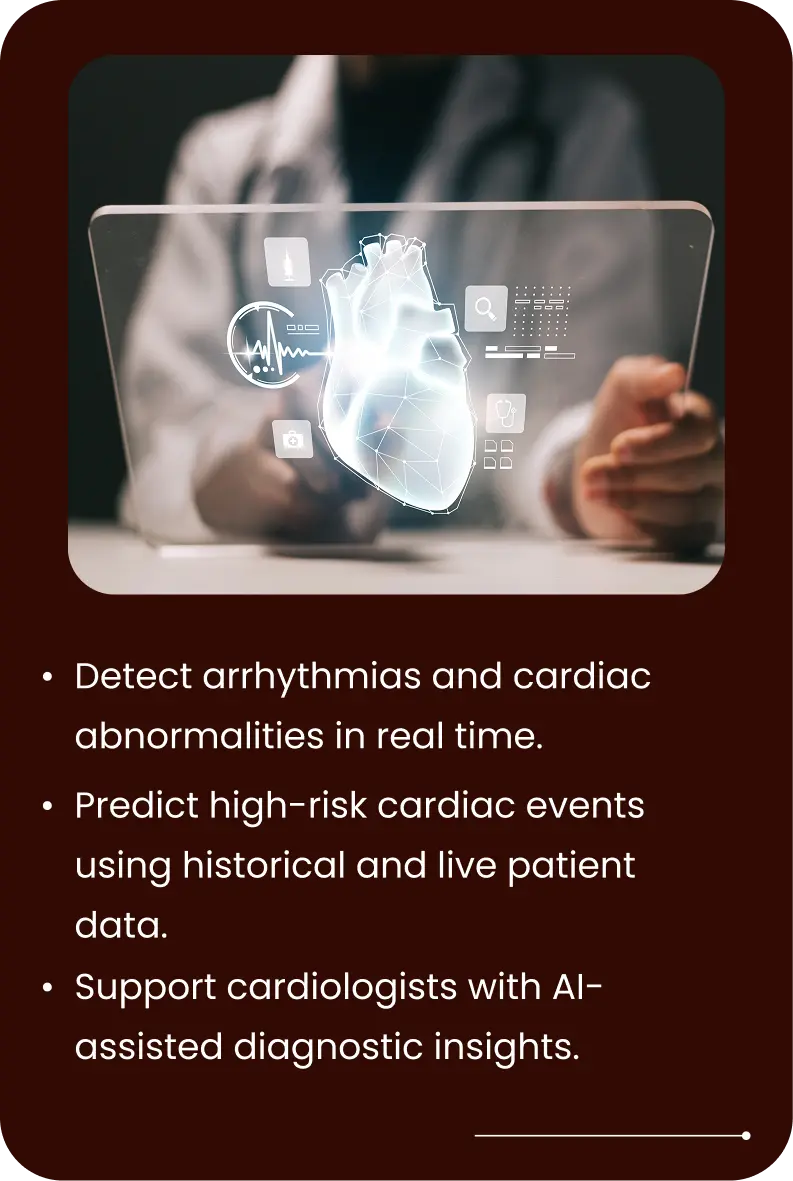
Deep learning models were trained to detect arrhythmias and irregular heart patterns from ECG data, using validated medical datasets.

Predictive Risk Logic

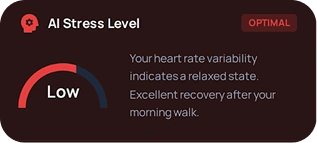
Machine learning algorithms analyze patient history, live vitals, and monitoring trends to generate cardiac risk indicators.

Secure System Architecture

The platform was built on an encrypted cloud infrastructure with role-based access control and HIPAA-aligned data protection standards.

Simple Clinical Workflow

The interface was designed to support doctors and patients with structured dashboards, clear alerts, and easy report access.

Key Differentiators

Most cardiac monitoring apps track heart rate or store ECG reports. iHearty goes further by delivering predictive intelligence and clinical-grade decision support. The platform:

Turn your cardiac care idea into a secure AI-based platform.

Top Features Delivered

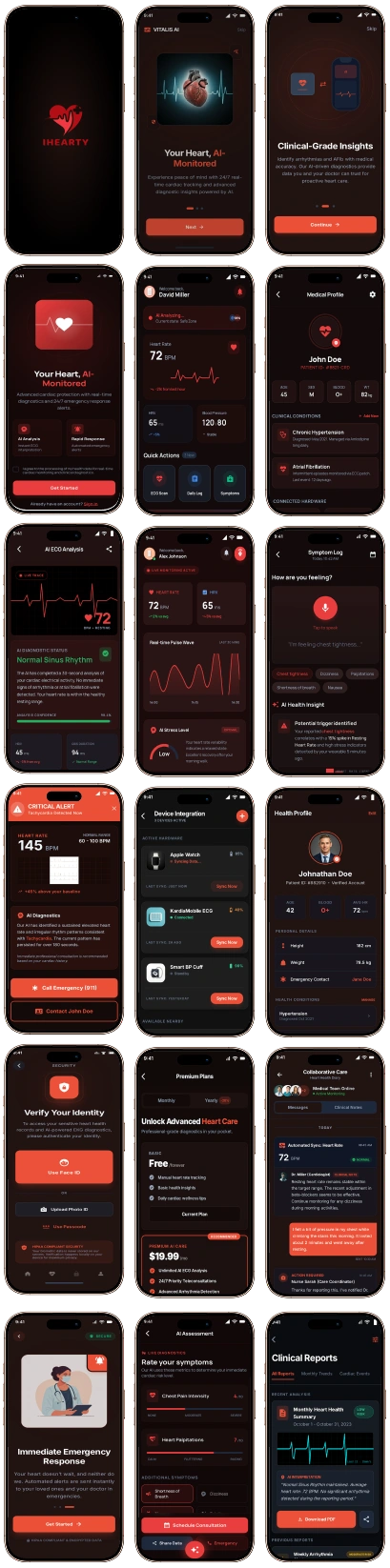
1. Real-Time ECG Analysis:

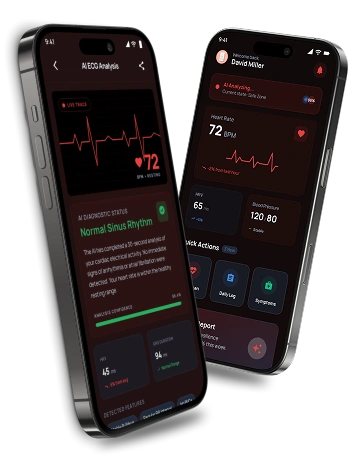
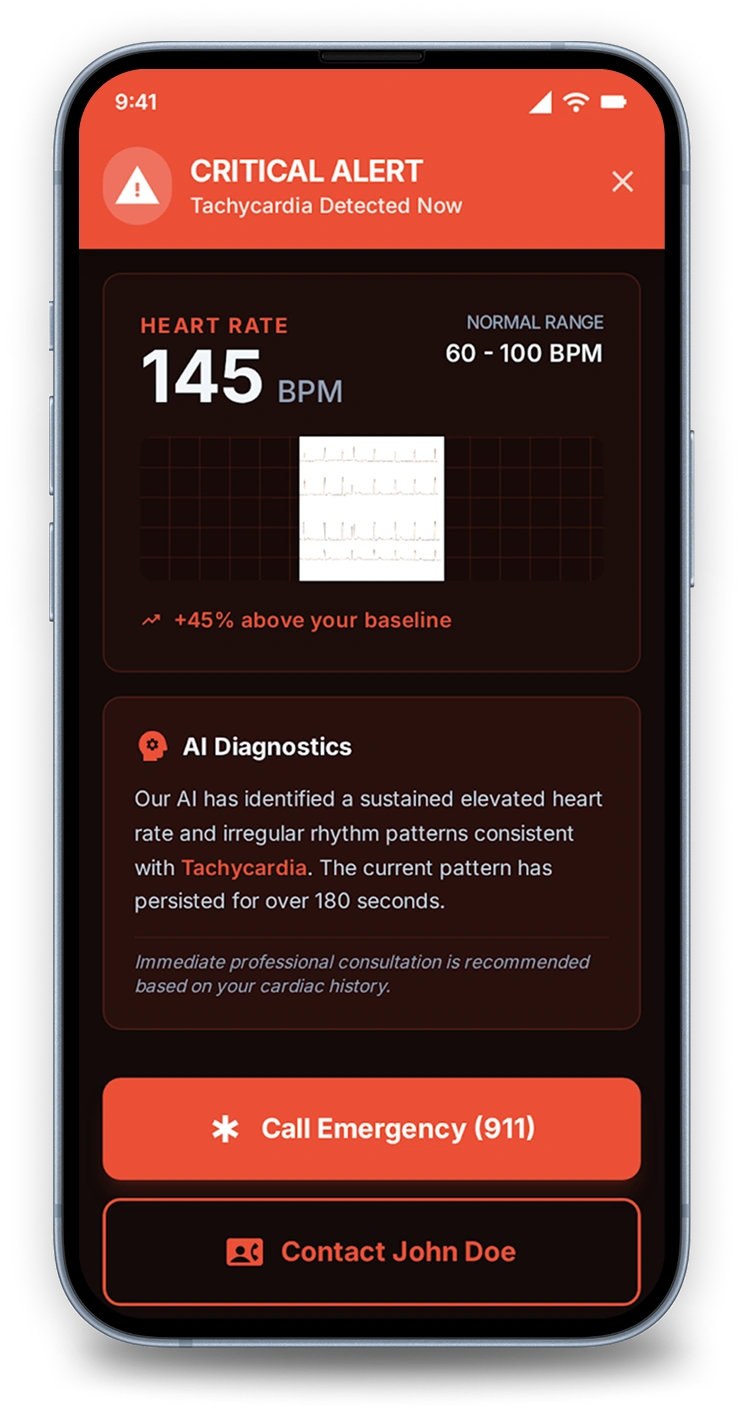
Detects arrhythmias and abnormal heart patterns within seconds using AI-based waveform evaluation.

2. AI-Based Risk Scoring:

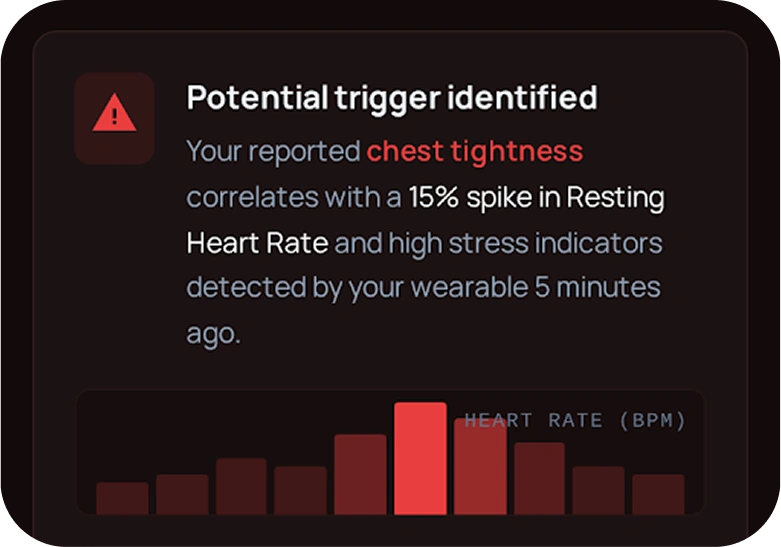
Generates dynamic cardiac risk profiles based on patient history, live vitals, and monitoring data.

3. Remote Patient Monitoring Dashboard:

Provides clinicians with structured access to live readings and historical cardiac trends.

4. Automated Critical Alerts:

Send timely notifications to both patients and providers during abnormal or high-risk readings.

5. Medication & Follow-Up Tracking:

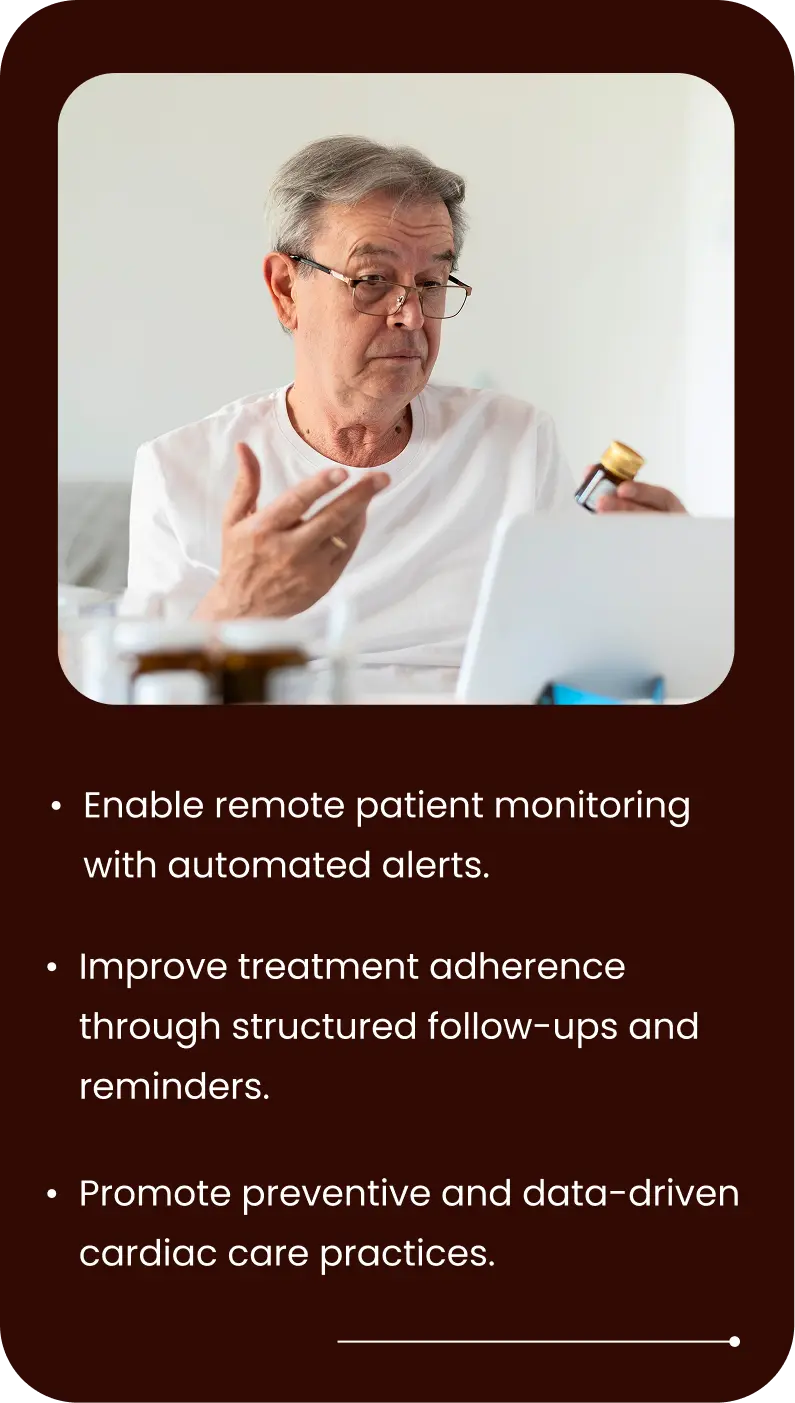
Supports treatment adherence through reminders, logs, and scheduled care updates.

6. Secure Teleconsultation Module:

Enables direct and encrypted communication between patients and cardiologists within the platform.

7. Clinical Reporting System:

Produces downloadable reports with ECG waveforms and AI-generated interpretations for medical review.

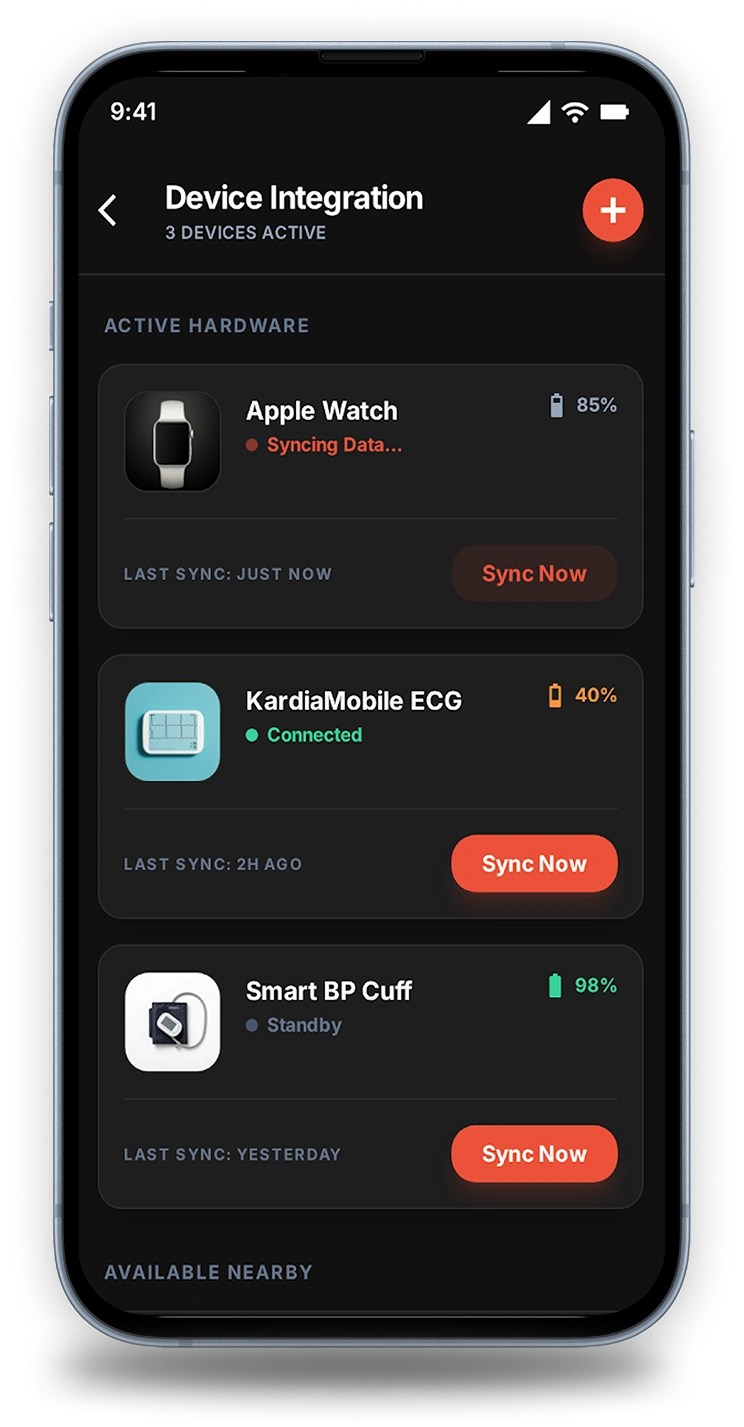
8. Multi-Device Integration:

Connects with approved wearable ECG monitors and health tracking devices for continuous data collection.

Turn your cardiac care idea into a secure AI-based platform.

Strategic Objectives

The primary objective was to develop an AI-powered cardiac care ecosystem that could:

Enable early cardiac risk detection with AI-driven monitoring. Build your app for a real-cause!

Key Differentiators

Most cardiac monitoring apps track heart rate or store ECG reports. iHearty goes further by delivering predictive intelligence and clinical-grade decision support. The platform:

Turn your cardiac care idea into a secure AI-based platform.

Top Features Delivered

Challenges & Solutions

1.Training Clinically Reliable AI Models for ECG Interpretation

Solution: The team trained convolutional and recurrent neural networks on large, annotated ECG datasets and validated outputs against cardiologist-reviewed benchmarks to achieve clinical-level precision.

2. Maintaining Real-Time Performance

Solution: The system used optimized model deployment with cloud-assisted processing to deliver fast ECG interpretation without delays.

3. Integrating Multiple Wearable Devices Securely

Solution: Standardized APIs were implemented to enable secure data exchange between approved wearable devices and the platform.

4. Reducing False Positives in Alert Systems

Solution: Multi-parameter validation logic combines ECG data with contextual vitals to improve alert accuracy and reduce unnecessary notifications.

5. Designing for Clinical Simplicity

Solution: The user interface was structured around clear workflows, minimizing steps while keeping diagnostic data accessible for review.

6. Managing Sensitive Health Data

Solution: The architecture included encrypted communication, secure storage protocols, and compliance-aligned infrastructure to protect patient information.

The Strategic Need for AI in Cardiac Care

  • Cardiovascular disease is the leading cause of death in the US, creating a strong need for early detection and continuous monitoring.
  • Nearly half of US adults live with some form of heart disease, which increases the demand for better tracking, faster analysis, and structured risk management.
  • The remote cardiac monitoring market is projected to reach $13.2 billion as healthcare providers adopt continuous care models.
  • The wearable ECG market was valued at about USD 587 million in 2024, showing rising use of devices that generate real-time heart data.
  • Rising dementia cases, expected to reach 550,000 by 2030, influenced us to include caregiver contact details, alerts, and bio notes within bookings. 
  • Recognizing a AU $6.5 billion healthcare shortfall in rural regions, we added location-based pricing and service filters to support accessibility. 
  • The broader aged care sector is projected to nearly double in value, from US $32.2 billion in 2024 to US $61 billion by 2033, which is why the platform was designed for compliance, admin oversight, and long-term scalability.

As digital health adoption increases, AI-based cardiac systems are needed to analyze live data, send alerts, and support clinical decisions, which is exactly why iHearty was built with real-time analysis, risk scoring, monitoring dashboards, alerts, reports, and device integration.

Turn your cardiac care idea into a
secure AI-based platform.

© Idea Usher INC. 2025 All rights reserved.